PRESENTATION:Rosalie Gascoigne
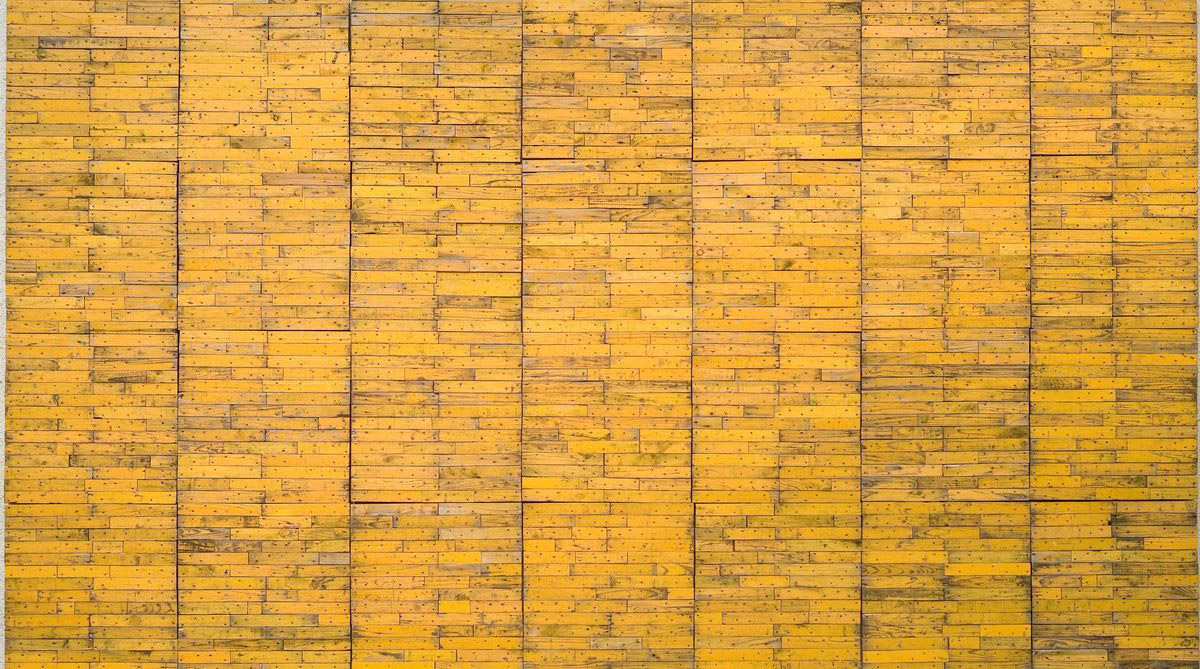
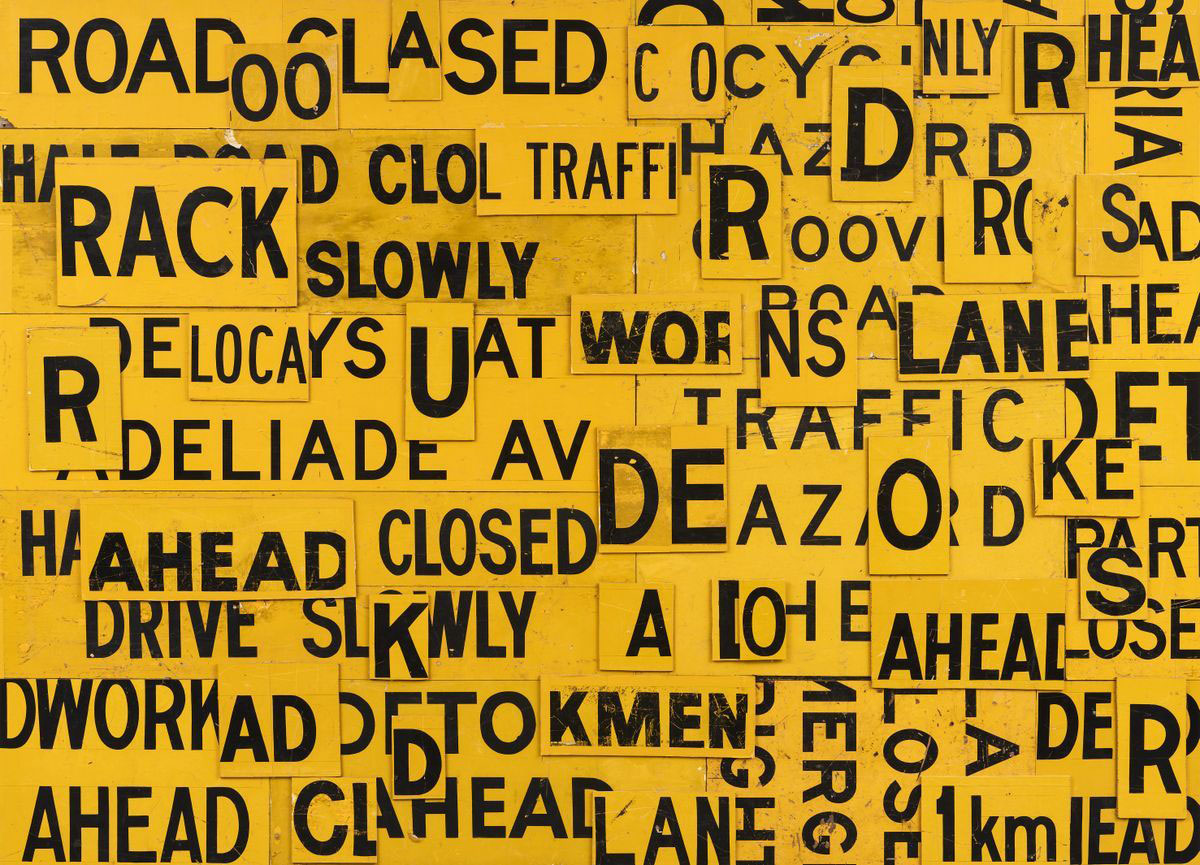
Rosalie Gascoigne is best known for her distinctive and poetic assemblages of mostly found materials: wood, iron, wire, feathers, and yellow and orange retro-reflective road signs. Gascoigne brought these items from everyday life into new frames of reference, often finding beauty in overlooked things that had been discarded and left to weather. Gascoigne’s abstractions move between metaphor and analogy, topography and geography, not only informed by an ‘ideology of nature’ but reveal the structuring logic of minimalism.
By Dimitris Lempesis
Photo: NGA Archive
The exhibition “Rosalie Gascoigne” at the National Gallery of Australia brings together over 80 significant works from public and private collections across Australia and Aotearoa/New Zealand (including the key 1983 work “Parrot country{). Spanning her pioneering career, this major retrospective highlights her deep connection to Kamberri/Canberra, her home for over 50 years.
Born in New Zealand, Gascoigne graduated from Auckland University in 1937 and worked as a teacher before moving to Australia in 1943 following her marriage to astronomer Ben Gascoigne. With no formal academy training, she often remarked that her 50-year apprenticeship was simply “in looking.” Her visual language took root during 17 years spent on the stony terrain of Mount Stromlo and the surrounding Monaro wheat belt—a region she designated as the crucial crucible for her art, famously describing the landscape as “all air, all light, all space and all understatement.”
Her lifelong passion for collecting and arranging initially stemmed from the Sogetsu school of ikebana, which emphasized form and line over color. Valuing immediate response, raw materials, and experimental processes, she began gathering discarded items like old farm machinery parts as vessels for her plant arrangements. This practice smoothly evolved into permanent sculptural assemblages, aligning with the experimental direction of contemporary sculpture in the 1960s.
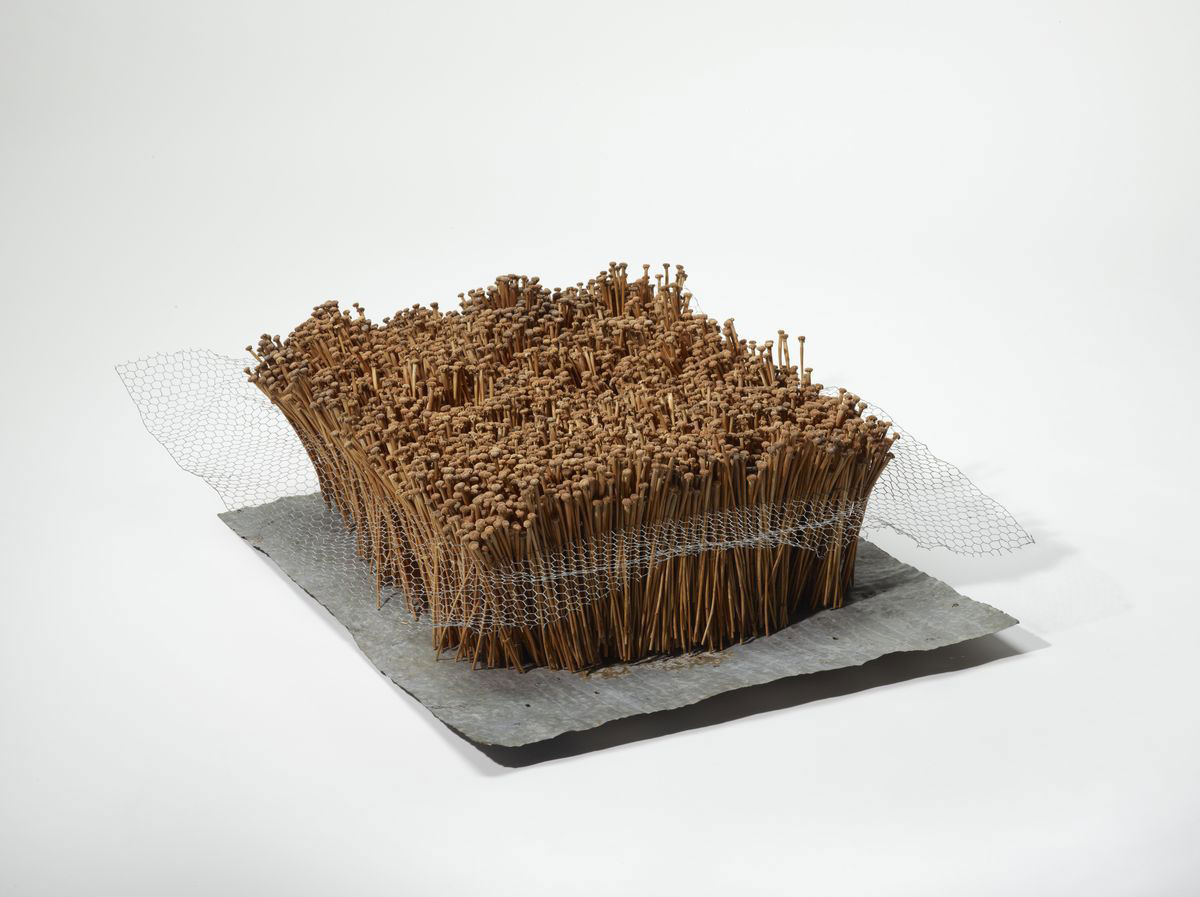
Gascoigne began exhibiting in 1974 at age 57. Following a highly successful solo debut at Macquarie Galleries in Canberra, she experienced an exceptionally rapid rise to recognition. Early pieces such as “The crop I” (1976)—featuring hundreds of compressed, bound salsify heads arranged on an iron sheet—evoked Australian agricultural cultivation while recalling the structured balance of Japanese brush fences and ikebana.
Throughout the 1970s, her career was closely tied to the National Gallery. Her interactions with its inaugural Director, James Mollison, exposed her to modern international art developments, shaping her artistic thinking. By the early 1980s, Gascoigne had established herself as one of the 20th century’s most significant artists. Extending the Australian landscape tradition while inspiring younger generations, her work achieved international acclaim, including representing Australia at the Venice Biennale. Her practice demonstrated strong relevance to global movements like Land Art, Assemblage, and Arte Povera.
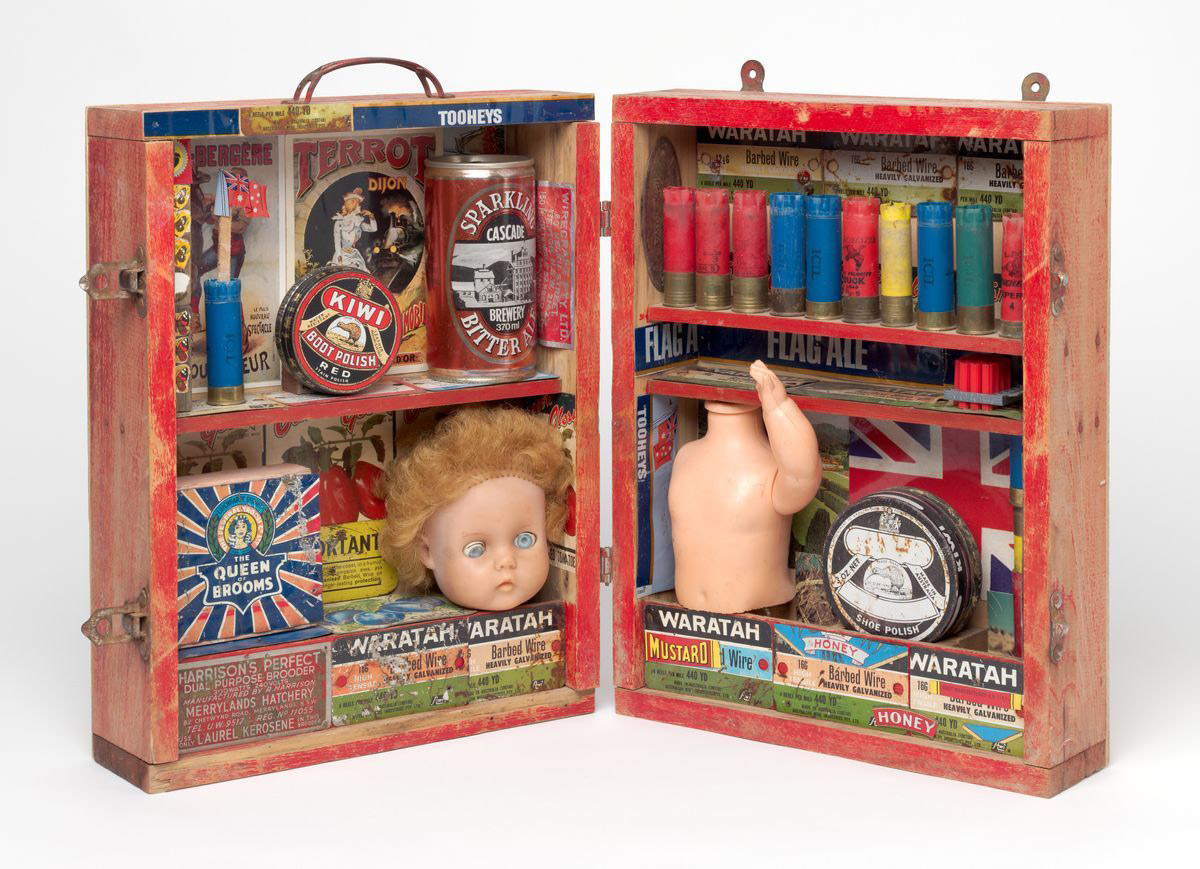
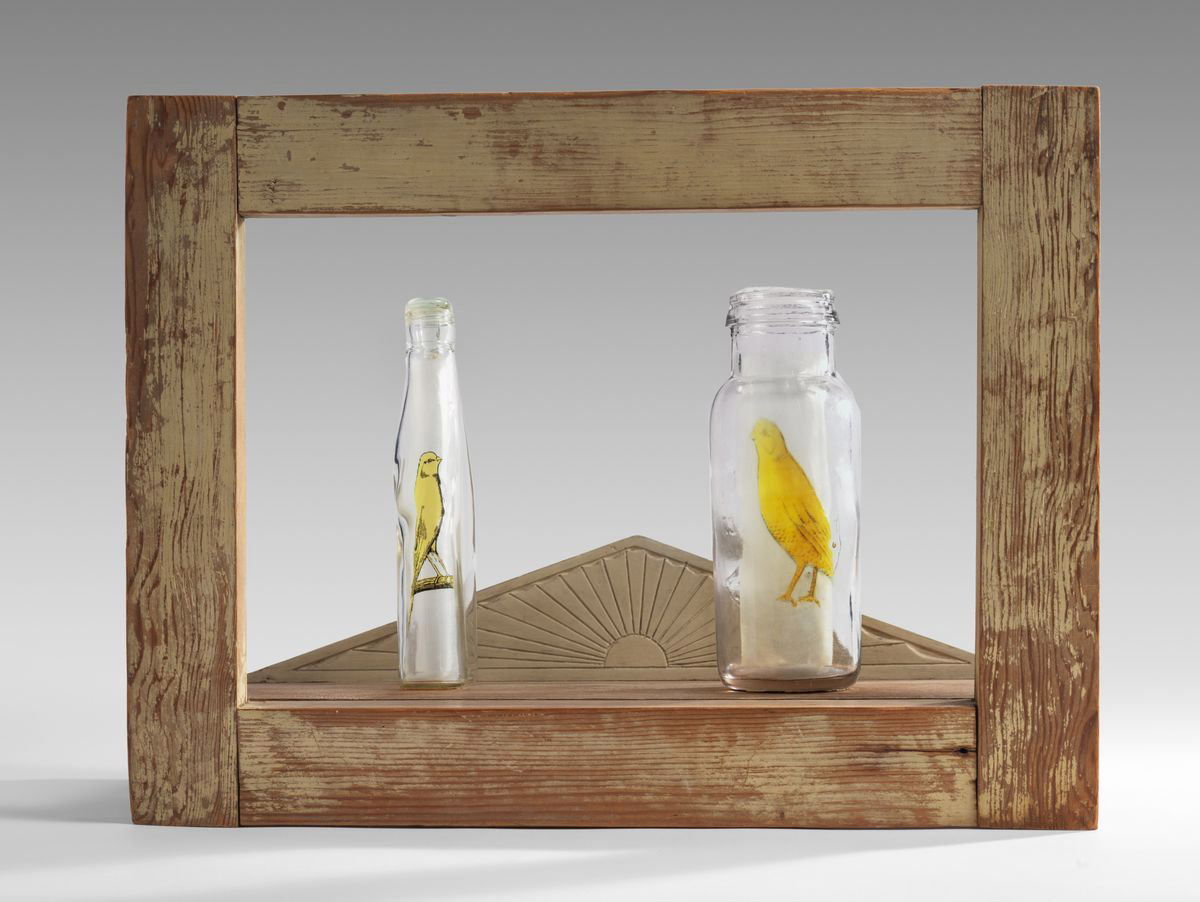
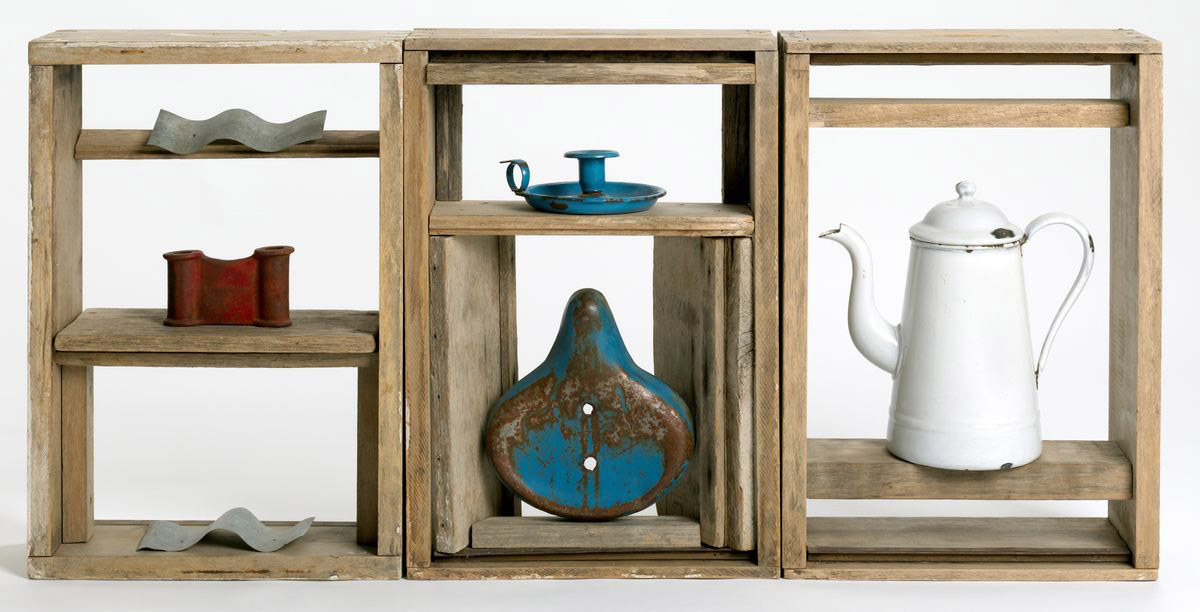
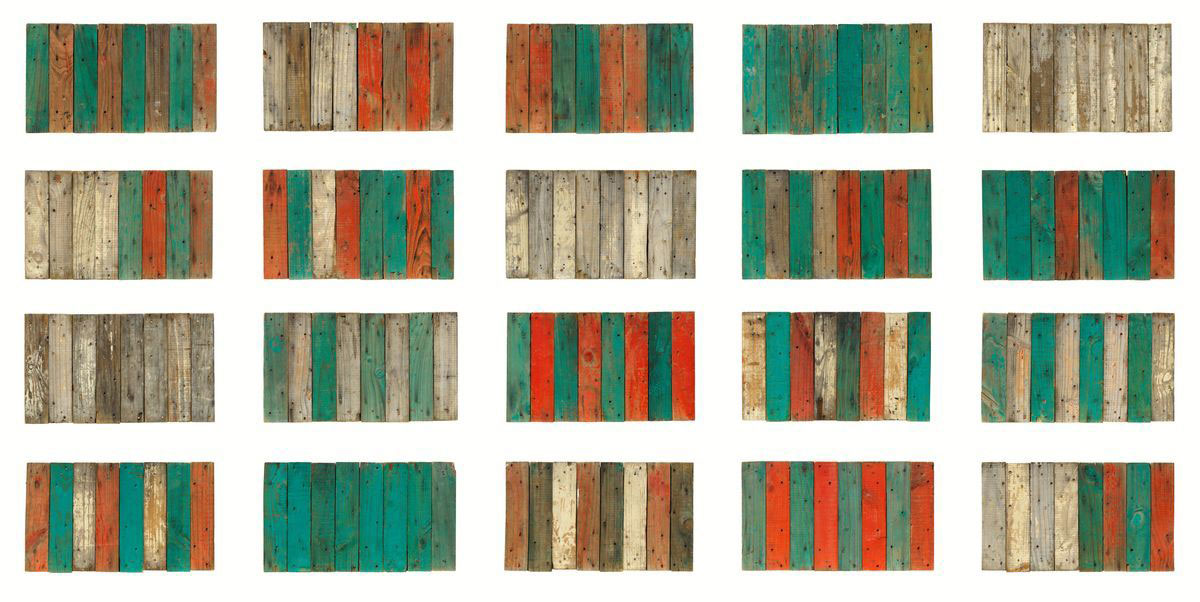
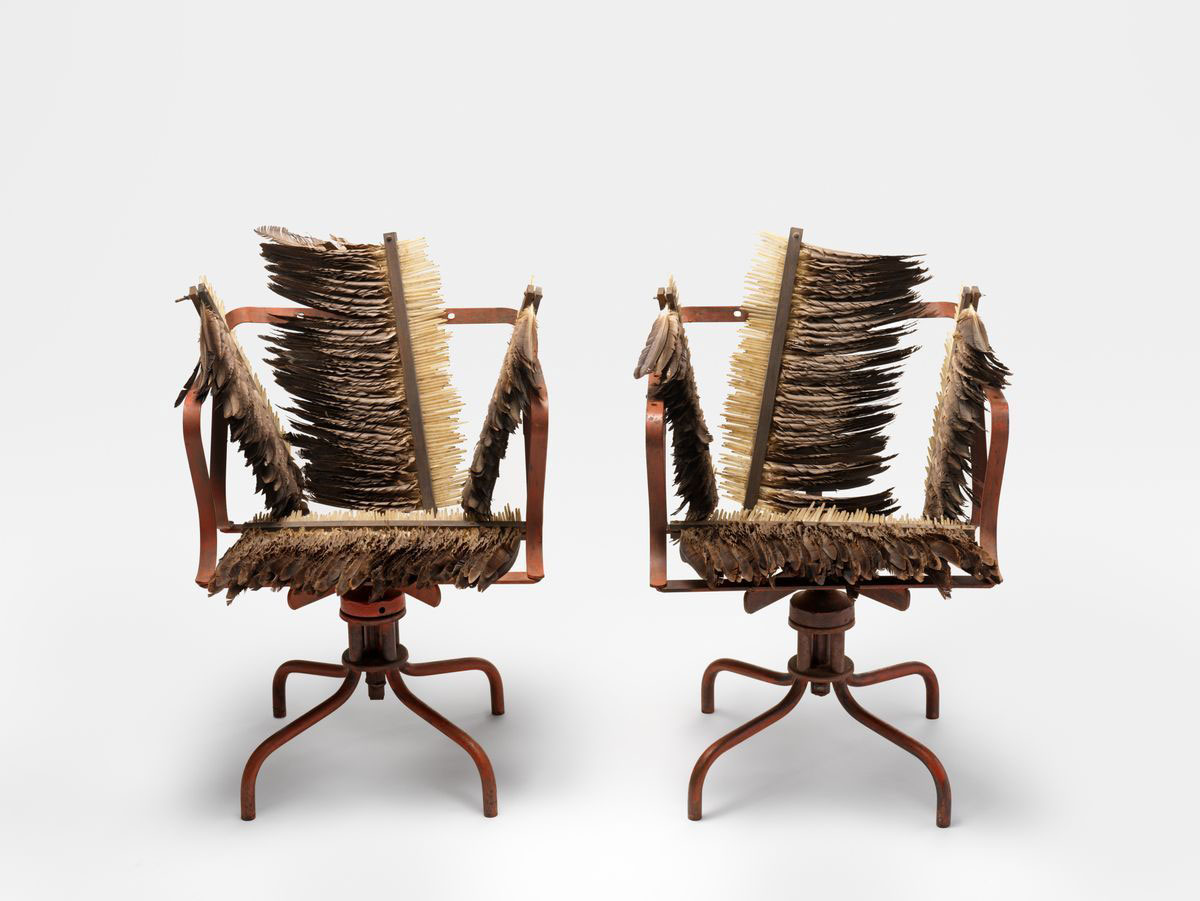
Transforming overlooked materials—retro-reflective road signs, soft drink crates, enamelware, feathers, and weathered timber—into works of extraordinary beauty, Gascoigne combined abstraction, memory, and wordplay. The exhibition traces her development from early box assemblages, floor installations, and wall works to her celebrated mid-1980s and 1990s retro-reflective signworks. Highlights include early pieces like “Feathered fence” (1978–79) and the National Gallery’s recently acquired “Feathered Chairs” (1978), alongside her final masterworks created at age 82: “Metropolis” (1999) and the ten-panel installation “Earth” (1999).
Photo: Rosalie Gascoigne, Feathered chairs, 1978, National Gallery of Australia, Kamberri/Canberra, purchased 2026, © Rosalie Gascoigne/Copyright Agency
Info: Curator: Dr Deborah Hart, National Gallery of Australia, Parkes Place East, Parkes, Australia, Duration: 24/10/2026-14/2/2026, Days & Hours: Daily 10:00-17:00, https://nga.gov.au/
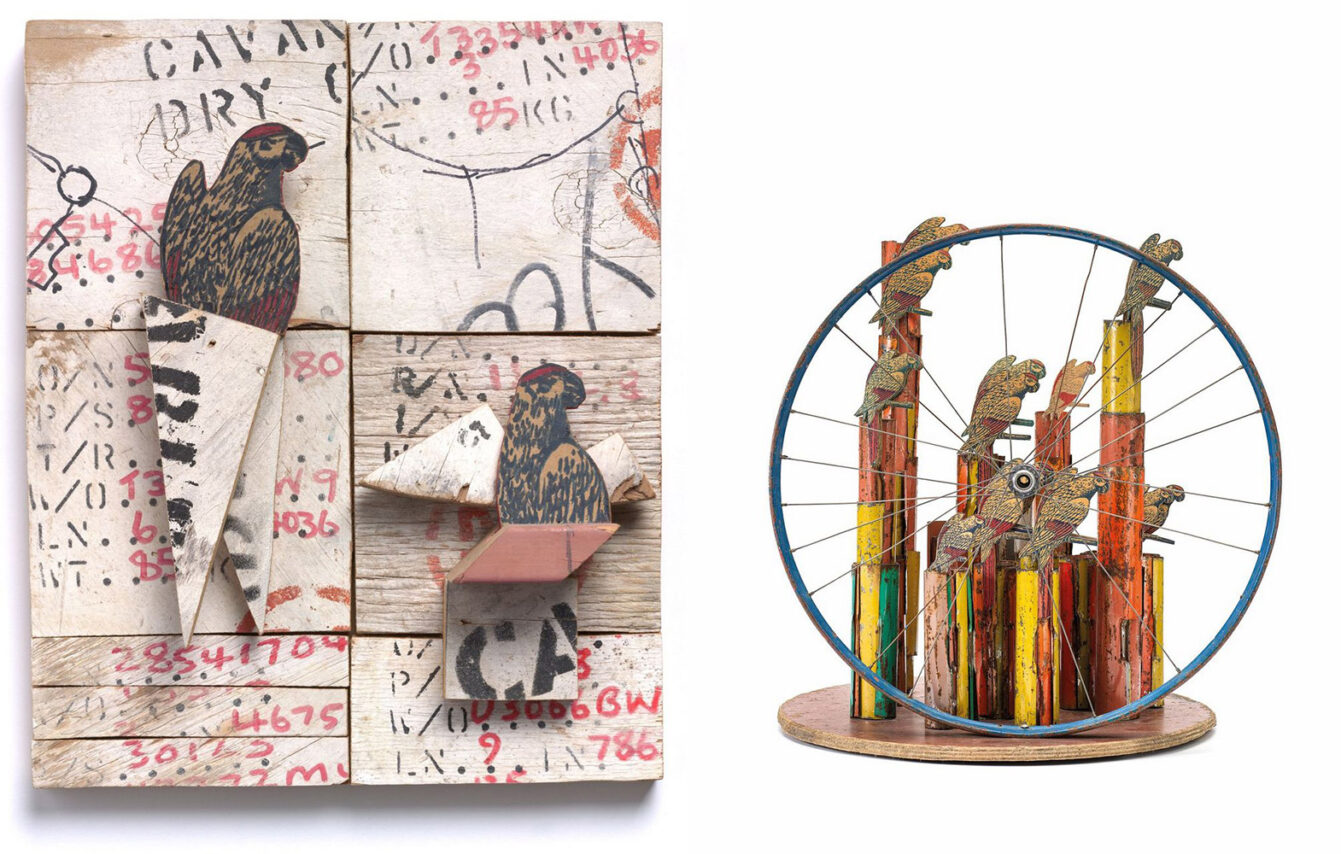
Right: Rosalie Gascoigne, Parrot morning, 1976, National Gallery of Victoria, Naarm / Melbourne, Michell Endowment 1976, transferred to the Permanent Collection 1996, © Rosalie Gascoigne / Copyright Agency, photo: Narelle Wilson / NGV
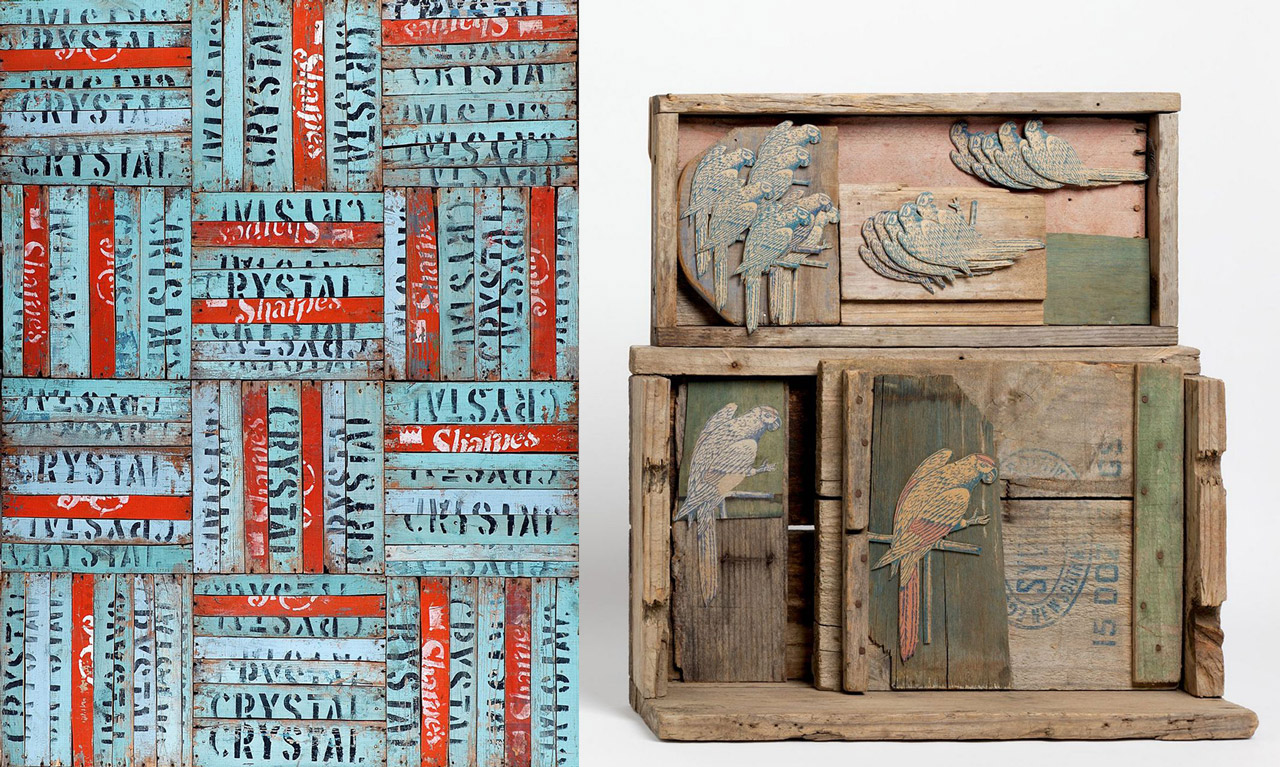
Right: Rosalie Gascoigne, Tiepolo parrots, 1976, National Gallery of Australia, Kamberri/Canberra, purchased 1976, © Rosalie Gascoigne/Copyright Agency
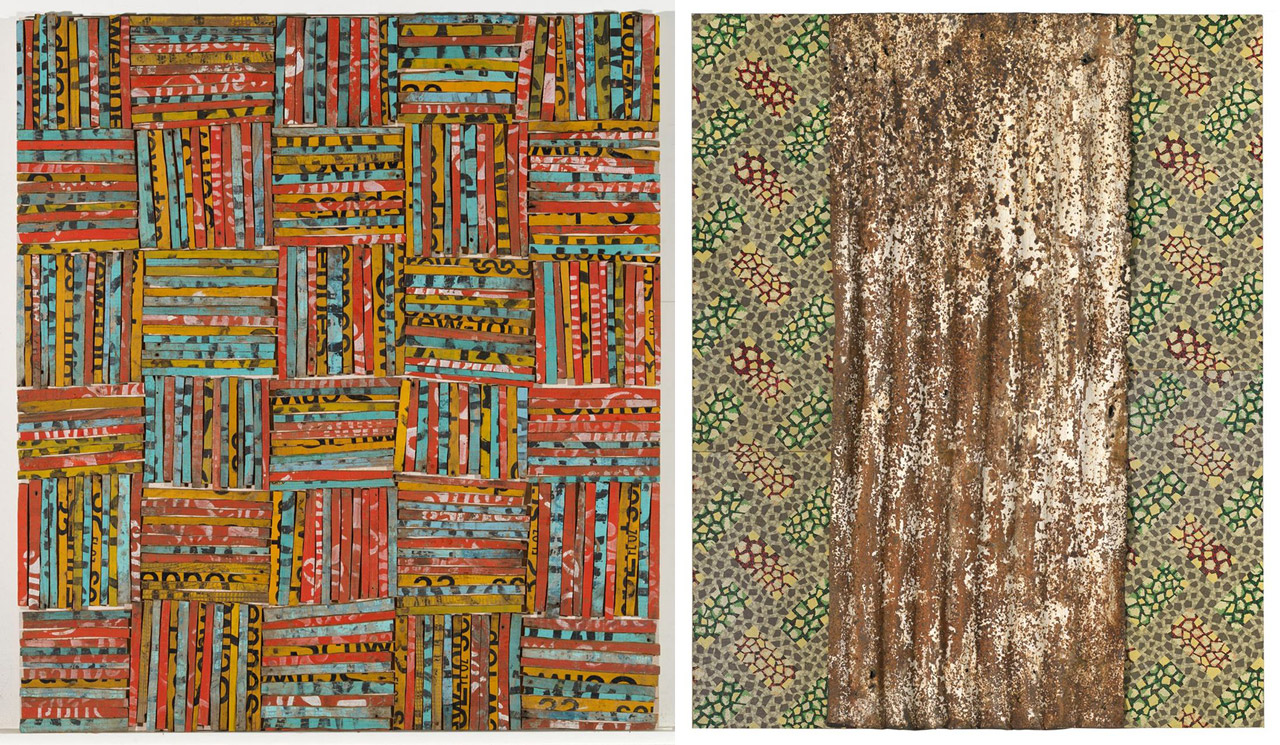
Right: Rosalie Gascoigne, Cow pasture, 1992, National Gallery of Australia, Kamberri/Canberra, purchased 1993, © Rosalie Gascoigne/Copyright Agency