
PRESENTATION: Anu Põder
The Estonian artist Anu Põder explored the fragility and complexity of life and the body in her sculptures. Anu Põder (17/11/1947-17/1/2013) worked with materials including plastic, wax, fat and textiles – materials that transform, age and break down over time. The body is central to Põder’s art but does not need to be visible. It can emerge as an imprint or a void, in a play between presence and absence.
By Dimitris Lempesis
Photo: Moderna Museet Archive
Spanning three decades, the exhibition follows Anu Põder’s artistic development from the years of occupation to the period after Estonia’s independence and shows how her focus gradually shifted from the corporeal and ephemeral to commentaries on consumption and capitalism.
The exhibition is retrospective in the sense that it spans Põder’s entire artistic career, while the presentation itself is concentrated. This is largely due to her relatively limited artistic production. Based on what is known today, Põder created approximately sixty works over the course of her artistic career. Around twenty of them are presented in the exhibition at Moderna Museet.
The presentation comprises around twenty works. Based on what is known today, Põder created approximately sixty works over the course of her artistic career. The exhibition includes several of her most significant sculptures alongside drawings that have never been shown before.
Anu Põder’s work has had a significant influence on a younger generation of Estonian artists and in recent years has received increasing international attention. The exhibition is one of the few solo exhibitions of Anu Põder to be held outside Estonia. It includes several of her most significant works alongside drawings that have never been shown before.
Põder’s work can be viewed in two chapters: the first, facing inward, looking at a young woman’s journey to motherhood and being a middle aged woman at the very end of the Soviet period; the second chapter sees the artist slowly turning her gaze outward and commenting on social processes in the newly independent Estonia. Põder’s early work did not fall in line with the principles of the so-called bronze age, when Estonian sculptors were casting an extraordinary number of monuments and portrait statues – she did not work with bronze, but followed the formal experimentation direction prevalent at the time, guiding her from Surrealism to depictions of pop culture and everyday life.
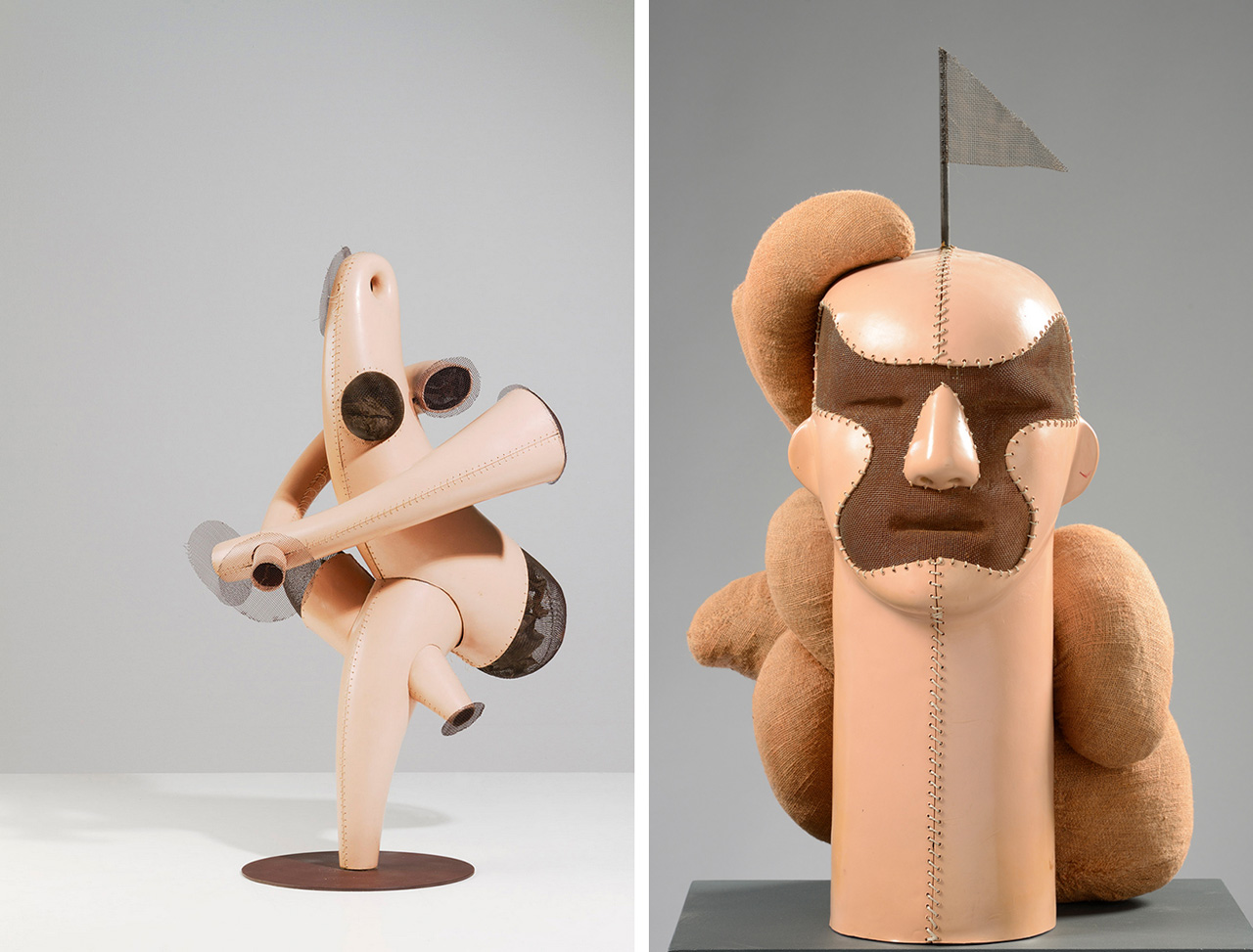
Already during her studies, Põder began depicting people as dolls, created by using wire structures, plaster, cotton and textile. In the second half of the 1980s she added plastic to her selection of materials – one of the earliest examples of that decade by Põder is “Big doll which was made to sit” (1982). Additionally, in the 1980s Põder created a number of abstract sculptures made of burlap, plastic, paint, tar, textile filling and metal, such as “Composition with a net”, “Composition with strings”, “Composition with red gloves” (all 1983) and “Very old memories” (1985). The sharp tips in these compositions seem to symbolise a defensive position that protects what is held dear from the robustness of the outside. In the second half of the 1980s Põder began experimenting with pinkish plastic sheets, used in medicine at the time. These plastic sheets were sewn together to create compositions of female torsos, such as “On one foot from Lasnamäe” and “With a brass wind instrument from Lasnamäe” (1988) as well as her most know works “Figure which was made to walk” and “Man’s head with a flag” (both 1984).
In the 1990s Anu Põder completed her series of dolls, including works like “Rolled-up figure” (1992), “Coiled” (1993), “Composition with a hanging head” (1994) and “Light Stuffed Figure” (2001). Põder’s work went through a significant change with a series she began in 1995, “Pattern as sign” – she started cutting up garments, fur coats, coats and boots that were from times long passed. The works “Pattern as sign. Fur coats” (1996) ja “Clodhopper, stride of a man of the 20th century” (1999) is dedicated to the lives of men of the 20th century, whereas “Space for my body” and “Ancient light” (both 1995) seem to focus more on women.
A new and sensuous turn in Põder’s work was brought about by her use of soap: in 1998 she completed the soap-cast series “Tongues” and the year after that “Clodhopper”. In the following years Põder experimented with new plastics and human silhouettes until her 2007 exhibition “Super”. There, she exhibited the metal net and foil work “Lickers” (2007) that stretched its joyous pink tongues towards a table covered in fat, wall profiles filled with chocolate eggs and sweet-smelling honeycombs. The 2000s, when compared to the Soviet period and the first decade of independence in Estonia, saw an increase in opportunities, which contributed to the emergence of a new perspective on the relationship between the individual and the society in Põder’s work. Another of her works, “Lectern” (2007) plays with the viewer’s sense of smell – one side of the piece looks impeccable with a glass of water waiting for a lecturer, from the other side, however, we see that the lectern is charred. The work “Worn decoration” (2008) counterbalances obsession with beauty by making bits of charcoal and plastic pearls into a stunning necklace that simultaneously stains the wearer but also draws attention to itself.
Photο left: Anu Pōder, Pasunaga Lasnamäelt (Roosa lind) ) / With a Trumpet from Lasnamäe (Pink Bird), 1988 Photo: Hedi Jaansoo. Courtesy of Art Museum of Estonia © The Anu Põder Estate 2026 . Photo right: Anu Põder, Kompositsioon mehe peaga (Mehe pea lipuga)/Composition With Man’s Head (Man’s Head with Flag), 1984. Photo: Stanislav Stepaško/Art Museum of Estonia, © The Anu Põder Estate 2026
Info: Curators: Andreas Nilsson and Jo Widoff, Moderna Museet, Ola Billgrens plats 2-4, Malmö, Sweeden, Duration: 24/10/2026-21/2/2027, Days & Hours: Tue-Wed & Fri-Sun 11:00-17:00, Thu 11:00-19:00, www.modernamuseet.se/
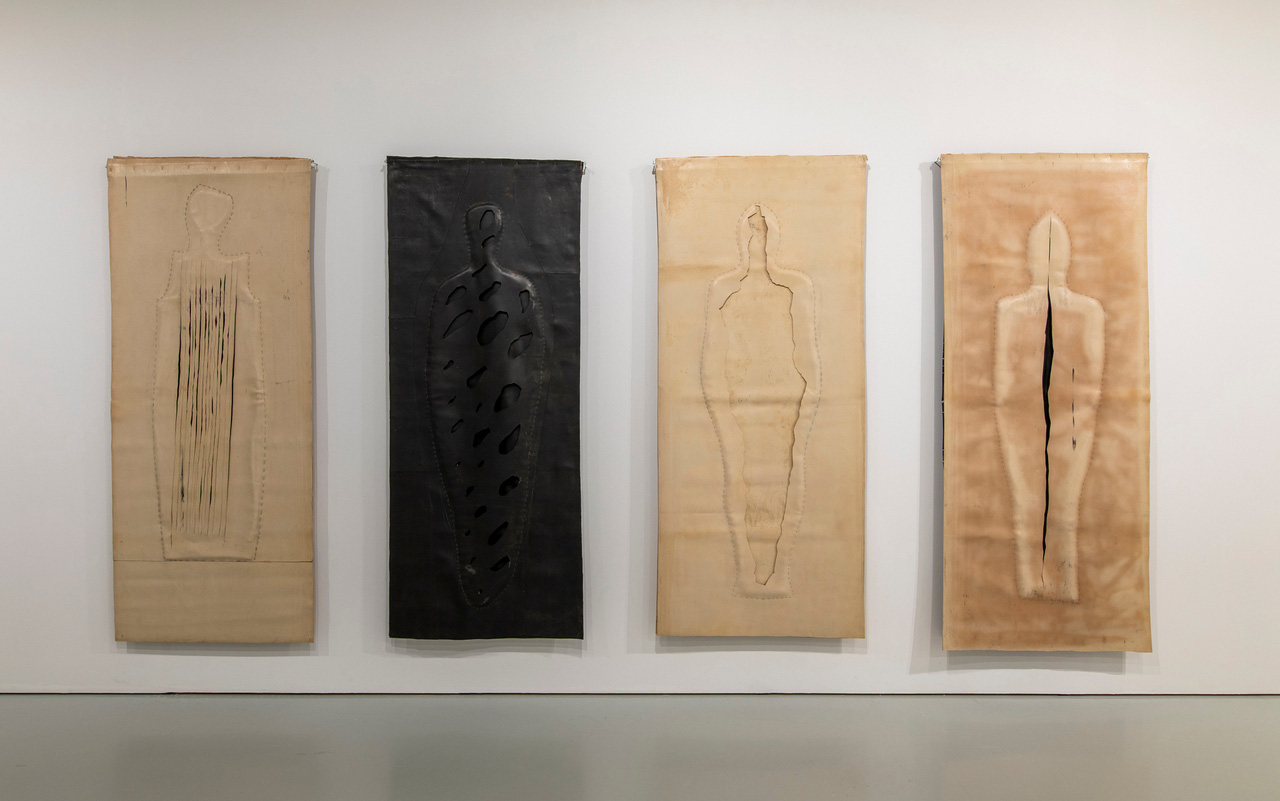
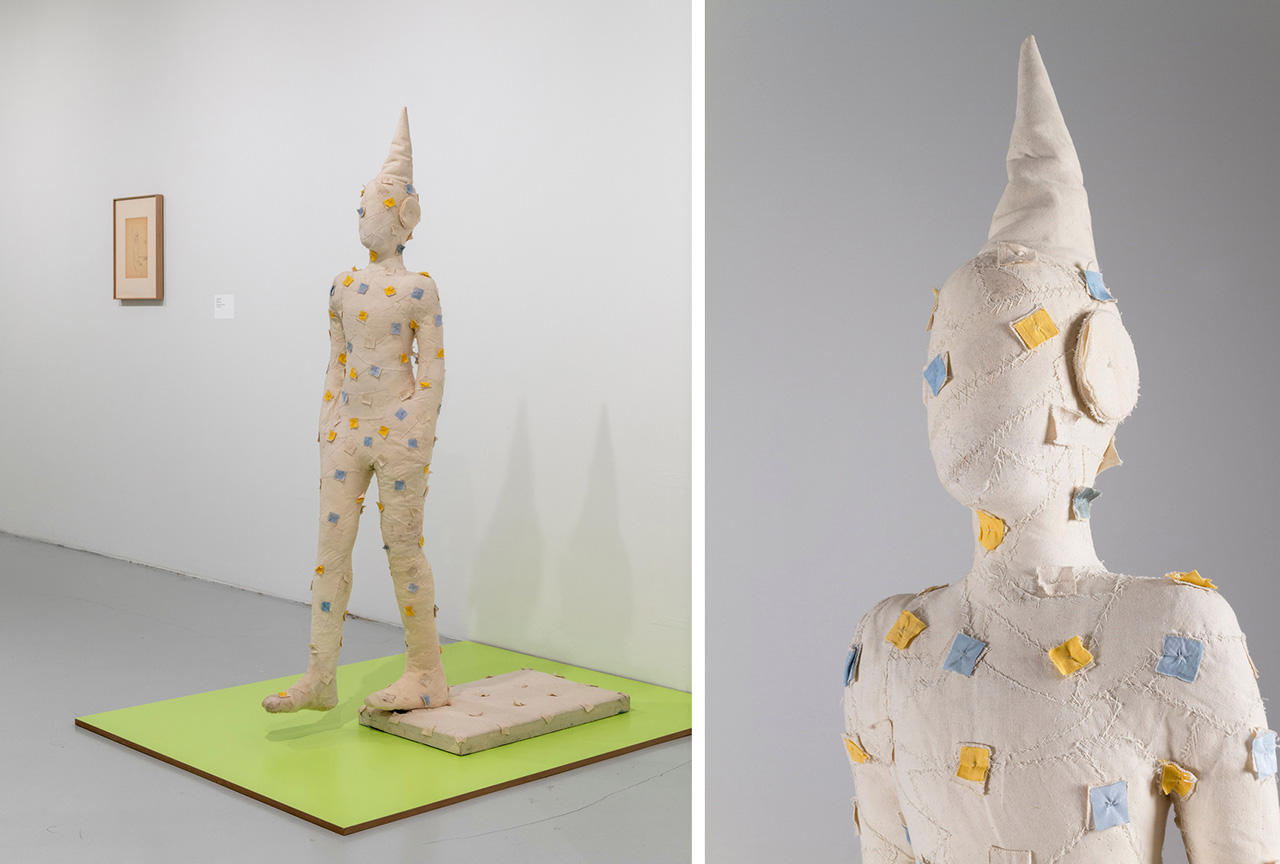
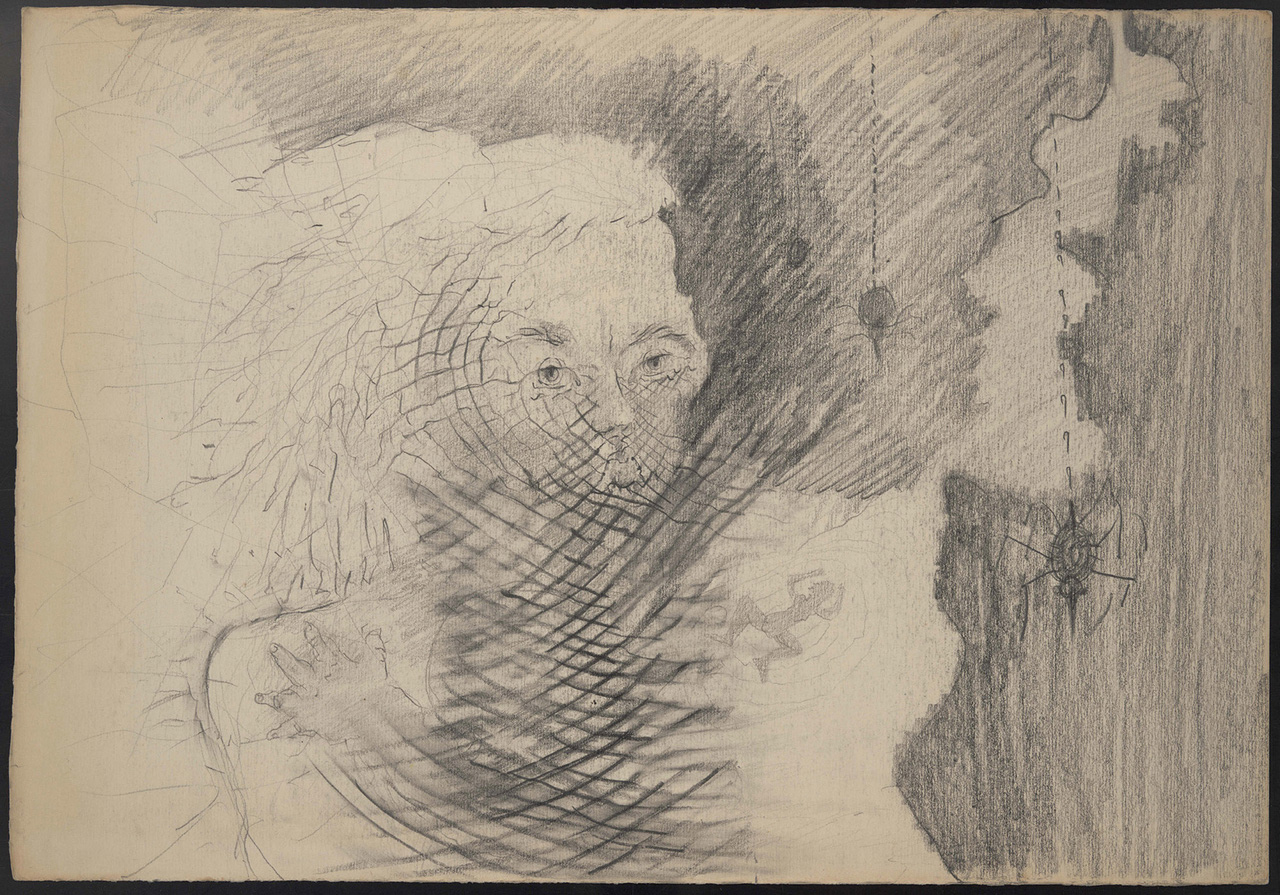
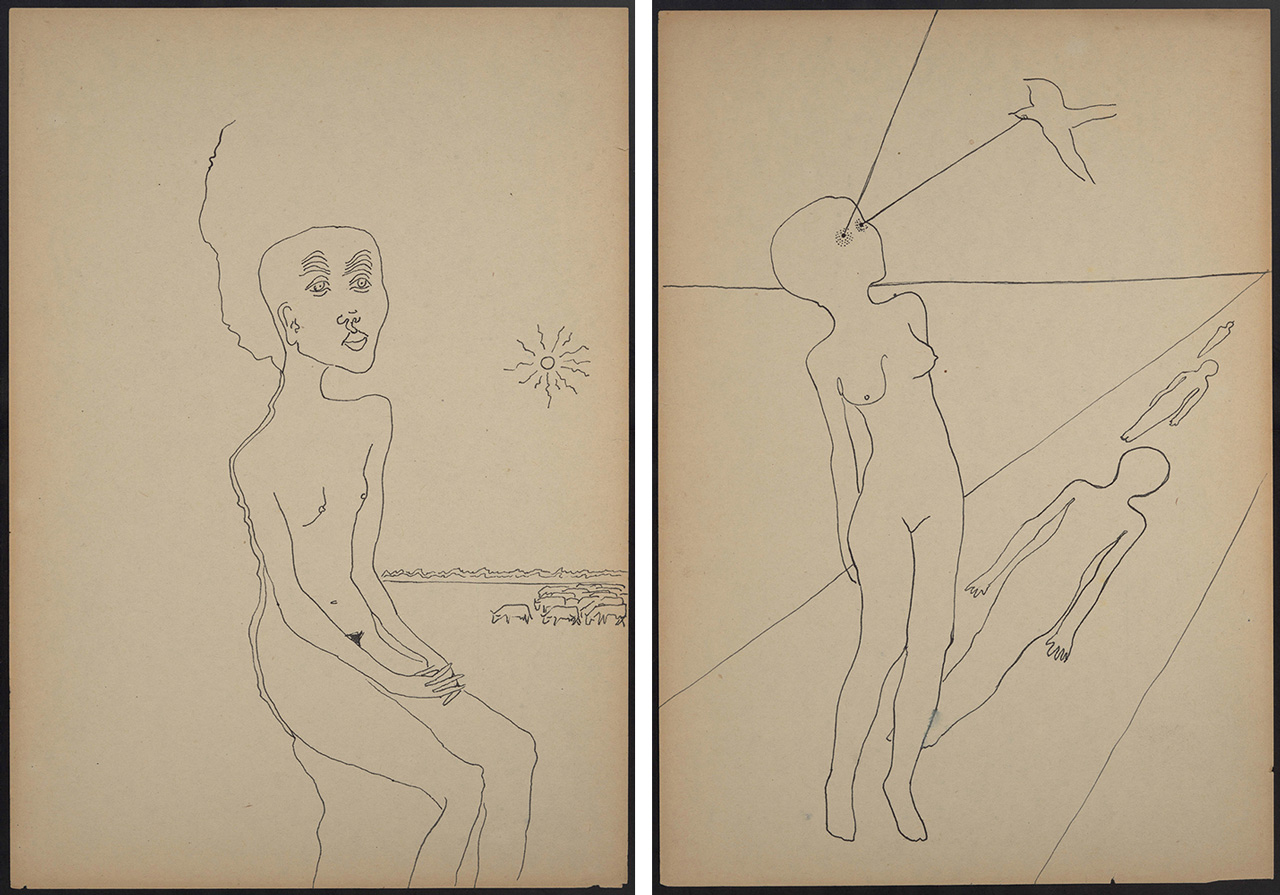
Right: Anu Põder, No title, 1970s, Photo: Courtesy of the Anu Põder Estate © The Anu Põder Estate 2026
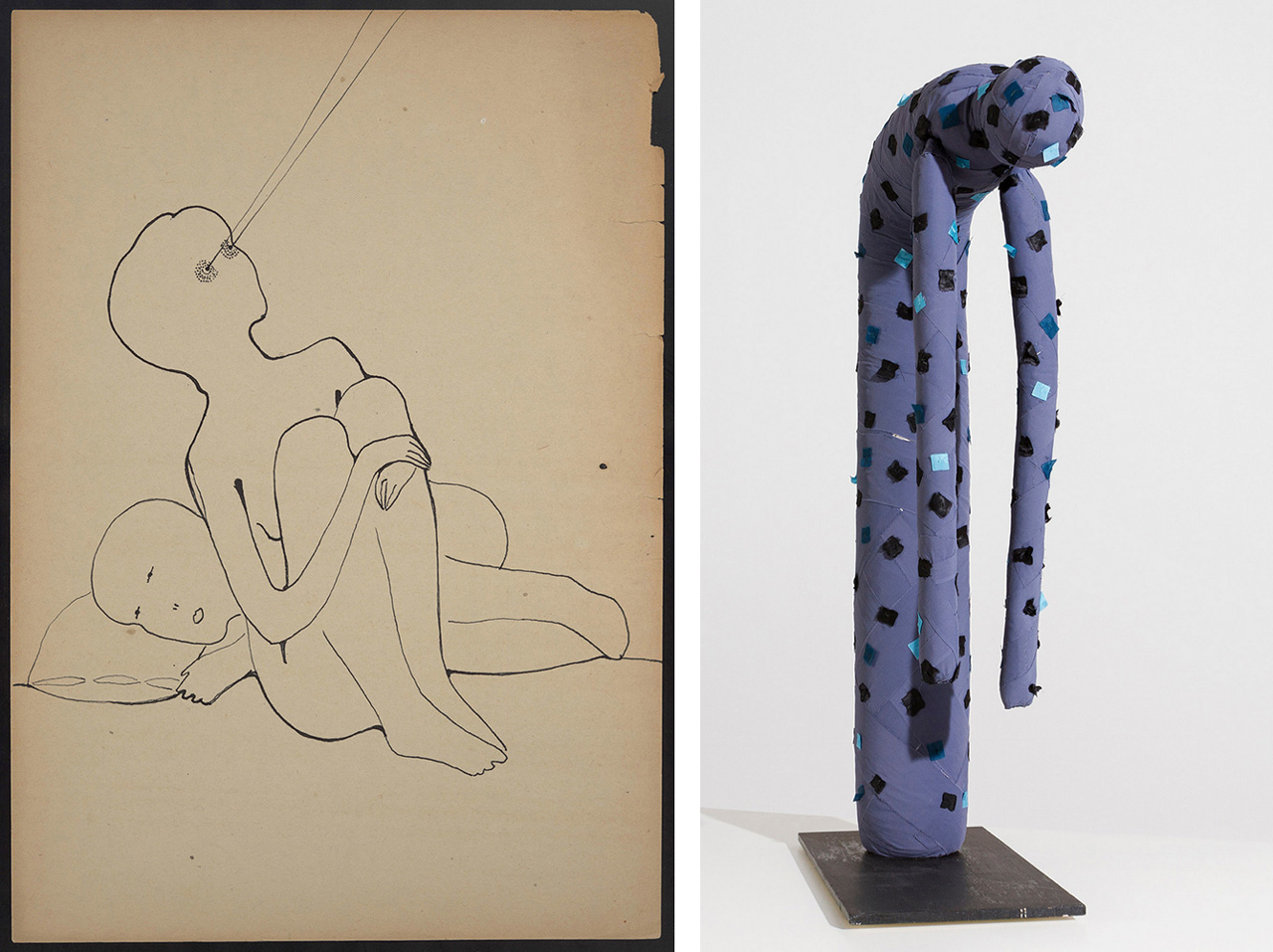
Right: Anu Pōder, Kompositsioon rippuvate kätega/ Composition with Hanging Hands, 1992 Photo: Hedi Jaansoo. Courtesy of Art Museum of Estonia © The Anu Põder Estate 2026
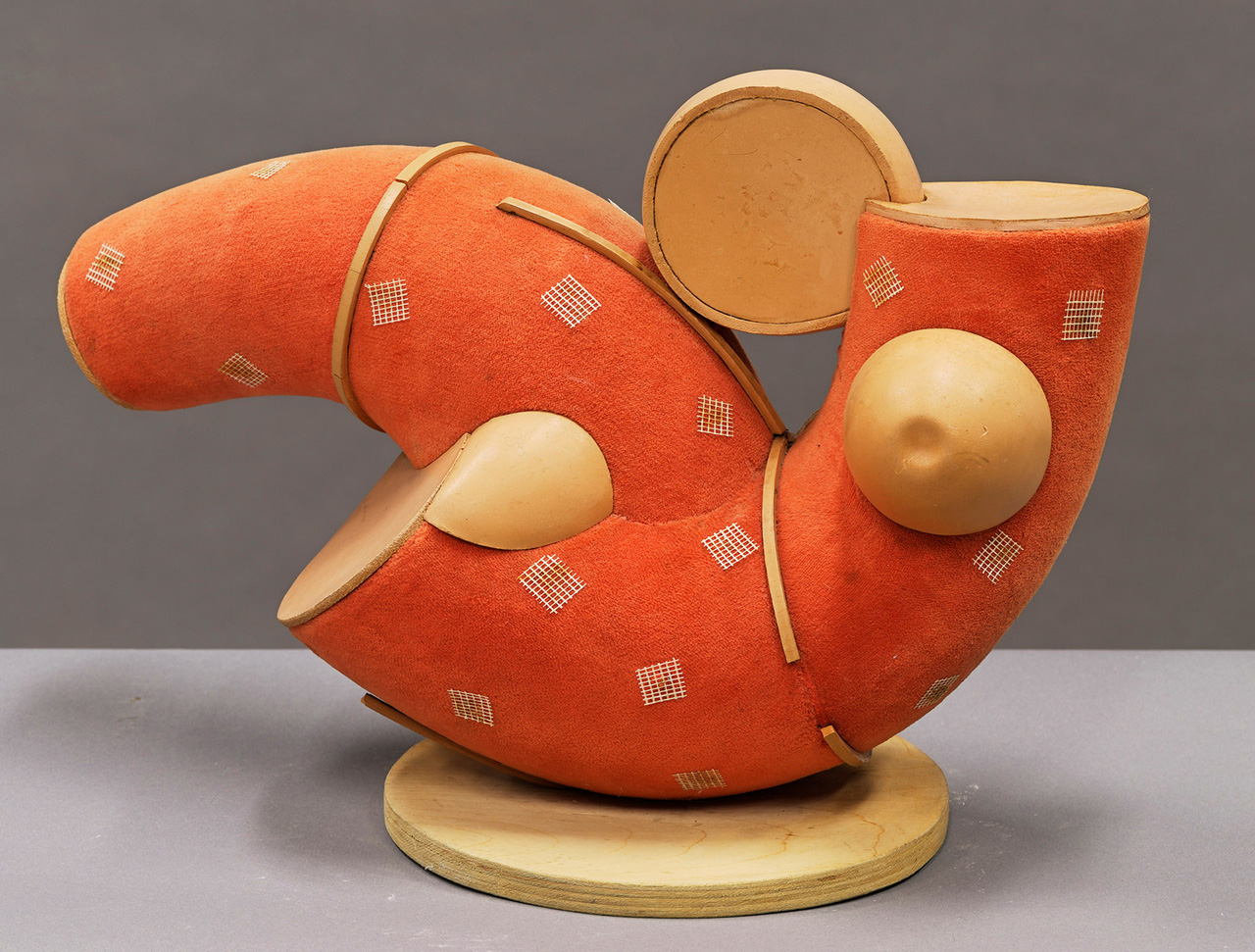
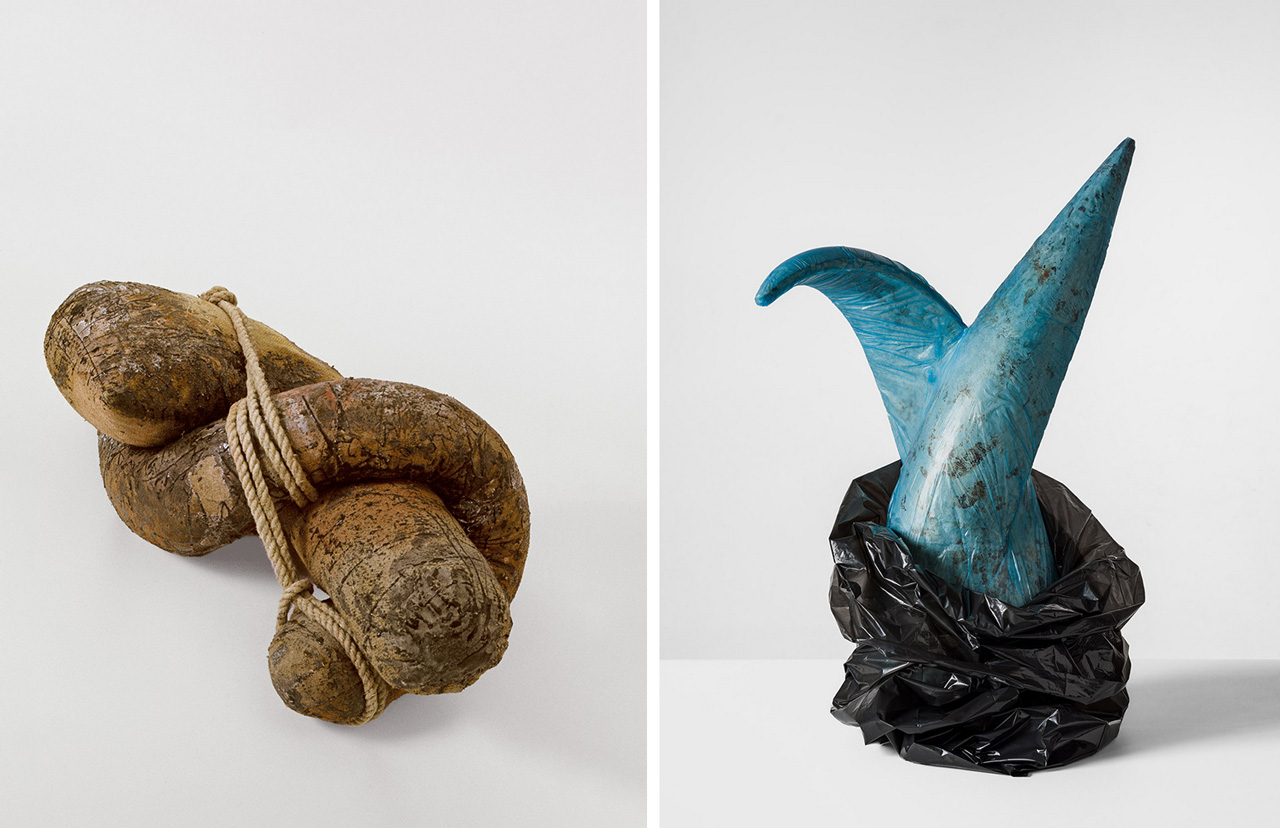
Right: Anu Põder, Kevad ’92 / Spring ’92, 1992 Photo: kunstdokumentation.com / Manuel Carreon Lopez. Courtesy of the Anu Põder Estate , © The Anu Põder Estate 2026
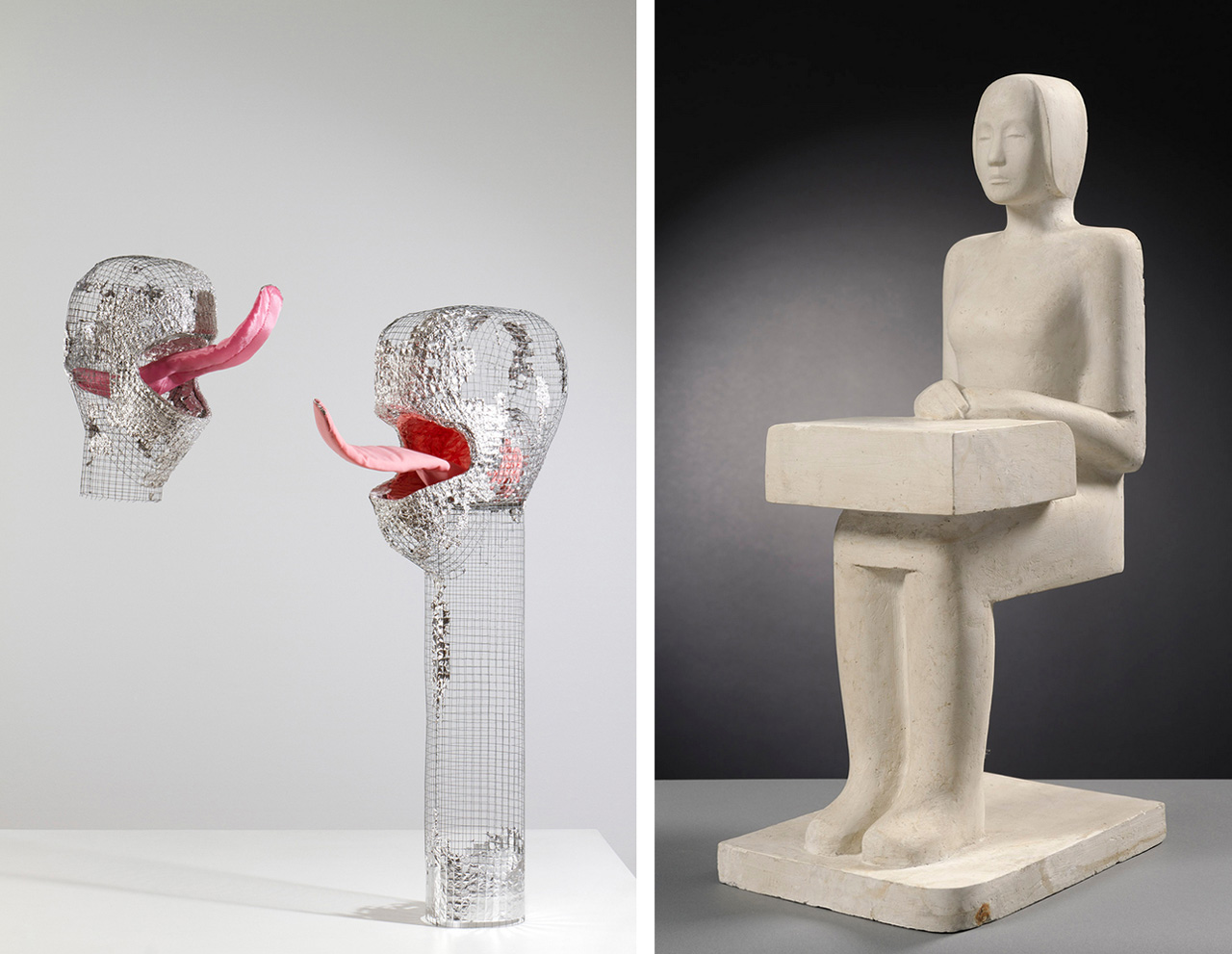
Right: Anu Põder, Reisija / Traveller, 1978. Photo: Stanislav Stepaško. Courtesy of Art Museum of Estonia © The Anu Põder Estate 2026