PHOTO:Jeff Brouws-Silent Monoliths
Over a career spanning more than three decades, photographer Jeff Brouws has operated as a self-described “visual anthropologist,” constructing a rigorous catalog of the built environment across the United States. His work interrogates the socio-spatial and socio-economic remnants of mid-century American idealism and the late-stage capitalistic shifts that followed. From the expanse of the interstate highway system and corporate sprawl to deindustrialized inner-city corridors, Brouws uses structured photographic typologies and deliberate narrative frameworks to map an ever-changing national identity.
By Dimitris Lempesis
Photo: Robert Mann Gallery Archive
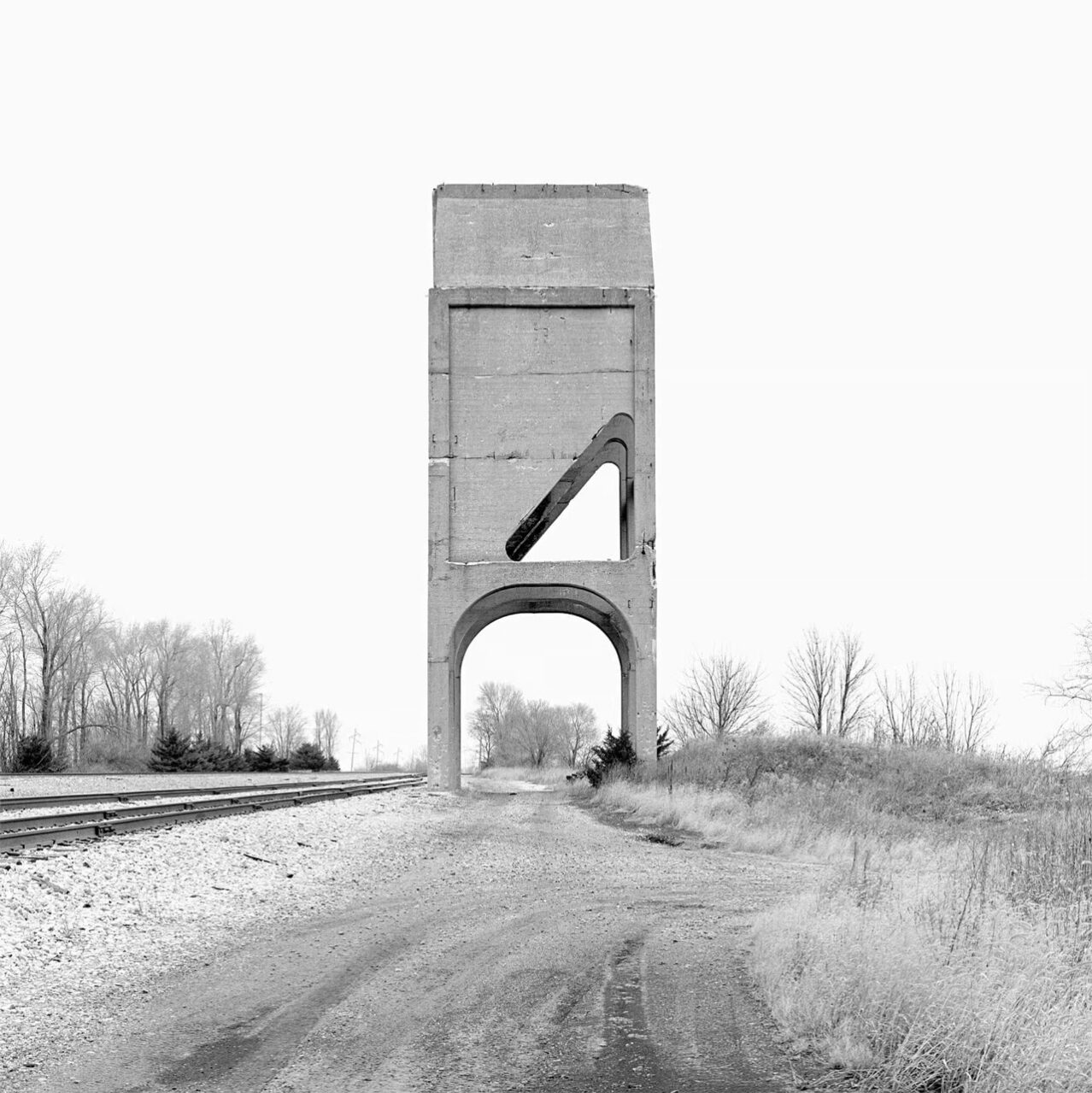
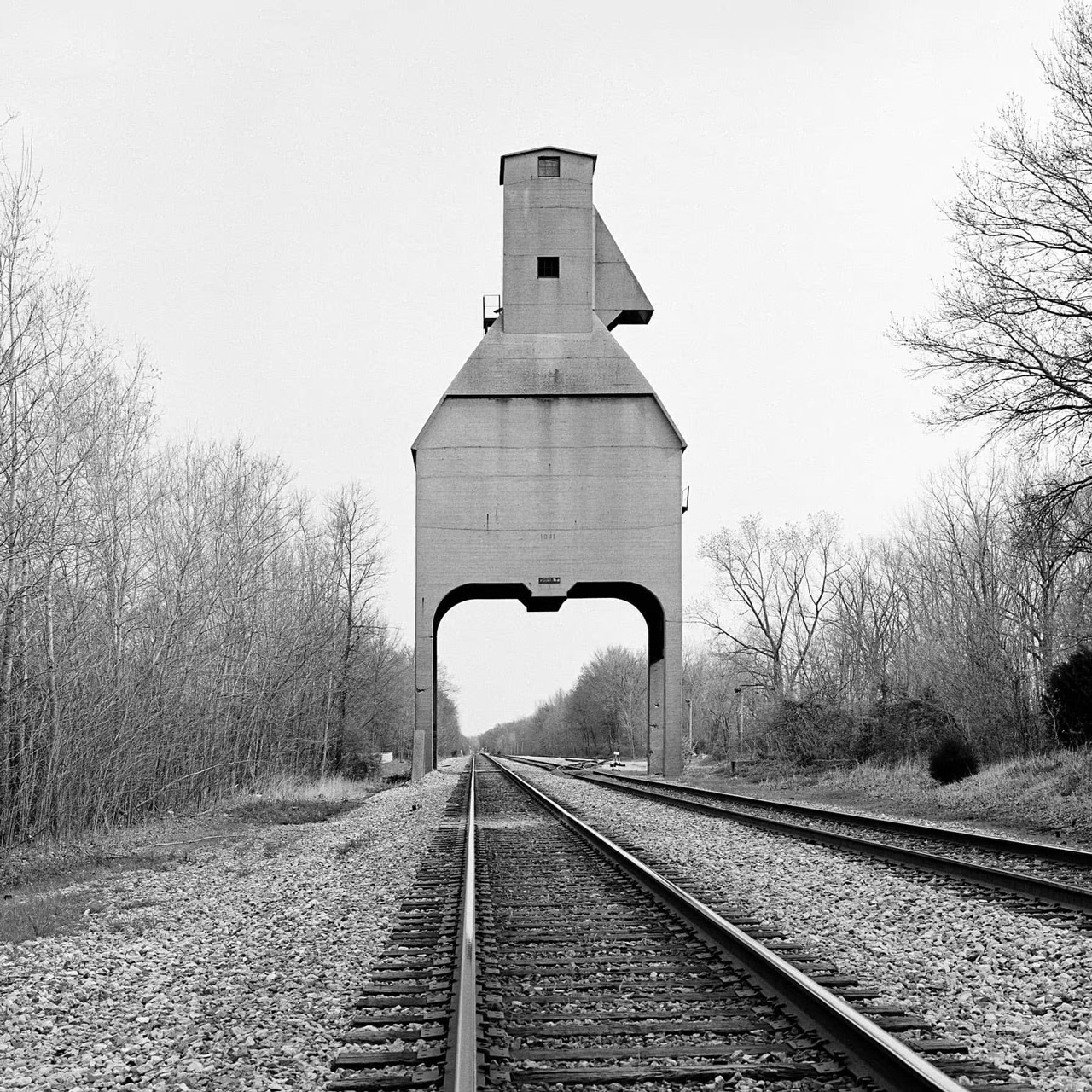
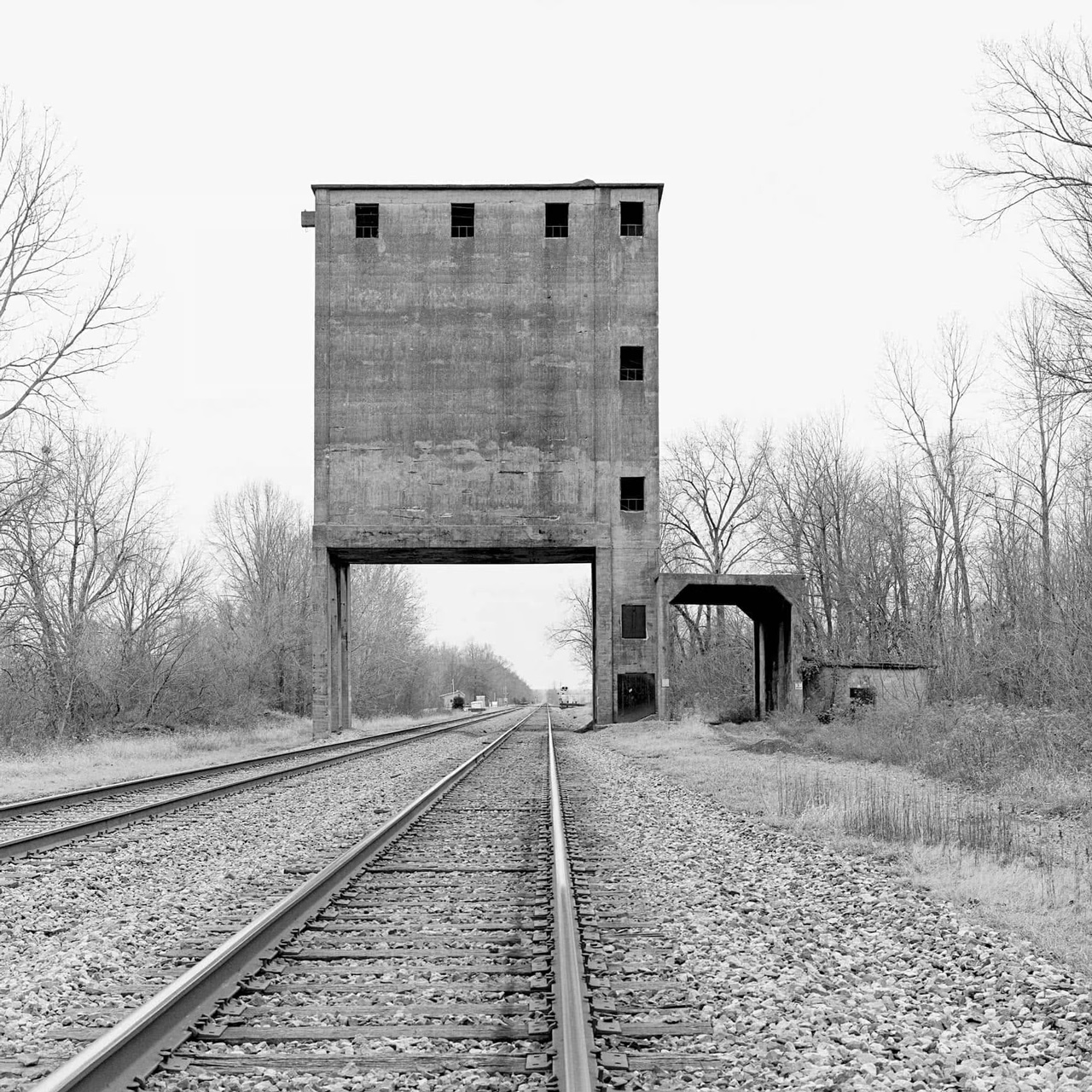
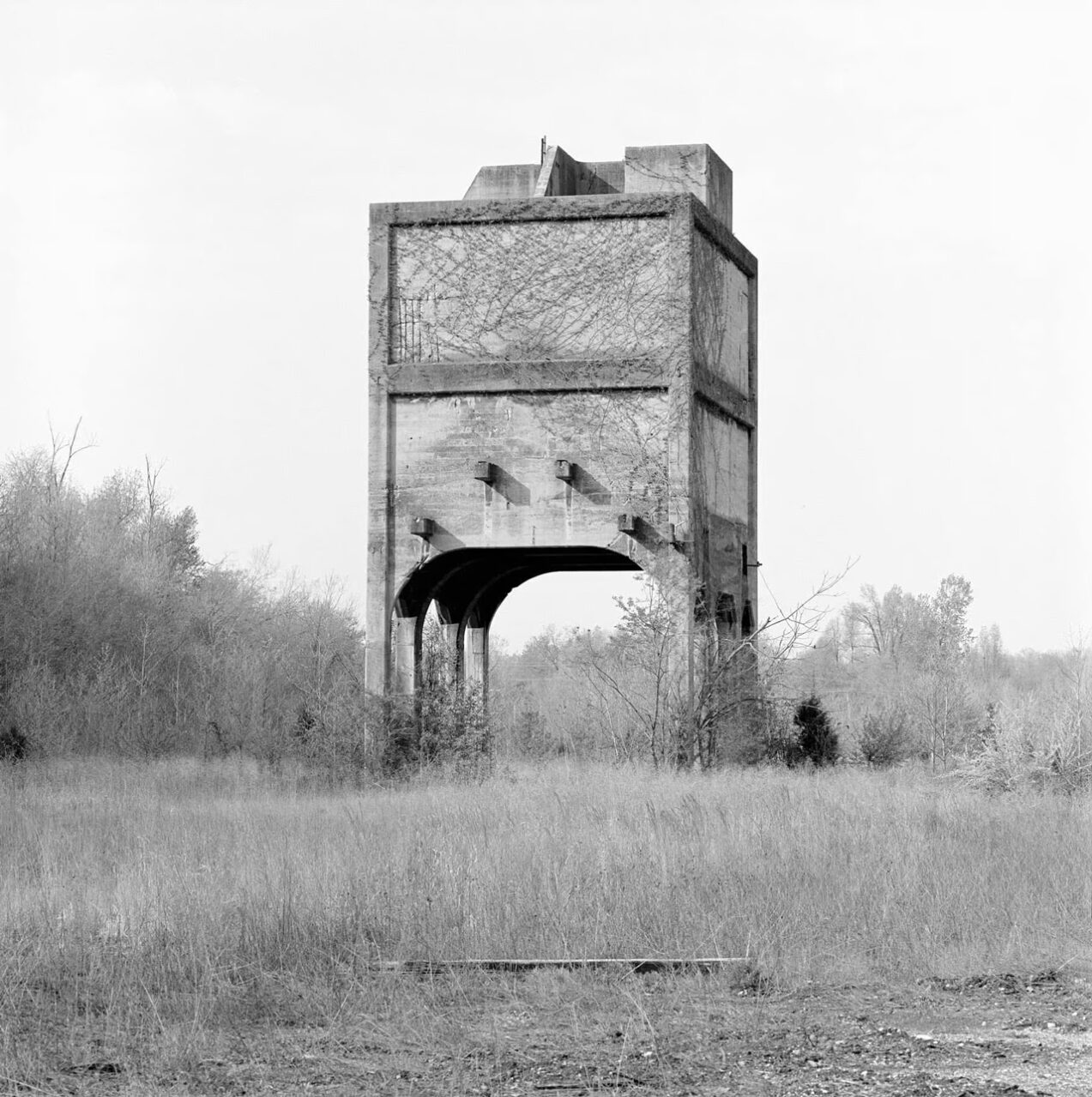
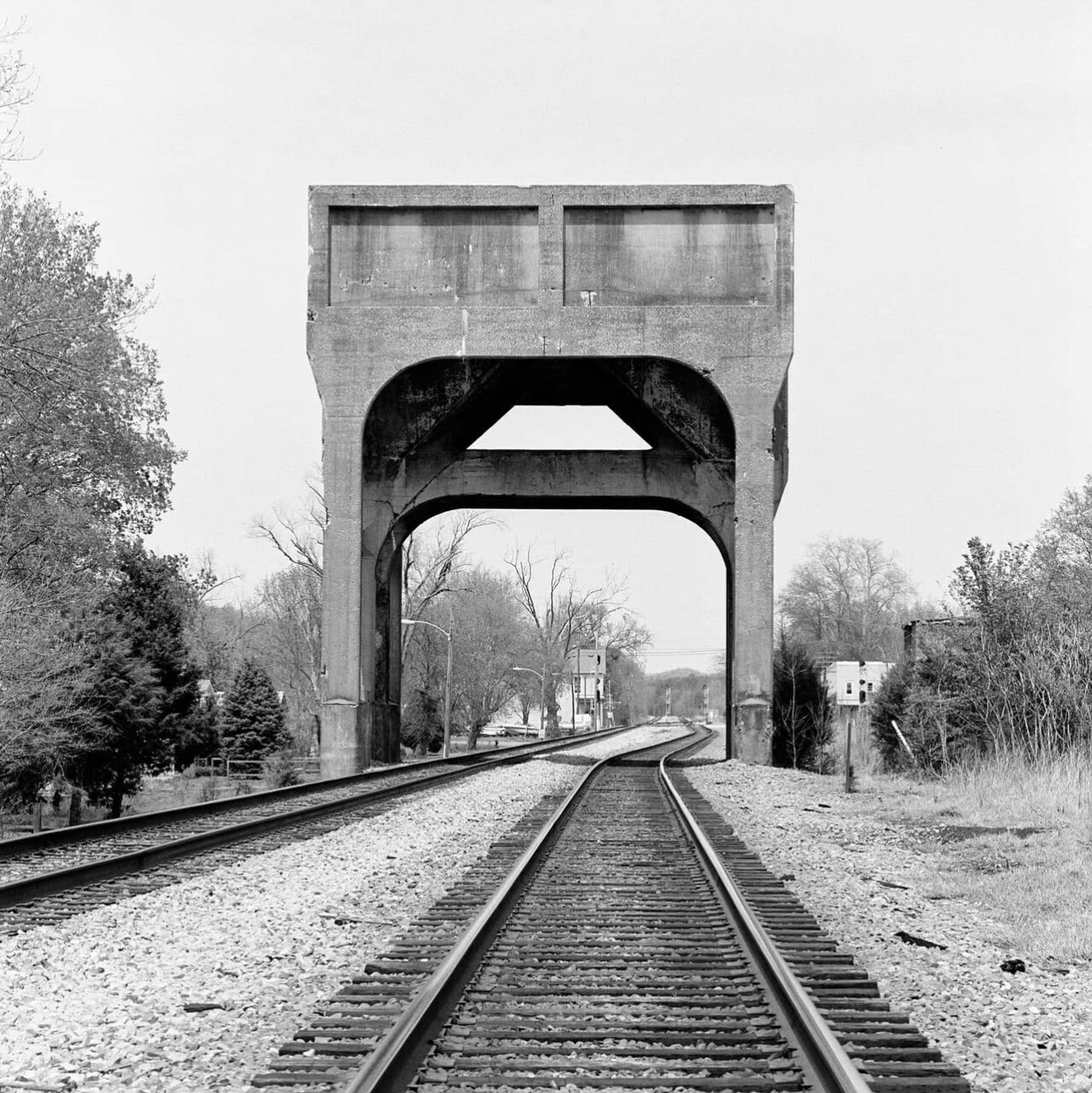
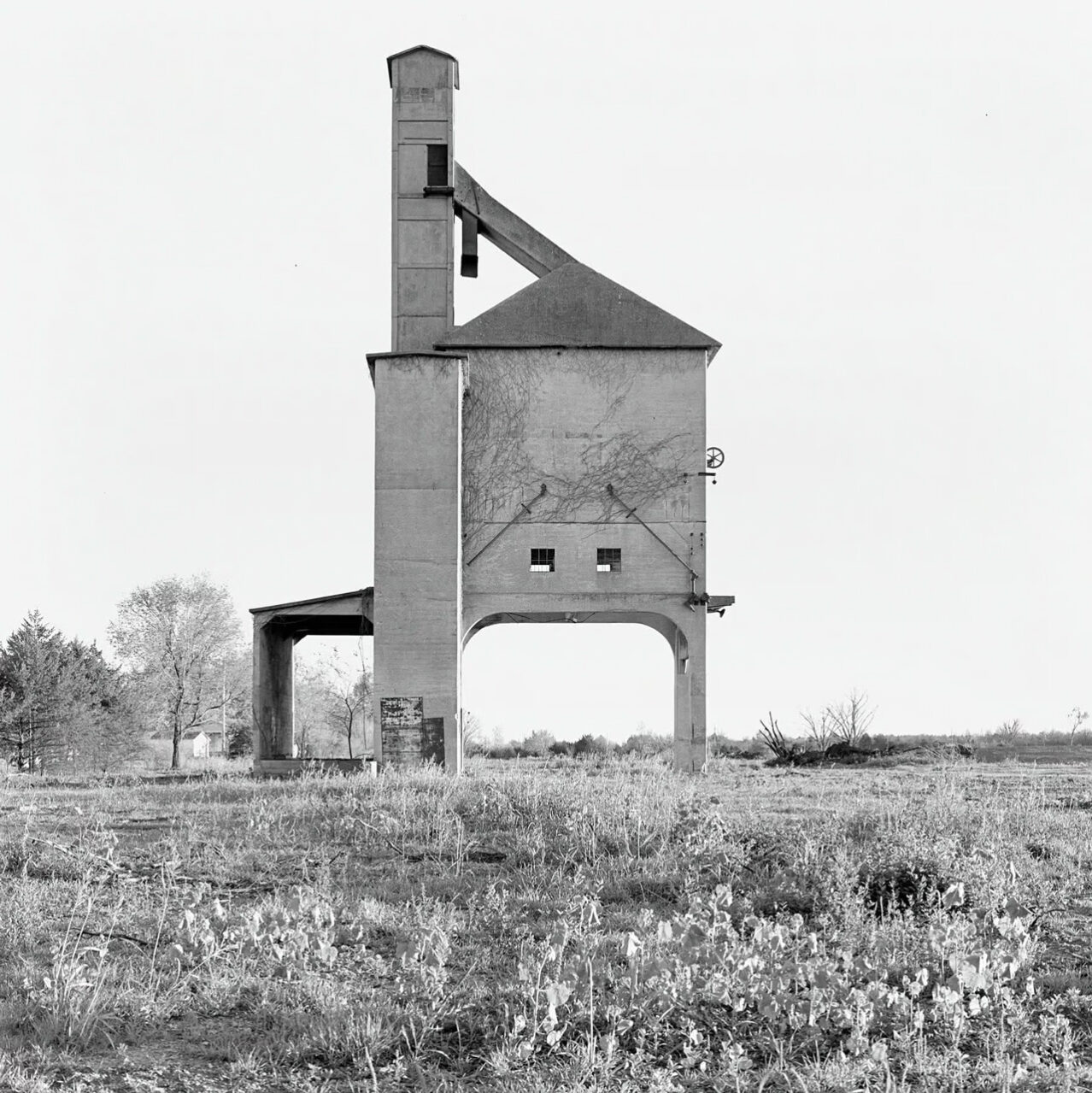
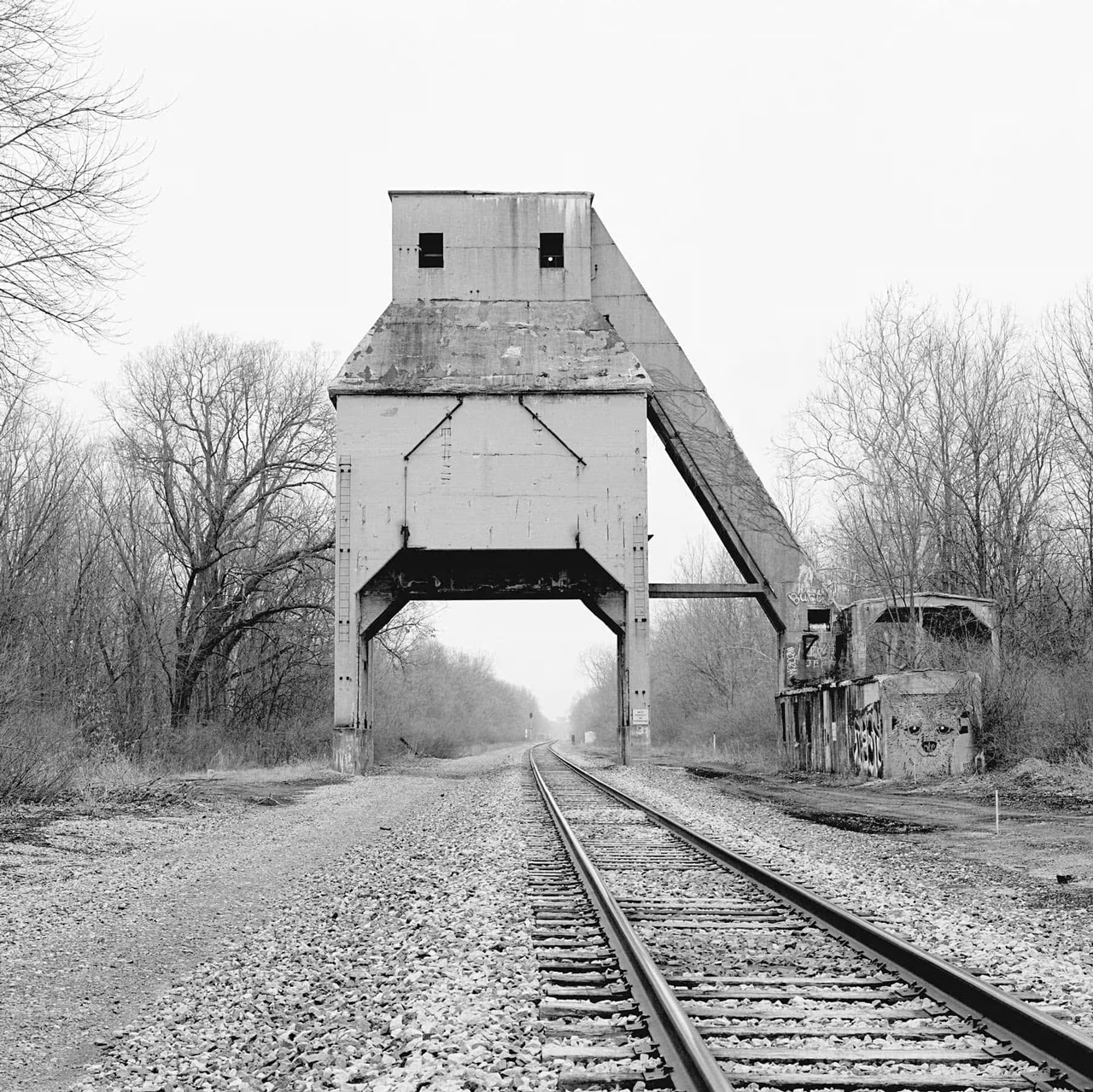
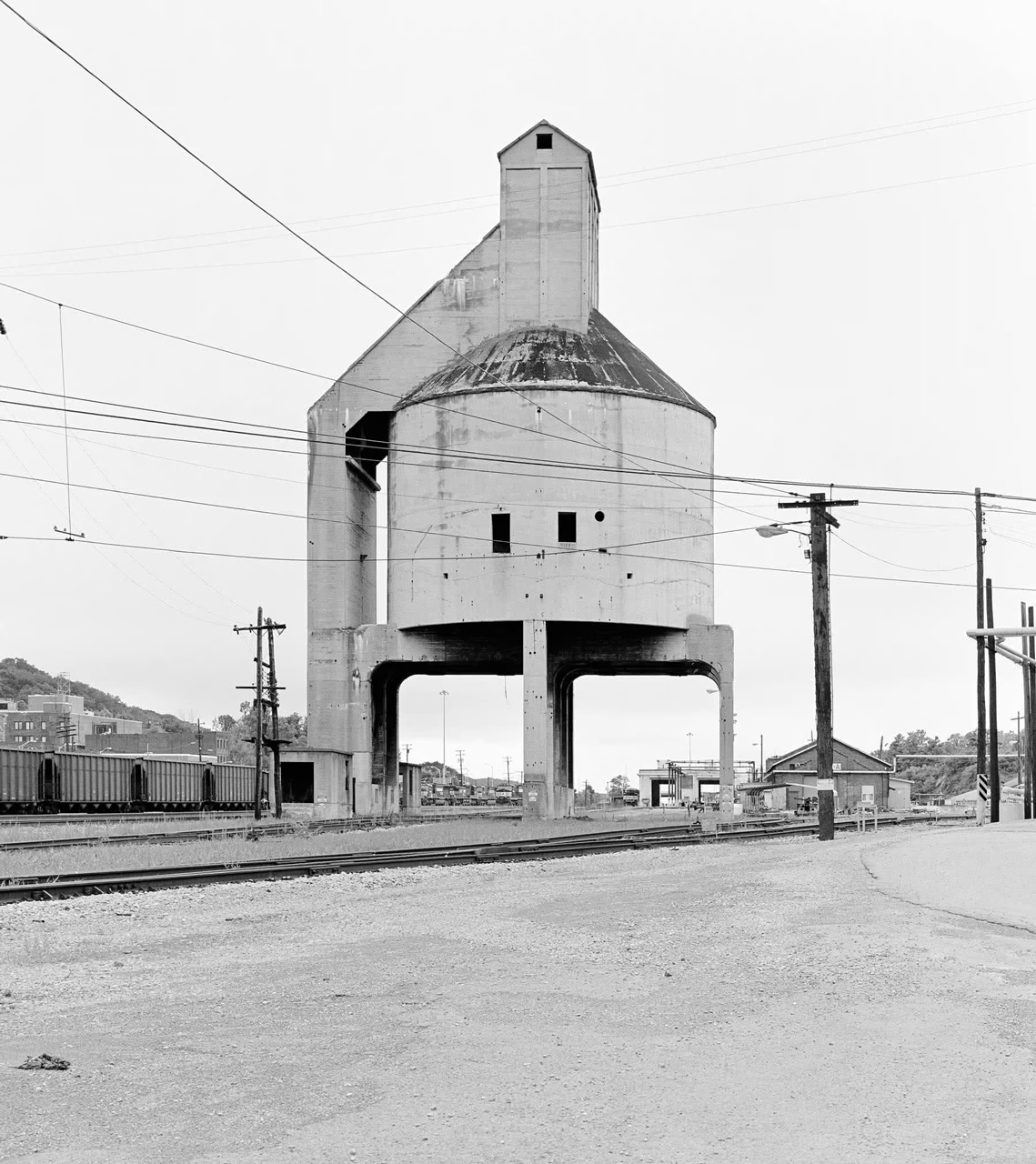
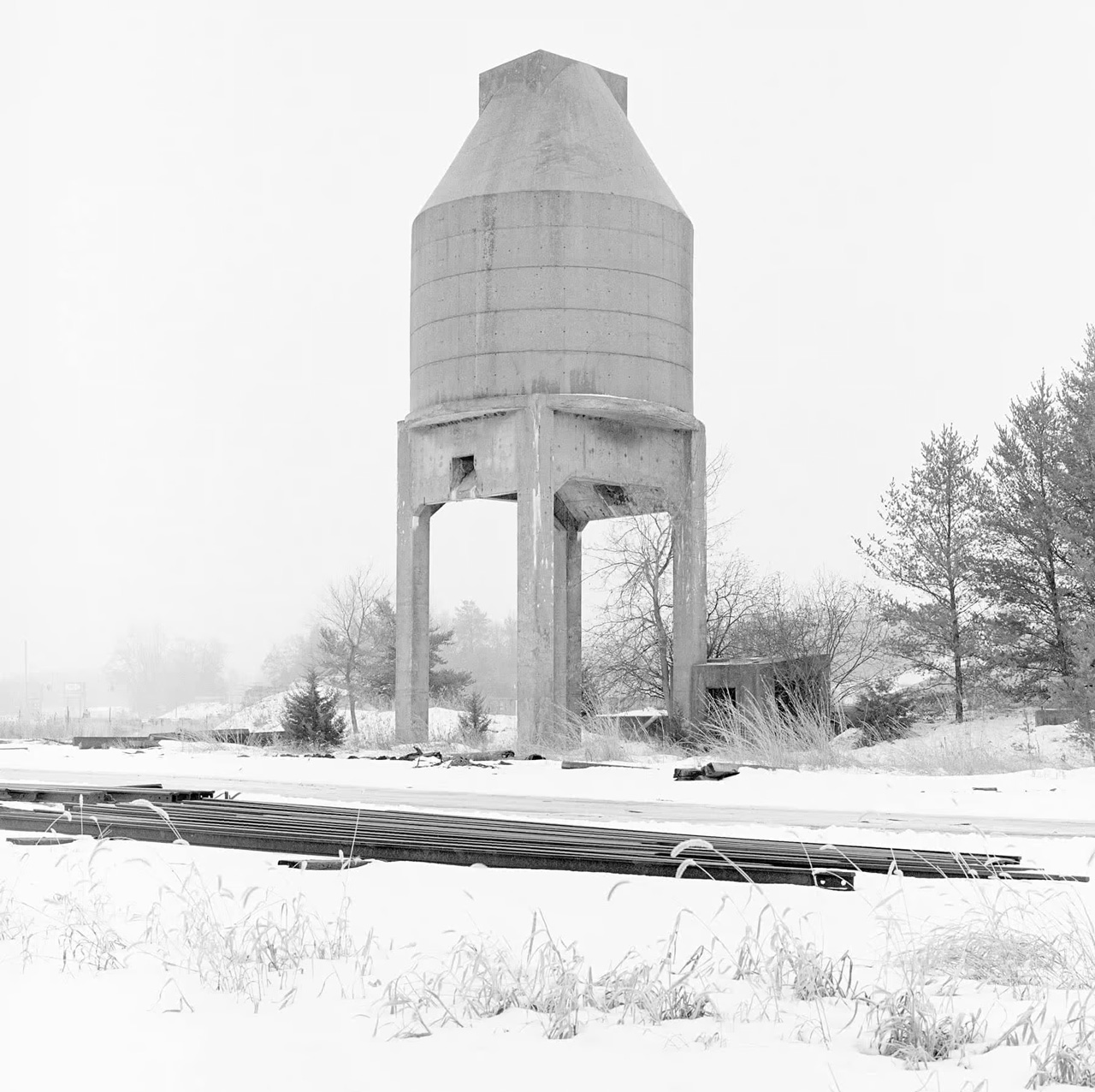
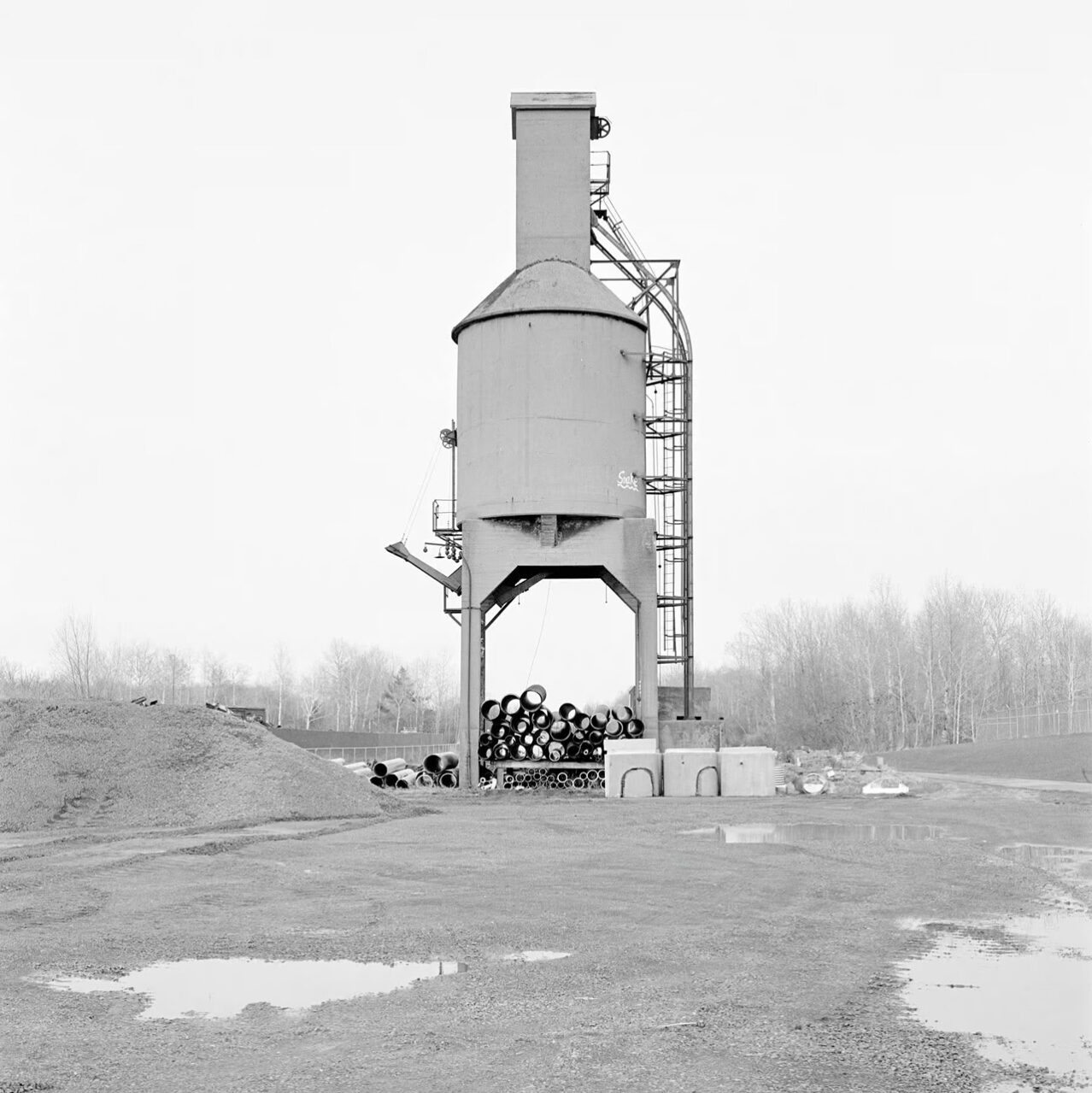
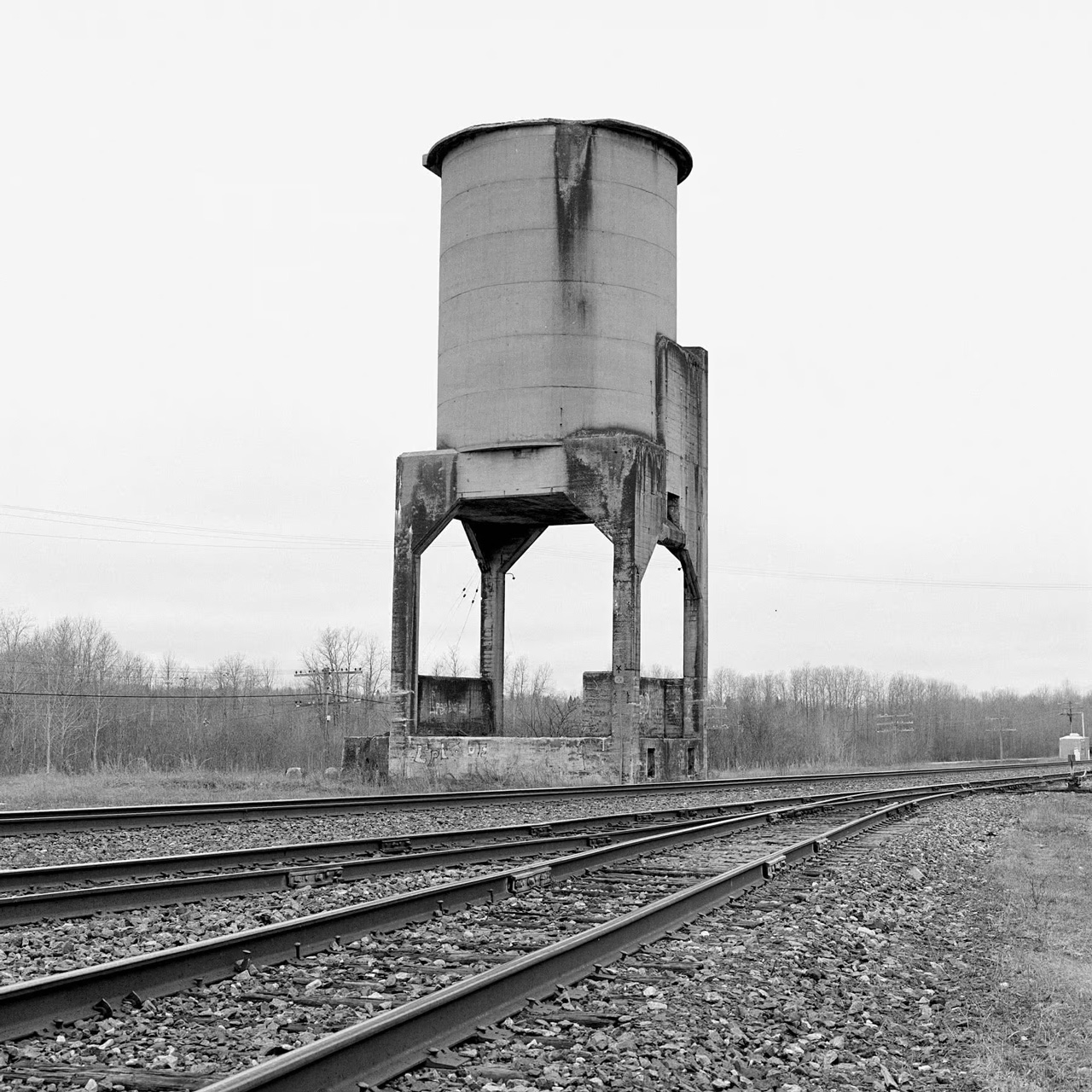
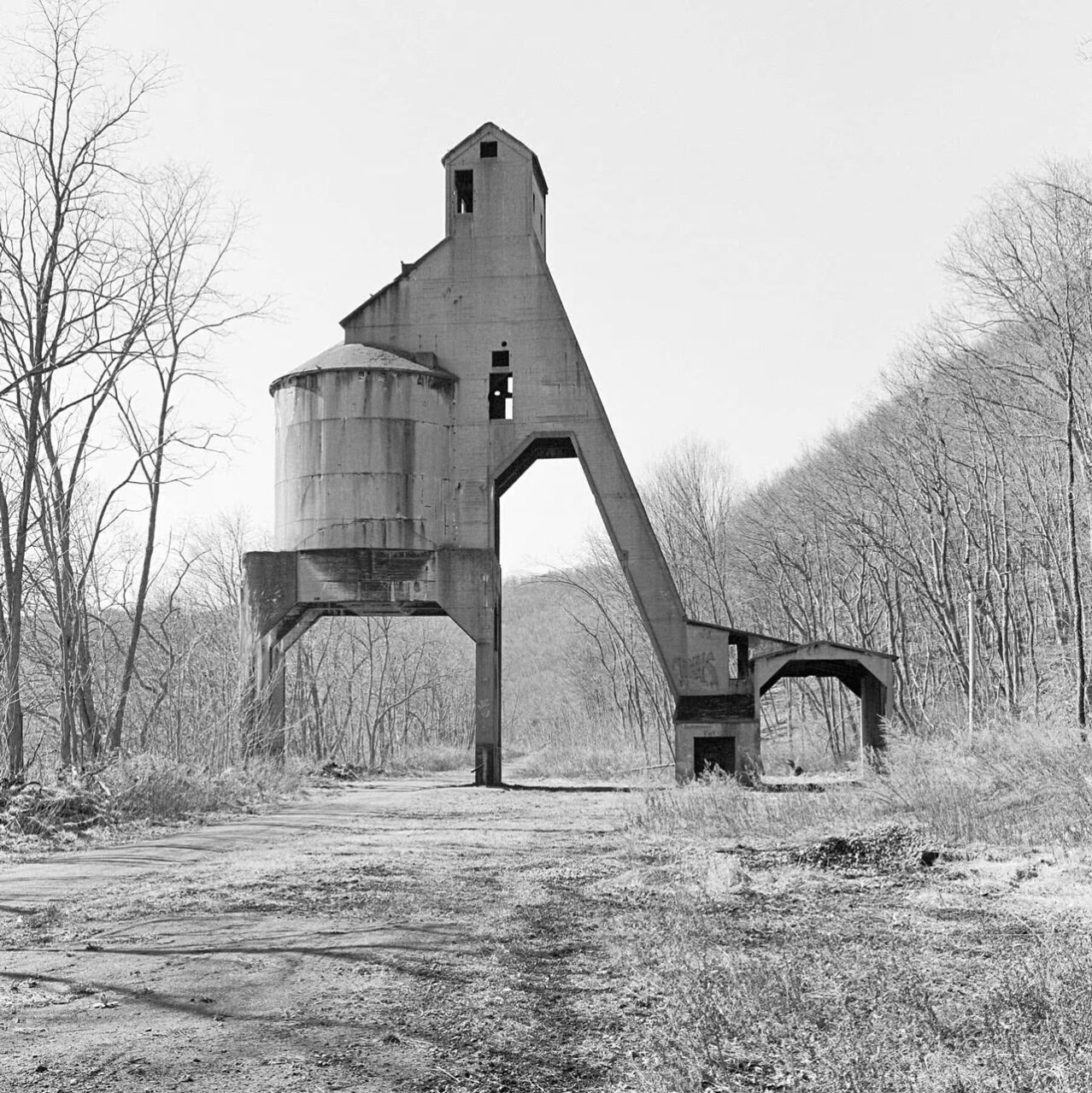
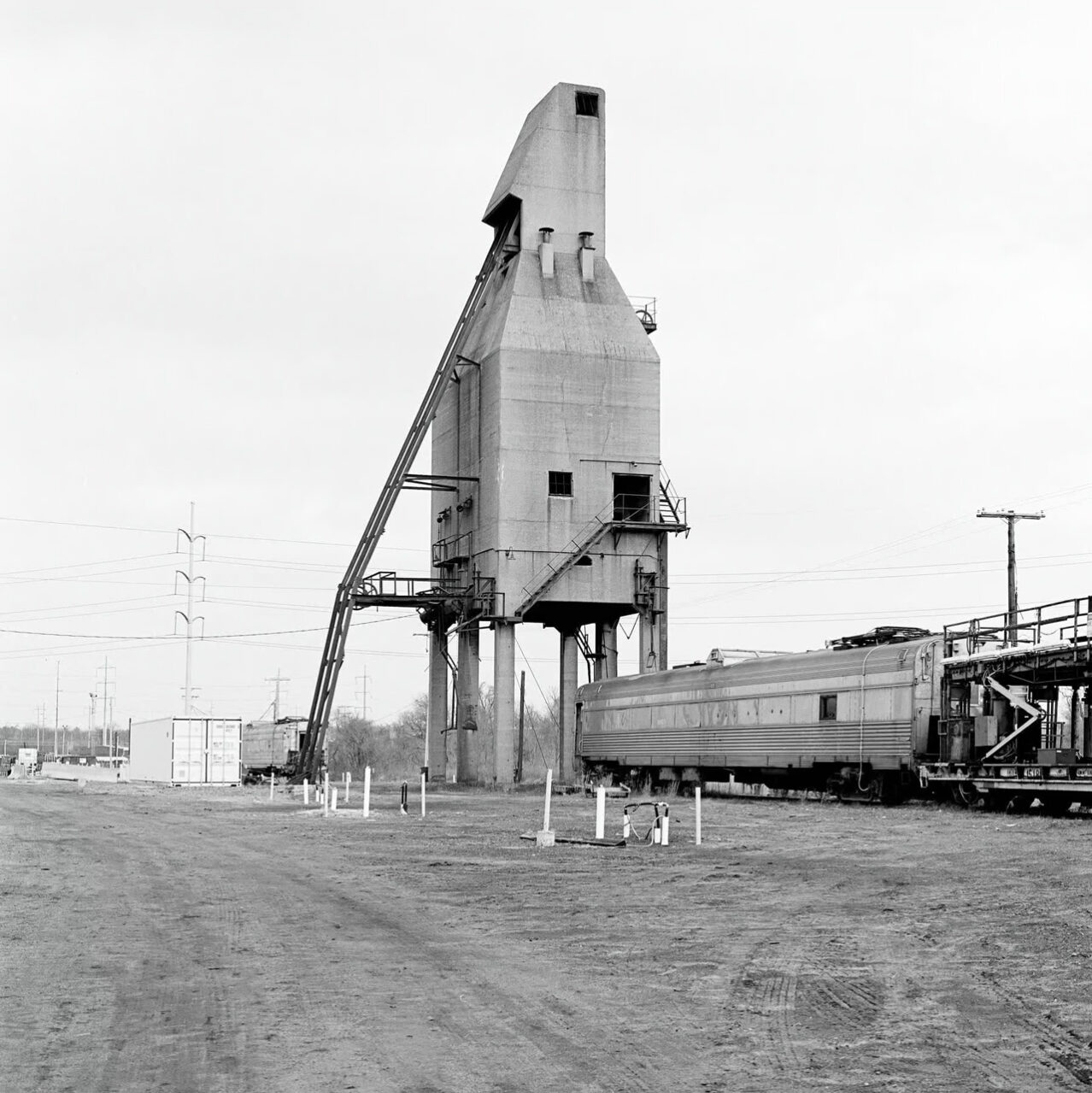
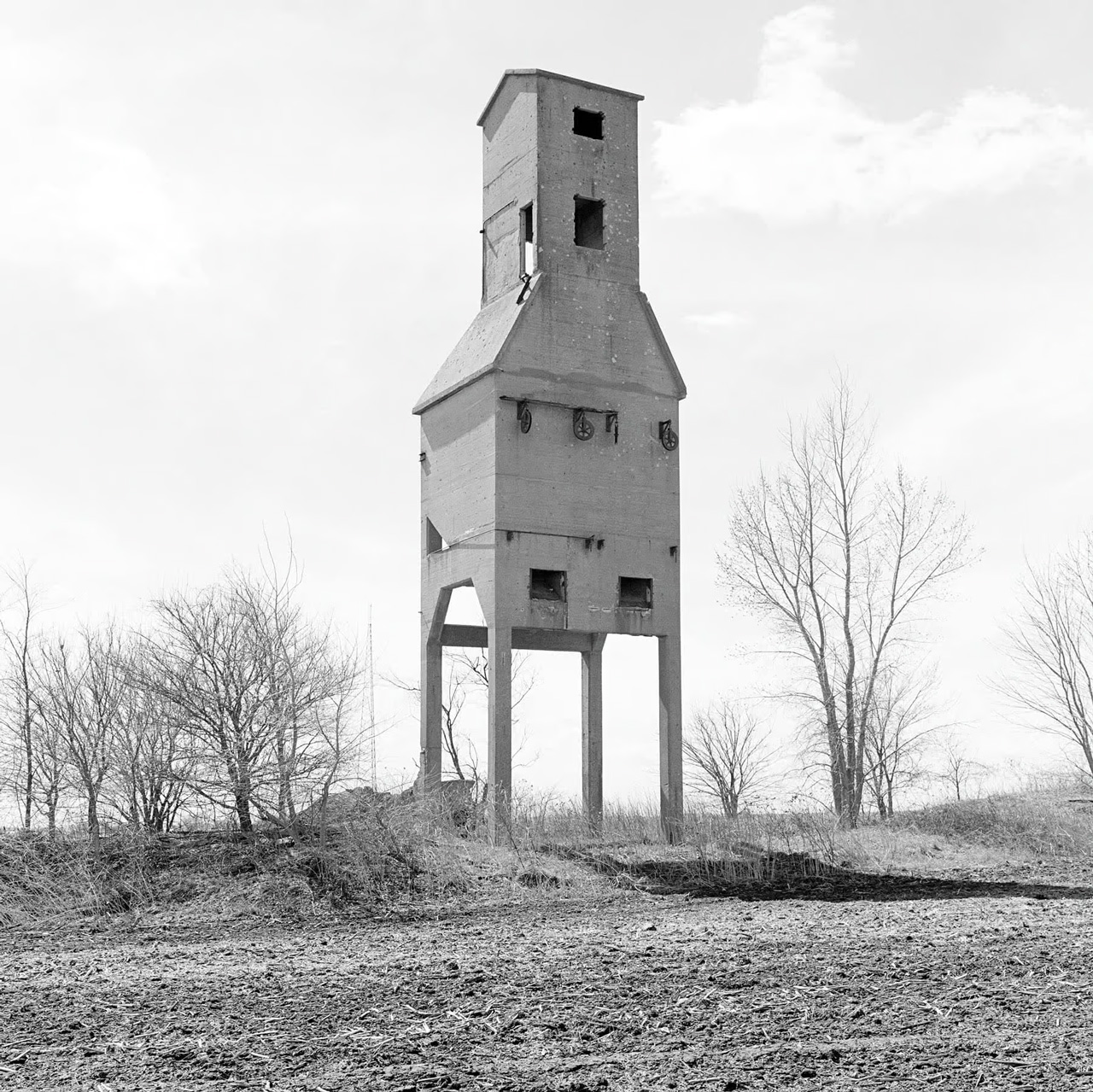
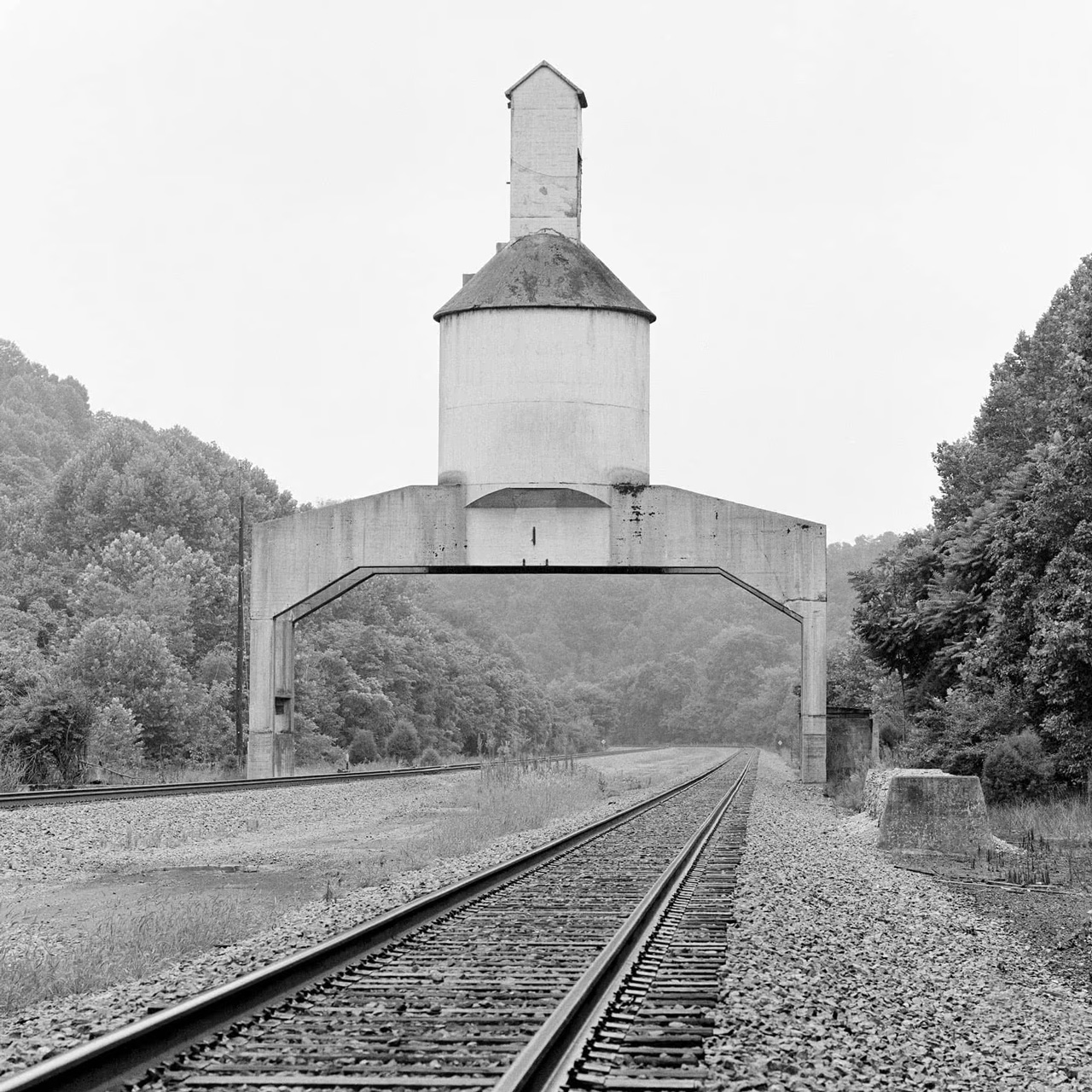
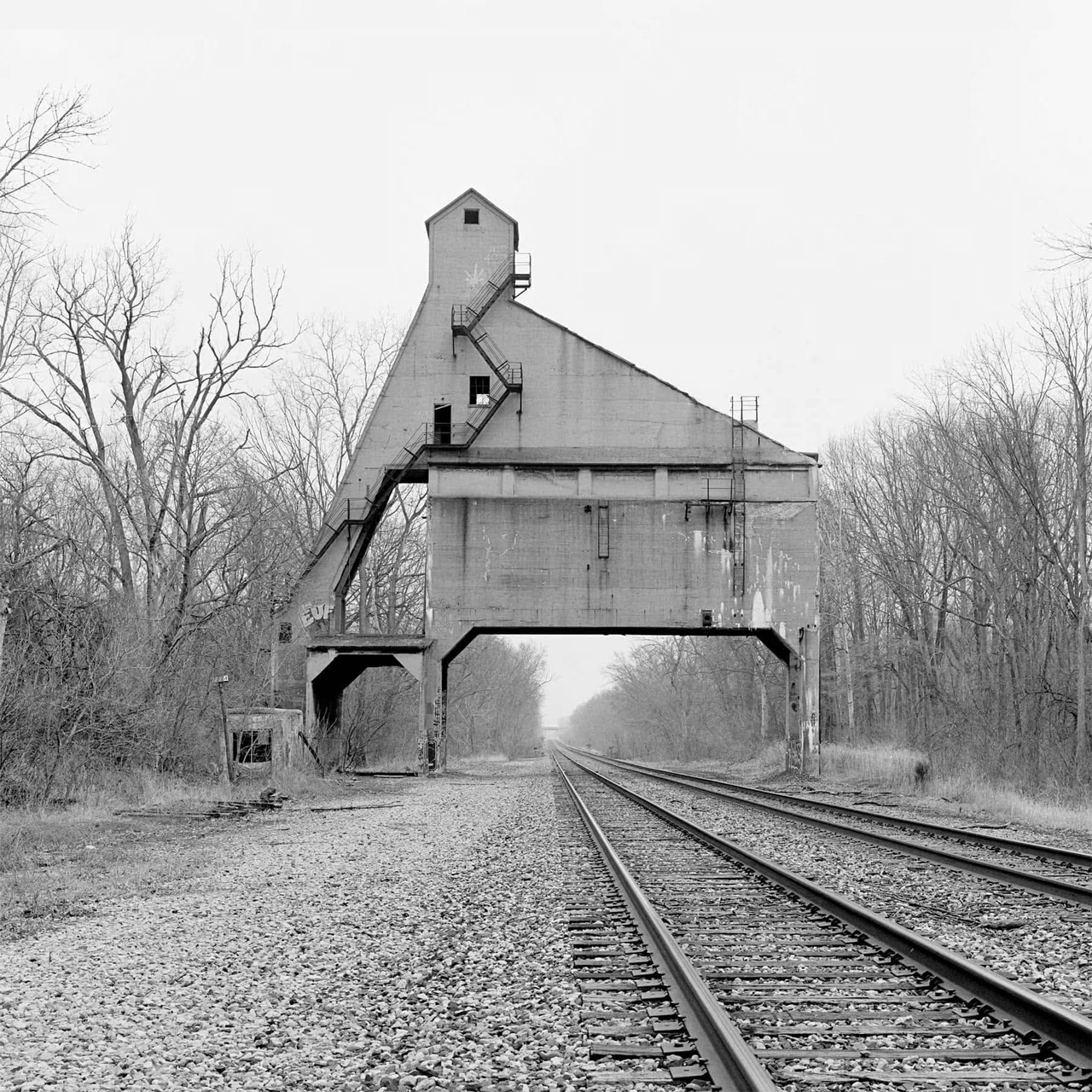
His exhibition, “Silent Monoliths” showcases his landmark series documenting the architectural remnants of America’s railroad history—a project compiled in his book “Silent Monoliths: The Coaling Tower Project”, published by MIT Press. Through deadpan execution and conceptual framing, Brouws captures the half-remembered iconography of Americana, transforming derelict infrastructure into a meditation on technology, labor, and time.
Born in San Francisco in 1955, Brouws is a self-taught artist whose engagement with the camera began at age thirteen. Growing up near rail yards and industrial corridors, he developed an early affinity for temporary, obsolete, derelict, and abandoned sites. Rather than pursuing formal academic art training, Brouws shaped his practice through direct engagement with the environment and rigorous self-directed study. In the late 1980s and early 1990s, he experienced a pivotal shift through the writings of cultural geographers, historians, and social theorists like J.B. Jackson, John Stilgoe, Dolores Hayden, and Mike Davis. Their critical frameworks allowed him to move beyond standard landscape photography, reorienting his lens toward the socio-economic forces shaping the built environment.
Throughout his career, Brouws has published numerous acclaimed monographs, including “Twentysix Abandoned Gasoline Stations” in 1992, an explicit homage to Ed Ruscha, as well as “Highway: America’s Endless Dream” in 1997, “Readymades: American Roadside Artifacts” in 2003, and “Approaching Nowhere” in 2006.
Between 1907 and 1956, the rapidly expanding American railway network constructed hundreds of massive reinforced-concrete structures designed to store hundreds of tons of coal used to power steam locomotives. When the industry systematically transitioned from steam to diesel engines throughout the 1950s, these giant structures became obsolete almost overnight. While some were demolished, many survived because their heavily reinforced steel rebar made removal extraordinarily cost-prohibitive. Left behind across the countryside, these coaling towers stand as silent, dormant artifacts of a bygone era of industrial labor and scale.
Over five years, traveling more than 20,000 miles across the United States, Brouws systematically searched out and photographed these surviving towers. He photographed each structure under flat, overcast light to eliminate dramatic shadows and highlights. By isolating the objects in a uniform, neutral atmosphere, he presents the towers as imposing, monumental testaments to the rapid obsolescence embedded within modern industrialization.
Brouws’ approach connects directly with the legacy of the New Topographics* movement, which reframed landscape photography in the 1970s by focusing on man-altered environments rather than pristine wilderness. His methodology builds upon the conceptual visual strategies established by key forebears. From Bernd and Hilla Becher, he inherits an objective, grid-like typological layout and neutral lighting to compare industrial forms. From Ed Ruscha, whose deadpan, serial studies of everyday structures redefined conceptual photographic publishing, Brouws adopts a focus on ordinary commercial motifs without sentimentality.
Complementing the large black-and-white photographs of coaling towers in an adjunct installation is a color grid from Brouws’ series “Signs Without Signification”. In contrast to the massive, permanent concrete of the railroad towers, this series examines the skeletal, stripped armatures of defunct commercial signs. Stripped of their original branding, logos, and neon lights, these bare metal frameworks stand as vacant markers of failed business ventures and abandoned commercial zones.
Together, the two portfolios form a dual commentary on the American built environment, pairing the monolithic coaling towers that mark the historical shift from steam to diesel infrastructure with the empty sign frames that mark the rapid cycles of consumer culture and economic turnover. Through these twin typologies, Brouws transforms abandoned sites of American consciousness into a contemplative commentary on a collective, fading landscape.
*Coined by William Jenkins in 1975, “New Topographics” described photographers like Robert Adams, Lewis Baltz, and Bernd and Hilla Becher, who documented human-altered environments. Featuring parking lots, warehouses, and suburban housing in stark, formal black-and-white prints, their banal aesthetic treated industrial sprawl with the austere gravity traditionally reserved for natural landscapes. This movement reflected growing anxiety over environmental erosion and heavily influenced future generations, including the Düsseldorf School of Photography.
Photo: Jeff Brouws, Coaling tower #19 (looking east), 2015, Pigment ink print, © Jeff Brouws, Courtesy the artist and Robert Mann Gallery
Info: Robert Mann Gallery, 508 West 26th Street, Suite 4C, New York, NY, USA, Duration: 29/10-12/1/2026, Days & Hours: Tue-Fri 10:00-18:00, Sat 11:00-18:00, https://robertmann.com/