PRESENTATION: Otobong Nkanga-I dreamt of you in colours
Otobong Nkanga is a Nigerian-born visual and performance artist based in Antwerp, Belgium. Her multidisciplinary work—spanning tapestry, installation, sculpture, performance, and drawing—explores the deep connections between land, natural resources, ecology, and human history. Through rich material storytelling, Nkanga examines how minerals and plants carry complex narratives of globalization, colonial exploitation, and cultural memory, inviting viewers to reflect on identity, repair, and our relationship with the Earth.
By Efi Michalaro
Photo: Malmö Konsthall
In an era defined by accelerating climate crises, shifting geopolitics, and a profound alienation from the physical world, the artistic practice of Otobong Nkanga arrives not merely as a commentary, but as a vital, restorative intervention. Her landmark exhibition, “I dreamt of you in colours” marks her first large-scale presentation in Sweden, bringing together an expansive, protean body of work spanning from the late 1990s directly into the present day. Rather than offering a traditional, rear-view retrospective, the exhibition operates as a living ecosystem—a dynamic space where past works are reactivated, recomposed, and brought into dialogue with new, site-specific configurations.
Born in Kano, Nigeria, in 1974 and currently based in Antwerp, Belgium, Nkanga has long established herself as one of the most compelling voices in contemporary international art. Her multifaceted education—beginning at Obafemi Awolowo University in Ile-Ife, Nigeria, continuing at the École nationale supérieure des Beaux-arts in Paris, and culminating at the prestigious Rijksakademie van beeldende kunsten in Amsterdam—laid the groundwork for a practice that seamlessly integrates rigorous historical research, material exploration, and performance. Spanning monumental tapestries, delicate drawings, site-specific installations, and sculptural assemblages, her work navigates the complex, interconnected networks that bind the human body to the earth.
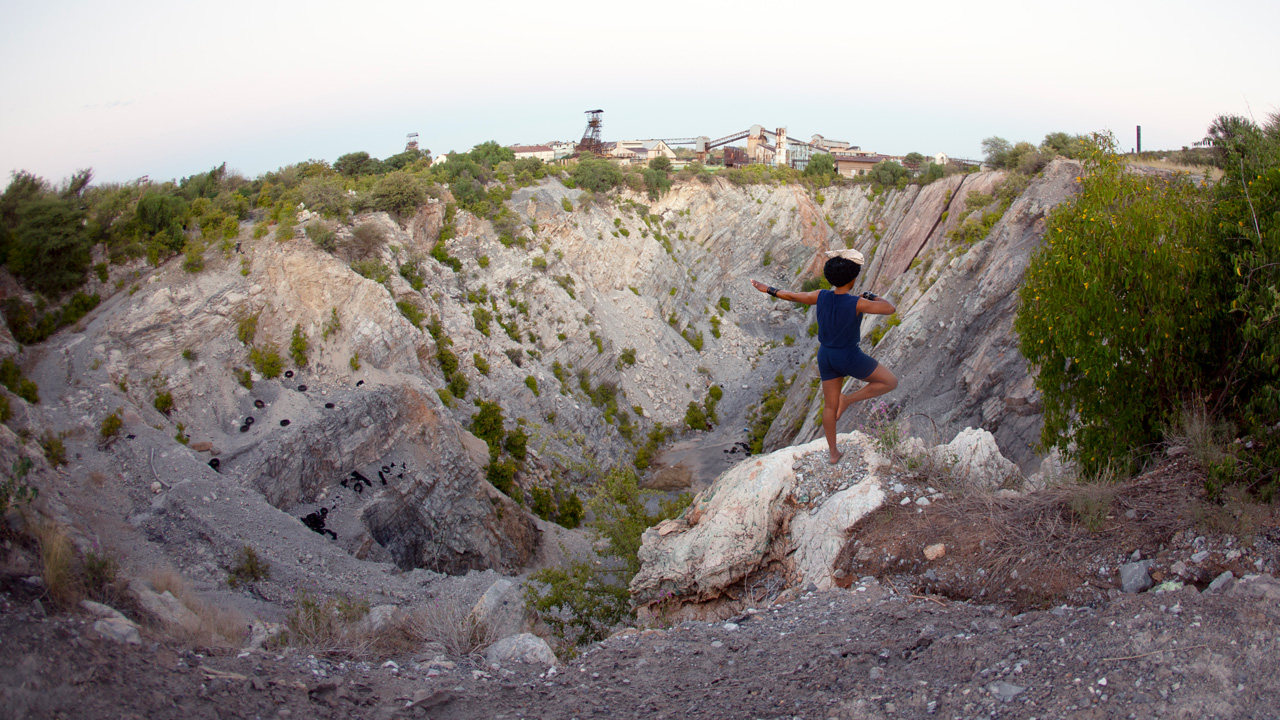
Central to understanding Nkanga’s visual and intellectual universe is the concept of strata. For Nkanga, geology is far more than a physical science; it is a conceptual framework through which history, culture, and memory are rendered visible. Just as geological strata record the Earth’s transformations over millions of years, her works layer materials, stories, and histories to expose the unseen forces shaping our present moment.
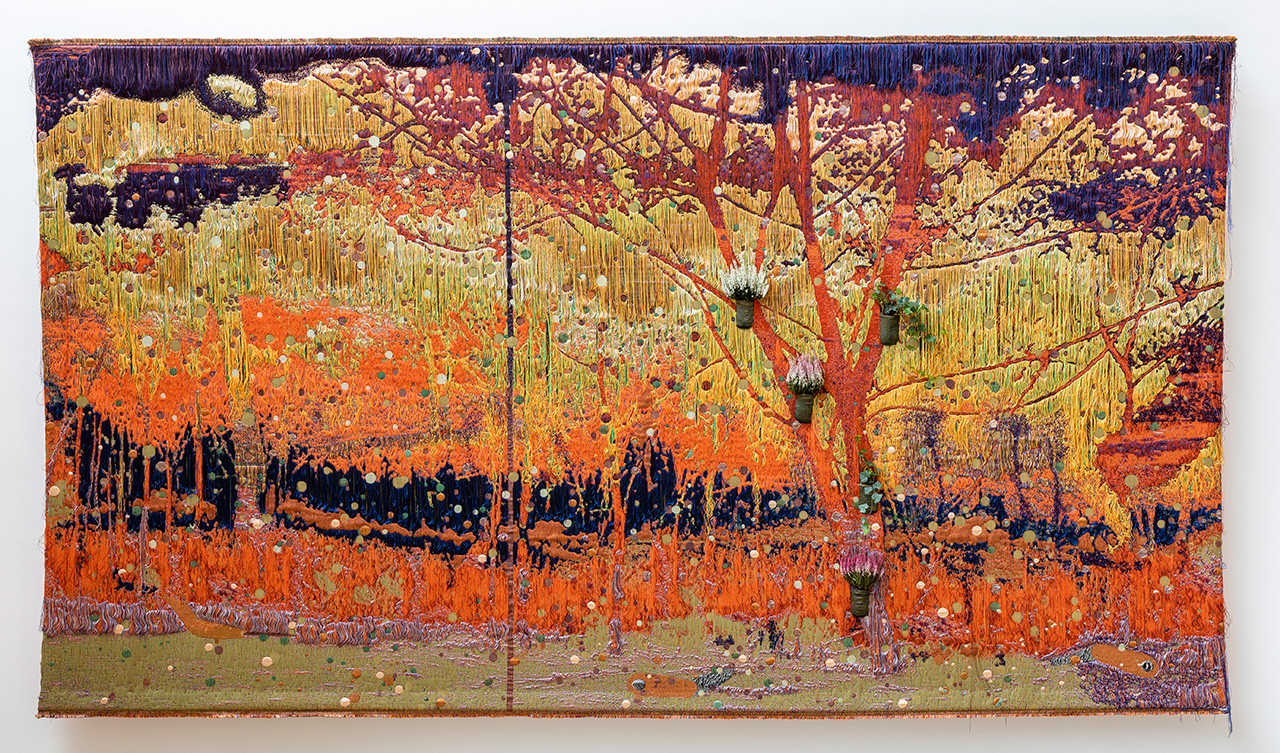
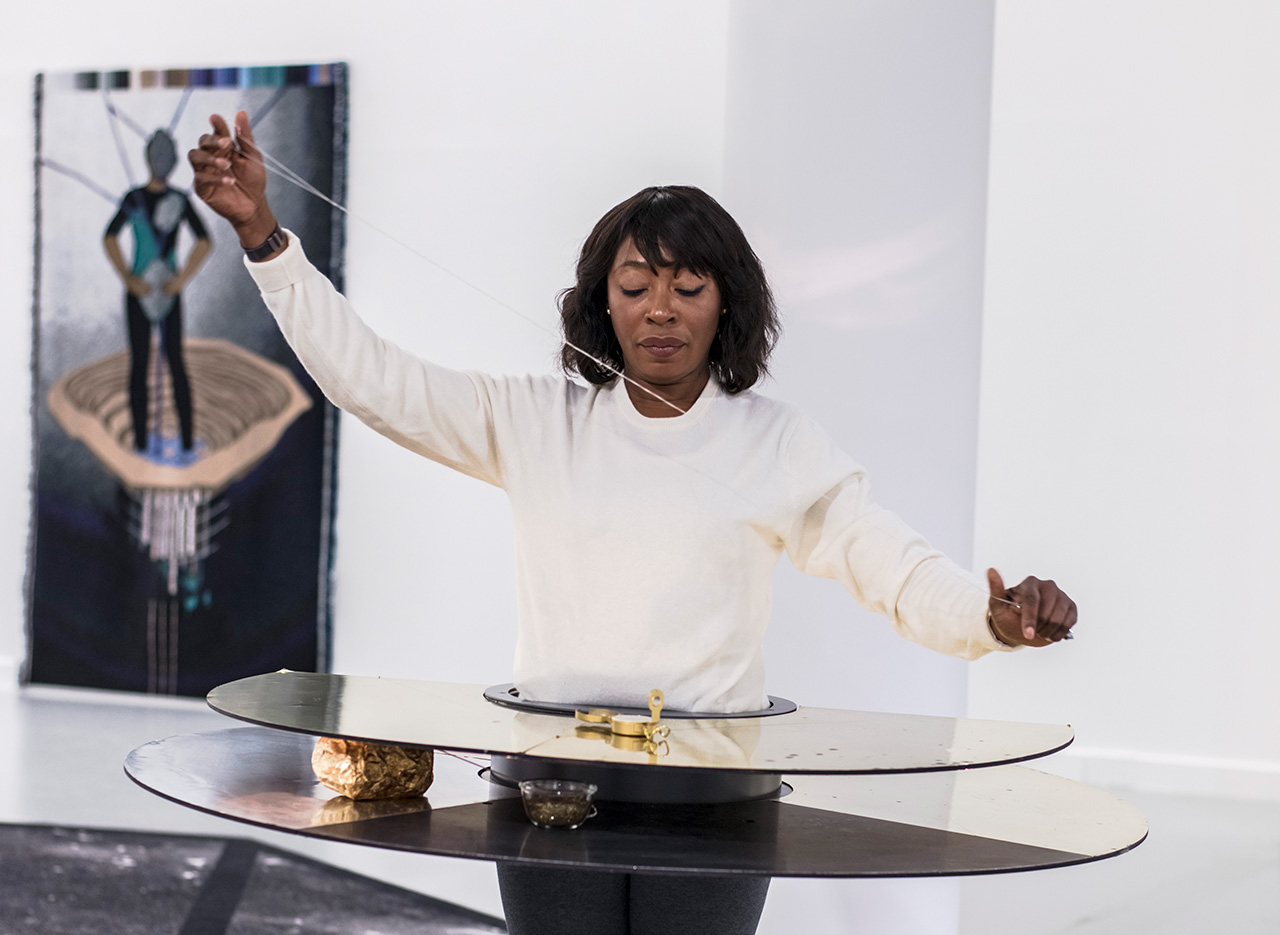
This structural principle manifests tangibly across her varied mediums. In her intricate, large-scale tapestries, threads of woven wool, cotton, and metallic fibers physically mirror the compressed layers of the earth, creating tactile landscapes that invite close inspection. In her installations, raw minerals, ochre, mica, spices, and plants are arranged alongside industrial remnants, mapping out trade routes and historical movements. Through these physical layerings, Nkanga examines how the extraction of natural resources—whether copper, petroleum, or agricultural goods—is inextricably bound to human labor, migration, and the lingering scars of colonial exploitation.
Nkanga’s practice reveals how raw materials are never neutral. They carry narratives of power, value, and displacement. By tracing the journey of minerals from the depths of the earth into global supply chains, she demonstrates how modern consumer culture remains rooted in violent historical dynamics. The earth is not merely a backdrop for human activity, but an active, living body that records both our care and our devastation.
What sets “I dreamt of you in colours” apart is Nkanga’s insistence on fluidity and continuous transformation. Resisting the static nature of standard museum displays, she approaches her existing oeuvre as an evolving archive. For this Swedish presentation, earlier works are not simply installed; they are reactivated in situ. Nkanga introduces new raw materials, organic elements, and spatial arrangements directly within the gallery walls, creating a vibrant poetics of entanglement.
This methodology reflects her belief in the relational nature of all things. Forms, materials, and ideas are never isolated; they exist in constant conversation with one another and with the viewer. By reweaving tapestries, recalibrating sculptural components, or altering the spatial orientation of her installations, Nkanga reflects the continuously shifting ways in which we relate to our environment and to one another. The exhibition space thus becomes a realm of spiritual elevation and intellectual breath, offering a rare opportunity to pause, reflect, and re-orient our senses.
While Nkanga’s work unflinchingly addresses ecological ruin, industrial plunder, and the dark legacies of empire, her vision is ultimately one of repair and regeneration. Her practice continuously seeks out the restorative capacity of natural, relational, and social systems. She looks closely at how ecosystems regenerate after devastation and how human communities construct resilience through collective memory and shared ritual.
In “I dreamt of you in colours,” the artist constructs constellations between humans and landscapes, reminding us that we are not separate from the environment, but an intrinsic part of its fabric. The exhibition challenges us to consider our own agency and ethical responsibilities in an interconnected world. How do we honor the materials we consume? How do we heal the wounded landscapes we inhabit? And how might we imagine a collective future built on mutual exchange rather than extraction?
Through her profound material storytelling, Otobong Nkanga provides no easy, didactic answers. Instead, she offers a space of deep contemplation and imaginative possibility. “I dreamt of you in colours” stands as a testament to the transformative power of art in a fractured world—a brilliant, multilayered testament to the enduring bonds between the body, the land, and the stories we weave together.
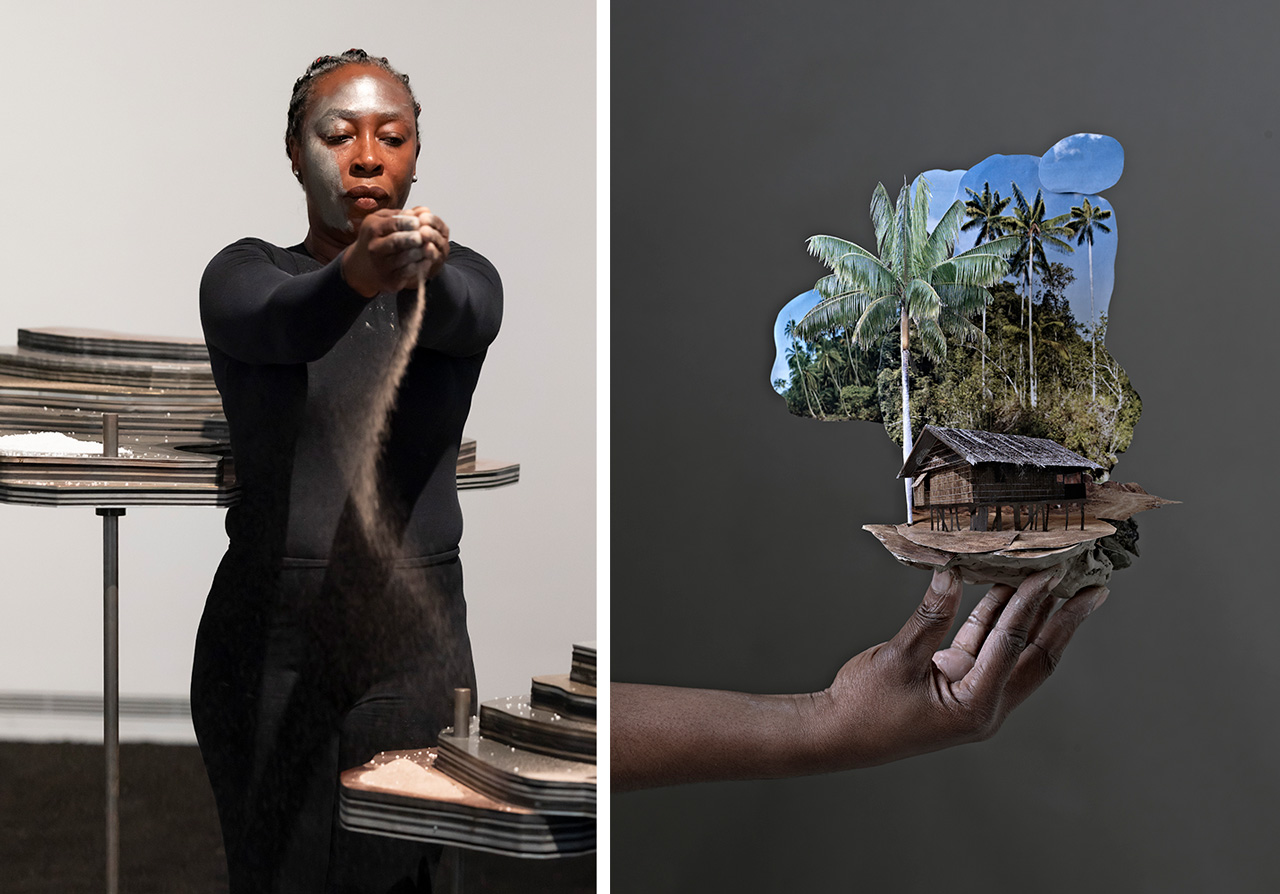
Photo left: Otobong Nkanga, Solid Maneuvers, 2015–ongoing, Performance at IVAM, Valencia, 2023, Photo: Miguel Lorenzo/IVAM. Photo right: Otobong Nkanga, Shaping Memory, 2012–14, C-print on photographic paper, Courtesy the artist
Info: Malmö Konsthall, S:t Johannesgatan 7, Malmö, Sweden, Duration: 10/10/2026-28/3/2027, Days & Hours: Tue & Thu-Fri 11:00-17:00, Wed 11:00-19:00, https://malmokonsthall.se/
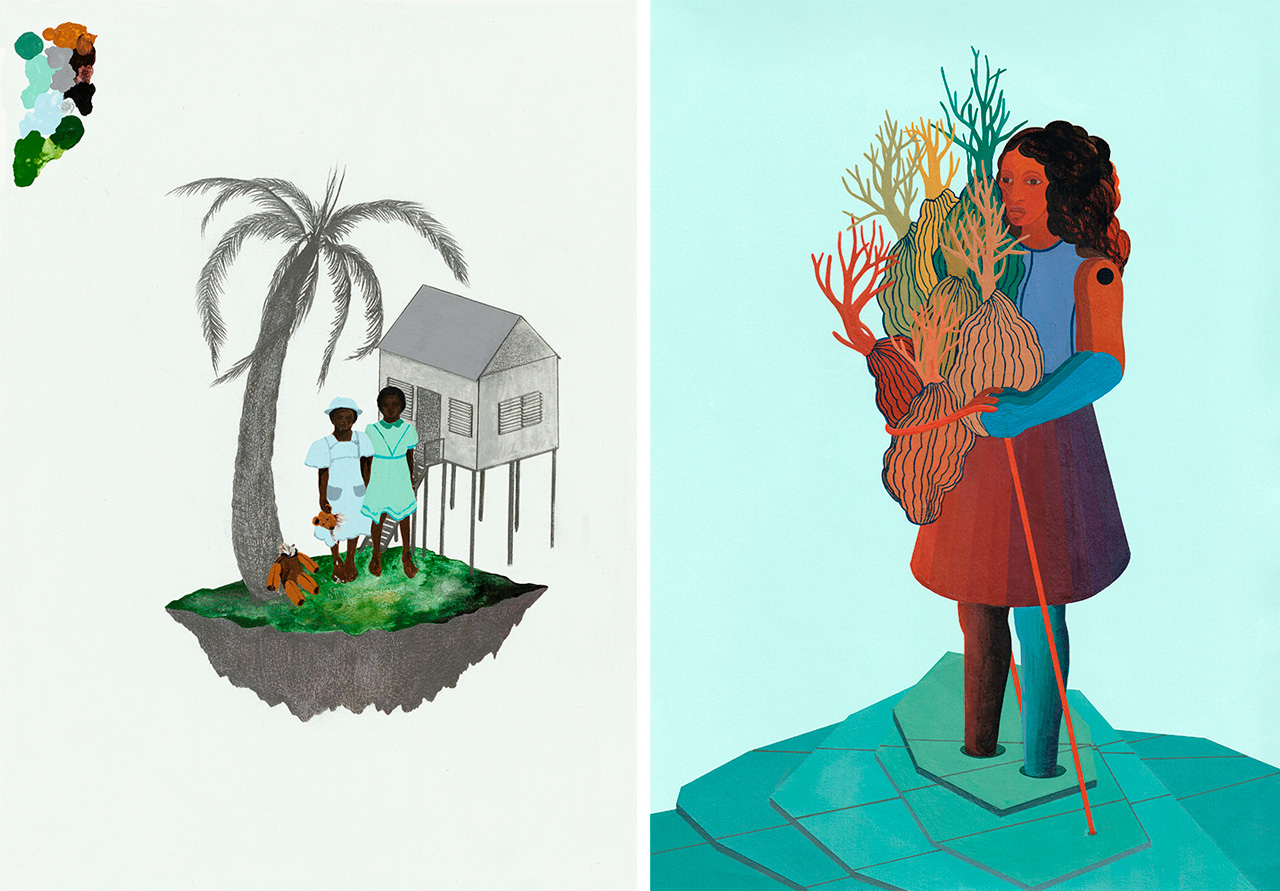
Right: Otobong Nkanga, Social Consequences V: The Harvest, 2022, Acrylic and stickers on paper, Courtesy the artist and Collection Wim Waumans
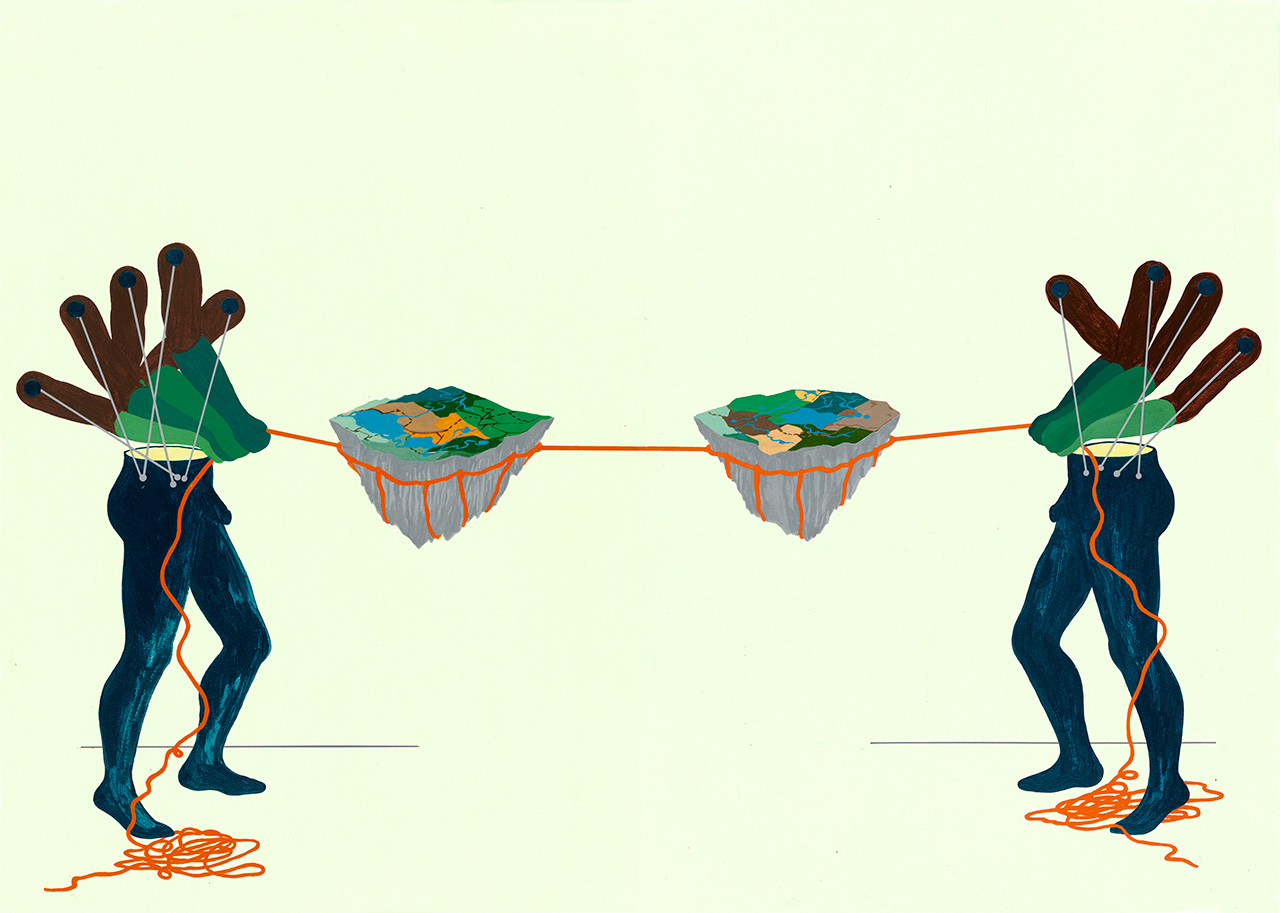
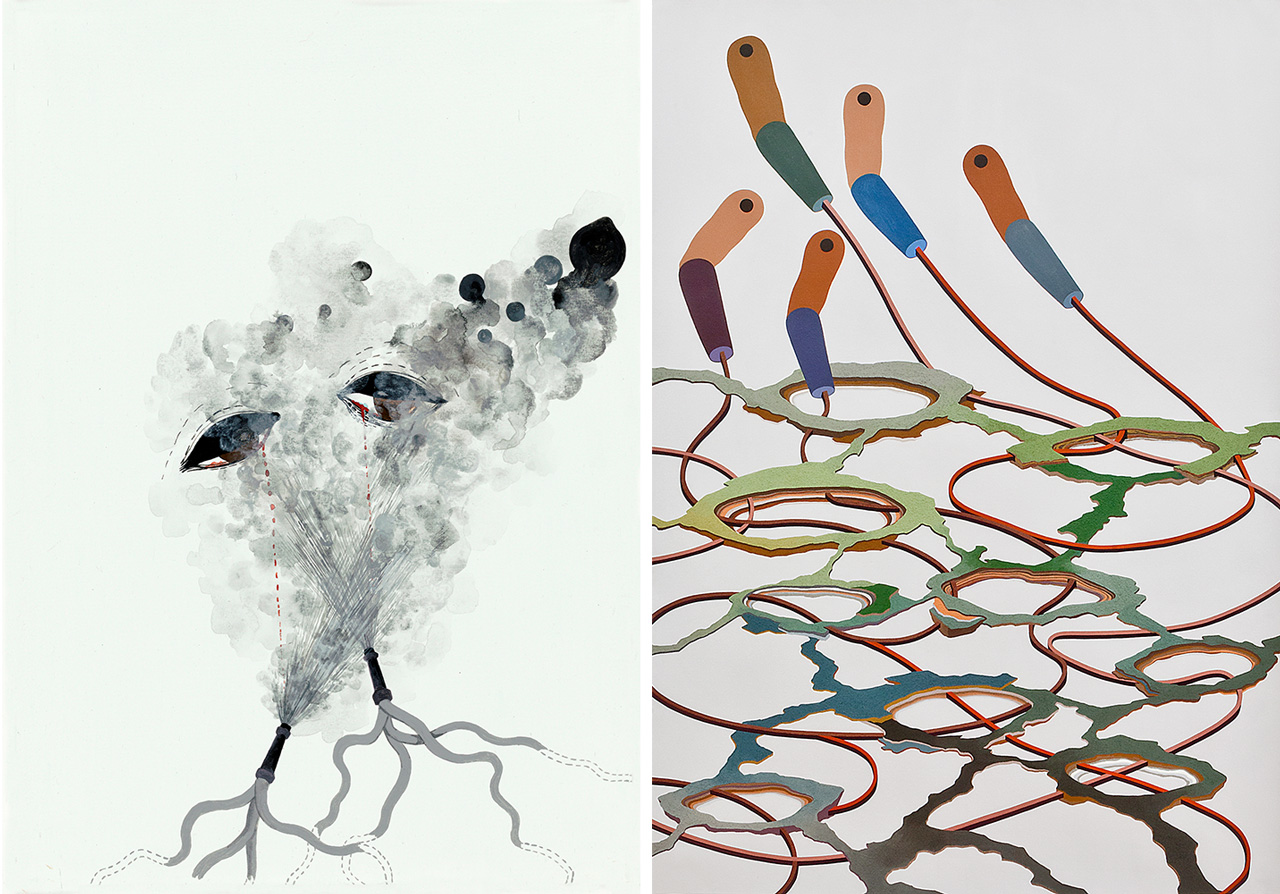
Right: Otobong Nkanga, The Apparatus, 2015, Acrylic and acrylic modelling paste on paper, Courtesy the artist and Collection Wim van Dongen
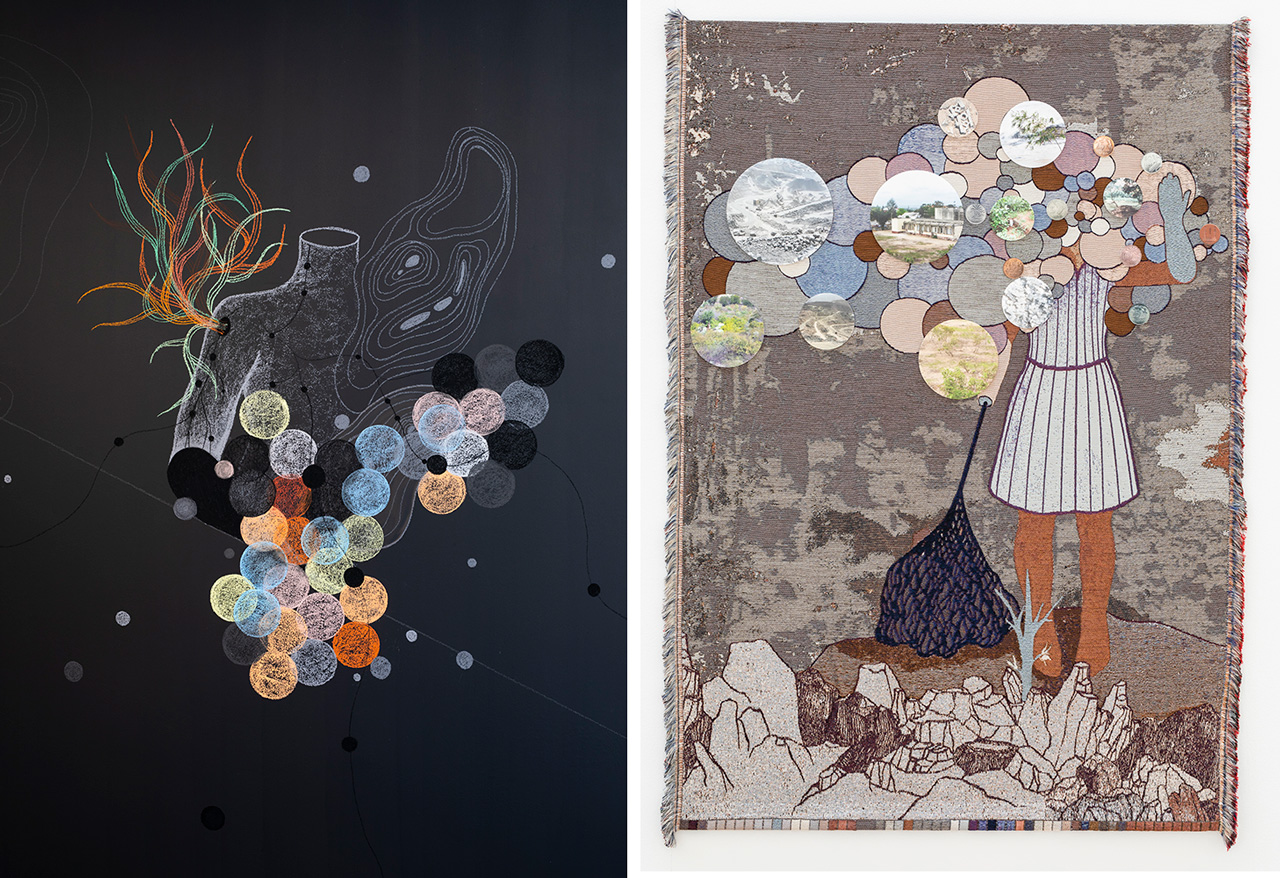
Right: Otobong Nkanga, Revelations, 2020, Woven textile (cotton, viscose, linen, arnica, techno, Elirex, polyester, Sidero), inkjet prints on 18 laser-cut Forex plates, Courtesy Henie Onstad Collection, Henie Onstad Kunstsenter, Gift from Lise Wilhelmsen Fond