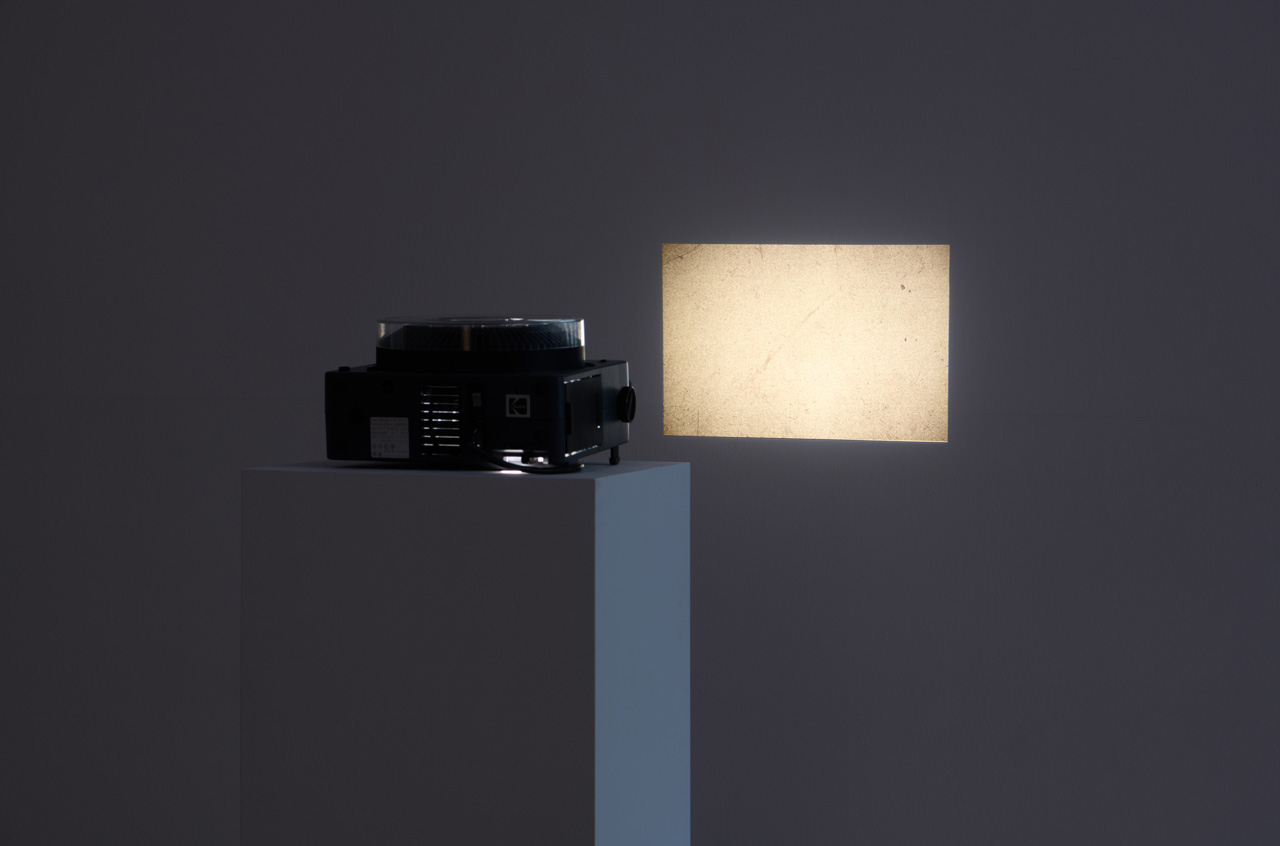
PRESENTATION: Primary Structures / Multiple Systems – 60 Years of Minimalisms
In 1966, the Jewish Museum hosted an exhibition which introduced a new emerging trend in sculpture titled “Primary Structures: Younger American and British Sculptors”, the show presented works which shared general characteristics of scale, simplified geometry and smooth, often colorful, industrial surfaces. Kynaston McShine, who was the Curator, did not attempt to categorize this new sculpture, but rather to examine the artists’ fresh approaches to form and material and more significantly their use of color.
By Dimitris Lempesis
Photo: Antonio Dalle Nogare Foundation Archive
The exhibition “Primary Sculptures” came to assume a prominent place in the history of exhibition making, as it introduced the public to artists who were unknown at the time, but soon became synonymous with a radically new approach to sculpture now known as Minimalism. It became the first American museum show to survey this new style of art.
Sixty years after this landmark exhibition the Antonio Dalle Nogare Foundation presents a new exhibition project titled “Primary Structures / Multiple Systems-60 Years of Minimalisms” that aims to celebrate and historically reconsider the legacy of Minimalism and its influence on contemporary art through a selection of works from the Collection.
Curated by Kynaston McShine, the 1966 exhibition established artists such as Donald Judd, Carl Andre, Dan Flavin, Robert Morris and Sol LeWitt, introducing a new concept of sculpture based on formal reduction, seriality and objectivity. “Primary Structures / Multiple Systems-60 Years of Minimalisms” analyses how this geometric alphabet has been absorbed, transformed and ultimately “compromised” by successive generations of artists, thereby becoming a tool for deciphering the complex systems of contemporary reality.
One the central idea behind Minimalism was that a work should not express anything beyond itself: an object exists only in its physical presence, and the artist is no longer the demiurge who shapes the material, but rather a designer of structures.
This shift marked the definitive departure from traditional sculpture in favour of so-called specific objects. The use of cold industrial materials such as fibreglass, steel and neon combined with the outsourcing of production to factories or external craftsmen led to the separation of conceptual intuition from manual execution. Even canvases were reduced to an elementary geometric form, on which colour should represent nothing other than flatness and their own chromatic surfaces as perceived by the viewer.
This new aesthetic model, founded on detachment, the anonymity of the artist and the pure perception of volume in space, introduces a different conception of works of art. That task is accomplished in the encounter between object, space and viewer, whose physical and perceptual experience varies with the movement of the body. This relationship is best expressed in Frank Stella’s famous assertion that “what you see is what you see”.
The real forerunner of this questioning of the figure of the author and the desacralisation of the artistic object — compared to an industrial product and understood as a residue of the creative process — was Marcel Duchamp decades earlier. One key historical fact that confirms this contiguity is the essay “The Death of the Author” by Roland Barthes which was published for the first time in English in the box-magazine Aspen and is on display in the Foundation’s library. Barthes knew that his essay would take its place alongside Duchamp’s famous lecture, The Creative Act, which foreshadowed this new perspective.
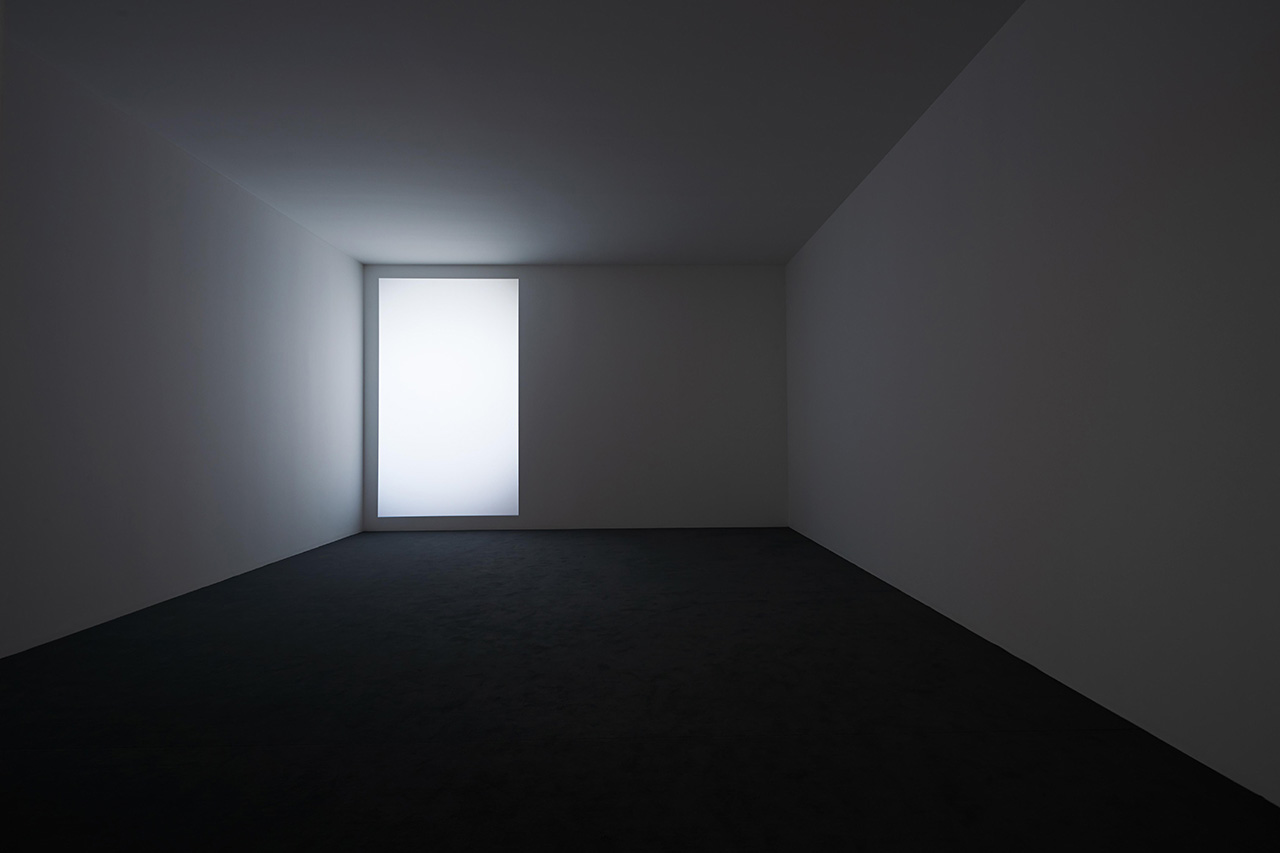
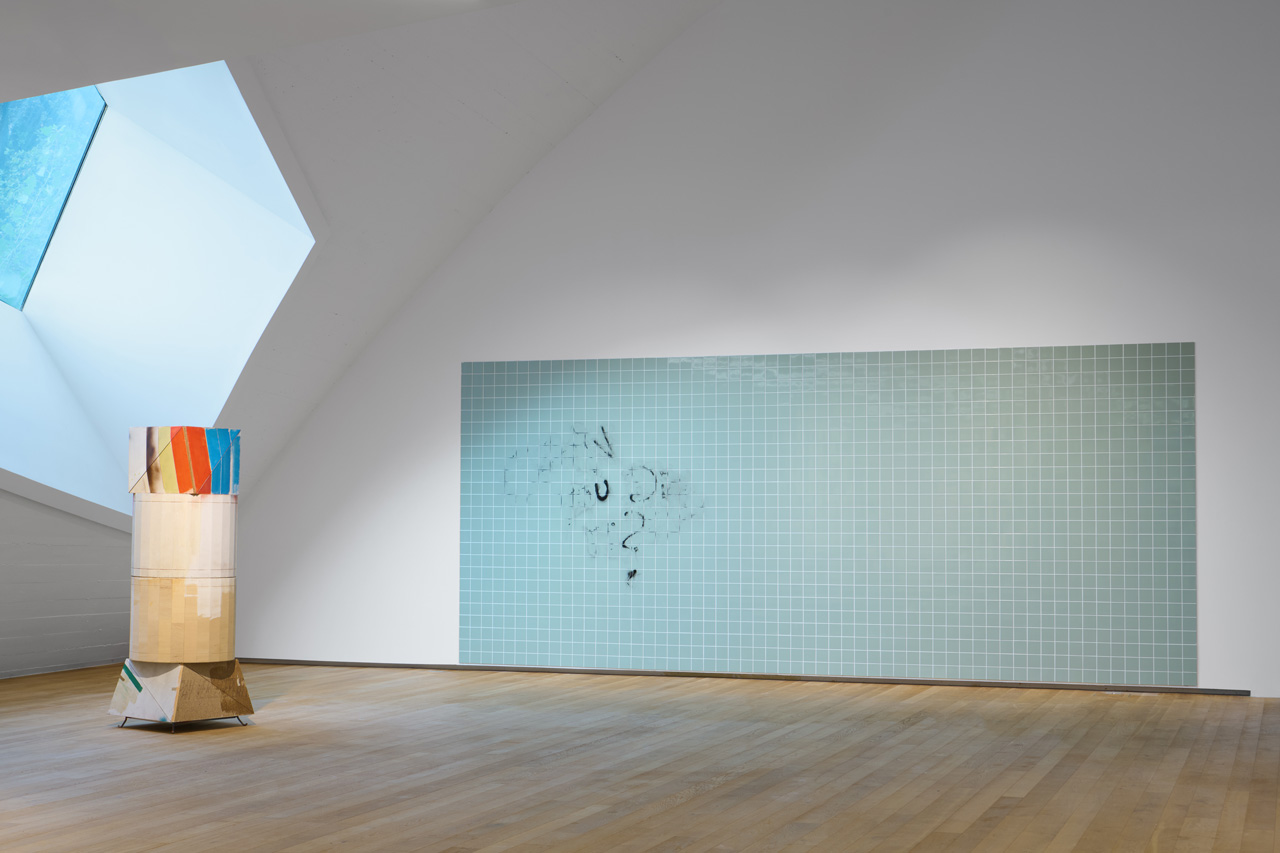
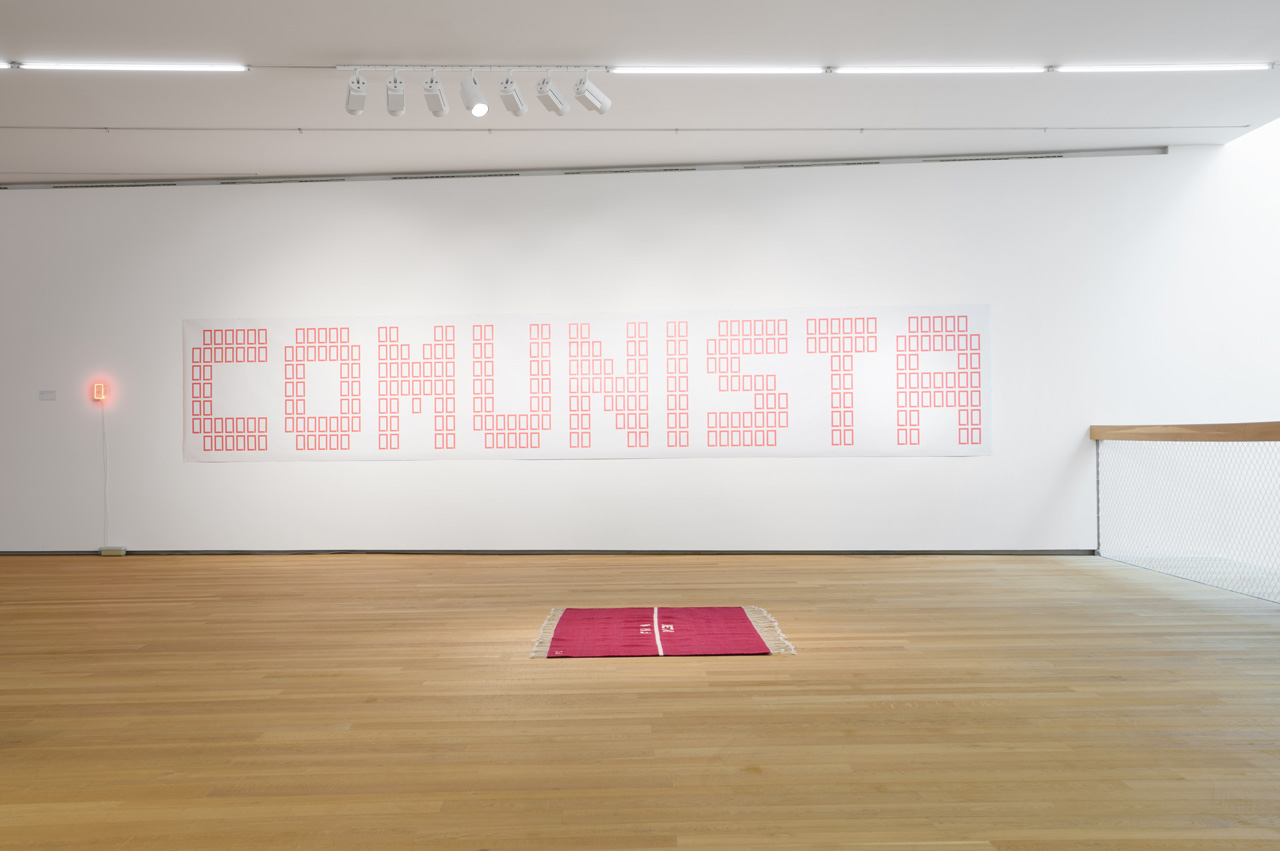
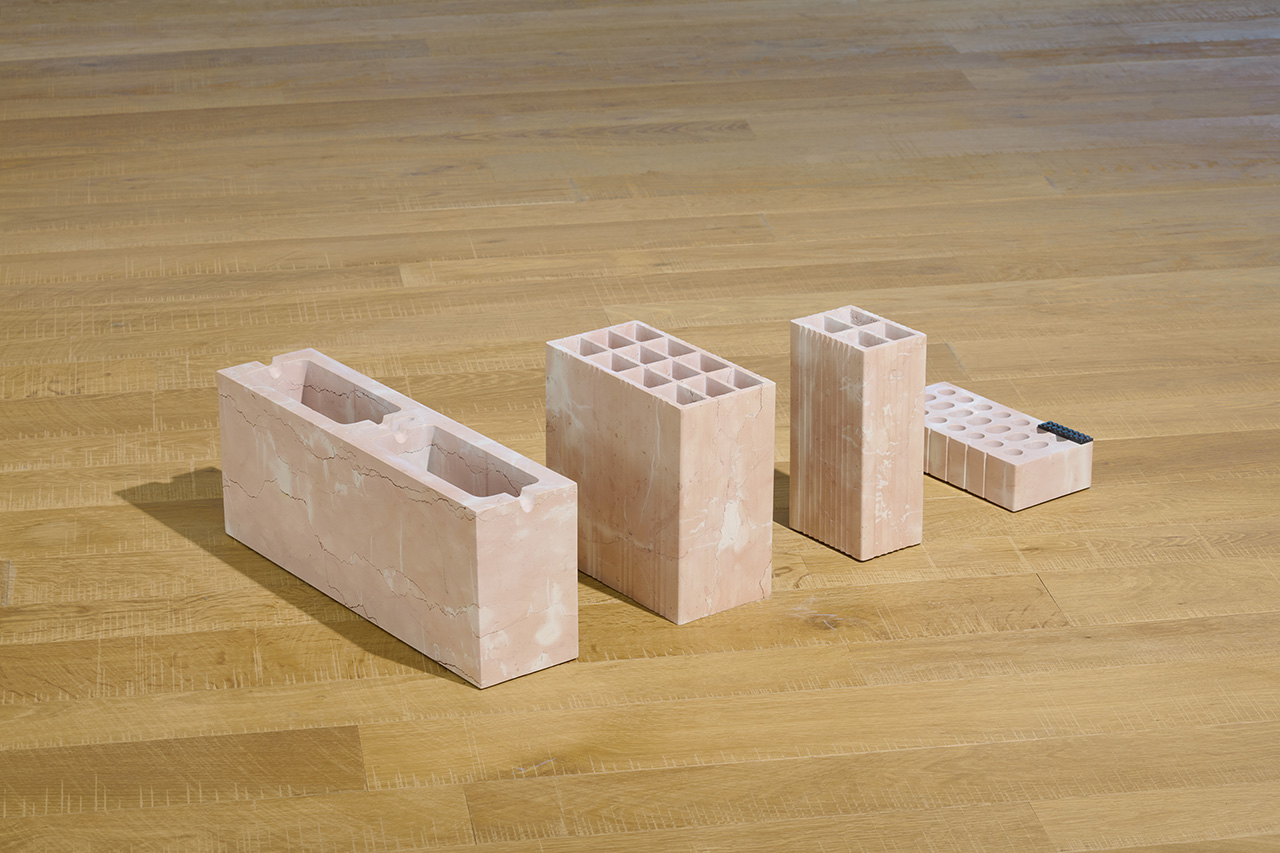
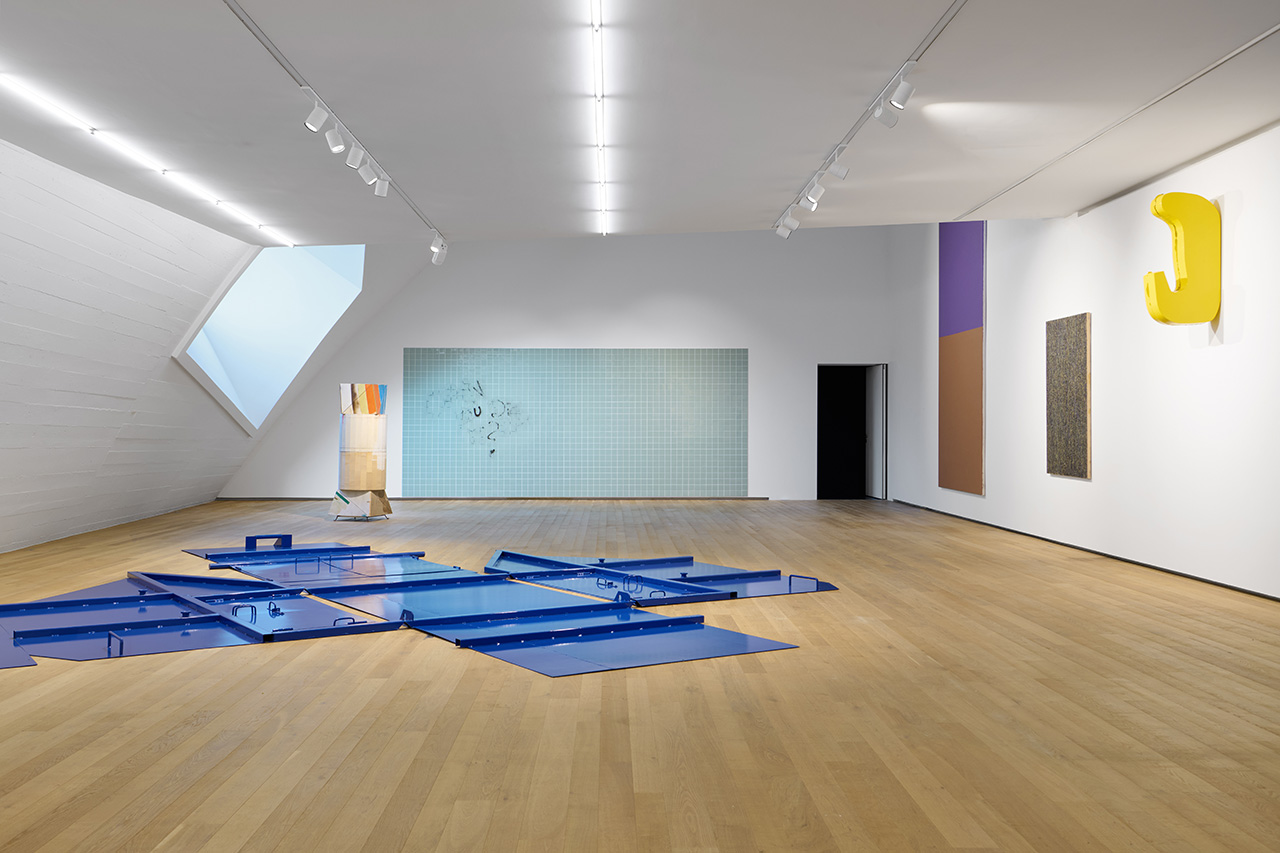
The exhibition unfolds across several spaces from the ground floor (including the Black Box) to the first floor, following a path that connects the public and private realms. This dualism reflects the very statute of the Foundation, simultaneously both an exhibition space and also home to the Collection. Bringing together international artists including Andrea Fraser, Fabio Mauri, Mario García Torres, James Turrell and Nair Baghramian, the project expands the boundaries of minimalist language through practices that question institutions, memory, identity, ecology and systems of power in an interweaving of light, space, time and social critique.
The contemporary artists in the exhibition have deliberately chosen to violate this historic indifference, appropriating the seemingly innocent modules of Minimalism and transforming them into critical devices loaded with political, social and institutional tensions. In doing so, they are demonstrating that in our current reality, no structure can be considered neutral or isolated from the real world.
“Primary Structures / Multiple Systems-60 Years of Minimalisms” highlights how the essential forms of the past are now tools for interpreting the complexity of the present. The exhibition invites viewers to come to terms not only with the physical presence of objects in space, but also with the material, political, technological, visible and invisible infrastructures in which we are immersed and with which we interact daily, often unconsciously.
Works by: Carl Andre, Charles Atlas, Nairy Baghramian, Robert Barry, Rossella Biscotti, Robert Breer, Elaine Cameron-Weir, Anthony McCall, Mario Dellavedova, Matias Faldbakken, Dan Flavin, Andrea Fraser, Mario García Torres, Imi Knoebel, Udomsak Krisanamis, Alessandro Manfrin, Jumana Manna, Fabio Mauri, Helen Mirra, Olivier Mosset, Bruno Munari, Sirous Namazi, Manfred Pernice, Anna Scalfi Eghenter, James Turrell, Franz Erhard Walther, Haegue Yang, Heimo Zobernig, Italo Zuffi
Photo: Primary Structures / Multiple Systems-60 Years of Minimalisms, Exhibition View, Antonio Dalle Nogare Foundation, Bolzano, 2026, Courtesy , Antonio Dalle Nogare Foundation
Info: Curator: Eva Brioschi, Antonio Dalle Nogare Foundation, Via Rafenstein, 19, Bolzano, Italy, Duration: 18/10/2026-30/12/2028, Days & Hours: Tue-Fri upon reservation here, Sat 9:30-19:30, https://fondazioneantoniodallenogare.com/
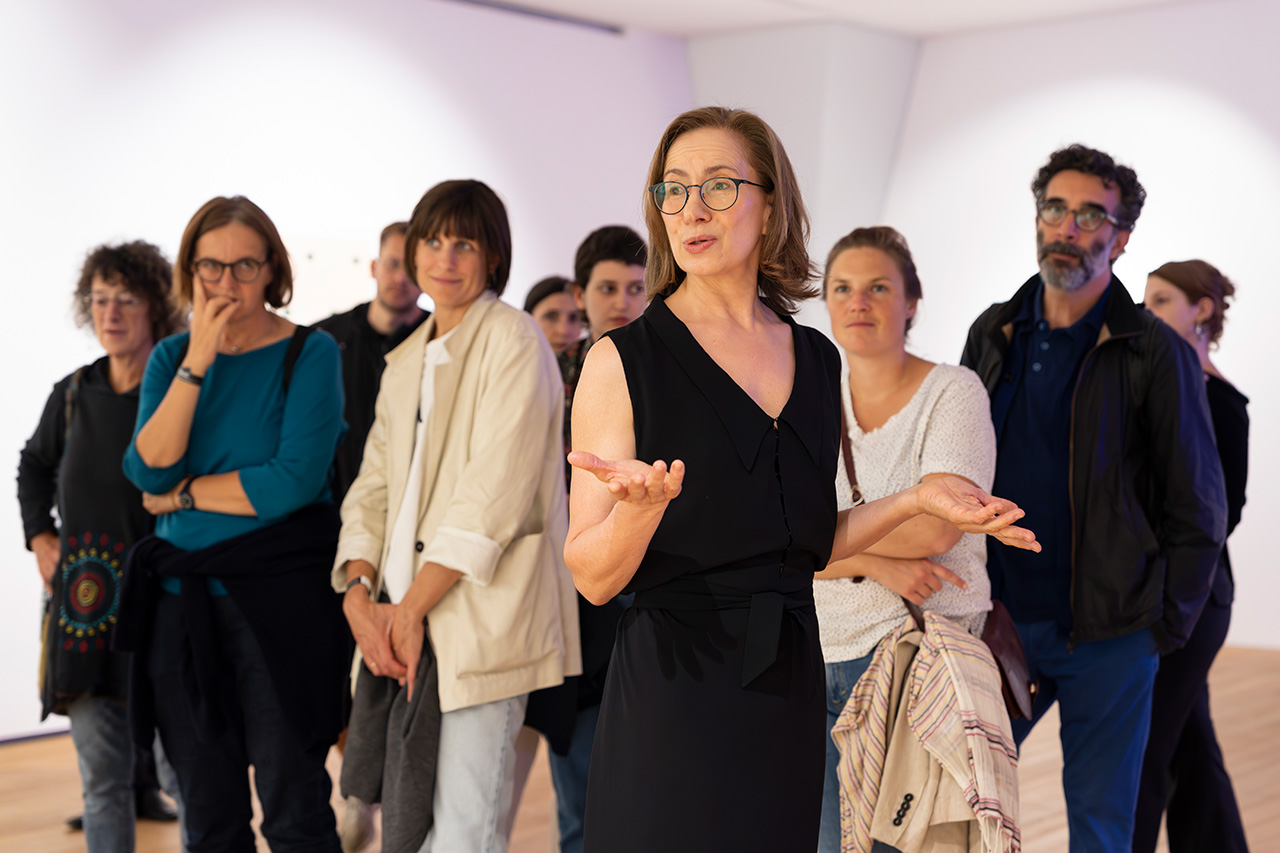
May I Help You, Performance, Fondazione Antonio Dalle Nogare, 2025, Ph. Lorenzo Palmieri, Courtesy of the artist and Fondazione Antonio Dalle Nogare
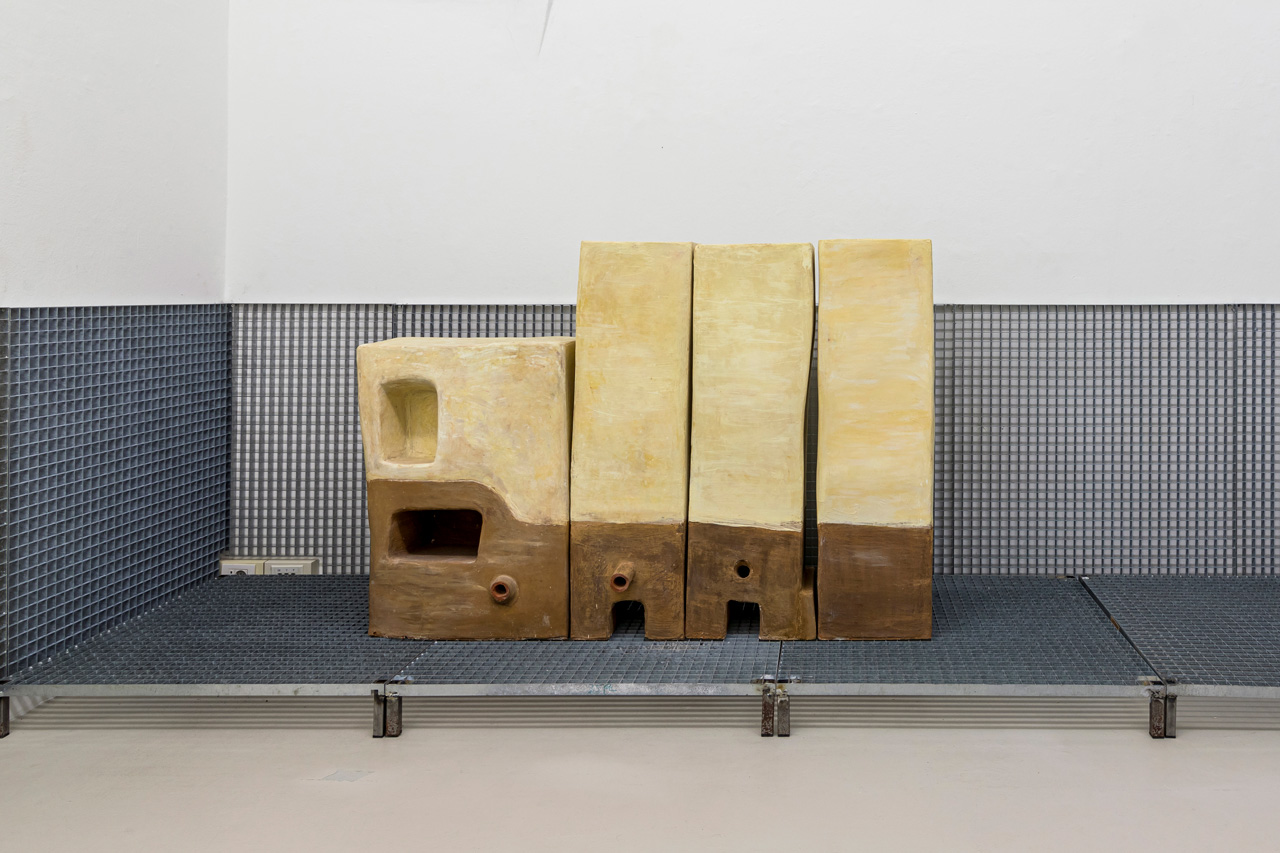
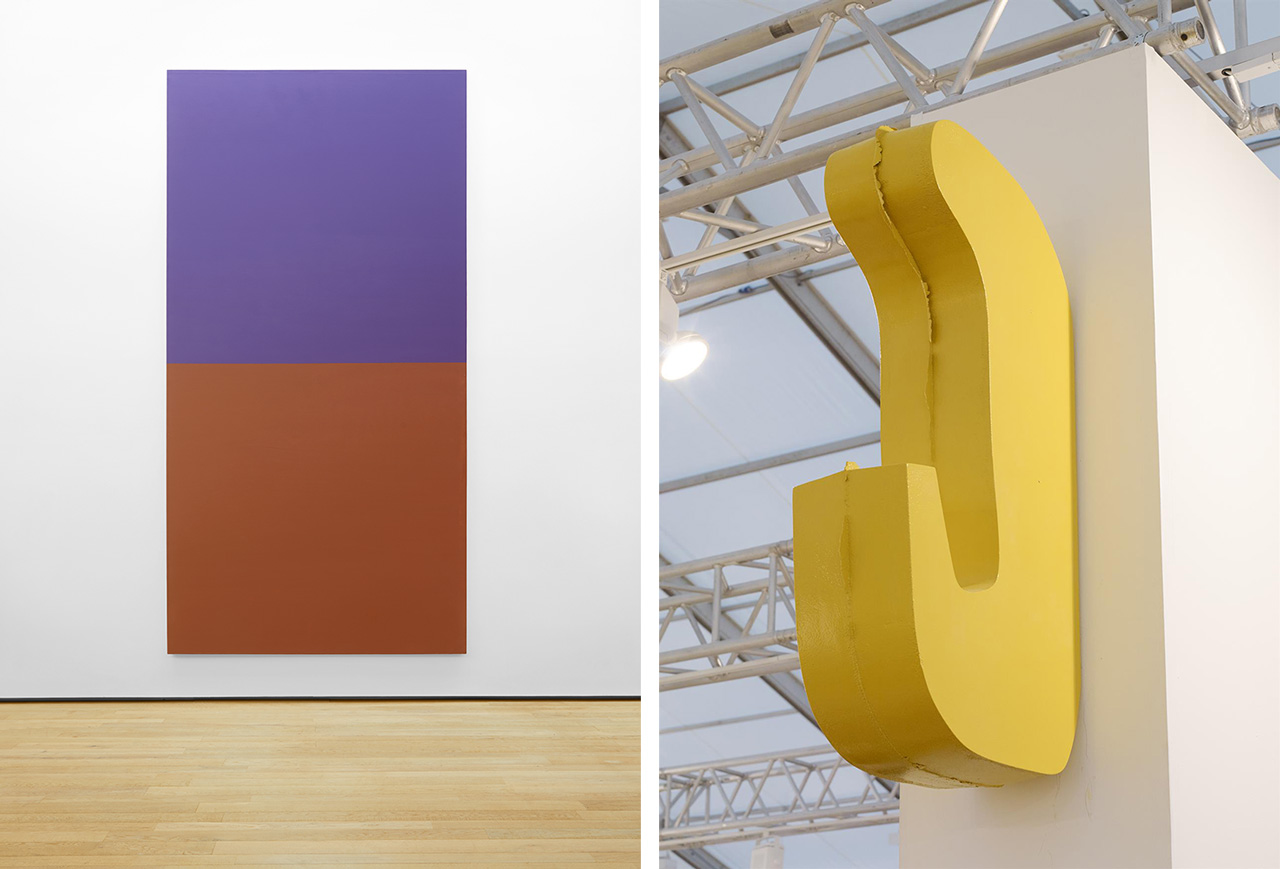
Right: Nairy Baghramian, Mooring IX (hanging), 2015, Cast aluminum, paint, Courtesy of the artist
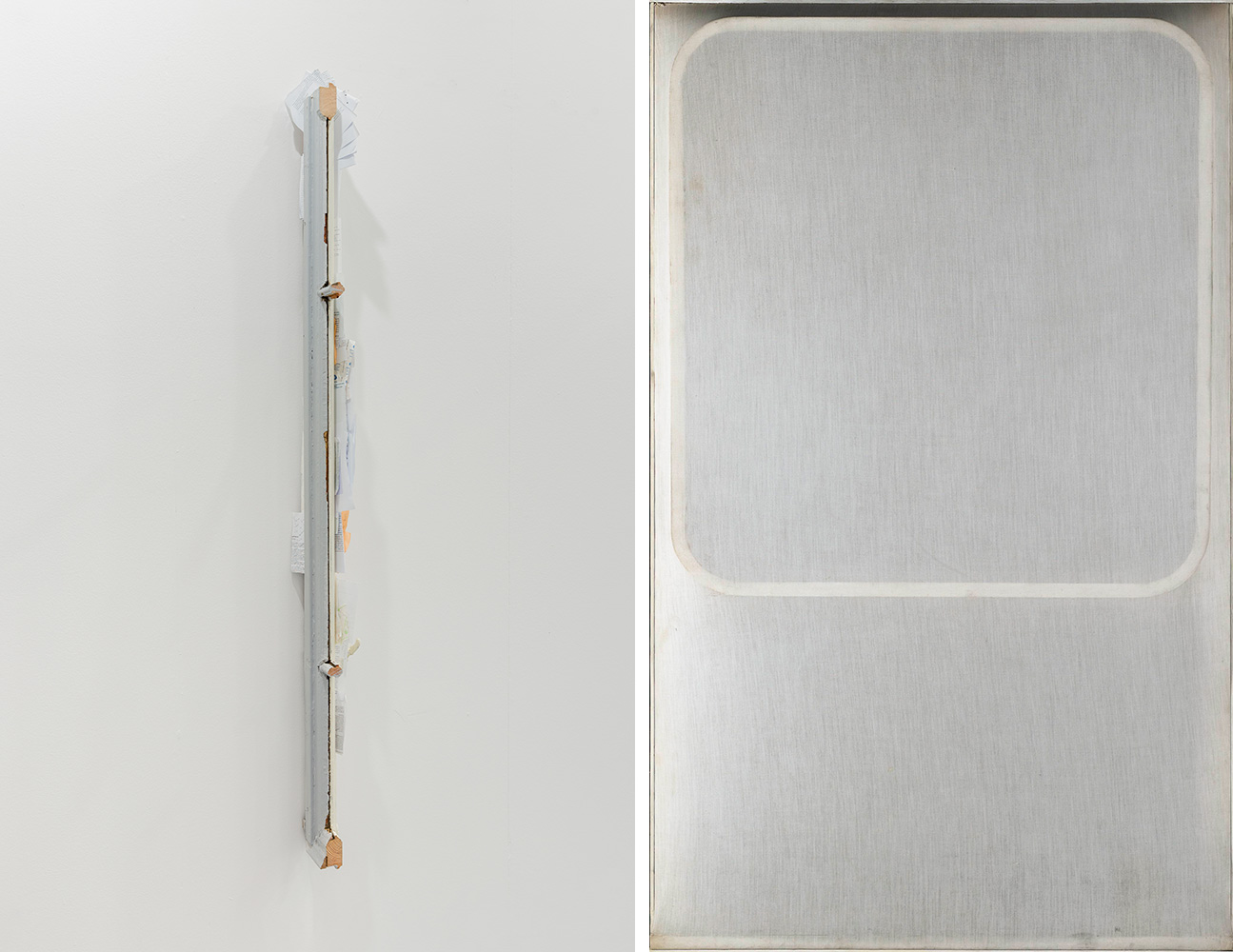
Right: Fabio Mauri, Schermo Petrosemolo, 1972, Canvas on cantilevered frame, Courtesy of the artist