PRESENTATION:Michelangelo Pistoletto-Avant Et Après L’arte Povera
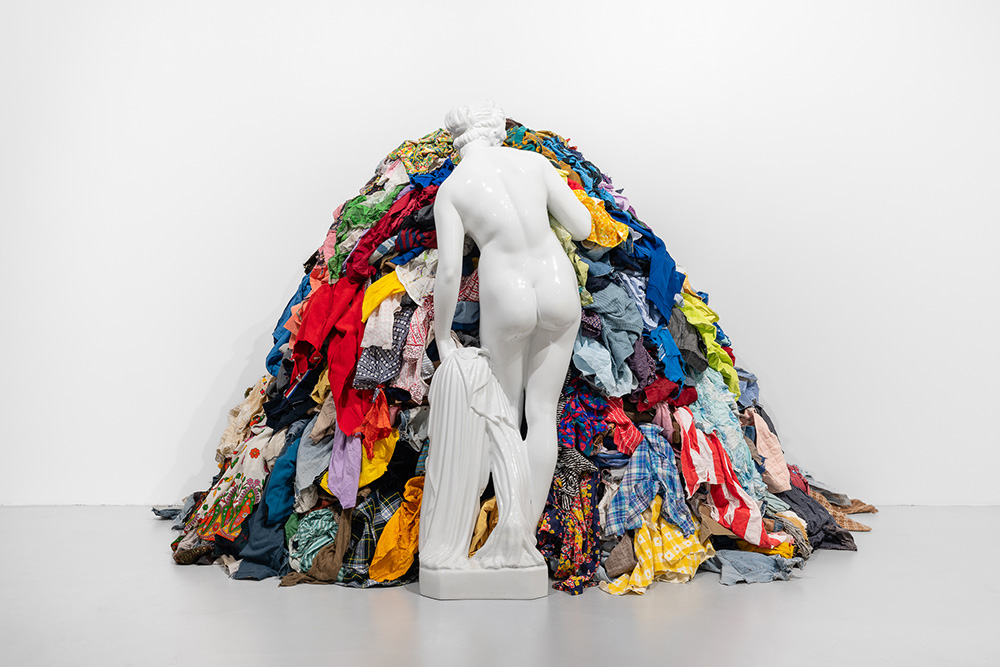
Michelangelo Pistoletto is a central figure of Italy’s Arte Povera movement. He achieved global renown in the 1960s with his interactive Mirror Paintings and the iconic sculpture Venus of the Rags, which contrasts classical beauty with consumer waste. In 1998, he founded Cittadellarte to drive social change through creative practice, followed by his Third Paradise project connecting nature, humanity, and technology.
By Efi ichalarou
Photo: Galeria Continua Archive
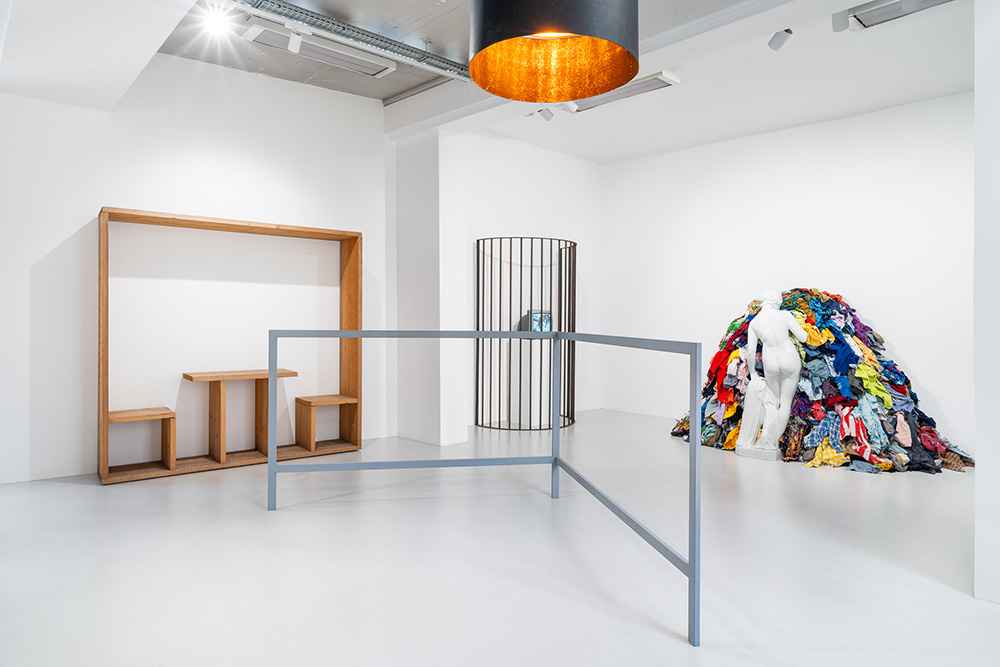
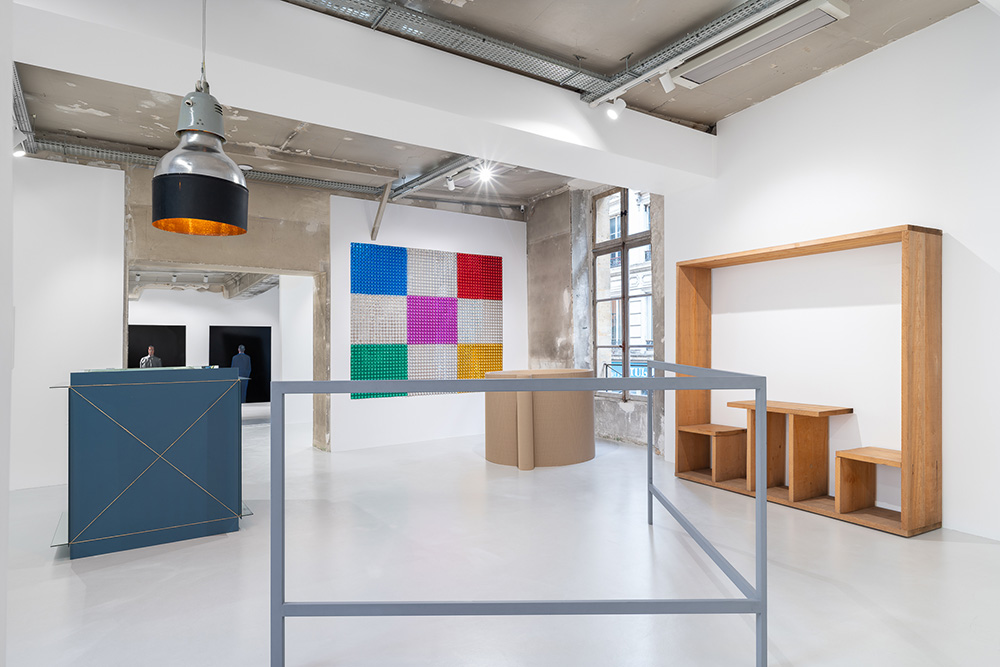
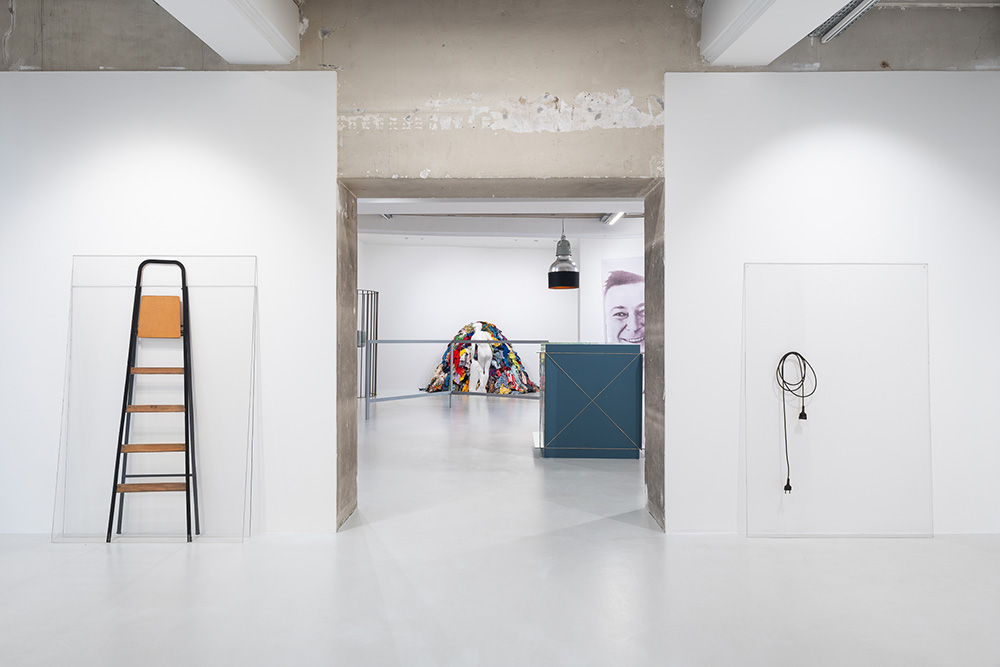
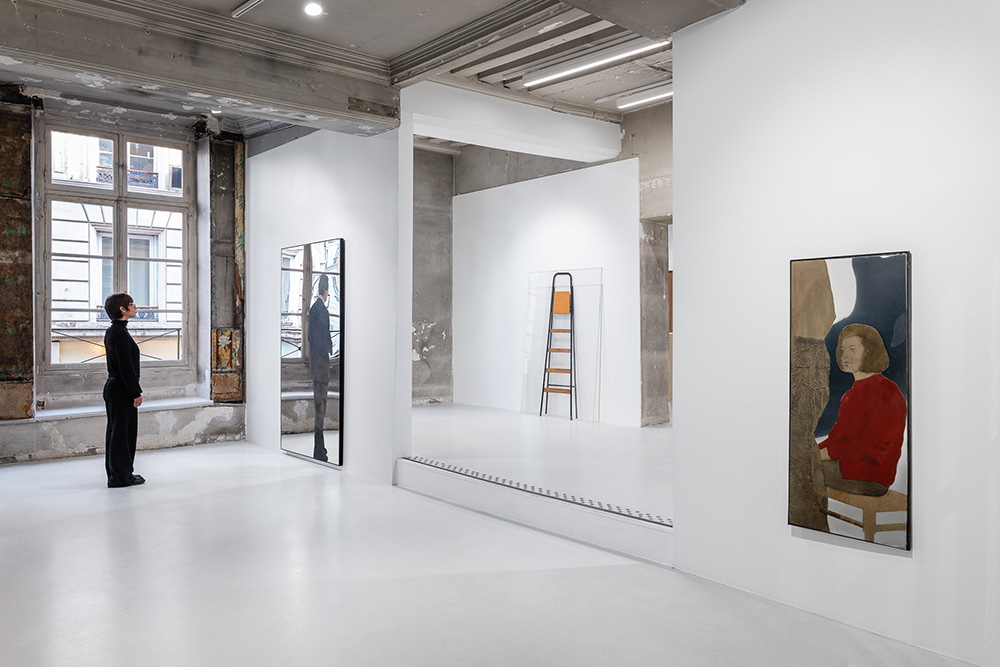
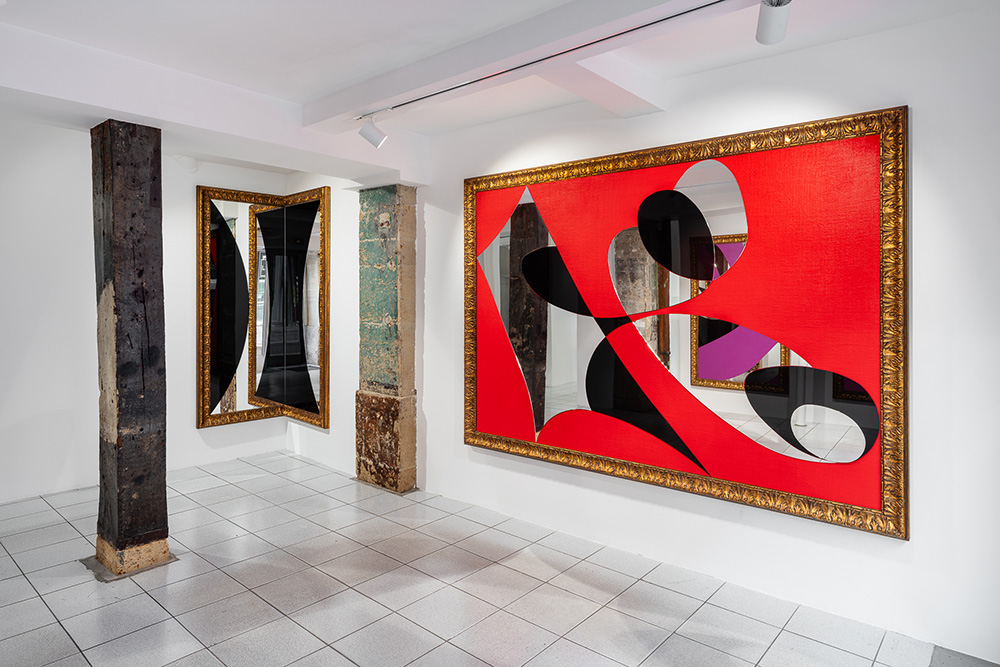
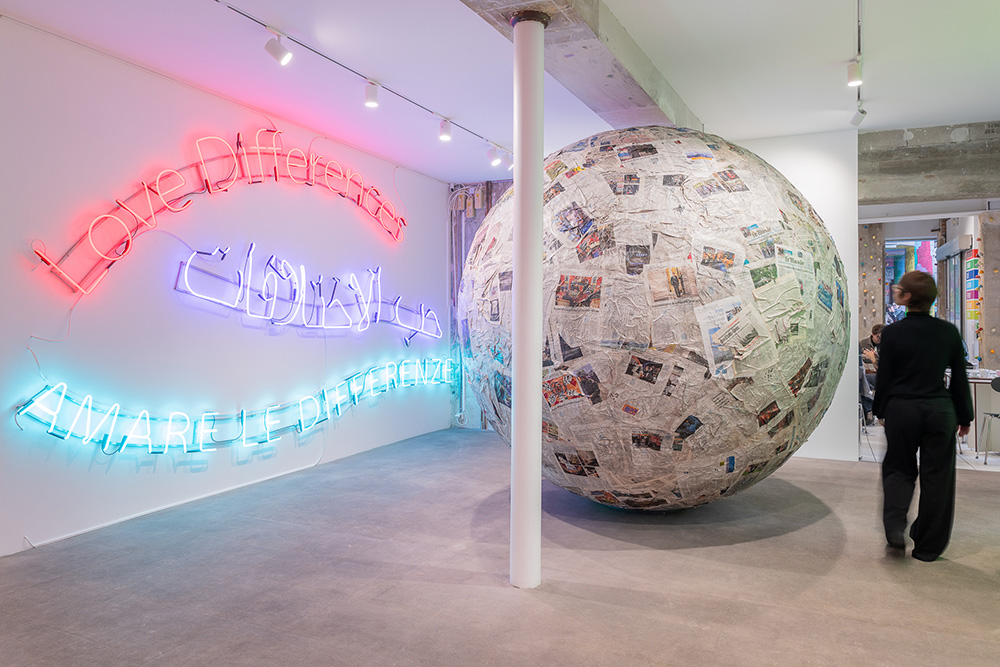
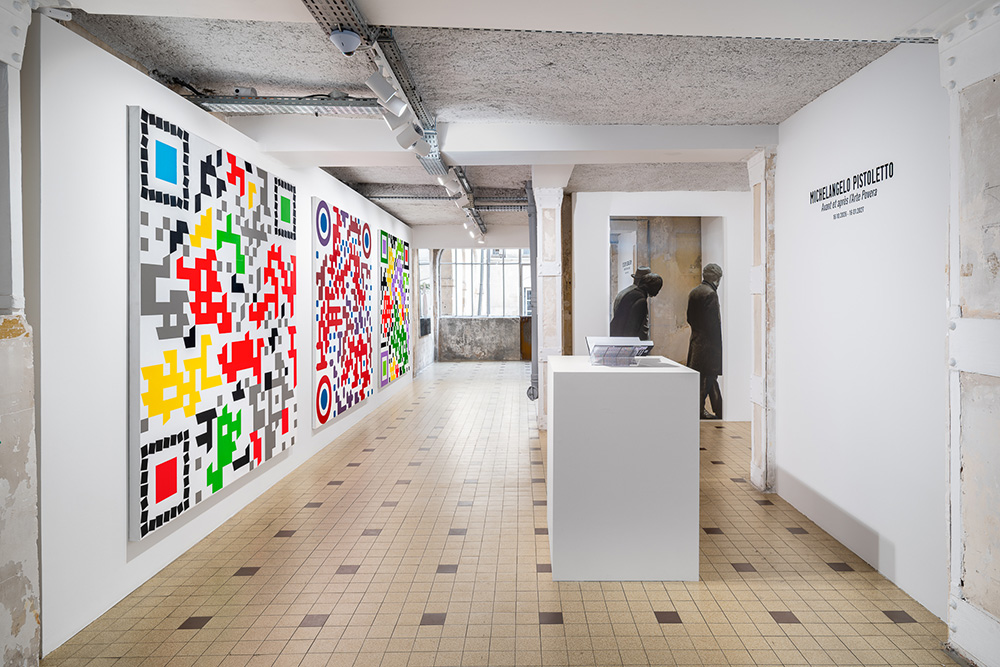
Michelangelo Pistoletto presents in Paris his solo exhibition “Avant et après l’Arte Povera”. The exhibition brings together key moments from this development, not simply to recount the history of an artist, but to explore how, through his work, Pistoletto came to question the world and the ways in which we might inhabit it together. Spanning the 1950s to the present, it highlights his continual renewal of artistic language while maintaining a sustained reflection on the role of art within society. The title of the exhibition emphasises that Arte Povera constitutes one moment within a much broader seventy-year history.
Michelangelo Pistoletto is not only an Arte Povera artist, but one of the protagonists of the movement that Germano Celant theorised and defined in 1967. Arte Povera represents only one stage within a practice that now spans seventy years. Pistoletto’s artistic path began earlier and, above all, has continued to develop along a trajectory of its own. To tie him exclusively to Arte Povera would be to reduce the complexity and breadth of a practice that has continually transformed the relationship between art, the individual and society.
In Pistoletto’s artistic history, there is a before and an after. These are not two separate moments, but successive phases of a practice that, through radical transformations, has laid the foundations of what is now his oeuvre. Or, if it is simply called a “work”, perhaps that is precisely where the question begins.
His oeuvre may be better understood as a civic and cultural project: a body of thought and action that has progressively placed at its centre the good of humanity, the ability to recognise and embrace differences, and the search for a balance between nature and artifice, individual and community. Through art, Pistoletto seeks to contribute to what he calls a possible “ preventive peace ”.
Michelangelo Pistoletto was born in Biella in 1933, he began to exhibit his work in 1955 and in 1960 he had his first solo show at Galleria Galatea in Turin. An inquiry into self-portraiture characterizes his early work.
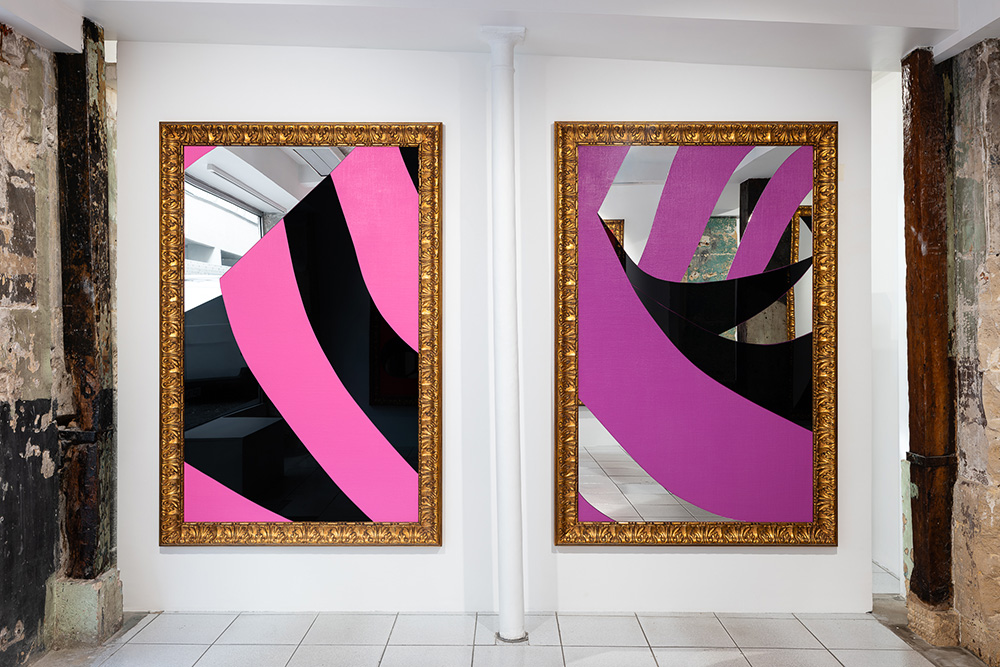
In the two-year period 1961-1962 made the first “Mirror Paintings”, which directly include the viewer and real time in the work, and open up perspective, reversing the Renaissance perspective that had been closed by the twentieth-century avant-gardes. These works quickly brought Pistoletto international acclaim, leading, in the sixties, to one-man shows in important galleries and museums in Europe and the United States. The “Mirror Paintings” are the foundation of his subsequent artistic output and theoretical thought.
In 1965 and 1966 he produced a set of works entitled “Minus Objects”, considered fundamental to the birth of Arte Povera, an art movement of which Pistoletto was an animating force and a protagonist. In 1967 he began to work outside traditional exhibition spaces, with the first instances of that “ creative collaboration ” he developed over the following decades by bringing together artists from different disciplines and diverse sectors of society.
In 1975-76 he presented a cycle of twelve consecutive exhibitions, Le Stanze, at the Stein Gallery in Turin. This was the first of a series of complex, year-long works called “ time continents ”. Others are “White Year” (1989) and “Happy Turtle” (1992). In 1978, in a show in Turin, Pistoletto defined two main directions his future artwork would take : Division and Multiplication of the Mirror and Art Takes On Religion.
In the early eighties he made a series of sculptures in rigid polyurethane, translated into marble for his solo show in 1984 at Forte di Belvedere in Florence. From 1985 to 1989 he created the series of “ dark ” volumes called Art of Squalor. During the nineties, with Project Art and with the creation in Biella of Cittadellarte – Fondazione Pistoletto and the University of Ideas, he brought art into active relation with diverse spheres of society with the aim of inspiring and producing responsible social change.
In 2003 he won the Venice Biennale’s Golden Lion for Lifelong Achievement. In 2004 the University of Turin awarded him a laurea honoris causa in Political Science. On that occasion the artist announced what has become the most recent phase of his work, “Third Paradise”. In 2007, in Jerusalem, he received the Wolf Foundation Prize in the Arts, “for his constantly inventive career as an artist, educator and activist whose restless intelligence has created prescient forms of art that contribute to fresh understanding of the world.” In 2010 he wrote the essay The Third Paradise, published in Italian, English, French and German.
In 2012 he started promoting the Rebirth-day, first worldwide day of rebirth, celebrated every year on 21st December with initiatives taking place all around the world. In 2013 the Louvre in Paris hosted his personal exhibition “Michelangelo Pistoletto, année un – le paradis sur terre”. In this same year
he received the Praemium Imperiale for painting, in Tokyo. In May 2015 he received a degree honoris causa from the Universidad de las Artes of Havana in Cuba. In the same year he realizes a work of big dimensions, called Rebirth, situated in the park of the Palais des Nations in Geneva, headquarters of the UN.
In 2017 the text written by Michelangelo Pistoletto “Ominitheism and Demopraxy”, Manifesto for a regeneration of society” was published. In 2021 the Universario, an exhibition space in which the artist presents his most recent research, was inaugurated at Cittadellarte, and in December 2022 his latest book, La formula della creazione, in which he retraces the fundamental steps and the evolution of his entire artistic career and theoretical reflection, was published.
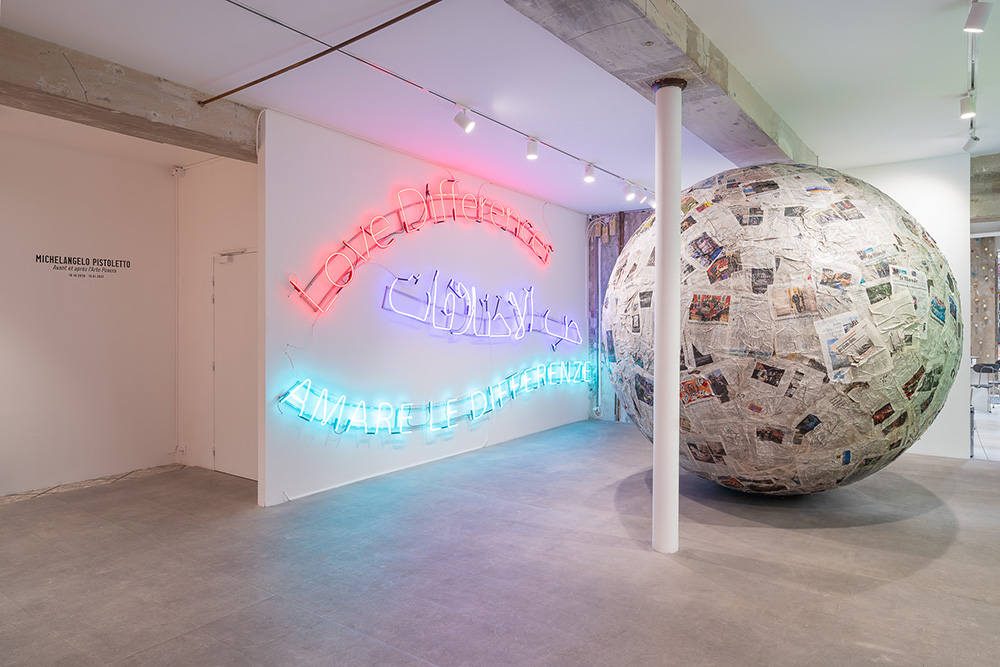
Photo: Michelangelo Pistoletto – Avant et après l’Arte Povera, exhibition view, Galleria Continua, Paris Marais. Photo: © Hafid Lhachmi – ADAGP Paris, 2026, Courtesy the artist and Galeria Continua
Info: Galeria Continua, 87 rue du Temple, Paris, France, Duration; 16/10/2026-16/1/2027, Days & Hours: Tue-Sat 11:00-19:00, www.galleriacontinua.com/