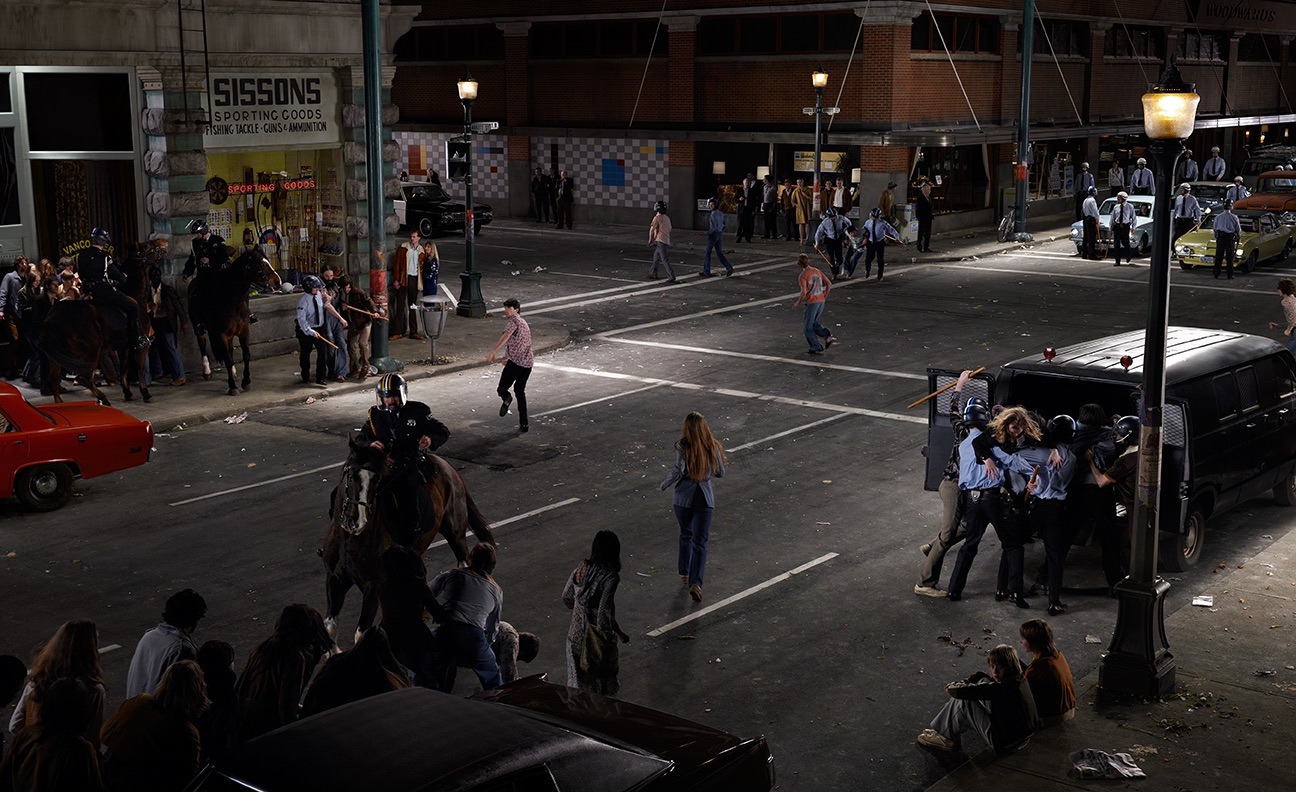
PHOTO:Stan Douglas-Paralax
Stan Douglas’s work explores the relationship between history, memory, and representation through photography, film, and multimedia installations. Drawing on historical events, literature, music, and cinema, he reconstructs forgotten or overlooked narratives, often examining social and political transformations. His meticulously staged images and complex audiovisual works challenge conventional storytelling, revealing how technology, ideology, and cultural memory shape our understanding of the past and present.
By Dimitris Lempesis
Photo: Jeu de Paume Archive
Born in Vancouver in 1960 Stan Douglas, a major figure on the international contemporary art scene, will show some forty or so of his works in “Paralax”, his largest solo eexhibition in France, including films, video installations, photographic series, etc, covering the entirety of his career from the late 1980s to the present day.
Stan Douglas lives and works in Vancouver. Since his beginnings, he has developed a practice combining the mediums of cinema and photography. He takes an interest in the processes behind the creation of reality, considering perception to be a subject in its own right. In his installations, Douglas pursues his reflections on the role of technology in the creation of images and on the way in which these shape collective memory. All his works, while anchored in a precise cultural and historical context, resonate beyond that context to find a universal echo.
The title of the exhibition “Parallax” refers to the visible displacement of an object depending on the position of the spectator. This optical phenomenon underlines the fact that every gaze is directed and contingent, stemming from a partial perspective. In this regard, Douglas challenges linear and deterministic views of history in order to show that narratives are in a constant state of construction and interruption. Just as no image is neutral, no narrative can be deemed complete.
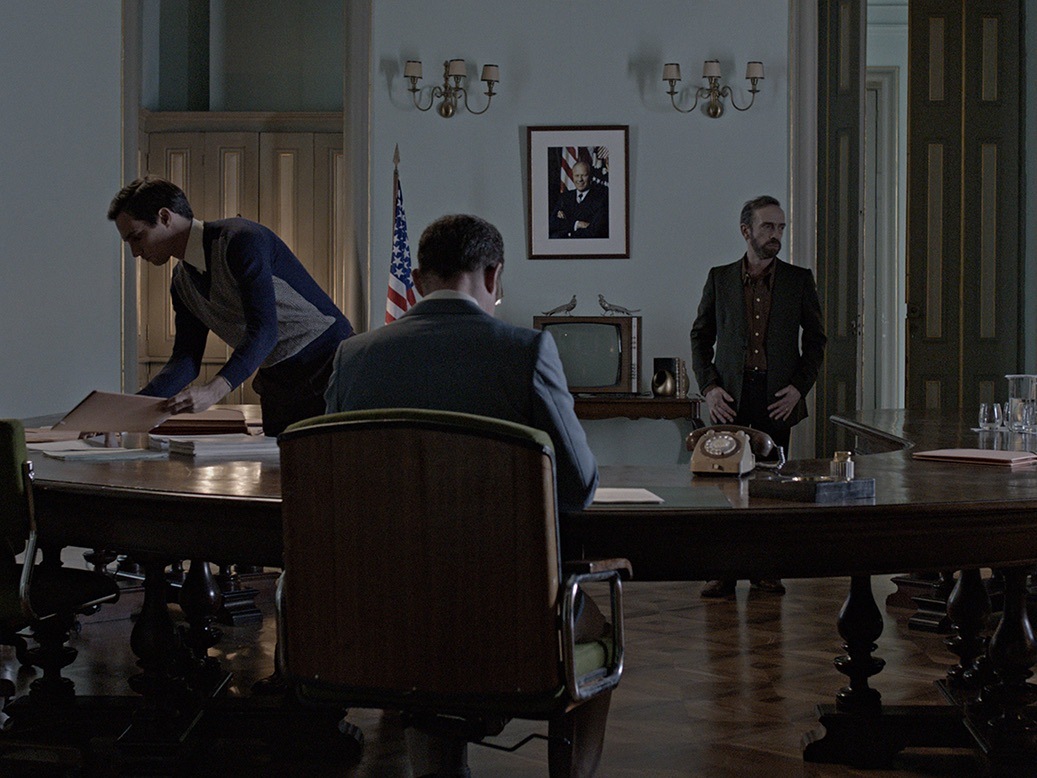
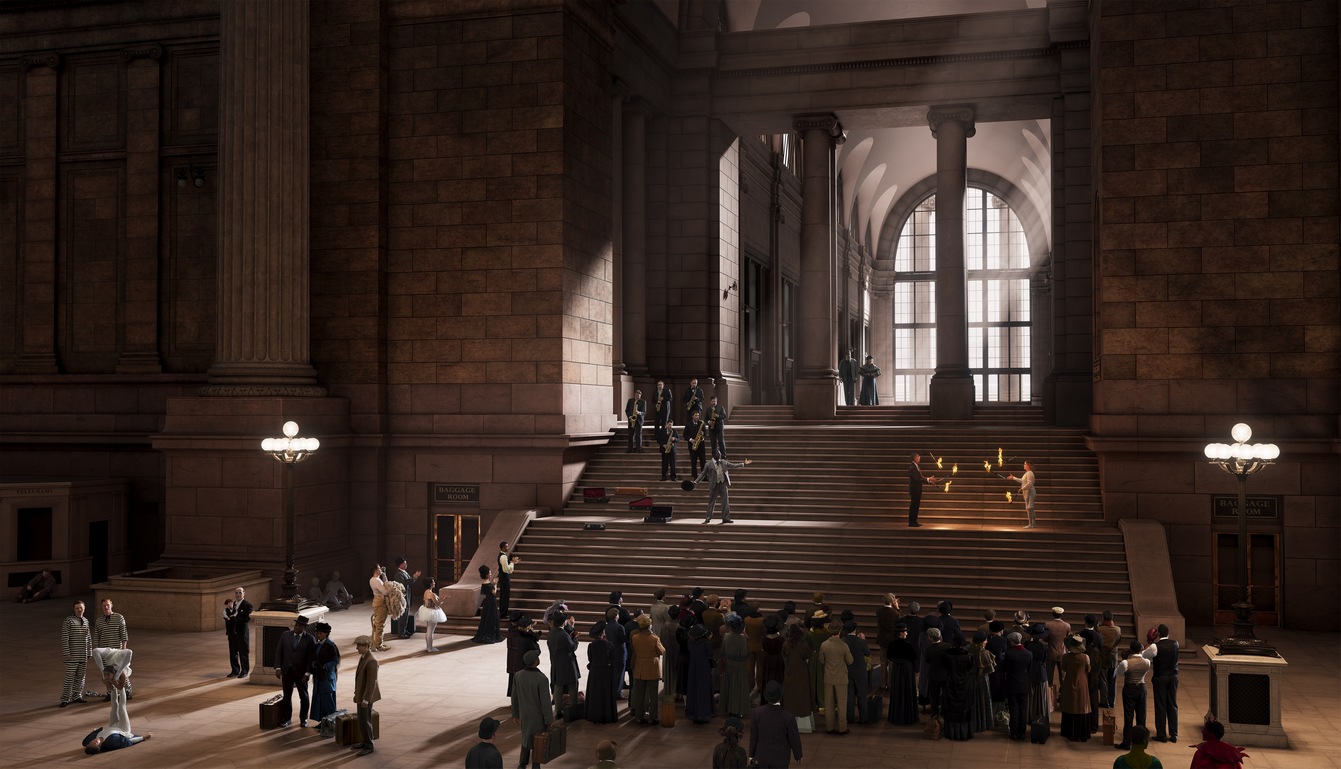
“Parallax” offers a comprehensive presentation of Stan Douglas’s work, highlighting the relationship between the artworks and the historical moments that these evoke, as well as the evolution of that relationship over time. The exhibition provides an overview of the artist’s various contributions to the analysis of cinema as a medium since “Overture” (1986)—which constitutes one of his first fully realized experiments with editing and in which, he links railway technology, involuntary memory, and the conventions of the nascent cinema industry—to later installations like “Der Sandmann” (1995), “Suspiria: (2003), and “The Secret Agent” (2015), where he explores a variety of registers and media.
Music is another recurring theme in his work. In his films and video installations, he uses music not merely as illustration, but as a conceptual structure through which he explores issues of race, class, and social inequality.
In “Hors-champs” (1992), a collective improvisation session by American musicians in a French studio is transformed into a reflection on diaspora and creativity. In “Luanda- Kinshasa” (2013), he reconstructs a fictional 1970s’ recording session to analyze the transatlantic collaborations that gave birth to new musical styles. “ISDN” (2022) on the other hand, stages an imaginary dialogue between rappers from London and Cairo around the time of the Arab Spring and the riots that shook the United Kingdom following the killing of Mark Duggan by police. The many permutations presented by this installation impede a definitive answer.
The logic of permutation and recombination—based on a principle of repetition constantly renewed through variation—is one of Stan Douglas’s most renowned formal strategies. His narrative installations, like “Inconsolable Memories” (2005) or “The Secret Agent” (2015), are governed by patterns recombining fragments of a story until every possibility has been exhausted. The absence of a resolution is not a sign of a narrative shortcoming; rather, it is the condition for a future where everything remains open, where things could—and still may—unfold differently/
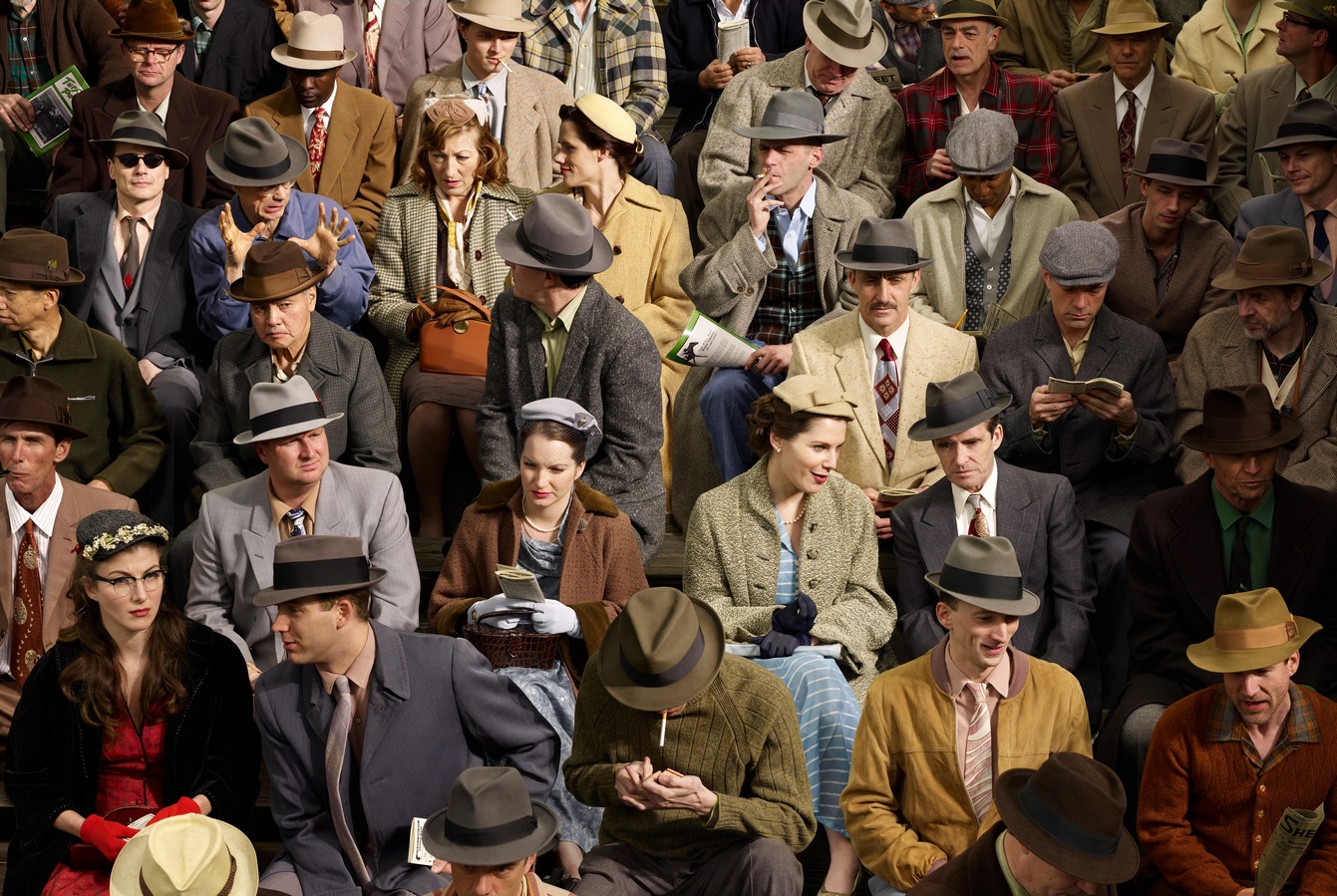
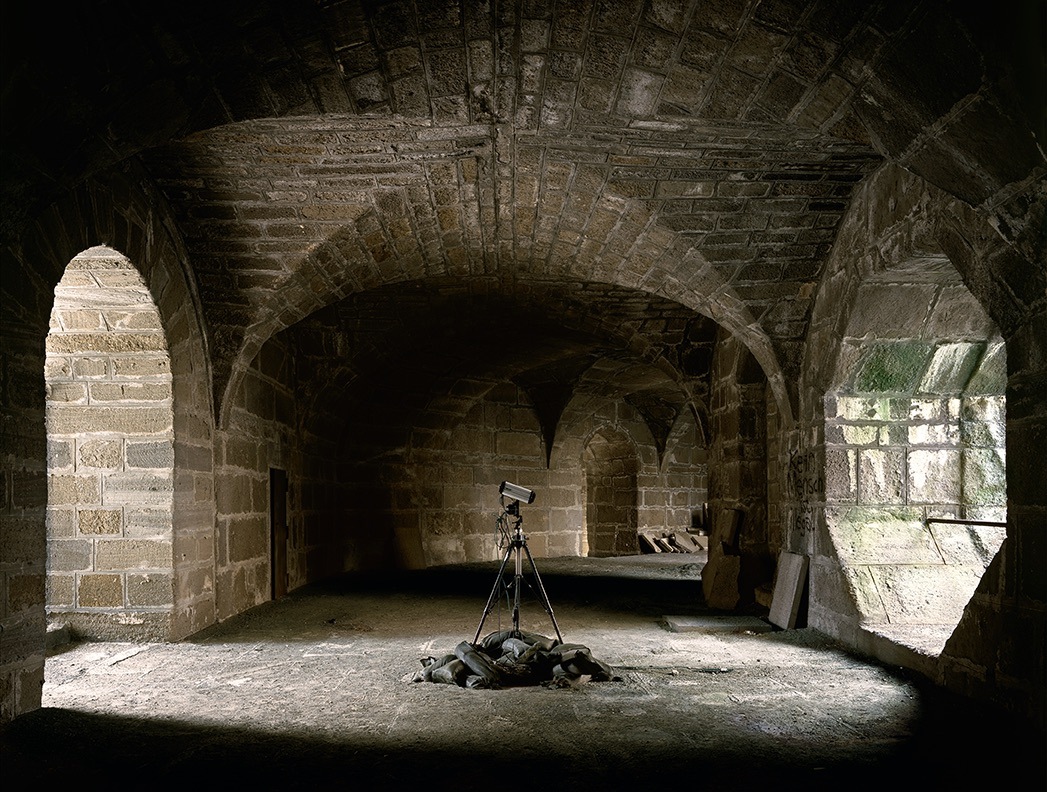
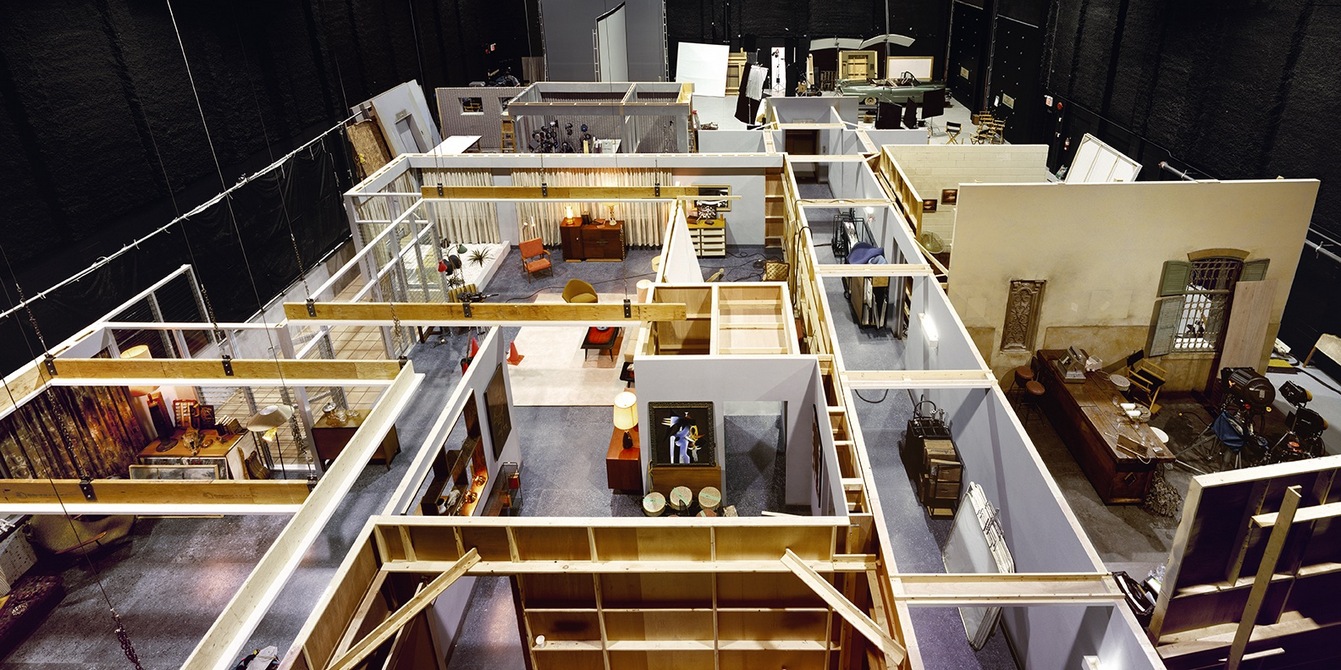
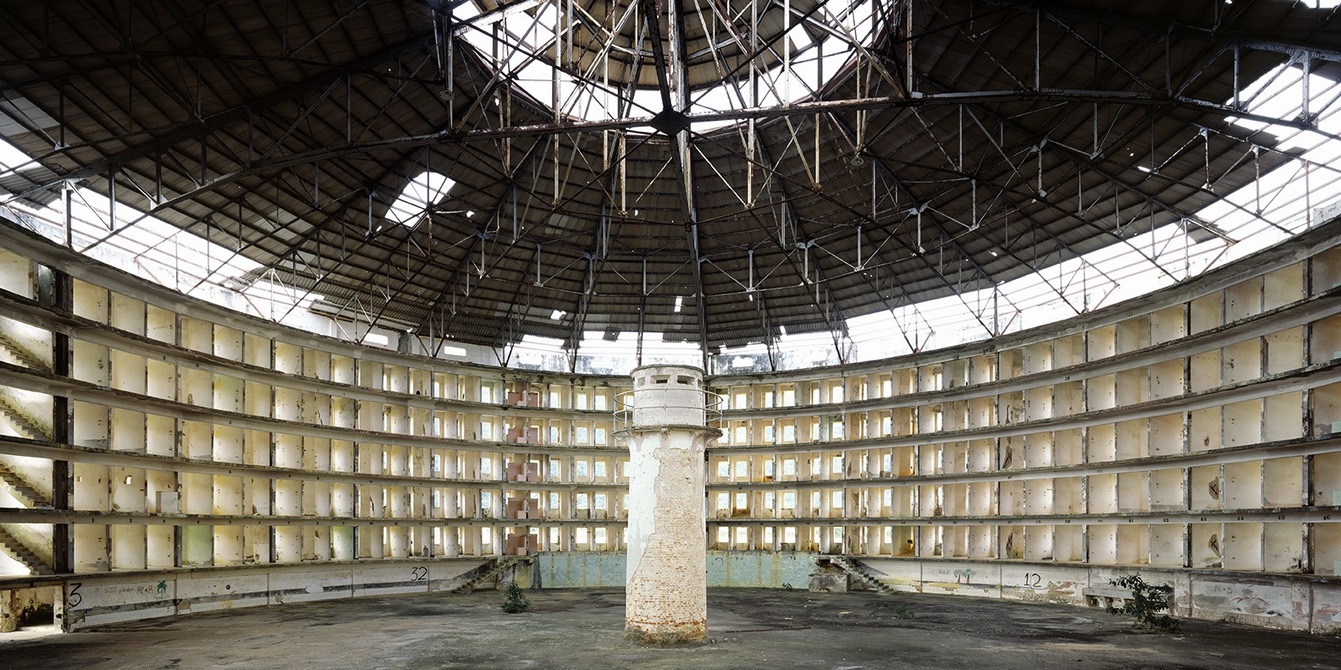
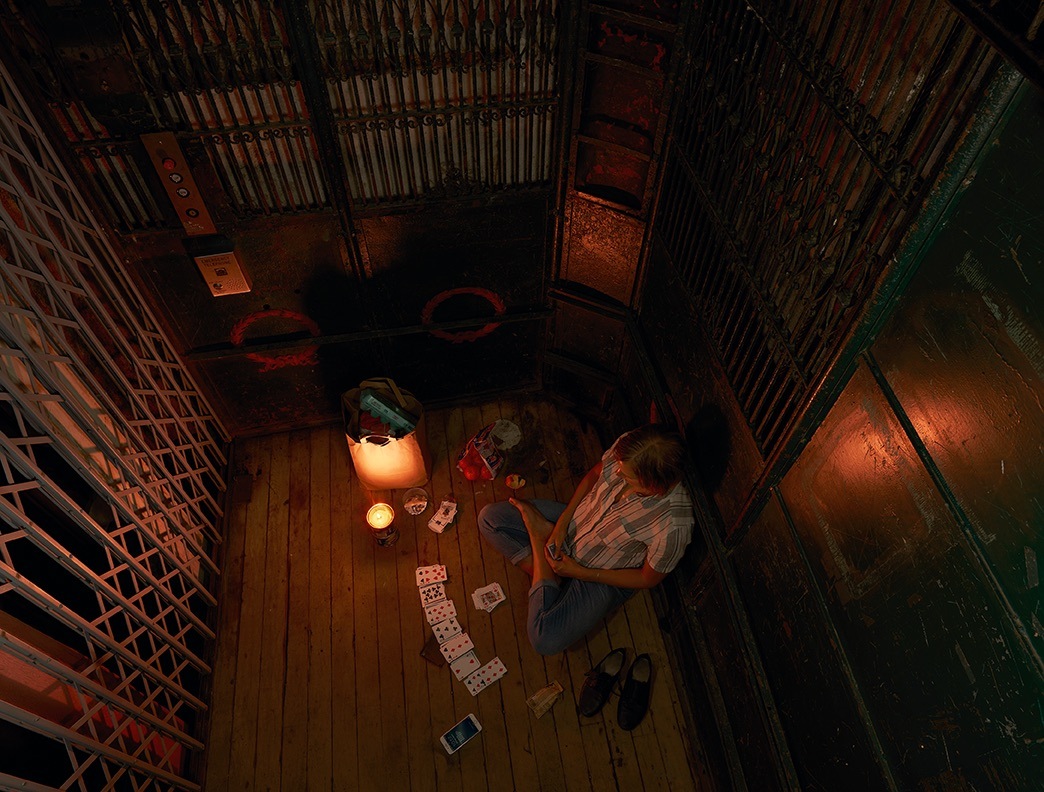
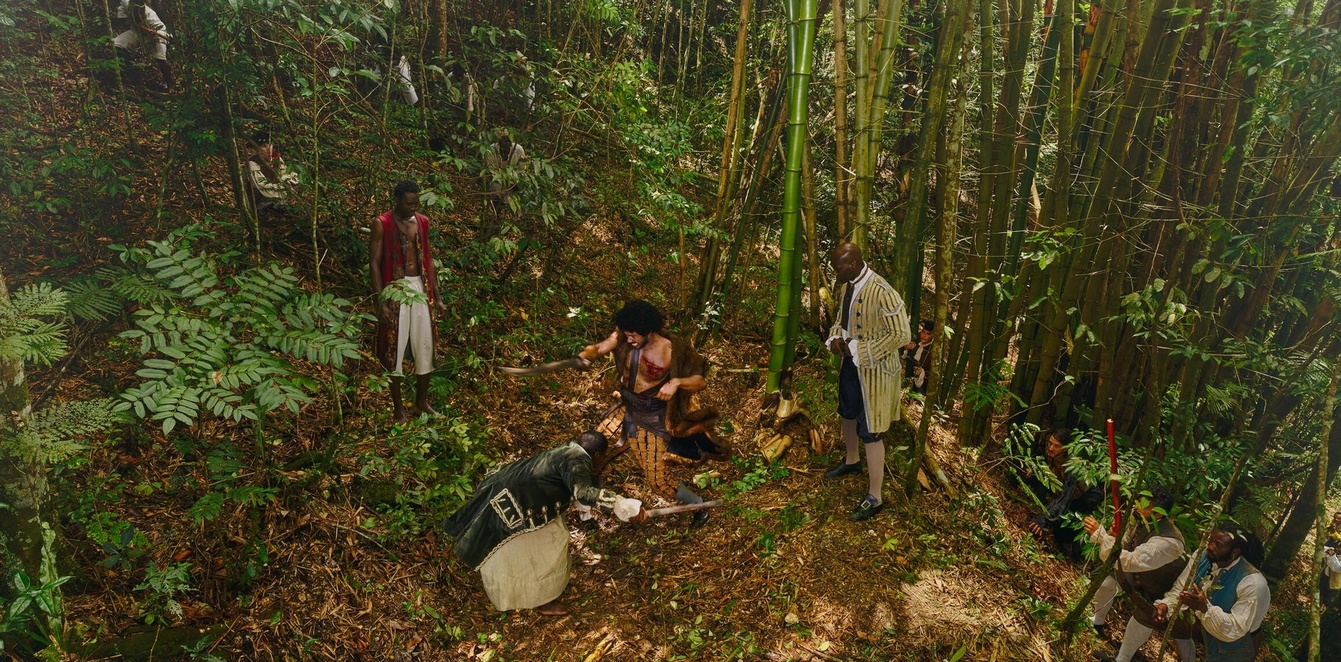
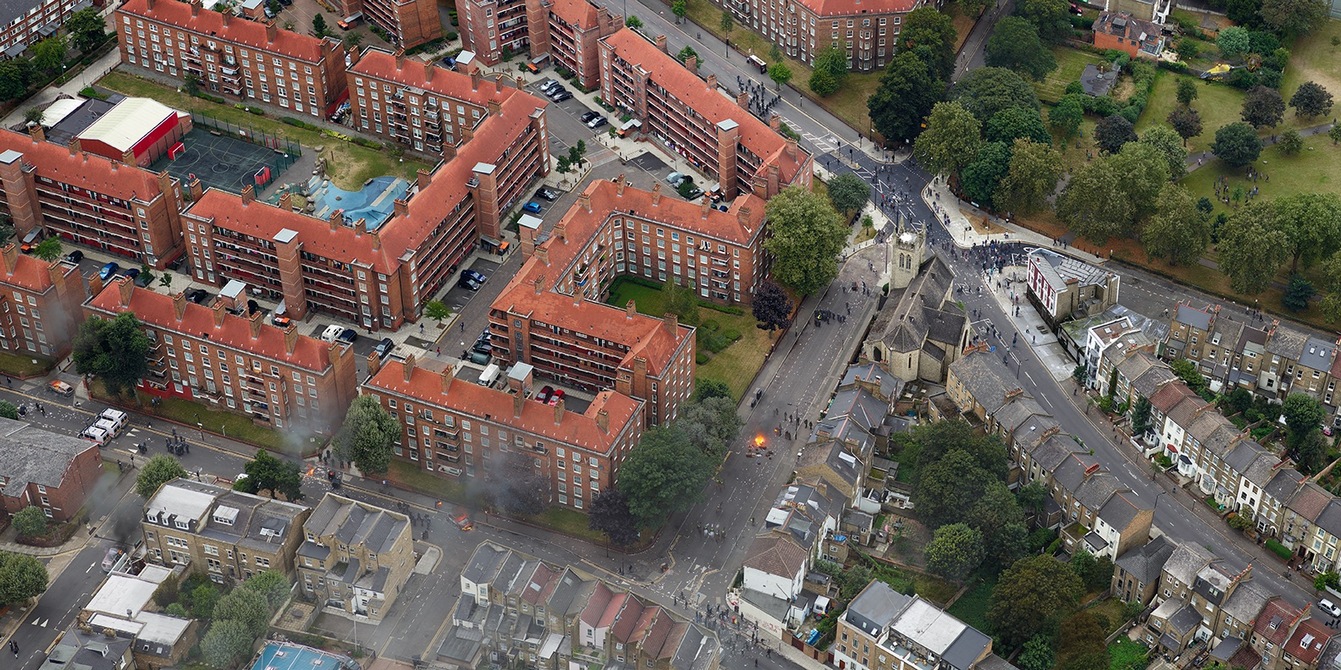
Photography also plays a pivotal role in Stan Douglas’s work. In series such as “Crowds and Riots” (2008), “Midcentury Studio” (2010–2011), “Nocturnes” (2014–2015), “DCTs” (2016–2017), or “2011 ≠ 1848” (2017–2021), the artist creates impossible images: portraits of places that no longer exist, unique moments that can never be replicated, or historical scenes erased from all official archives yet recreated with precision. In other words, his images do not merely document the archive; they intervene in it, destabilize it, and uncover its silences.
The exhibition presents, for the first time in France, one of Stan Dougla’s latest works, “Birth of a Nation” (2025), a video installation that captures these themes with a rare intensity. By recomposing D. W. Griffith’s racist film from 1915, Stan Douglas breaches a gap in the dominant narrative, giving a voice to all those who have hitherto been excluded or erased. Once again, this is a history that could have been written in an alternative version. The gaze cast from a different vantage point reveals that which a single perspective could never allow us to see.
Photo: Stan Douglas, London, 9 August 2011, (Pembury Estate) 2017, From the « 2011 ≠ 1848 » series, 2017-2021, Digital chromogenic print mounted on Dibond aluminium, © Stan Douglas, Courtesy the artist, Victoria Miro, and David Zwirner
Info: Curators: Gloria Moure et Marta Ponsa, Jeu de Paume, 1 place de la Concorde, Jardin des Tuileries, Paris, France, Duration: 20/10/2026-10/1/2027, Days & Hours: Tue 11:00-21:00, Wed-Sun 11:00-19:00, https://jeudepaume.org/