Book:Edward Ruscha, Catalogue Raisonné of the Books, Prints, and Photographic Editions (1960–2022), Gagosian and Steidl
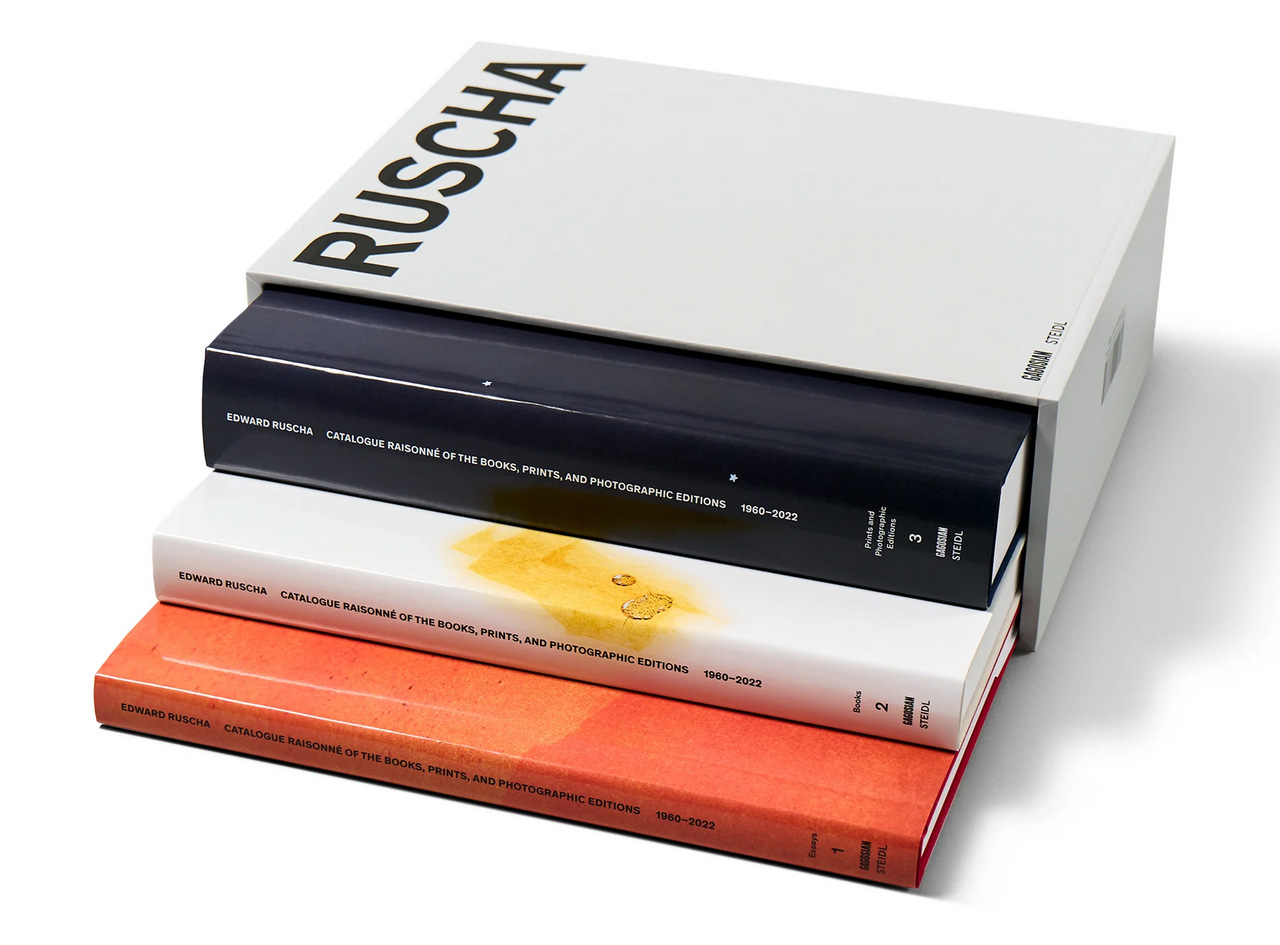
The three-volume publication “Ed Ruscha: Catalogue Raisonné of the Books, Prints, and Photographic Editions, 1960–2022”, edited by Siri Engberg and co-published by Steidl and Gagosian, offers an extensive examination of one of the most influential bodies of work in contemporary art. Documenting more than six decades of artistic production, the catalogue brings together Ruscha’s artist’s books, prints, and photographic editions, revealing the importance of printed matter and photographic processes to his distinctive visual language.
Since the early 1960s, Ed Ruscha has challenged conventional distinctions between photography, painting, language, and bookmaking. His restrained compositions, deadpan observations of everyday American life, and fascination with typography and popular culture have made him a defining figure in conceptual art. His pioneering artist’s books, in particular, transformed the book from a vehicle for presenting images into an independent artistic form, in which sequencing, repetition, format, and the relationship between image and text become integral to the work.
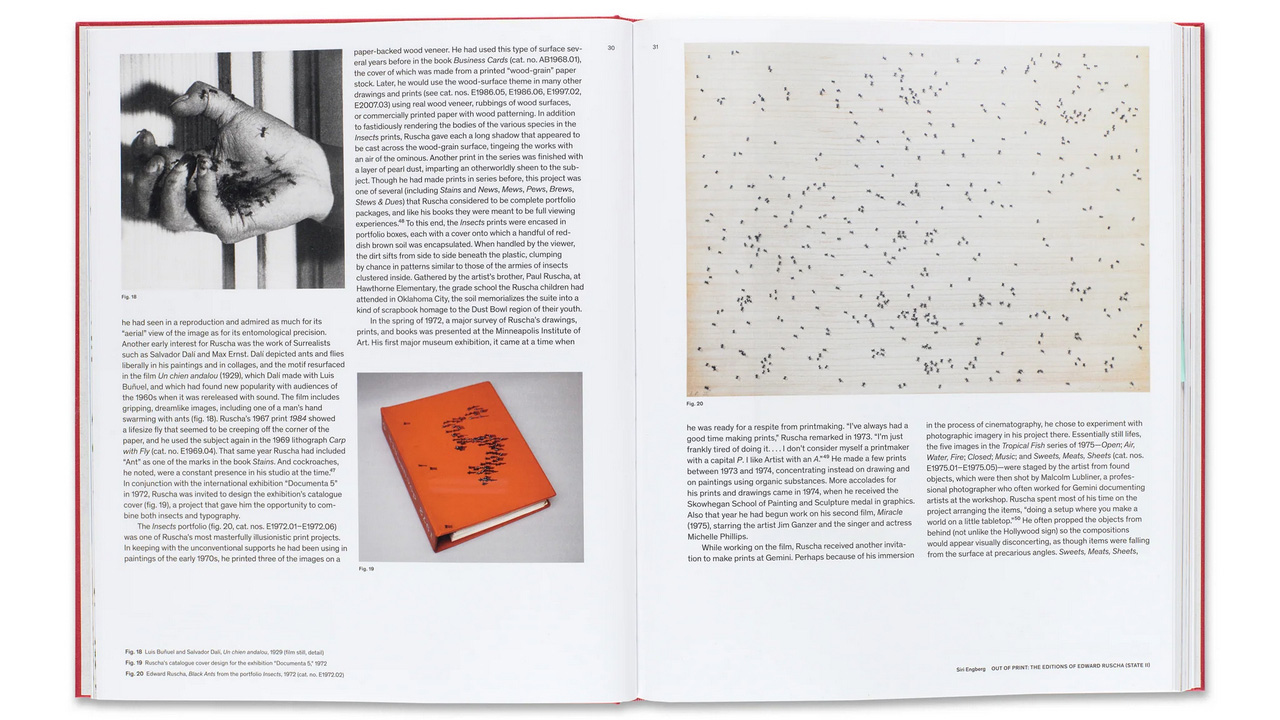
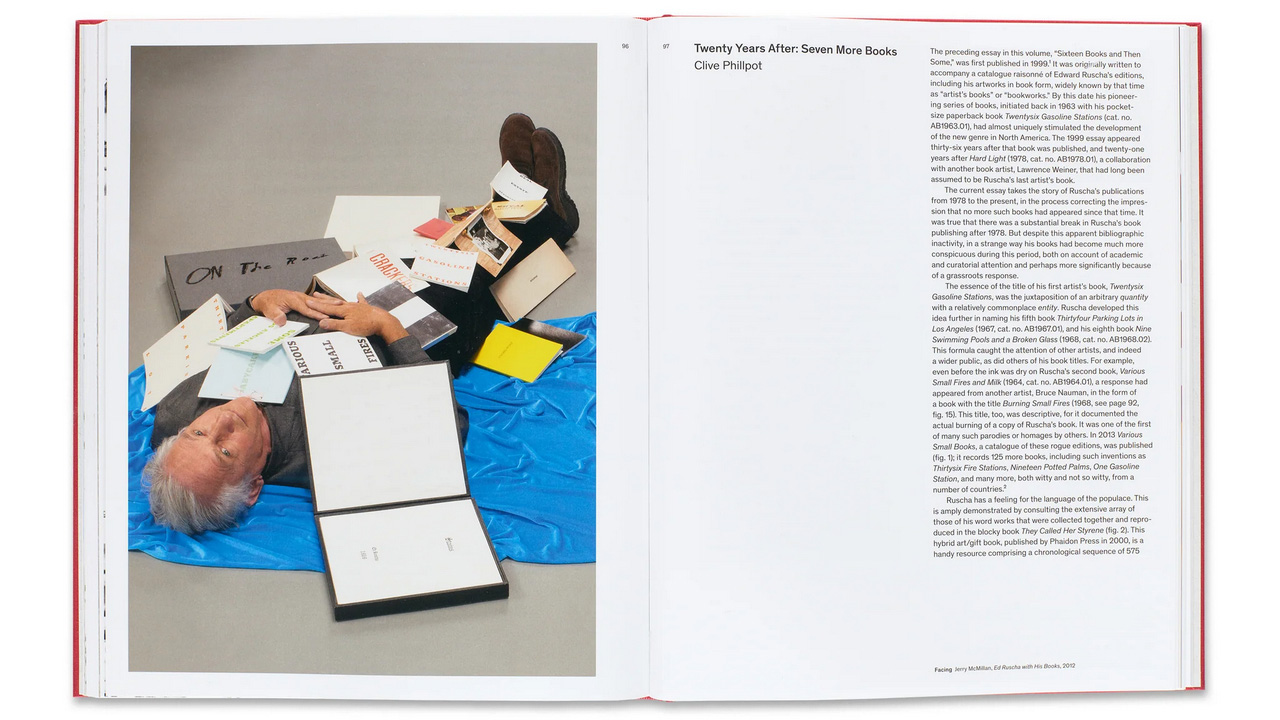
Volume I – Essays: The first volume establishes the intellectual and historical framework for understanding Ruscha’s achievements in printed media. Edited by Siri Engberg, it brings together scholarly contributions by Engberg and artist-book specialist Clive Phillpot, alongside Ruscha’s own text, The Information Man. Selected bibliographies and exhibition histories further illuminate the development and reception of his books, prints, and photographic editions. Together, these materials situate his practice within the broader evolution of conceptual photography and contemporary art.
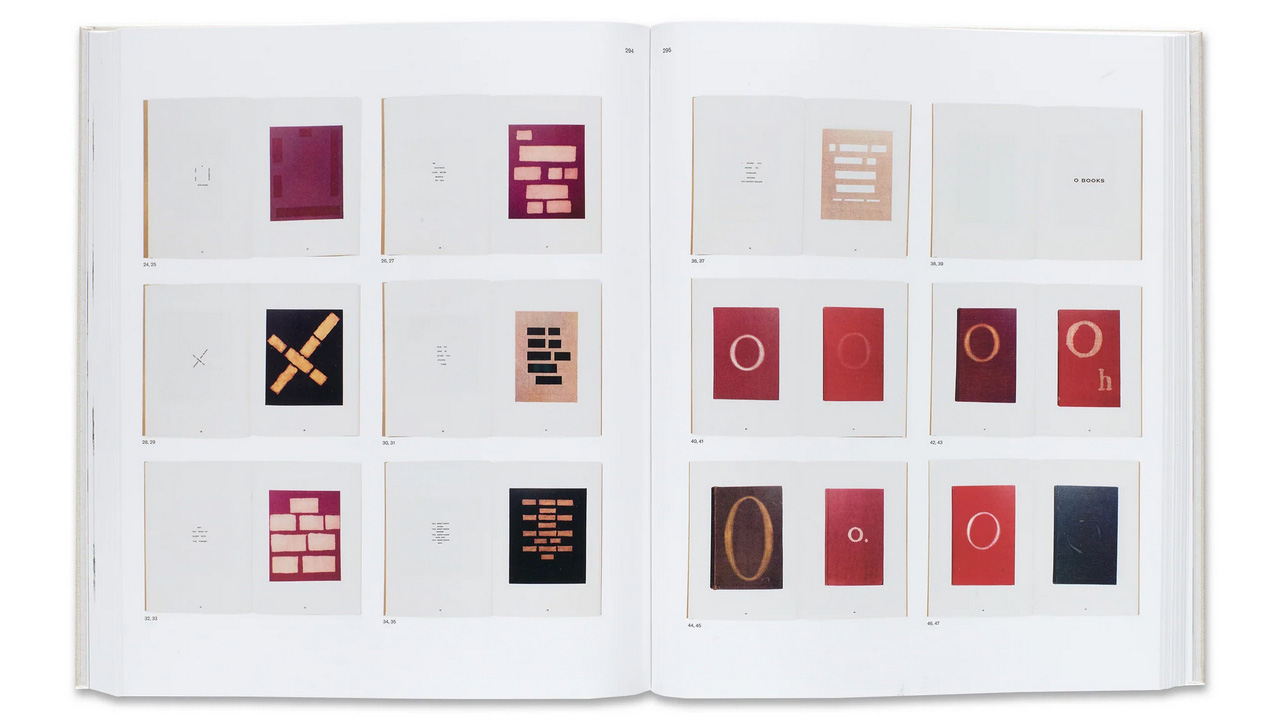
Volume II – Books: The second volume focuses on Ruscha’s artist’s books, tracing their development from the landmark “Twentysix Gasoline Stations” (1963) to “Double Americanisms” (2018). Through extensive photographic documentation of covers and interior pages, it explores the book as both an artistic object and a carefully constructed visual sequence. Ruscha’s books transform ordinary subjects, vernacular imagery, and the American landscape into concise, conceptually charged statements, demonstrating how the medium can challenge traditional expectations of photography, publishing, and artistic authorship.
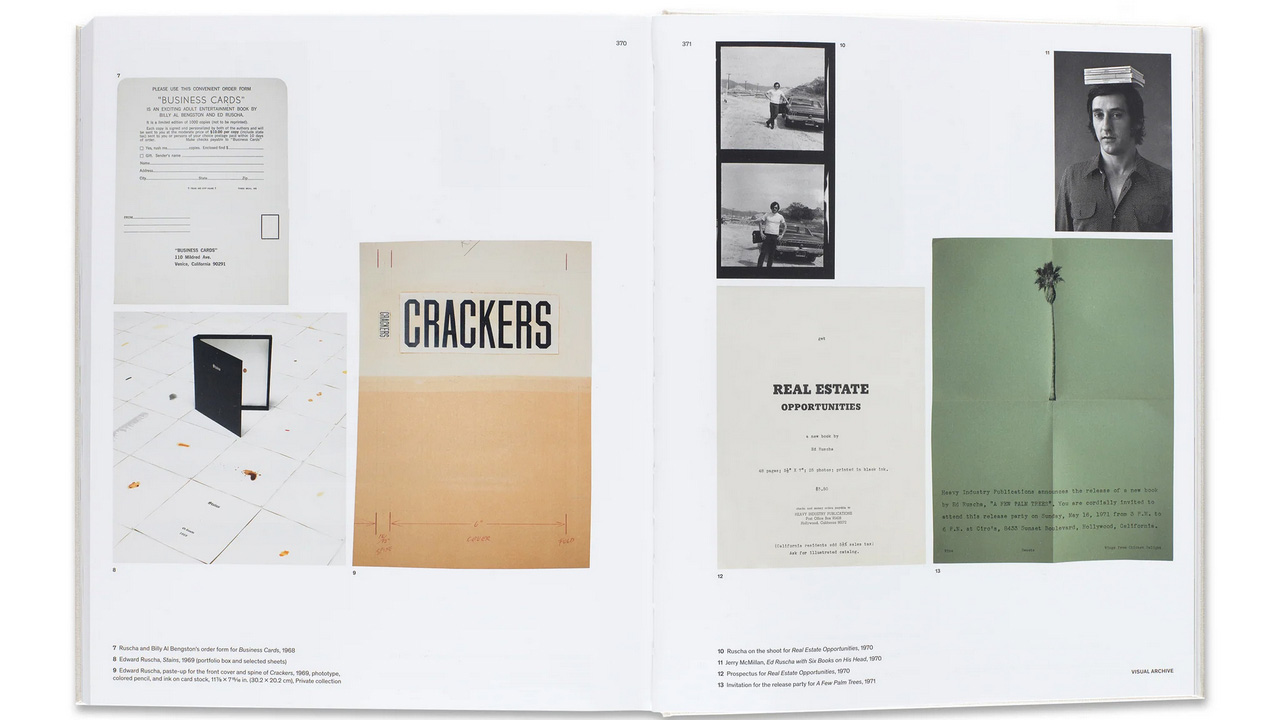
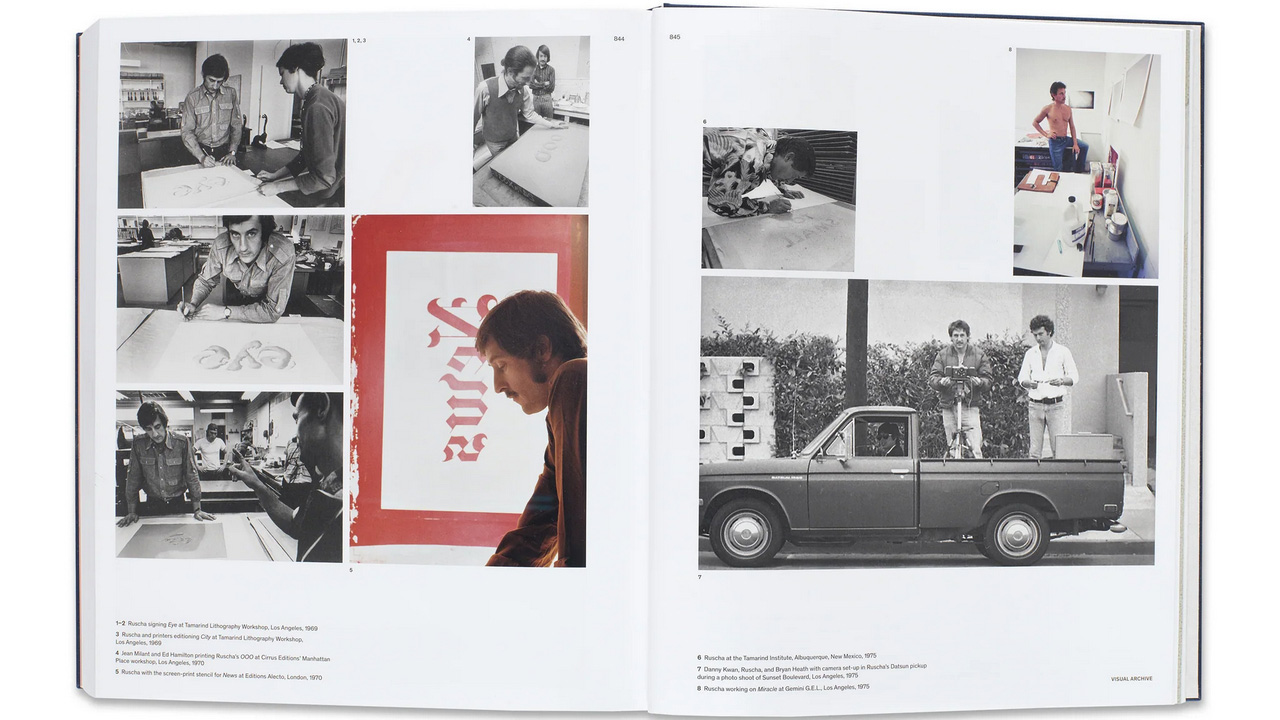
Volume III – Prints and Photographic Editions: The third volume documents Ruscha’s prints and photographic editions, presenting a comprehensive record of his experiments across a wide range of printmaking techniques. Detailed catalogue entries and full-colour reproductions are complemented by a visual archive documenting his collaborations with printmakers and specialist workshops. This material highlights the technical diversity of his practice and the importance of collaboration, repetition, and the printed image in the development of his artistic language.
Encompassing 864 pages and nearly 2,000 illustrations, the three-volume catalogue raisonné is a major scholarly resource for understanding the scope of Ruscha’s work in books, prints, and photographic editions. By combining critical essays, archival material, extensive visual documentation, and detailed records of individual works, the publication offers an invaluable reference for researchers, collectors, curators, and anyone interested in the history of contemporary art and the artist’s book. -Dimitris Lempesis