PERFORMANCE:A Journey
“A Journey” is the second part of Mudam Luxembourg – Musée d’Art Moderne Grand-Duc Jean performance programme, featuring new commissions and adaptations of existing works by Eiko Otake, Midori Takada, Guilherme Vaz, Némo Flouret and Diana Anselmo. The selection spans a wide range of live art practices today, including durational performance, contemporary dance, new music and performance lecture. Across the programme, each piece explores the individual’s position within cultural lineages, embodied stories and broader social and cosmological orders – from transcultural and Indigenous sonic traditions to linguistic histories and ontological imaginings of the self.
By Dimitris Lempesis
Photo: Mudam Archive
“A Journey” brings together artists of various generations who focus on questions of movement, cultural memory and technological progress. Engaging with the concept of a journey not as a theme but as an open framework, the aim is to emphasise the specific temporality of each piece, while allowing for multiple layers to unfold and stressing the lasting imprint it may leave beyond its foreseen direction.
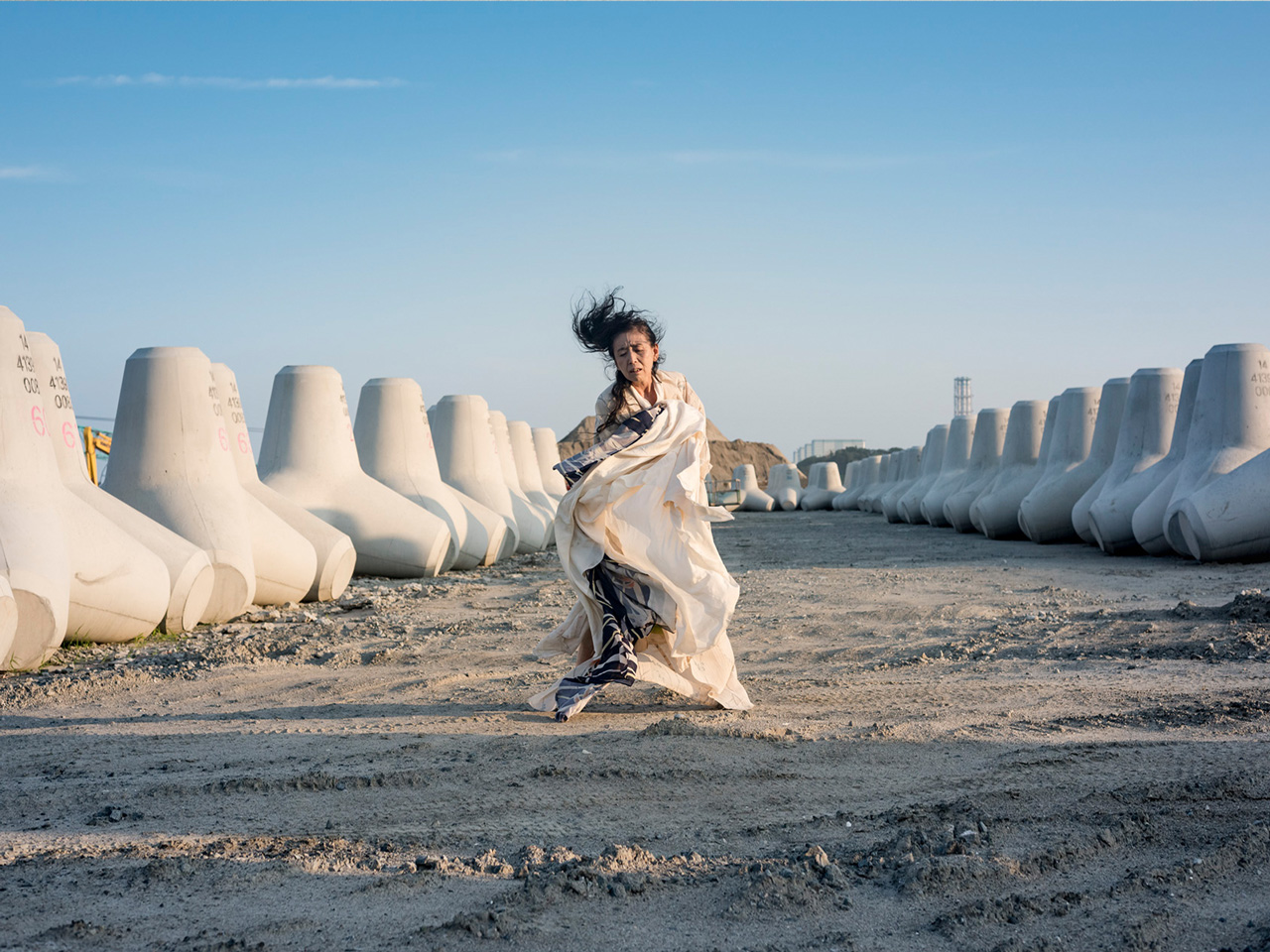
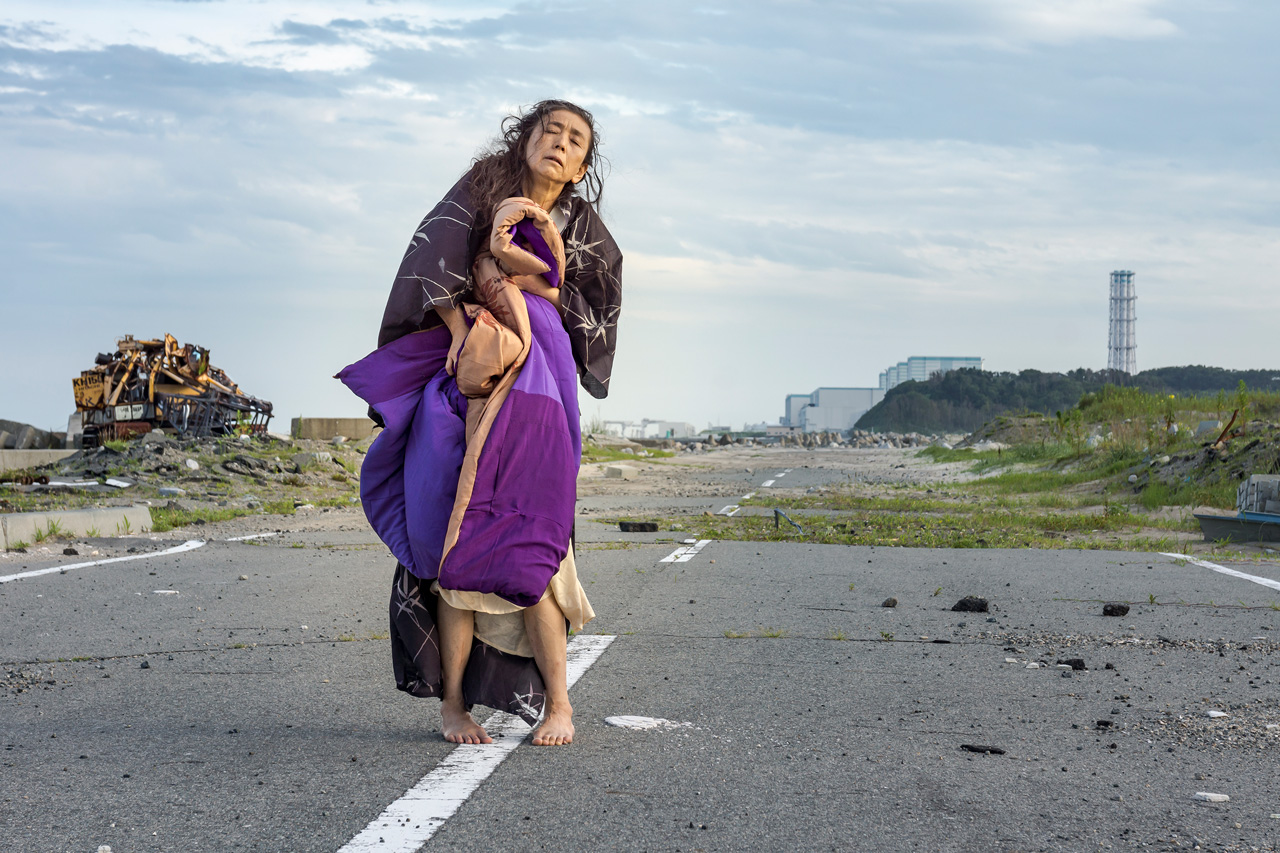
Eiko Otake “A Body in Fukushima” (17/10/2026): Eiko Otake will present an iteration of her performance “A Body in Fukushima” at Mudam. She first visited Fukushima in 2011 – after the earthquake, tsunami and nuclear meltdown. From 2014– 2019, Otake returned to Fukushima with her photographer and collaborator William Johnston five more times to perform in the changed landscape for a camera alone. This led to numerous exhibitions, screenings, talks and performances across the world.
The scale, contents and modes of presentation of A Body in Fukushima vary depending on the place, the hosting institution and the communities. At the core of each variant is the artist presenting her body both in the irradiated landscape at a distance and in the immediate gaze of the audience, where her public performance takes place. Offering her body as a conduit between Fukushima and elsewhere, Otake wishes to challenge and change the viewers’ sense of distance to the major catastrophes of our time.
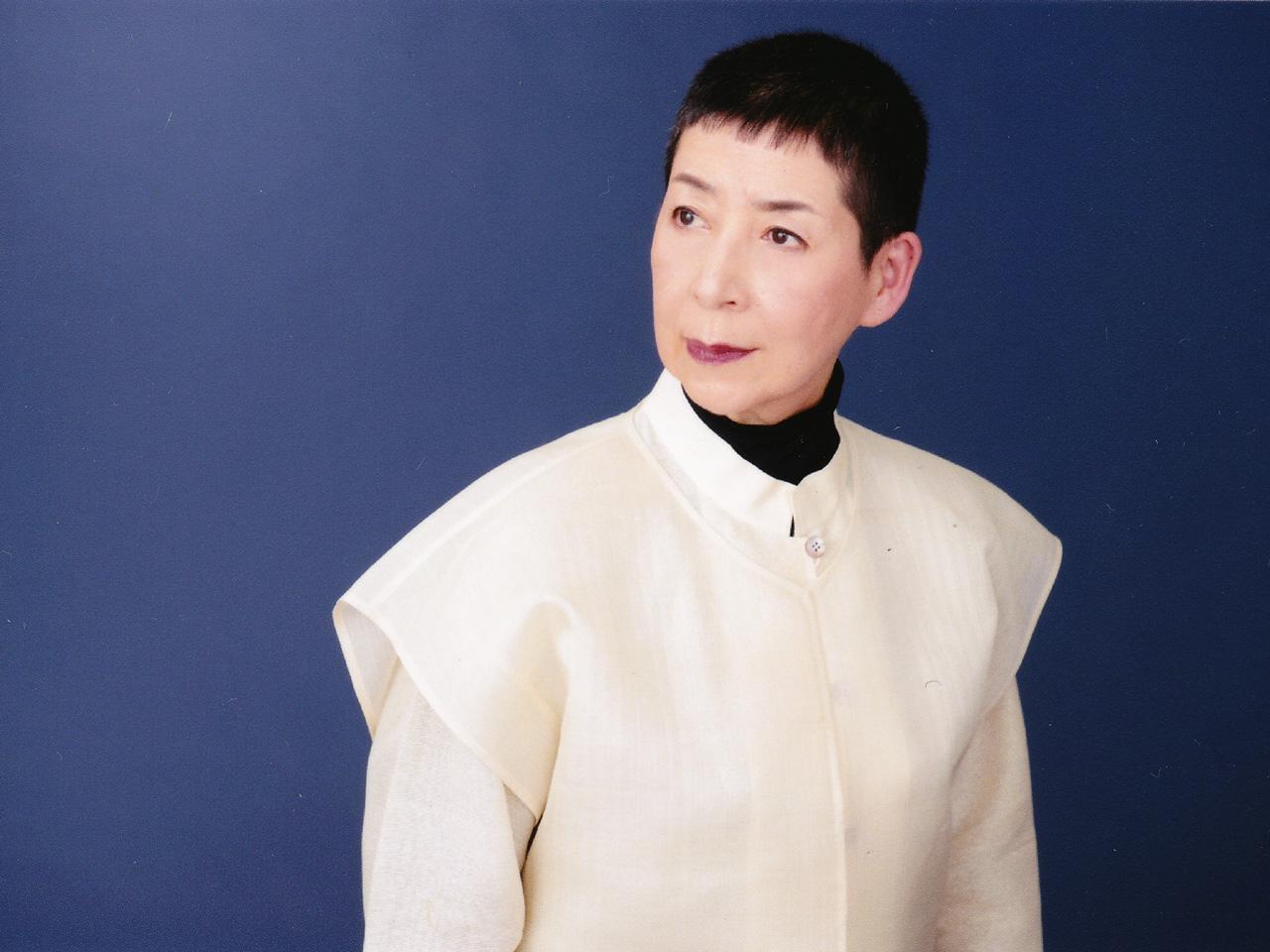
Midori Takada “The Song of the Name Without a Name” (18/10/2026): A pioneering figure in ambient and minimalist music, composer and percussionist Midori Takada (1951, Tokyo) will present an intimate live solo concert. In her work, Takada distils rhythms from around the world into a unique blend of percussion and minimalism. She began developing her genre-defying style in tune with the peak period of ambient and Fourth World music in the 1980s, but with a distinct sensibility towards Japanese ceremonial and meditative music. In her compositions, Takada emphasises repetition, rhythm, structure and space, creating hypnotic, trance-like environments. As such, she shifts the focus from musical categorisation to a shared sense of transcultural humanity.
Takada’s sonic output of nearly fifty years spans solo, group and theatrical practices. Over the past twenty years, she has worked interdisciplinarily, composing and performing live music for theatre productions as well as concert halls.
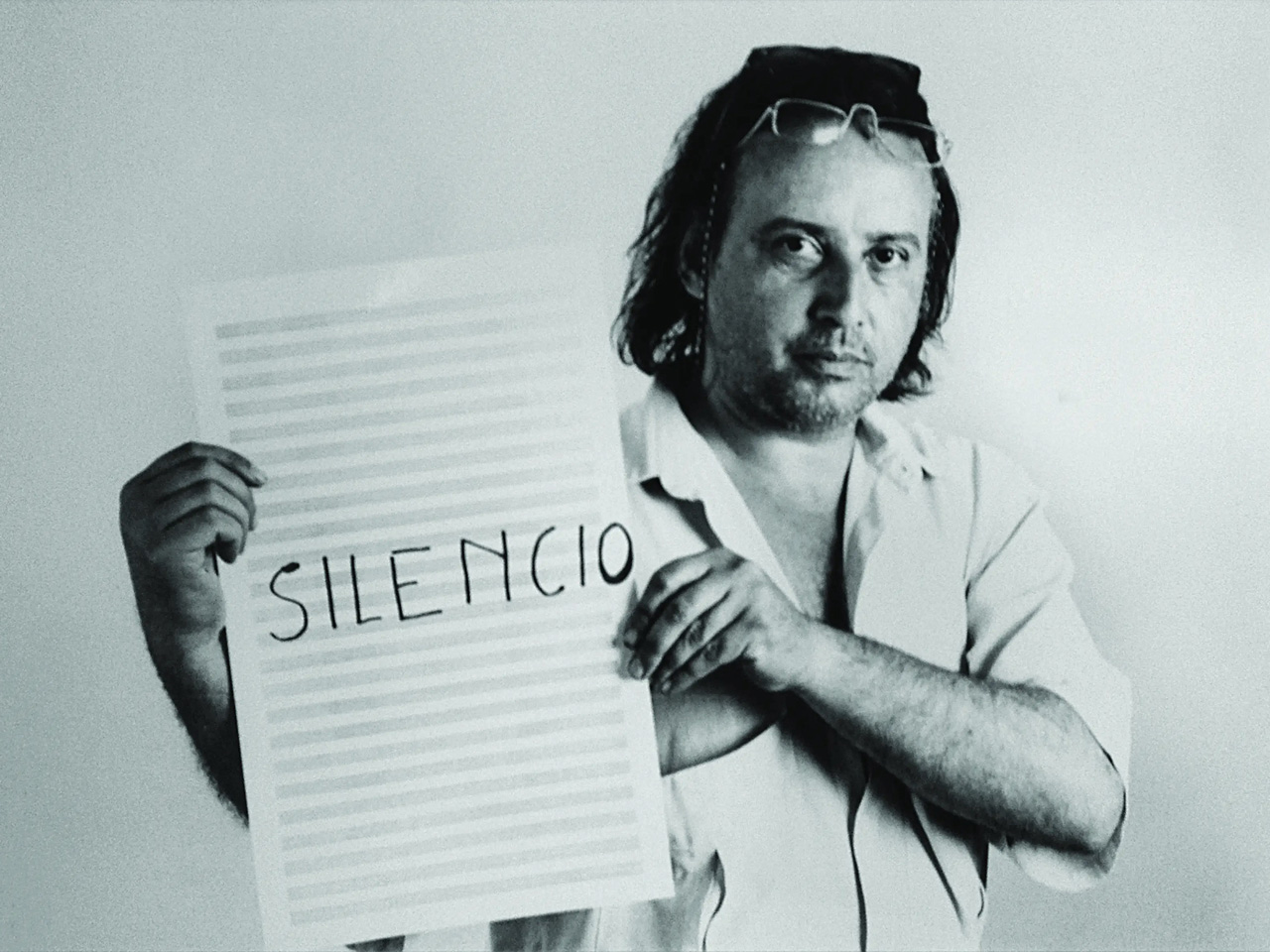
Guilherme Vaz “Sinfonia do Fogo” (21/11/2026 at Philharmonie Luxembourg): As part of Ana Vaz’s exhibition “A câmera é o corpo” (The Camera is the Body) at Mudam, the Philharmonie Luxembourg will stage the recreation of Sinfonia do Fogo (1985/2001), a musical composition by late Brazilian pioneer of sound and conceptual art, Guilherme Vaz, the artist’s father.
An influential experimental composer and conductor, Guilherme Vaz (1948, Araguari – 2018, Rio de Janeiro) introduced concrete music to Brazilian cinema. His compositions often echo through the films of Ana Vaz (1986, Brasília). Based on sonic canons and repetitions, Sinfonia do Fogo delves into the soundscapes of the Brazilian Midwest and features a chant by the Xavante people, who are indigenous to the region. For its European premiere, the score will be performed by six musicians, including vocal performances by Ana Vaz and Claudia Pereira. Pereira performed the original vocals in the composition and is also the artist’s mother. The score has been meticulously reconstructed through the transcription of archival material.
A multifaceted artist, thinker and researcher, Guilherme Vaz significantly con-tributed to conceptual and sound art in Brazil. From the mid-1970s onwards, he collaborated with Indigenous communities in central and northern Brazil. These collaborations had a lasting influence on his musical work.
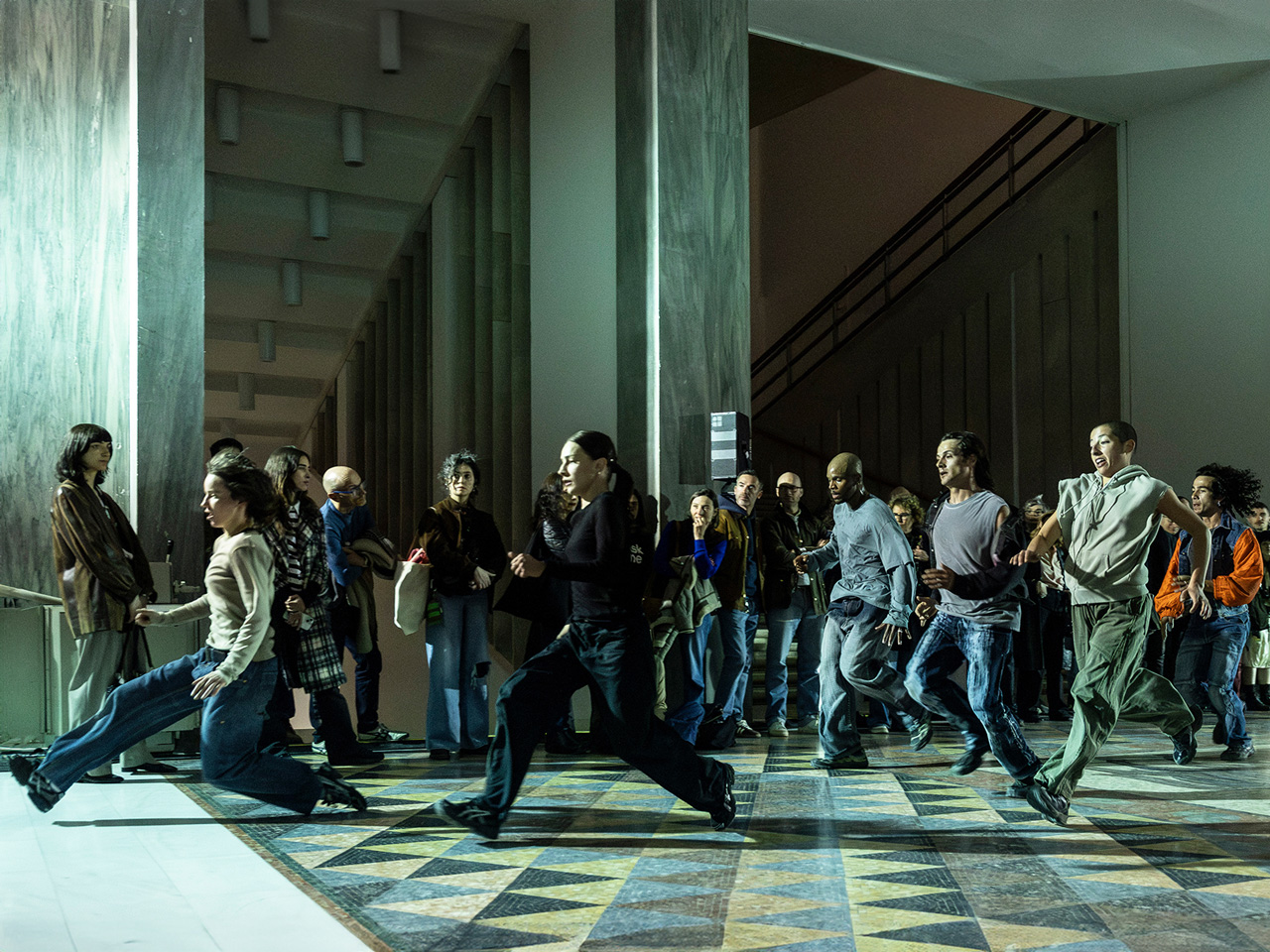
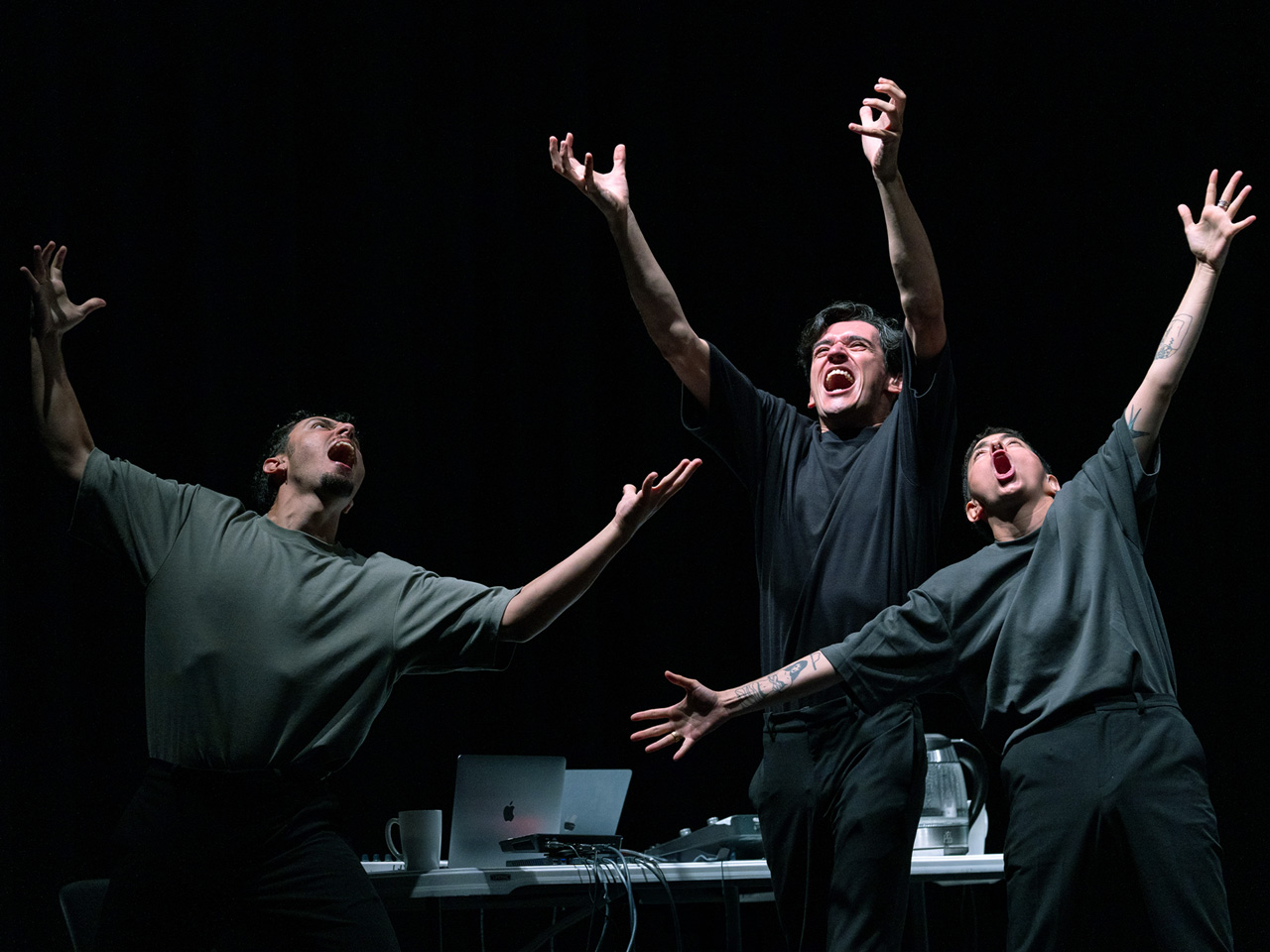
Némo Flouret “900 Satellites” (22/11/2026): “900 Satellites” by Némo Flouret (1995, Orléans) is a site-responsive choreo-graphic piece that extends his earlier work 900 Something Days Spent in the XXth Century. Operating as a variation system, the dancers generate short, shifting sequences drawn from a shared choreographic toolkit, which are then reconfigured according to each performance site. The result is a stripped-down, high-energy performance focused on movement, spatial adaptation and physical intensity, highlighting the very element of choreography: vibrancy, gesture and presence.
For past iterations, Flouret has often placed dancers directly in industrial architectural or public spaces, where they produce brief, explosive bursts of choreography that feel temporary, appearing suddenly and disappearing quickly. Shaped by the surrounding environment and a shared embodied language, the dancers appear both atomised and connected in their own galaxy.
Diana Anselmo, “Les Enfants Sauvages” (5-6/12/2026): “Les Enfants Sauvages” is a newly commissioned performance by Milan-based artist Diana Anselmothat explores the fraught history of how Deaf people have been perceived through the idea of the ‘savage’.
Moving from Enlightenment fantasies of the ‘noble savage’, through the violent suppression of sign languages in 19th-century Europe, to oralist systems that framed Deaf children as undisciplined and in need of domestication, the piece examines how Deaf lives and forms of expression have been controlled, erased and forced underground. At the same time, it foregrounds the resistance and inventiveness of Deaf communities, whose sign languages survived through secret, child-led transmission.
In collaboration with the predominantly signing village of Bengkala in Bali, where the sign language Kata Kolok developed naturally within the community, and with Deaf communities in the broader region of Luxembourg and Milan, Les Enfants Sauvages reclaims ‘wildness’ not as lack or deficit, but as a vital mode of survival, recoil and collective creation.
Photo: Eiko Otake, A Body in Fukushima, Trip 2, July 24, 2014, Tomioka, No. 722, Photo by Wm Johnston, Courtesy the artist and Mudam Luxembourg – Musée d’Art Moderne Grand-Duc Jean
Info: Mudam Luxembourg – Musée d’Art Moderne Grand-Duc Jean, 3 Park Dräi Eechelen, Luxembourg-Kirchberg, Days & Hours: Tue & Thu-Sun 10:00-21:00, Wed 10:00-21:00, www.mudam.com/