PRESENTATION:Willem de Kooning at work
Willem de Kooning was a Dutch-American master and a central figure of Abstract Expressionism, renowned for pioneering “Action painting”. His work seamlessly fused figuration with radical abstraction through dynamic, fluid brushstrokes and heavy canvas reworking. Most famous for his controversial “Woman” series, de Kooning used aggressive, expressive gestures, vibrant pigment, and cubist fragmentation to challenge traditional boundaries, capturing raw emotion, movement, and human form in fluid motion.
By Dimitris Lempesis
Photo: Rijksmuseum Archive
Exactly one hundred years after Willem de Kooning departed Rotterdam as a young stowaway bound for a new life in New York, the Rijksmuseum brings the modern master back to the Netherlands with the monumental retrospective “Willem de Kooning at work”. De Kooning grew into one of the most transformative artistic forces of the 20th century. Featuring more than 120 works, this ambitious exhibition offers a comprehensive retrospective overview of his drawn works, complemented by a broad selection of his most celebrated paintings and sculptures. The drawings trace the full trajectory of a master who redefined modern art, offering unprecedented insight into the everyday practice of an artist in relentless pursuit of visual renewal.
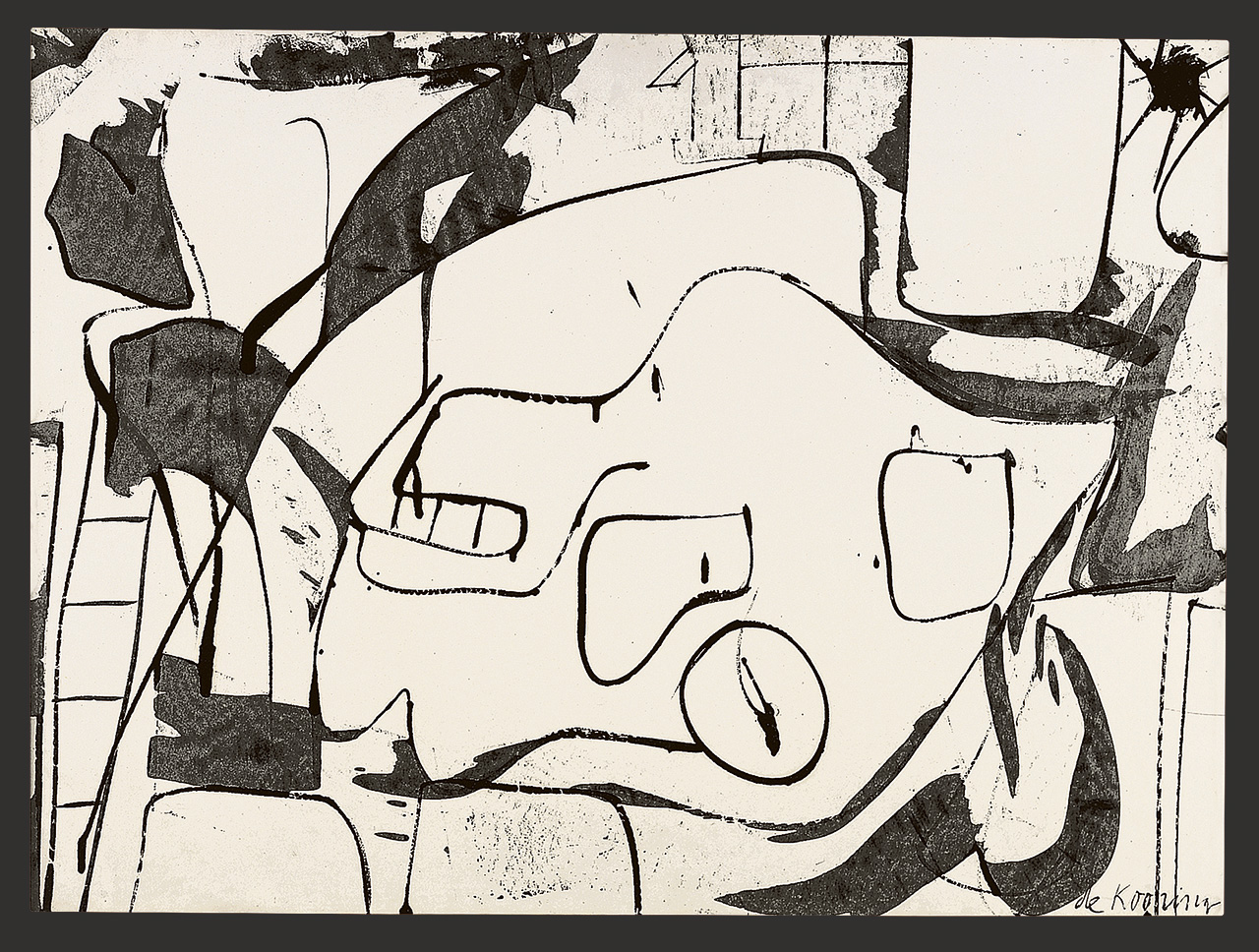
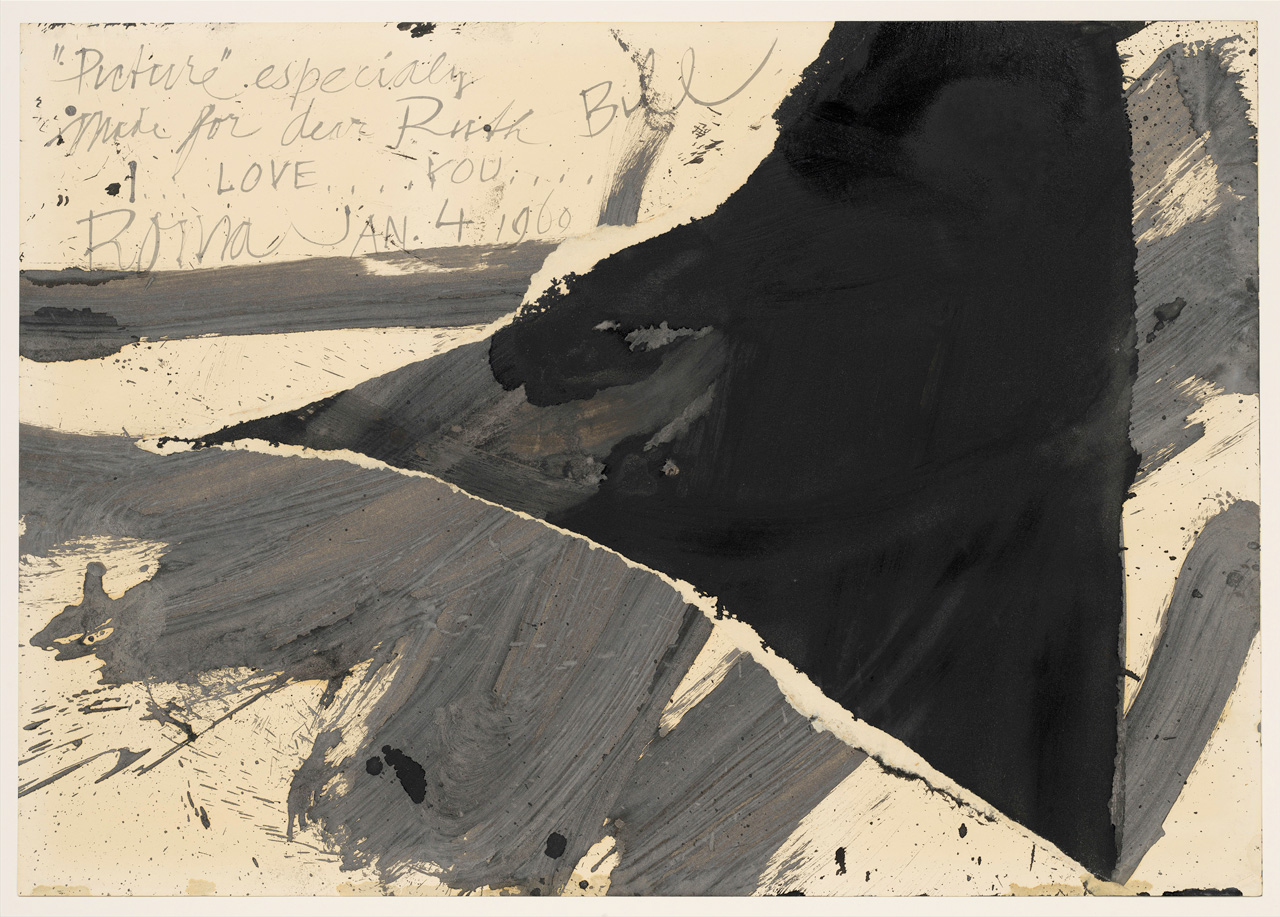
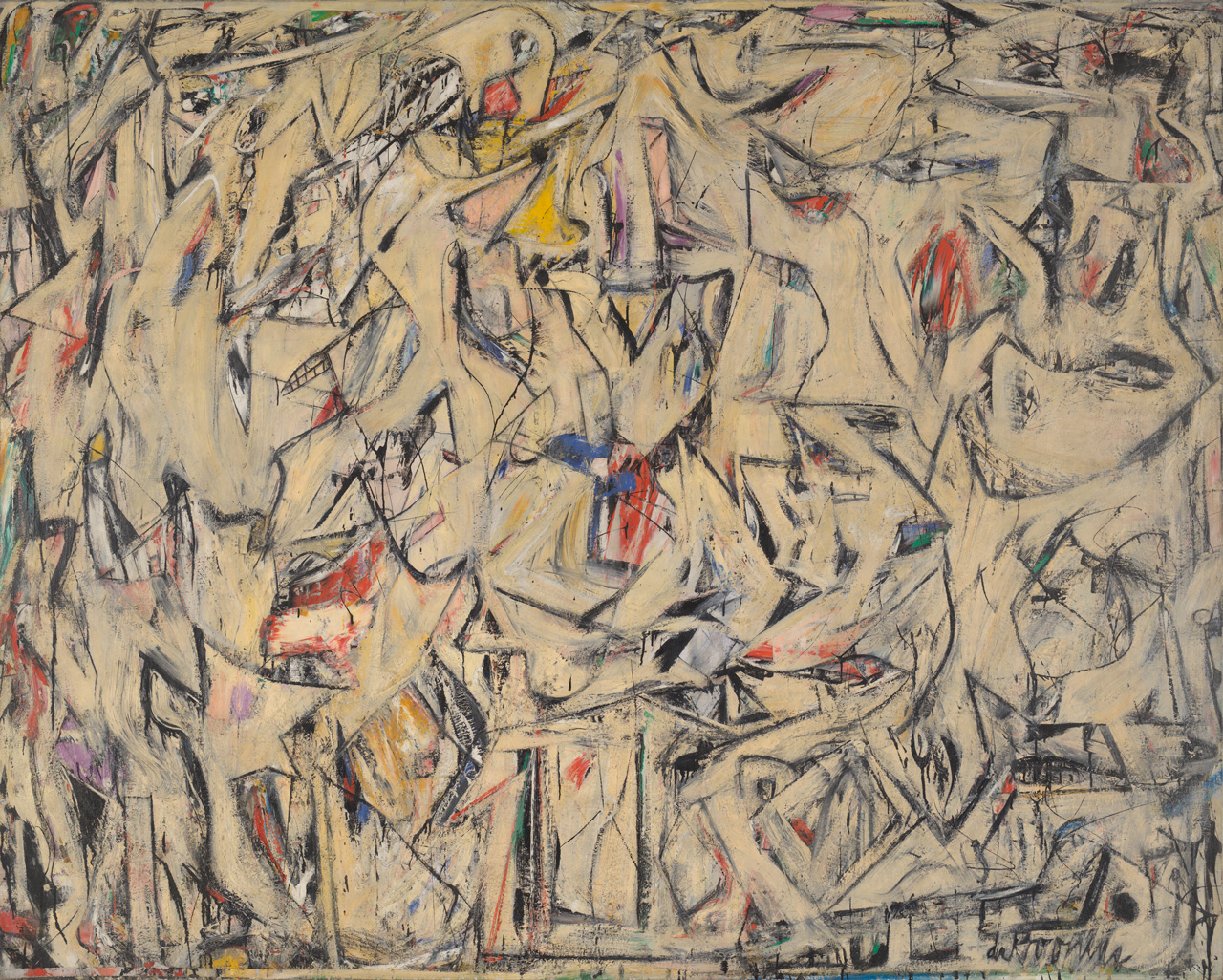
“Willem de Kooning at work” stands as the first major exhibition to place the full scope of the artist’s graphic oeuvre at its direct center. For de Kooning, drawing was never a mere preparatory exercise or a preliminary outline for a future canvas; it was the fundamental engine and foundation of his entire creative practice. The presentation brings together rarely exhibited drawings alongside landmark works gathered from prestigious international collections. The exhibition highlights iconic graphic pieces such as “Reclining Nude (Juliet Browner)”, “Itinerant Chapel”, and “Woman in a Rowboat”, all drawn from private collections. These delicate and expressive paper works are displayed in direct conversation with major paintings and sculptures, including “Abstraction” from the Museo Nacional Thyssen-Bornemisza, “Pink Angels” from the Frederick R. Weisman Art Foundation, “Woman” from Museum Ludwig, and monumental masterworks such as “Excavation” from the Art Institute of Chicago and “Clam Diggers”.
Viewed as a whole, these works reveal how core motifs—most notably the human figure and the surrounding landscape—recur and evolve across the many decades of his career. De Kooning was driven by an unceasing search for new visual possibilities and continuous self-reinvention, making the physical process of creation the true subject of his art. Visitors can trace his working methods as he sketches, experiments, revises, erases, repeats, and frequently surprises himself in the studio. His approaches range from delicate pencil lines and rapid charcoal gestures to experiments conducted with his eyes closed, eventually culminating in mature compositions where the traditional boundary between line drawing and liquid paint dissolves entirely.
In a powerful dialogue with art history, two of de Kooning’s most famous masterpieces, “Woman I” and “Woman and Bicycle”, are installed concurrently in the Rijksmuseum’s prestigious Gallery of Honour. Placing de Kooning alongside historic masters such as Rembrandt van Rijn, Johannes Vermeer, and Frans Hals highlights his deep ancestral roots and celebrates his remarkable journey from a young craftsman to an international titan of modern art.
Born and raised in working-class Rotterdam, de Kooning discovered his passion for draftsmanship and painting early in life. He developed his formal technical skills through evening classes at the Rotterdam Academy of Visual Arts and Technical Sciences while serving as an apprentice in the commercial decorative arts studio of Jan and Jaap Gidding. In 1926, seeking new horizons, he stowed away aboard a cargo vessel bound for the United States. Upon arriving in New York, he spent his initial years earning a living as a house painter, commercial illustrator, and shop-window designer before dedicating himself entirely to fine art. Following his critical breakthrough in the late 1940s, he emerged as a dominant figure of the New York School alongside contemporaries like Jackson Pollock, Lee Krasner, Barnett Newman, and Mark Rothko. Although history firmly links him to Abstract Expressionism, de Kooning famously rejected rigid labels, maintaining an open, fluid approach to form, line, and color throughout his
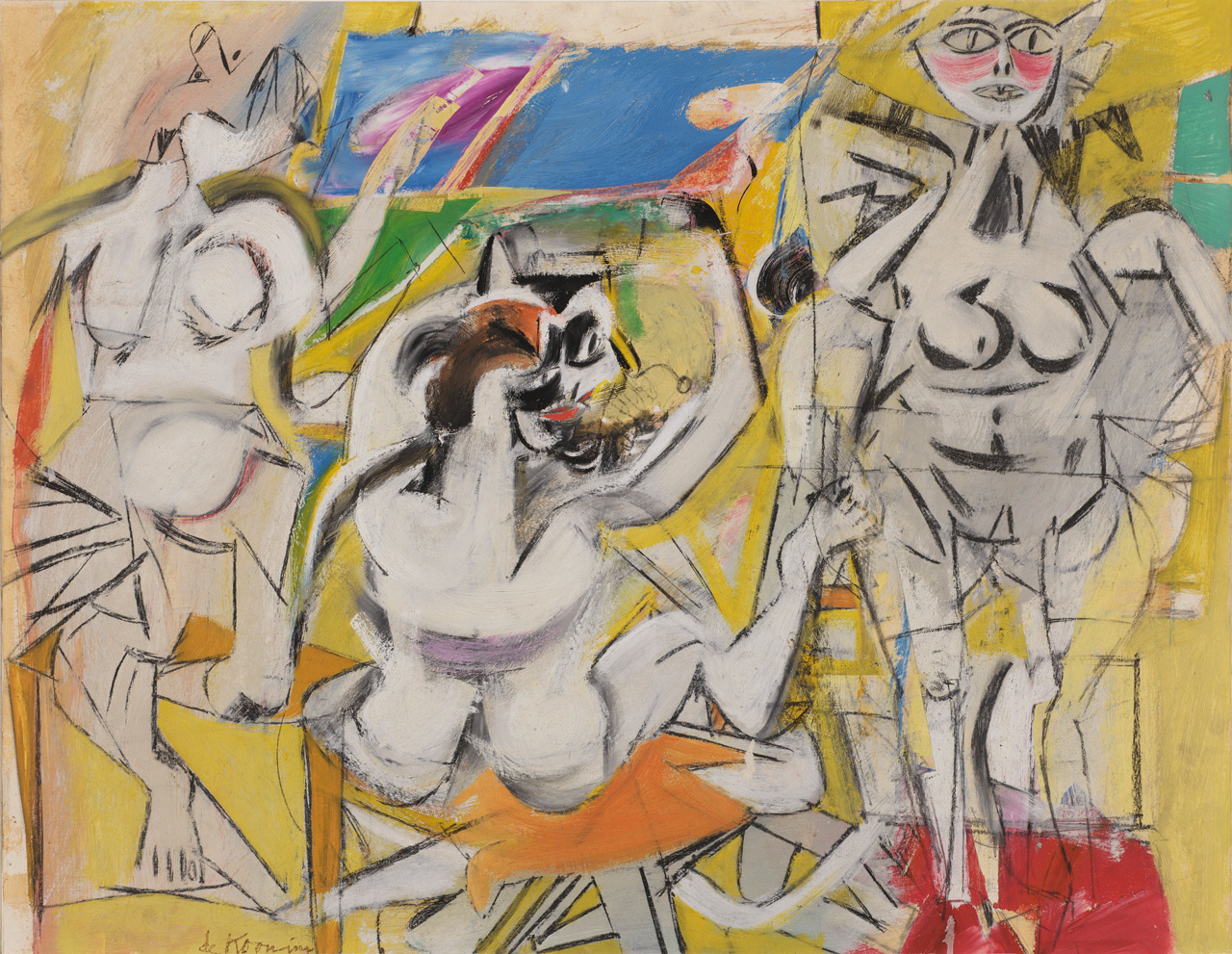
Photo: Willem de Kooning, Untitled (Three Women), c. 1948, Matte opaque paint (possibly oil) with fine particulate filler, enamel, carbon transfer drawing, charcoal, and graphite pencil on card stock, mounted on secondary support, 51,9 × 66,8 cm, Collection of the Frances Lehman Loeb Art Center at Vassar College, Poughkeepsie, New York, gift of Mrs. Richard Deutsch (Katherine W. Sanford, class of 1940), 1953.2.5, © 2026 The Willem de Kooning Foundation/Pictoright, Amsterdam
Info: Rijksmuseum, Museumstraat 1, Amsterdam, The Netherlands, Duration: 9/10/2026-17/1/2027, Days & Hours: Daily 9:00-17:00, www.rijksmuseum.nl/
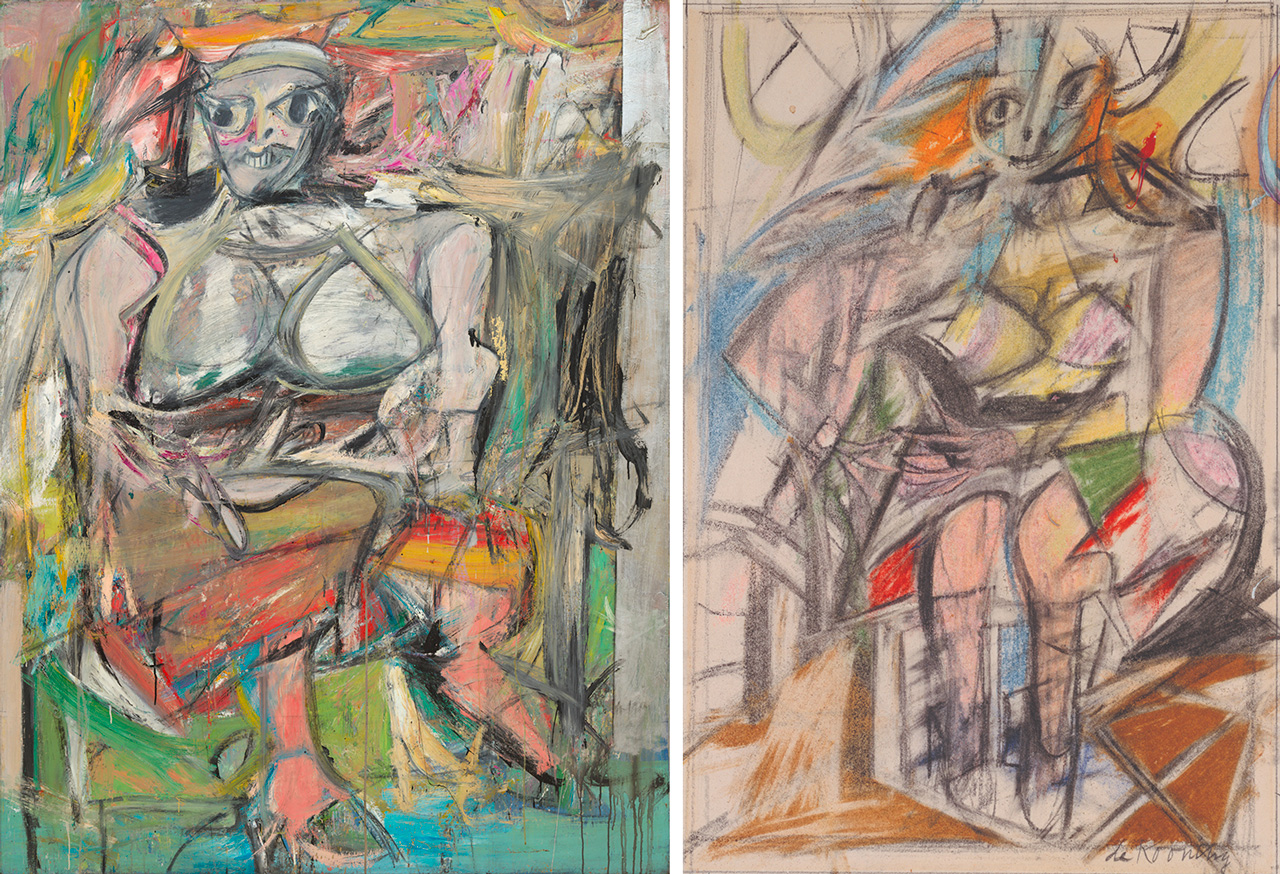
Right: Willem de Kooning, Woman (Woman Seated I), 1952, Pastel, charcoal, carbon drawing pencil, graphite pencil, and fixative with traces of oil on wove paper, 36,8 × 29,2 cm, Private collection, courtesy of Hauser & Wirth Collection Services, Zurich, © 2026 The Willem de Kooning Foundation/ Pictoright, Amsterdam
![Left: Willem de Kooning, Woman , 1983, Charcoal (recto and verso) on vellum, 145,7 × 98,7 cm, Museum Ludwig, Cologne / Permanent loan from the Peter und Irene Ludwig Stiftung 1986, © 2026 The Willem de Kooning Foundation/ Pictoright, Amsterdam Right: Willem de Kooning, Untitled [clamdigger], c. 1970, Charcoal with traces of oil on wove paper, 27,9 × 21,6 cm, Collection of KAWS, © 2026 The Willem de Kooning Foundation/ Pictoright, Amsterdam](http://www.dreamideamachine.com/web/wp-content/uploads/2026/10/14.-Untitled-clamdigger-c.jpg)
Right: Willem de Kooning, Untitled [clamdigger], c. 1970, Charcoal with traces of oil on wove paper, 27,9 × 21,6 cm, Collection of KAWS, © 2026 The Willem de Kooning Foundation/ Pictoright, Amsterdam