
ART NEWS:Oct 01
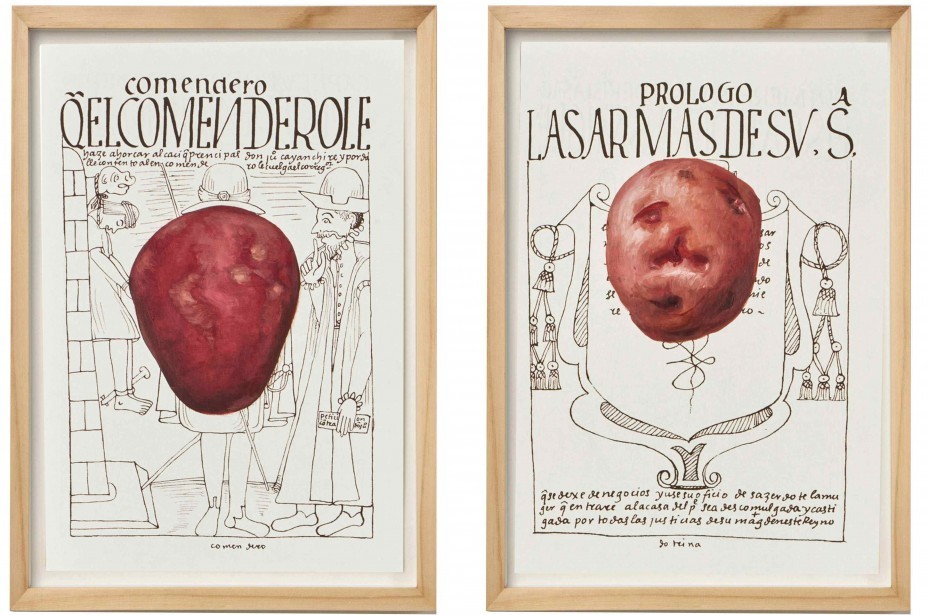 The exhibition “Whilst We Are Savages” offers a critical examination of how colonial modernity constructed foundational figures such as the savage, barbarian, Indigenous person, and peasant, and how these colonial imaginaries continue to influence contemporary concepts of territory and identity. Positioned within the Canary Islands, a key early hub of Atlantic colonization, the project bridges Europe, Africa, and Latin America to explore alterity representation, power-driven knowledge production, extractivism, and the global circulation of colonial tropes. At the core of the exhibition is the theoretical framework of Canarian anthropologist Fernando Estévez, who demonstrated that island identities are complex social constructions rather than innate truths. Estévez analyzed the Guanche (the Indigenous inhabitants) through the European devices used to categorize global Indigenous populations, and the mago (the Canarian peasant) as an internal societal “other” later rebranded into a folkloric emblem. Both figures illustrate how collective identity is continuously formed through representation, negotiation, and contestation. Methodologically, the exhibition adopts an open thematic reading rather than a linear narrative. By juxtaposing historical and contemporary artworks, documents, images, and objects, it traces how colonial tropes persist and evolve across diverse contexts. This approach positions anthropology, archaeology, museums, and visual culture not merely as neutral research spaces, but as institutional mechanisms that actively organize, classify, and enforce power relations. Info: Curators: Alejandro Castañeda, Néstor Delgado, Katya García-Antón, Roberto Gil, Narelys Hernández, Joel Peláez, and Sergio Rubira, TEA Tenerife Espacio de las Artes, Av. de San Sebastián 8, Santa Cruz de Tenerife, Spain, Duration: 3/10/2026-24/1/2027, Days & Hours: Tue-Sun 10:00-20:00, https://teatenerife.es/
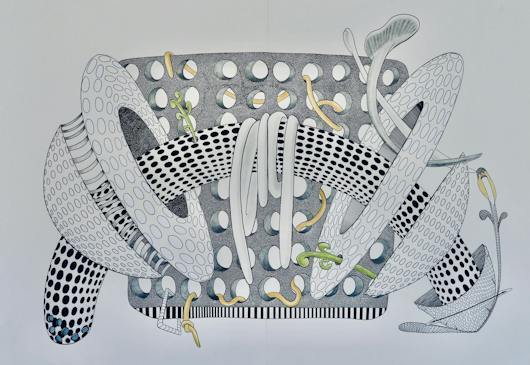 Natalia Afentoulidou’s solo exhibition, “life comes in circles,” continues a multi-year practice centered on the motif of the circle. The circle highlights the concept of complexity found within a collection of largely identical units. Through repetition and accumulation, the unexpectedly complex is generated, underlining the depth and richness that can emerge from persistence, patience, and, in essence, the appreciation of the seemingly insignificant. Thus, in my work, the circle—both as an individual unit and in dialogue with subsequent units or groups—has provided me with a medium that is as formal as it is conceptual. These choices translated into visual form, encouraging close observation and revealing how subtle variations in rhythm and density can give rise to movement, depth, and narrative nuance, along with the possibility of creating an entire world out of “the minimal”—in this case, the circle or, metaphorically, even zero. Info: artworx Gallery, Kolokotroni 1, Kifissia, Greece, Duration: 2-24/10/2026, Days & Hours: Tue & Thu-Fri 11:00-20:00, Wed, Sat 10:00-16:00, www.artworx.gr/
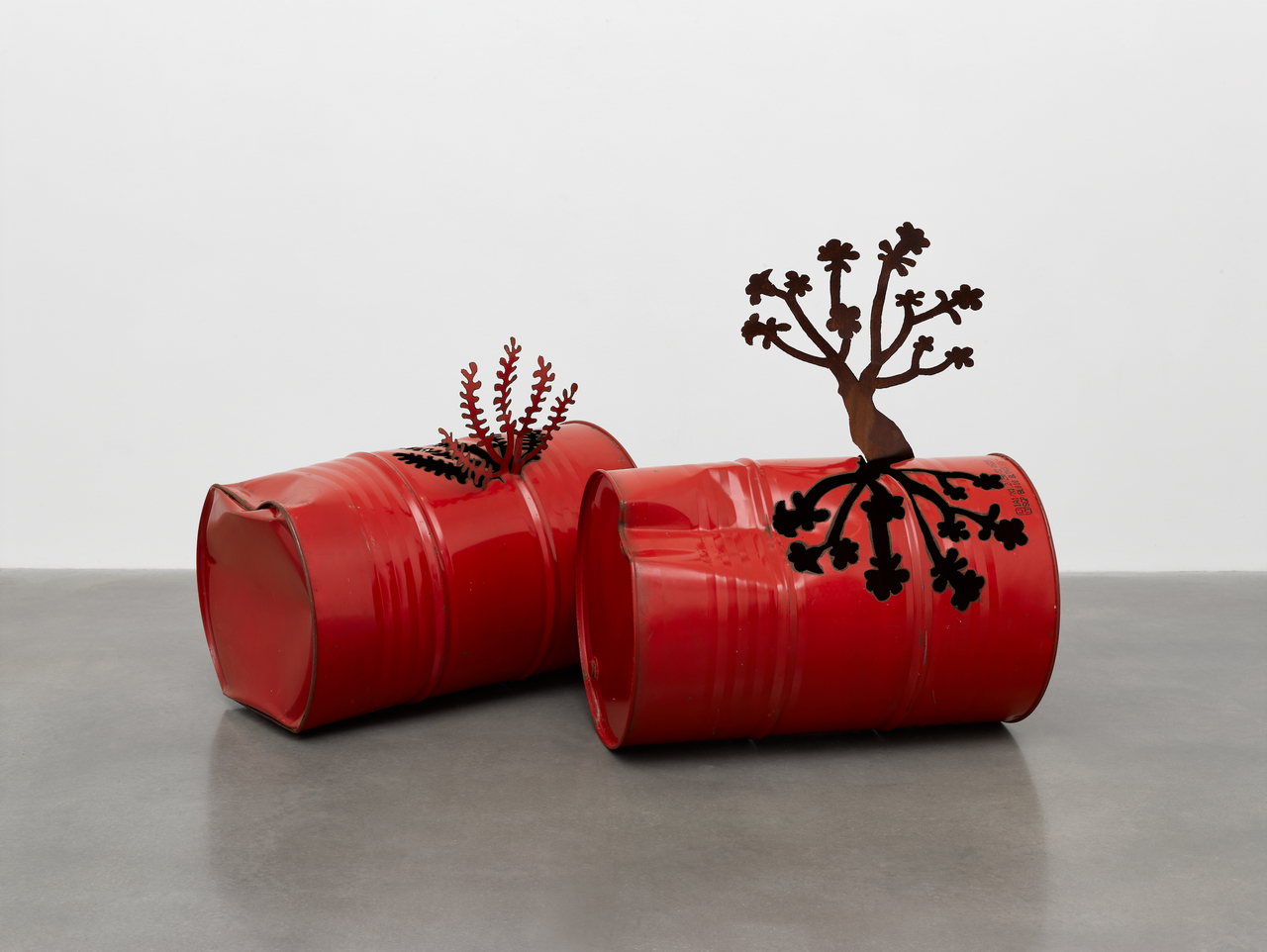 “Routes of Dissonance” is the title of Mona Hatoum’s extensive solo exhibition at the Kunst Museum Winterthur. The title subtly reflects the turbulence of our times and the various ways of dealing with these upheavals. At the same time, it refers to the layout of the exhibition hall in Winterthur, which, unlike museums with a classical hierarchical structure, allows visitors to take different routes to view and discover Mona Hatoum’s art. In her work, Mona Hatoum expands the formal possibilities of Minimal Art to encompass the political and existential. By transcending the self-referential nature of art, the artist has become a leading figure in the art world in recent decades, as evidenced by her solo exhibitions at major museums worldwide, such as the Centre Pompidou in Paris in 2015, the Tate in London in 2016, the Menil Collection in Houston in 2017. In 2004, she was awarded the Roswitha Haftmann Prize; in 2010, the Käthe Kollwitz Prize; in 2011, the Joan Miró Prize; in 2017, the 10th Hiroshima Art Prize and in 2019, the Praemium Imperiale in Japan. Info: Curator: Konrad Bitterli, Kunst Museum Winterthur, Museumstrasse 52, Winterthur, Switzerland, Duration: 3/10/2026-31/1/2027, Days & Hours: Tue 10:00-20:00, Wed-Sun 10:00-17:00, www.kmw.ch/
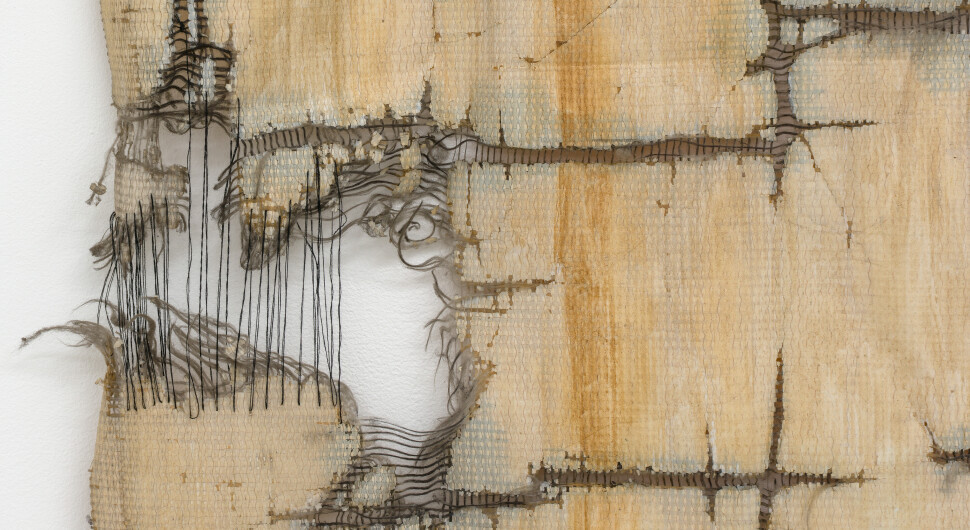 The group exhibition “Archipelago of Whispers”, explores alternative infrastructures for knowledge-making such as whispers, murmurs, hums, gossip, and storytelling: a constellation of islands connected through the sea, where speech and silence, the felt and the known, the self and the other continuously flow into one another. Beyond conventional epistemologies, there is a need to cultivate more informal modes of knowing through which knowledges take shape in togetherness, shared listening, and the circulation of stories. Gossip can be understood not through its negative connotations, but as an ambiguous, affective, caring, and relational space; a way of exploring the potentialities of collective knowledge-making. Especially at a time when digital media increasingly captures our attention, these interpersonal and whispered narratives invite us to contemplate how we make meaning together across distances and differences Through video, multi-channel and sound installations, “Archipelago of Whispers” unfolds as a listening ecology that prioritizes sound, voice, silence, and participation – a space where communication extends beyond humans, where voices overlap and create meanings through fragmentation. Performative and participatory gestures, echoing gossip’s restless drift and continual mutation, trace how words ripple outward, shaping the shared landscapes of collective imagination. Info: Curators: Deniz Kirkali and Elham Puriya Mehr, 421 Arts Campus, MiZA, Abu Dhabi, United Arab Emirates, Duration: 4/10/2026-1071/2027, Days & Hours: Tue-Sun 10:00-20:00, www.421.online/
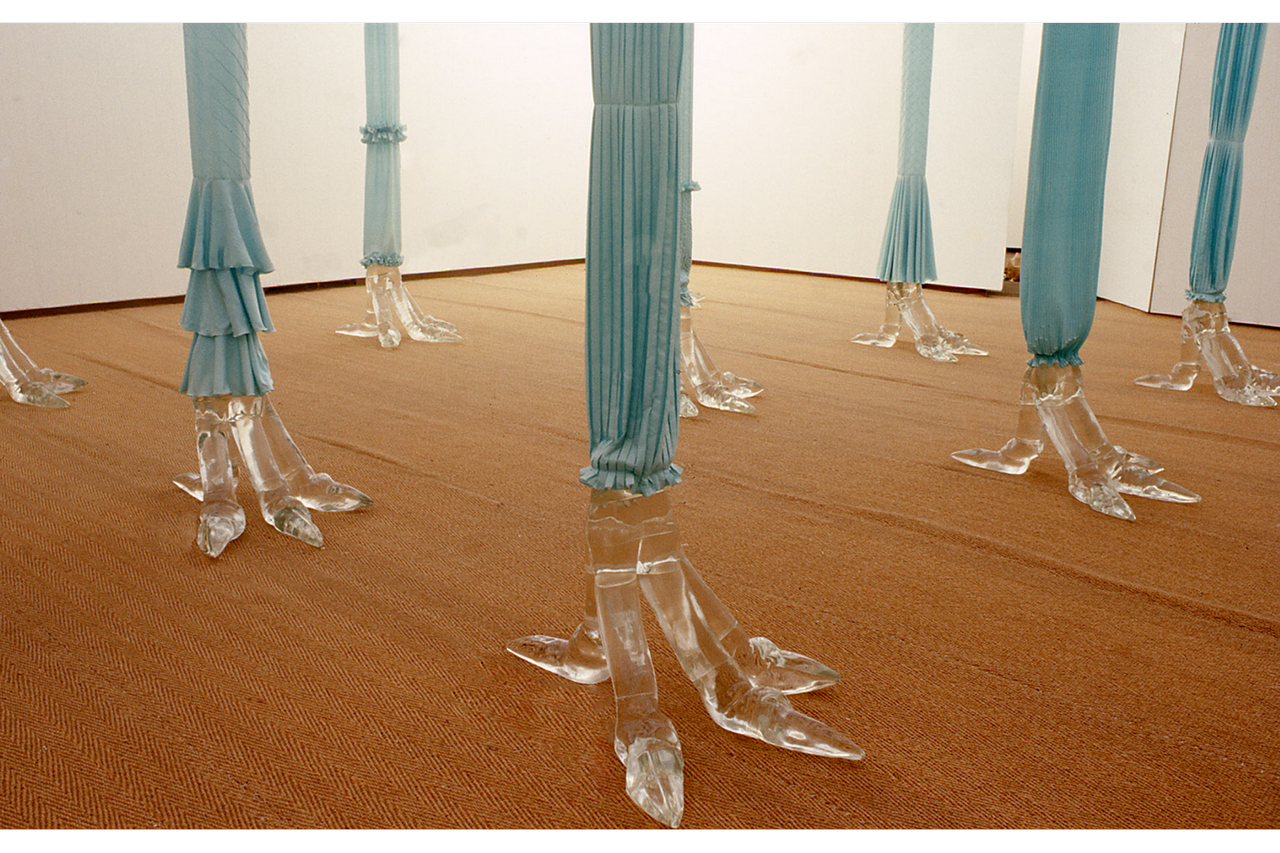 Titled, “Abitare lo spazio. Inhabiting Space”, the exhibition is the first museum retrospective dedicated to Luciano Fabro in Italy since his death in 2007. The exhibition at Pirelli HangarBicocca brings together around fifty of the artist’s most significant sculptures and installations. It examines the artist’s conceptual and formal approach to space, exploring the ways it engages with the perception of those who inhabit it. Emphasis is placed on Fabro’s investigations into perception and spatial experience, initiated in the 1960s, tracing their development from his early experiments with mirroring surfaces through the following fifty years. This evolution culminated in increasingly complex architectural structures and spaces—often made of paper—which the artist referred to as “habitats”: ideal environment, either autonomous/self-contained or integrated into existing spaces, conceived to house and activate his works. The notion of habitat runs throughout Fabro’s practice from the 1960s onwards, although the artist only began using the term in the 1980s. For Fabro, a habitat combines materiality and artisanal elements with theoretical and philosophical depth. The concept draws on its dual etymological roots: the Latin verb habito, meaning to inhabit or to dwell, and the noun habitus, referring to outward appearance, bodily form, or clothing. Within this framework, the habitat becomes a space to be traversed and inhabited, as well as a device that shapes perception and fosters relationships. Info: Curators: Fiammetta Griccioli, Roberta Tenconi and Vicente Todolí, Pirelli HangarBicocca, Via Chiese 2, Milan, Italy, Duration: 8/10/2026-27/2/2027, Days & Hours: Tue-Sat 10:30-20:30, https://pirellihangarbicocca.org/
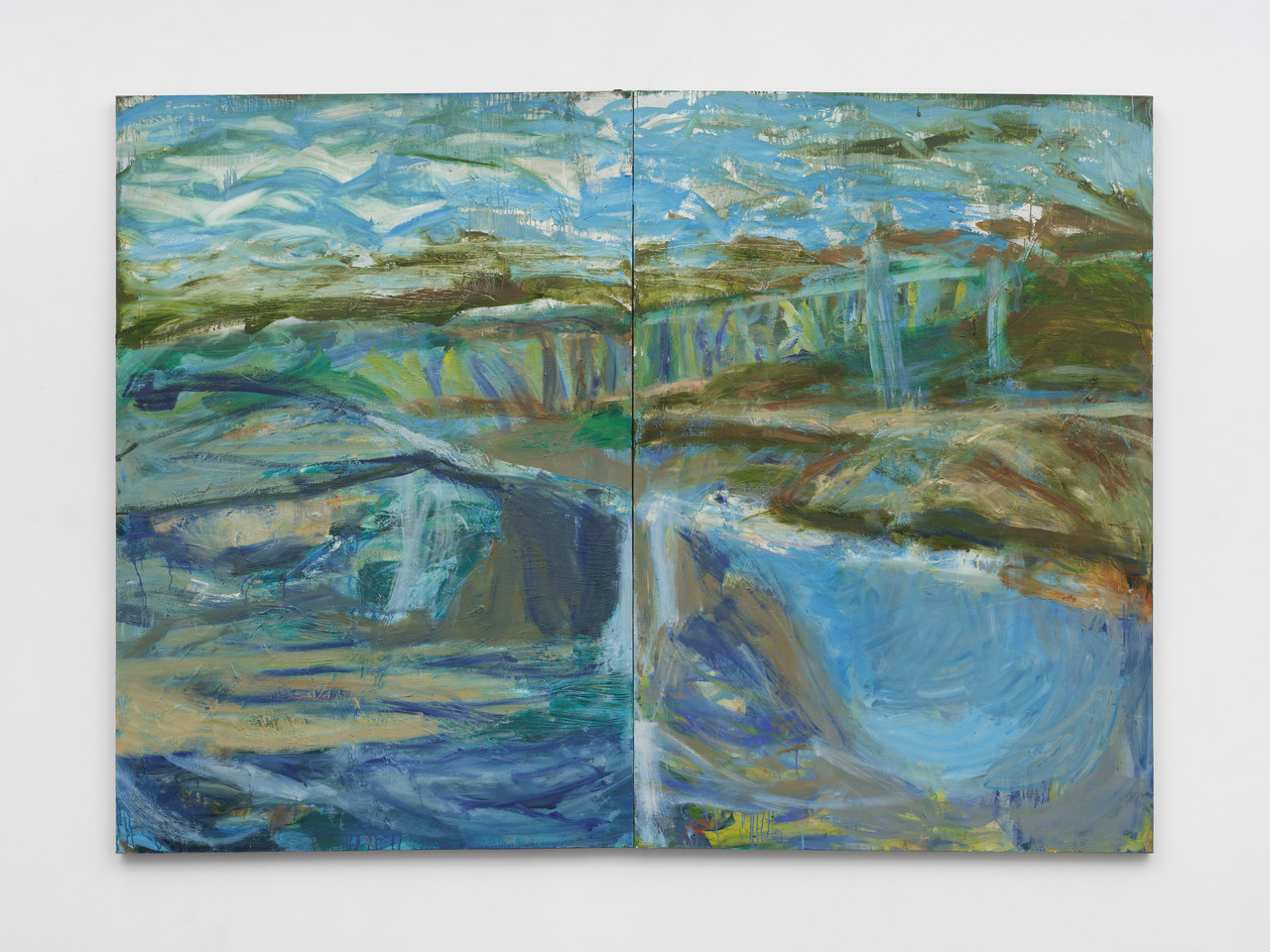 Sarah Cunningham’s exhibition “Midnight Sun” is her first first UK institutional solo exhibition. The exhibition marks a deeply meaningful homecoming: the return of the artist’s work to the city where she was born and raised. Cunningham sought out the essential and the alive through her imaginary wildernesses and fluid forest-scapes, taking inspiration from the speculative landscapes of science fiction literature, art history, ecology and personal references. The exhibition “Midnight Sun” explores Cunningham’s interplay of pace, rhythm, night and day. As a curatorial thread that traverses both the exhibition and accompanying publication, specific paintings will act as guides, beginning inside “The World It Softly Lulls” (2021); a dark, nocturnal, mythical forest-scape that is in a process of becoming; moving through “Via Lucis” [Way of Light] (2023) as a nod to the transition from night into day; and ending in the clearing of “Starshine and Clay” (2022), a bold, vibrant and eruptive new beginning – a dawn chorus charged with Sarah’s own dynamic force and energy. This exhibition will be the largest exhibition to date of Cunningham’s works, bringing together earlier paintings and never-before-seen bodies of work from her studio. The exhibition will seek to not just present Cunningham’s work in a fixed state but will rather attempt to open the portals held by the painting’s edge, allowing the colour, motion and sounds of these other worlds to flow out into an immersive viewing experience. Info: Curators: Katie Simpson, Niall Ó Faircheallaigh and Klara Szafrańska, Nottingham Contemporary, Weekday Cross, Nottingham, United Kingdom, Duration: 9/10/2026-10/1/2027, Tue-Fri 10:00-17:00, Sat 10:00-18:00, Sun 11:00-17:00, www.nottinghamcontemporary.org/
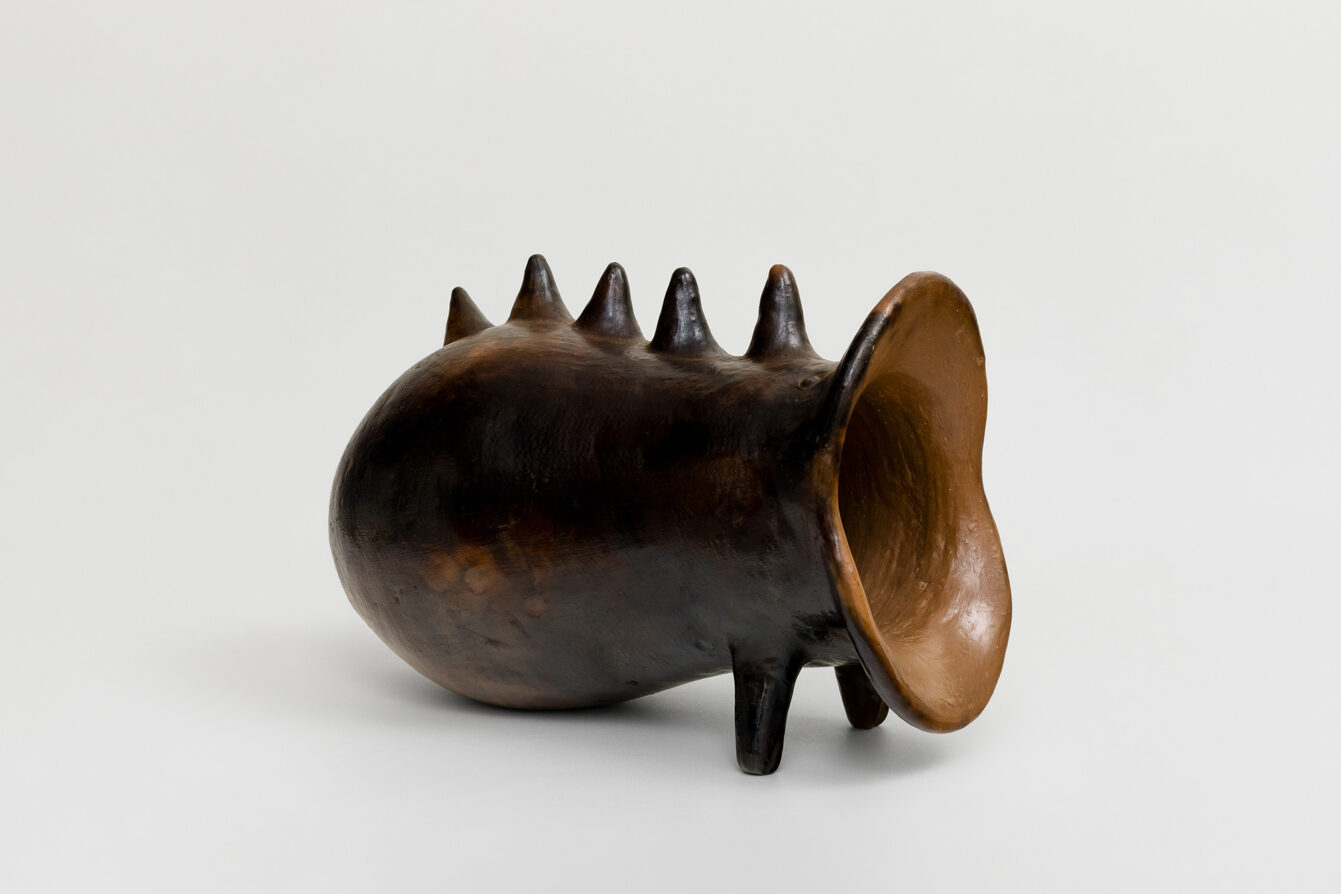 “Mud is everything” is the title of the first international institutional solo exhibition of Julia Isídrez, Her clay sculptures trouble and enlighten many issues that define cultural debate today – from indigeneity and identity politics to craft. Isídrez grew up in Itá, Paraguay, where Guaraní ceramic techniques have been passed down through generations and are amongst only a few practices that can be traced back to pre-Hispanic times. Through this inheritance, Isídrez learned under the guidance of her mother Juana Marta Rodas, who in turn learned from her own mother. A knowledge not just of making, but of being – with clay, people and more-than human lives. Yet the world is never still, and neither have Guaraní practices remained fixed. They have shifted alongside turbulent times and changing pressures – colonialism, sociopolitical shifts, globalisation, and destabilised climates and ecosystems. As specific forms and functions declined from daily use, replaced by objects made from glass, plastic or metal, the nature of the ceramics changed too. The spout of a water jug transformed into the gaping mouth of a lizard; a handle morphed into the elongated neck of a llama. Juana Marta Rodas began to thread a pathway in this transformation that has been followed and taken even further by Isídrez. Working with local clay and employing ancient Guaraní techniques like coil building (colombino), wood oven cooking, pigmenting with coal and the use of two different types of earth to make the clay, the subject matter of Isidrez’s work is anything but traditional. Her ceramics depict hybrid dinosaur-like or pluri-headed spherical amphibians. These fantastical creatures are chimeras, the unattainable beings of Isidrez’s imagination and dreams rooted in popular traditions, folklore and the worlds around her. Info: Curators: alma Tuqan and Niall Ó Faircheallaigh, Assistant Curator: Klara Szafrańska, Nottingham Contemporary, Weekday Cross, Nottingham, United Kingdom, Duration: 9/10/2026-10/1/2027, Tue-Fri 10:00-17:00, Sat 10:00-18:00, Sun 11:00-17:00, www.nottinghamcontemporary.org/
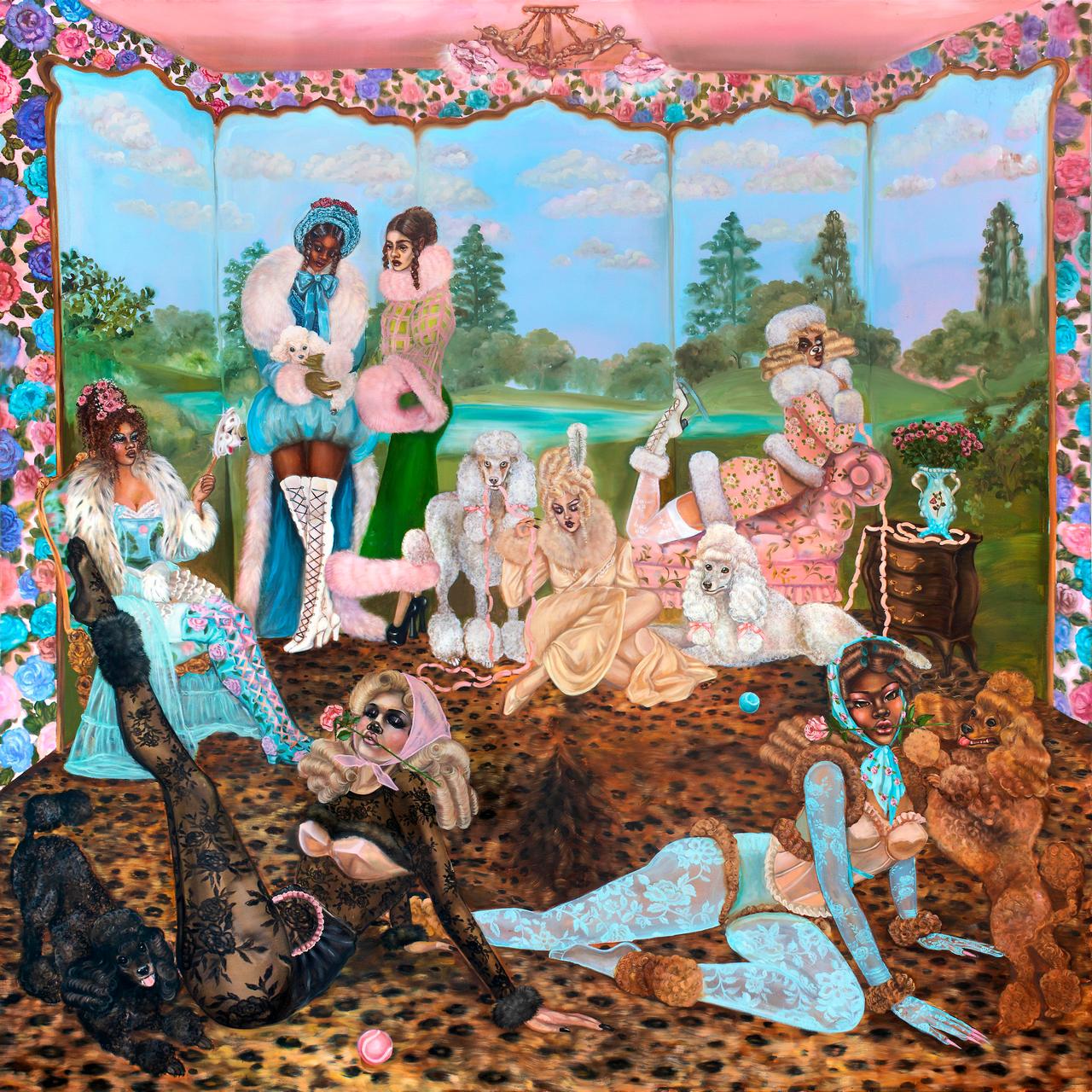 In her oil paintings, Emma Ainala opens up a seductive and chaotic world before you. The main characters in her works are often girls and women who linger amid luxuriant nature or in enclosed interiors. Some have transformed into spiders or snakes. One bears the features of a sphinx, while others have taken on the form of a centaur. The exhibition presents Ainala’s works from the past ten years, bringing together both new paintings and key works from across her career. According to the artist, the exhibition title “Like a Prayer” refers both to the act of painting and to viewing artworks. In both situations, an individual is faced with something unknown. It is a moment that calls for letting go of control and trusting intuition. Ainala’s richly detailed paintings are filled with references to popular culture, fashion and art history. Through her art, she seeks to defend the multifacetedness of life: alongside limiting roles, there can also be joy and possibility. In her works, women are compared to pet animals and blend into the décor around them, yet they also glow brightly in the darkness. Info: Curator: Anna Mustonen, Museum of Contemporary Art Kiasma, Mannerheiminaukio 2, Helsinki, Finland, Duration: 9/10/2026-14/2/2027, Days & Hours: Tue, Fri 10:00-20:00, Wed-Thu 10:00-18:00, Sat 10:00-17:00, https://kiasma.fi/