ART CITIES:London-Amar Kanwar
Over three decades, Amar Kanwar has developed a distinctive body of lyrical films and multi-video installations rooted in the specific context of the Indian subcontinent. While charged with regional specificity and deeply personal histories, his works grapple with some of the most pressing issues of our time, moving seamlessly between documentary and fiction, the archival and the poetic.
By Efi Michalarou
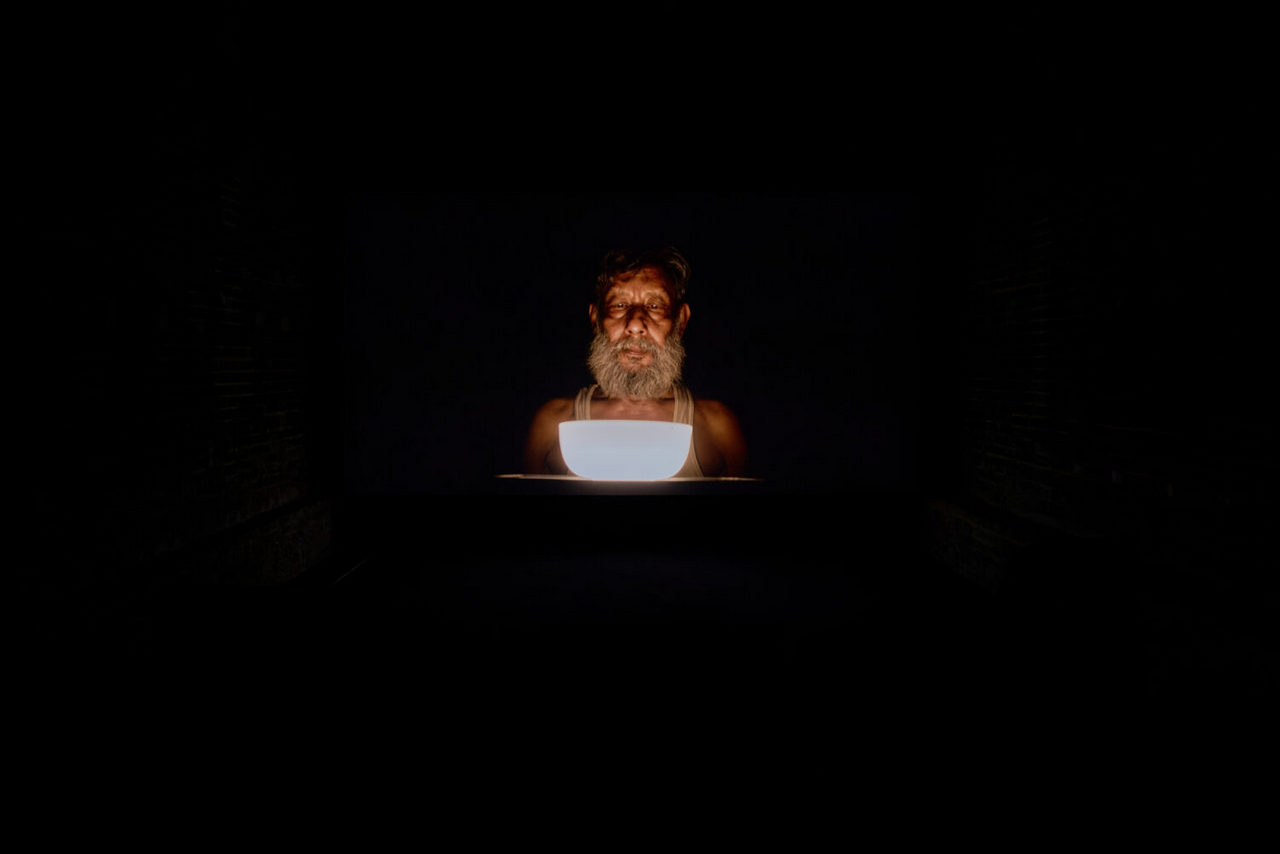
Photo: Serpentine Galleries Archive
Shaped by India’s history, Kanwar frequently reflects on the enduring legacies of decolonisation and the 1947 Partition, which led to the creation of the independent nations India, Pakistan and later Bangladesh in 1971. In his films, Kanwar explores the politics of power, displacement, violence, justice and memory. Reckoning with the past to better comprehend the urgencies of the present, his work reveals what unites us, regardless of geography or context.
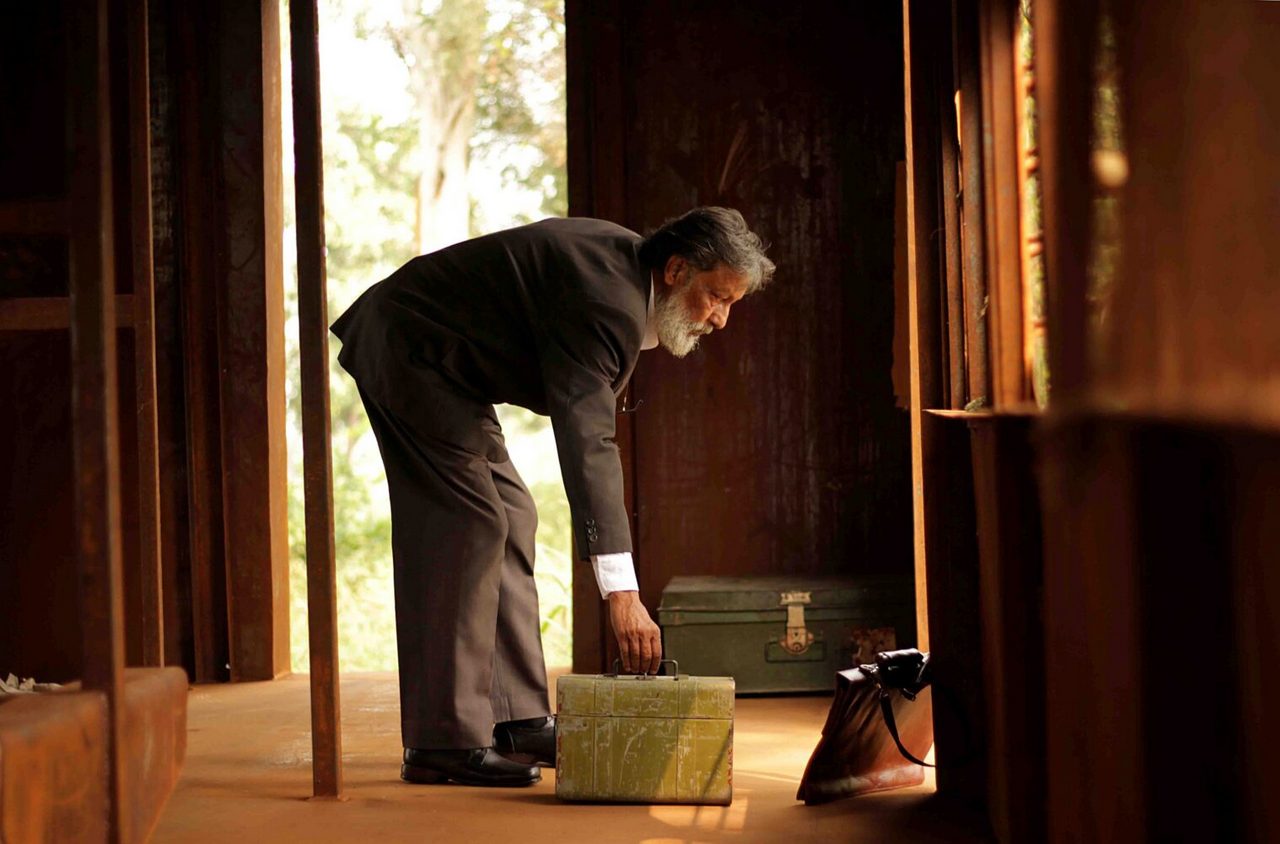
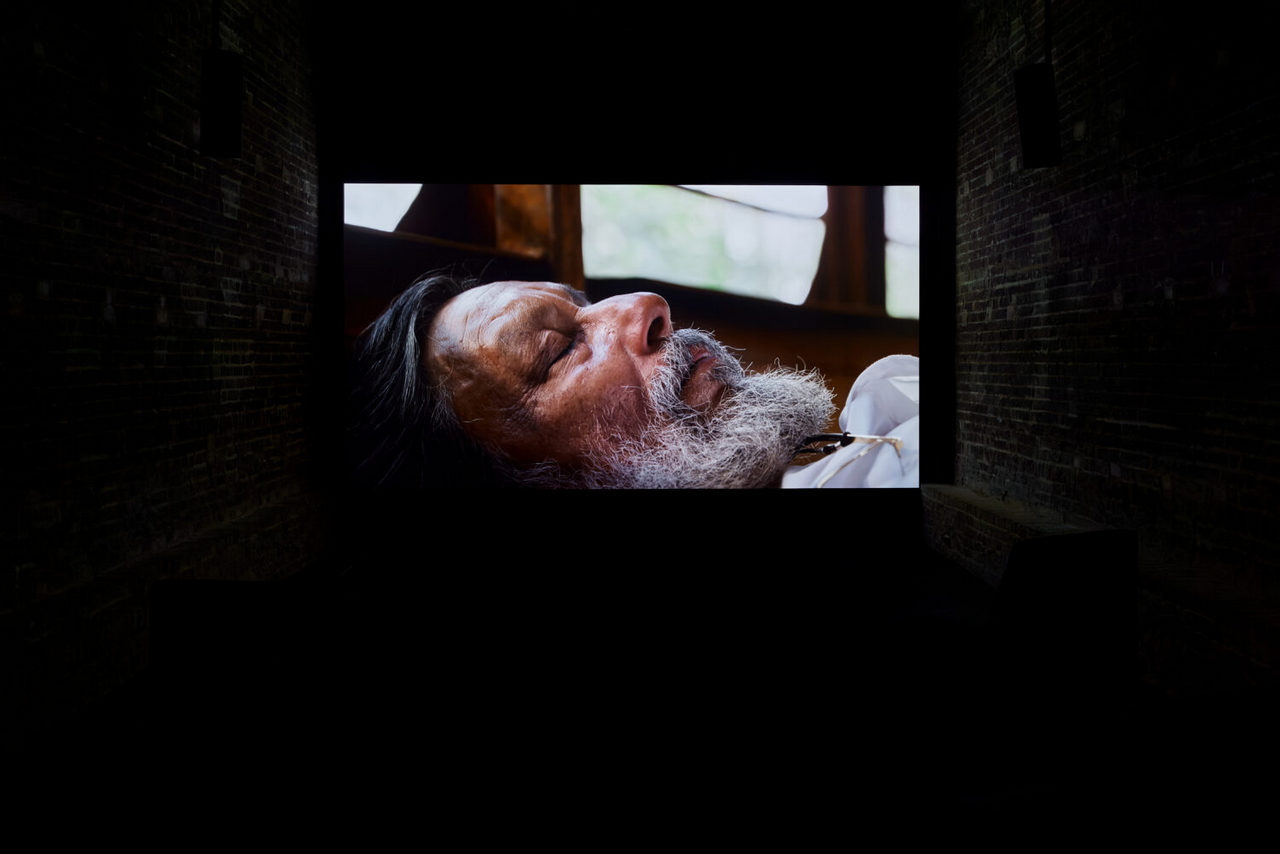
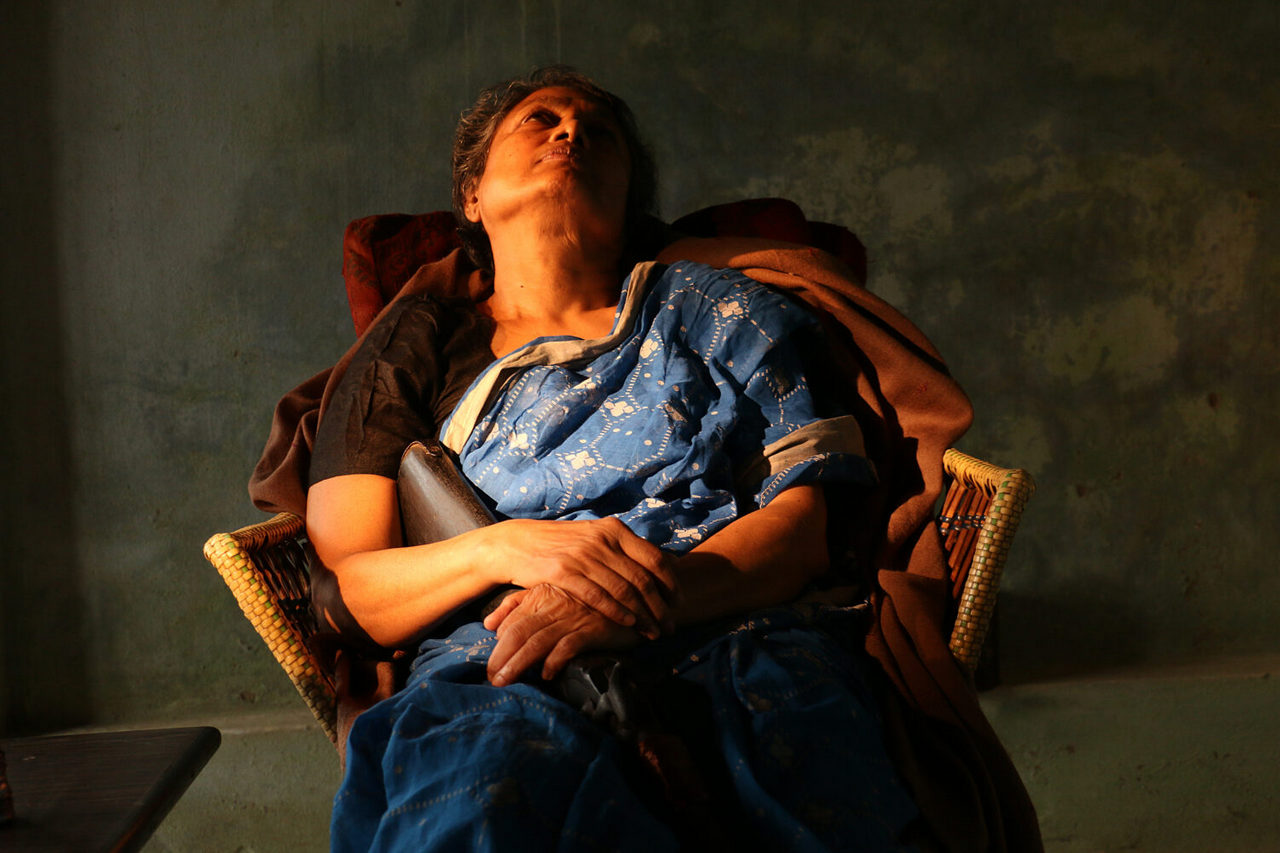
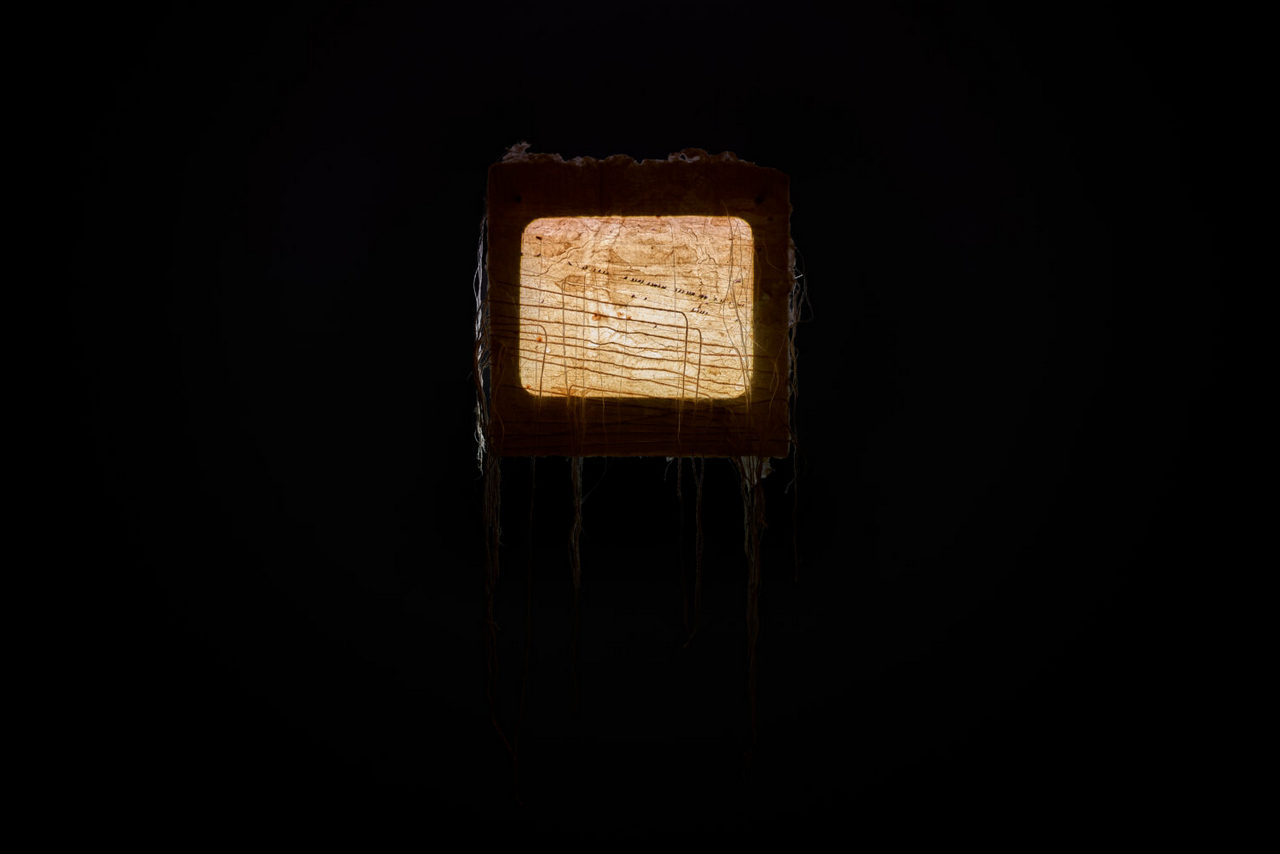
Conceived as a site-specific installation, the exhibition brings together a trilogy of interconnected films that transform Serpentine North into a space of deep reflection. The feature-length modern parable “Such a Morning” (2017–19) is about two people’s quiet engagement with truth. It follows a renowned mathematician and professor as he navigates multiple hallucinations that move between speech and silence, fear and freedom, democracy and fascism. The film is accompanied by a series of letters, presented in the perimeter galleries. Written by the professor in the film, they comprise texts, video and light projections on handmade paper, extending the narrative that unfolds in “Such a Morning”.
“Such a Morning” is presented alongside two multi-screen installations, “The Peacock’s Graveyard” (2023) and a new work, “The Charcoal Man” (2026), which makes its world premier and weaves together images and texts that meditate on the transience of existence. “The Charcoal Man” emerges from a relentless loop of betrayal and vengeance. Together, the three films invite viewers to reflect on new forms of reconciliation, resistance and introspection.
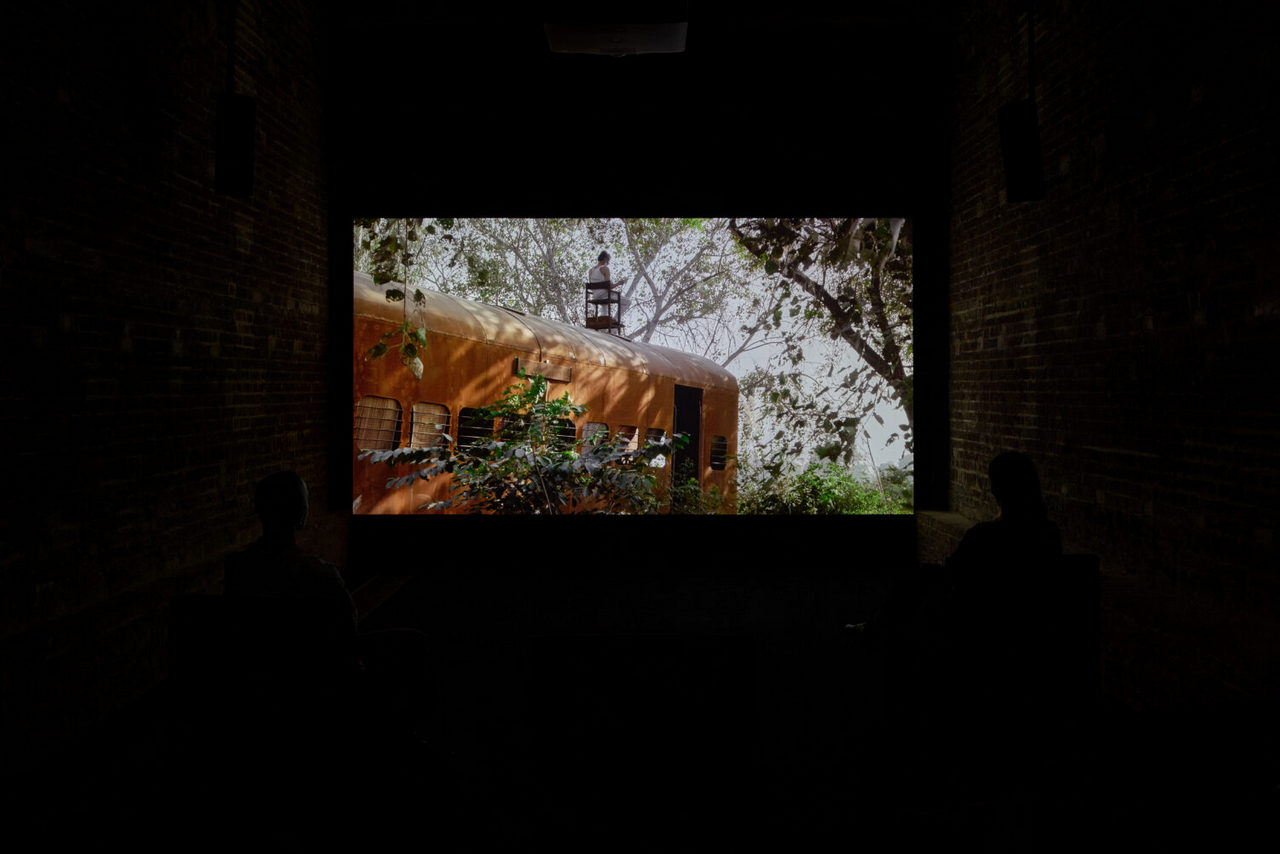
“Such a Morning” is a contemporary parable about two people’s quiet engagement with truth. A philosophical response to our contemporary reality, the feature-length film follows a renowned mathematician and professor who, after his sudden retirement, seeks refuge in an abandoned train carriage in a forest. Over the course of the film,
he blacks out the carriage windows and, as darkness descends, develops new ways of seeing. Part-epiphany, part-hallucination, these revelations take form as a series of letters that examine forty-nine types of darknesses. Through the professor’s letters, comprised of video, light projections and texts on handmade banana, ramie and cotton fibre papers, the exhibition continues the narrative beyond the film into the surrounding galleries. The train carriage built for the film remains in Delhi; a memorial to the professor who refused to conform, stepped off the tracks and wandered into the wild.
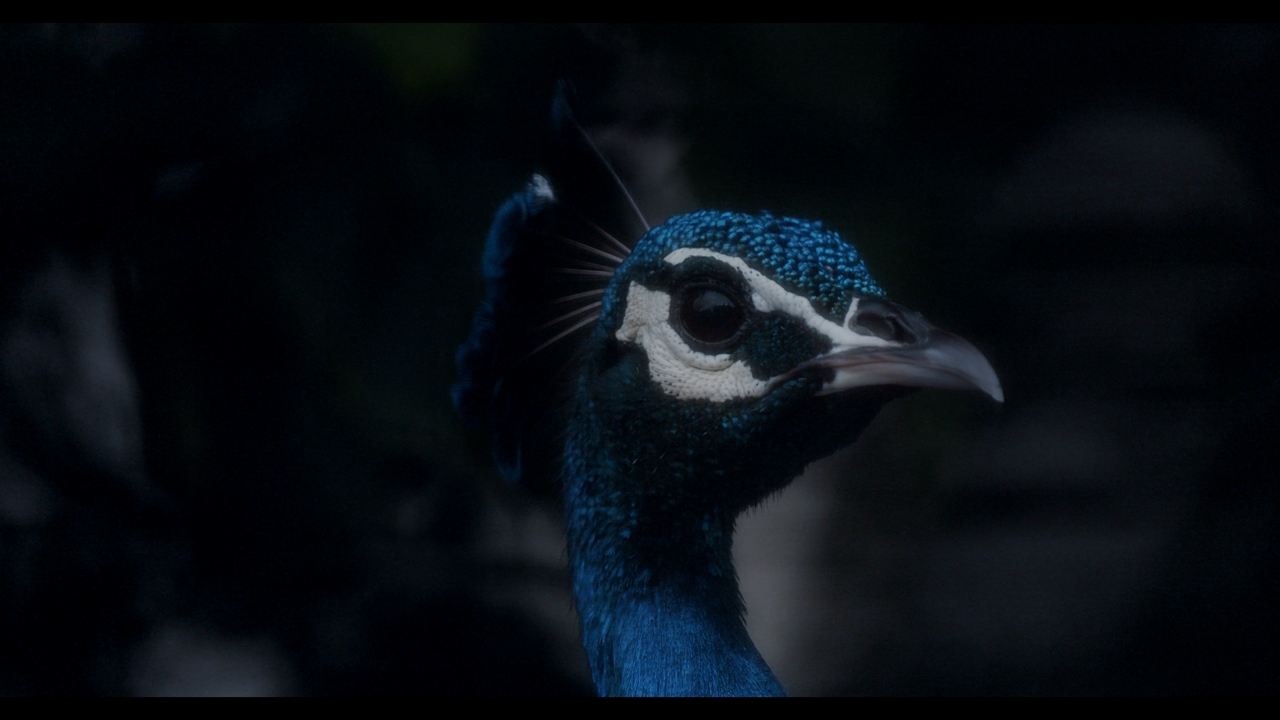
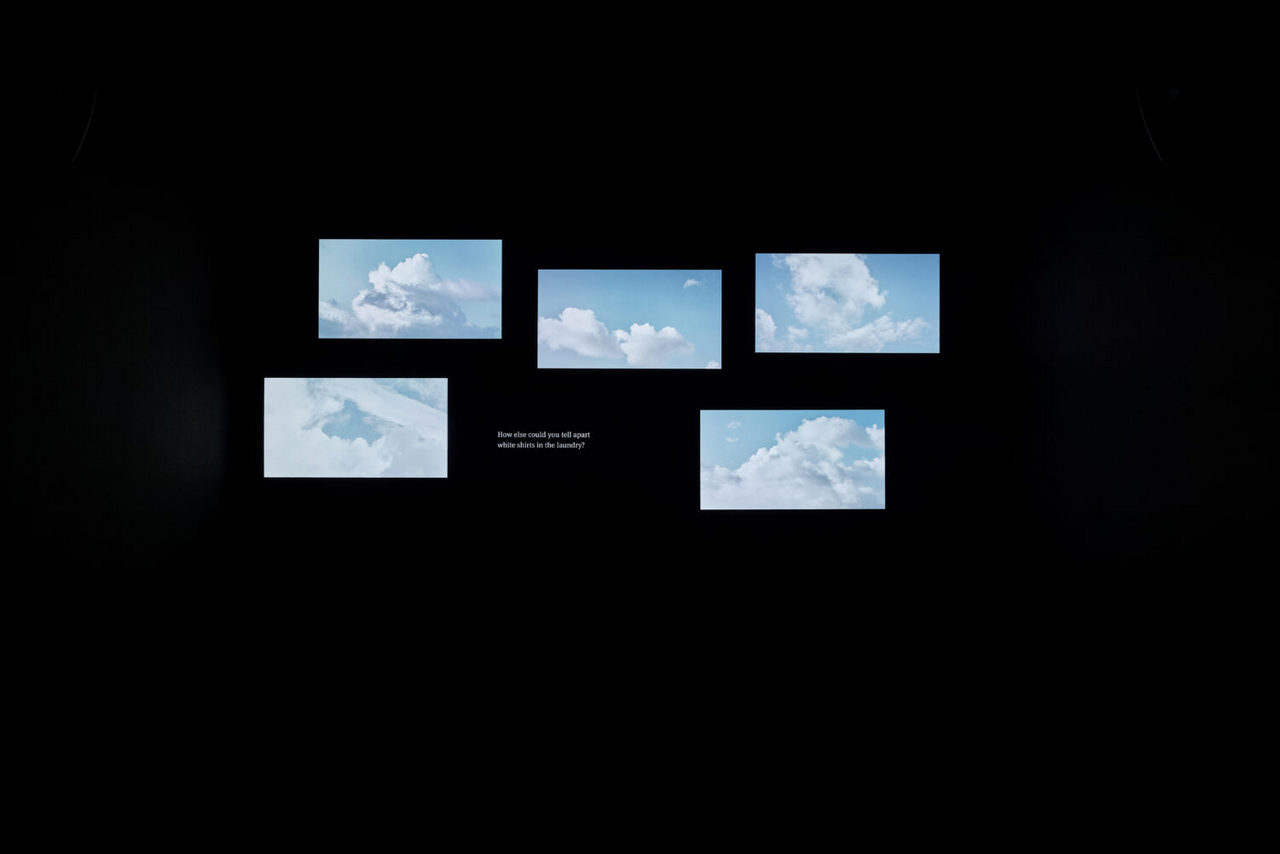
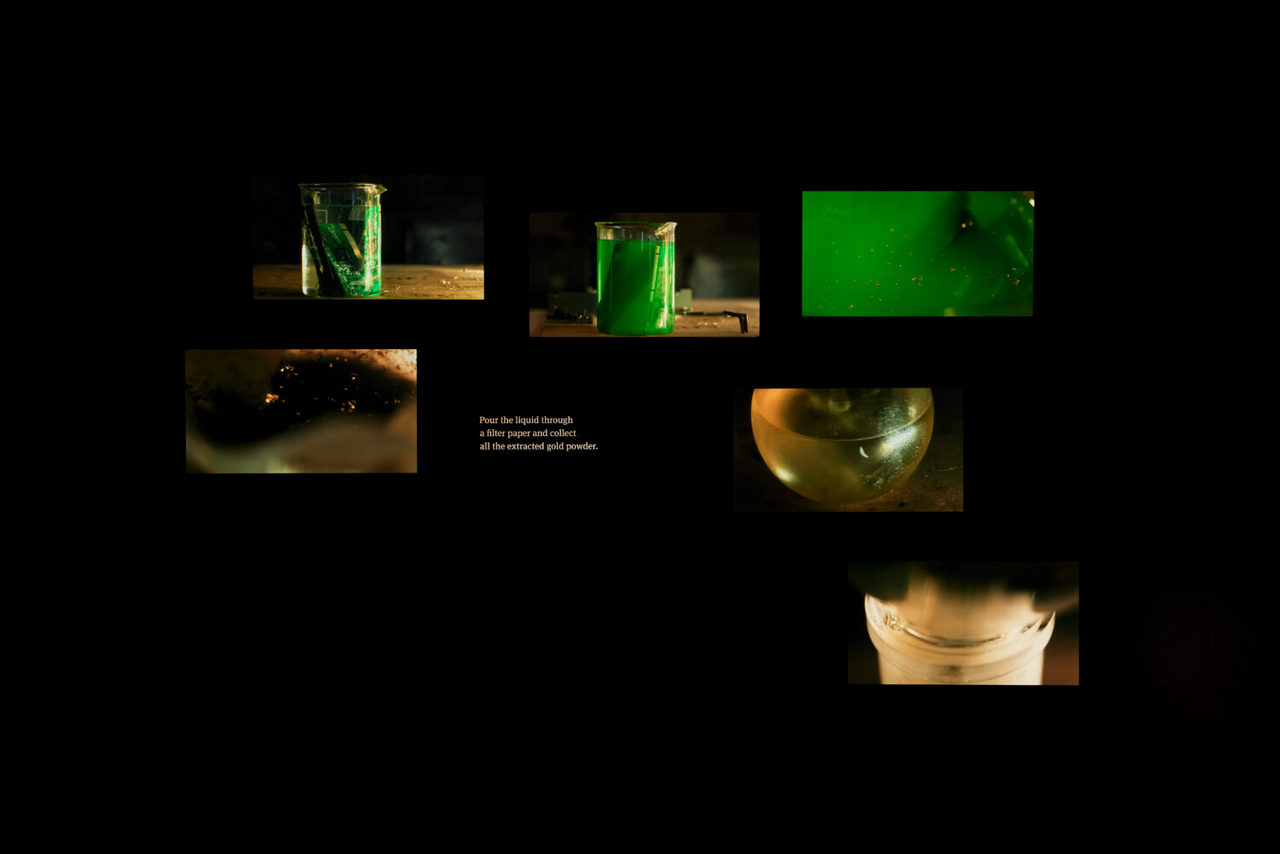
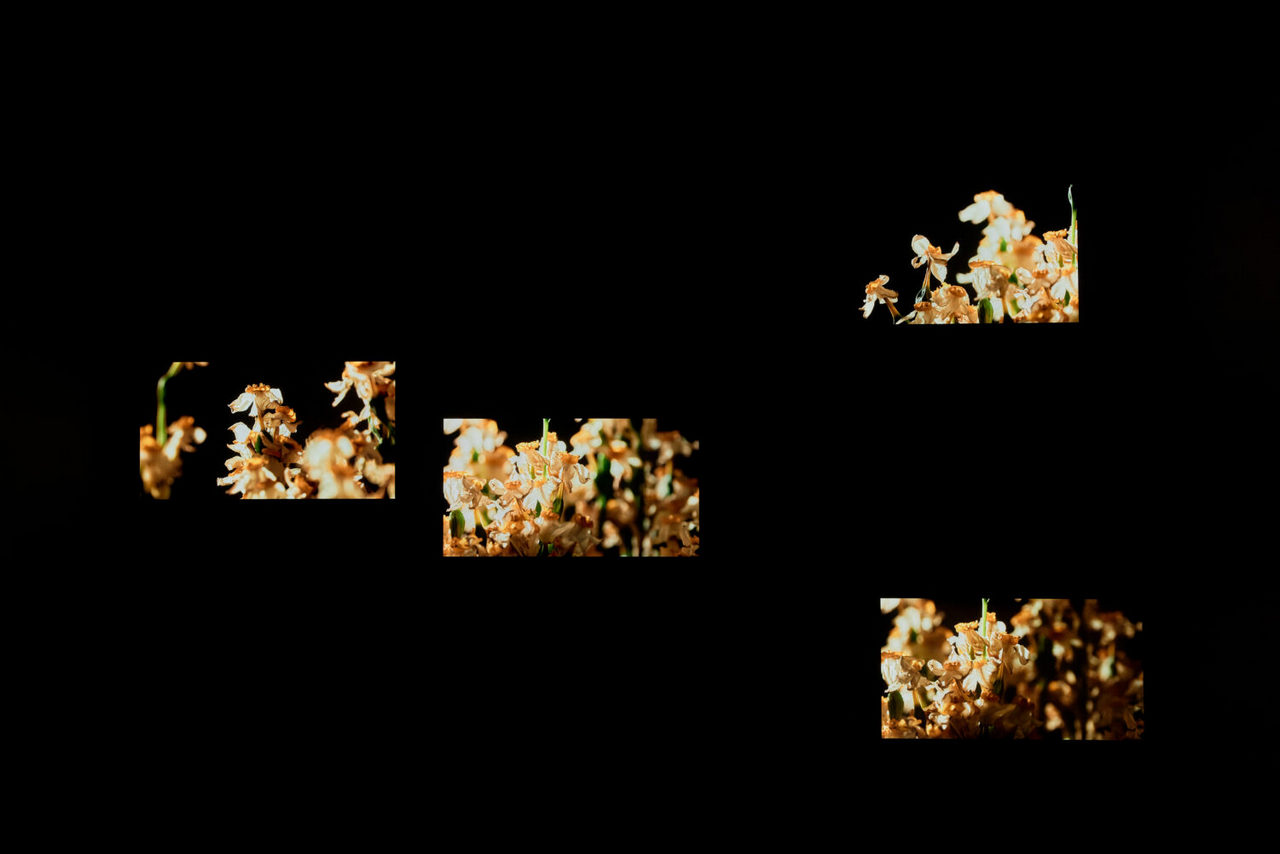
Presented in London for the first time, “The Peacock’s Graveyard” weaves together images and texts that meditate on the transience of existence. Five stories emerge and recede rhythmically across a constellation of seven invisible screens. Kanwar describes them as “perhaps a kind of gift, a collection, something to keep by one’s side, or to take along to help us reconfigure life, ideologies, politics and solidarities. Stories that create space to reflect on our unbearable arrogance, delusions and deep desire for violence.”
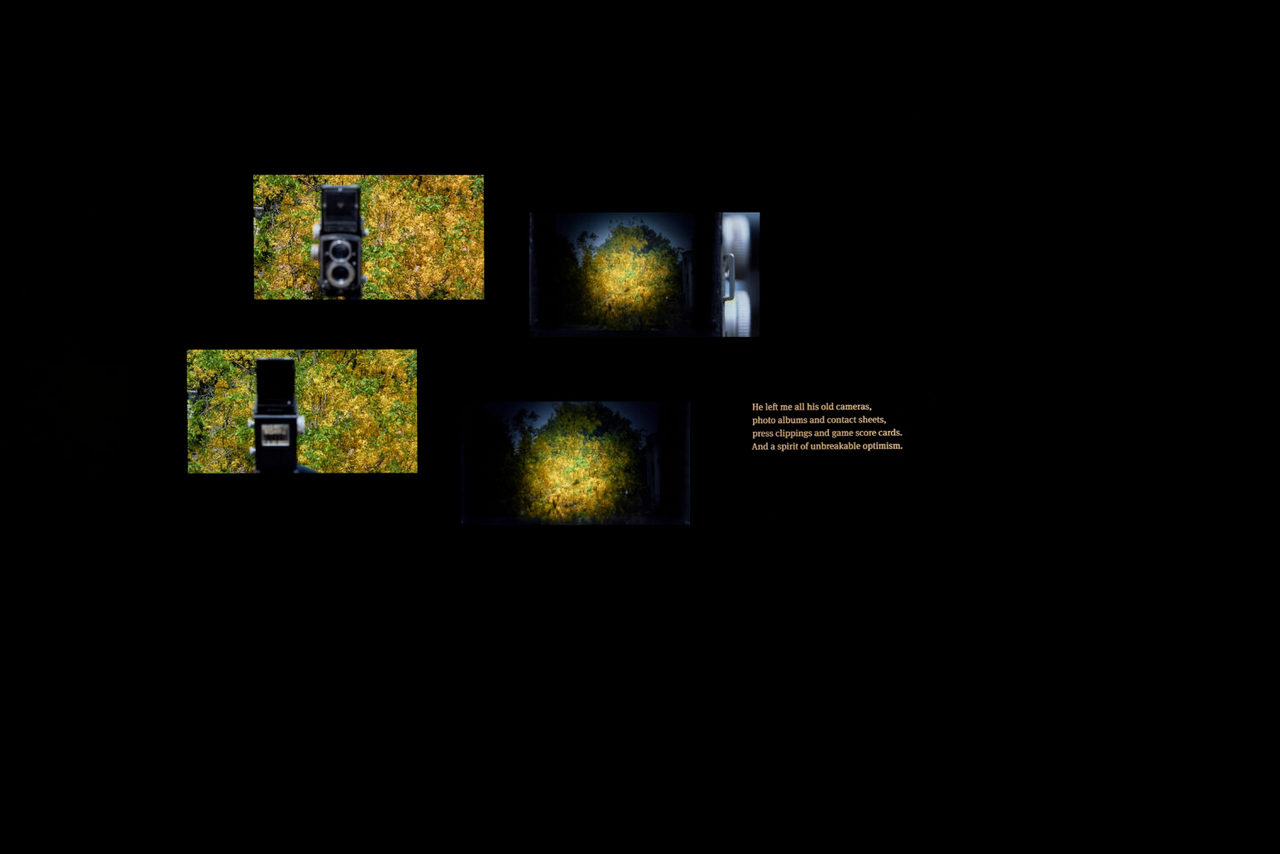
“The Charcoal Man” is a new seven-screen installation that lies within a hybrid terrain, where fact and fiction coexist seamlessly. Marking the 80th anniversary of the 1947 Partition of India, the work emerges from a relentless loop of betrayal, vengeance and illusion. The Partition saw the division of the Indian subcontinent into India, Pakistan and later Bangladesh in 1971, triggering one of the largest and most violent mass migrations in history. Considered an extension of the narrative and filmic strategies explored in “The Peacock’s Graveyard” (2023), the work weaves together varied memories, images, texts and archival materials to “seek coherence from disintegration, insight from fusion and stories within stories.”
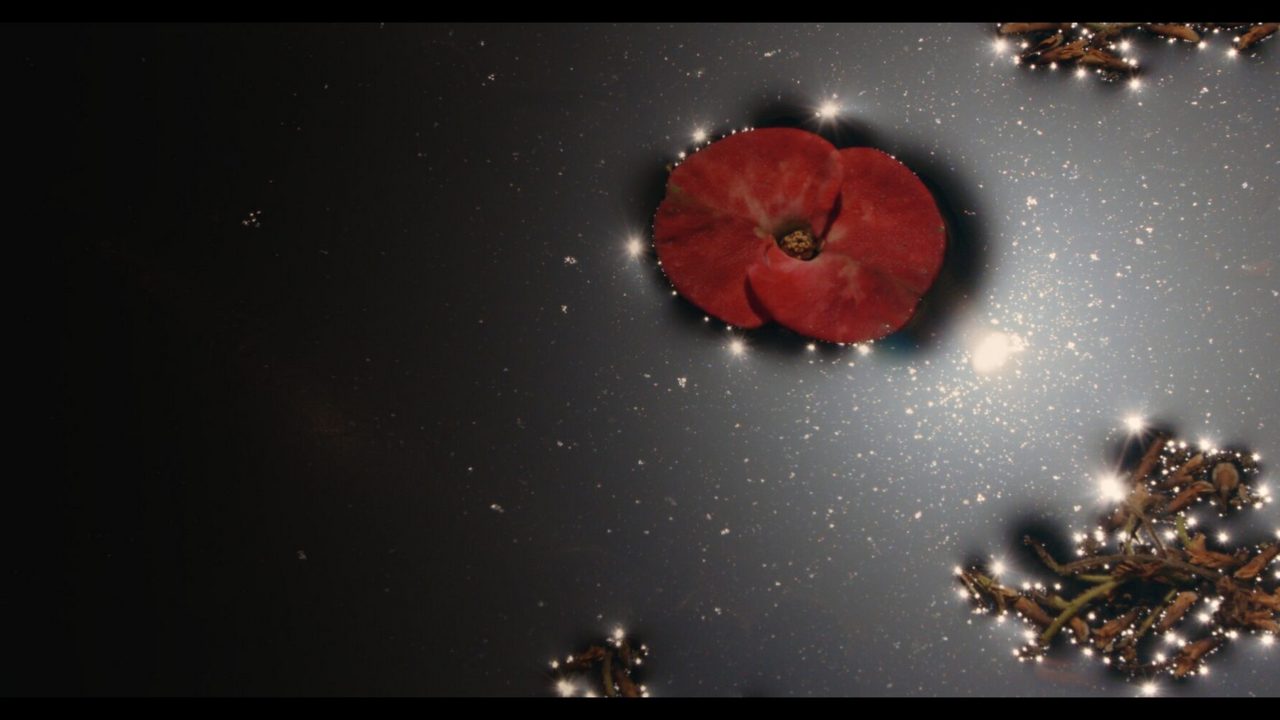
Photo: Amar Kanwar, The Peacock’s Graveyard, 2023. (Film still) Digital video installation, 7 screens, dimensions variable, 28 mins, 16 sec. Courtesy of the artist and Marian Goodman Gallery
Info: Curator: Chris Bayley, Assistant curator: Kit Gurnos, Serpentine Galleries, Serpentine North, West Carriage Drive, London, United Kingdom, Duration: 23/9/2023-31/1/2024, Days & Hours: Tue-Sun 10:00-18:00, www.serpentinegalleries.org/