PRESENTATION:Arthur Jafa-I Am Tony
Arthur Jafa is an American artist, filmmaker, and cinematographer whose multidisciplinary practice explores Black identity, cultural memory, and the complexities of the African American experience. Through film, video, photography, and installation, he juxtaposes archival footage, popular imagery, and contemporary visual culture to examine histories of violence, resilience, and collective consciousness. Moving between intimacy and confrontation, Jafa’s work challenges conventional representations of Black life while exploring the emotional and political dimensions of images.
By Efi Michalarou
Photo: New Museum Archive
The exhibition “Arthur Jafa: “I Am Tony” maps nearly four decades of an uncompromising artistic practice dedicated to formulating visual languages capable of articulating the rhythms, traumas, and transcendent realities of Black life in America. Titled in homage to the legendary jazz drummer Tony Williams, the exhibition frames Jafa’s extensive filmic and material output through the optics of syncopation, sonic texture, and polyrhythmic editing. Having earned early acclaim as a cinematographer collaborating with landmark directors such as Julie Dash (Daughters of the Dust), Stanley Kubrick (Eyes Wide Shut), and Spike Lee (Crooklyn), Jafa has spent the past several decades establishing himself as one of the most vital visual artists of our contemporary era. Working fluidly across found-footage video, digital animation, sculpture, assemblage, and photographic cutouts, Jafa treats images not as passive representations, but as fugitive, virulent cultural agents deeply connected to real physical bodies.
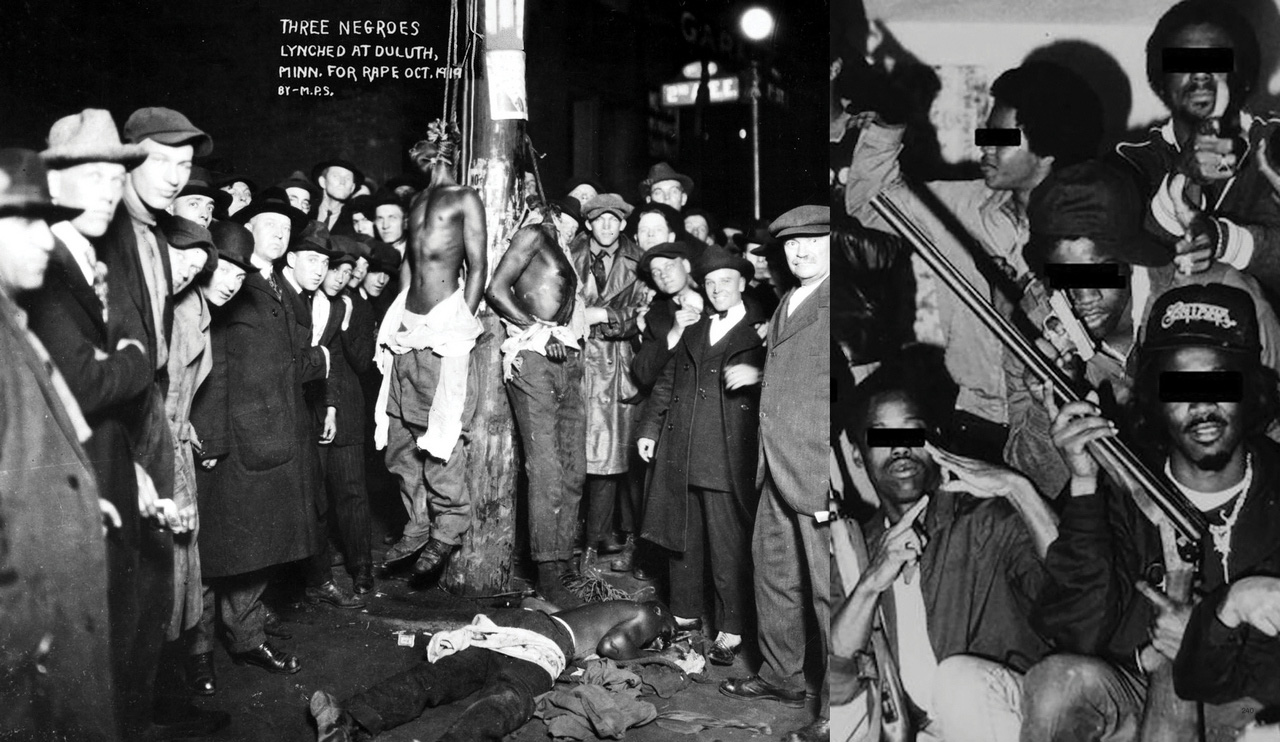
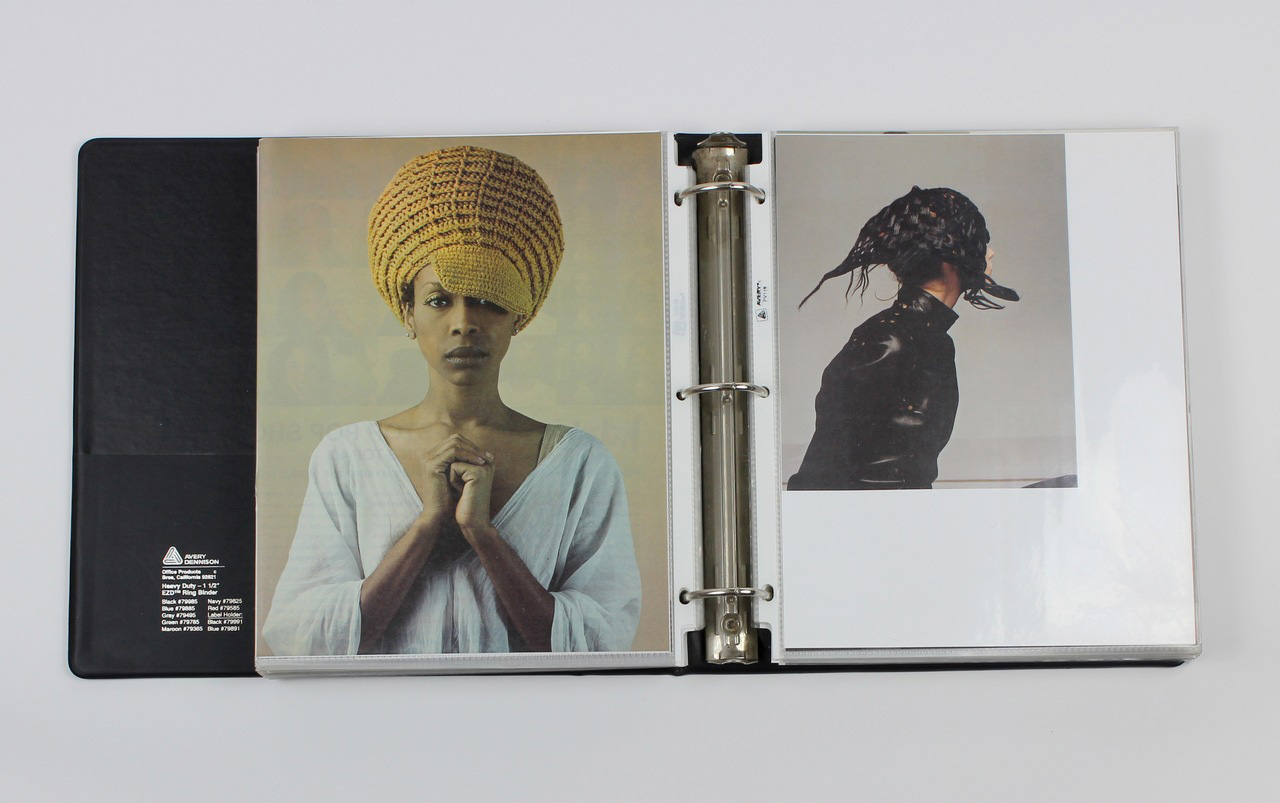
At the core of Jafa’s methodology is a lifelong practice of collecting, clipping, and cataloging visual culture from magazines, books, advertisements, and digital archives into binders and scrapbooks. These materials are collaged and reconfigured into what Jafa—borrowing a concept from artist and collaborator John Akomfrah—describes as “affective proximities.” By placing disparate images side-by-side, Jafa unearths subterranean currents between popular culture, institutional violence, historic trauma, and the collective memory of the African diaspora.
The exhibition traces Jafa’s trajectory from his earliest self-directed studies to his most recent expansive installations. Among the seminal works on view is “Monster” (1988/2017), a striking Polaroid self-portrait captured just before Jafa began principal photography on Daughters of the Dust. Standing before a mirror with a large camera held to his face, the twenty-eight-year-old artist stares intently into his own reflection. In confronting the viewer through his reflected gaze, Jafa directly interrogates the racialized lens through which Black bodies are historically constructed and consumed, posing a fundamental question: who is the real monster—the artist or the audience?
This inquiry into the physical and psychological weight of media is forcefully materialized in Jafa’s sculptural work “Ex-Slave Gordon” (2017). The piece draws directly from “The Scourged Back,” an iconic 1863 carte de visite depicting Peter, an escaped enslaved man in Louisiana whose back bore severe whipping scars. Widely reproduced by Civil War-era abolitionists as proof of slavery’s brutality—and famously misidentified in Harper’s Weekly as “Gordon”—the image remains one of the earliest examples of mass-media circulation defining public consciousness around race. Utilizing a industrial vacuum-forming process, Jafa translates the flat photographic print into a life-sized, three-dimensional relief. By restoring physical volume and tactile texture to Peter’s scars, Jafa exposes the inadequacy of flat imagery to fully capture historical suffering, reuniting the photograph with its bodily origin.
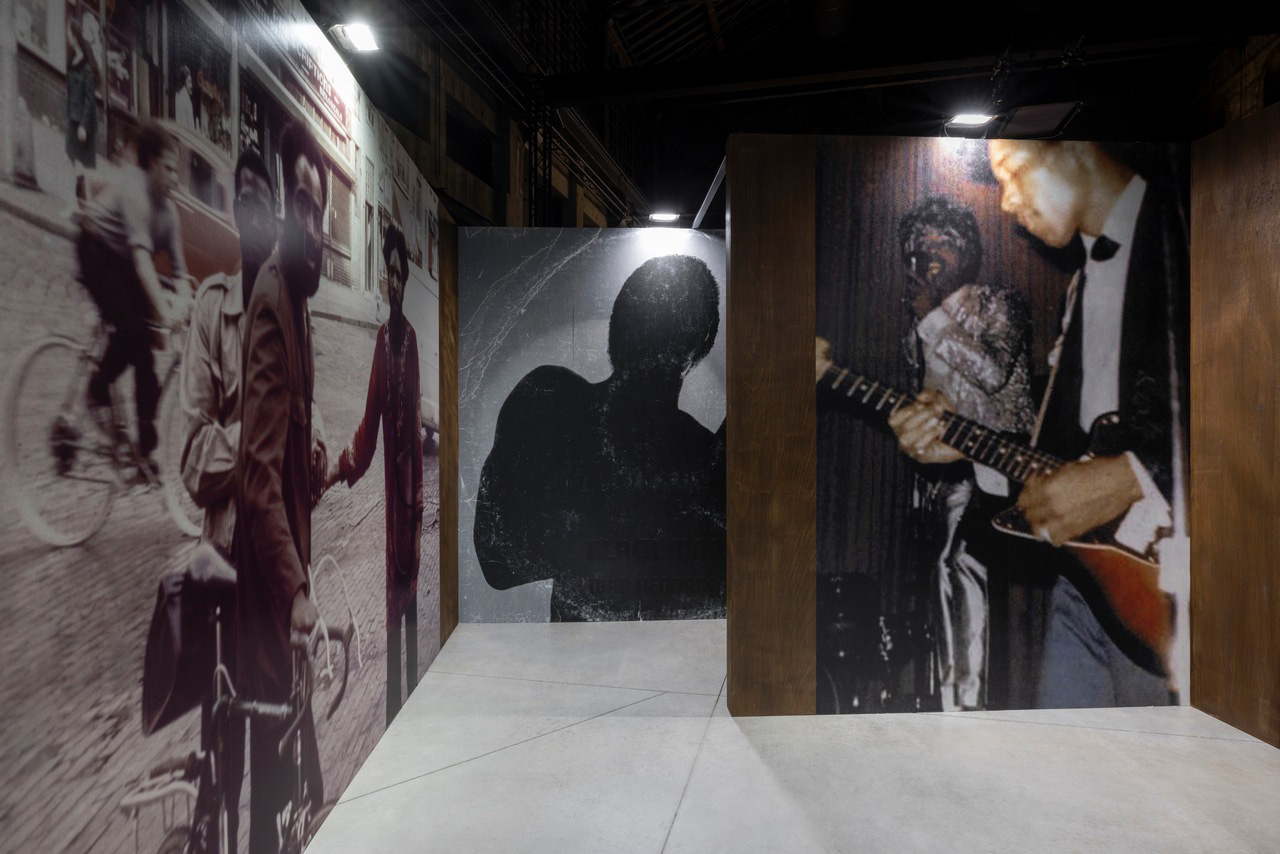
In the newly premiered installation” Large Array” (2026), Jafa extends his appropriative methods into three-dimensional spatial environments. Borrowing the format of freestanding movie theater advertisements and referencing the pop-appropriation strategies of artist Cady Noland, Jafa prints collected archival images onto large, freestanding cutouts. The installation assembles a dense pantheon of cultural figures, including Billie Holiday, Michel Foucault, Adrian Piper, comic book characters, anonymous archival sitters, and self-portraits of the artist. As visitors navigate the space, the figures overlap, obscure, and reveal one another, forming an interactive tableau vivant—an anarchic chorus of multiplied selves rendered in physical space.
Jafa’s survey brings together his most celebrated video works, charting his evolution from high-speed montage to deliberate, extended cinematic durations. Following the international acclaim of his landmark video “Love is the Message, The Message is Death” (2016), Jafa turned his lens toward the cultural structures of American whiteness in “The White Album” (2018), which was awarded the Golden Lion at the 58th Venice Biennale.
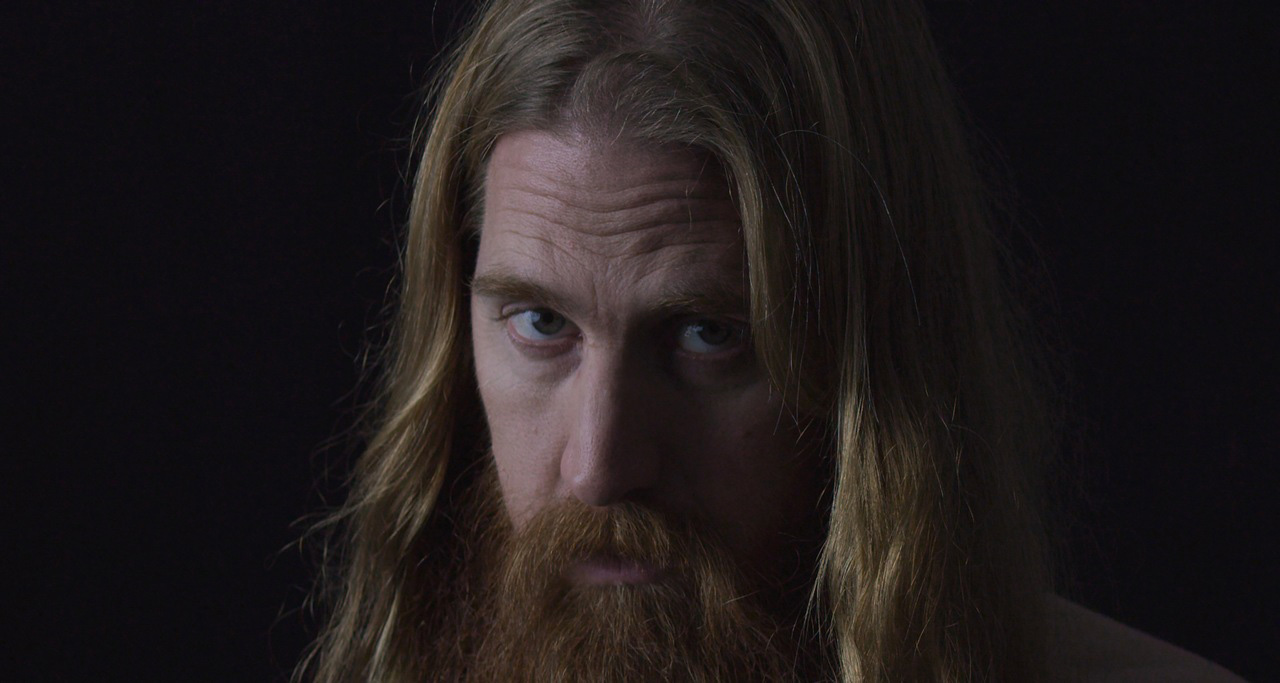
Taking its title from The Beatles’ self-titled 1968 record and Joan Didion’s 1979 essay, “The White Album” weaves together viral internet rants, pop culture clips, sound tests by the Mahavishnu Orchestra, music video footage of Iggy Pop and Robert Pattinson, and CCTV video of Dylann Roof entering the Emanuel African Methodist Episcopal Church in Charleston. Rather than attempting to pin whiteness down as a static category, Jafa uses video editing—what he calls “the mix”—to explore how whiteness operates as a self-styled “blank slate” or “absence of color,” masking its own power and violence.
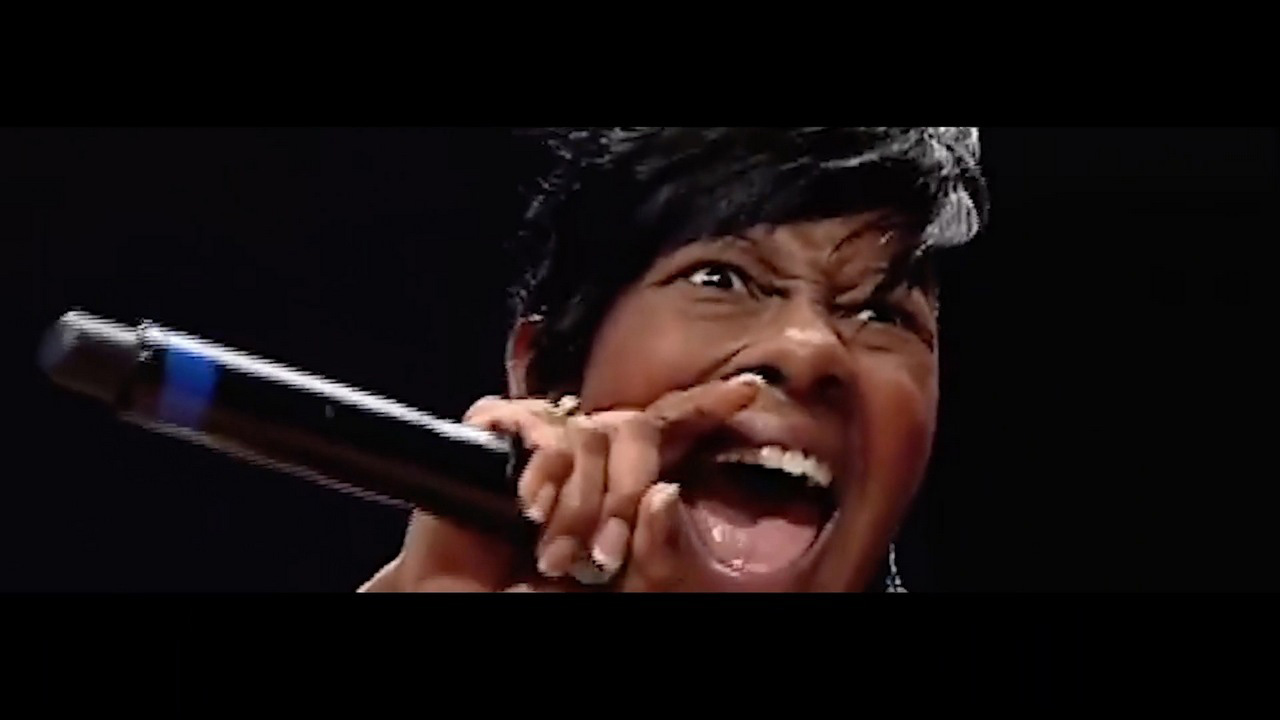
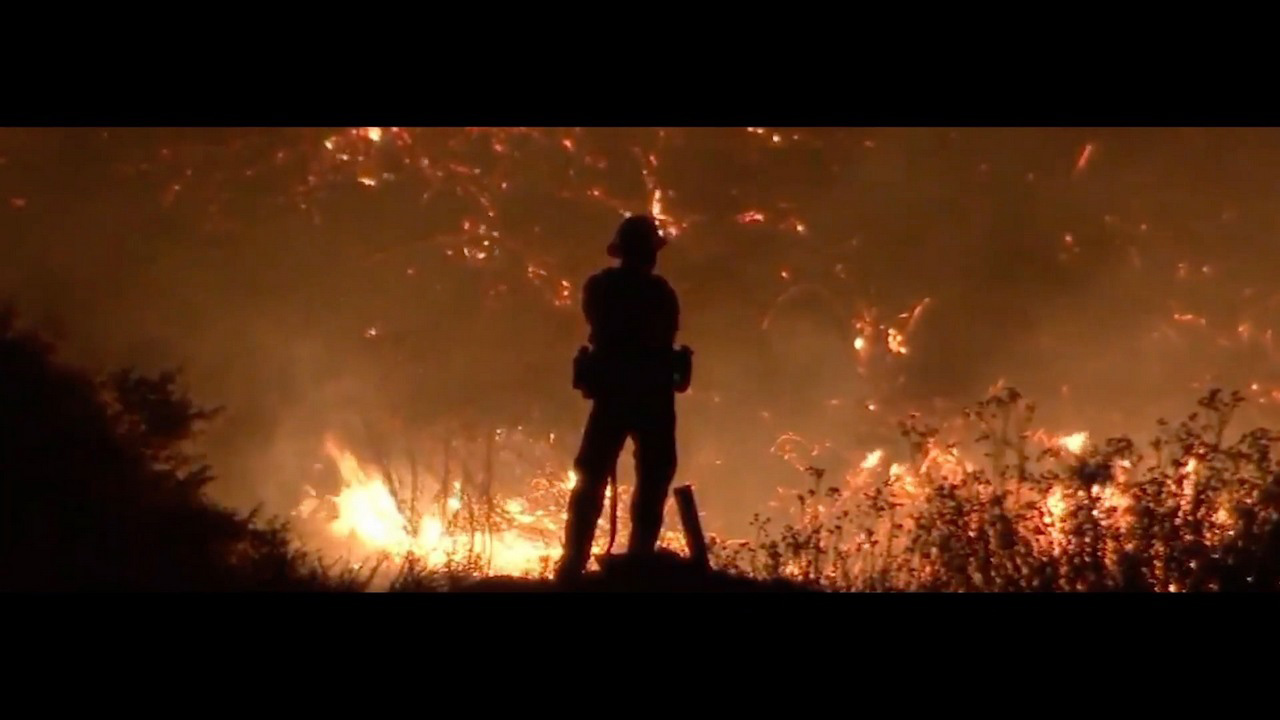
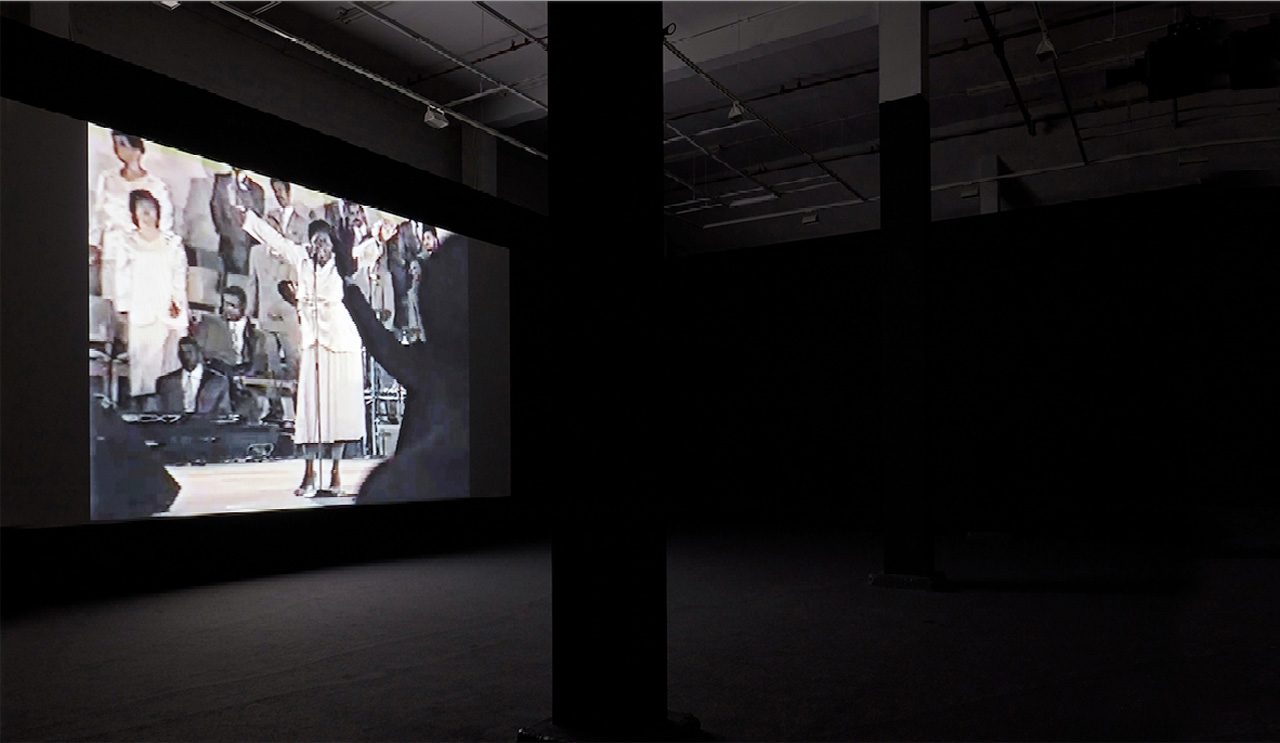
In stark stylistic contrast stands “akingdoncomethas” (2018), a sweeping two-hour compilation of footage gathered from predominantly Black church services across the United States. Beginning with a clip of soul singer turned pastor Al Green performing live on Soul Train, the video utilizes long, cross-fading clips that allow viewers to immerse themselves in the emotional release, music, and kinetic energy of gospel worship. However, Jafa disrupts this space of spiritual transcendence with a haunting three-minute sequence depicting catastrophic California wildfires, set to the soaring voices of a gospel choir. As flames consume homes and horses flee across burning landscapes, Jafa reminds the viewer of his persistent artistic thesis: “I don’t do the uplift thing.”
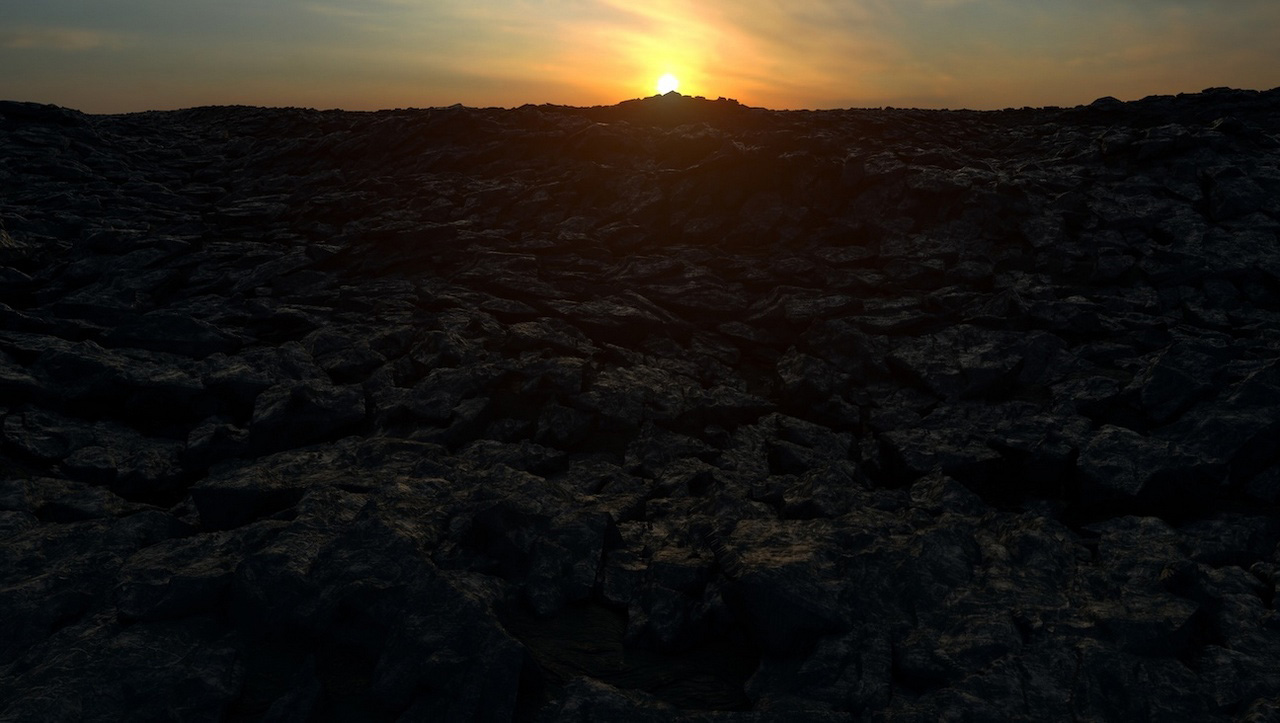
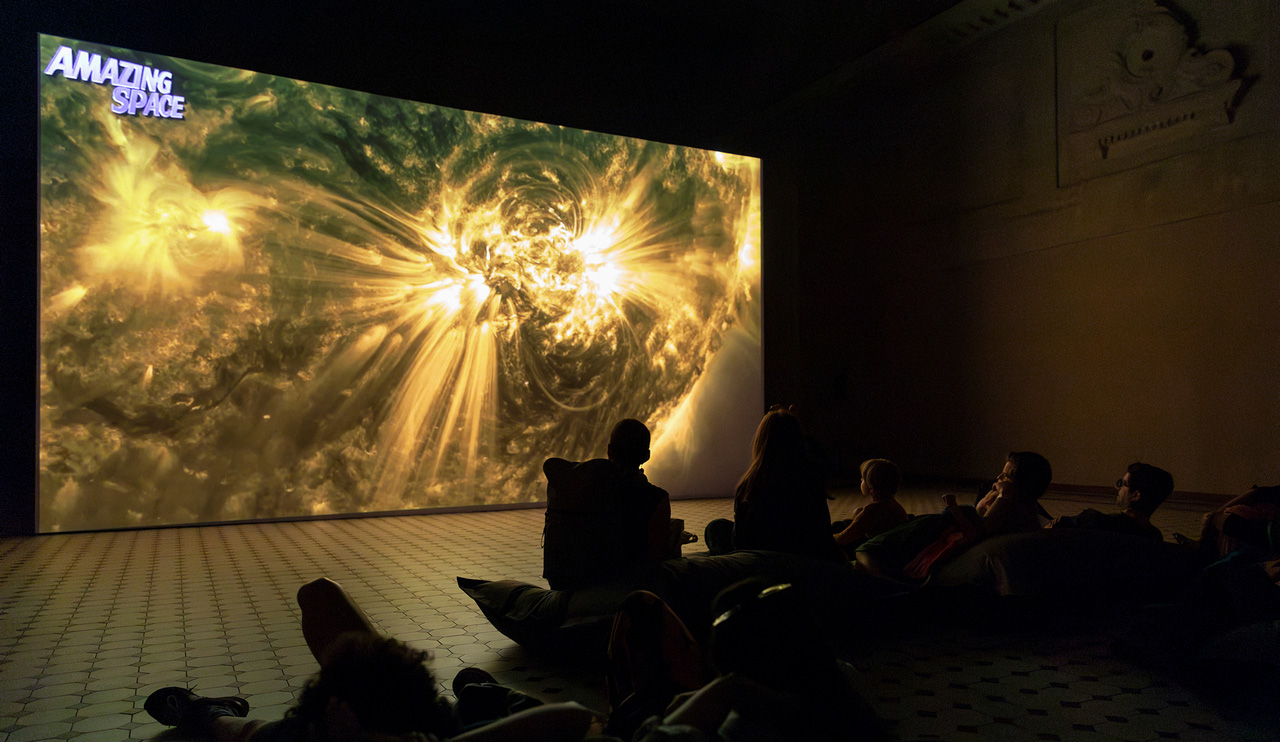
A major highlight of the exhibition is “AGHDRA” (2021), Jafa’s first major work utilizing digital animation rather than found footage. Projected on a massive scale accompanied by deep, reverberating sub-bass and slowed-down 1970s and 80s R&B tracks by Roberta Flack and The Isley Brothers, the installation envelops the viewer in an oceanic landscape of undulating, molten-rock formations. To construct the texture of this digital sea, Jafa cited sources as varied as the cinematic monster Godzilla and the scarred back of Peter (Ex-Slave Gordon). The result is a hypnotic visualization of the sublime—a balance of awe and terror that Jafa once described as “a James Turrell while you’re chained in the bottom of a boat.”
“AGHDRA” directly invokes the Middle Passage, a recurring historical anchor throughout Jafa’s career. Expanding upon ideas formulated in his landmark essay “My Black Death,” Jafa posits that the violent rupture of the transatlantic slave trade destroyed African cultural contexts while simultaneously forcing the emergence of new expressive forms—giving birth to modern Black music and culture. As Jafa famously noted: “In the Middle Passage, in the hole or hold, worlds were broken, but worlds were made as well.”
Arthur Jafa: “I Am Tony” offers an unprecedented opportunity to engage with an artist who has systematically transformed how we perceive, read, and understand the image in contemporary society. By bringing together scrapbooks, tactile reliefs, architectural cutouts, and monumental video works, the New Museum presents a comprehensive testament to Jafa’s ongoing quest to forge a visual language equal to the depth, complexity, and resonance of the Black experience.
Photo: Arthur Jafa, Notebooks, 1980s–2007. Three-ring binders, plastic sleeves, paper, mixed media, dimensions variable. © Arthur Jafa. Courtesy the artist and Gladstone
Info: Curators: Massimiliano Gioni and Gary Carrion-Murayari, Assistant Curator: Calvin Wang, New Museum, New York, 235 Bowery, New York, NY, USA, Duration: 25/6/2026-4/1/2027, Days & Hours: Tue-Wed & Fri-Sun 11:00-18:00, Thu 11:00-21:00, www.newmuseum.org/
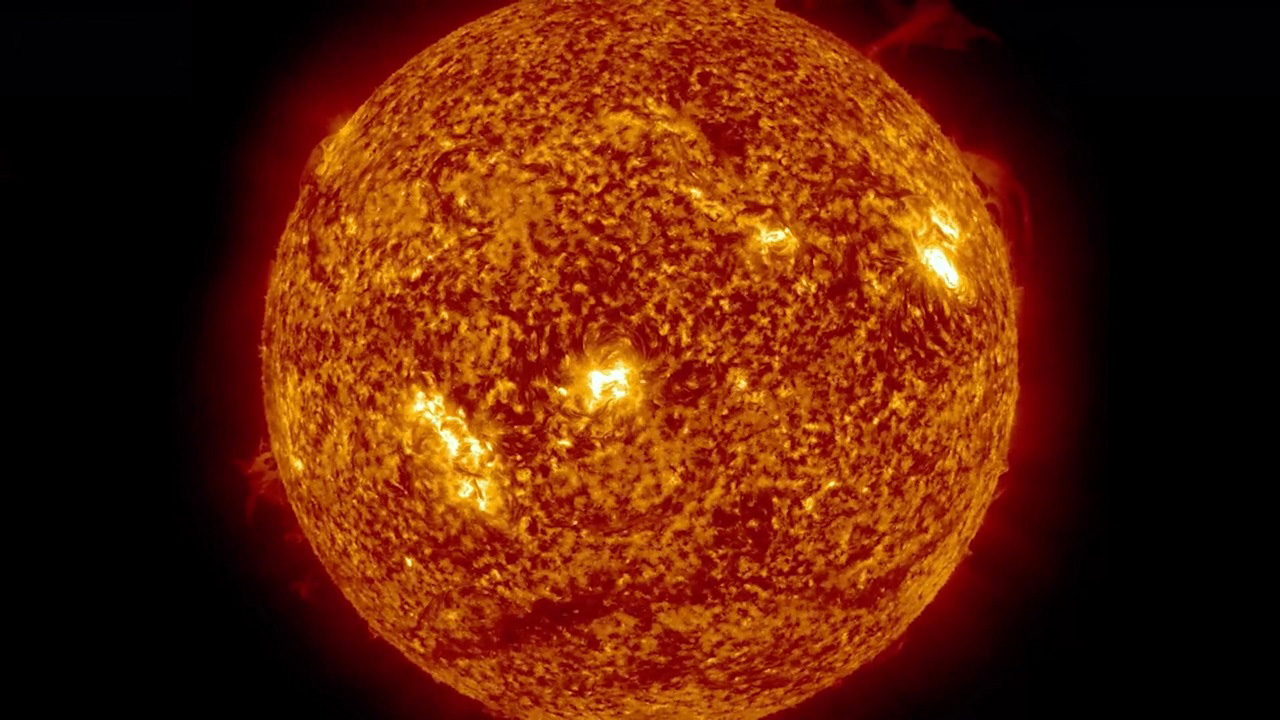
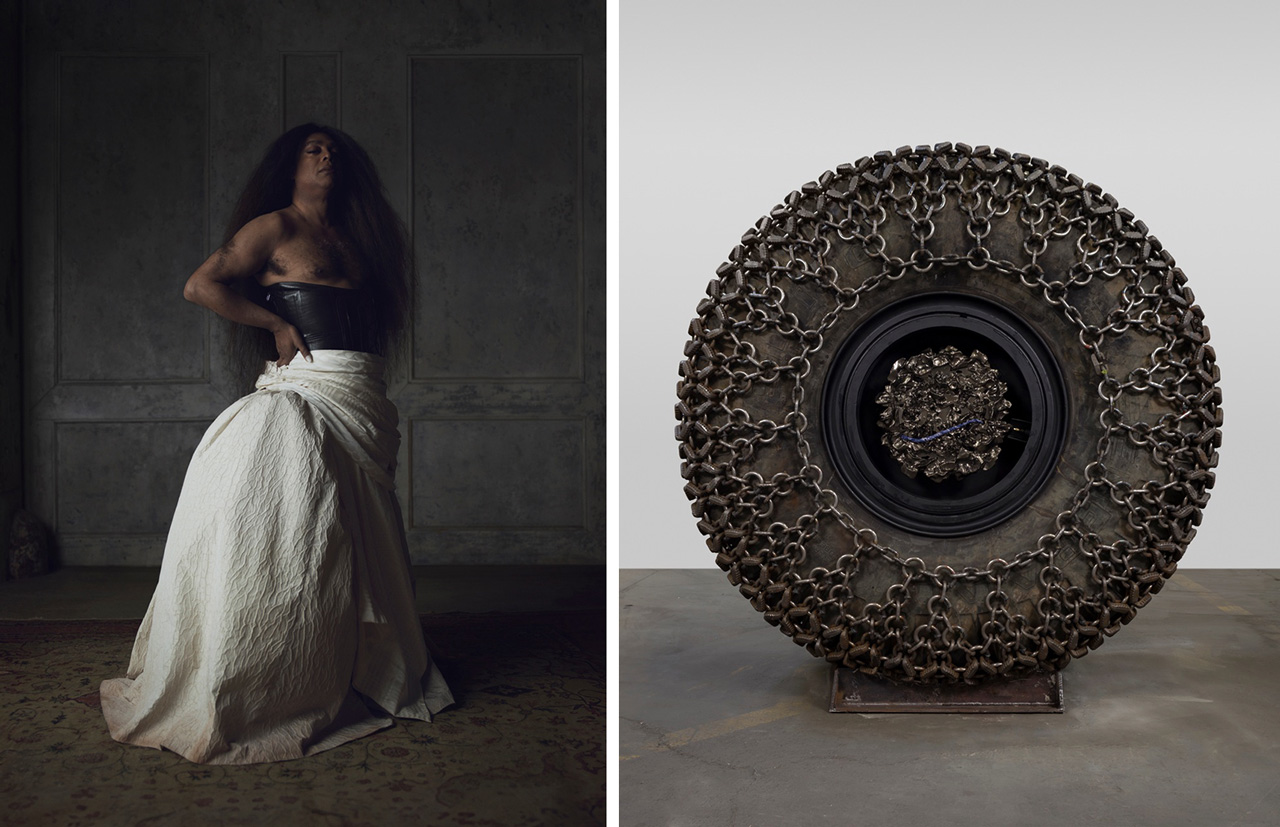
Right: Arthur Jafa, Big Wheel VI, 2018. Chains, rim, hubcap, tire, 101 × 101 × 41 in (256.5 × 256.5 × 104.1 cm). Glenstone Musuem, Potomac, MD. © Arthur Jafa. Courtesy the artist and Gladstone