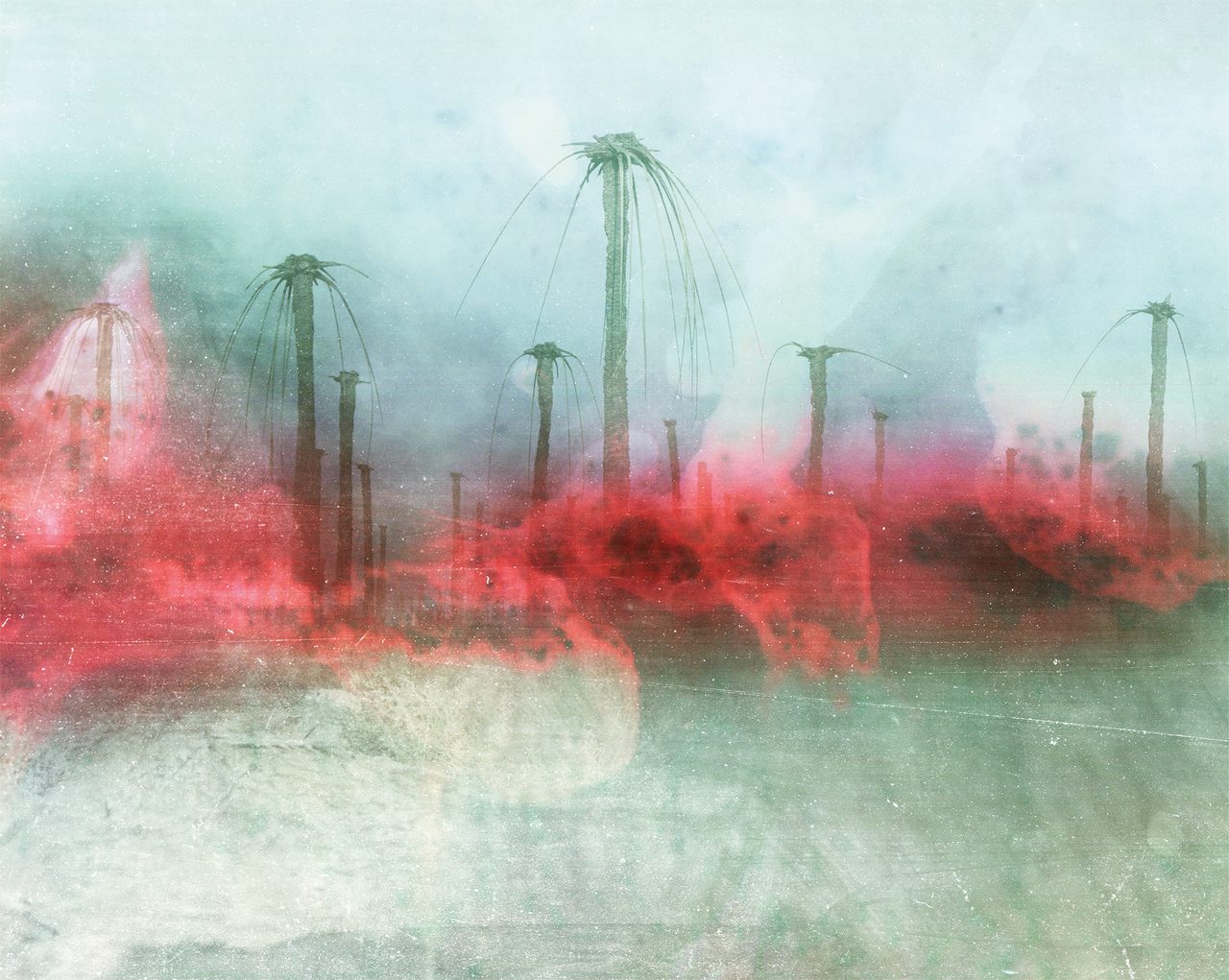
TRIBUTE:What the Land Remembers—Counter-Archives from Iran
The group exhibition “What the Land Remembers” explores the power of moving images to defy official narratives and preserve collective memory in times of repression. At a moment when war, institutionalized terror, and internet blackouts threaten Iran, the urgency to safeguard history has never been greater. This exhibition, two years in the making, presents rarely seen installations, experimental films, and rediscovered tapes that bear witness to the resilience of Iranian artists.
By Dimitris Lempesis
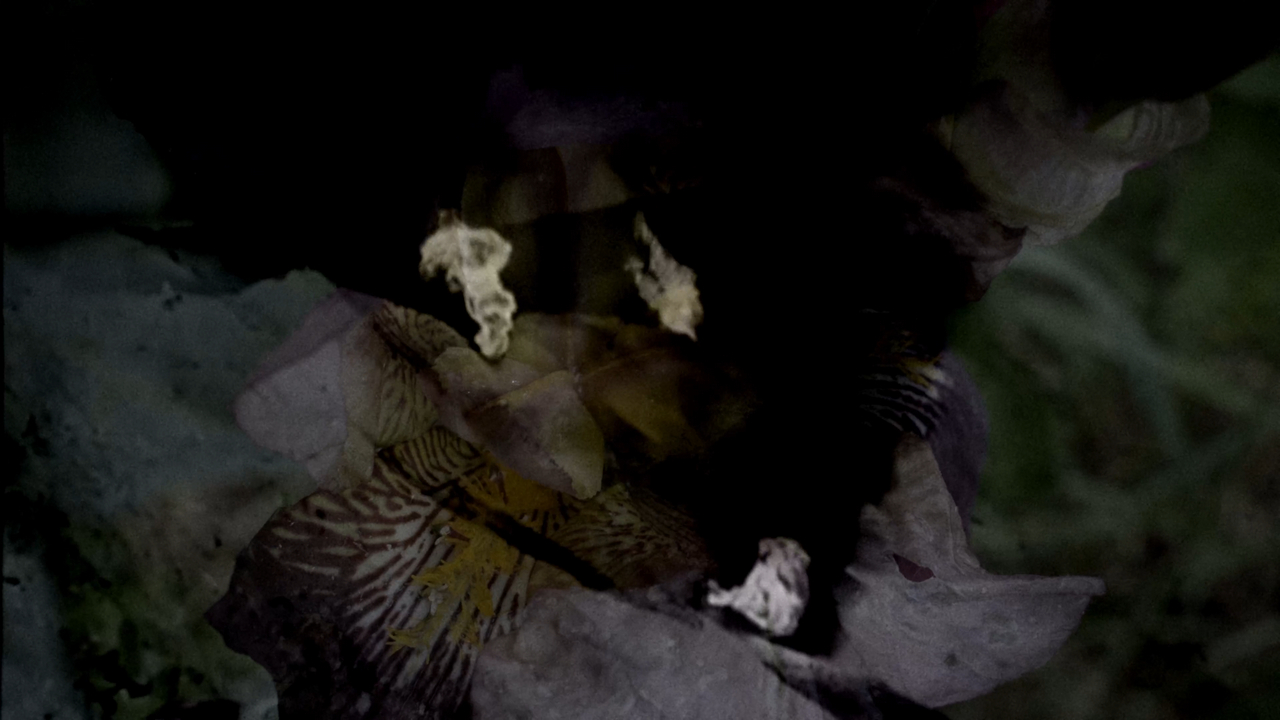
Photo: argos centre for audiovisual arts Archive
At the heart of “What the Land Remembers — Counter-Archives from Iran“ lies the Parking Video Library, an independent counter-archive founded in Tehran in 2004 by artist and curator Amirali Ghasemi. For over two decades, it has preserved a fragile yet essential collection of Iranian and transnational films—documentaries, experimental works, and personal recordings—created under censorship, risk, and scarcity. The archive remains a rare space for education, preservation, and community-building in a country with little institutional support for experimental media.
In the annex space, elements from the archive will be displayed as an evolving installation, featuring documents, posters and objects that highlight the challenges of preserving cultural memory under threat. Due to the ongoing war and communication disruptions in Iran, some items are presented as originals, while others appear as copies or reconstructions—serving as placeholders for memories that once circulated freely but are now at risk of disappearing. The exhibition itself traces the evolution of Iranian artistic production from the 1990s to the present day through two thematic constellations.
Revisit — Early Encounters: This section explores the emergence of Iranian video art from the 1990s to the mid-2000s. This transformative period was shaped by the aftermath of war, limited cultural infrastructures and Iran’s transition from analog to digital. As artists gained access to new tools, they began experimenting with video, installation and digital filmmaking, navigating socio-political constraints and rapid technological change.
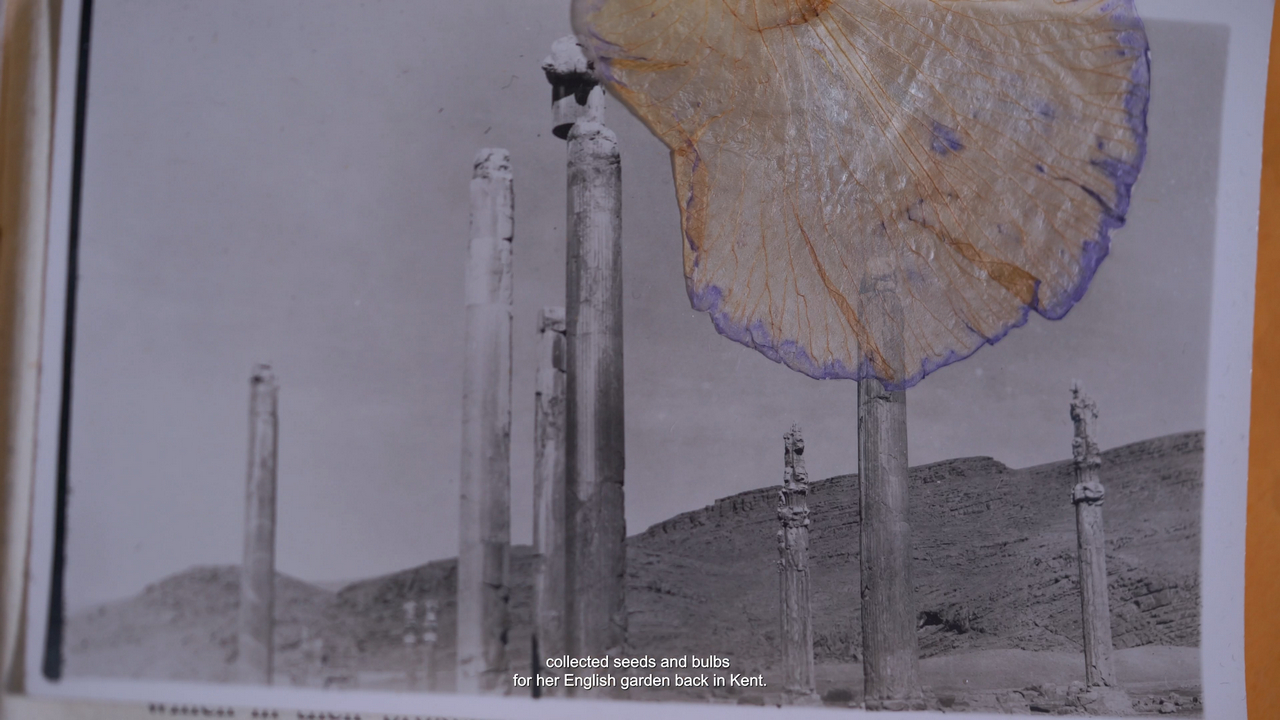
The works presented here reveal the diversity of practices that flourished despite these challenges. Central in “Revisit — Early Encounters” are three early experiments, restaged here in their original form. Sadegh Tirafkan’s “Persepolis” (1998) is the first conceptual video installation shown in Iran. For the installation “Untitled” (2001), Golriz Kolahi projects a meditative Sufi dance onto a bed of salt. And Neda Razavipour’s “The Willow” (2001) is reconstructed here for the first time in 25 years. Although the artists in this section were often trained in disciplines like photography, painting and animation, they all pioneered new approaches to the moving image. Their works bear witness to the resilience of a generation that embraced experimentation as an act of defiance and regeneration, laying the groundwork for contemporary Iranian art.
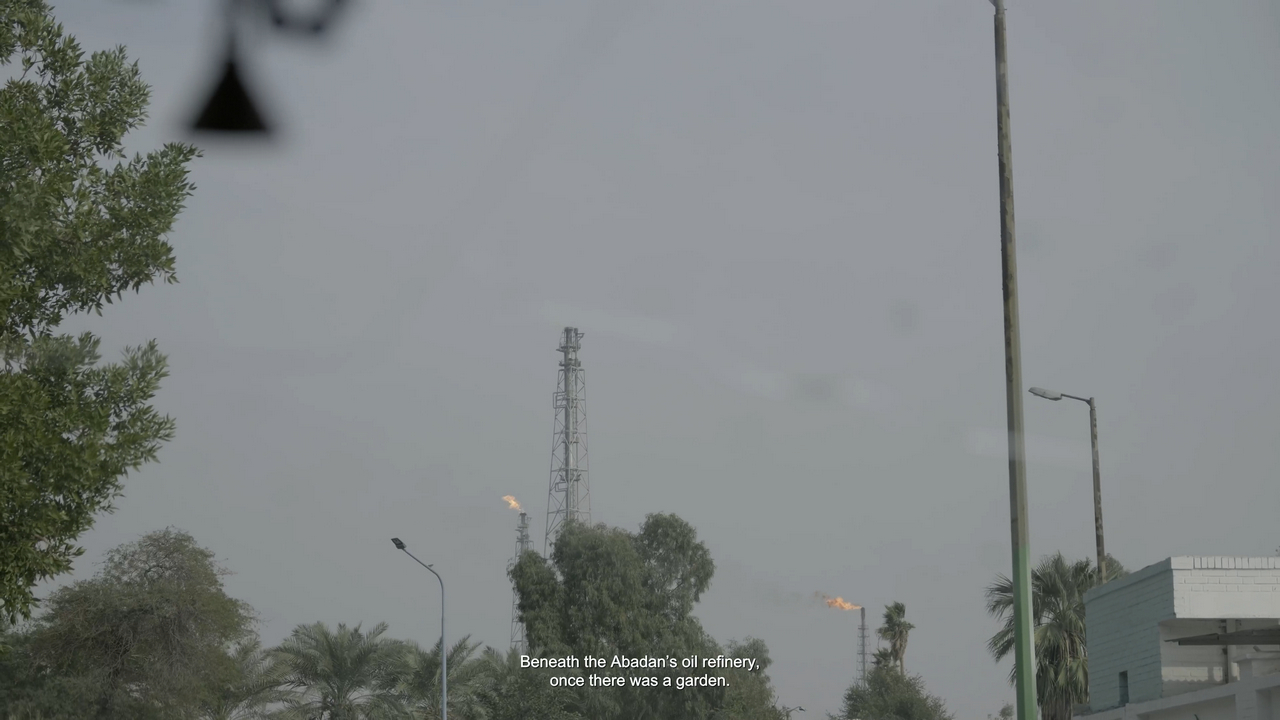
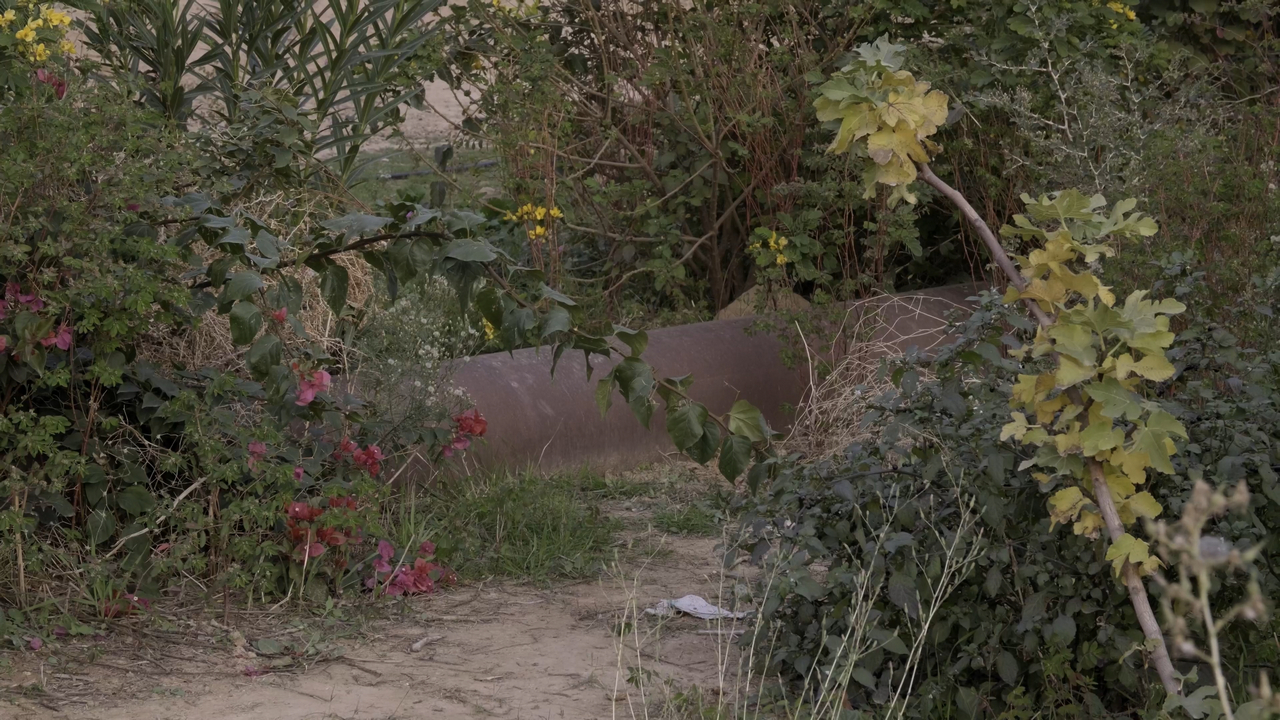
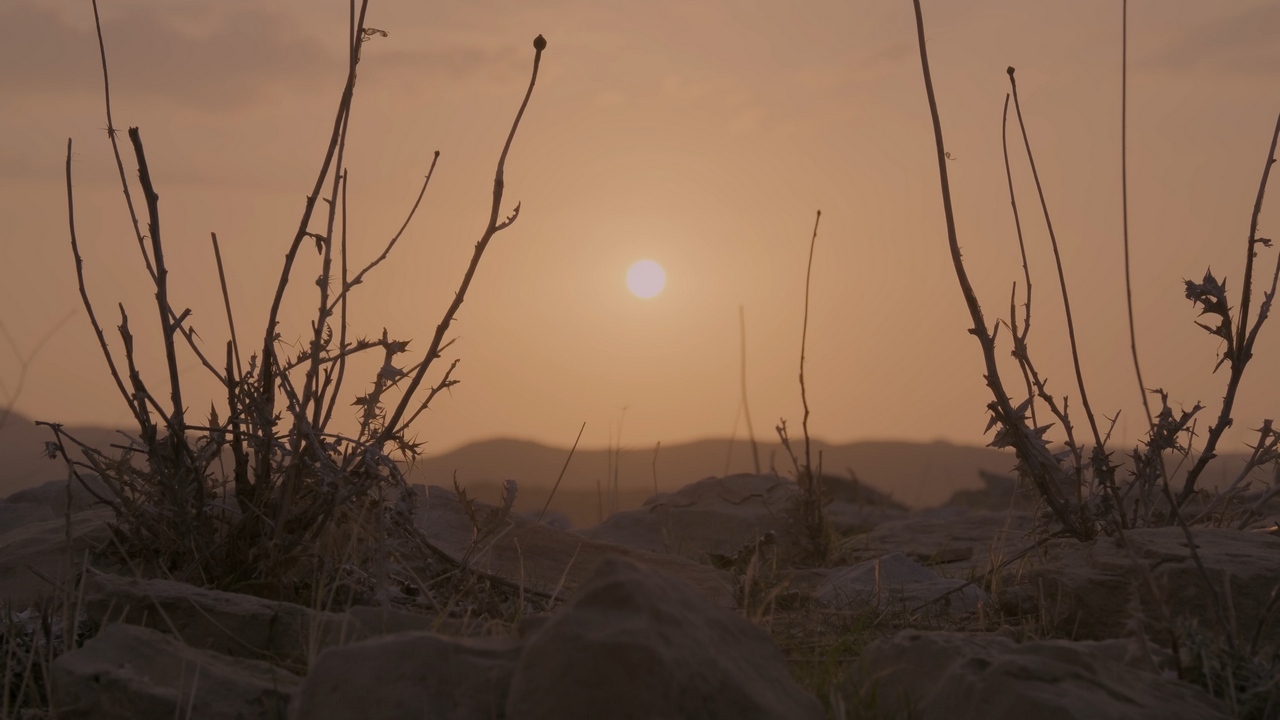
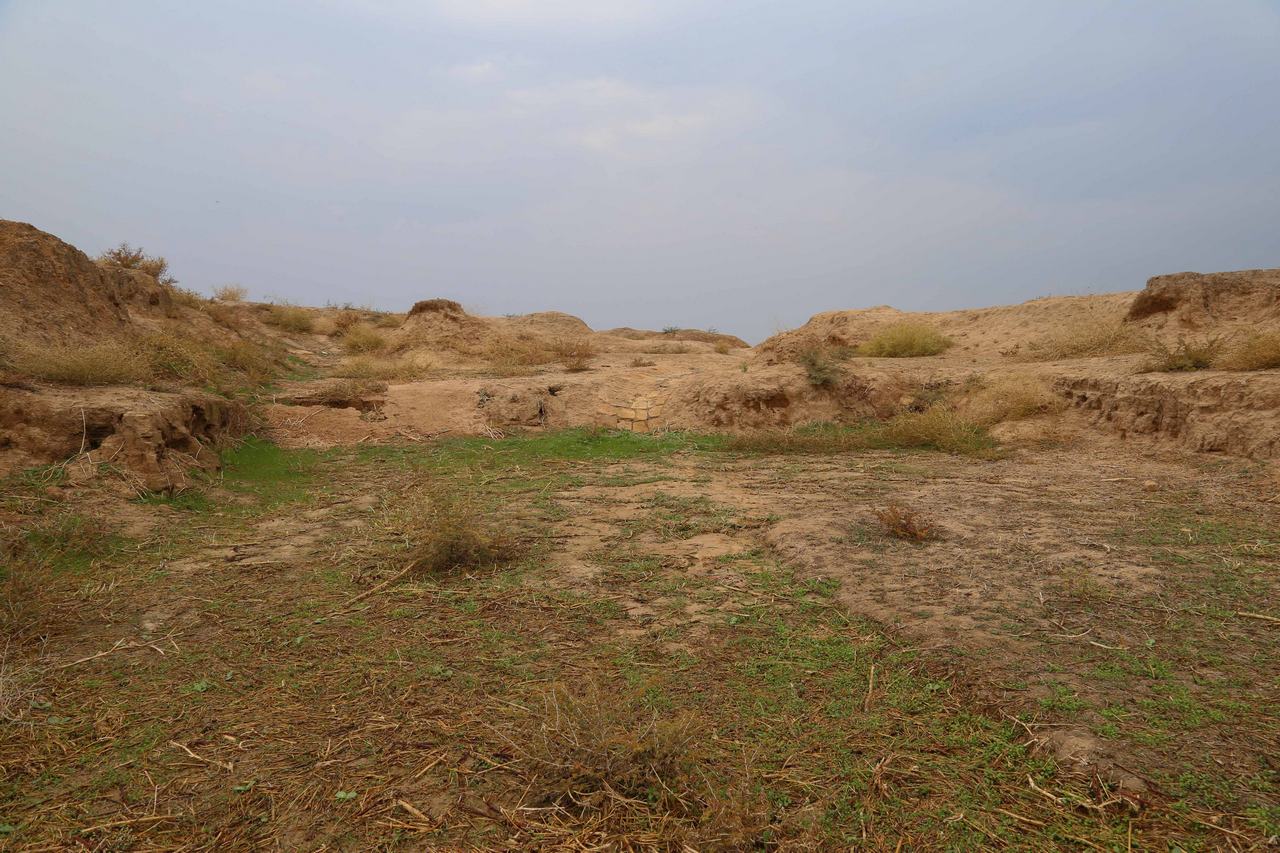
Southwest: This section focuses on southwestern Iran, a land shaped by oil extraction, environmental changes and complex geopolitical histories. The artists shown here engage with this landscape through research-based practices combining text, testimony, photography, sound, maps and moving images.
This region’s history is inseparable from the discovery of oil after the 1901 signing of the D’Arcy concession, which granted the British exclusive rights to prospect for oil in Persia. This initiated decades of resource extraction, profoundly reshaping Iran’s political and economic trajectory. Attempts to nationalize Iran’s oil industry were continuously challenged and halted, most notoriously by the 1953 coup d’état, orchestrated by the United States and the United Kingdom.
The artists presented in this section are connected to this region either through birthplace, residence or ancestral ties. They expose the ecological and social consequences of extraction, war and colonial rule, revealing a landscape that has been both exploited and resilient.
Participating Artists: Sara Abbasnejad, Sana Ahmadizadeh, Ghazel, Mohammad Hassanzadeh, Anahita Hekmat, Minoo Iranpour, Simin Keramati, Mina Keshavarz, Golriz Kolahi, Anahita Norouzi, Neda Razavipour, Sanaz Sohrabi, Morteza Soorani, Sadegh Tirafkan
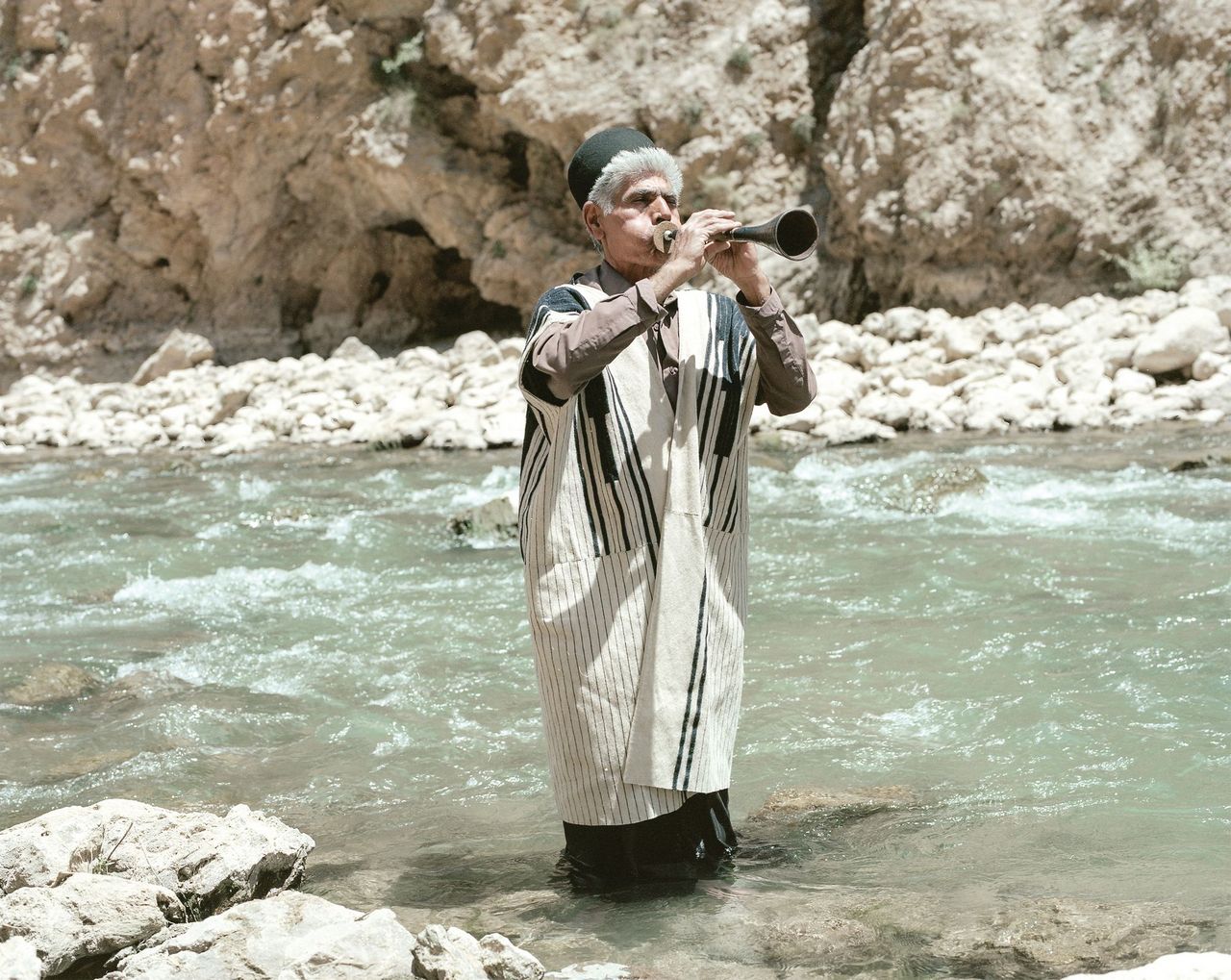
Photo: Anahita Hekmat, © & Courtesy the artist
Info: Curators: Amirali Ghasemi, Maryam Kamal Hedayat, argos centre for audiovisual arts, werfstraat 13 rue du chantier, Brussels, Belgium, Duration: 25/9/2026-21/2/2027, Days & Hours: Tue=Sun 11:00-18:00, https://visit.argosarts.org/