PRESENTATION:Vijay Masharani-Haymakers
Vijay Masharani is an artist and writer based in the Bay Area, CA. He received his MA in Race, Ethnicity, and Postcolonial Studies from University College London in 2022 and attended the Skowhegan School of Painting and Sculpture in 2023. In his studio practice, he makes videos and drawings on an ongoing basis, in a manner resembling life writing. In his critical writing, he comments on art, politics, illness, literature, and race.
By Dimitris Lempesis
Photo: Arcadia Missa Archive
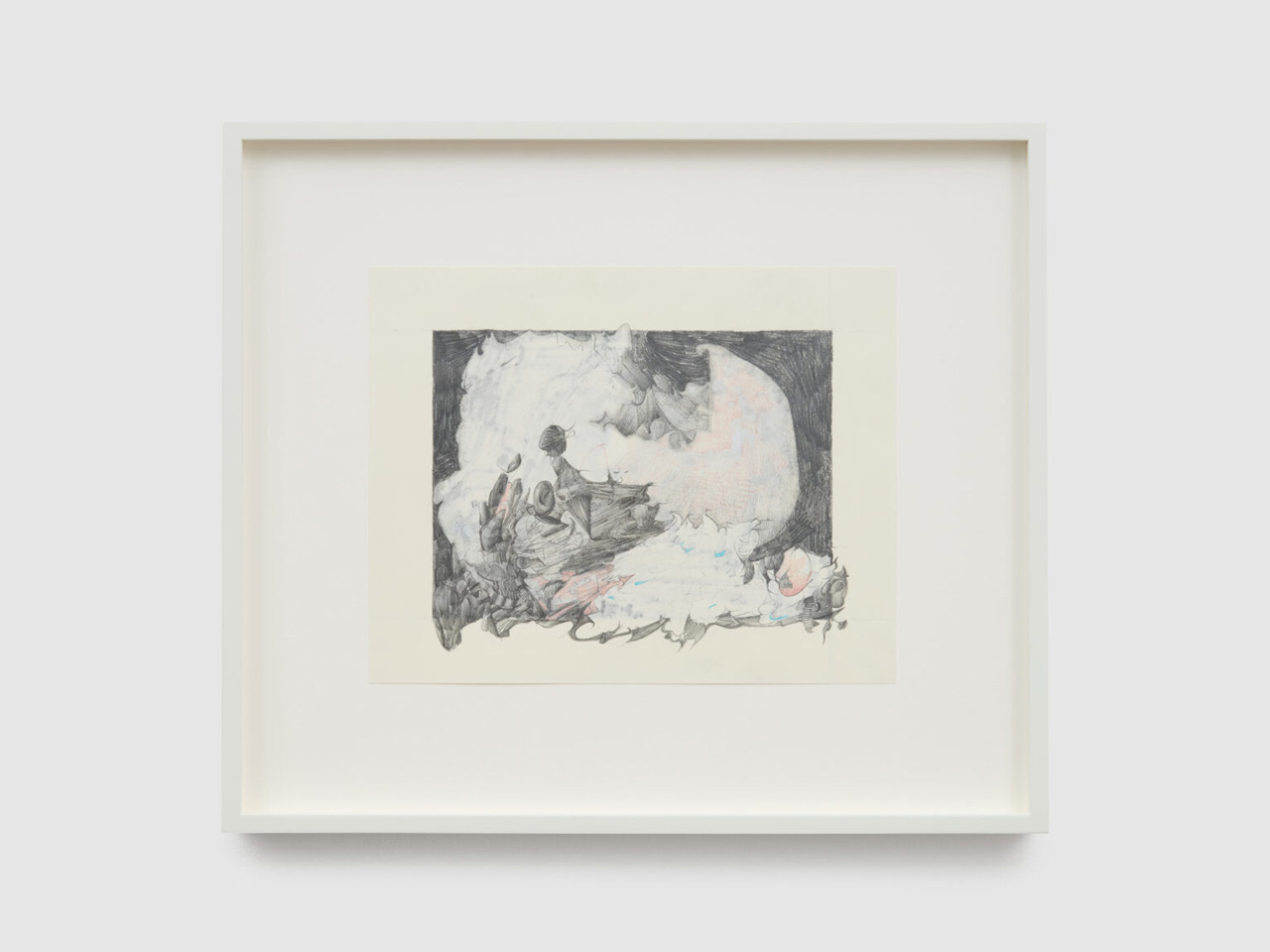
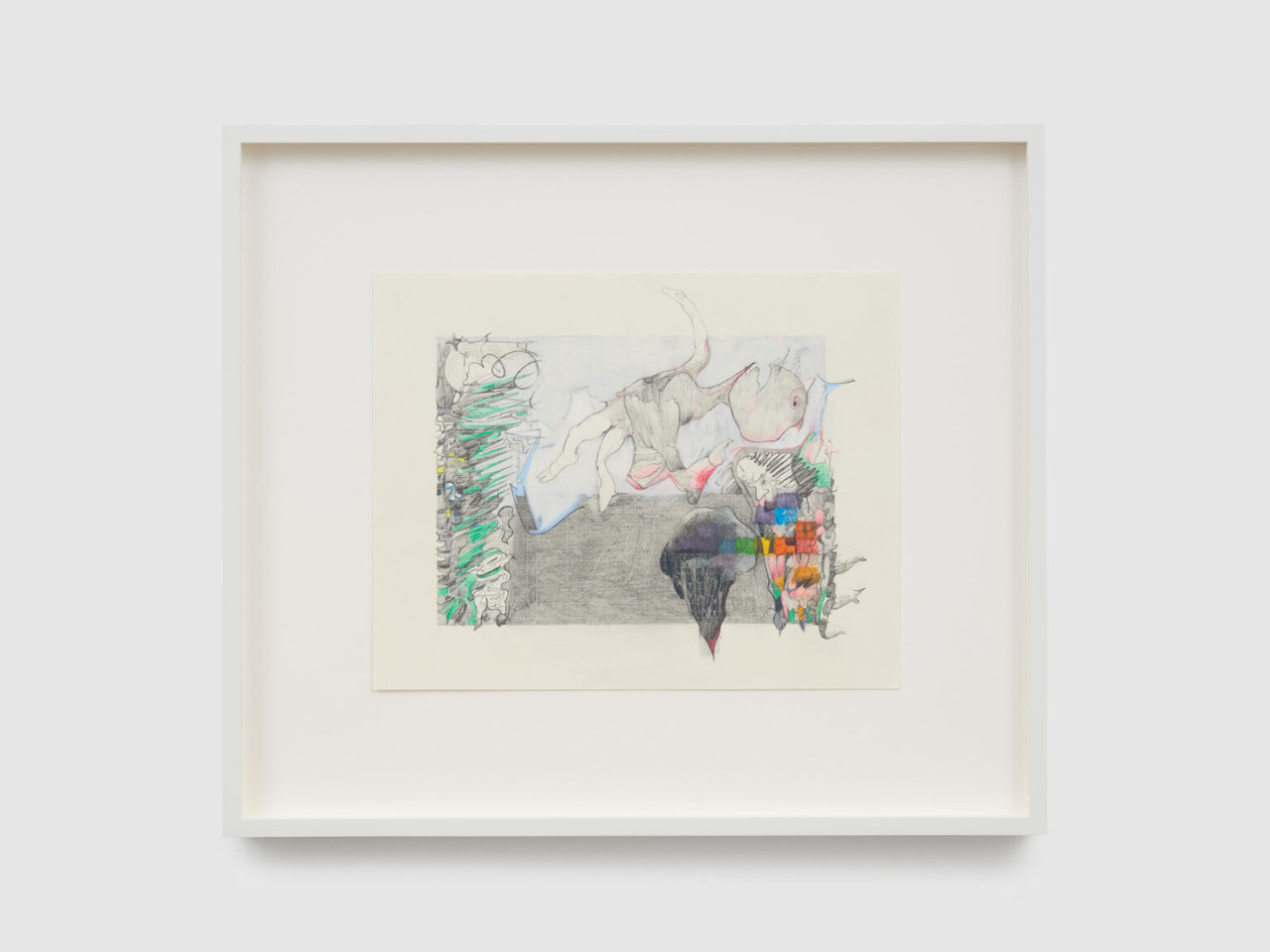
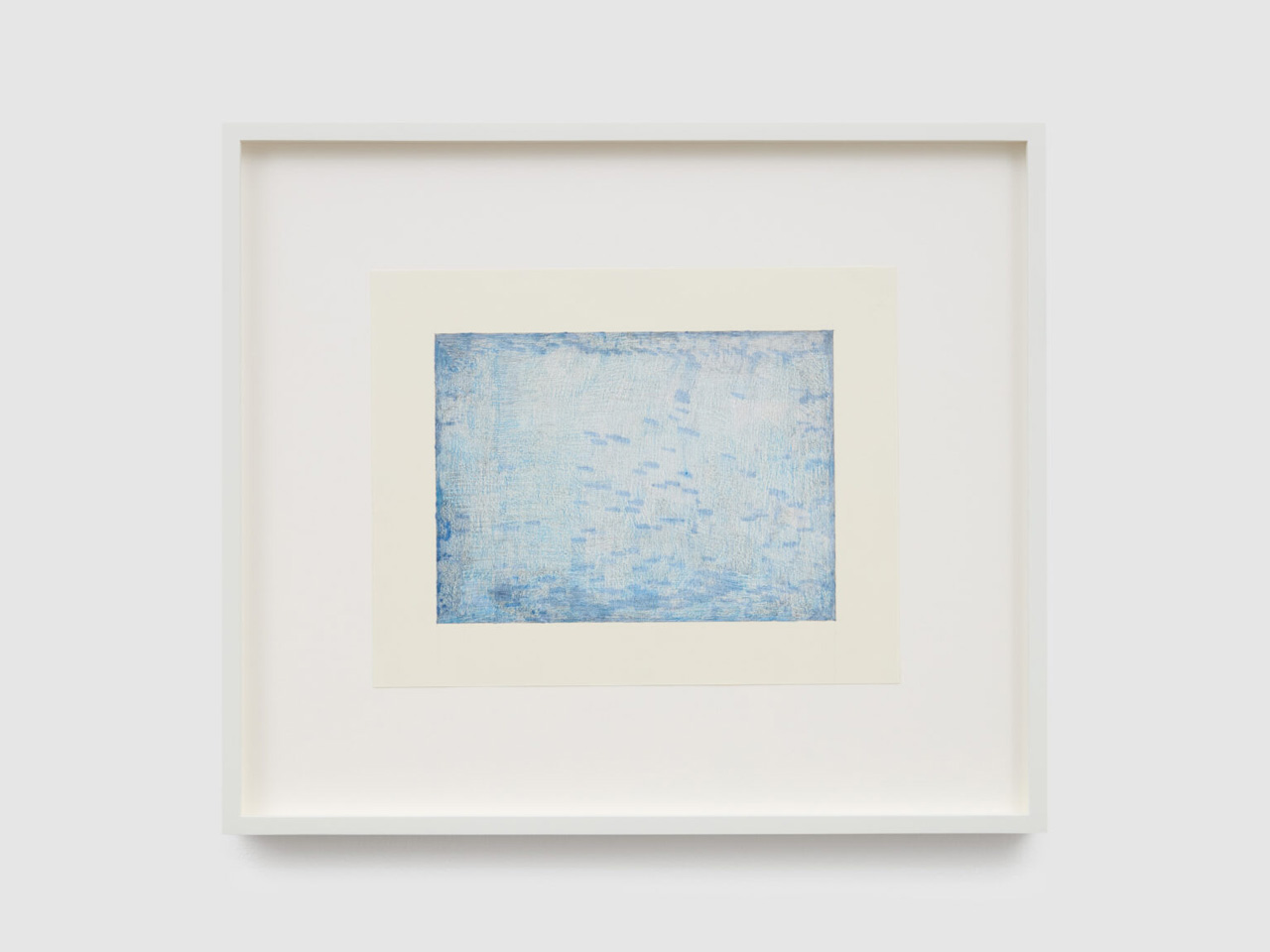
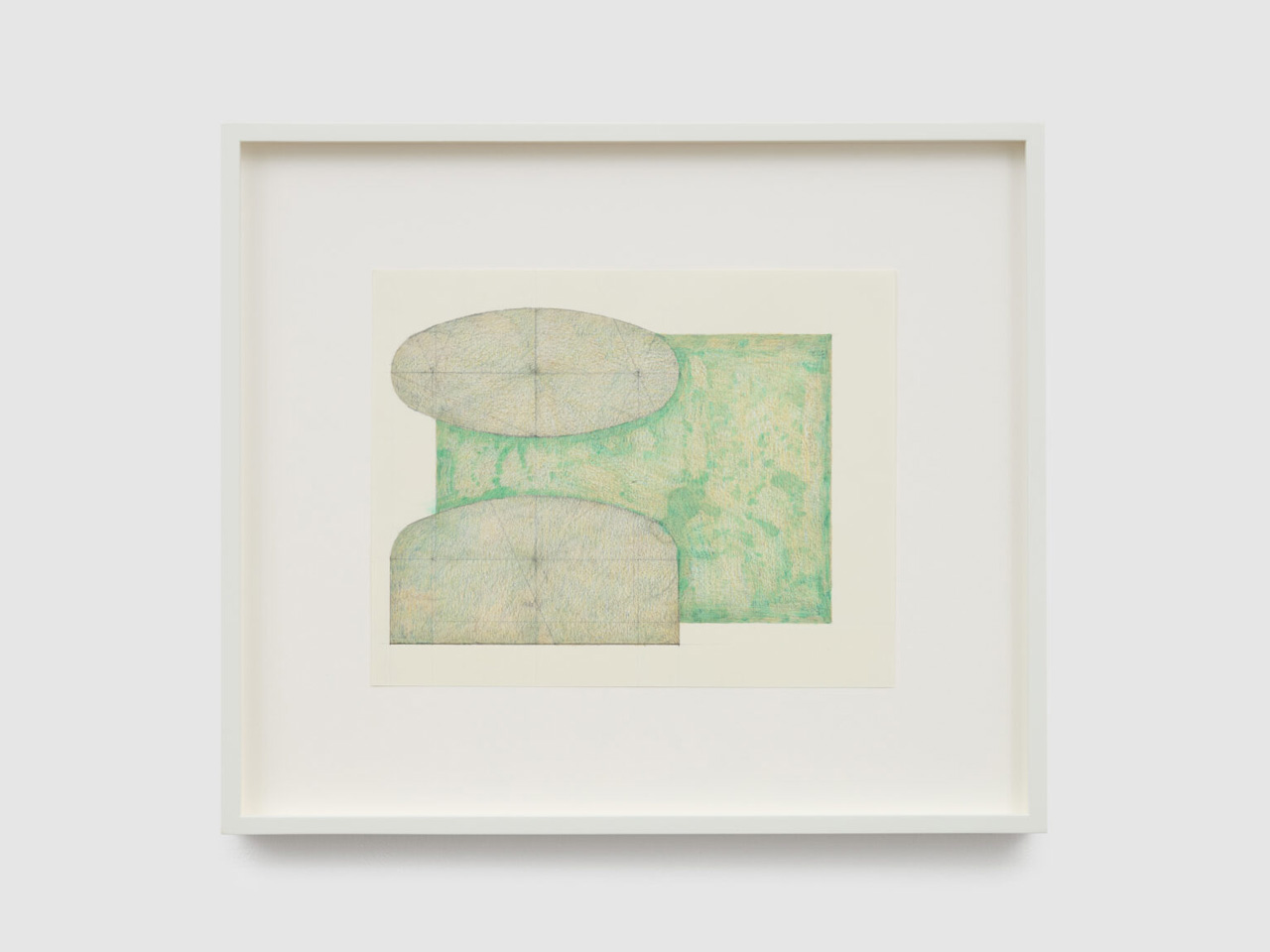
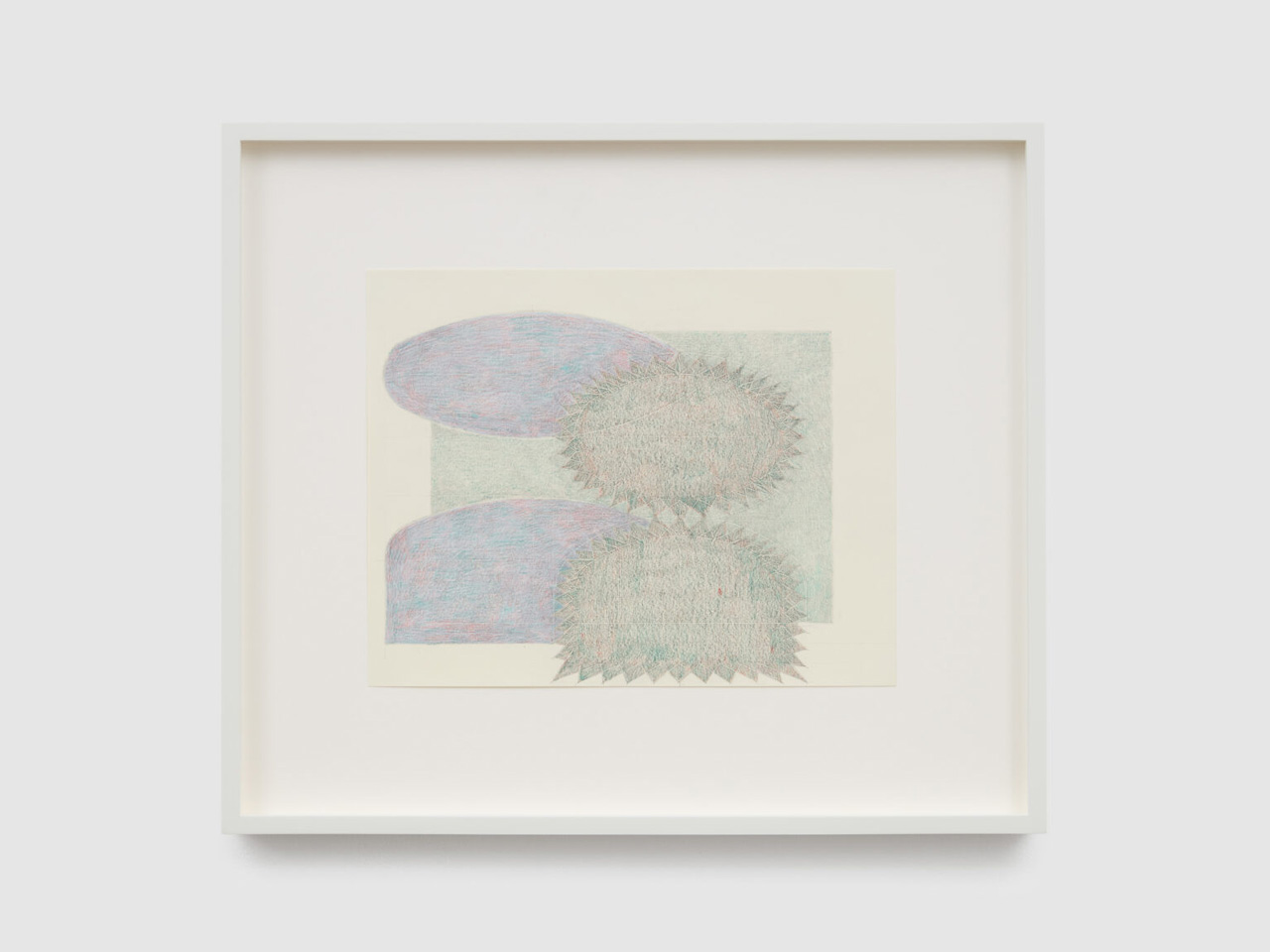
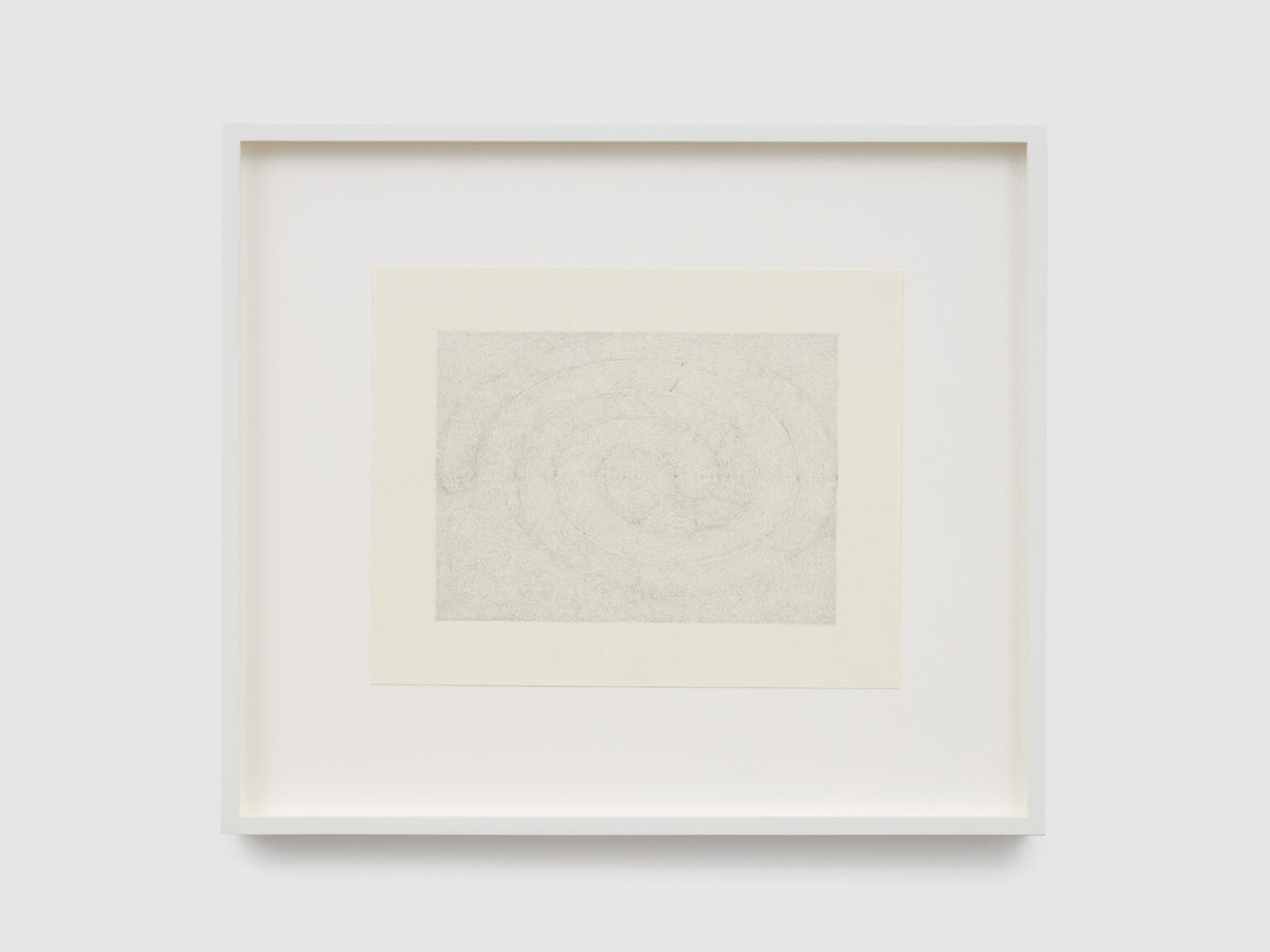
Comprising a suite of intimate, intensely layered works on paper executed in graphite, coloured pencil, conté crayon, marker, laserprint, and collage, Vijay Masharani’s. exhibition “Haymakers” marks an acute meditation on the physical, psychological, and existential dynamics of mark-making. Situated at the intersection of life writing, corporeal vulnerability, and graphic abstraction, Haymakers transforms the white expanse of paper into a site of accounting, tension, and survival.
Masharani, whose practice moves fluidly between experimental video, CAD-derived draftsmanship, and critical prose, has long interrogated how systemic structures—whether technological, linguistic, or medical—shape subjective experience. In “Haymakers”, he turns his focus directly to drawing, framing the act not as an exercise in decorative representation or expressive release, but as a high-stakes confrontation with time, debt, and limits.
In his essay accompanying the exhibition, Masharani describes the fundamental anxiety that haunts the gesture of drawing: “When you first start drawing—and this never fully goes away—each line provokes an experience of groundless terror and freefall, because delimitation has always been a twofold act of accounting and threatening, marking ‘you owe me,’ which confirms ‘or else,’ in sand, clay, or skin.”
This notion of the line as an indelible trace of debt and threat anchors the visual language of the exhibition. For Masharani, every mark inscribes an obligation between the mark-maker and the paper substrate. Where digital video exerts immediate temporal force, drawing performs what the artist calls a “jiu-jitsu move”—converting its apparent stillness and fragility into a insidious power that grafts itself directly onto the cognitive architecture of the viewer. Through dense cross-hatchings, sharp contours, and collaged fragments, the drawn line aims to disrupt transparent reading, contaminating seamless text into cryptic rebuses and hieroglyphs.
A key theoretical pillar of “Haymakers” is Masharani’s critique of the art-historical obsession with depth—the persistent urge to peel back surfaces in search of a hidden, authentic truth. Instead, Masharani advocates for a deep commitment to the surface itself, viewing it as the terrain where the “stranger” enters, inscrutable and miraculous.
This defense of the surface is intimately bound to the artist’s lived experience with illness and institutional care. Having spent significant periods navigating medical environments—often returning directly to software rendering and animation within hours of hospital discharge—Masharani refuses to frame art as a pristine sanctuary or an alibi of innocence. Instead, artwork functions as an extension of trial-and-error, an all-terrain vehicle built to navigate cognitive deserts and “prairie madness.”
The individual works in the exhibitiom mostly presented in uniform framed dimensions (34.5 x 39.5 cm and 50 x 40 cm), operate as compact arenas of material friction:
“Scammer” (2026): A intricate multi-media work combining graphite, conté crayon, laserprint, marker, and paper collage. The piece juxtaposes mechanical print texture with manual, erratic strokes, evoking themes of deceit, digital circulation, and identity. “Haymaker” (2026): The title work features concentrated graphite and marker lines that sweep across the sheet, echoing the kinetic force and sudden impact of its boxing namesake. “Hospital scene 2” (2026): Utilizing delicate coloured pencil and graphite, the composition hints at clinical architectures, monitoring devices, and the quiet isolation of convalescence.
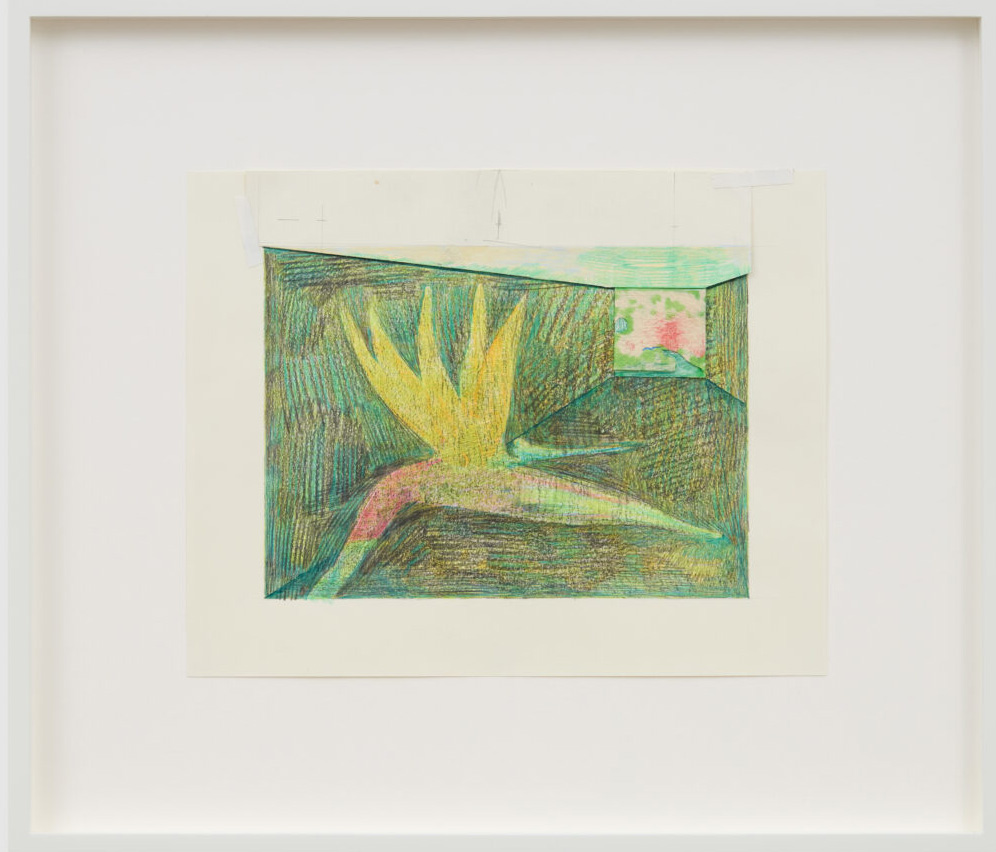
“Clinging Clot” (2026): A deeply visceral drawing in conté crayon, marker, and graphite that probes hematological forms and bodily stasis, transforming biological vulnerability into graphic power. “Bird of Paradise” (2026) & “Falcon” (2026): Iconic biological motifs disrupted by geometric interruptions and sharp tonal contrasts, testing the boundaries between natural form and synthetic containment. “Africa” (2026) & “Spiral” (2026): Stripped-down monochromatic graphite studies that focus intensely on paper grain, pressure, and the rhythmic accumulation of tone.
Rather than offering linear narrative or resolved conclusions, the drawings in “Haymakers “capture states of ongoing endurance. They demonstrate how mark-making can record the friction of living through constraint, offering not a map of progress, but a vital tool for orientation.
Photo: Vijay Masharani, Bird of Paradise, 2026, Graphite, coloured pencil, marker and collage on paper, framed, 34.5 x 39.5 x 3 cm (13 5/8 x 15 1/2 x 1 1/8 inches), © Vijay Masharani, Cortesy the artist and Arcadia Missa Gallery
Info: Arcadia Missa Gallery, 35 Duke Street, London, United Kingdom, Duration: 25/9-29/10/2026, Days & Hours: Tue-Sat 10:00-18:00, https://arcadiamissa.com/