ART CITIES:London-This Is Still Not a Pipe, The Afterlife of Magritte
René Magritte was a Belgian Surrealist whose enigmatic paintings transformed ordinary objects into unsettling visual paradoxes. Through precise, dreamlike imagery, he questioned perception, language, identity, and the relationship between images and reality. Famous for works such as “The Treachery of Images” and “The Son of Man”, Magritte developed a distinctive artistic language that continues to influence contemporary art, visual culture, advertising, and popular imagination.
By Efi MIchalarou
Photo: Gagosian Archive
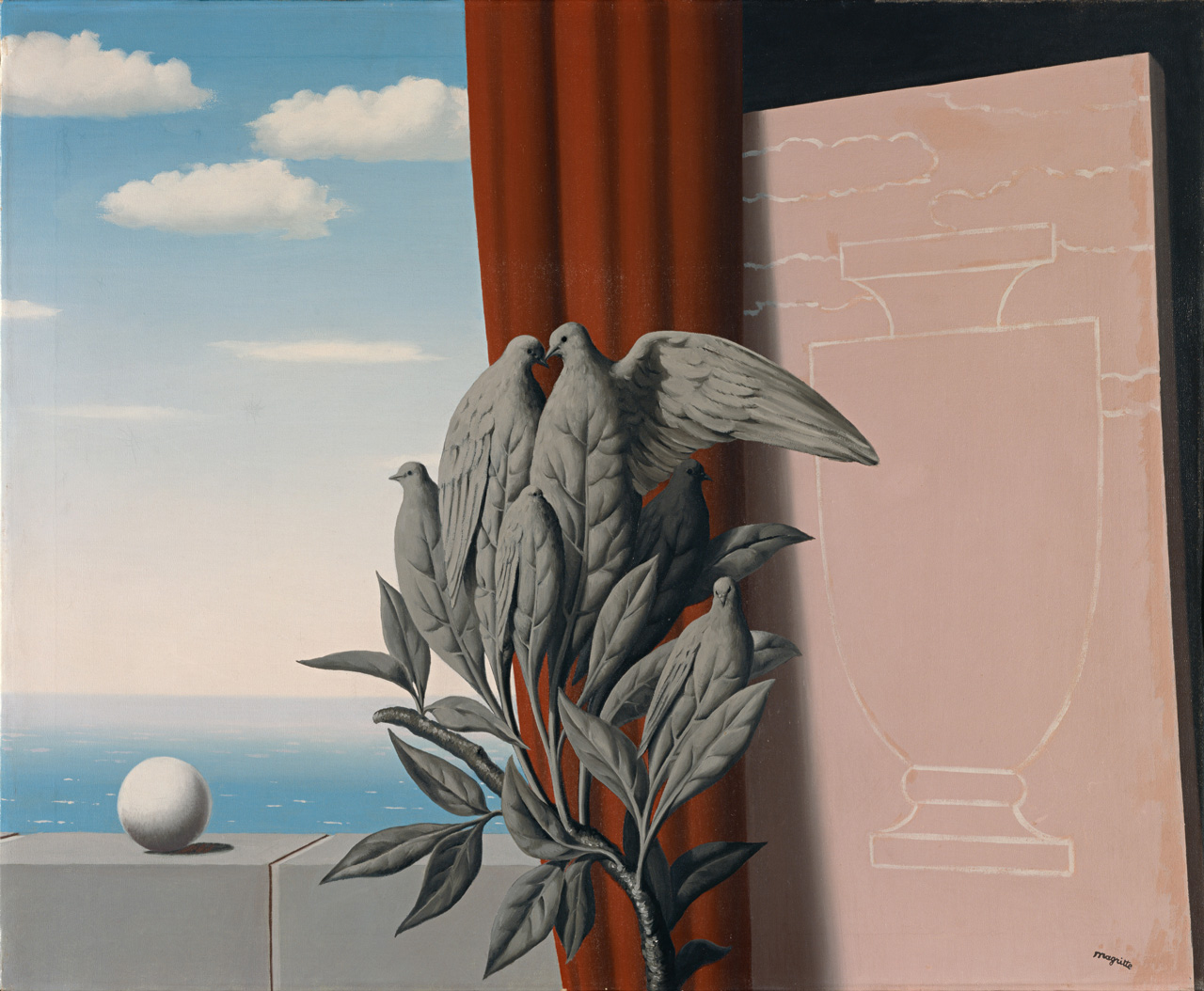
The exhibition “This Is Still Not a Pipe: The Afterlife of Magritte” examines the René Magritte’s legacy through significant paintings, works on paper, and sculpture from all periods of his career. Featuring loans from museums and private collectors, these include some of his best-known subjects, from apples and pipes to bowler hats and cotton-cloud skies. They are juxtaposed with works by more than forty artists of different generations, many of which have been created specifically for the exhibition, in a striking installation inspired by the iconic and paradoxical aspects of Magritte’s practice.
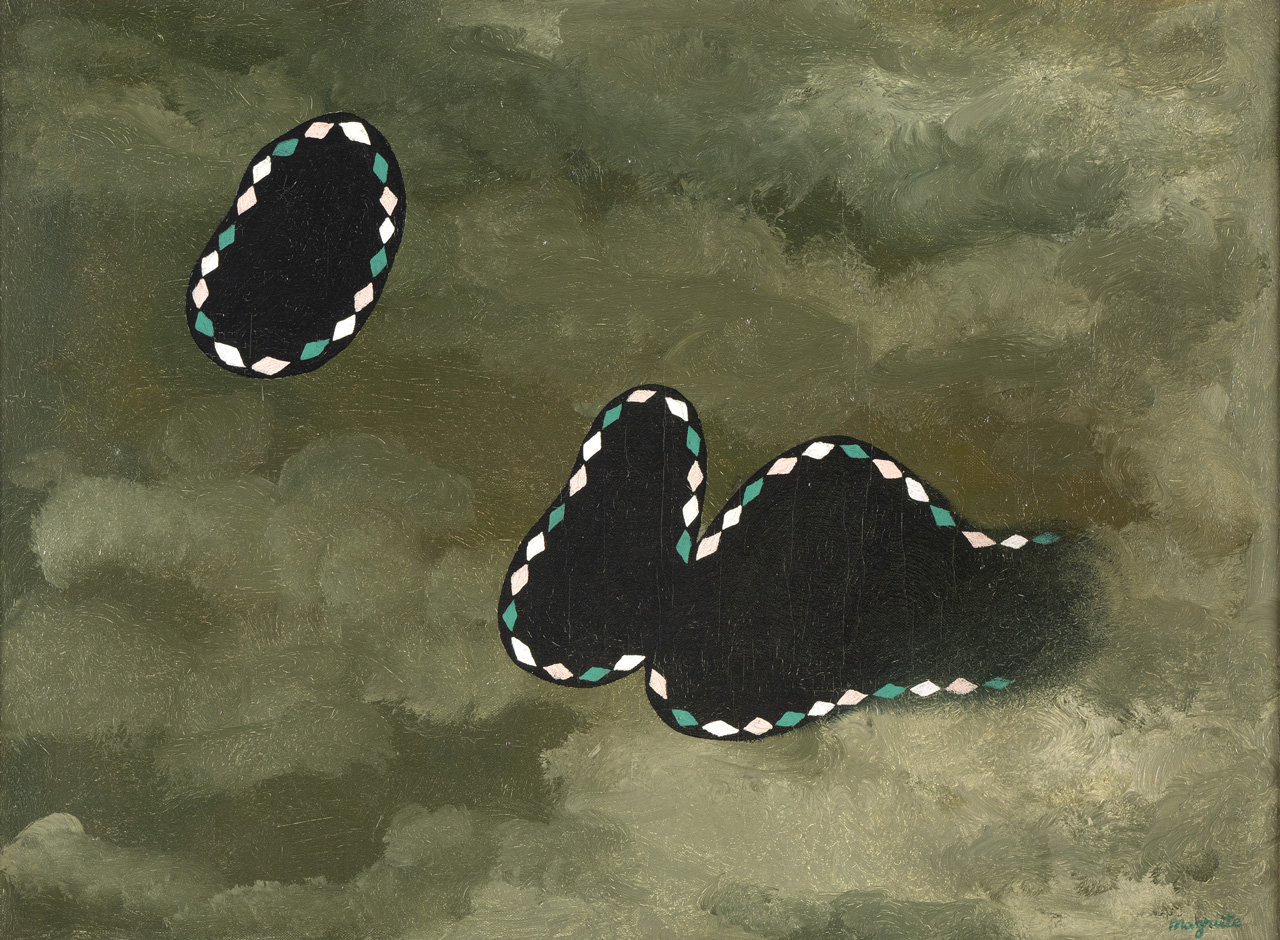
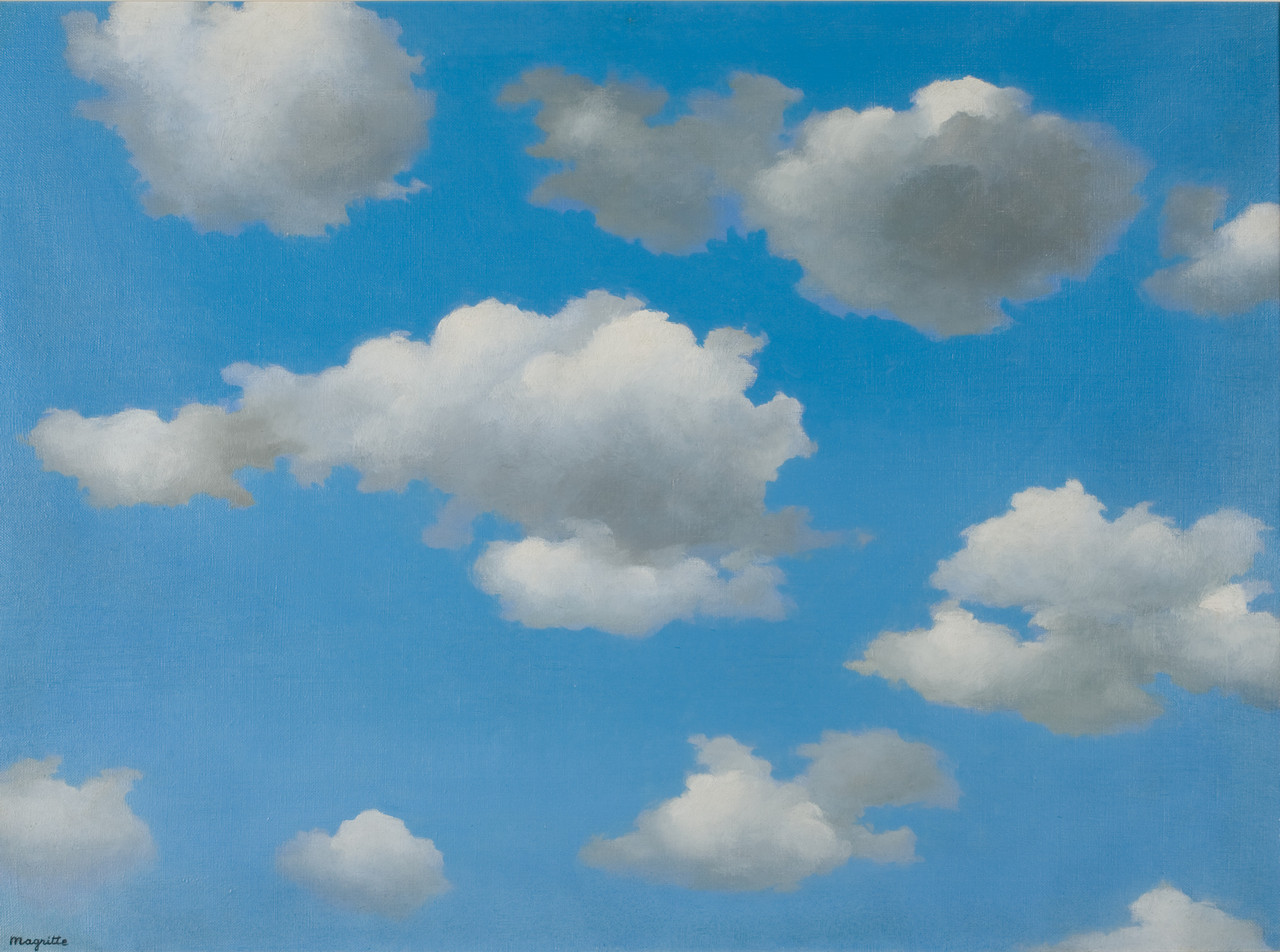
The exhibition’s earliest painting, “Les Fleurs du voyage” (1926), is a symbol-laden landscape included in Magritte’s debut one-person exhibition at Galerie Le Centaure, Brussels, in 1927. Painted only a few weeks after his arrival in Paris, “L’Ombre céleste| (1927) was featured in the legendary exhibition |Fantastic Art, Dada, Surrealism” at the MoMA in 1936–37. “Le Parfum de l’abîme” (1928) was first owned by André Breton, founder of the Surrealist movement. “La Malédiction” (1931) is the artist’s earliest single-panel canvas solely of a cloud-filled sky.
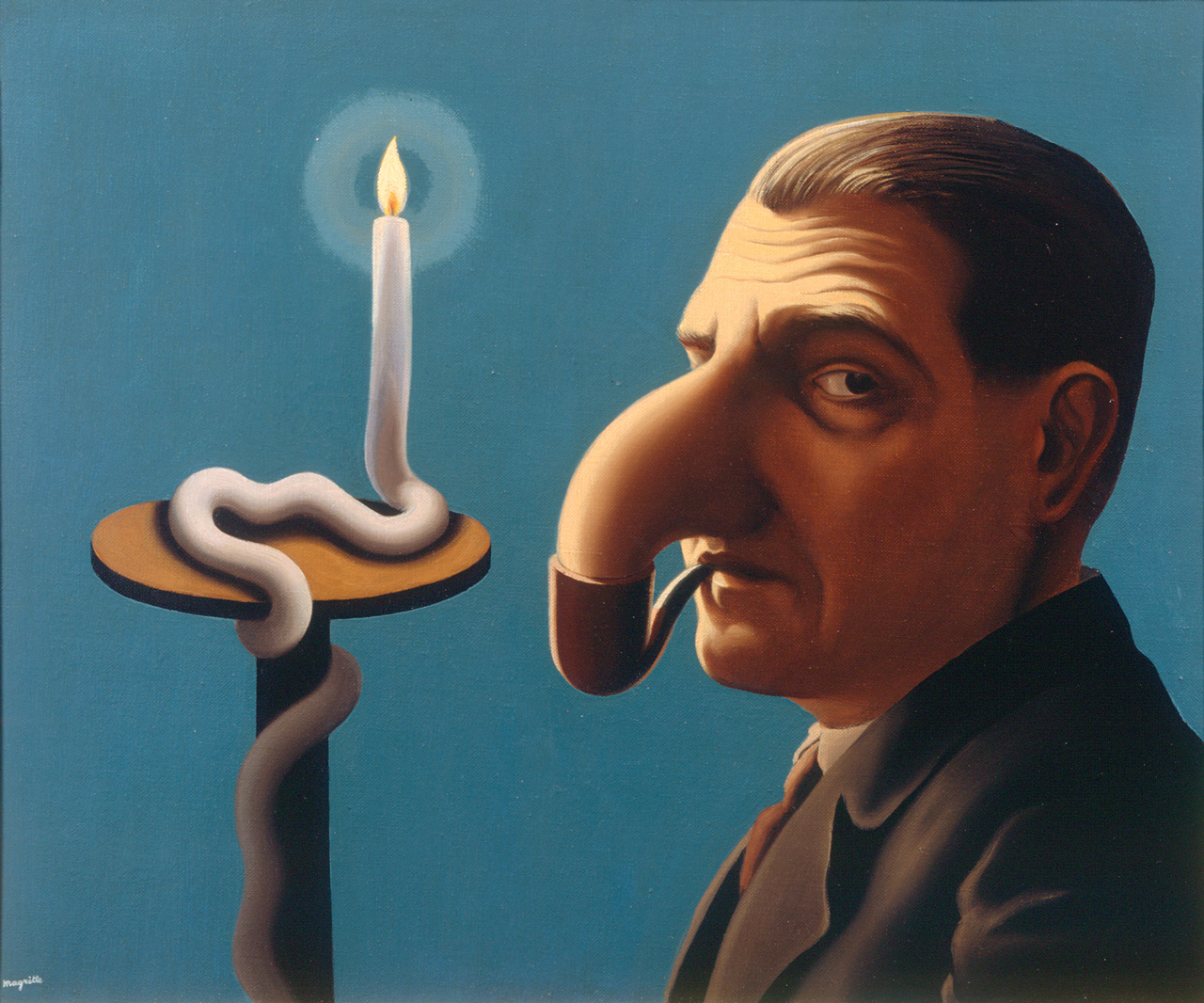
“La Clef des songes” (1935) was painted for Magritte’s first solo exhibition in the United States, held at Julien Levy Gallery, New York, in 1936. Widely understood as a conceptual self-portrait, “La Lampe philosophique” (1936) epitomizes Magritte’s pictorial explorations of paradox and introspection. The painting was included in “Magritte and Contemporary Art: The Treachery of Images (Los Angeles County Museum of Art, 2006–07) and was made shortly before the landmark 1936 International Surrealist Exhibition at the New Burlington Galleries, London, a short walk from the Grosvenor Hill gallery.
“La Marche triomphale” (1948) is one of three paintings in the exhibition from the artist’s provocative vache period, a short-lived style characterized by brash colors and intentionally crude forms. “La Trahison des images. Ceci continue de ne pas être une pipe (1952) depicts one of Magritte’s most iconic subjects, and updates the famous text. :L’Empire des lumières” (1961), loaned by the Heidi Horten Collection, Vienna, is the final painting in the series of landscapes in which day and night coexist, and the only one to feature a bowler-hatted figure silhouetted against the sky.
Participating contemporary artists include: Isabelle Albuquerque, Harold Ancart, Nairy Baghramian, Matthew Barney, Sula Bermúdez-Silverman, Maurizio Cattelan, Vija Celmins, Talia Chetrit, George Condo, Michael Craig-Martin, John Currin, Alex Da Corte, Dominique Fung, Lenz Geerk, Robert Gober, David Hammons, Rachel Harrison, Mona Hatoum, Allison Katz, Jeff Koons, Sean Landers, Charles LeDray, Glenn Ligon, Sarah Lucas, Victor Man, Soshiro Matsubara, Adam McEwen, Bennett Miller, Jill Mulleady, Yoko Ono, Laura Owens, Charles Ray, Giangiacomo Rossetti, Ed Ruscha, Betye Saar, Dana Schutz, Ricky Swallow, Pol Taburet, Kazuna Taguchi, Mark Tansey, Georges Thiry, Anna Weyant, Jordan Wolfson, Issy Wood, Joanna Woś, and Joseph Yaeger.
Historical works by Celmins, Ono, Ruscha, and Saar were all made during Magritte’s lifetime, demonstrating the range of his influence in the postwar era. Saar—who passed away at ninety-nine during the exhibition’s final planning stages—is the only nonliving contemporary artist included. Many other works are being shown for the first time, including new paintings by Ancart, Geerk, Katz, Mulleady, Rossetti, Schutz, Taburet, Weyant, Woś, and Yaeger; sculptures and objects by Albuquerque, Da Corte, Fung, and Matsubara; and photography by Taguchi.
Photo: René Magritte, La Lampe philosophique (The Philosopher’s Lamp), 1936, Oil on canvas, 19 3/4 x 26 inches (50 x 66 cm), © 2026 C. Herscovici/Artists Rights Society (ARS), New York, Courtesy Private Collection, Brussels, Kingdom of Belgium
Info: Curators: Jasper Sharp and Bernard Lagrange, Gagosian, 20 Grosvenor Hill, London, United Kingdom, Duration: 24/9-12/12/2026, Days & Hours: Tue-Sat 10:00-18:00, https://gagosian.com/
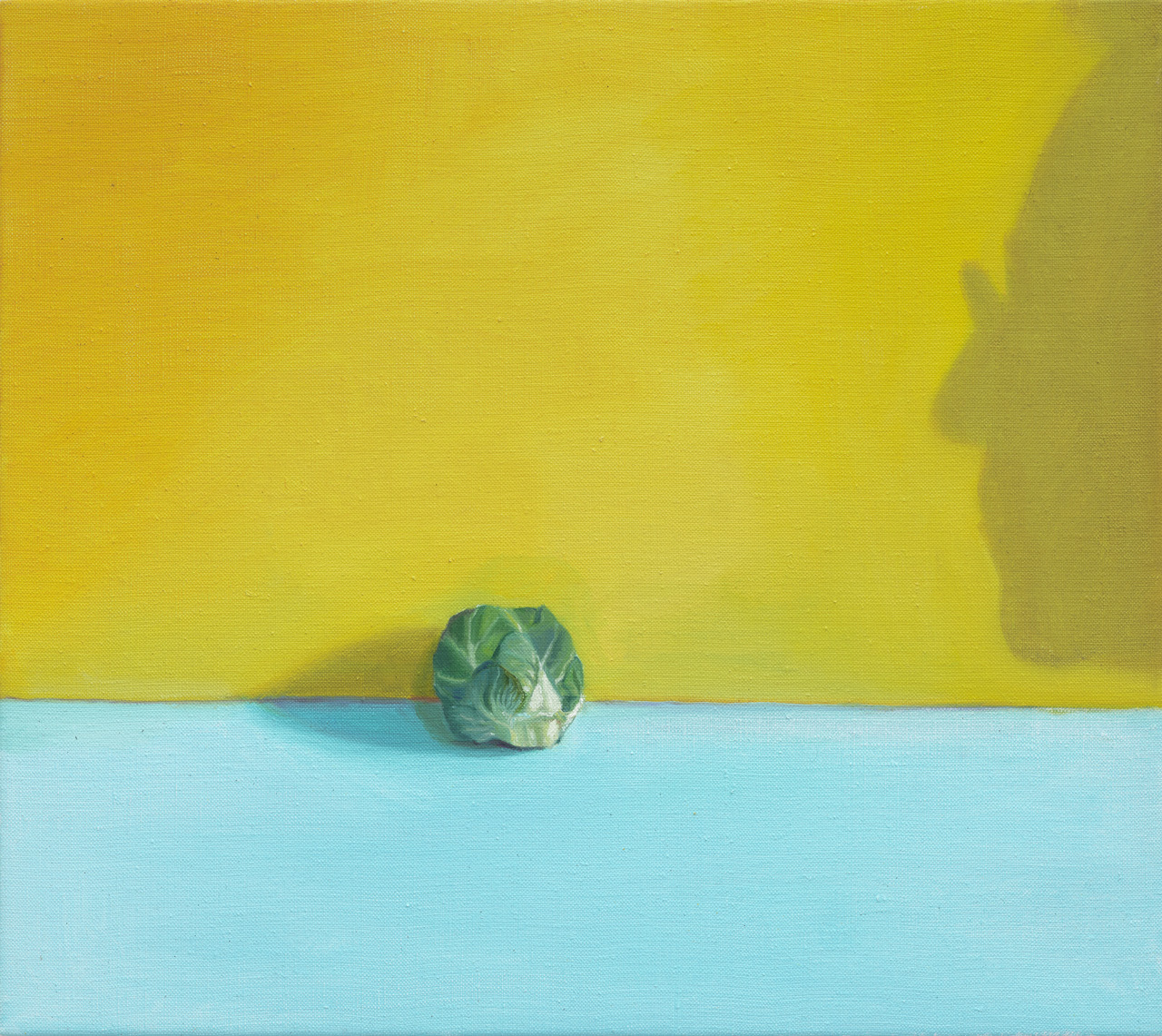
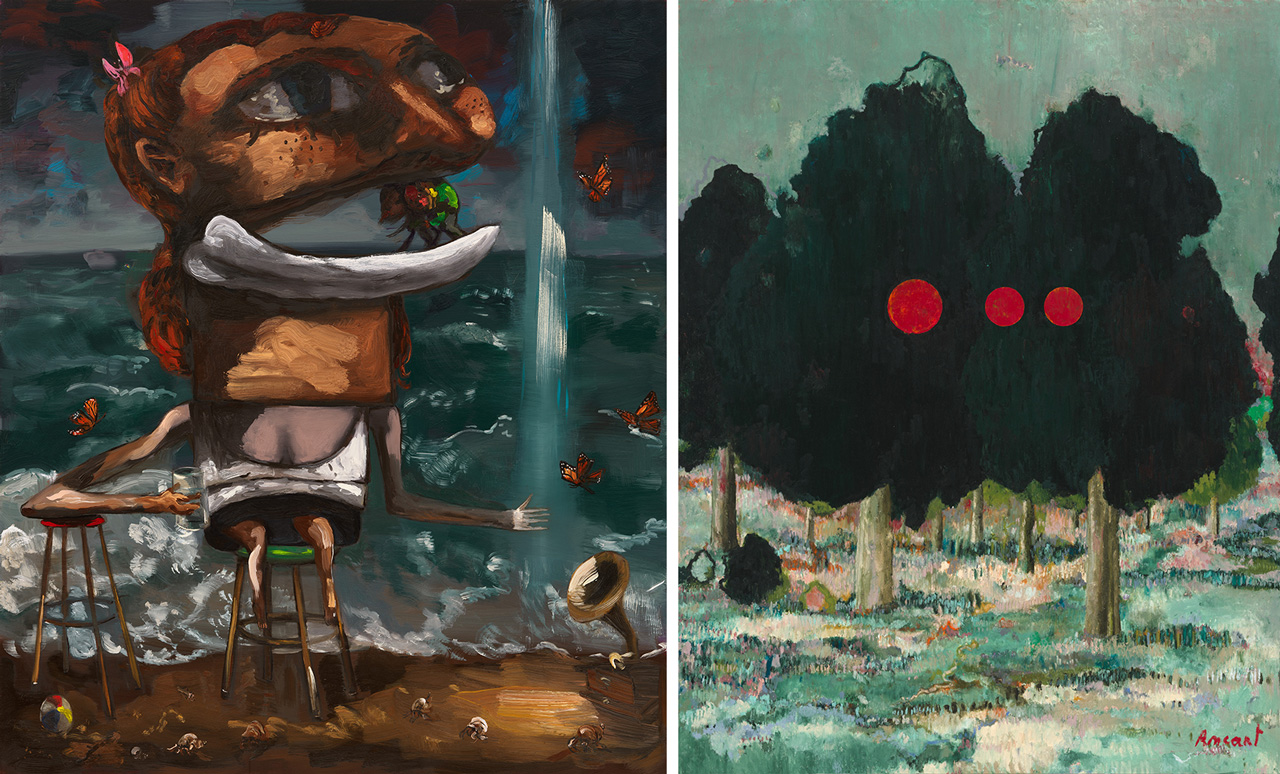
Right: Harold Ancart, Le Banquet, 2026, Oil on canvas, 67 x 52 inches (170.2 x 132.1 cm), © Harold Ancart, Photo: JSP Art Photography, Courtesy the artist and Gagosian
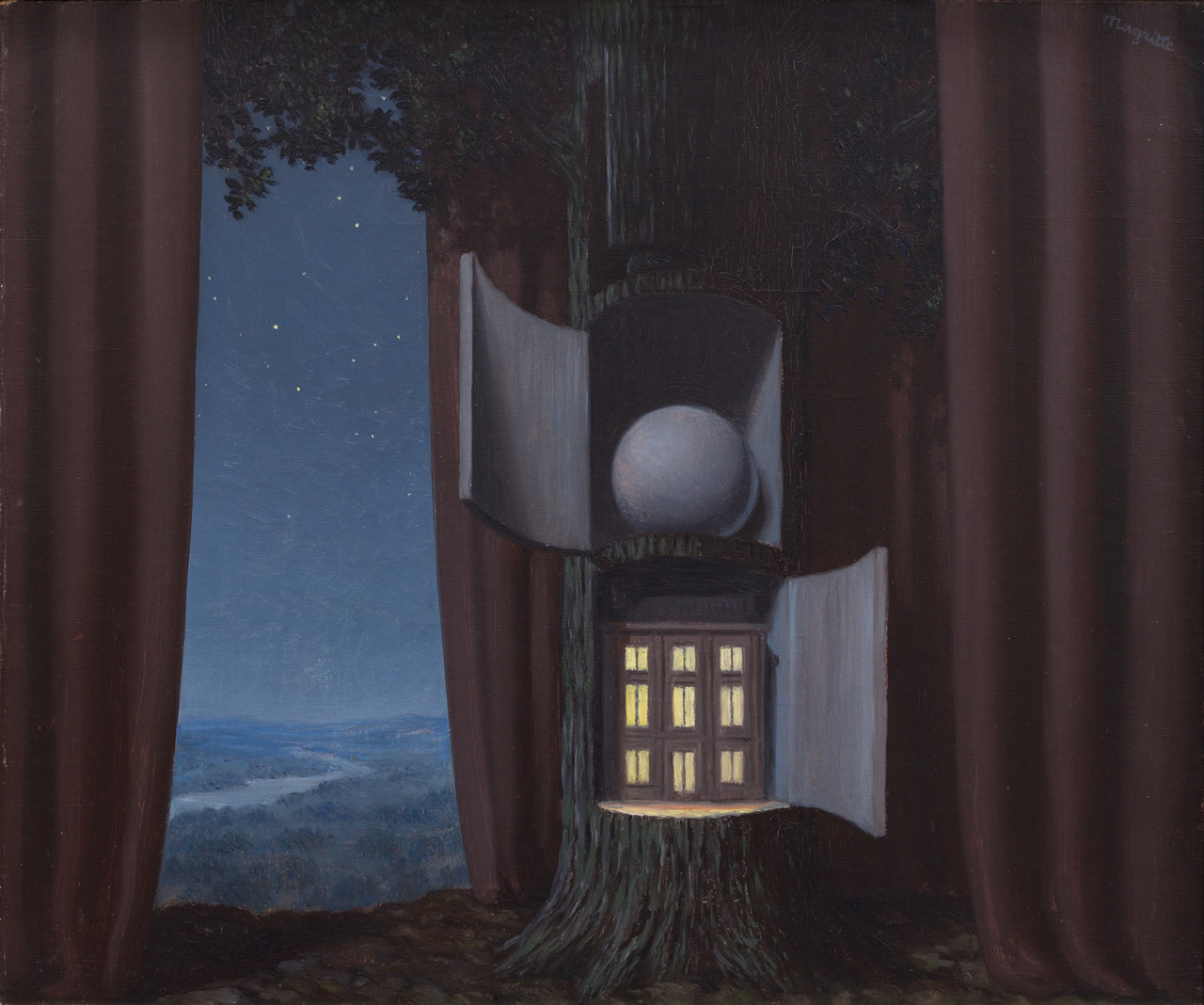
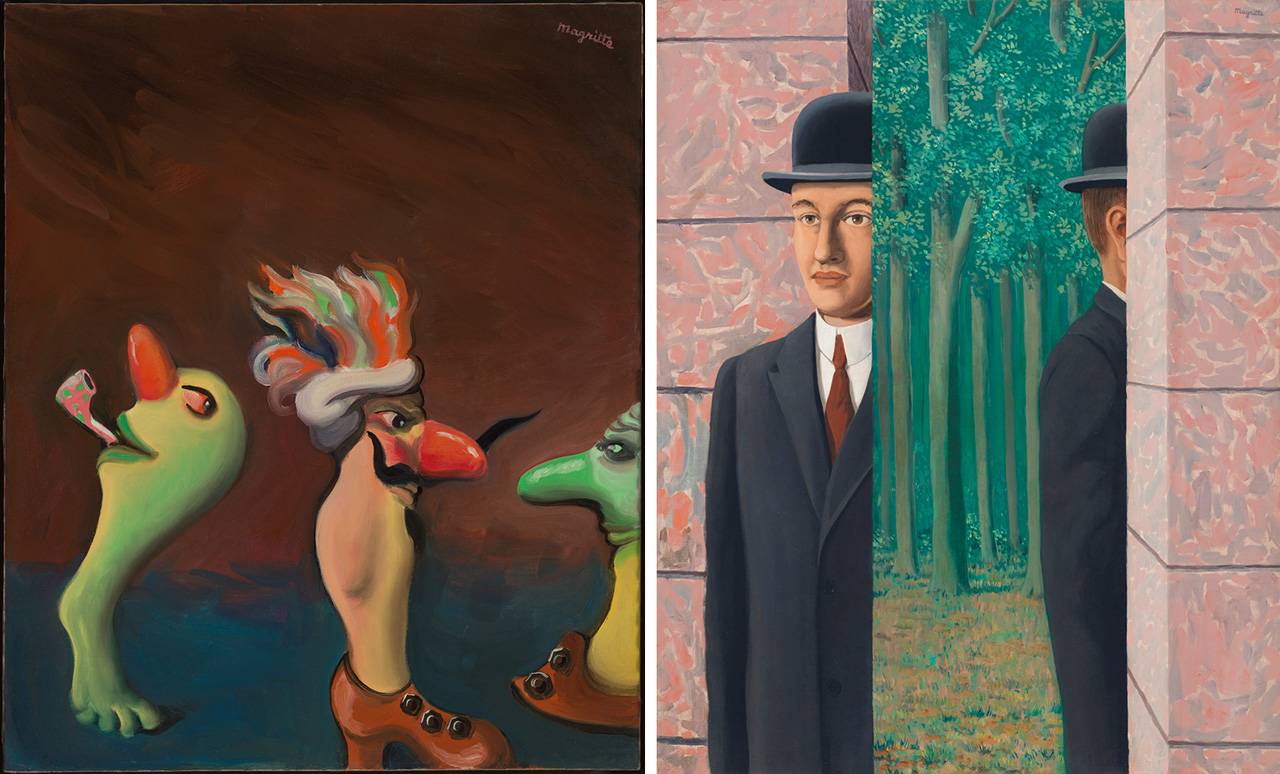
Right: René Magritte, Le Lieu commun (The Commonplace), 1964, Oil on canvas, 39 3/8 x 31 7/8 inches (100 x 81 cm), © 2026 ADAGP, Paris and DACS, London, Private Collection