PREVIEW: Red Flags (steirischer herbst 2026 Festival)
In 2026, steirischer herbst festival starts on 24 September, titled “Red Flags”. Recently, the phrase “red flags” has become primarily associated with dating culture, where it works as a checklist of seemingly innocent habits preemptively interpreted as an omen for future toxic behavior. At the same time, the term today serves as a warning sign for even minor deviations from the hard line. It is, of course, just a telltale of how suspicious and mistrustful we have become in general. We tend to welcome cautionary regulations, privileging canceling over confrontation. This is a position steirischer herbst has been challenging for years, if not decades.
By Dimitris Lempesis
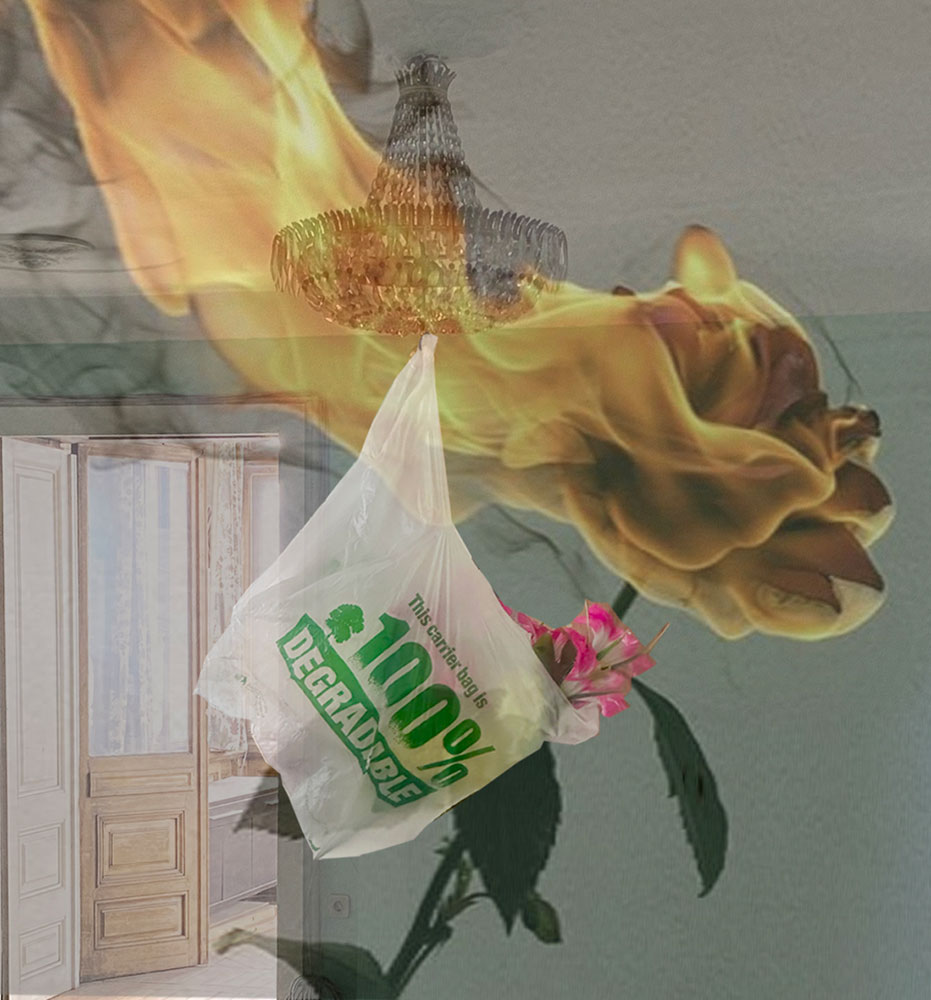
Photo: steirischer herbst Archive
steirischer herbst 26, one of Europe’s longest-running festivals of contemporary art, takes place in Graz under the title “Red Flags.” The festival brings together visual art, performance, theatre and critical discourse to examine the warning signs emerging in contemporary society. The phrase “red flag” has become part of everyday language. It can indicate danger, a problematic situation or behaviour that should not be ignored. At steirischer herbst ’26, however, the term becomes more complex. The festival considers not only what constitutes a warning sign, but also what happens when signs of crisis become so frequent that they are gradually normalised.
Against a background of war, political polarisation, authoritarian tendencies and social conflict, Red Flags asks how contemporary art can make visible conditions that are increasingly difficult to distinguish from ordinary life. The festival does not approach these questions through a single political narrative. Instead, different artistic practices create situations in which visitors are invited to look again at what may already appear familiar.
The central exhibition opens at Griesplatz 34 on 26 September and continues until 15 November 2026. Bringing together artists working across different media and perspectives, the exhibition develops the idea of the warning sign through questions of personal experience, collective memory, political violence and social structures.
Among the participating artists is Rawan Almukhtar, whose work engages with questions of identity, displacement and the complex relationship between personal experience and broader political realities. Nikolay Karabinovych approaches questions of history, culture and political transformation through a practice that connects contemporary experience with inherited narratives.
The exhibition also features Leila Hekmat, whose work frequently examines social structures, gender, power and the mechanisms through which identities are constructed. Vanessa Baird brings a distinctly personal and often unsettling visual language to questions surrounding contemporary life, while Jaro Varga works with historical and political material, examining how collective narratives are produced, remembered and contested.
Together, the works do not simply illustrate the concept of Red Flags. They create different ways of thinking about the moment when an indication of danger becomes part of the environment itself. A warning is effective only when it is recognised as such. When warnings accumulate, their ability to interrupt everyday life can diminish.
This question extends into the festival’s performance programme, where political and social concerns are addressed through live encounters with the audience. The programme includes Lennart Boyd Schürmann, Stina Fors, Francesca Grilli, Lina Majdalanie & Rabih Mroué, Lukas Michelitsch, Die Rabtaldirndln, Azade Shahmiri, Franz von Strolchen and Daniel Dominguez Teruel.
Their approaches range from performance and theatre to experimental forms that combine movement, sound, technology and storytelling. The live programme allows the festival to explore its central theme beyond the exhibition space, turning questions of memory, identity, political violence, technology and social control into immediate experiences.
The participation of Lina Majdalanie and Rabih Mroué, for example, continues their long-standing engagement with the relationship between theatre, political reality and memory. Azade Shahmiri brings another perspective shaped by questions of technology, communication and political conditions, while Stina Fors works through sound, voice and physical performance. Other participants similarly use the instability of live performance to question how individuals respond to situations of uncertainty and pressure.
The diversity of the programme is significant. Rather than presenting Red Flags as a fixed definition, steirischer herbst uses the term as an open framework. The warning sign can be political, social, psychological, environmental or cultural. It can appear in public space, in language, in institutions or in relationships between individuals.
This approach also reflects the broader history of steirischer herbst. Since its foundation, the festival has developed a reputation for bringing contemporary artistic practices into dialogue with the political and social realities of its time. Its programme has repeatedly treated art not as an isolated cultural field but as a means of examining the structures through which society understands itself.
In “Red Flags,” that relationship becomes particularly relevant. The contemporary world is filled with images and information signalling conflict and instability. News cycles, social media and political rhetoric constantly produce new warnings. Yet the continuous presence of such signals can have the opposite effect: instead of provoking attention, they may produce fatigue, indifference or acceptance.
The festival therefore raises a question that is as much about perception as politics: when does a warning stop functioning as a warning?
The exhibition and performance programme offer different answers without resolving the question. Some works focus on personal and collective memory; others examine political structures, social conventions or the technologies through which contemporary experience is mediated. What connects them is an interest in moments when something becomes visible but remains difficult to understand—or when something that should appear extraordinary becomes ordinary.
For steirischer herbst ’26, the “red flag” is therefore not simply a symbol of danger. It is also a question of attention. What do we notice? What do we overlook? Which signals do we recognise immediately, and which have become so familiar that they no longer interrupt our perception?
By bringing together artists and performers working across different disciplines, “Red Flags” creates a space in which these questions can remain unresolved. Rather than offering a single interpretation of contemporary crises, the festival places different experiences and artistic positions alongside one another.
Participating artists: Rawan Almukhtar, Josefin Arnell, Alex Baczyński-Jenkins, Vanessa Baird, Carmen Chraim, Daniel Dominguez Teruel, Gabriele Edlbauer and Julia S. Goodman, Stina Fors, Francesca Grilli, Leila Hekmat, Max Höfler and Andreas Unterweger, Krõõt Juurak, Nikolay Karabinovych, Alexa Karolinski and Ingo Niermann, Alina Kleytman, Xenia Koghilaki, Lina Majdalanie & Rabih Mroué, Lukas Michelitsch, Csaba Molnár / Nicole Clore, Hendrik Quast, Heather Phillipson, Die Rabtaldirndln, Lennart Boyd Schürmann, Azade Shahmiri, Hanik Soleimani, Naya de Souza, Franz von Strolchen, Jaro Varga, and Julian Warner
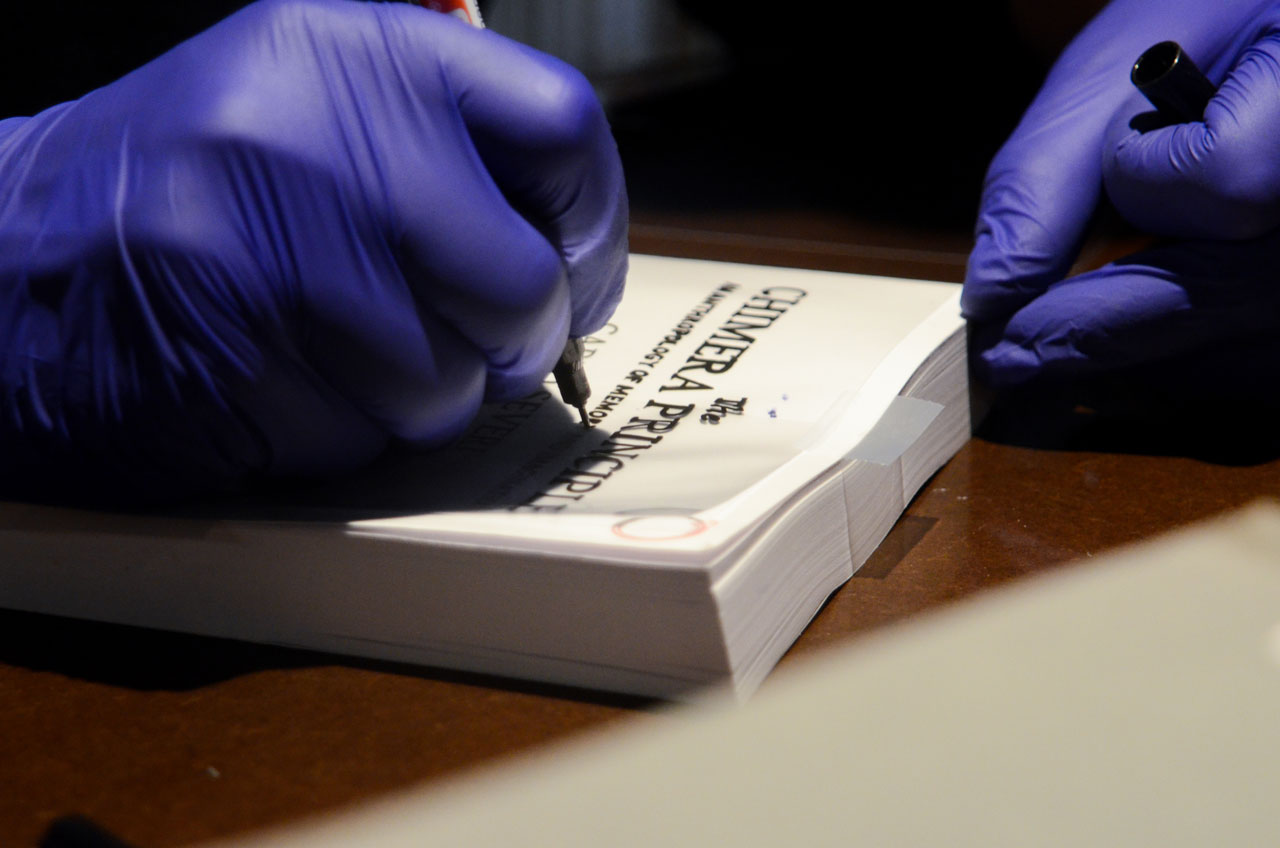
Photo: Jaro Varga, In Somebody Else’s Library, 2026, Photo: Andrea Fernández, Courtesy the artist and steirischer herbst
Info: Curators: Ekaterina Degot, David Riff, Line Spellenberg, and Pieternel Vermoortel, Curatorial Assistants: Beatrice Forchini and Lukas Michelitsch, Curatorial Advisor: Gábor Thury, steirischer herbst ’26, Main Exhibition space: Griesplatz 34, Graz, Austria, Duration: 24/9-15/11/2026, Days & Hours: Tue-Thu & Sun 11:00–19:00, Fri-Sat 11:00–20:00, www.steirischerherbst.at/
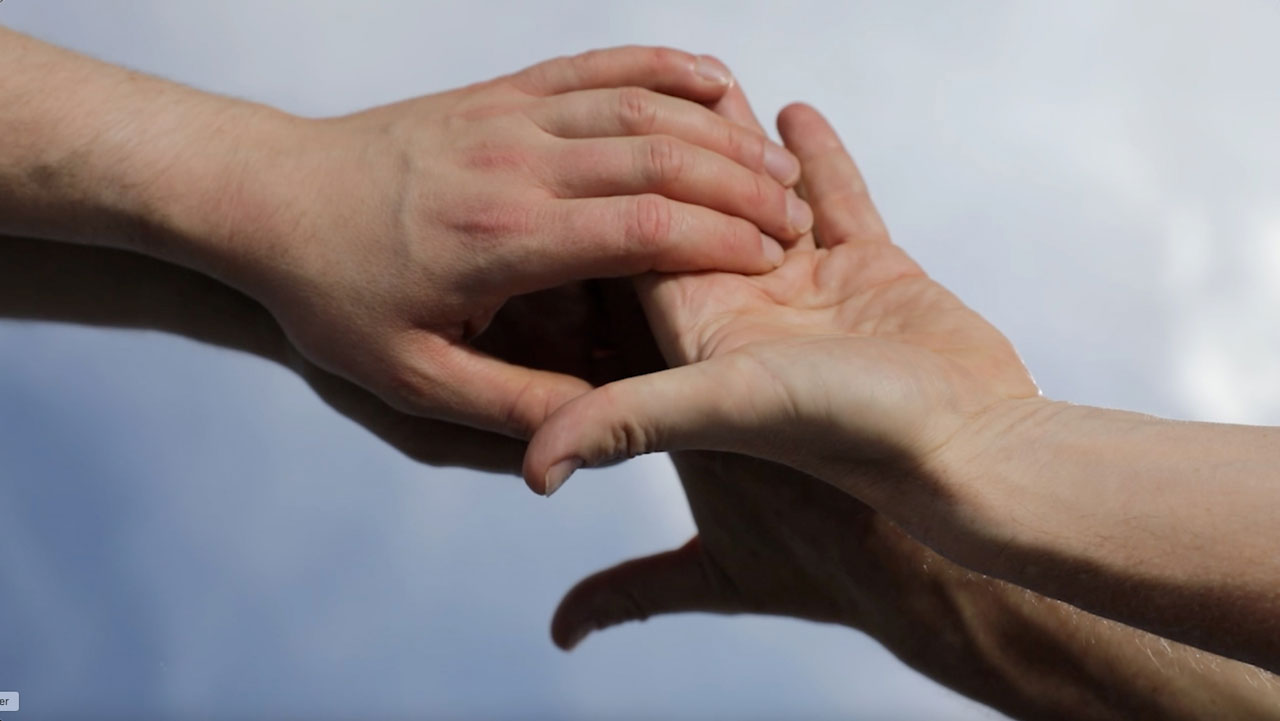
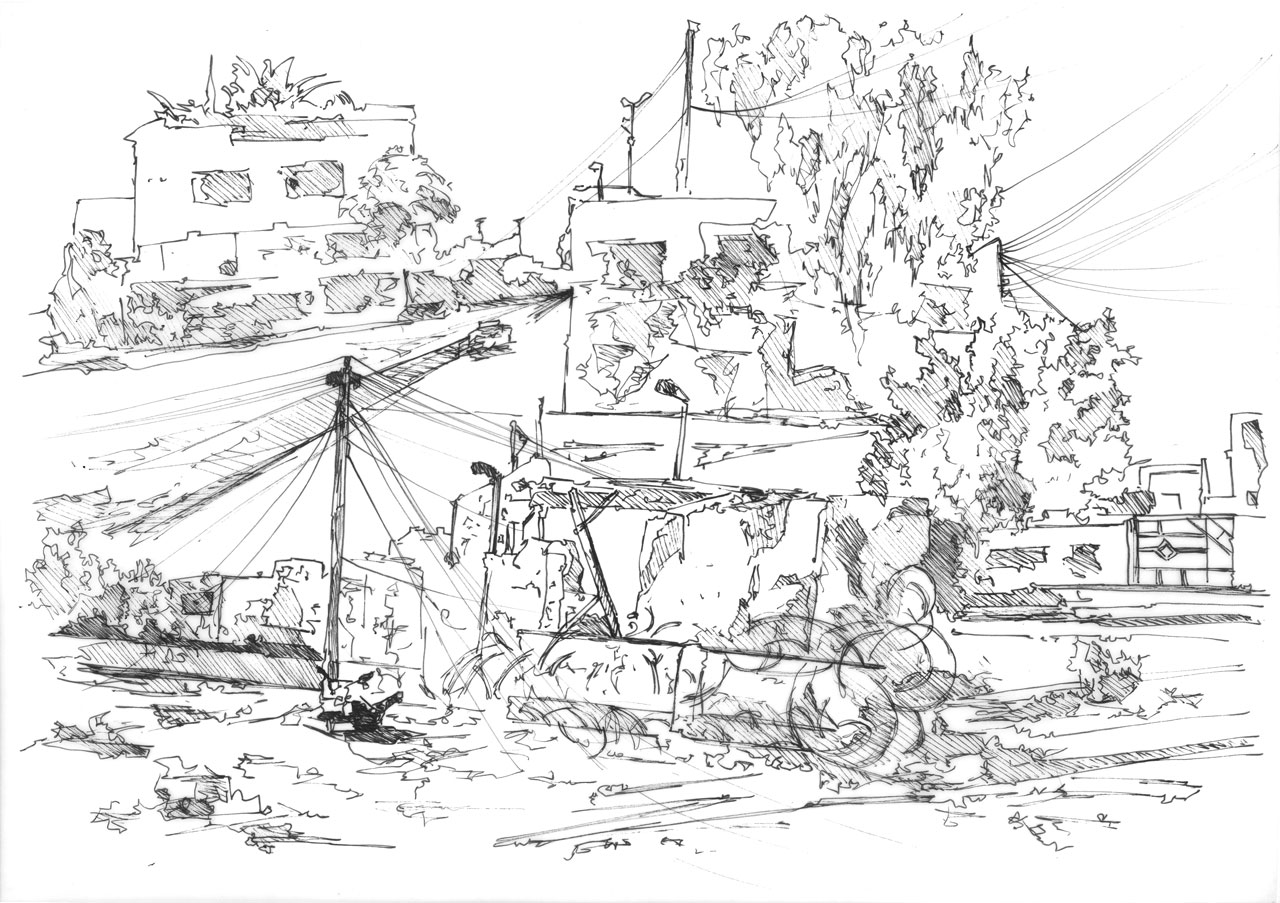
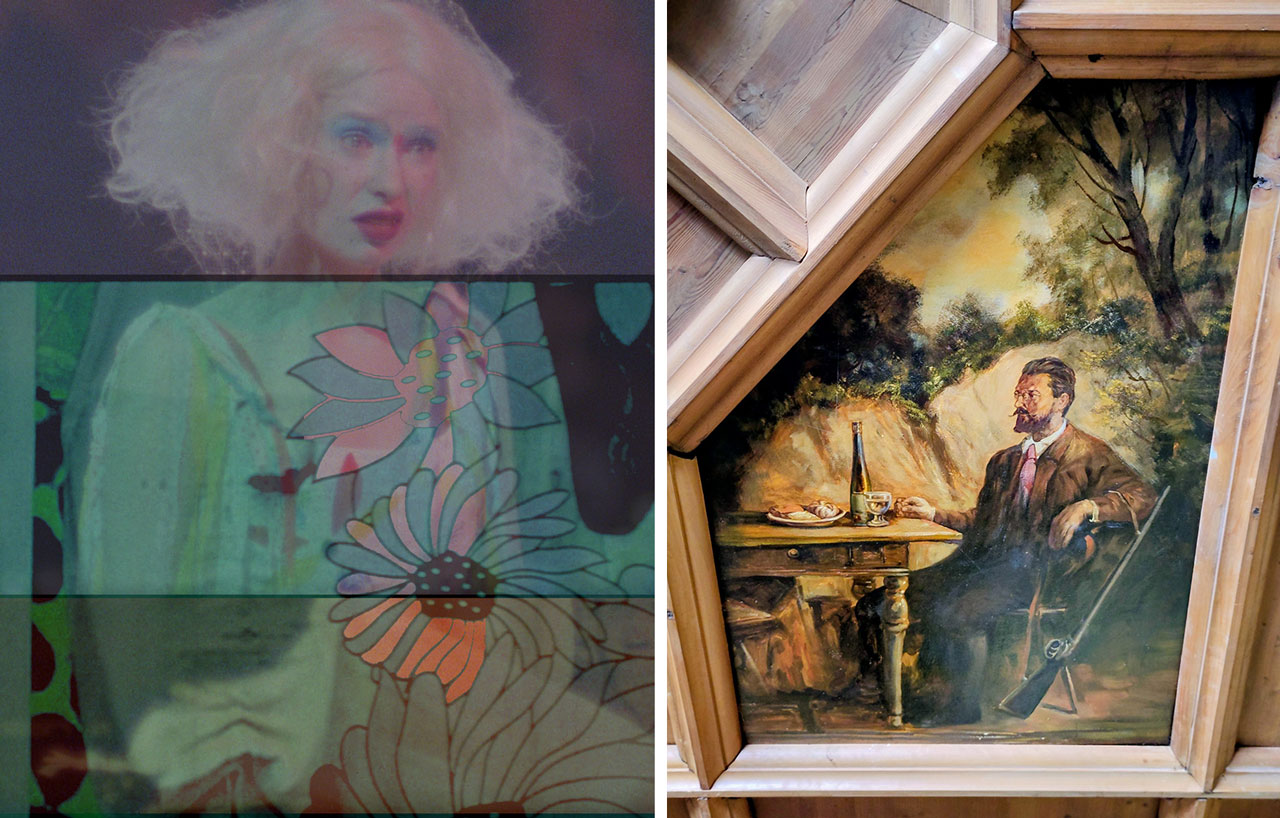
Right: Max Höfler and Andreas Unterweger, Wenn wir was zu sagen hätten (If We Had Any Say), 2026, Courtesy the artist and steirischer herbst