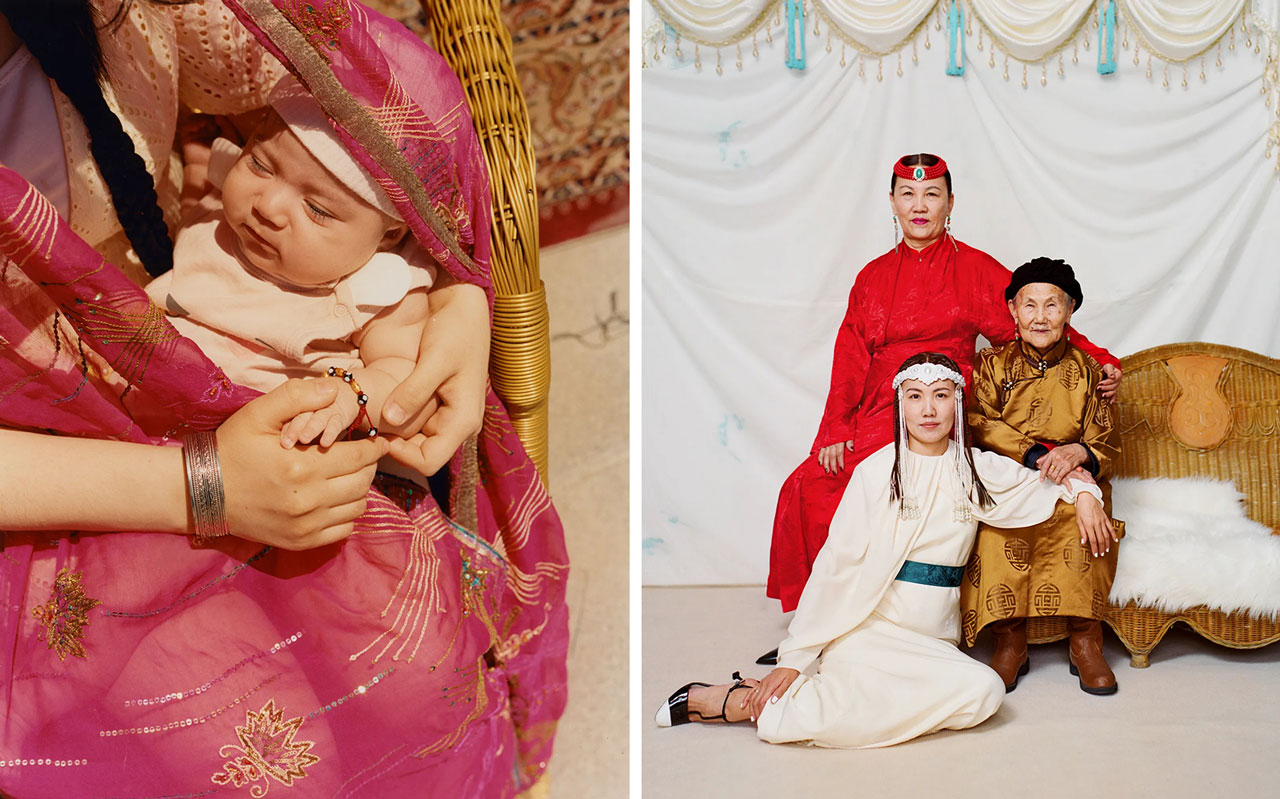
PHOTO:Hailun Ma-Hometown
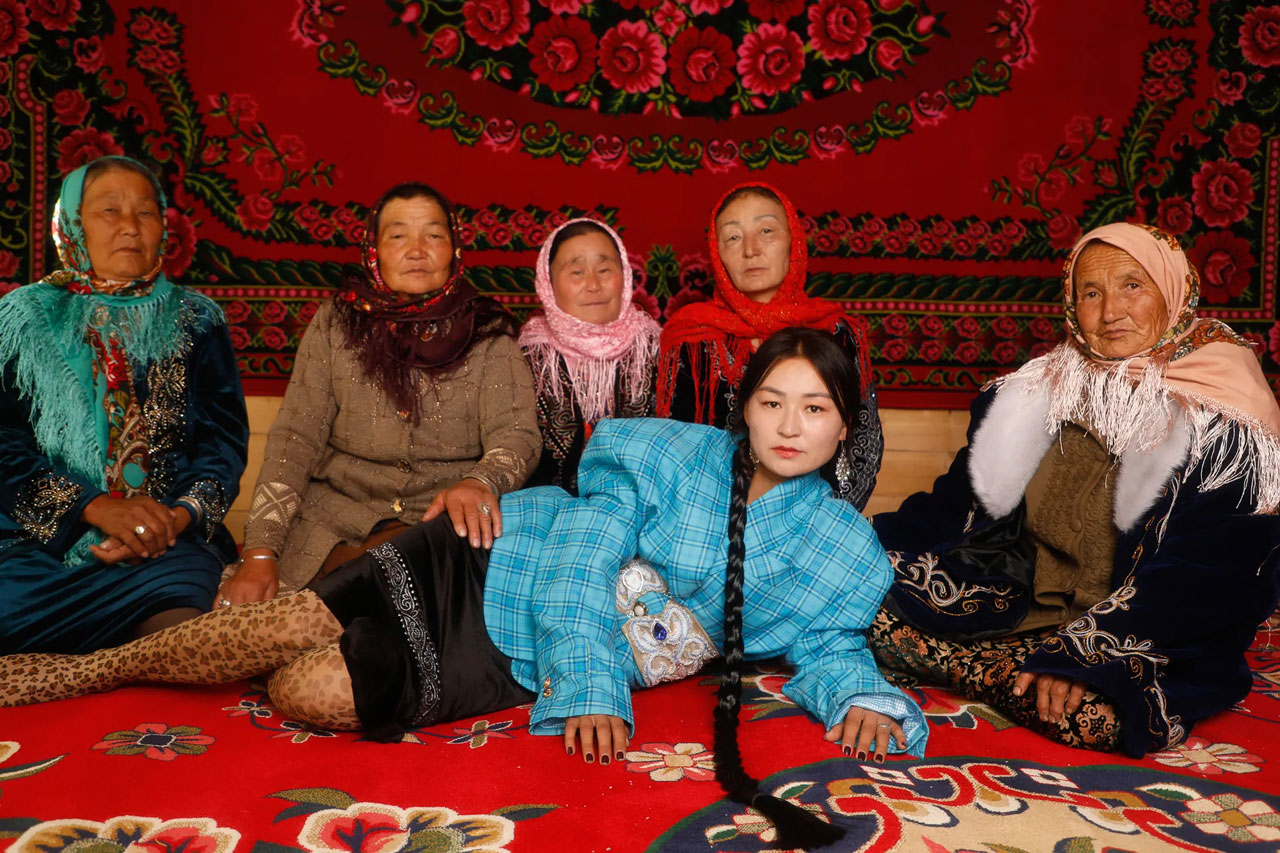
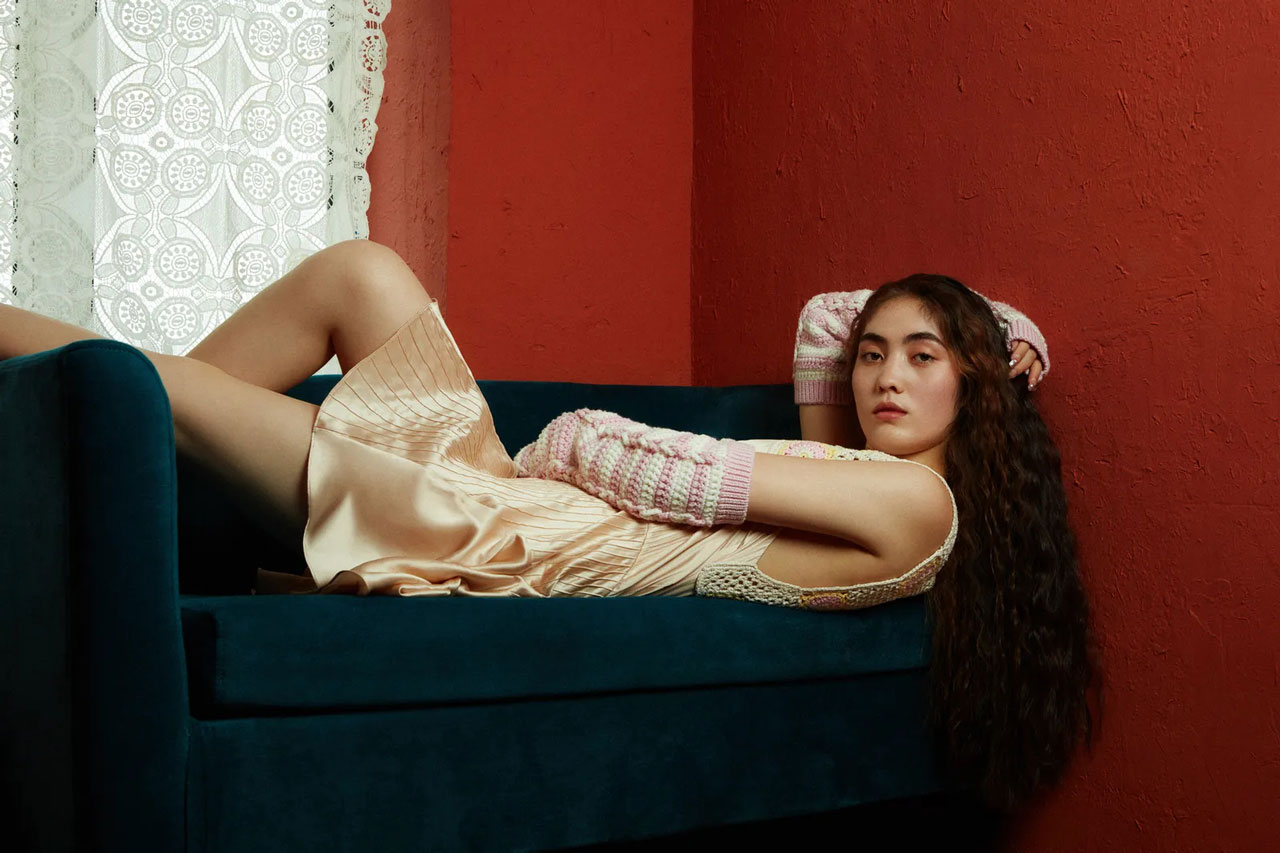
With her solo exhibition ‘Hometown” at Foam in Amsterdam, Hailun Ma marks a major milestone: her first international museum solo exhibition outside of China. At just 30 years old, Ma has emerged as one of the defining voices of a new generation of Chinese image-makers. Operating at the dynamic intersection of autonomous fine-art practice, editorial photography, and high-fashion commissions. Ma employs it as a critical sociological lens—a medium through which to observe, record, and celebrate contemporary society in her native Xinjiang.
By Dimitris Lempesis
Photo: Hailun Ma’s Archive
Hailun Ma’s intimate relationship with the camera began during her childhood in northwestern China. As a young girl, she discovered a passion for picture-making through playful, self-directed experimentation. Placing a camera on a bookshelf and setting the timer, she staged what she now looks back on as “Cindy Sherman–esque” self-portraits, frequently dressing up in clothes secretly borrowed from her mother’s wardrobe.
Despite this early creative spark, it took a geographical separation for Ma to fully grasp her artistic calling. At the age of 18, she left China to study in New York, eventually earning her MPS in fashion photography from the School of Visual Arts (SVA). It was within the analytical environment of SVA that she faced a pivotal creative challenge: defining what fashion meant to her personal vision and articulating her own standards of beauty.”It was the first time I was asked to consider what fashion meant to me, and how I define beauty,” Ma reflects. “It directly channelled back to my memories growing up in Xinjiang.” This realization prompted a profound artistic shift. Rather than looking outward to Western fashion capitals for inspiration, Ma turned her camera back toward her roots, leveraging her perspective as an artist living between cultures.
China’s population encompasses 56 officially recognized ethnic groups, yet mainstream international representations often reduce the country to a culturally monolithic narrative. Ma’s work serves as a vibrant counter-narrative, focusing on the rich cultural melting pot of the Xinjiang Uyghur Autonomous Region.
Spanning 620,000 square miles—an expanse nearly four times the size of California—Xinjiang is China’s largest province. Positioned as the country’s western frontier, it shares borders with eight nations, including Mongolia, Russia, Kazakhstan, Afghanistan, Pakistan, and India. This unique geography has historically fostered an incredible tapestry of distinct communities. While Han Chinese and Uyghurs form the majority, the region is also home to Kazakhs, Mongolians, Hui, Tatars, and Russians, each maintaining their own languages, traditions, and sartorial customs.
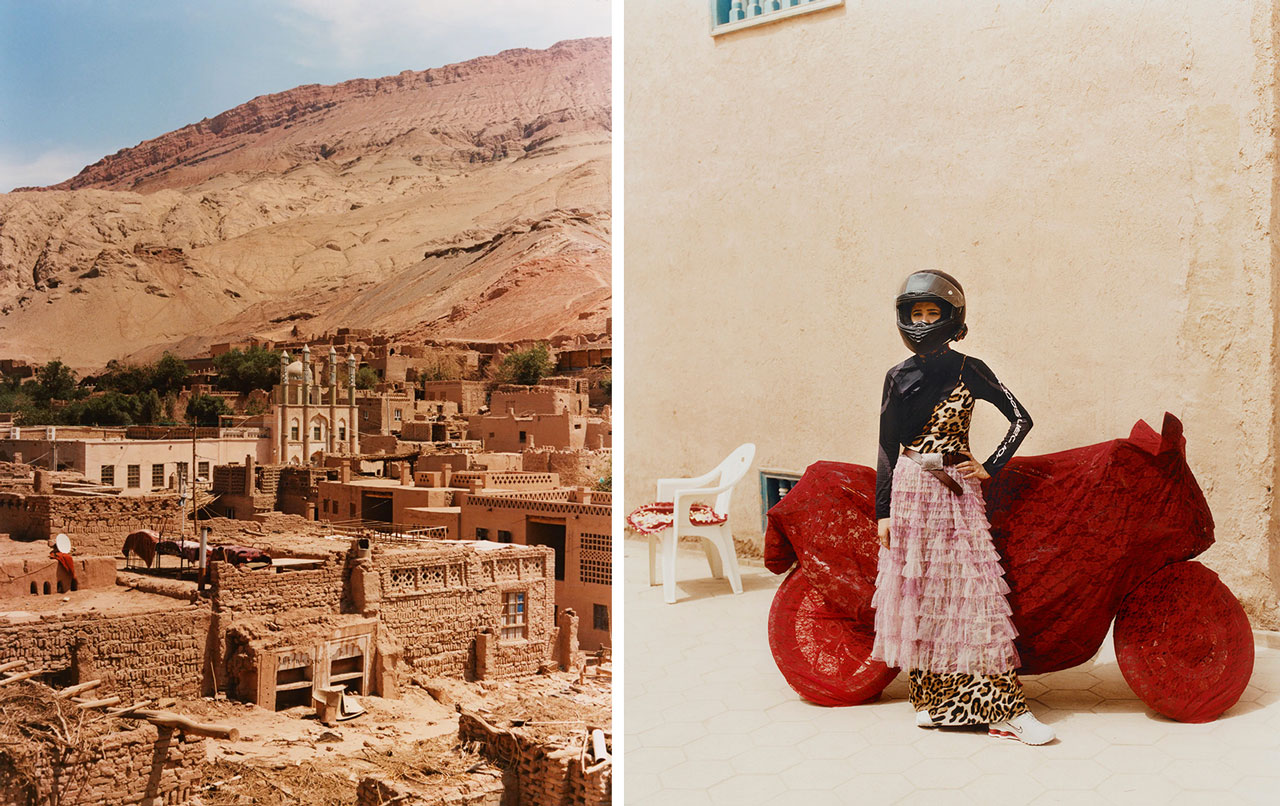
Growing up amid this pluralism, Ma never held the misconception that all Chinese people shared a single look. However, she grew increasingly frustrated by how mainstream media and search engines depicted her home. Online searches for Xinjiang yielded exoticized, static “National Geographic” tropes—sweeping desert landscapes, uninhabited mountains, or distant portraits of smiling nomadic elders. Ma set out to replace these passive representations with an active, youthful, and contemporary portrait of her homeland.
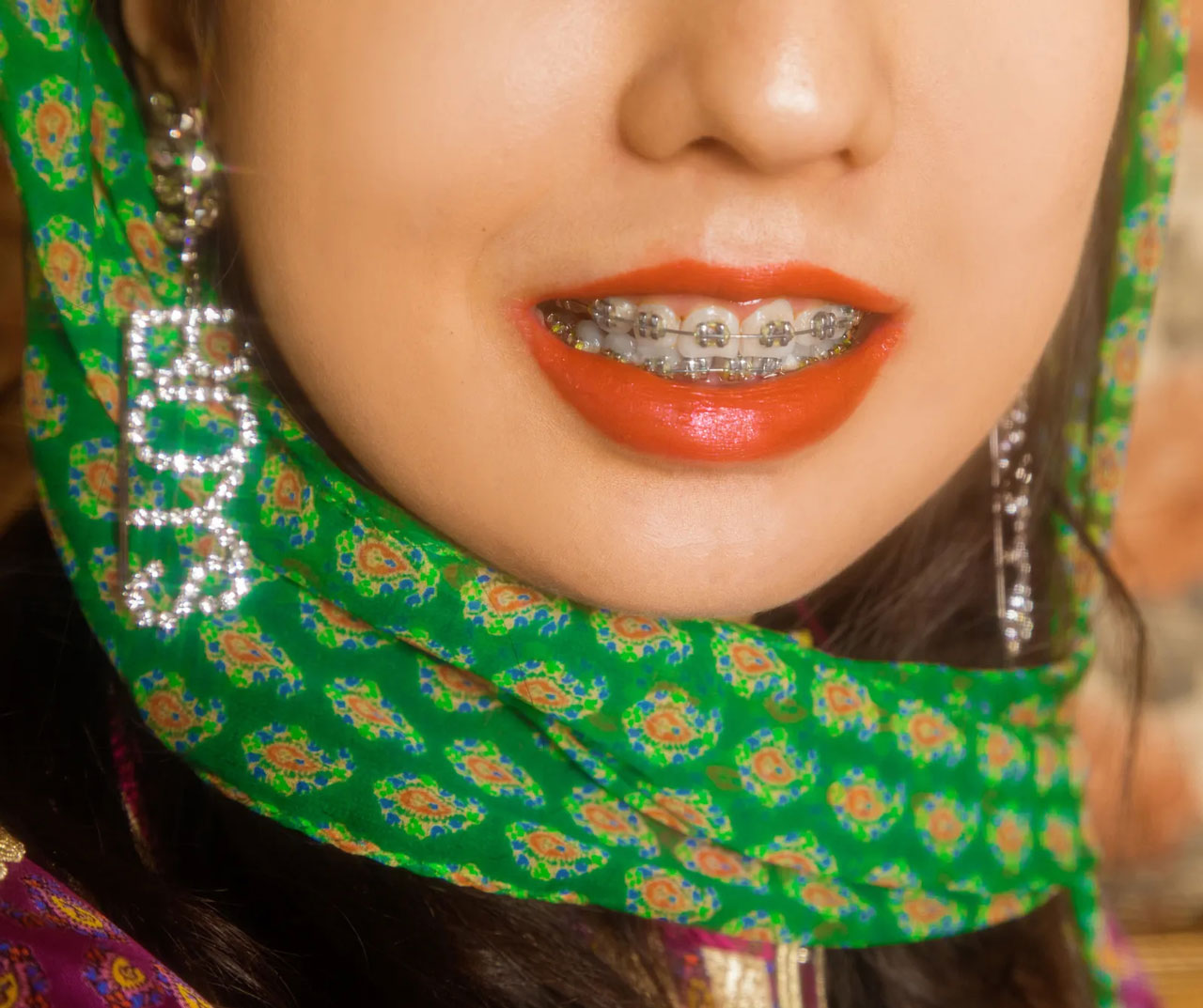
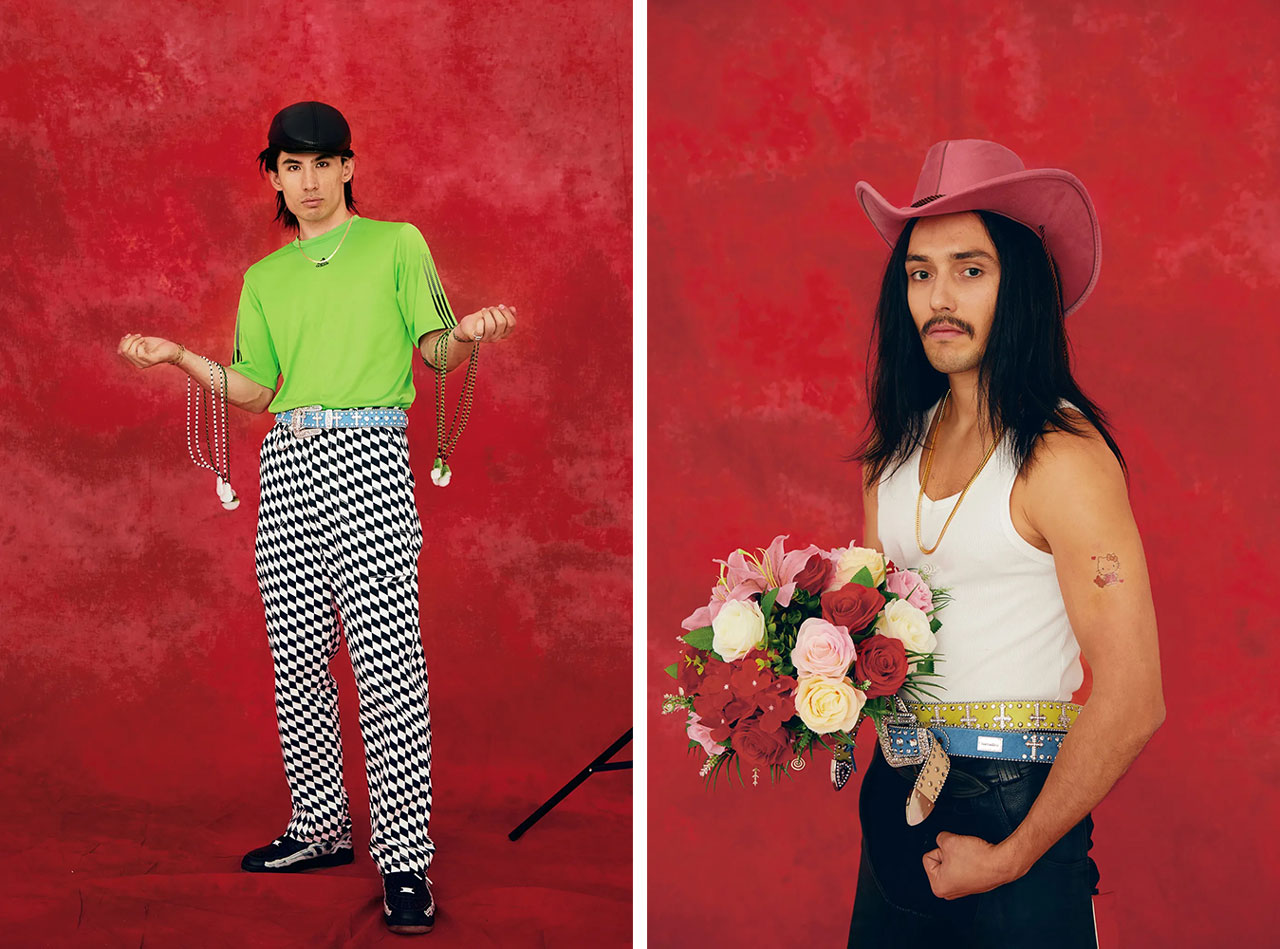
To articulate this younger perspective, Ma captures the spontaneous gestures, street styles, and social ties that define modern life in Xinjiang. She highlights hyper-local details that had long gone unrecorded in fine-art fashion photography: young women carrying loose change tucked into their socks, or the traditional henna application favored by Uyghur women.
Crucially, Ma found that the more specific and local her imagery became, the wider its international appeal grew. Her photographs struck a deep chord with audiences across Central Asia—such as in Uzbekistan and Tajikistan—as well as in Mexico and India, where viewers recognized shared traditions of regional pride, color, and community.
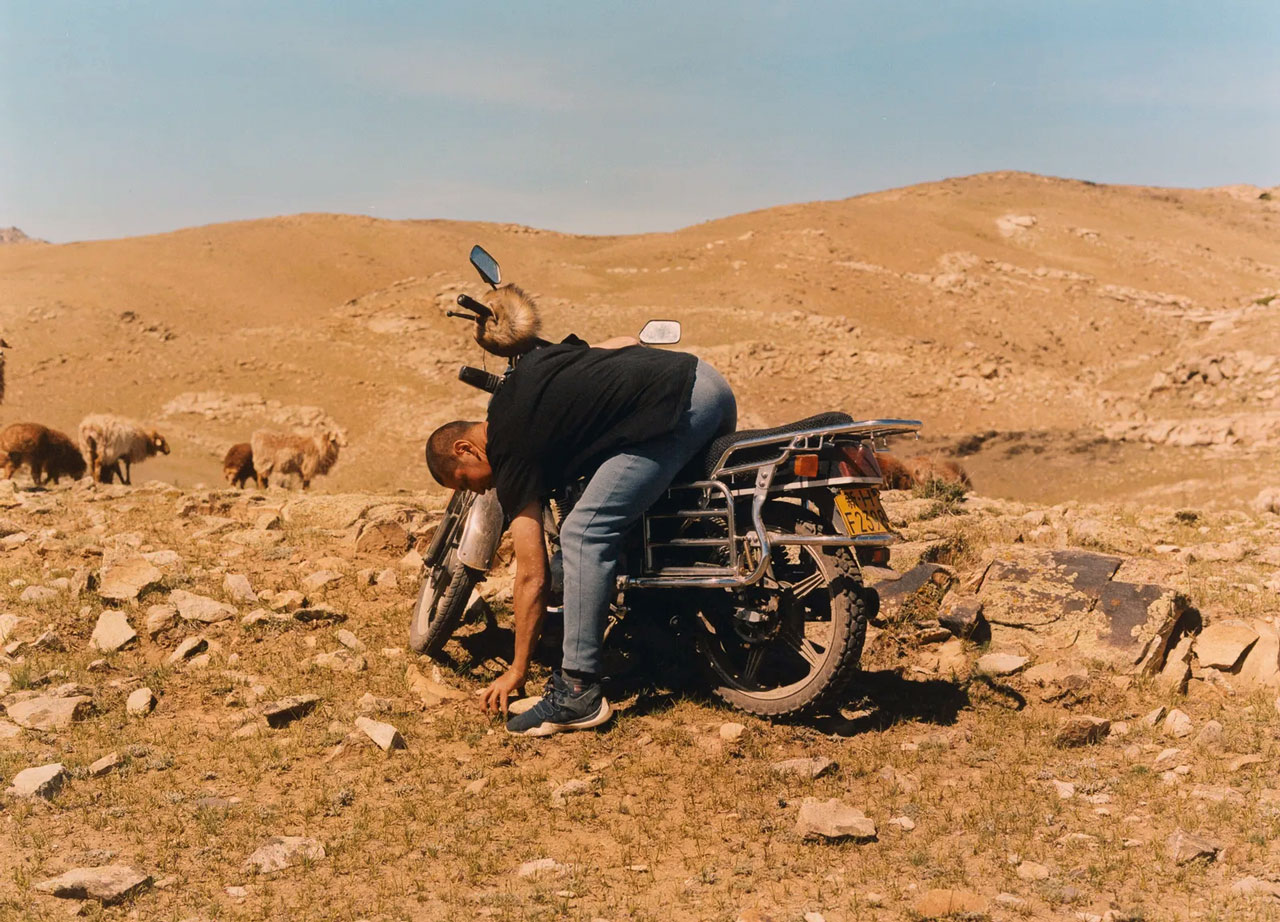
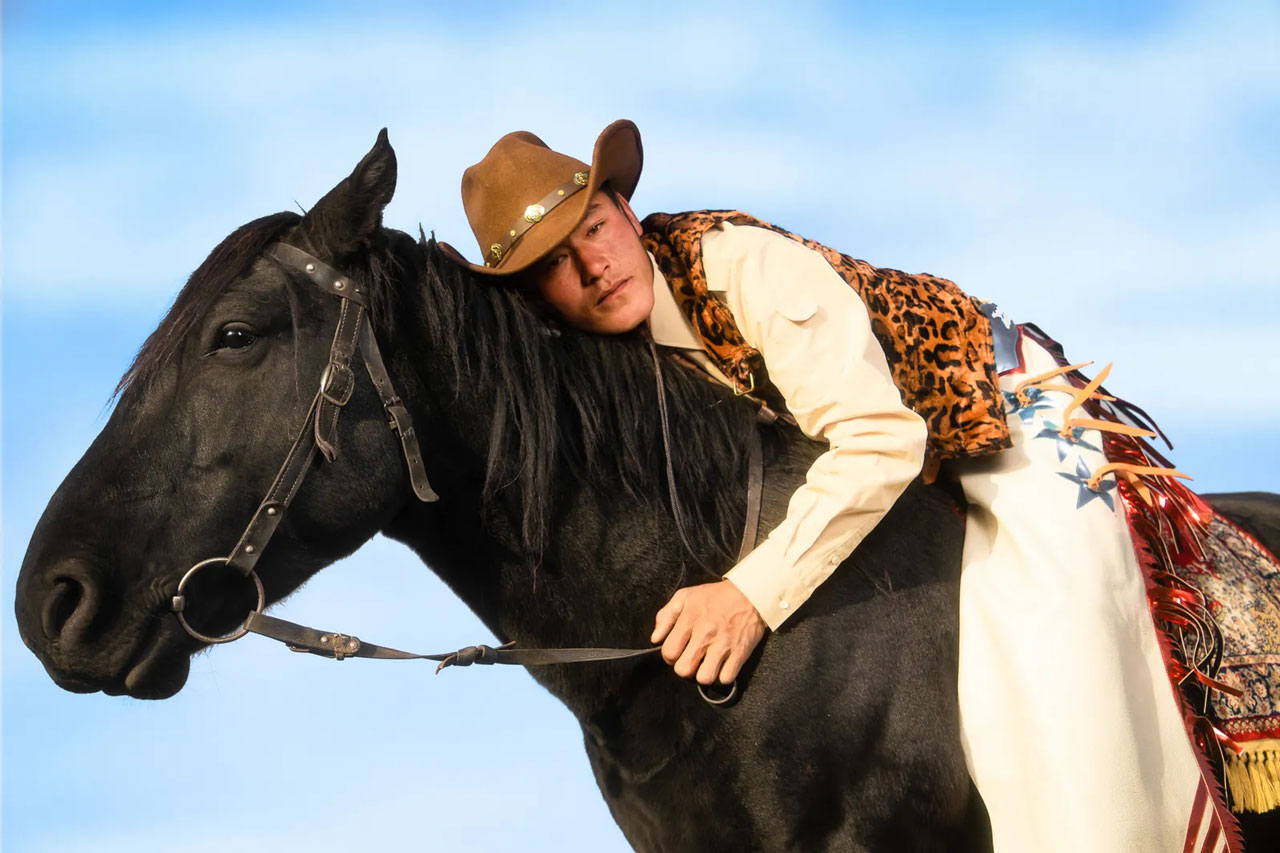
Her cross-cultural background also allowed her to spot unexpected cultural parallels across continents. While studying in New York, Ma encountered imagery of the American West, with its iconic heritage of ranchers, denim, and rugged individualism. Her immediate thought was: “Xinjiang has this!” Inspired by this realization, she traveled to the northern reaches of Xinjiang in 2019 to create Kazak Cowboy, a striking portrait series documenting nomadic Kazakh herdsmen. By presenting these herdsmen through a modern fashion lens, she elevated their heritage while challenging the visual hegemony of Western subcultures.
The “Hometown” exhibition at Foam synthesizes several of Ma’s most influential series, including “Xinjiang “Fashion Guide”, ‘Stree tculture”, “Urban Arts”, and “Family’, alongside a curated selection of her commercial magazine covers. The exhibition moves fluidly between meticulously staged fashion compositions and candid, real-life encounters. Bright colors, playful humor, and genuine affection characterize the photographs, inviting visitors to look past political abstraction and engage directly with the lived human experience.
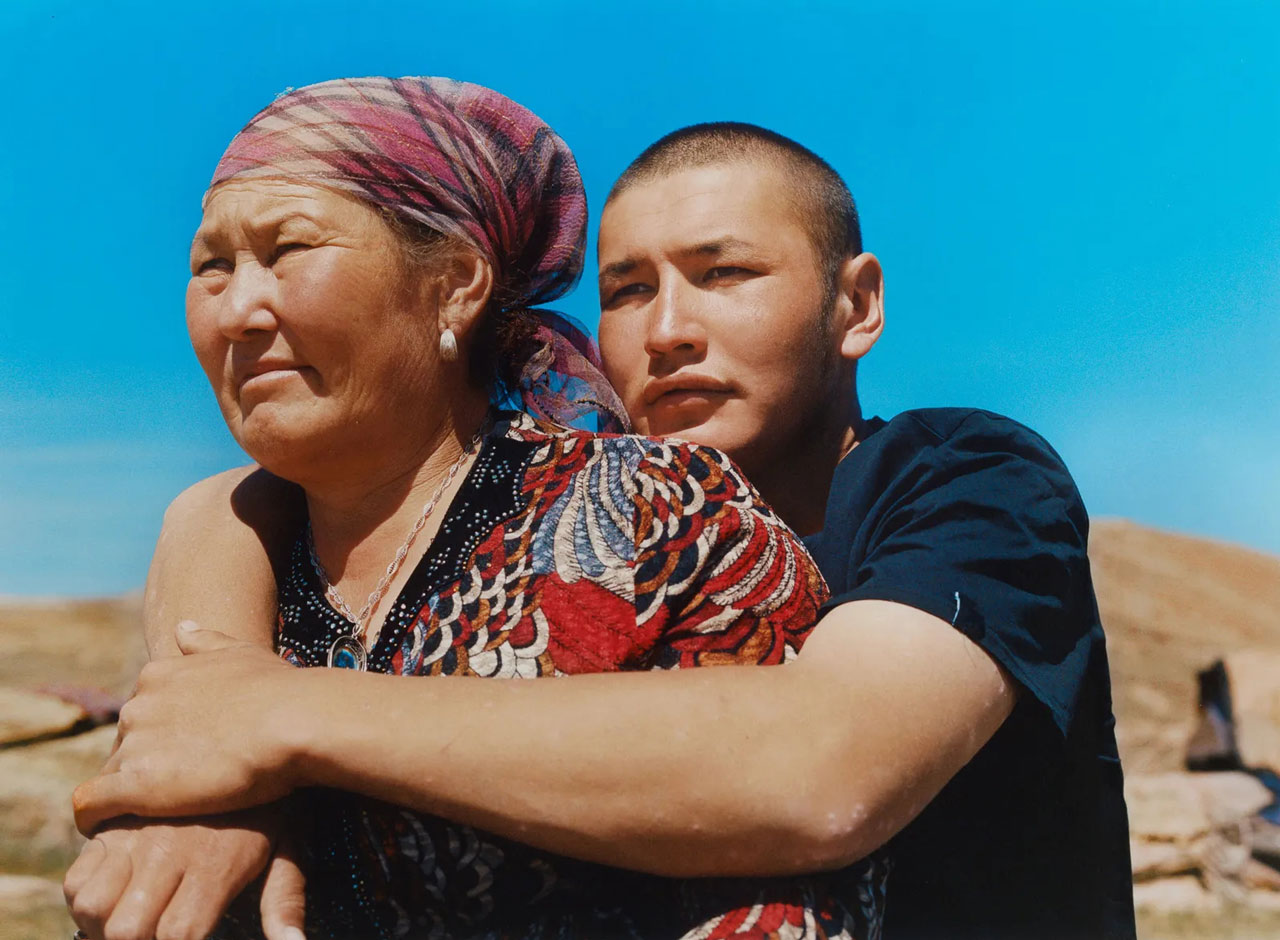
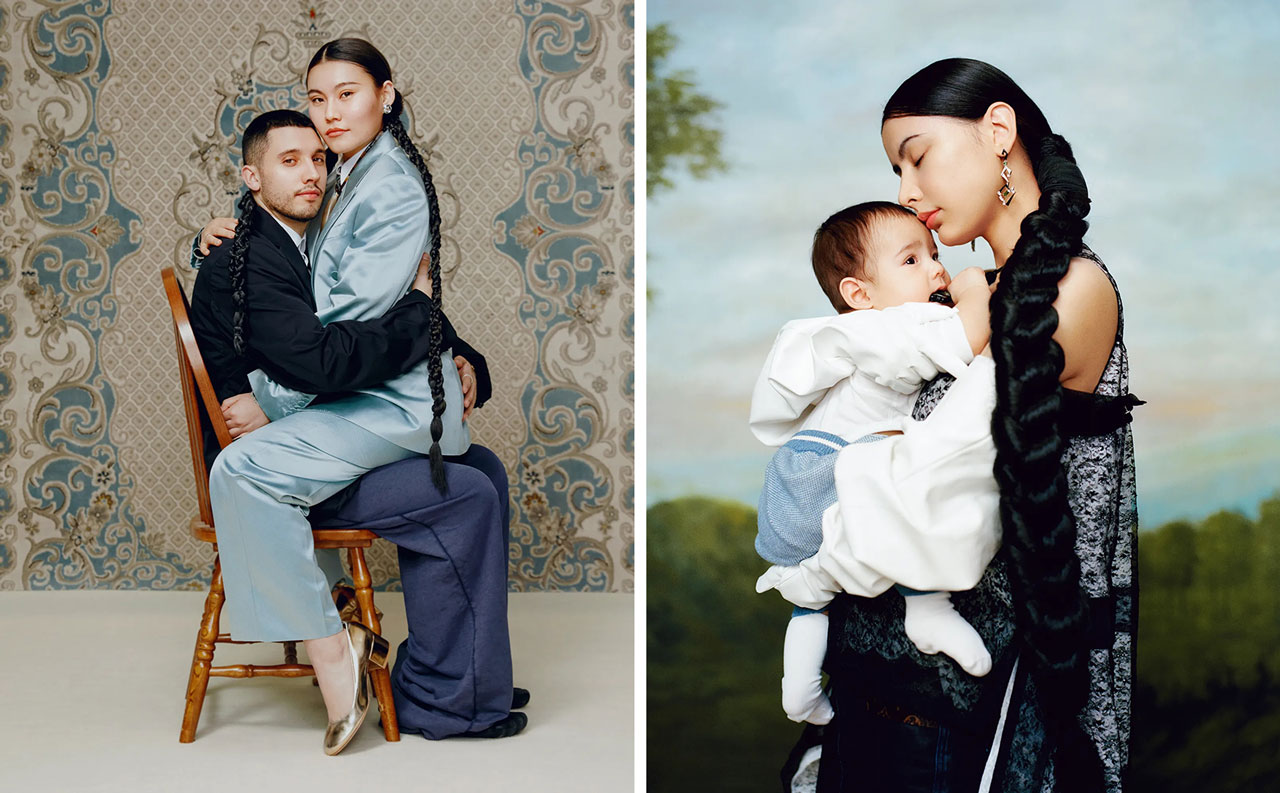
Central to Ma’s philosophy is the concept of family—both nuclear and communal. In a series of recent portraits, she explores how cultural heritage adapts through migration by photographing Xinjiang families currently residing in Shanghai. Her subjects capture a dynamic spectrum of modern identities, ranging from an Uyghur mother and her son navigating urban life, to a Kazakh girl alongside her Spanish boyfriend embodying cross-cultural romance, and three generations of Mongolian women preserving ancestral memory across time.
In an era where globalization and social media algorithms often generate a homogenized visual style, Hailun Ma’s work stands out as an assertion of regional identity and distinct cultural soul. Hometown demonstrates that “home” is not a static place frozen in historical photographs, but a living, evolving construct continually reshaped through family ties, migration, friendship, and shared creative expression.
Photo: Hailun Ma, © & Courtesy Hailun Ma
Info: Foam/ Museum, Keizersgracht 609, Amsterdam, The Netherlands, Duration: 18/9/2026-20/1/2024, Days & Hours: Mon-Wed & Sat-Sun 10:00-18:00, Thu-Fri 10:00-21:00, www.foam.org/