PRESENTATION:Emma Reyes
Emma Reyes (1919–2003) was a Colombian painter and writer whose work vividly captures themes of displacement, memory, and resilience. Unrecognized for much of her life, her fame surged posthumously with her haunting memoir, “The Book of Emma Reyes (Memoria por correspondencia)”. Her literary prose and visual art intimately expose the harsh realities of a poverty-stricken childhood in Bogotá, offering a powerful narrative of survival, identity, and artistic self-realization.
By Efi Michalarou
Photo: White Cube Gallery Archive
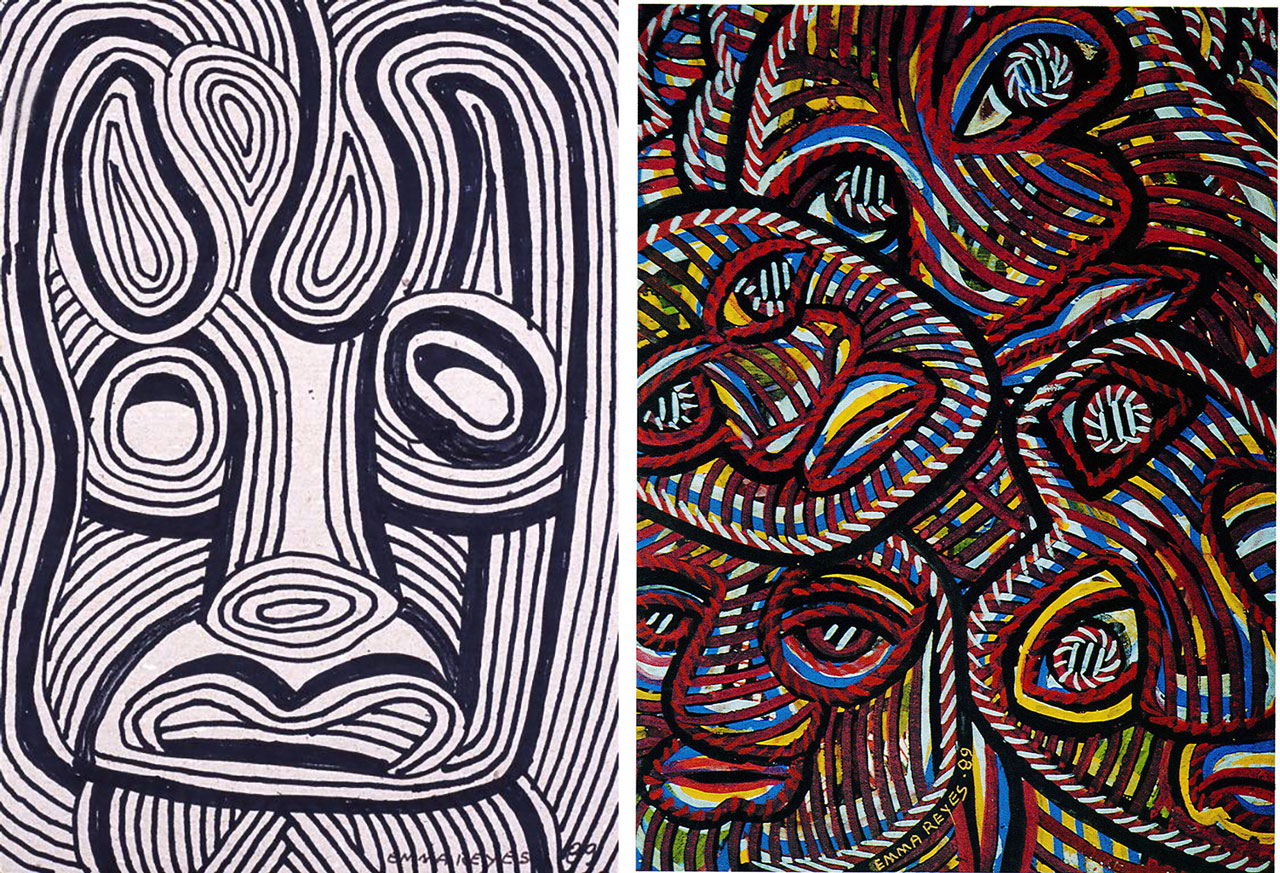
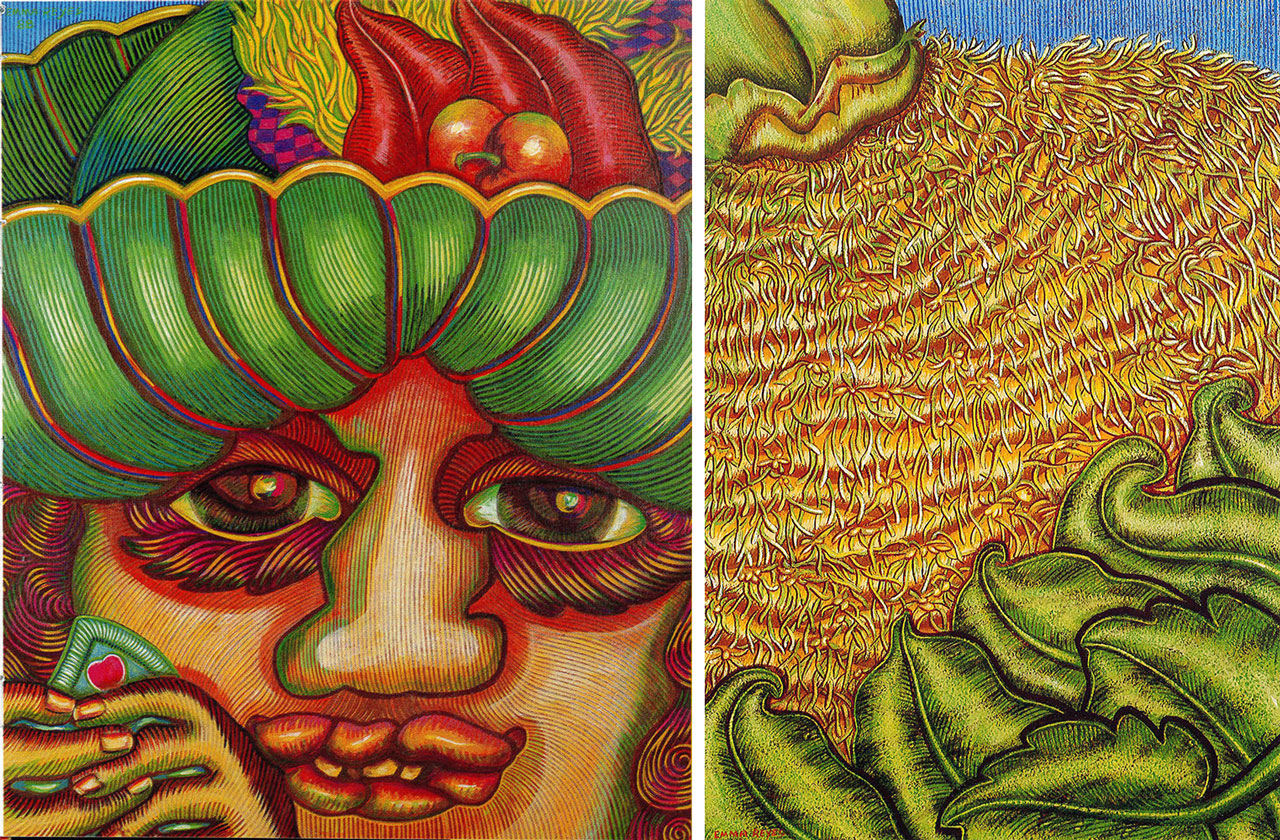
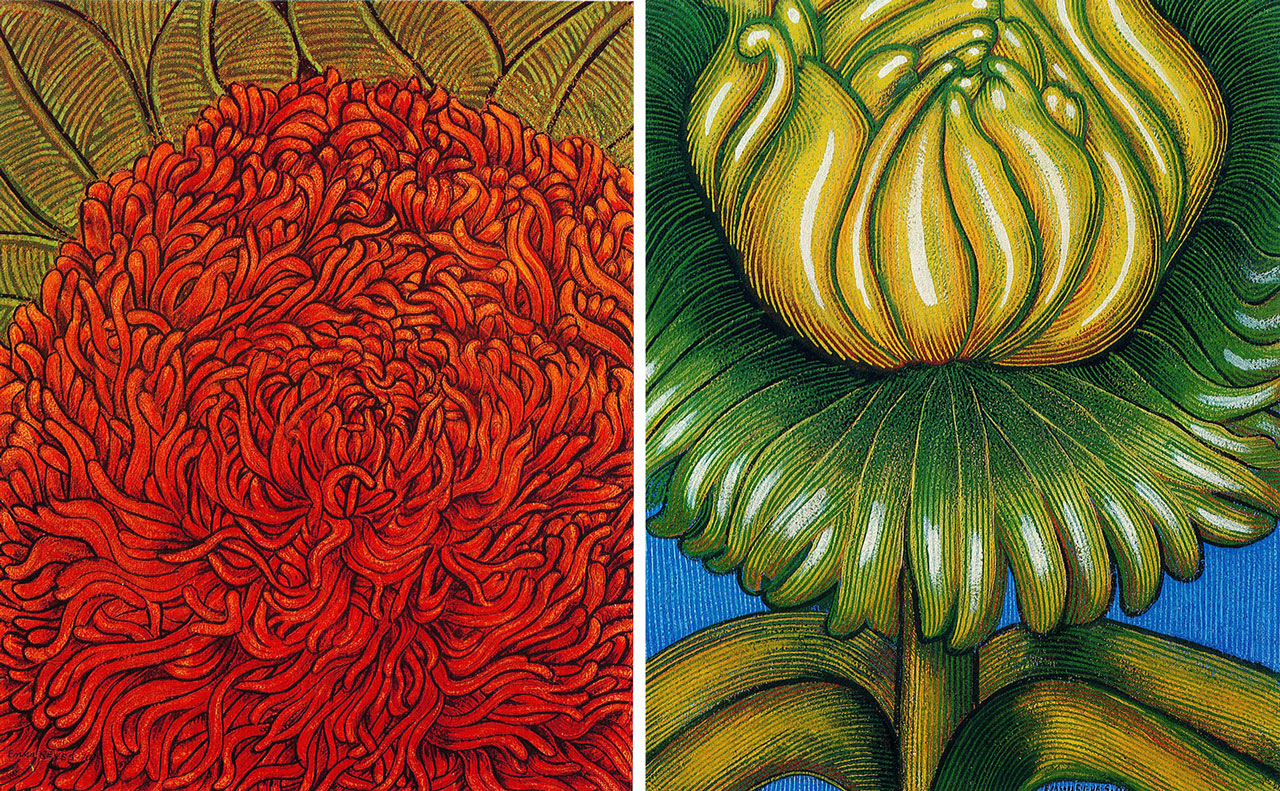
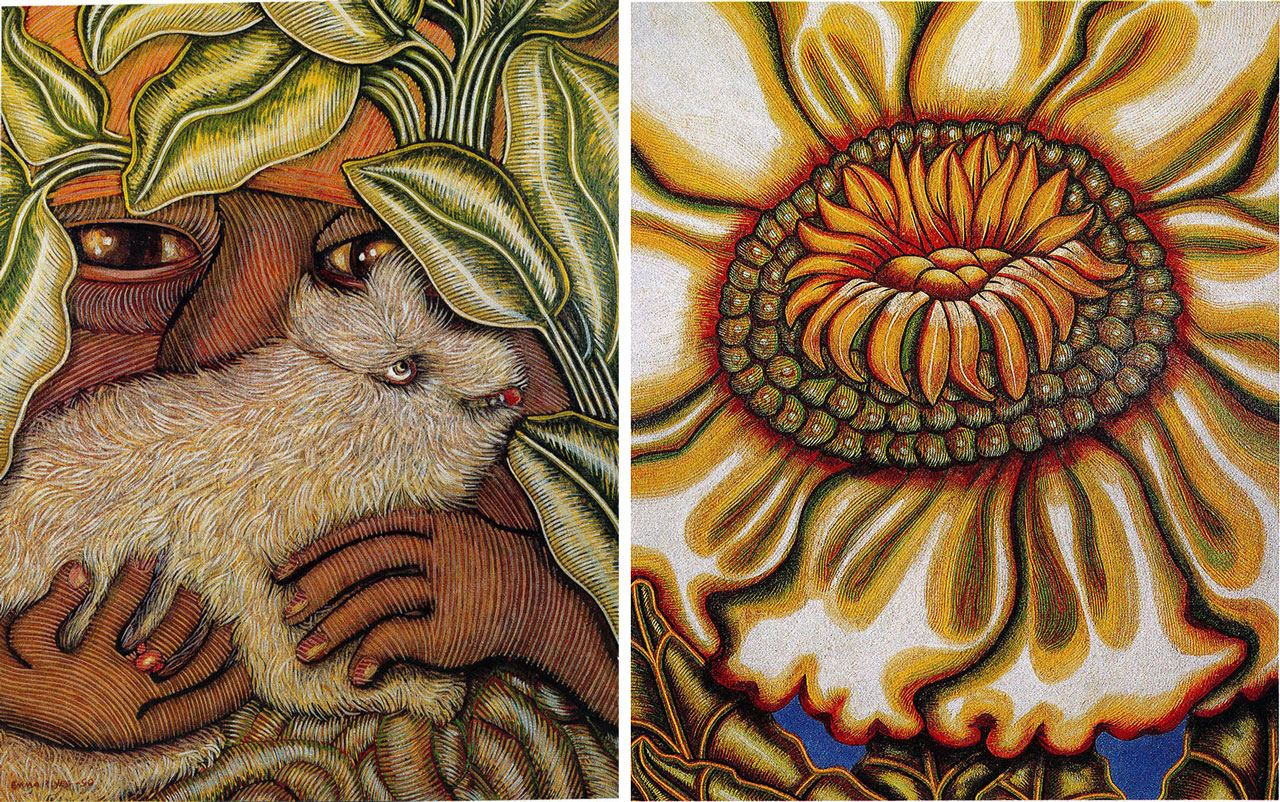
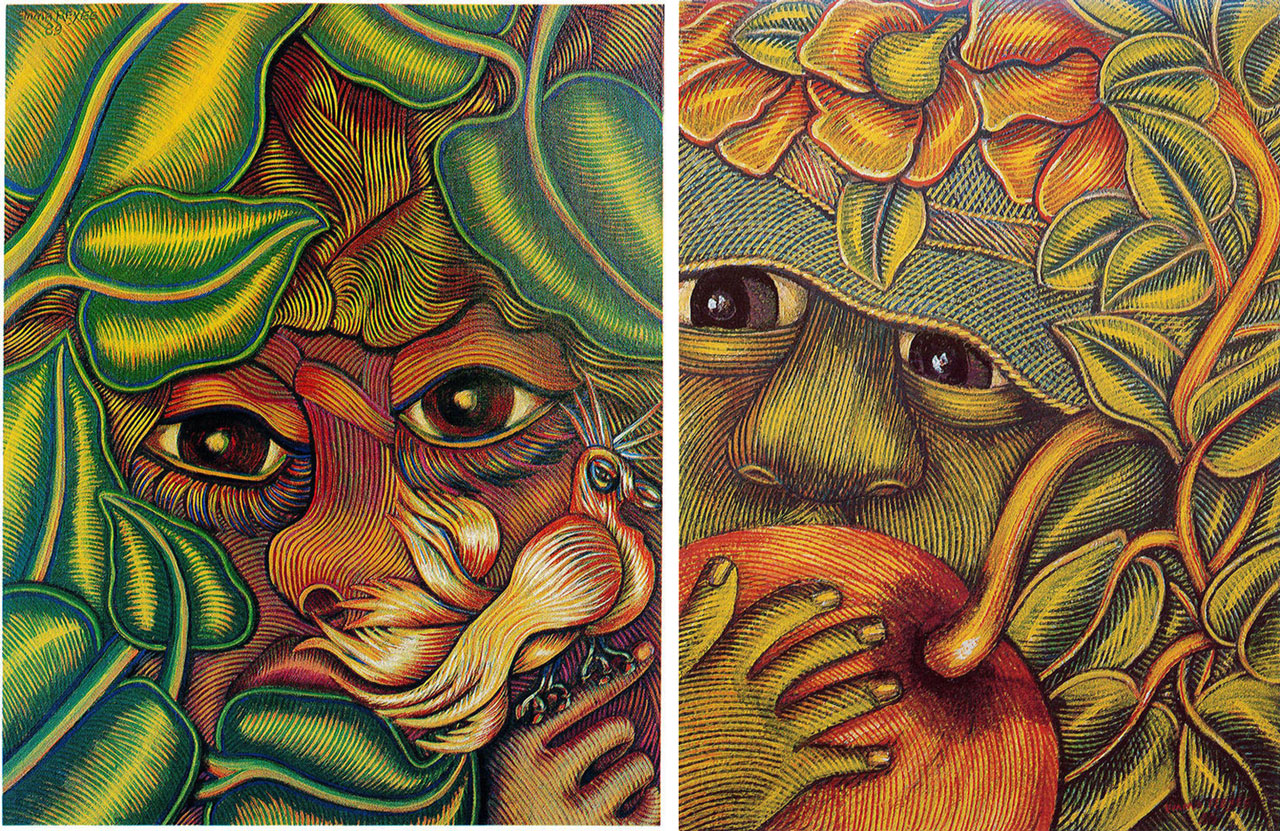
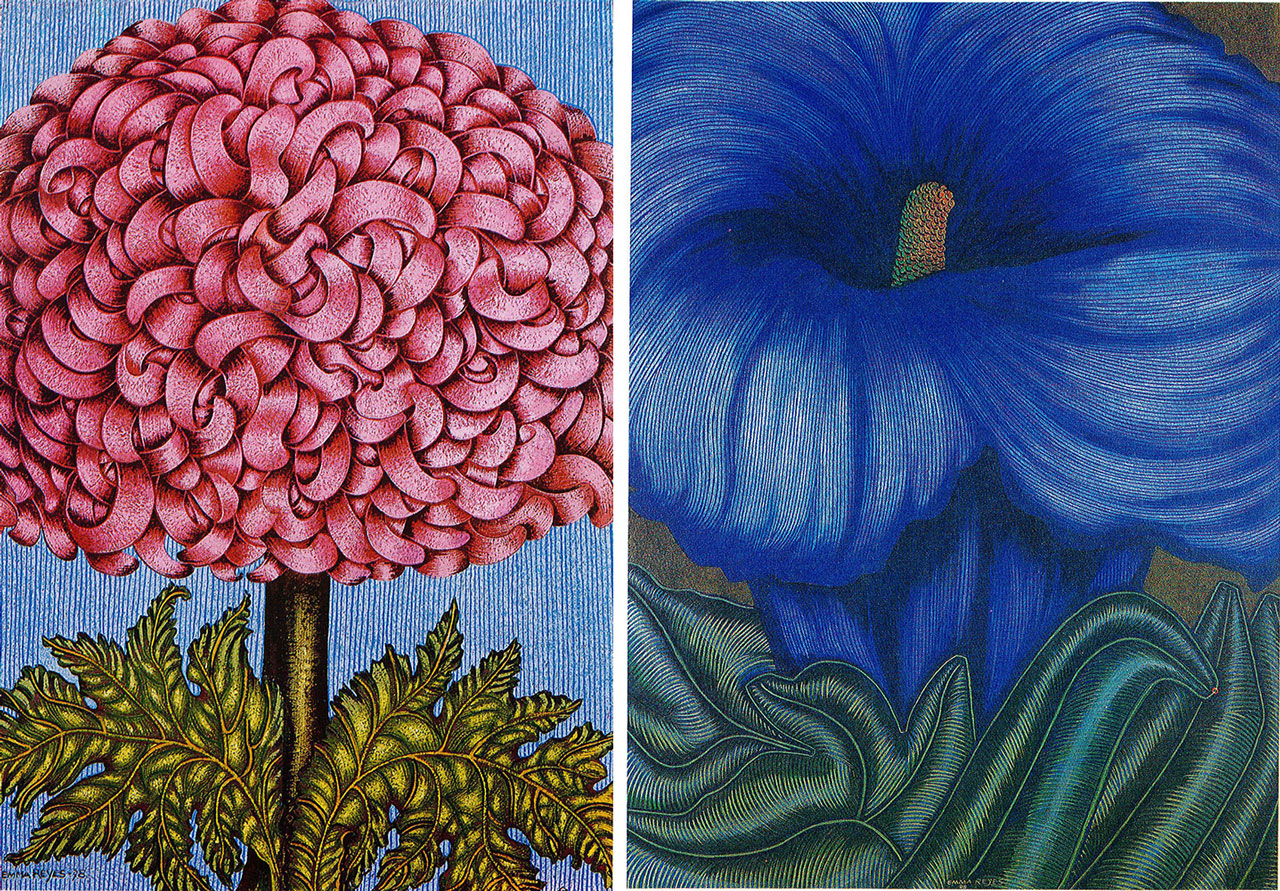
Self-taught, Emma Reyes reworked the traditions of portraiture and still life, drawing on pre-Columbian artefacts, embroidery, basketry and the organic structures of nature to create densely patterned, animated surfaces. Walking through the doors of the current retrospective exhibition dedicated to Emma Reyes at White Cube Gallery, visitors are immediately struck by a profound revelation: behind the legendary, larger-than-life personality was a fiercely dedicated creator.
For decades, Reyes was celebrated as the vital anchor of the Colombian community in Paris. Affectionately crowned “La mama grande” by the young, bewildered artists arriving from the Americas between the mid-1960s and the late 1980s, she was the maternal host who welcomed, guided, and advised them on the daunting banks of the Seine. This joyful, contagious exuberance and her spellbinding ability to weave stories are what everyone remembers best. Yet, this very joviality often masked the true beating heart of her existence. As this exhibition so powerfully demonstrates, her raison d’être unfolded every single day in the sacred secrecy of her studio, where she painted, drew, and created without exception.
Her relentless artistic journey began in Buenos Aires, where she took up painting entirely self-taught, making a quiet vow to never stop. Her undeniable talent won her the Roncoroni contest in 1947, securing her passage to Paris. That transatlantic voyage proved fateful, as she crossed paths with two men who would anchor her life: the painter Alejo Vidal-Quadras and Jean Perromat, a ship doctor who would eventually become her husband. Arriving in the French capital, she briefly sought formal instruction at the Académie Lhote. However, André Lhote offered her a piece of advice she would never forget: abandon formal classes, study the Primitives at the Louvre, and fiercely protect the unique specificity of her cultural line.
She channeled this raw, untamed identity into her 1949 debut exhibition at the Galerie Kléber. The fifty-four works on display were deeply imbued with the persistent colors and memories of the Latin America she had left behind. From vibrant market scenes to intimate family portraits, her canvases echoed the grandeur of the Mexican muralists, long before she even crossed paths with them. Her subsequent travels only expanded her global canvas. Whether illustrating for UNESCO in Washington, exhibiting alongside Diego Rivera in Mexico City, mingling with the creative elite of 1950s Rome, or wandering through Jerusalem, she never lost her Colombian eloquence.
Looking closely at the canvases now hanging on the gallery walls, one is drawn into a dizzying, arachnean deployment of shapes. There is a violence to her colors and a winding, sinuous line that refuses to leave empty space. This line clings to the canvas, connecting humans, animals, and lush plants into a single, dense pictorial weave. It is the very essence of Latin America—its overburdened churches and swarming markets—rendered in a primordial fabric where humanity and nature share the same immortal matter.
Photo: Emma Reyes, Courtesy The Estate of Emma Reyes – Paris
Info: White Cube Gallery, 25–26 Mason’s Yard, London, United Kingdom, Duration: 4/9-3/10/2026, Days& Hours: Tue-Sat 10:00-18:00, www.whitecube.com/