ARCHITECTURE:Elia Zenghelis
Elia Zenghelis (1937 – 30/8/2026) was an influential Greek architect, educator, and co-founder of the Office for Metropolitan Architecture (OMA). Renowned for introducing radical avant-gardism into architectural education and pioneering bold urban concepts, his career spanned practical design, theoretical illustration, and decades of academic leadership across Europe and the Americas.
By Dimitris Lempesis
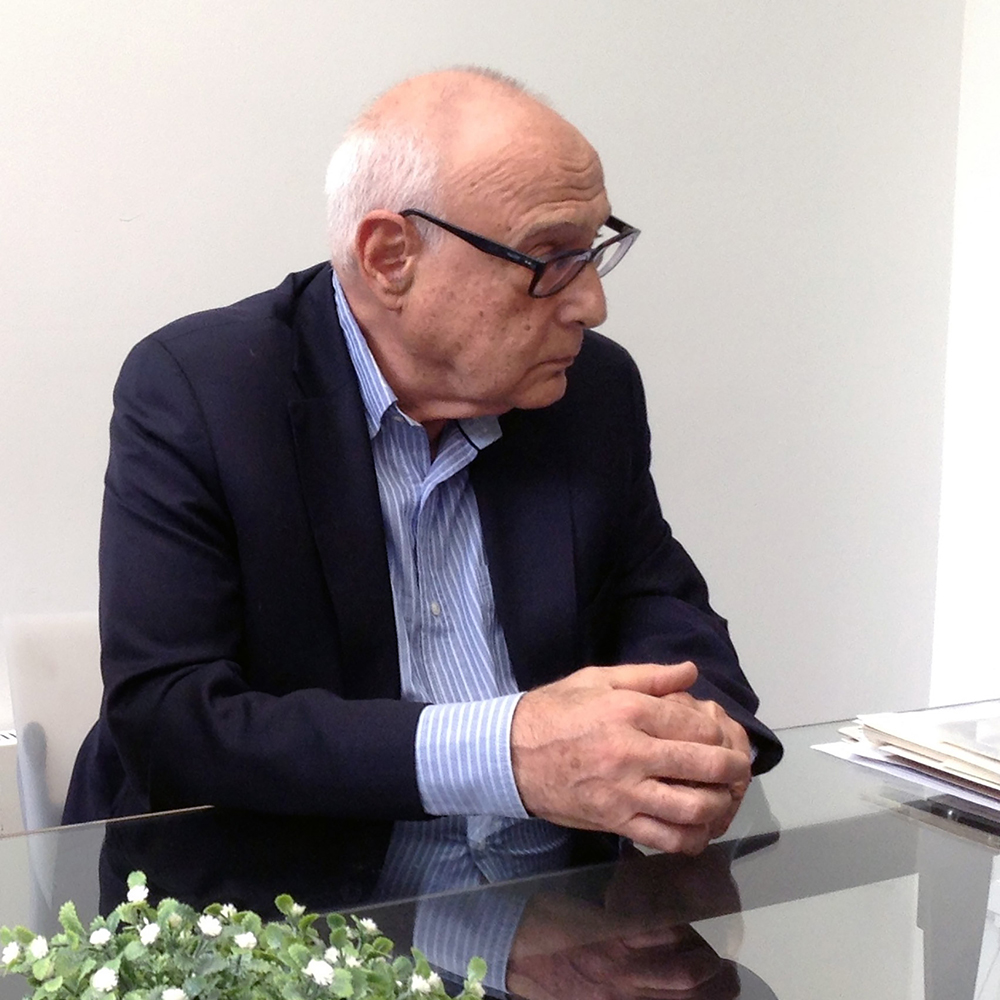 Born in Athens, Greece, in 1937, Elia Zenghelis moved to London to study at the Architectural Association (AA) School of Architecture, completing his studies in 1961. Immediately following his graduation, he joined the London practice Douglas Stephen and Partners, where he worked until 1971. Parallel to his professional practice, Zenghelis began his teaching career at the AA in 1963 under Hermann Senkowsky. He quickly rose to prominence at the school for reshaping the curriculum around radical avant-garde design theories. Between 1971 and 1975, he expanded his practice internationally, collaborating with leading figures in London, Paris, and New York, including Georges Candilis, Michael Carapetian, Aristeides Romanos, Rem Koolhaas, O.M. Ungers, and Peter Eisenman.
In 1975, Zenghelis co-founded the Office for Metropolitan Architecture alongside his wife Zoe Zenghelis, his former AA student Rem Koolhaas, and Koolhaas’s wife Madelon Vriesendorp. The practice gained immediate international acclaim for its intellectual approach to urbanism. Zenghelis directed OMA’s London office as partner-in-charge from 1980 to 1987, and managed OMA Athens from 1982 to 1987. He played a shaping role in the firm’s defining early projects, including the Extension of the Dutch Parliament Houses in The Hague, the Lützowstraße Infill and Checkpoint Charlie Housing for IBA Berlin, and the Parc de la Villette Master Plan in Paris.
In the early 1980s, Zenghelis shifted focus toward designing summer villas in Greece, including a celebrated set of residences on the island of Antiparos. Critics described this phase as an evolution from Manhattanism to Mediterraneanism, blending OMA’s reductivist, modern rhetoric with traditional Aegean vernacular traditions. Beyond speculative architectural concepts, Elia and Zoe Zenghelis created expressive paintings to visually articulate OMA’s theoretical works. Iconic pieces such as the Hotel Sphinx rendering and the Antiparos Villas.
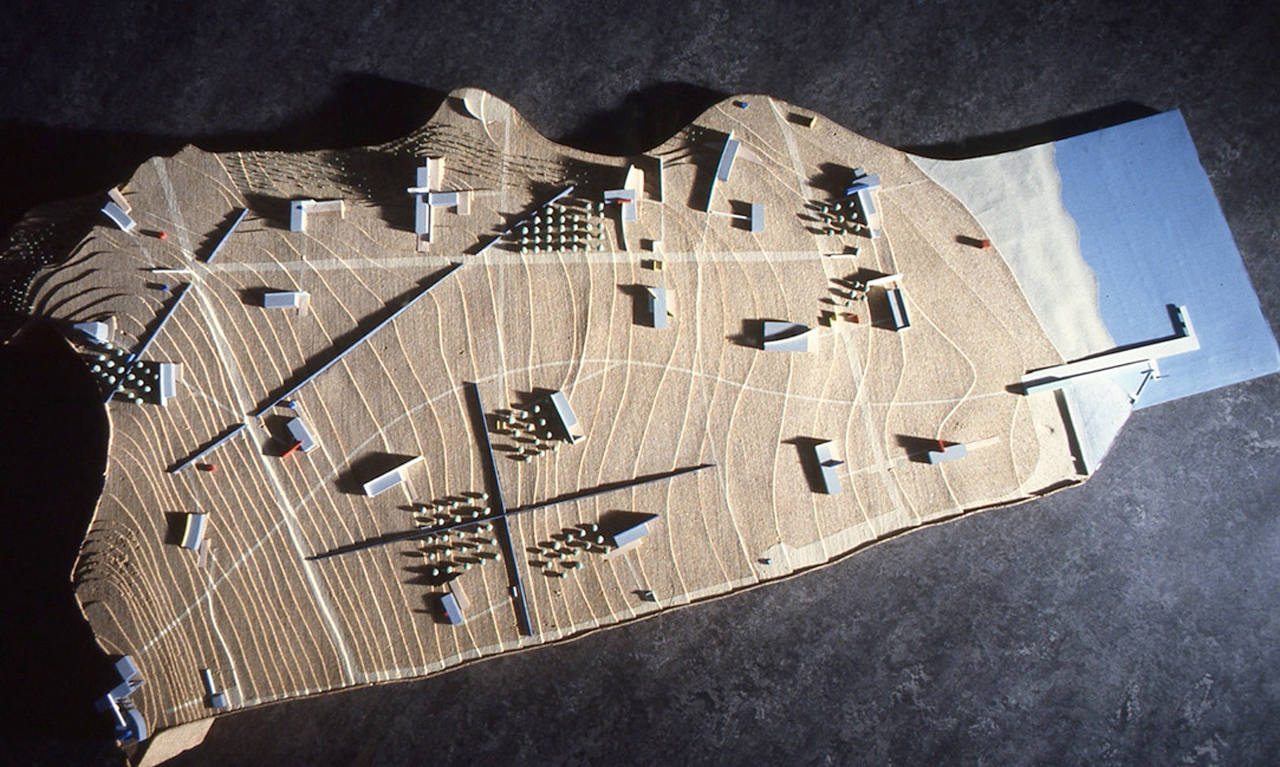
The Sixteen Villas on the Island of Antiparos project (1981) was a landmark conceptual design by Elia Zenghelis and OMA (Office for Metropolitan Architecture), created in collaboration with his wife, artist Zoe Zenghelis. It marked a pivotal shift in OMA’s theoretical trajectory, transitioning from dense urban studies of “Manhattanism” toward rural, landscape-driven design referred to as “Mediterraneanism.”
In 1980, a friend invited Elia Zenghelis to design a series of small, well-crafted summer residences on the Aegean island of Antiparos, which at the time was mostly rural, featuring a small village and scattered farmsteads. The proposal aimed to develop small residential units targeted at artists and creative professionals, establishing a cultural community while respecting the island’s delicate natural environment.
Rather than imposing massive structures, the design team broke down the buildable area into sixteen smaller, 70-square-meter huts spread across the sloping topography. The placement of the huts responded to the island’s natural contours, stone walls, dry riverbeds, and ancient wells, orienting each structure toward the sea while sheltering it from harsh northern summer winds. Inspired by Suprematism and modern abstraction, the team superimposed primary geometric shapes, such as circles, squares, and triangles, onto the rural landscape to act as organizational nodes. Rem Koolhaas famously described the scattered arrangement of the units across the hill as looking like confetti, a term that subsequently entered OMA’s permanent design vocabulary to describe dispersed architectural interventions.
The British journal Architectural Design noted in 1981 that the project signaled an evolution from Manhattanism to Mediterraneanism, demonstrating how OMA’s reductivist modern principles could be applied to traditional Cycladic landscapes. Zenghelis later remarked that the project made him realize that urban strategies and rural landscape planning shared fundamental logic, viewing the island terrain as an organized spatial system.
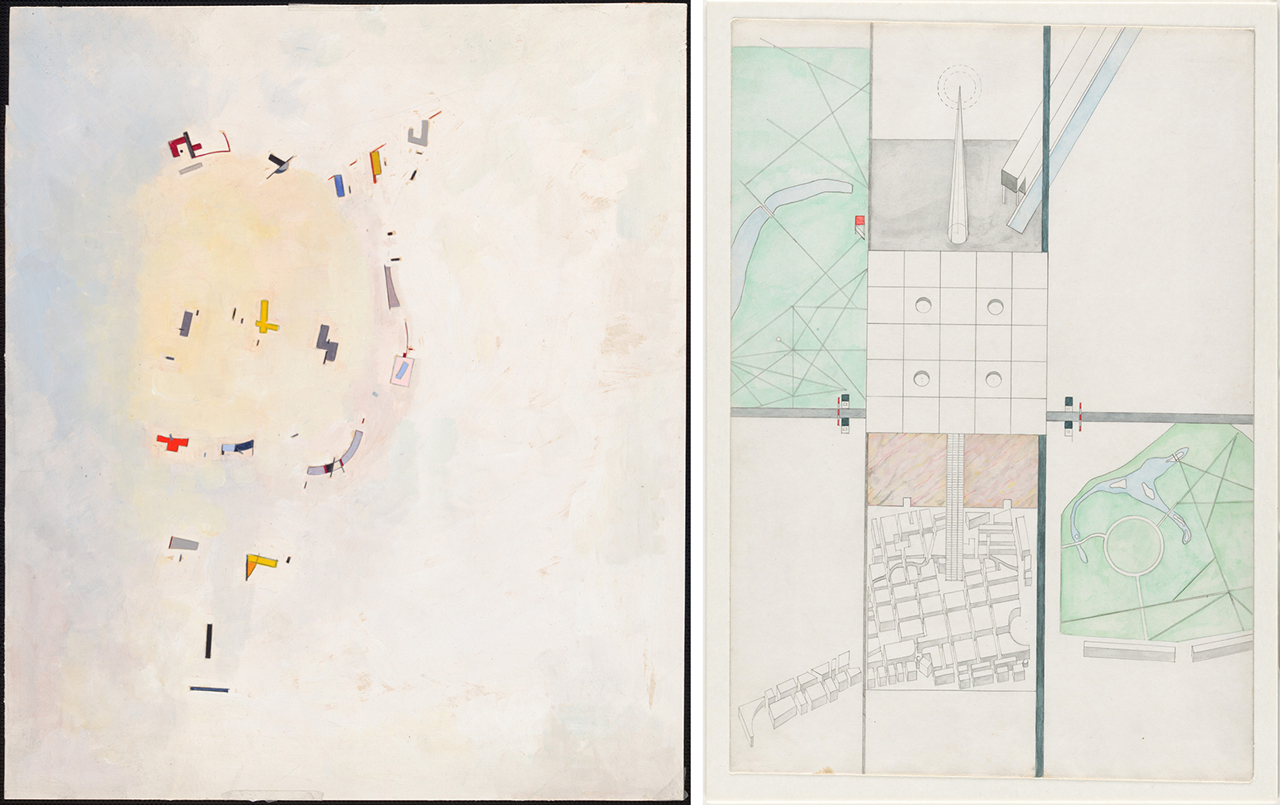
Although the project was never physically constructed, its artistic representation gained iconic status. Elia and Zoe Zenghelis produced expressive oil paintings depicting the conceptual plan and layout. One of these primary artworks, titled “Sixteen Villas on the Island of Antiparos”, was acquired by the Museum of Modern Art in New York, where it remains part of its permanent Architecture and Design collection.
In 1987, Zenghelis formed Gigantes Zenghelis Architects in partnership with architect Eleni Gigantes, establishing offices in London and Athens, as well as a branch in Brussels operating from 2000 to 2011. The firm’s most critically acclaimed completed work is the Ashikita House of Youth in Kumamoto, Japan, commissioned under the prestigious Kumamoto ArtPolis program. Beginning in 1992, Zenghelis stepped back from daily design practice to dedicate his energy to full-time teaching, though he continued lecturing and taking on selective architectural collaborations.
Zenghelis maintained a distinguished international academic career spanning more than five decades. In 1989, he was appointed Baukunst Professor at the Kunstakademie Düsseldorf, filling the chair vacated by James Stirling, where he taught until his retirement in 2002. He taught at the Berlage Institute in the Netherlands from 1993 to 2010, joining its board of directors in 2003. In Switzerland, he served as Visiting Professor at EPFL Lausanne and ETH Zurich, and as Professor at the Accademia d’Architettura Mendrisio. He also taught master classes at The Bartlett, served as Davenport Visiting Professor at the Yale School of Architecture, and was named Professor Emeritus across multiple institutions, including the University of Thessaly in Greece.
In recognition of his lifetime impact on pedagogical practice and generations of architects, the Royal Institute of British Architects awarded him the RIBA Annie Spink Award for Excellence in Education in 2000. Zenghelis passed away on 30 August 2026, at the age of 89.
Photo: OMA, Model for Antiparos, 1981-82. © OMA.
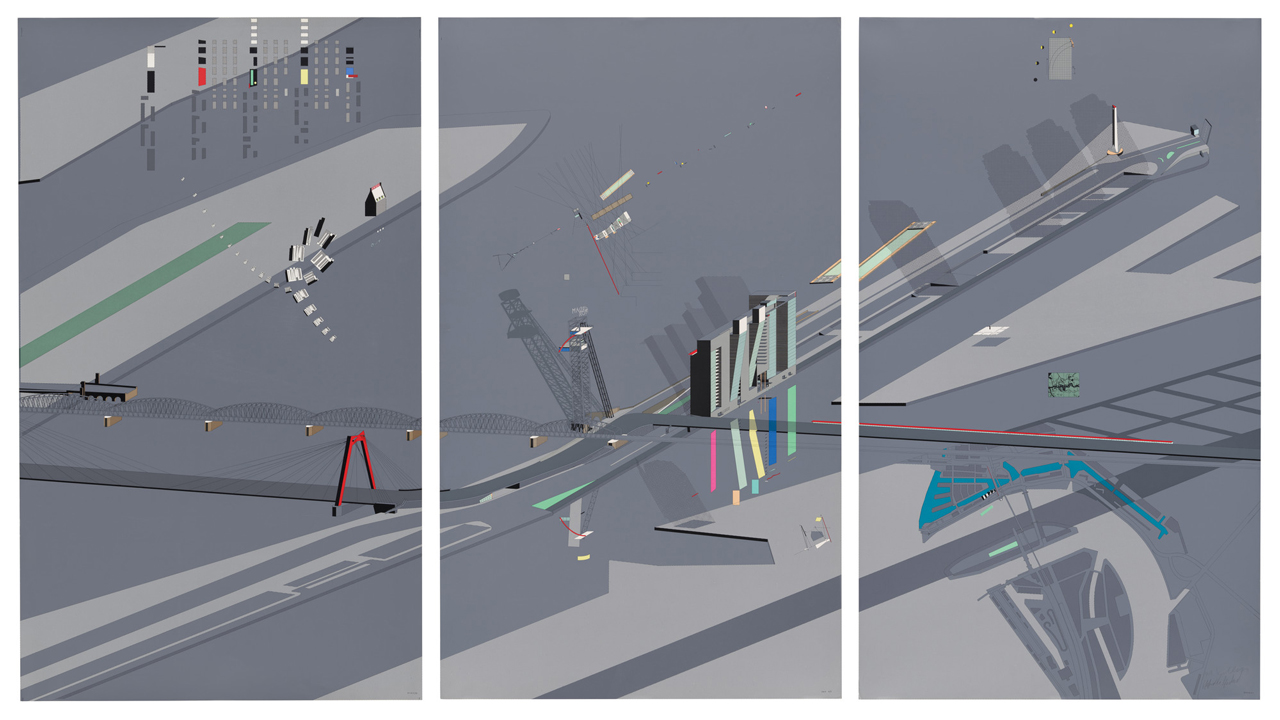
Right: Zoe Zenghelis, Elia Zenghelis, Hotel Sphinx (The Head) Project, New York, New York (Axonometric), 1975, Synthetic polymer paint and ink on paper, 0 3/8 x 27 1/2″ (178.8 x 69.9 cm), Courtesy MoMA
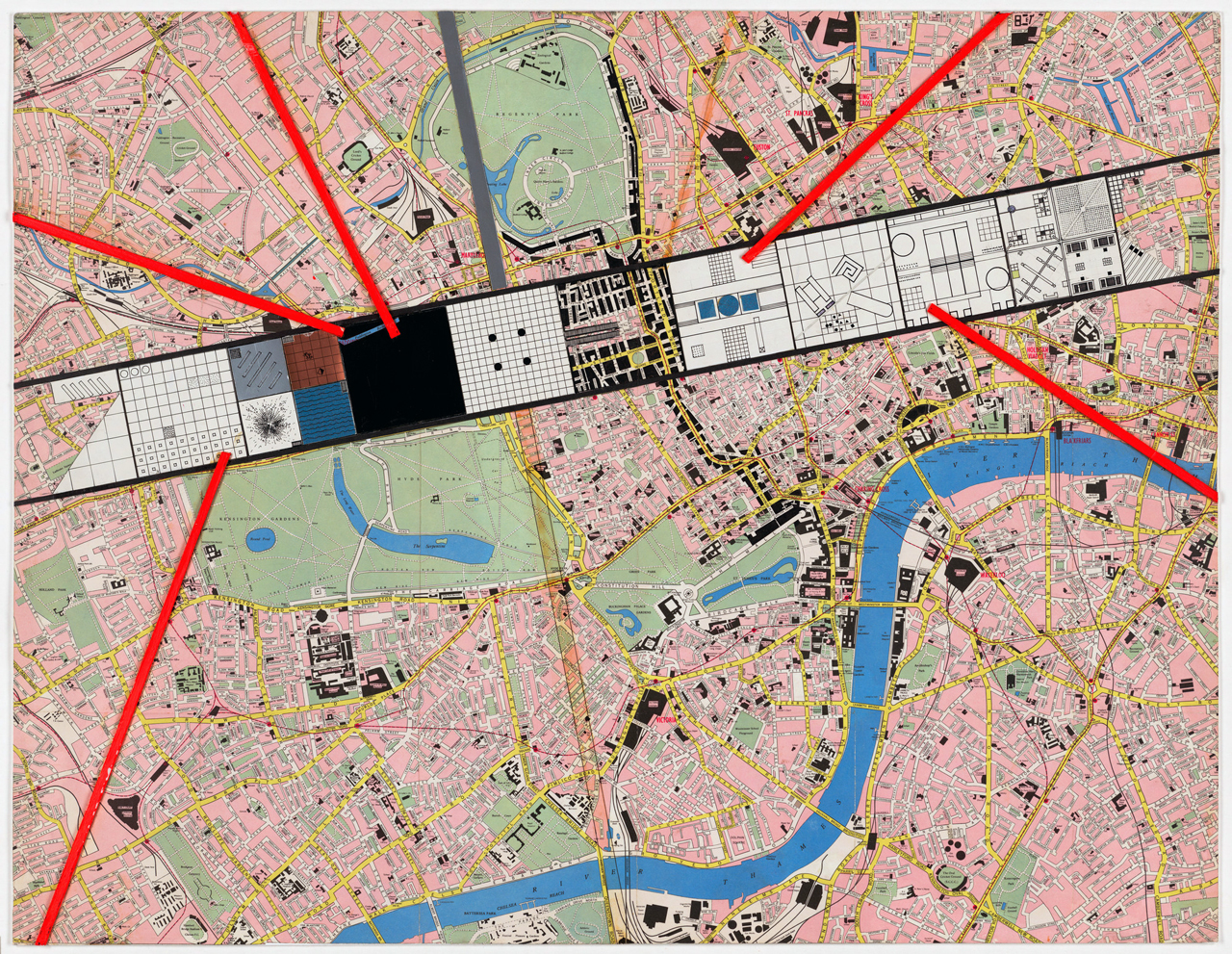
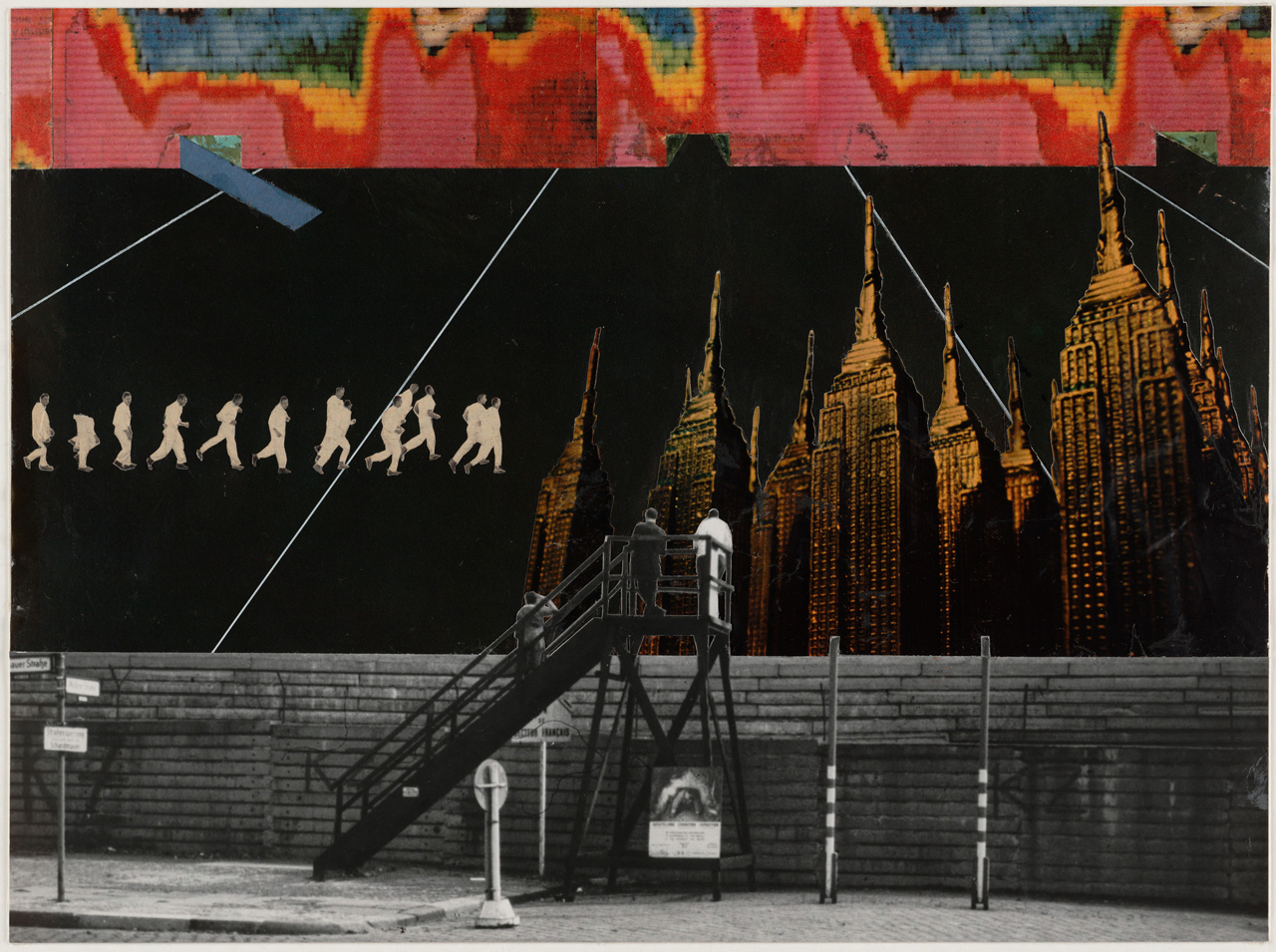
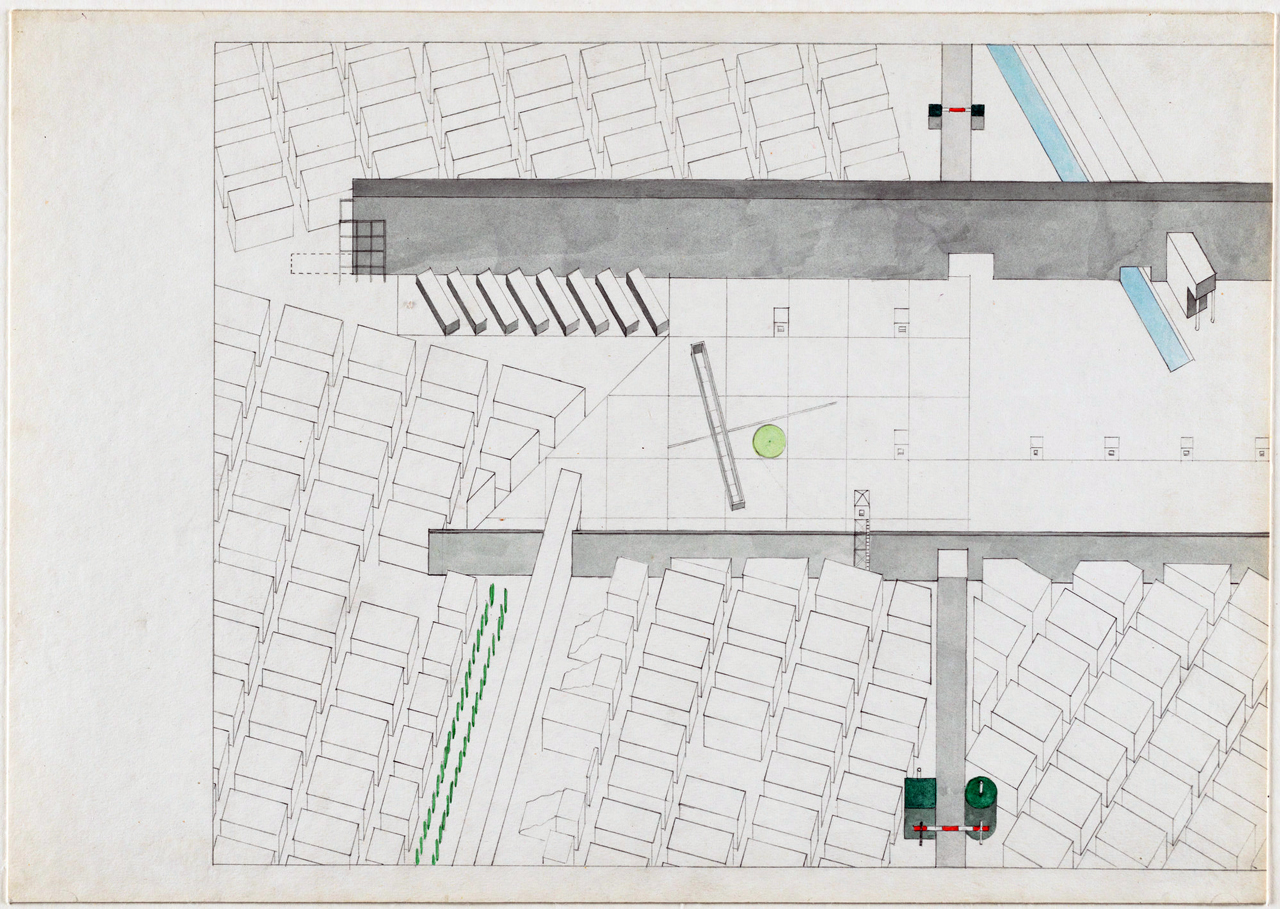
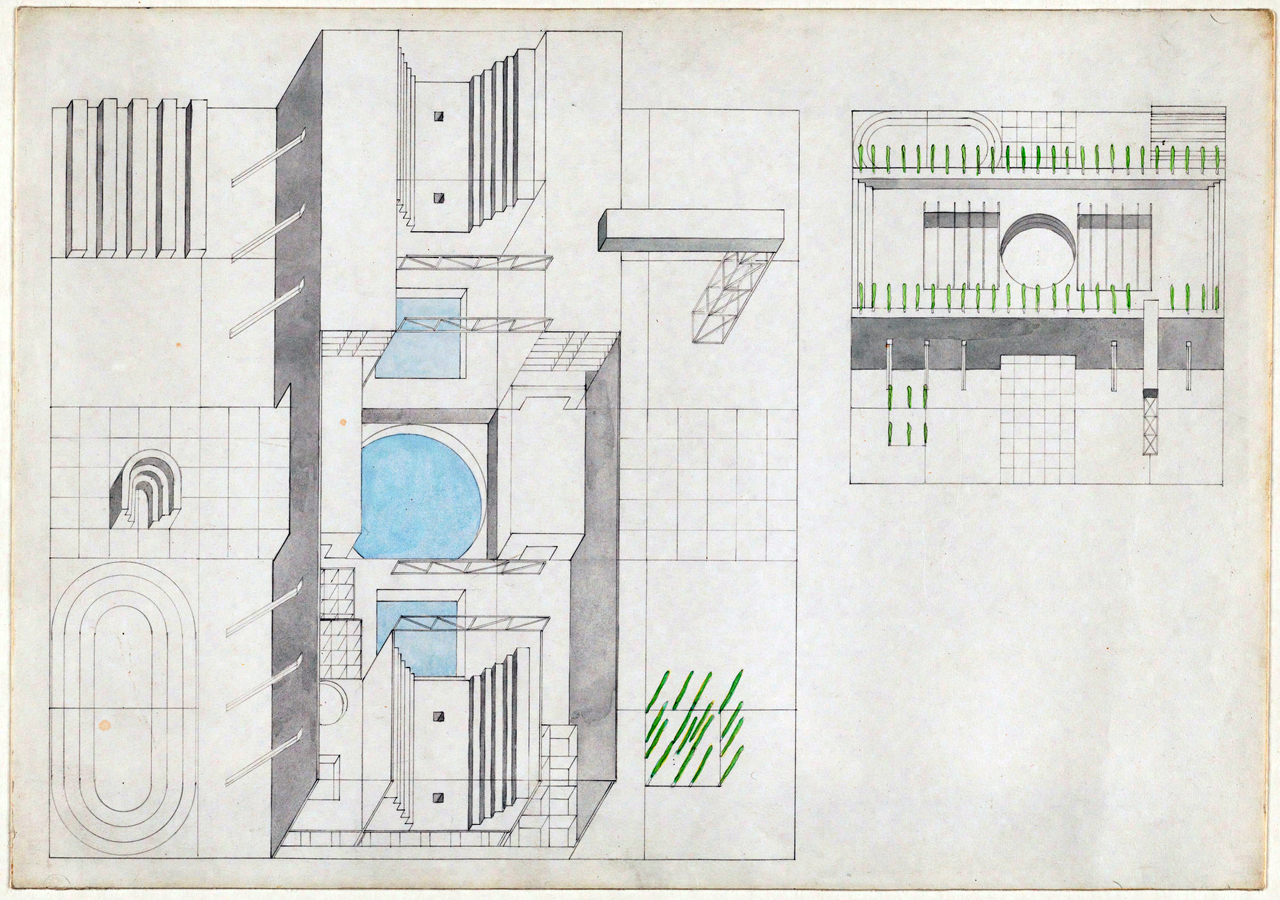
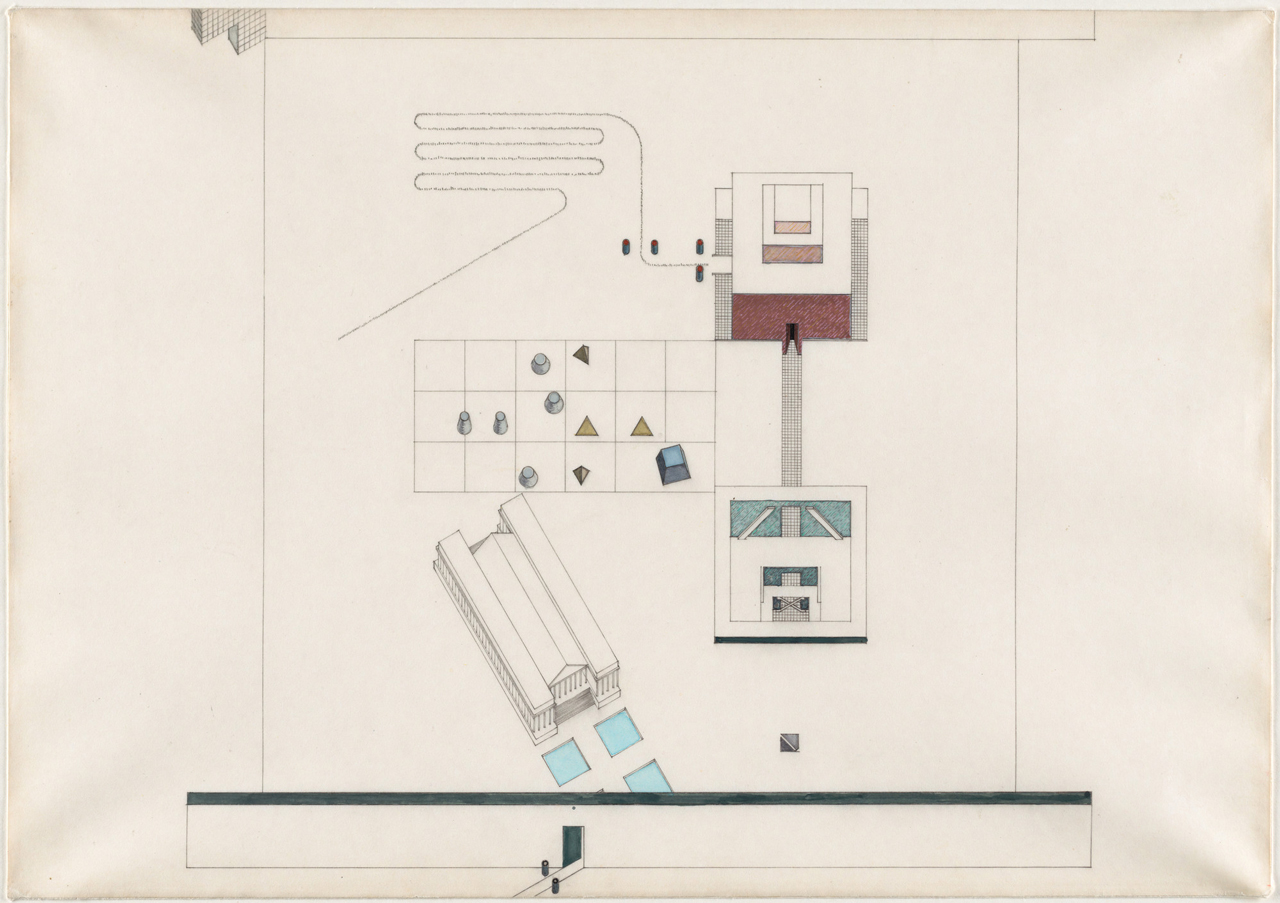
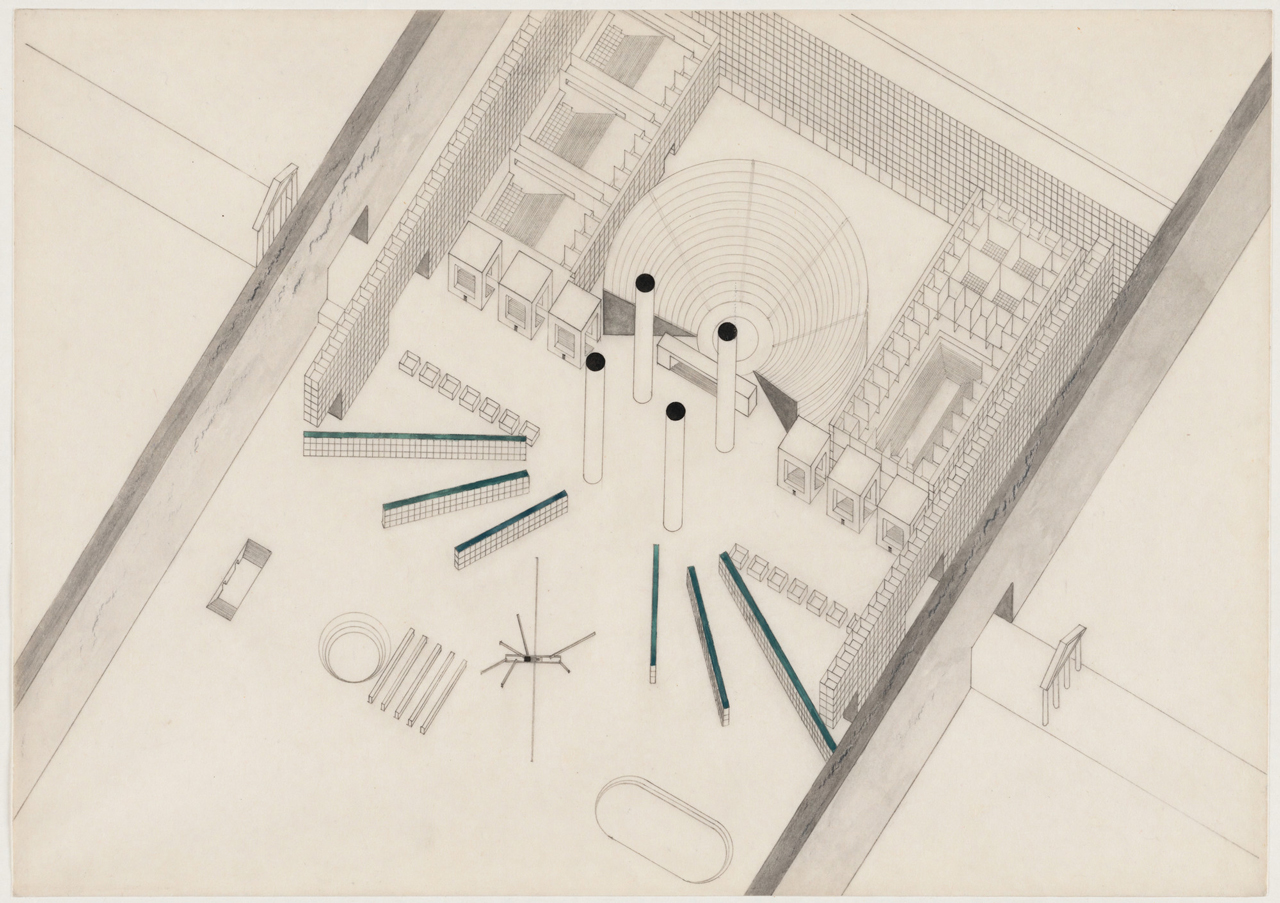
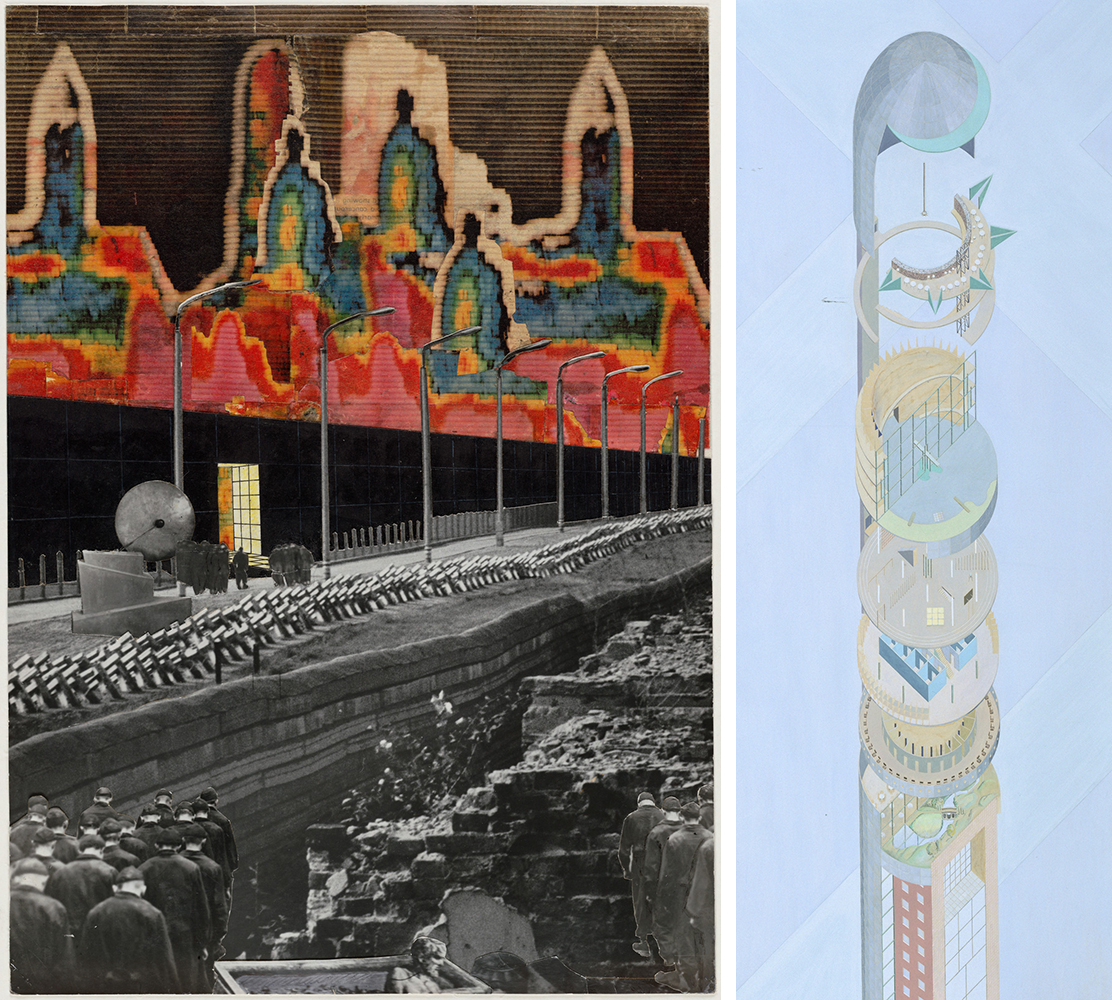
Right: Rem Koolhaas, Elia Zenghelis, Madelon Vriesendorp, Zoe Zenghelis, Exodus, or the Voluntary Prisoners of Architecture: The Central Area, 1972, Graphite and watercolor on paper, Courtesy MoMA
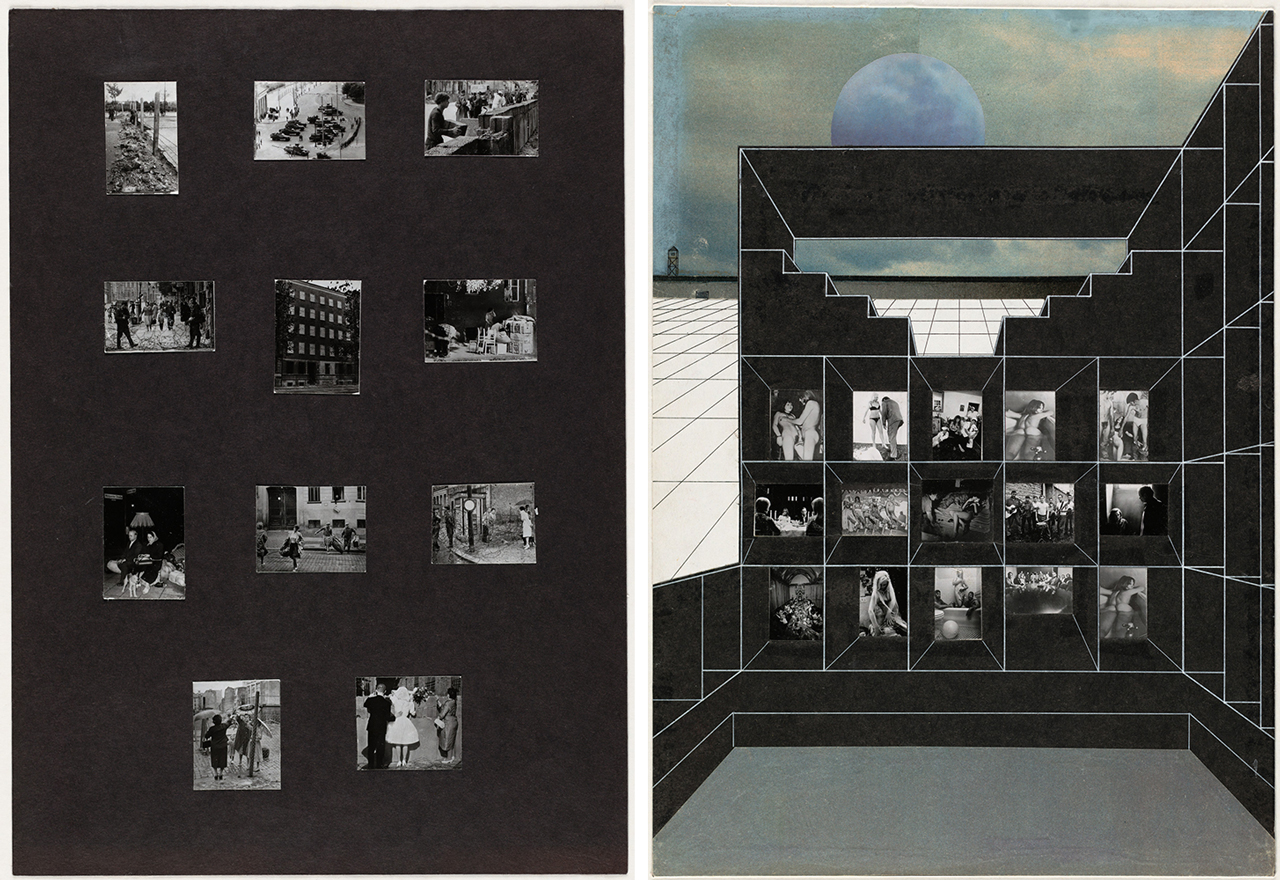
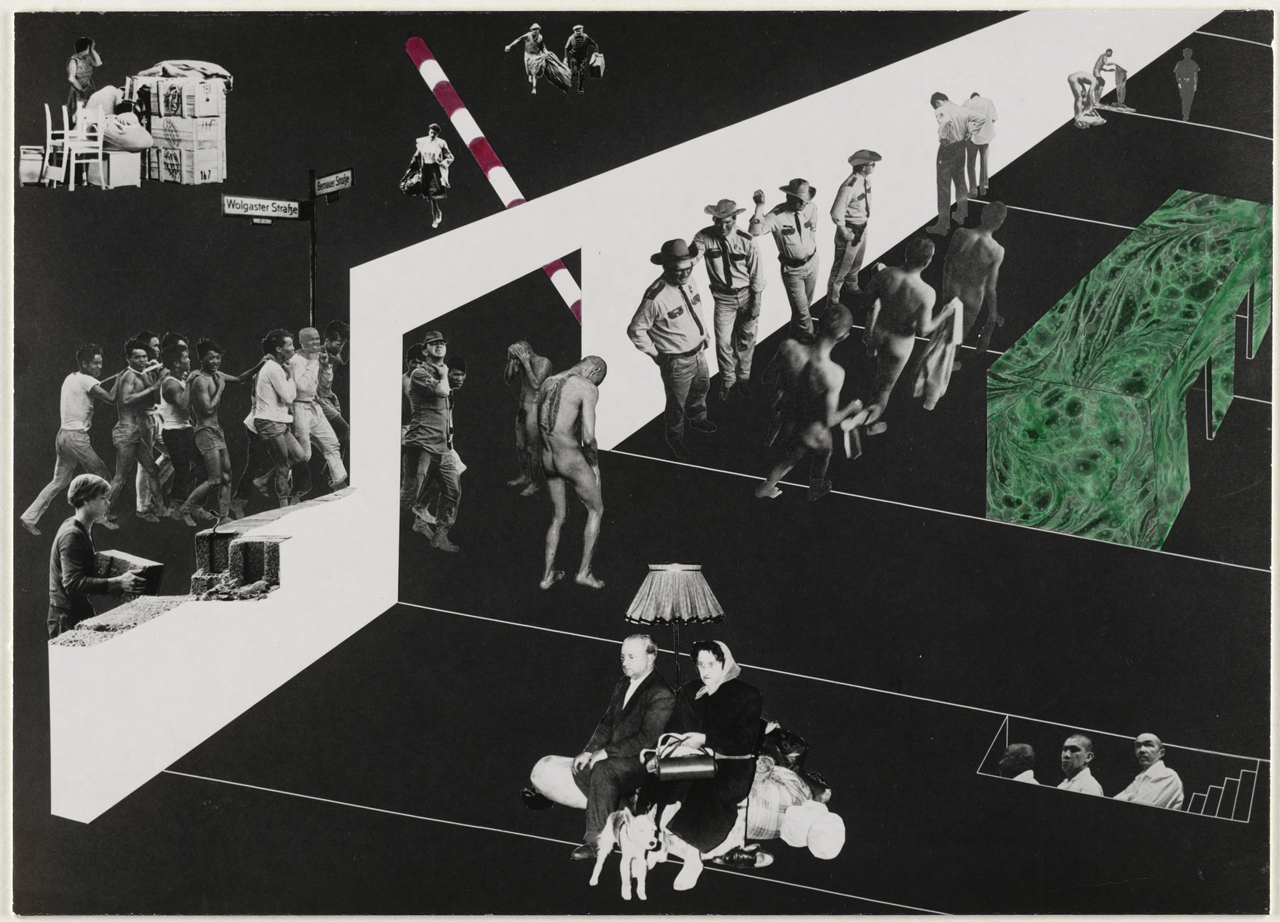
Right: Rem Koolhaas, Elia Zenghelis, Madelon Vriesendorp, Zoe Zenghelis, Exodus, or the Voluntary Prisoners of Architecture: The Baths, 1972, Cut-and-pasted paper, photolithograph, and gelatin silver photographs with ink on paper, Courtesy MoMA