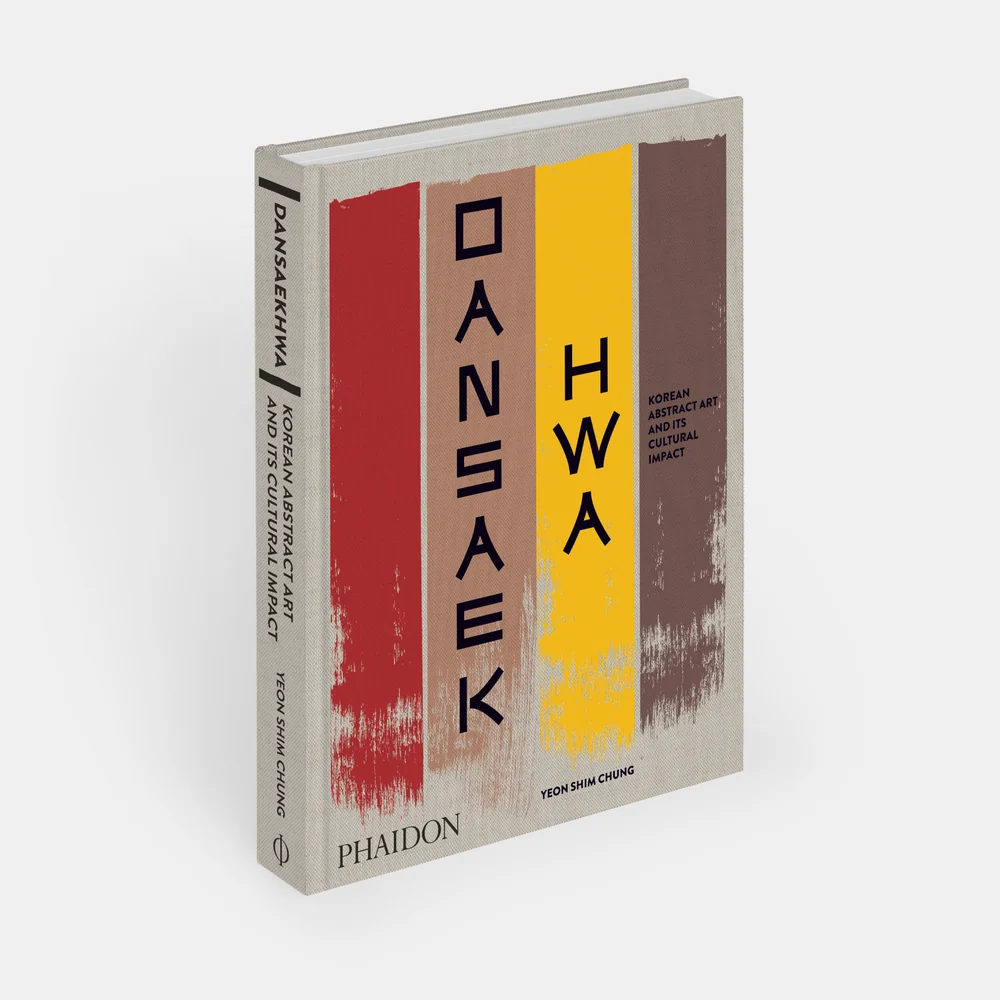
BOOK:Dansaekhwa-Korean Abstract Art and Its Cultural Impact, Phaidon Publications
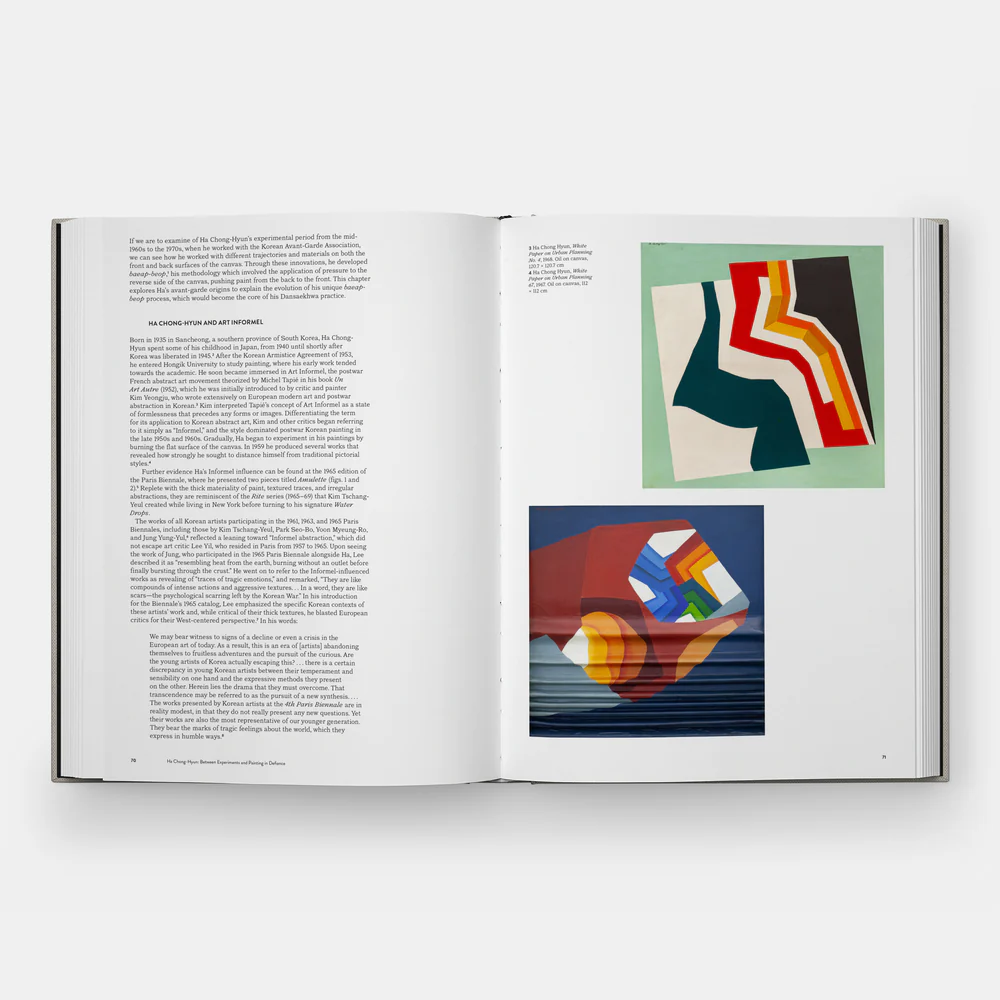
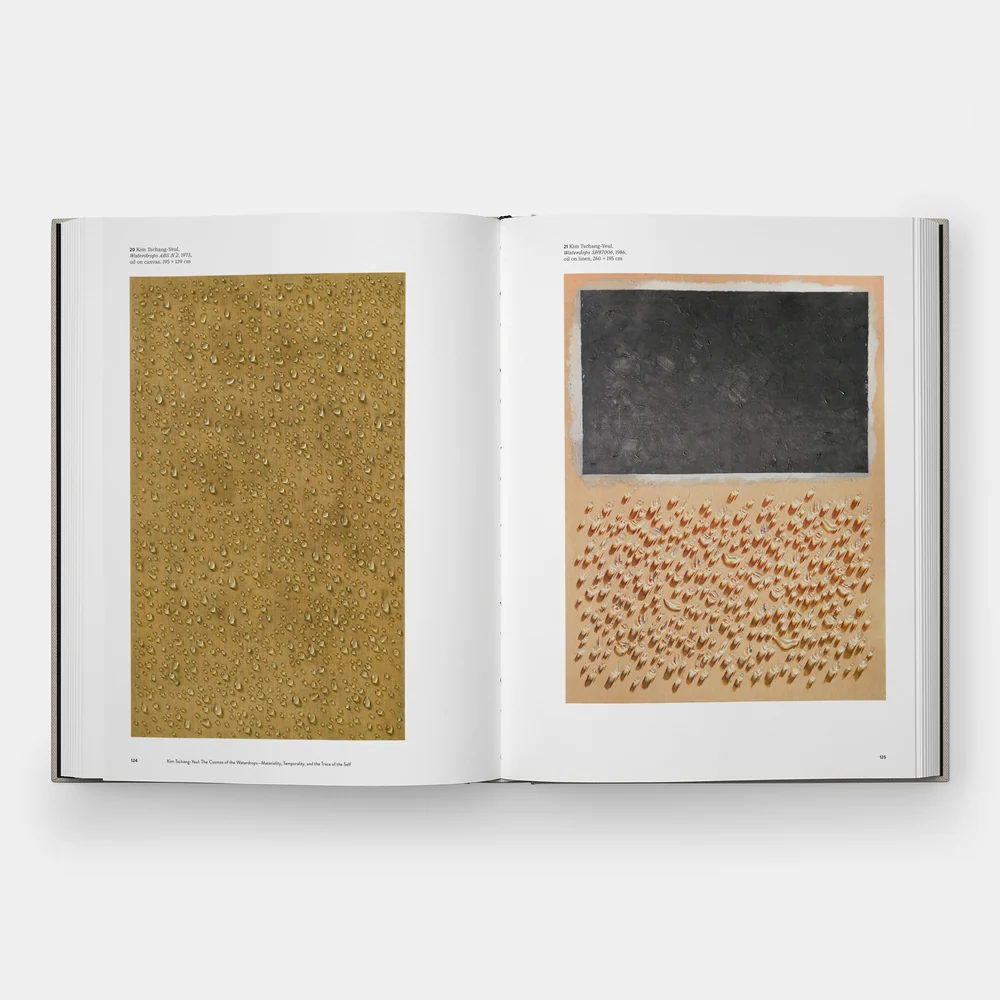
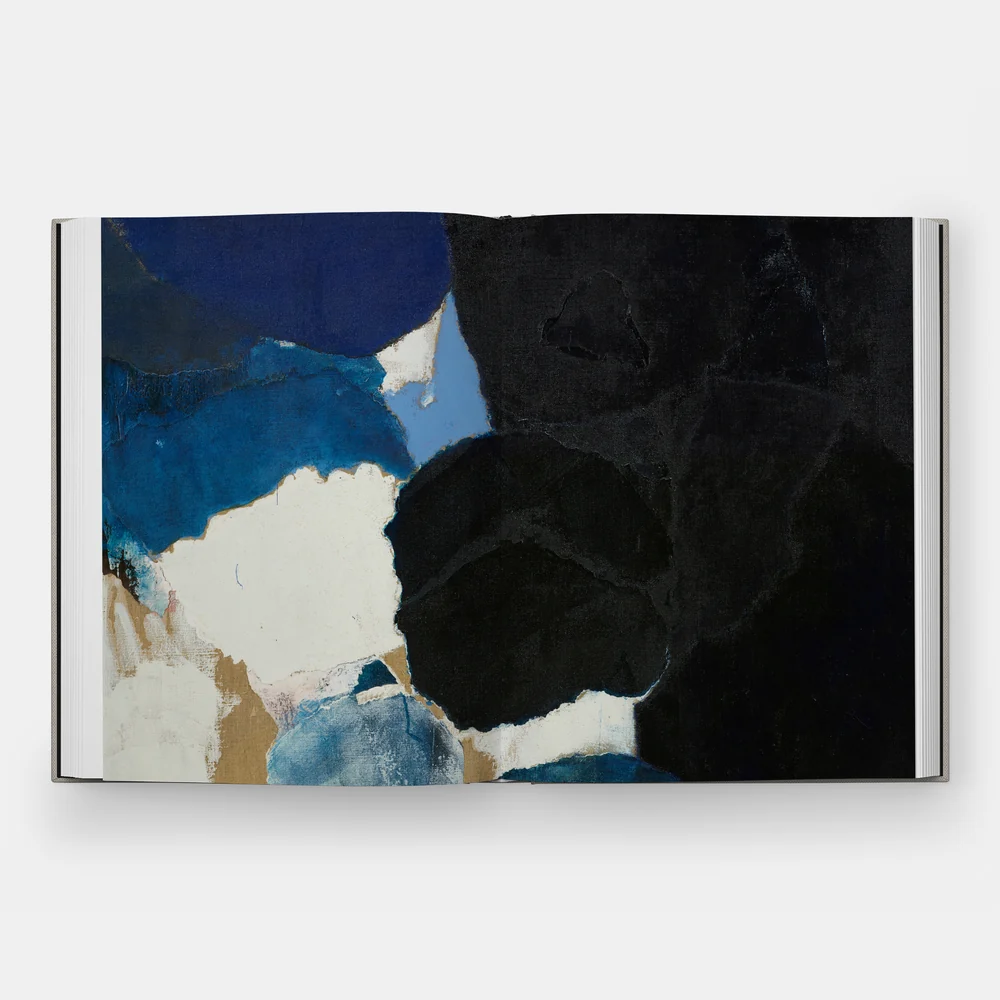
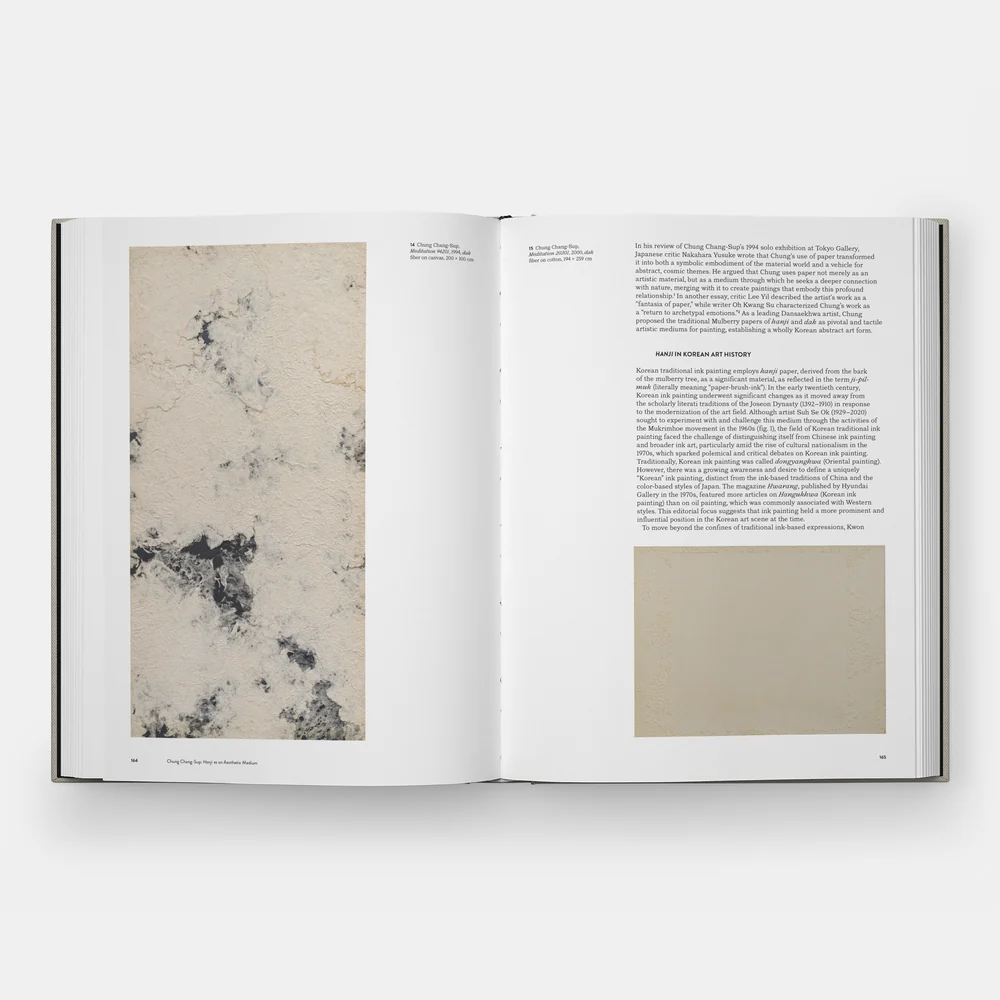
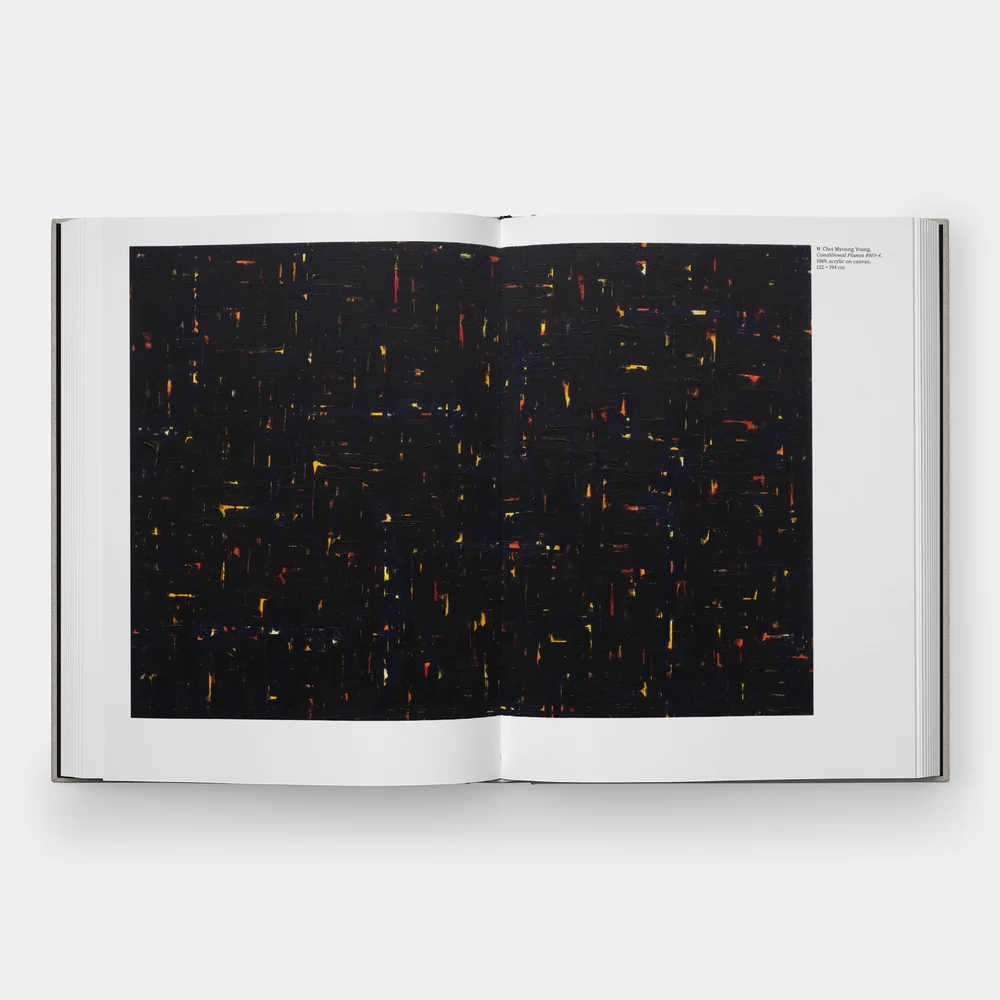
Most commonly referred to as Dansaekhwa (“monochrome painting”), this major postwar South Korean abstract art movement pushed the boundaries of color and medium well beyond the flat canvas, expanding into drawing, craft, sculpture, installation, and conceptual art. Originating in the 1960s and reaching its peak in the 1970s and 1980s, Dansaekhwa emerged as a meditative counter-response to historical trauma, military rule, and rapid industrialization. Rather than adopting Western Minimalism’s industrial detachment, Dansaekhwa artists turned inward, grounding their practice in physical labor, repetition, and Taoist philosophy to achieve a oneness between the artist, the material, and nature.
In “Dansaekhwa: Korean Abstract Art and Its Cultural Impact” by Phaedon Publications, author Dr. Yeon Shim Chung provides a comprehensive examination of the movement’s aesthetic legacy and global resonance. Richly illustrated with over 250 beautifully reproduced artworks and archival materials, the book surveys canon-defining figures such as Park Seo-Bo, Lee Ufan, Ha Chong-Hyun, Kim Tschang-Yeul, and Yun Hyong-Keun, while detailing how their work crystallized through the critical influence of art commentators both inside and outside Korea. Crucially, the text addresses a long-overlooked dimension of the movement by asking, in the tradition of Linda Nochlin, “Why have there been no great women Dansaekhwa artists?” In doing so, it reveals how pioneering figures like Chin Ohc Sun, Lee Chungji, Yoon Miran, Seundja Rhee, and Theresa Hak Kyung Cha played vital, highly influential roles within a historically male-dominated canon. Serving as an essential guide to Korean abstract art, this volume illuminates how a uniquely Korean aesthetic of quiet resilience transformed into a powerful force in the international art world. – Dimitris Lempesis