PRESENTATION: Park Seo-Bo, Changing Unchanging
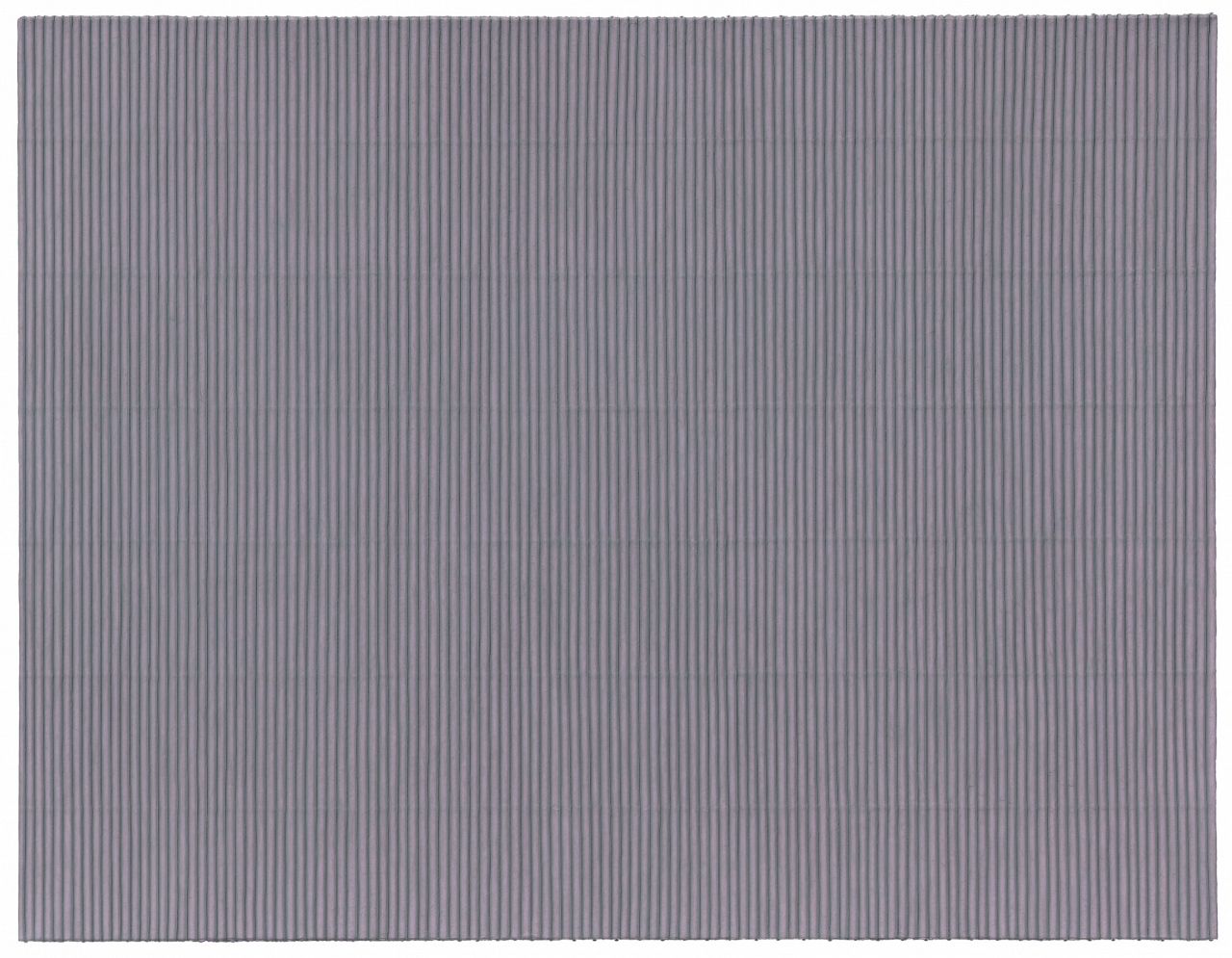
Park Seo-Bo (1931–2023) was a trailblazing South Korean painter and a founding father of Dansaekhwa, Korea’s monochrome painting movement. He gained international acclaim for his iconic “Écriture” (Writing) series, characterized by repetitive pencil lines, layered wet paint, and hand-molded traditional hanji paper. His rhythmic, meditative approach transformed artmaking into a spiritual exercise, redefining modern Korean abstraction globally.
By Dimitris Lempesis
Photo: Kukje Gallery Archive
Commemorating the third anniversary of Park Seo-Bo’s passing, “Changing Unchanging” is a major retrospective showcasing 40 works across Kukje Gallery’s K1, K3, and Hanok spaces. The exhibition takes the artist’s defining ethic as its point of departure: “Those who don’t change will perish, but so will those who do.” Park unveiled new creations only after years of discipline engraved a profound sense of touch and certainty into his body. Tracing five decades of artistic transformation, the retrospective illuminates his evolution not merely as a chronological archive of stylistic variations, but as a living philosophy where thought, material, body, and environment intersect.
Throughout his early career, Park continually interrogated the intrinsic function of painting while engaging with shifting historical milieus. In the late 1950s following the Korean War, he experimented with Western Informel to express post-war existential angst. This led to his dark, turbulent Primordialis series in the early 1960s, followed by the rigorous, colorful geometry of Hereditarius in the late 1960s as Korea underwent rapid reconstruction. A pivotal turning point arrived in 1967 when Park abandoned external socio-cultural subjects to focus on the core foundation of painting—shifting his inquiry from what to paint to how to paint.
The front gallery of K1 introduces Park’s early “Pencil Ecriture series” (1967–1986), which served as an instrument for his methodology of “self-emptying” (myobop, drawing as if writing). Inspired by his young son repeatedly crossing out writing mistakes in a notebook, Park developed a performative discipline of repetitive line-drawing in pencil over wet white canvas, capturing his physical breath and rhythmic cadence on the surface.
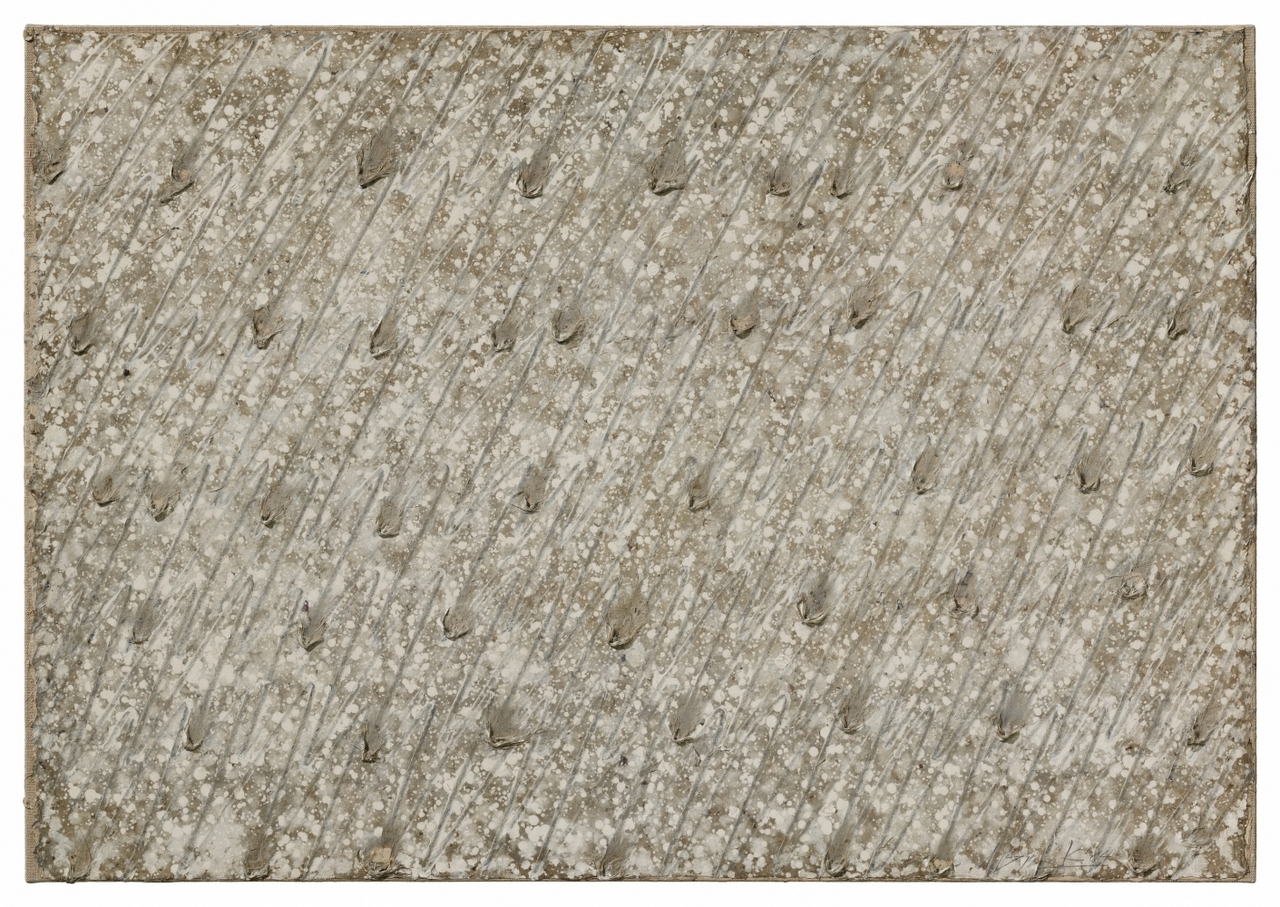
In 1982, Park introduced “hanji” (traditional Korean mulberry paper) into his practice. Unlike Western canvas, hanji absorbs pigment and integrates directly with bodily gestures. Rare transitional works in K1 show Park moving away from unconstrained pencil draftsmanship toward an exploration of the paper’s sculptural resistance. Works like “Ecriture No. 41-84” highlight this tension between pencil mark and wet, clumping fiber, leading Park toward an all-over format of comb-like patterns by the mid-1980s.
The rear gallery features “Zigzag Ecriture” (1982–1997), where wet hanji fibers were pushed with tools to form tactile furrows, ridges, and nodes. Expanding beyond monochrome, Park saturated the paper with natural extracts of mugwort, tobacco, and traditional ink, transforming flat picture planes into relief-like spaces where material and gesture coalesce.
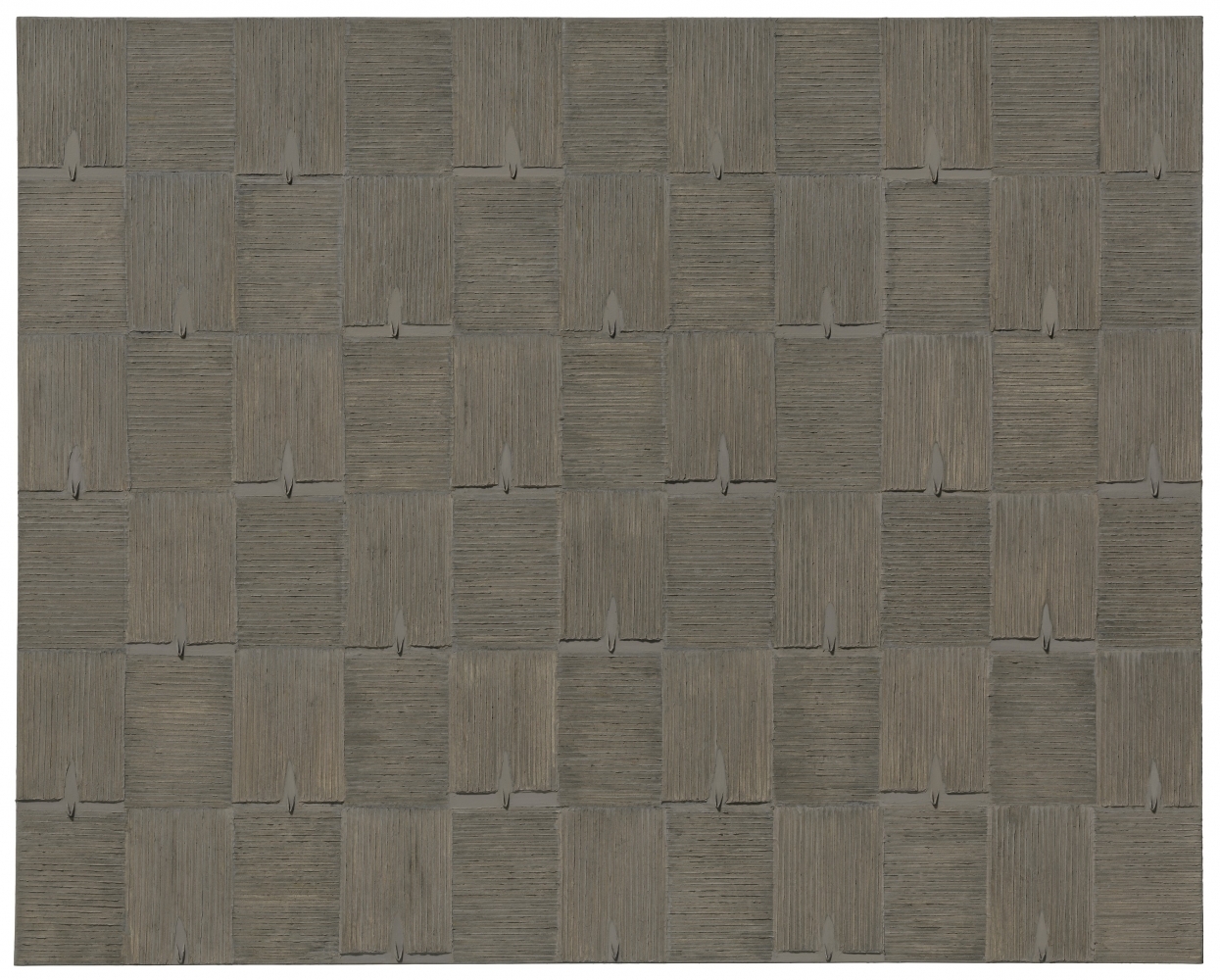
Installed alongside these are works from the “Black and White Ecriture” series (1995–2004). Here, compositions simplified into parallel vertical ridges created by pressing thick graphite into wet hanji. Park structured these canvases using preliminary architectural blueprints (esquisses). The deep black tones evoke childhood memories of soot lining his mother’s kitchen hearth, embodying a profound spiritual depth that remained central to his practice.
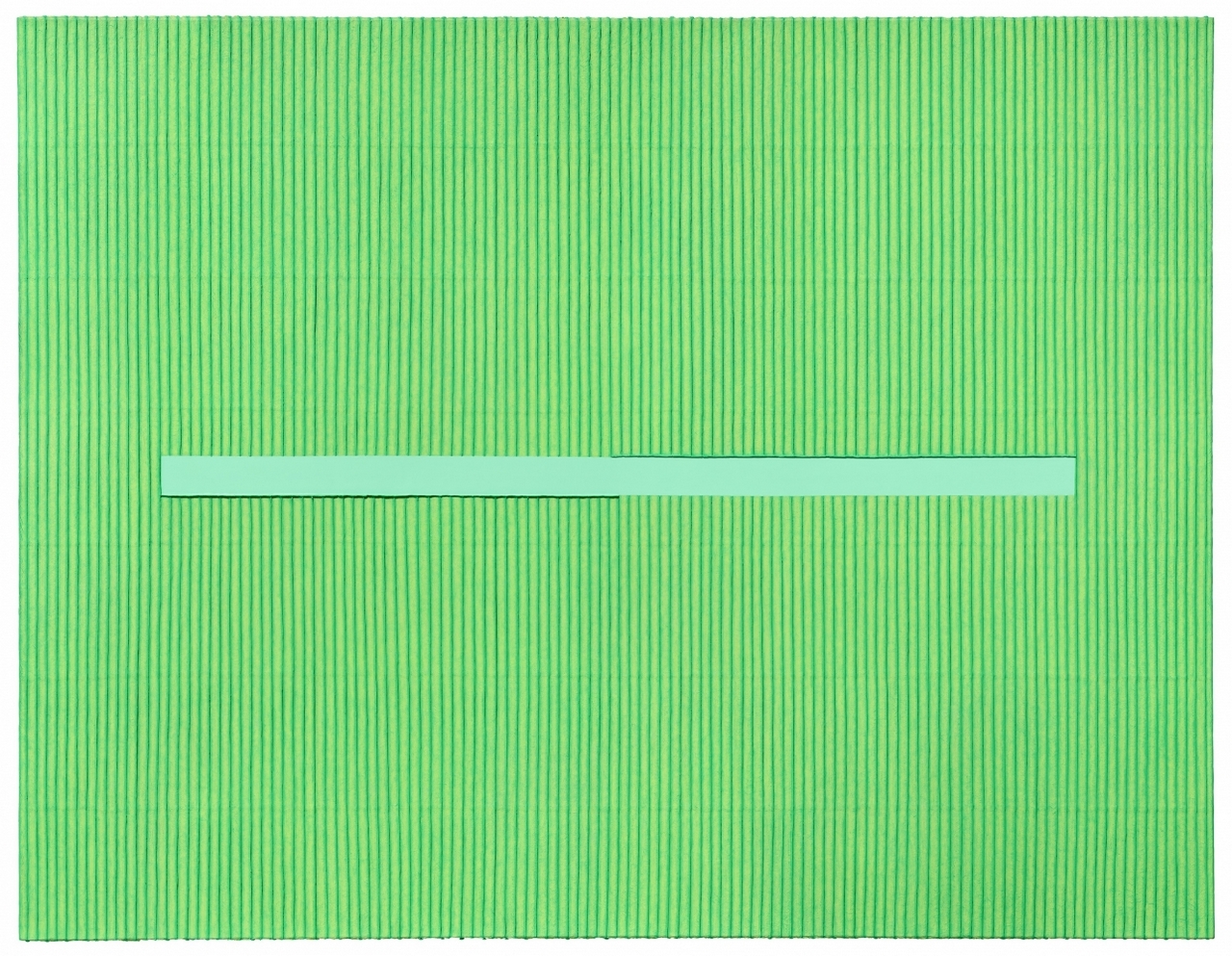
The K3 gallery presents “Color Ecriture” (2001–2018), which transposes the hues of nature onto pictorial planes. Grounded in the parallel ridge structures of his earlier work, these pieces apply contrasting colors to the furrows and ridges, creating dynamic perceptual shifts as the viewer moves across the room.
Observing the sensory overload of the digital age, Park redefined painting as a medium for static serenity and rhythmic vitality. He introduced a palette of “healing colors” to relieve visual fatigue, resolving his inquiry into why he must paint: to offer a meditative field of restoration.
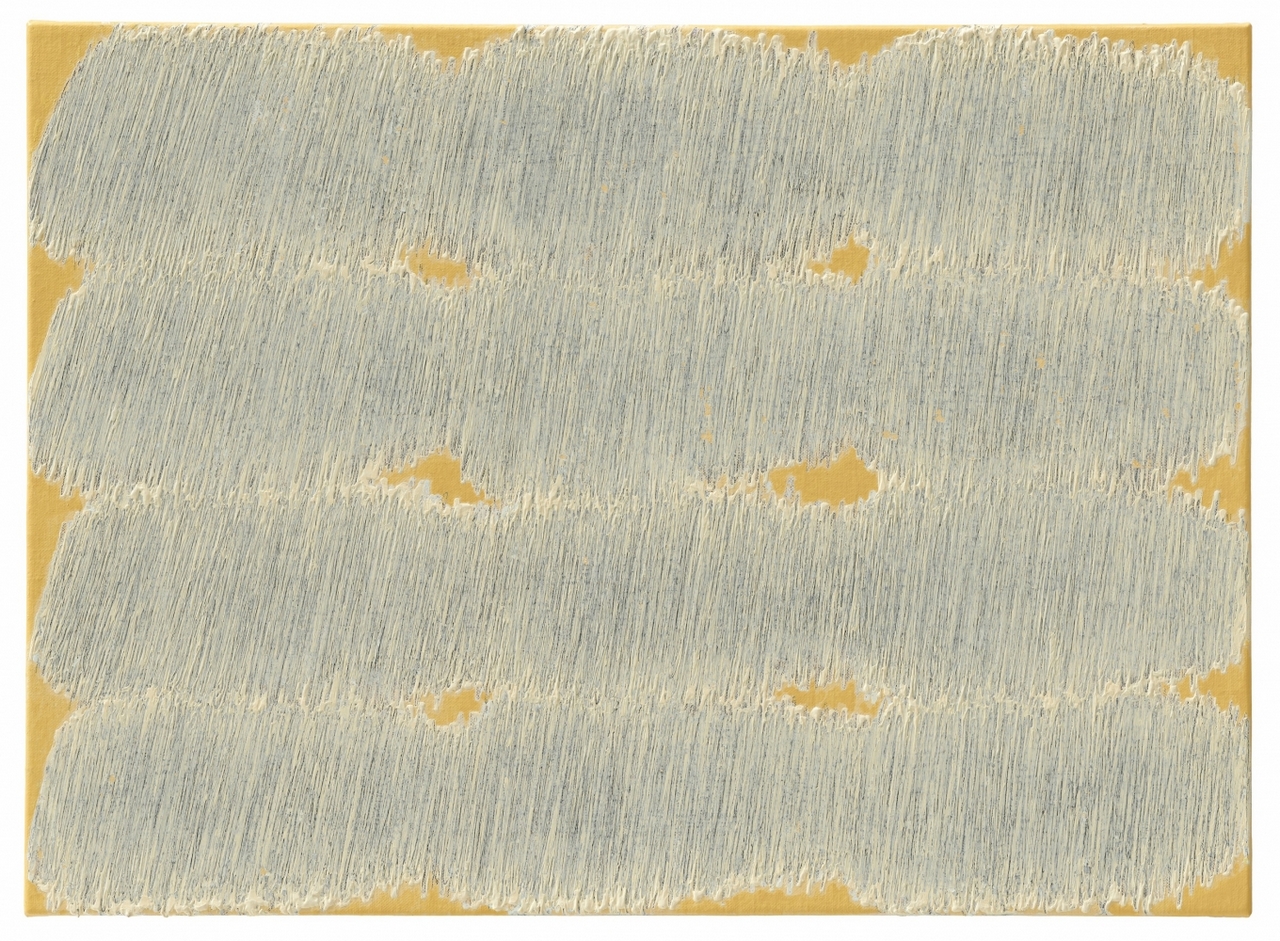
The Hanok space presents Park’s final creative chapters. “Pencil Color Ecriture” (2019–2021) returns to the pencil repetition of his pre-1986 practice while embracing a vibrant palette. Scaled precisely to correspond with his physical reach as he aged, Park viewed each rhythmic unit of movement as a measure of his own breath.
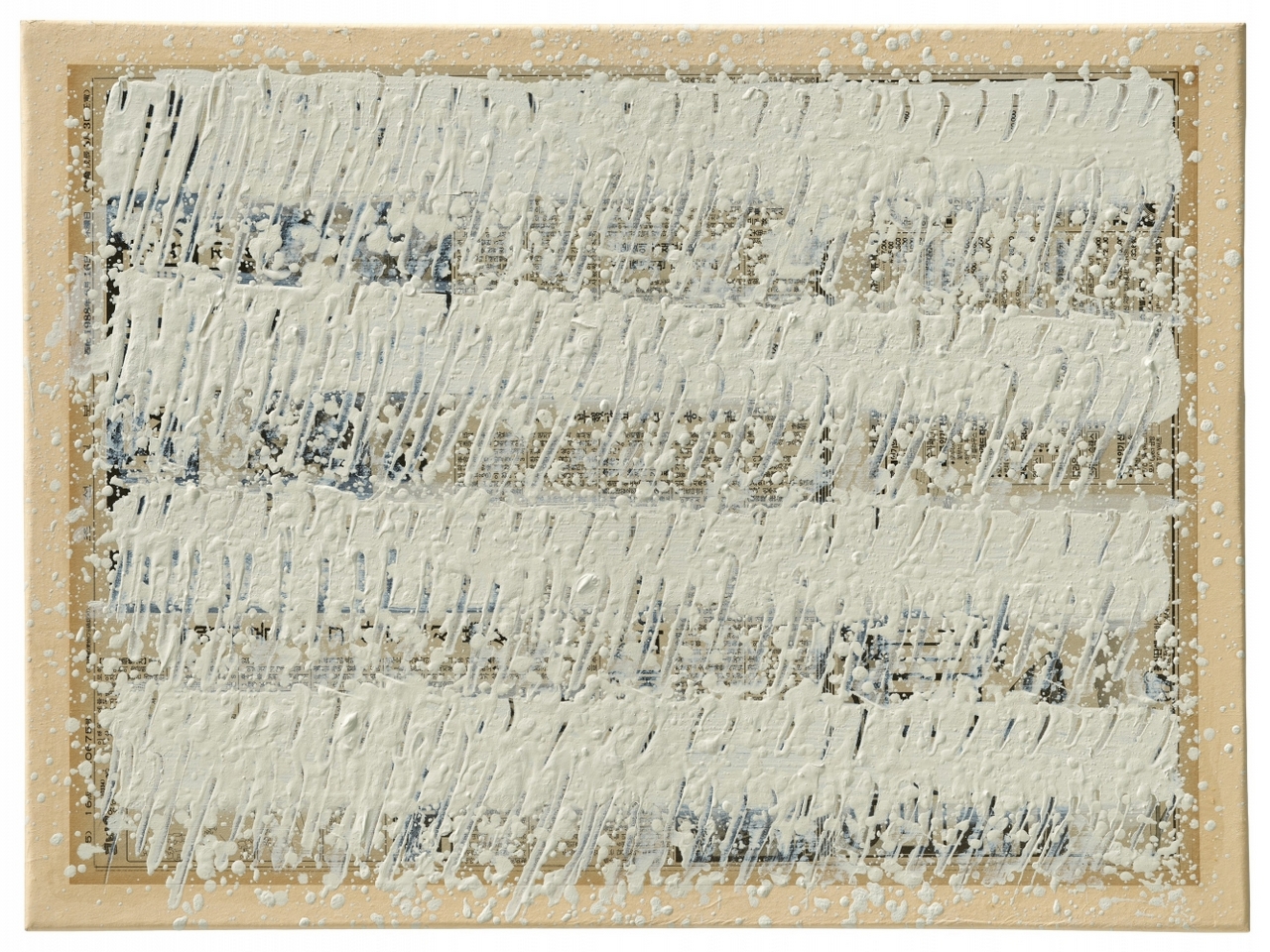
The exhibition concludes with “Newspaper Ecriture” (2022–2023), a series Park pursued until his passing. Originating from an impromptu gesture in Paris in 1977—where he wiped excess paint onto copies of Le Monde—these late works feature oil paint splattered and scored over old newspapers. By placing personal, performative marks over printed records of human struggle, Park transfigured ephemeral documents of civilization into timeless artistic statements.
Photo: Park Seo-Bo, Ecriture No. 030513, 2003, Mixed media with Korean hanji paper on canvas, 200 x 260 cm, Courtesy Kukje Gallery
Info: Kukje Gallery, 54, Samcheong-ro, Jongno-gu, Seoul, Republic of Korea, Duration: 24/8-18/10/2026, Days & Hours: Mon-Sat 10:00-18:00, Sun 10:00-17:00, www.kukjegallery.com/