PRESENTATION: Islands in the Net-Southeast Asian Futures in the Age of AI

“Islands in the Net: Southeast Asian Futures in the Age of AI”, is a liminal exhibition, existing between the virtual and the material, and between futures past, present and not yet. It proposes Southeast Asia not simply as a region transformed by technological change, but as a place from which alternative trajectories of human-machine development can be imagined, tested, and incubated.
By Dimitris Lempesis
Photo: Padimai Art & Tech Studio Archive
“Islands in the Net: Southeast Asian Futures in the Age of AI” brings together web-based and data-native artworks, archives, and cultural projects that explore Southeast Asian futures in an era defined by artificial intelligence, data extraction, and memetic culture. The exhibition approaches Southeast Asian Futurism not as a prediction of what is to come, but as a critical framework for understanding technological development in the present.
The title refers to Bruce Sterling’s 1988 science-fiction novel “Islands in the Net”, written before the emergence of the World Wide Web and at the end of the Cold War. Looking from the early 2020s, the exhibition considers a world in which data has become a primary resource and global power is increasingly organised through networked infrastructures. Corporations operate as political actors, nations increasingly function as platforms, and the circulation of information shapes political reality. Sovereignty becomes metabolic, culture memetic, and agency distributed across the infrastructures through which value, identity, and information are produced.
Within this landscape, islands such as Singapore occupy a distinctive position as technologically advanced data hubs that are deeply integrated into global systems of finance, logistics, and information. The “Island in the Net” thus becomes both a networked state and an archipelagic condition of relational existence. The exhibition asks what it means to live within systems that predict, organise, and monetise behaviour, while considering how artistic practices might recover or reconfigure agency within them.
The exhibition opens with Heman Chong’s “Safe Entry (Version 2.0–2.7)” (2020), a painting depicting a QR-code interface based on Singapore’s national SafeEntry check-in system, introduced during the COVID-19 pandemic to record visits to public venues. It leads into an hour-long video from Chong’s “Ambient Walking” series, documenting a walk through Changi Airport Terminal 2, uploaded to YouTube on 30 April 2020, one day before the terminal closed for renovation. Together, the works capture a moment when mobility, public health, surveillance, and data collection became increasingly inseparable.
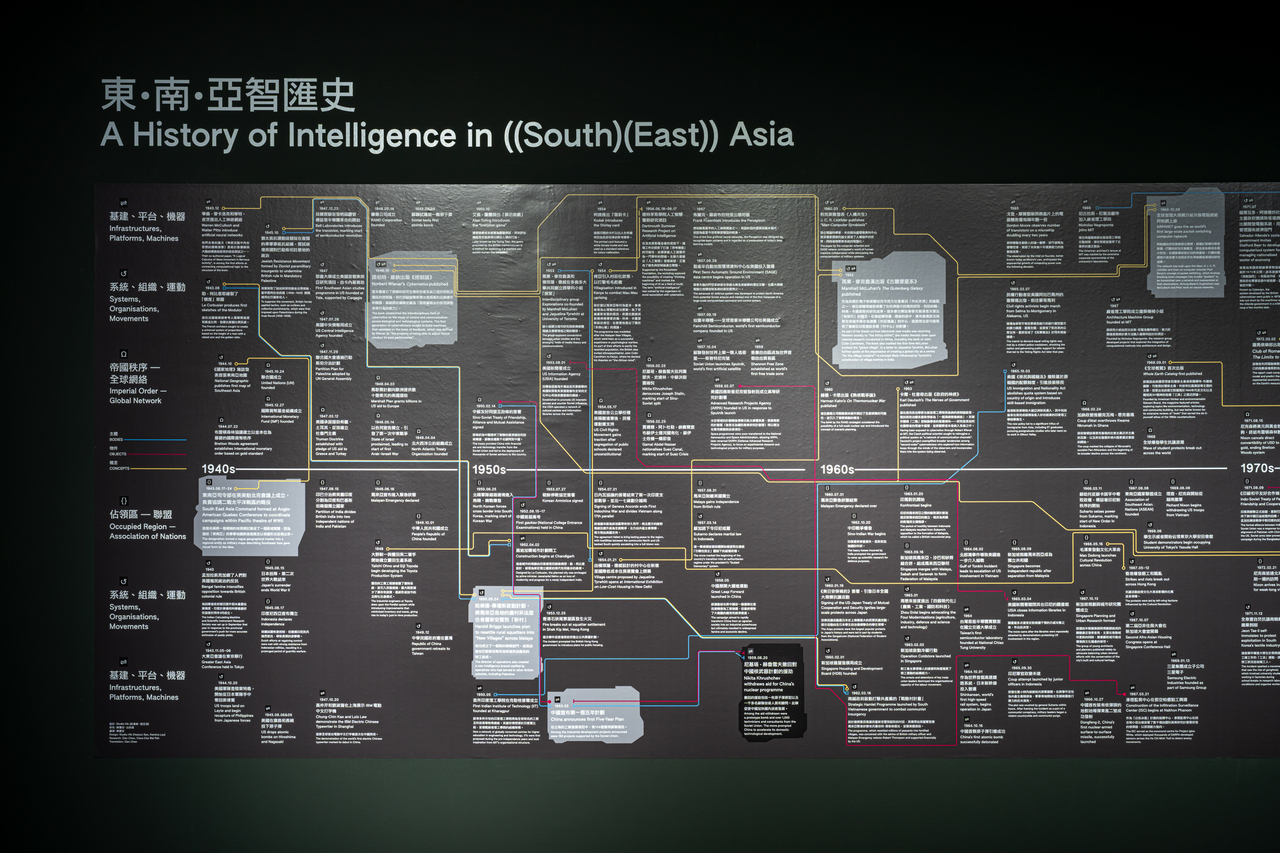
Ho Rui An’s “A History of Intelligence in ((South)(East)) Asia” traces the historical entanglements of intelligence, computation, and geopolitics across the region from the 1940s to 2025. Rather than presenting AI as a sudden technological rupture, the work situates contemporary machine intelligence within longer histories of empire, logistics, development, and regional power. It reveals how systems of intelligence have been organised, quantified, and operationalised across Southeast Asia.
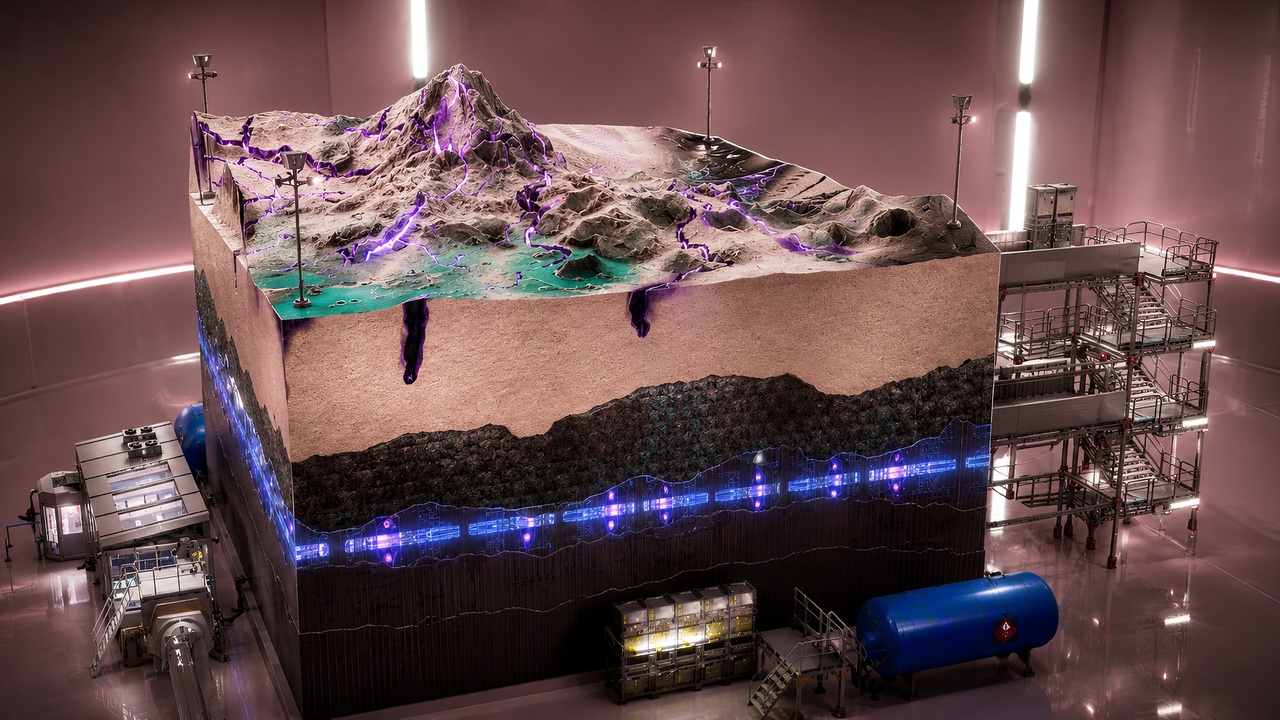
Extending these histories of data collection into the affective mapping of space, Ryan Ho and the Emotional Technologies Lab, in collaboration with Vignesh Sundaresan, present a speculative platform developed through “vibe coding.” Extending beyond the physical exhibition, the project enables visitors to leave voice notes as traces on the network—expressions of affect that can energetically mark a space. At once an experiment in cumulative, decentralised data collection and an interrogation of counter-cartography, the work questions who has the authority to map, record, and interpret lived experience.
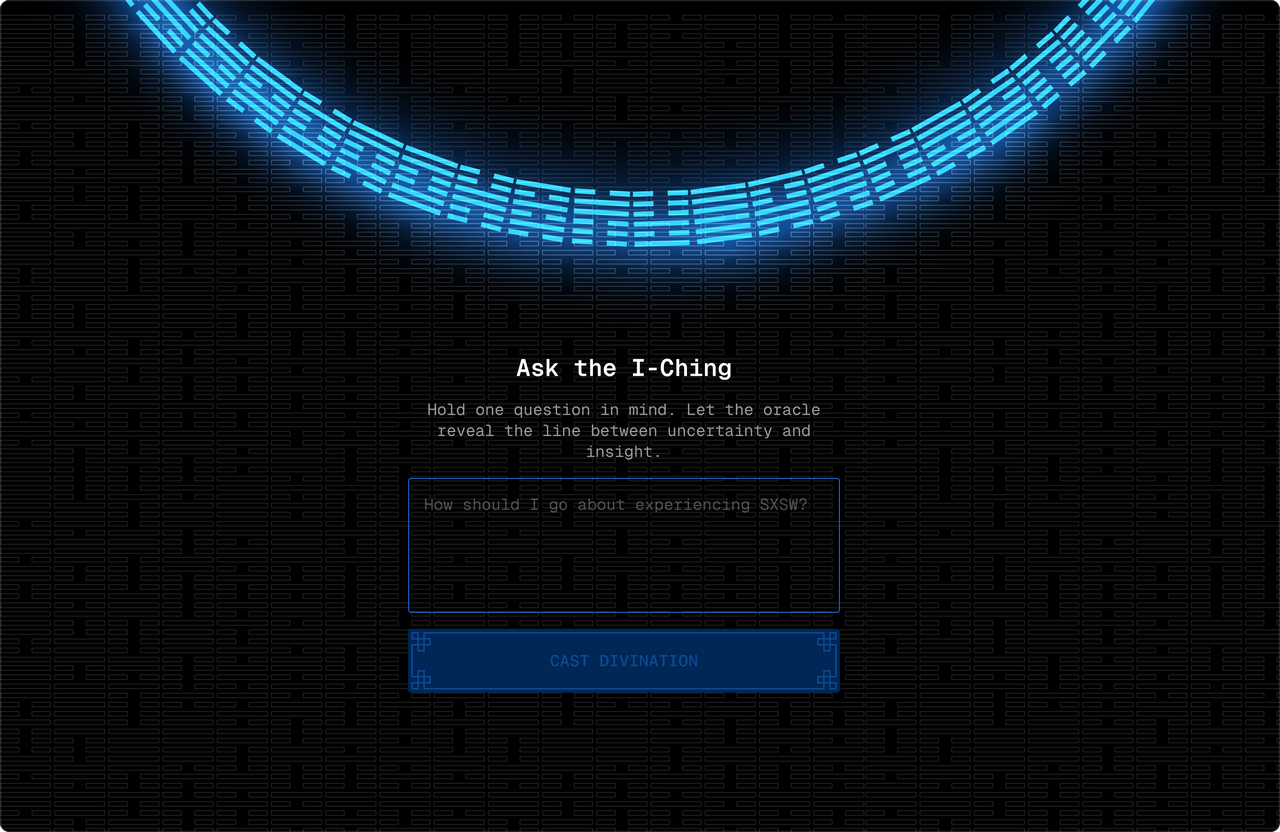
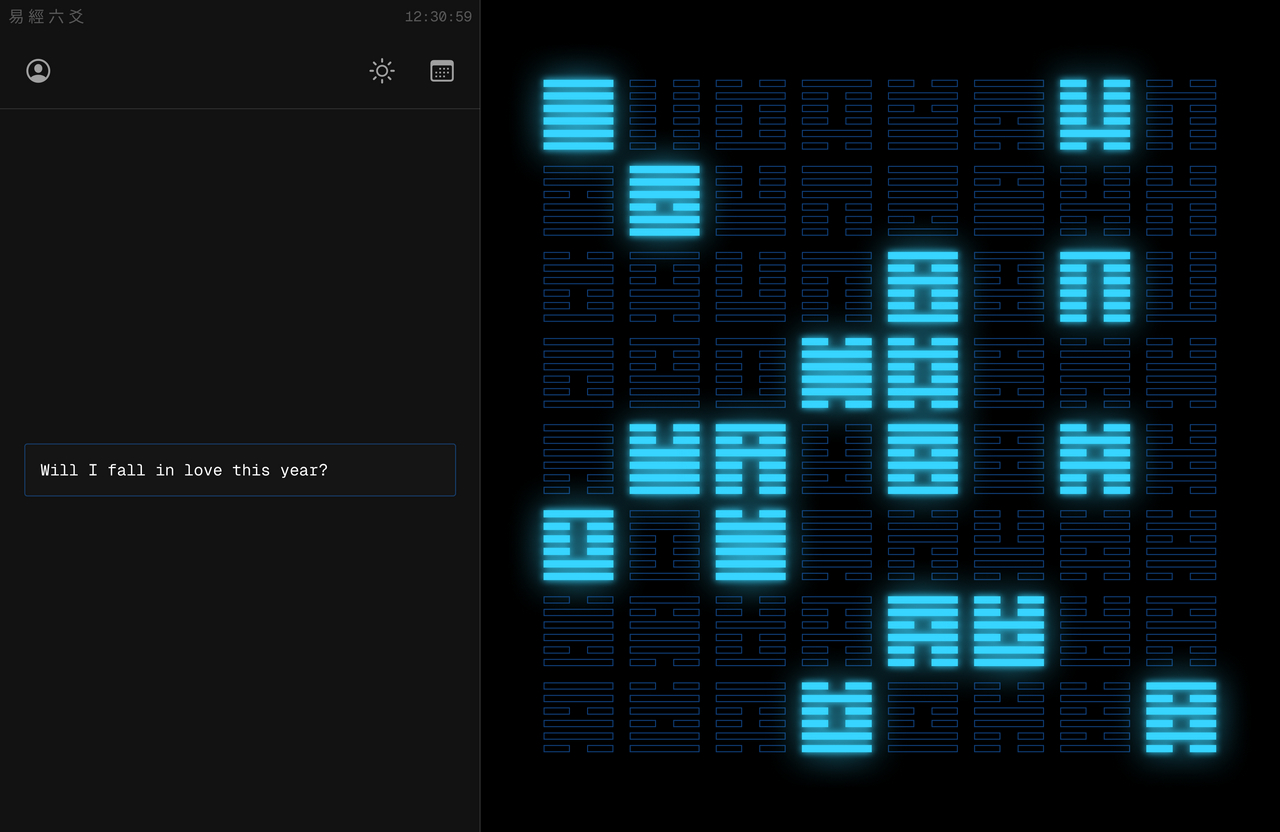
The exhibition also foregrounds practices positioned between geopolitical technology stacks, venture capital, and civic commons, examining how cultural and political subjectivity is increasingly produced through memetic forms. Weiwei Hsu’s web-based works “ASIA MAXXING” and “ICHING HEXAGRAM” treat fate as a form of complexity-management interface, suggesting how self-optimisation and cultural identity can become predictable, computable frameworks through which individual destinies are imagined and managed.
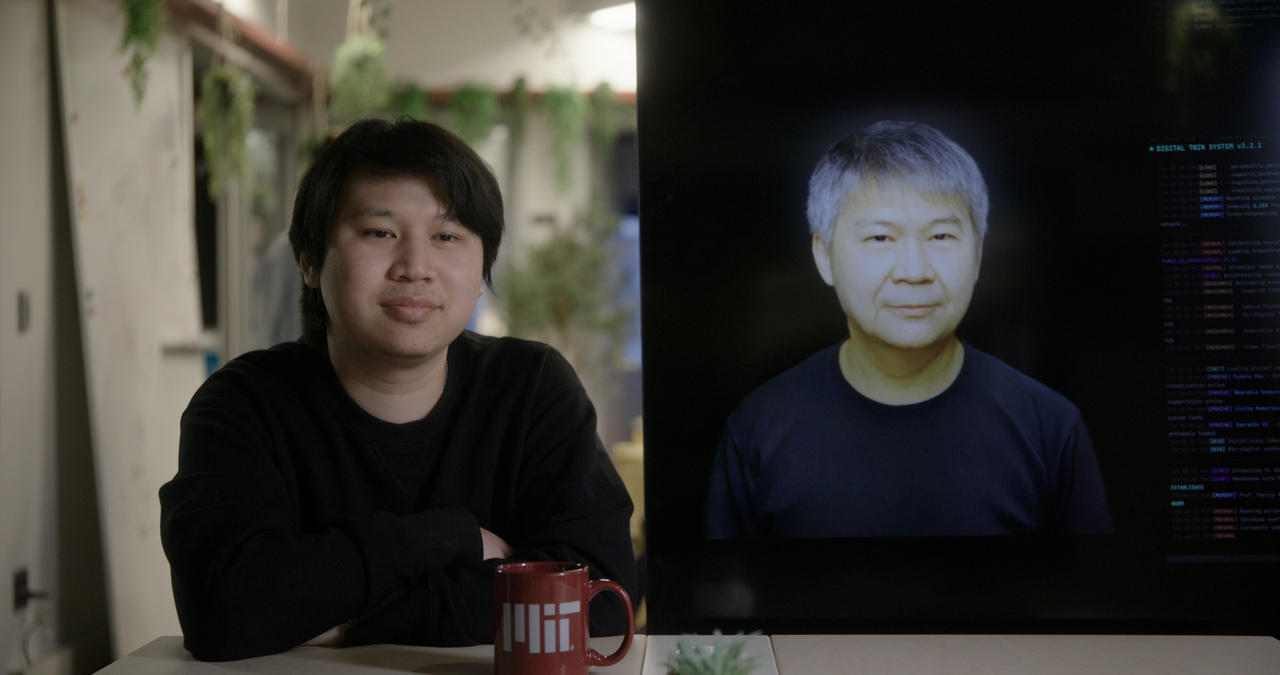
The Cyborg Psychology research group and the Advancing Humans with AI (AHA) research program at the MIT Media Lab contribute two projects examining emerging forms of human-AI interaction. “Future You” is an AI digital-twin platform that invites participants to converse with possible versions of their future selves. Rather than attempting to predict the future, the project encourages reflection on long-term goals, present decision-making, and the relationship individuals develop with who they may become. The version presented in the exhibition was created by Prof. Pat Pataranutaporn, Rachel Poonsiriwong, and Chayapatr (Pub) Archiwaranguprok, with support from researchers at the MIT Media Lab, KBTG, and UCLA.
Alongside it, the Open Benchmark of AI Impact on Humans (ImpactBench) evaluates leading AI systems through an “AI Nutrition Label”, making visible their potential effects on people and society across areas including accuracy, safety, fairness, learning, well-being, agency, and social relationships. Moving beyond technical performance, “ImpactBench “seeks to make the social and psychological consequences of AI more legible to the public and to encourage a broader understanding of human flourishing in an AI-mediated world. The project is led by Prof. Pat Pataranutaporn, Chayapatr (Pub) Archiwaranguprok, Rachel Poonsiriwong, and members of the MIT Media Lab’s AHA research program, in collaboration with the Psychology of Technology Institute, USC Marshall Neely Center, and UC Berkeley.
In a special commission marking her return to the art world, software engineer and pioneering performance artist Grace Quek collaborates with DeepSeek on “Art in the Age of Human Cloning” (2026). Revisiting a performance first presented at the University of Southern California in 1998, the new work imagines clones of modern artists as content producers and virtual entities. Through this speculative scenario, it raises questions about authorship, reproduction, authenticity, and the status of the artist in an era increasingly shaped by artificial reproduction and machine intelligence.
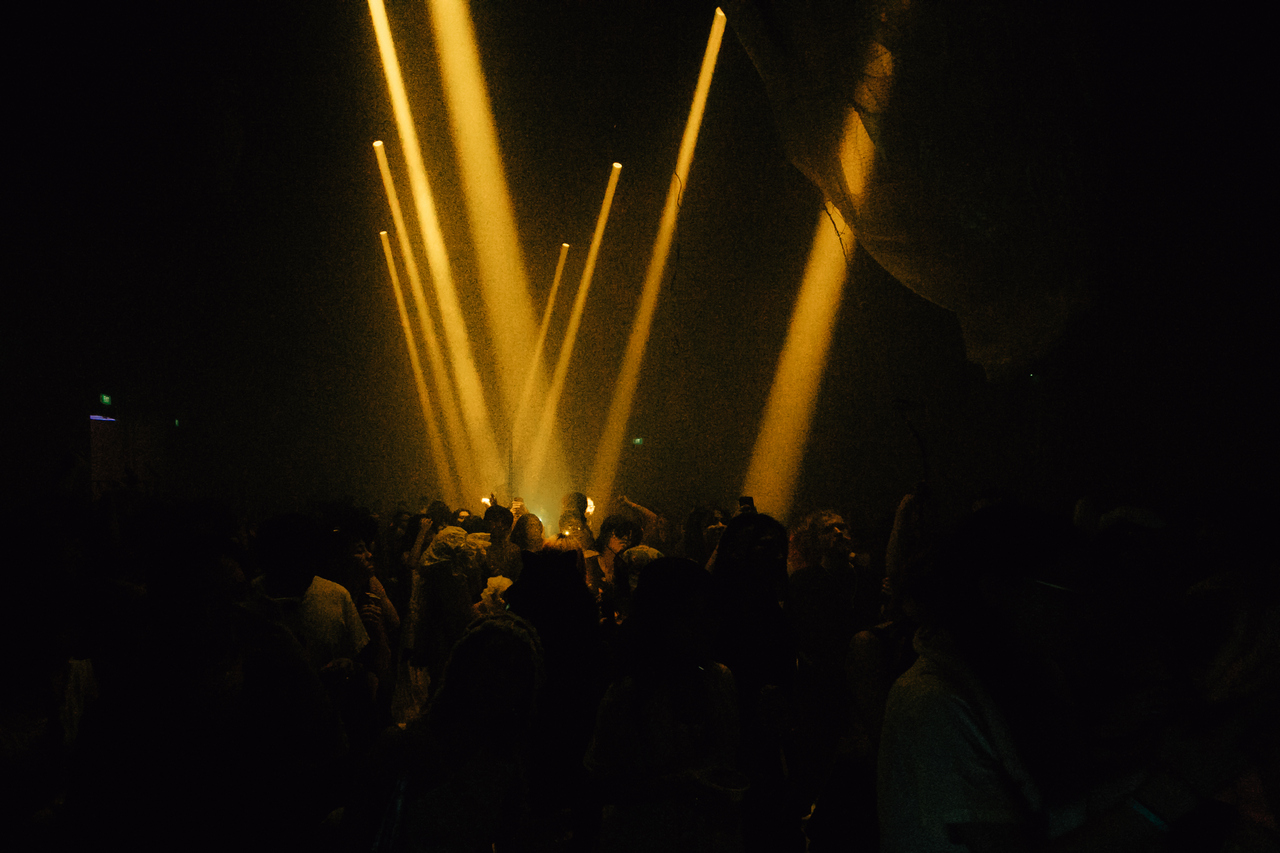
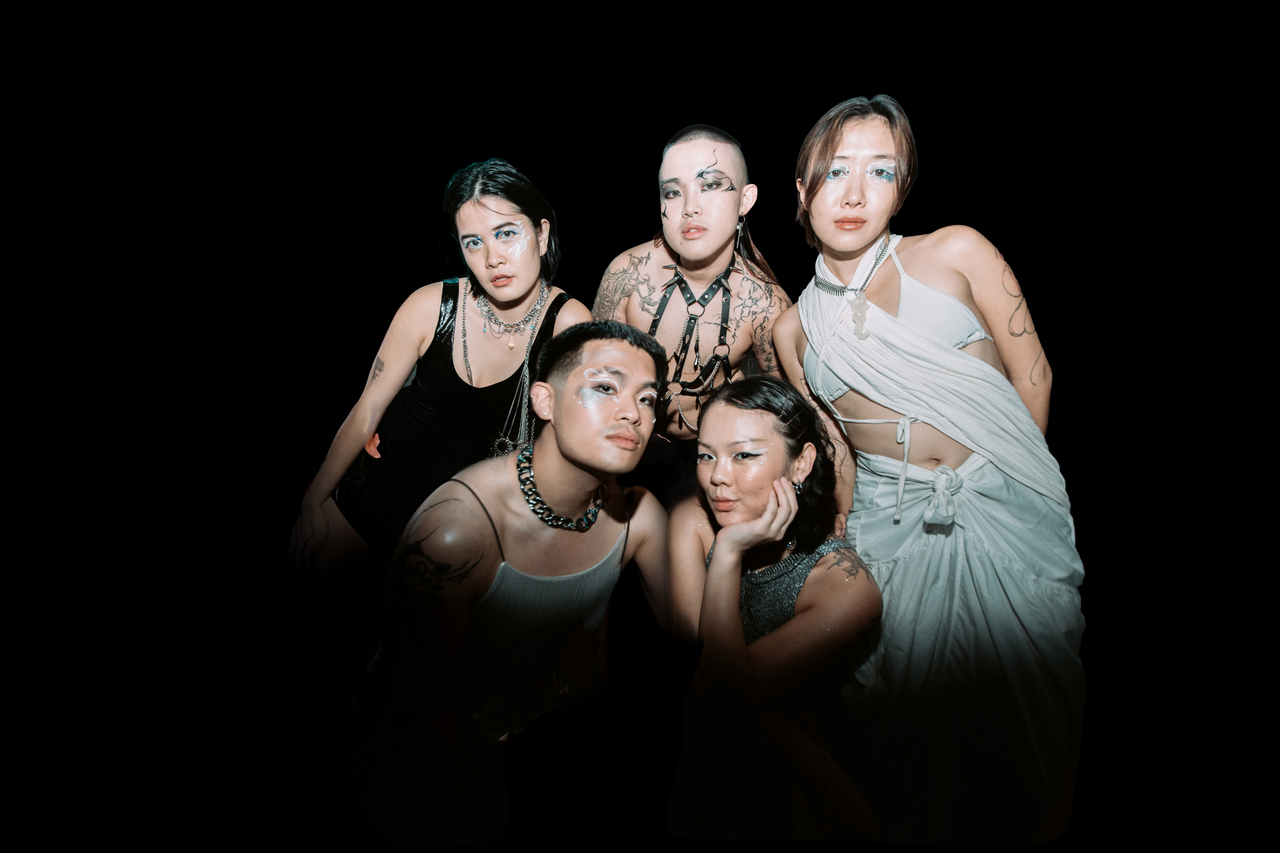
Bussy Temple, a Southeast Asian rave collective exploring the cathartic and cross-contaminating possibilities of queer nightlife as a form of world-building, presents its web archive as an altar for collective orientation. On 12 September, the collective will activate the exhibition space, inviting visitors to alter scripts, shapeshift, respond, and speculate on new protocols for an Asian queer future. The project transforms nightlife from a social space into a site for imagining alternative forms of community, identity, and collective agency.
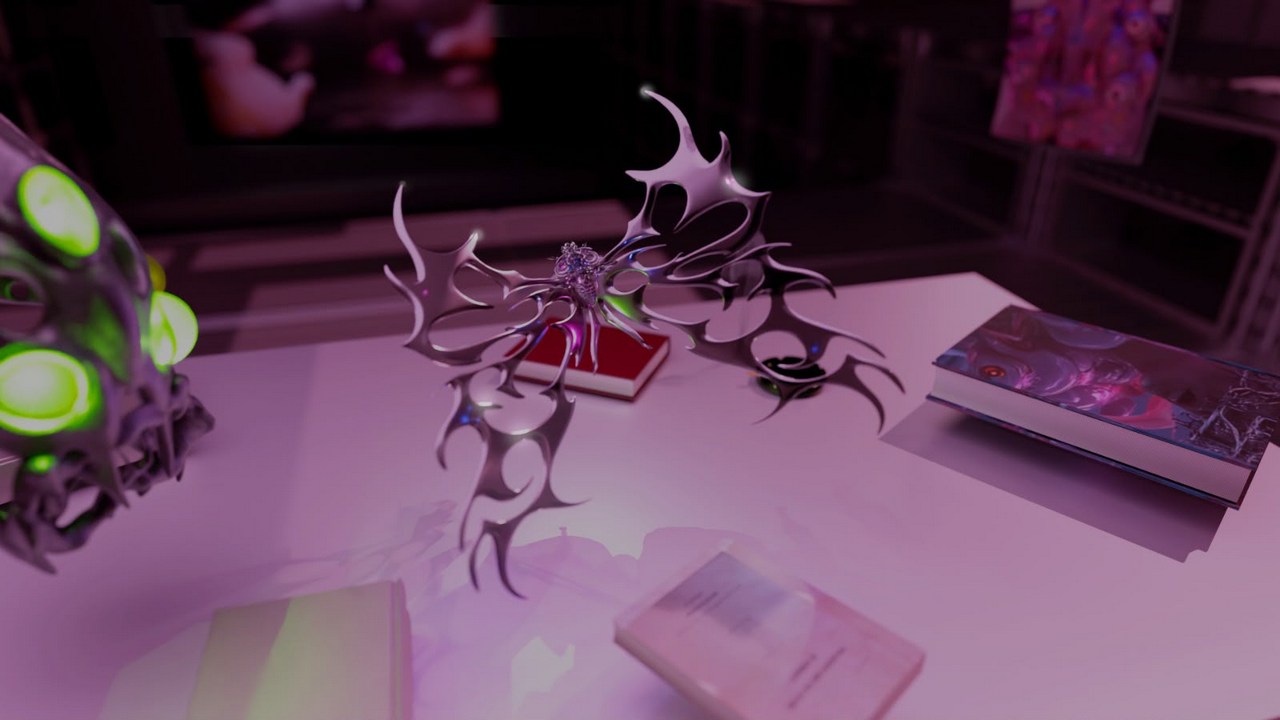
Alongside a historical archive tracing the emergence of Southeast Asian Futurism in the 1970s through the work and networks of Sutan Takdir Alisjahbana, “Islands in the Net” culminates in Fyerool Darma’s “XO” (2026), an extension of his ongoing project “kædæluwær§æk§§æk (A Xenographer’s Index)”, first presented at the Malay Heritage Centre Singapore in 2026. Imagining an expedition into “n**antara” a parallel world of the Nusantara, the installation operates as a cinematic and virtual double of Padimai’s physical exhibition space.
Within this speculative environment, a worker responds to an AI job listing for a “Memory Diver” and enters a process of extraction. The narrative is voiced by a butterfly that remains inside a room that no longer exists. Through this surreal encounter between labour, memory, technology, and disappearance, the work asks what remains after systems designed to transform everything they encounter into data have completed their work.
Together, the works the propose Southeast Asian Futurism as an active and critical mode of engagement with the technological present. Rather than imagining the future as a distant destination, the exhibition examines the infrastructures, platforms, memories, identities, and forms of agency already shaping it.
Participating Artists: Heman Chong, Fyerool Darma, Ho Rui An, Weiwei Hsu, the MIT’s Cyborg Psychology research group and the Advancing Humans with AI (AHA) research programme at the MIT Media Lab, Grace Quek, Bussy Temple, and Emotional Technologies Lab
Photo: Fictive Cereal Boxes that image the AI Nutrition Labels from ImpactBench. Part of an installation presented in Islands in the Net. Image Courtesy of Pat Pataranutaporn, Rachel Poonsiriwong and Chayapatr (Pub) Archiwaranguprok and Ryan Ho
Info: Curators: Kathleen Ditzig, Ryan Ho, and Joshua Comaroff, Padimai Art & Tech Studio, 39 Keppel Road, #03-02 Tanjong Pagar Distripark, Singapore, Duration: 17/7-16/11/2026, Days & Hours: Daily 11:00-19:00, https://padimai.net/
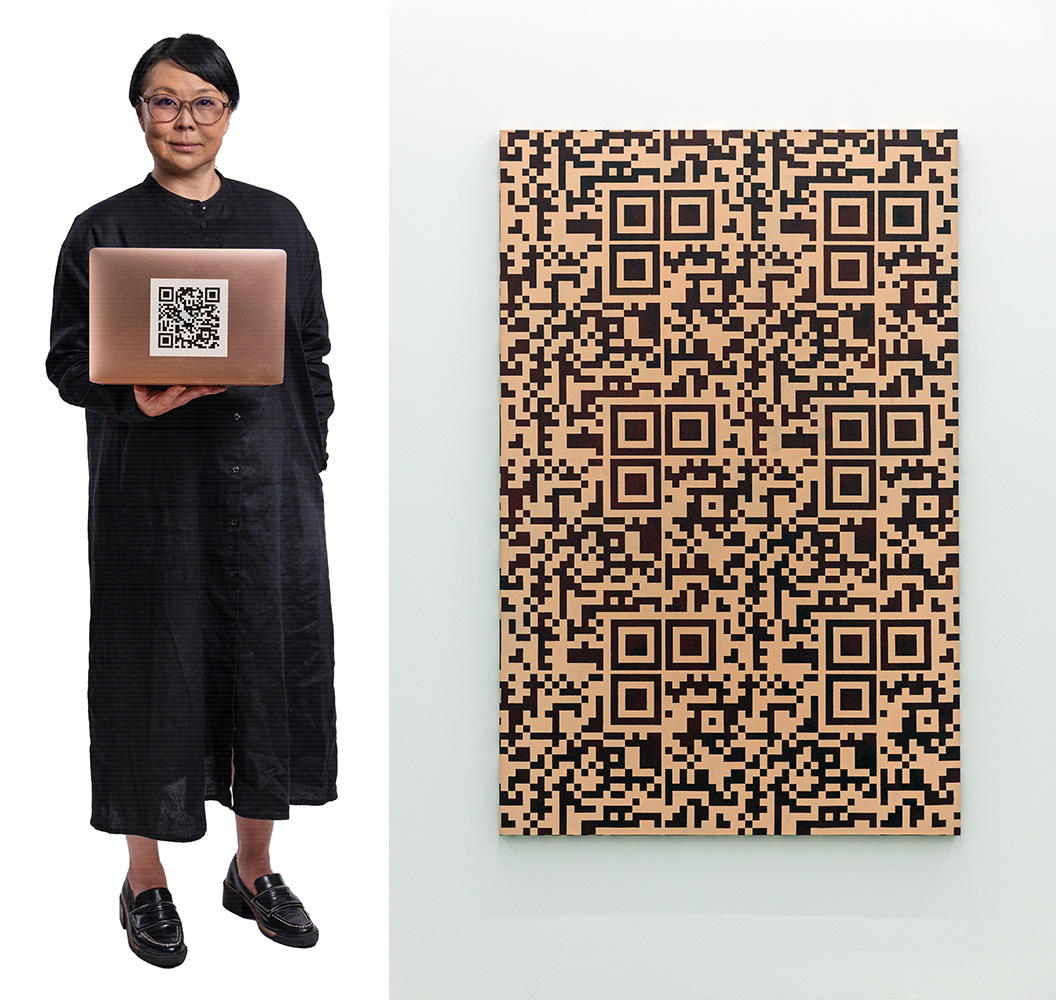
Right: Heman Chong, Safe Entry (2020). Installation view. Courtesy of Amanda Wilkinson Gallery and STPI