BOOK: Theaster Gates, 1965: Malcolm in Winter: A Translation Exercise – White Cube
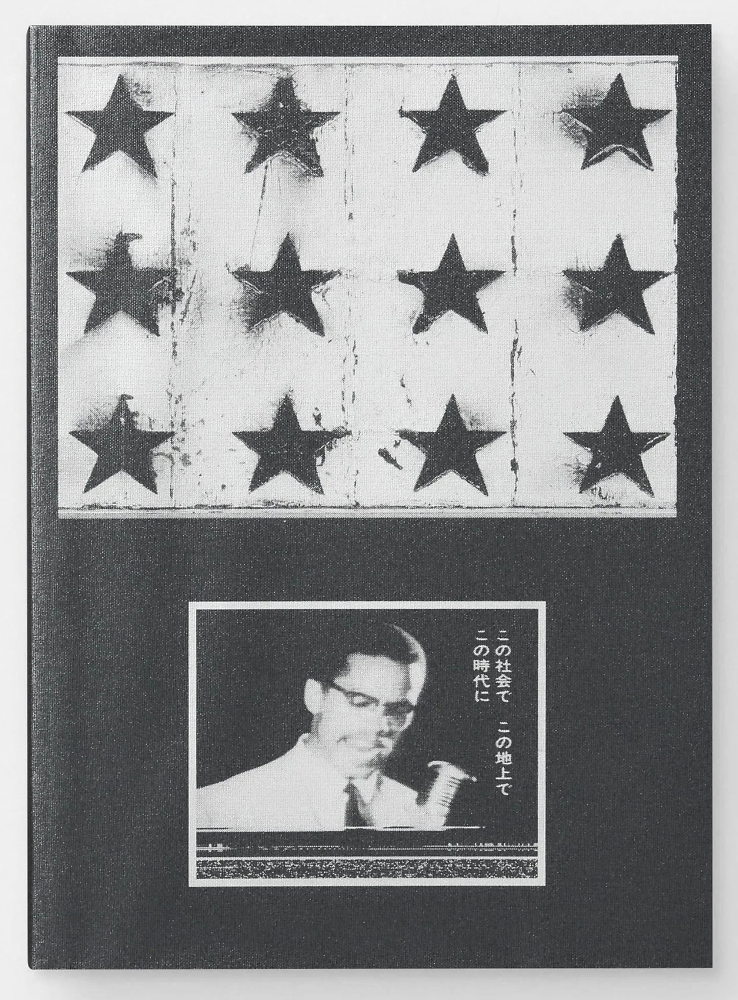 Theaster Gates’s “1965: Malcolm in Winter: A Translation Exercise” is more than an exhibition catalogue: it is an act of cultural translation, archival devotion, and political remembrance. The publication documents Gates’s 2025 exhibition at White Cube Bermondsey, commemorating the centenary of Malcolm X’s birth and the 60th anniversary of his assassination. At the same time, it opens a new chapter in Gates’s sustained engagement with Black history, global solidarities, and the ethics of preservation. Through archival materials, artistic interventions, and historical reflection, Gates examines how memory is preserved, translated, and continually reinterpreted across generations. The project positions Malcolm X not only as a historical figure but as a living intellectual and political presence whose ideas continue to resonate within contemporary struggles for justice, identity, and collective memory. In this sense, the publication becomes both a record of an exhibition and a meditation on the responsibilities of remembering.
By Dimitris Lempesis
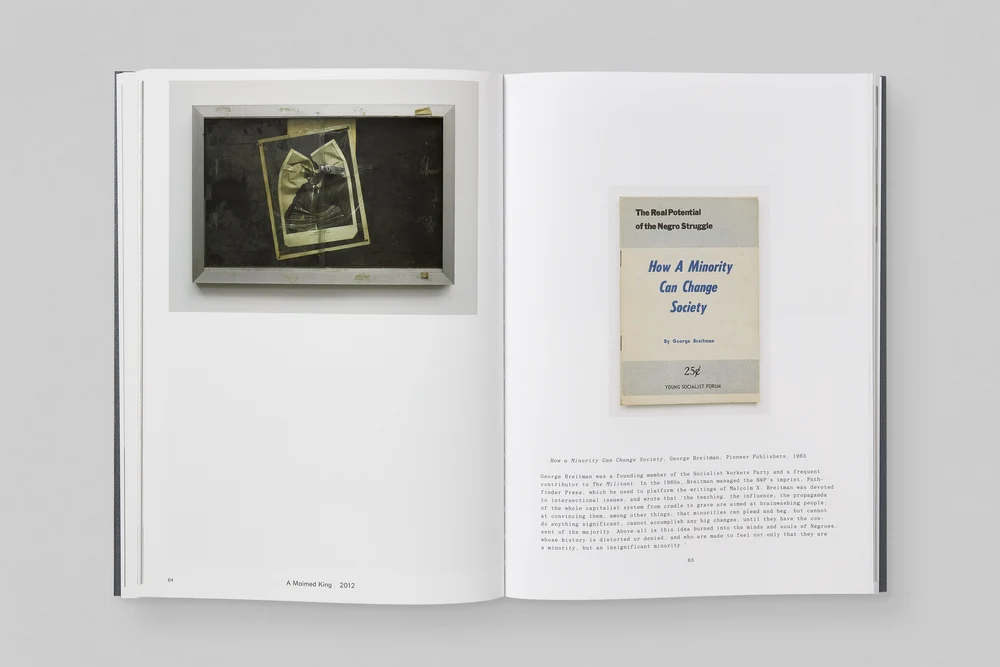
At the heart of the book is Gates’s inaugural encounter with the archive of Japanese journalist Ei Nagata and his partner Haruhi Ishitani, who witnessed Malcolm X’s assassination in 1965 and subsequently dedicated their lives to translating his speeches and correspondence into Japanese. Their work forged an Afro‑Asian bridge between Black American liberation movements and Japanese leftist struggles against colonialism and militarism.
Gates treats this archive not as static historical evidence but as a living interlocutor. The book records how he activates its “transferred, circulated and preserved elements” to generate new artistic discourse—an excavation of Blackness in Asia and a meditation on how political legacies travel, mutate, and endure.
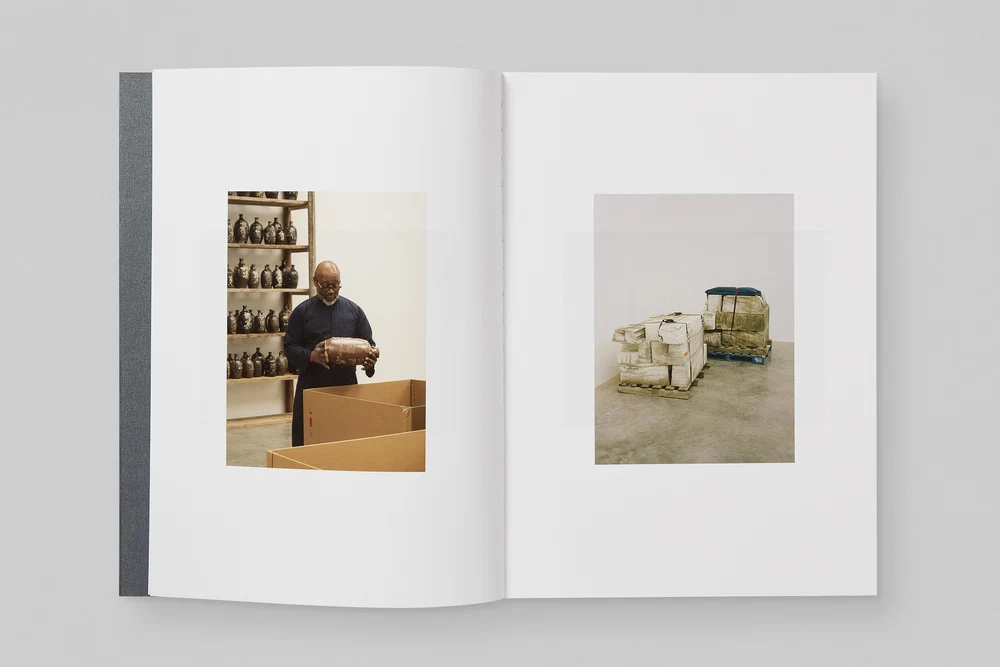
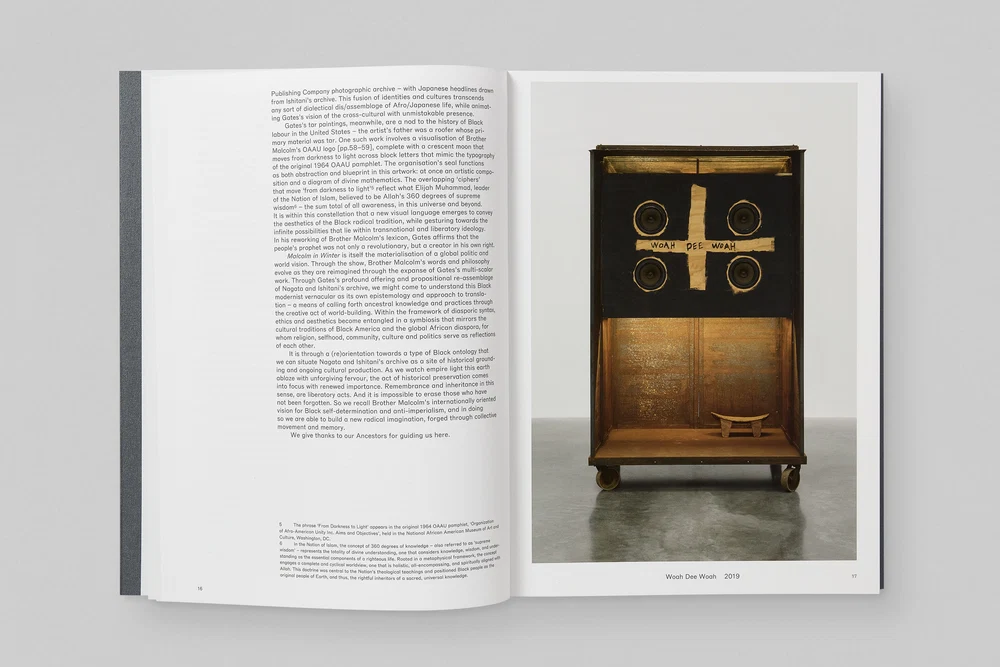
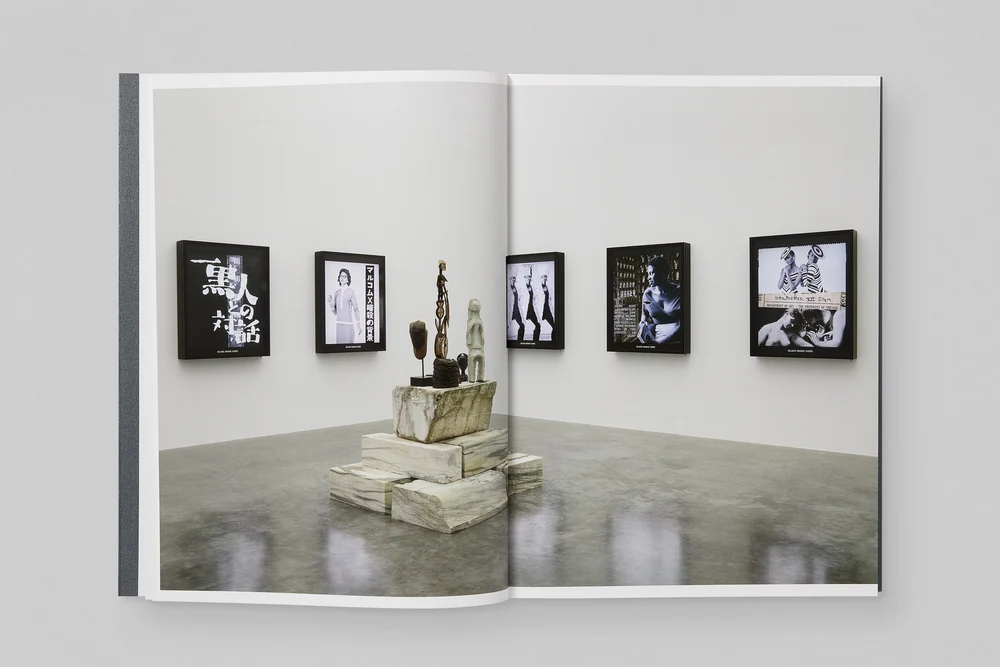
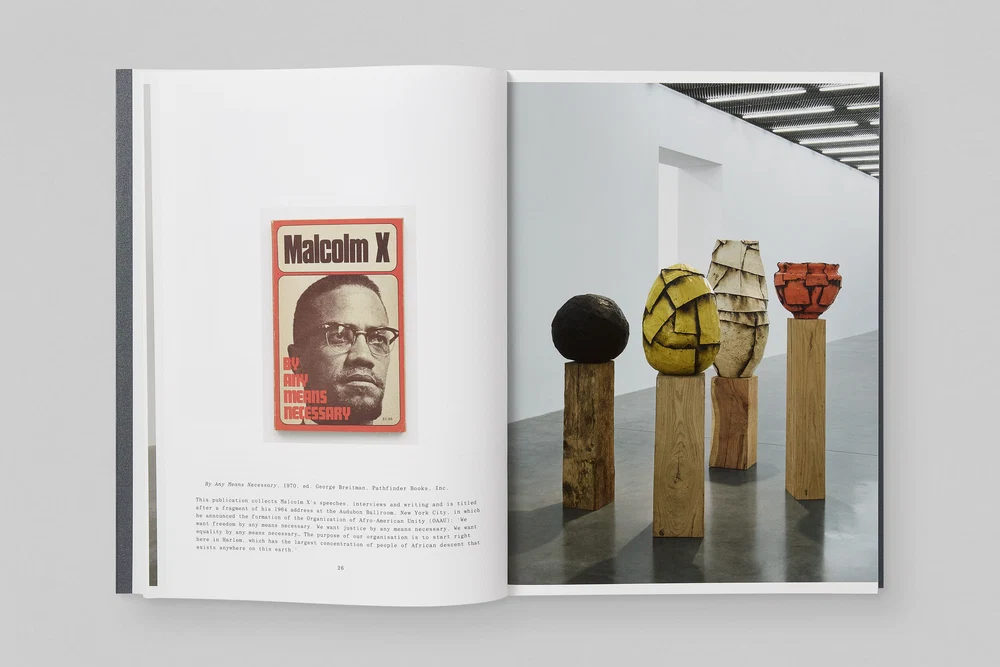
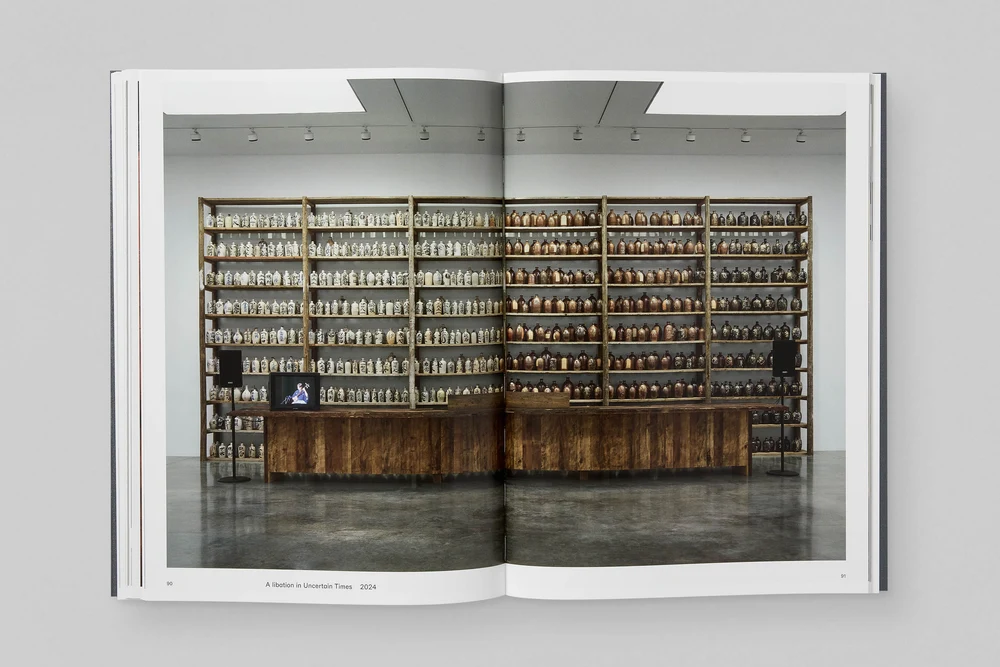
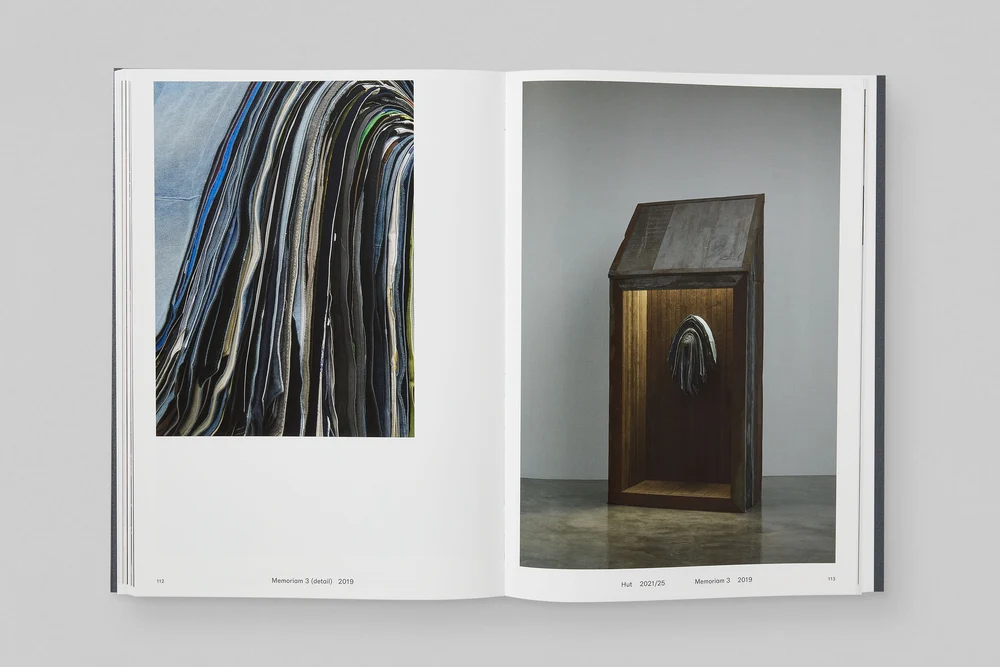
The publication guides readers through the exhibition’s architectural interventions, sculptures, archival displays, and film works. These works collectively form what one reviewer described as “a museum inside a museum,” a layered environment where past and present coexist and where Gates positions himself as both artist and caretaker.
The book’s structure mirrors this spatial logic. It does not merely document objects; it stages encounters. Photographs of installations sit alongside archival reproductions, creating a rhythm between Gates’s contemporary gestures and Nagata and Ishitani’s historical materials. The result is a visual and conceptual choreography of translation—across languages, geographies, and generations.
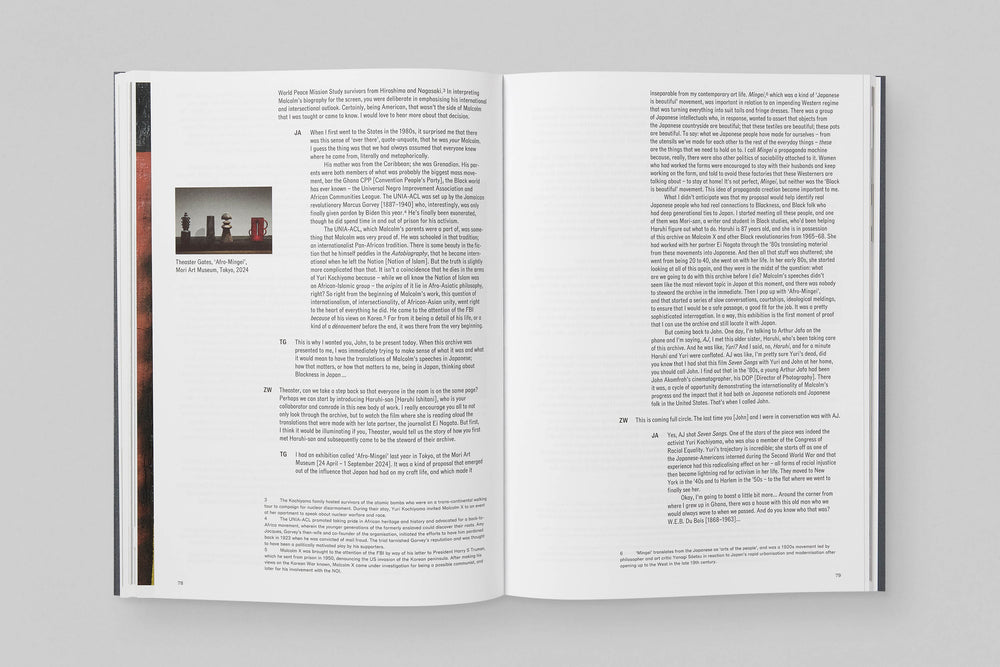
The publication opens with an introductory essay by Malcolm X scholar Najha Zigbi‑Johnson, grounding the project in the political and historical stakes of Malcolm’s global influence. It also includes a conversation between Gates, curator Zoé Whitley, and filmmaker John Akomfrah, who together explore the aesthetics of Black militancy, the ethics of solidarity, and the role of art in movement‑building.
This dialogue is central to the book’s ambition: to situate Gates’s practice within a broader constellation of thinkers who understand art as a site of ideological struggle and cultural care. Their exchange underscores how Gates’s work is not simply about preserving the past but about interrogating one’s position within it—“asking questions about who I am in relationship to these ideologies,” as Gates puts it.
The book’s title foregrounds translation not as a technical act but as a philosophical one. Gates’s “translation exercise” is an attempt to carry Malcolm X’s legacy across time and space without flattening its complexity. The archival materials—letters, photographs, documents—become sites where political meaning is negotiated rather than merely inherited.
“Theaster Gates’s 1965: Malcolm in Winter: A Translation Exercise” reveals translation as a form of solidarity: a way of extending the life of a movement by allowing it to be re‑spoken in new contexts. Gates’s interventions do not claim authority over the archive; instead, they acknowledge its fragility and its power, offering new forms of visibility while honoring the labor of those who preserved it.