ISLAND ART GUIDES: Hydra, the Primordial Witch… Part II
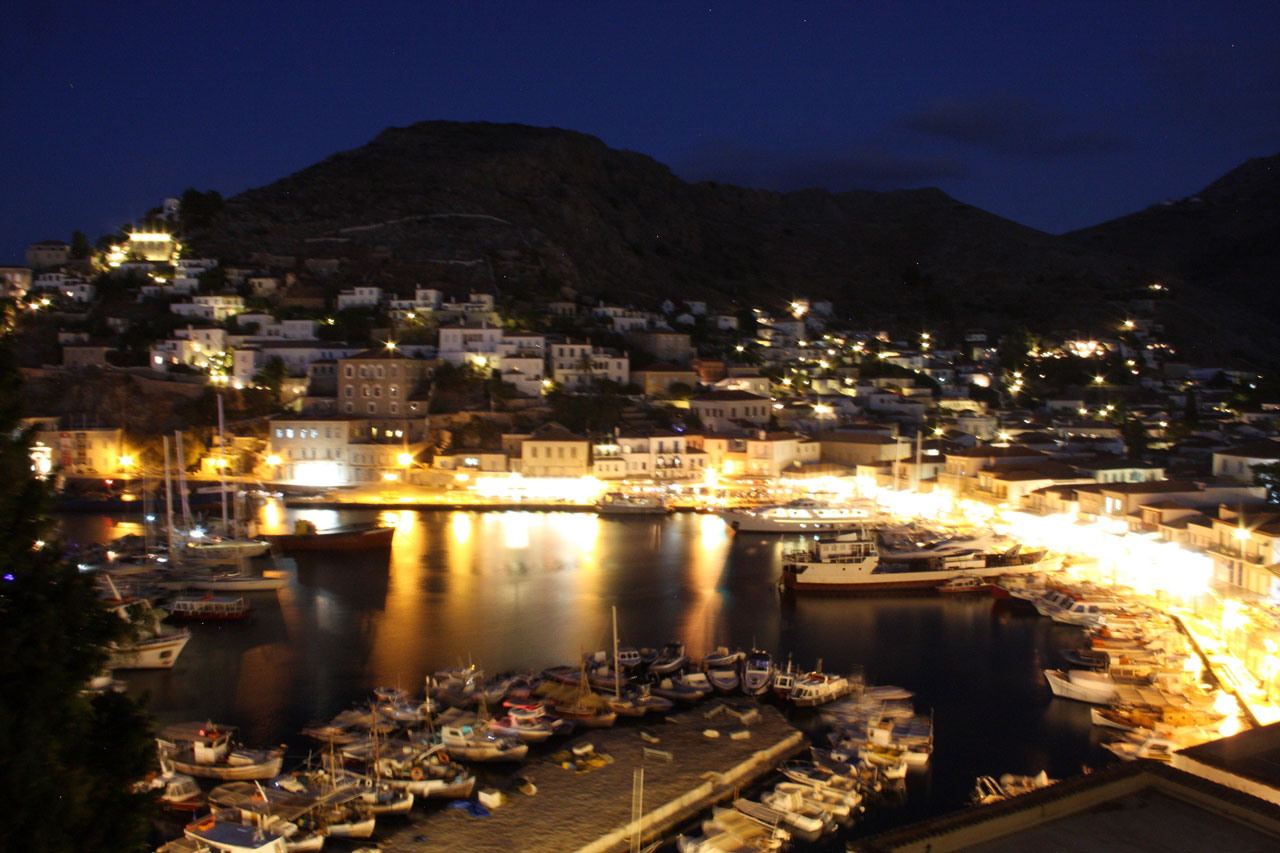
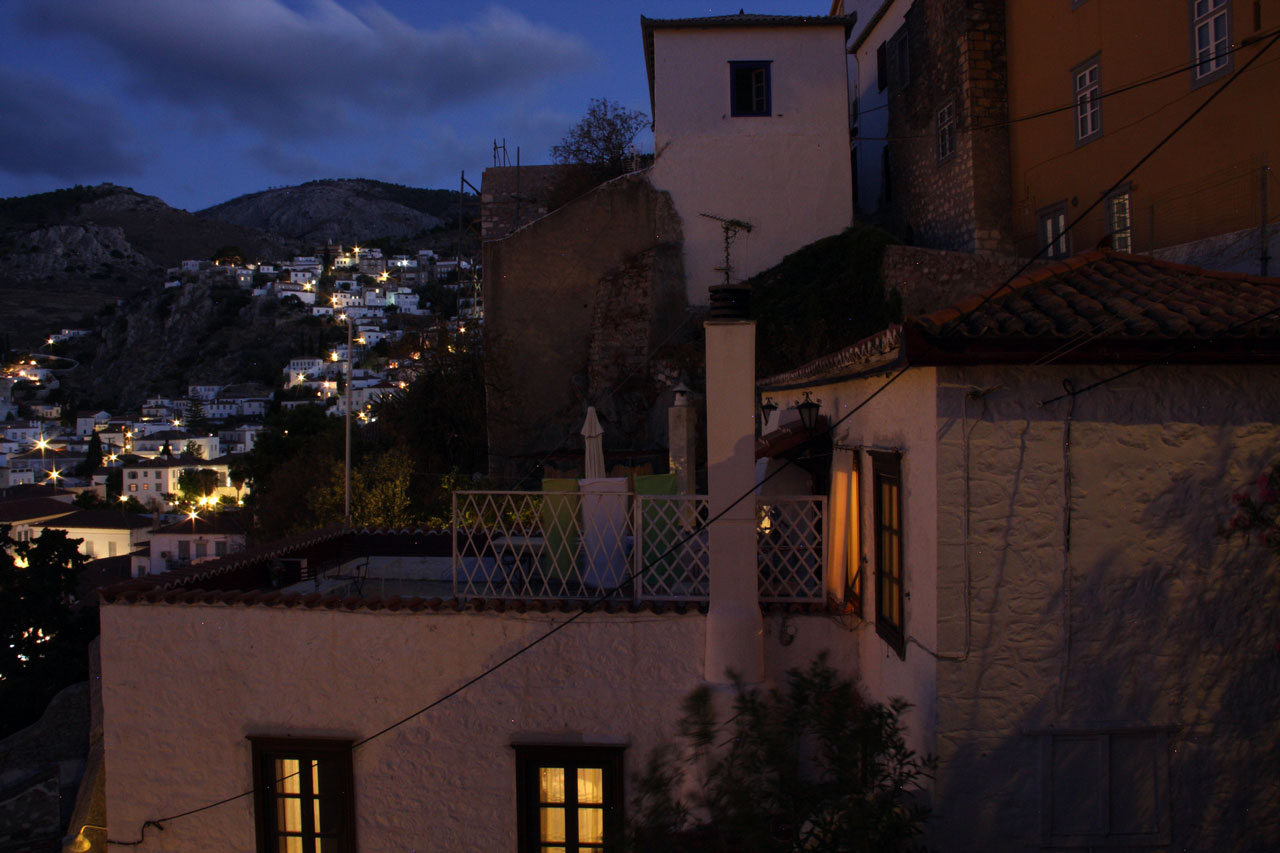
…My most beautiful memories of Hydra are the parties—especially those hosted by the international crowd on rooftop terraces overlooking what feels like the whole world. There was always plenty of wine, nachos with guacamole, and refreshing cocktails. As night fell, the rooftops glowed with tealights and filled with music, conversation, whispers, and flirtation beneath the star-strewn summer sky. It was an atmosphere of artistic multiculturalism where such coexistence felt entirely natural, as some of the world’s most influential people and its greatest artists came together in Hydra, embodying Oddyseas Elytis’s vision of “The Small and the Great.”
By Efi Michalarou
Photo: Dimitris Lempesis
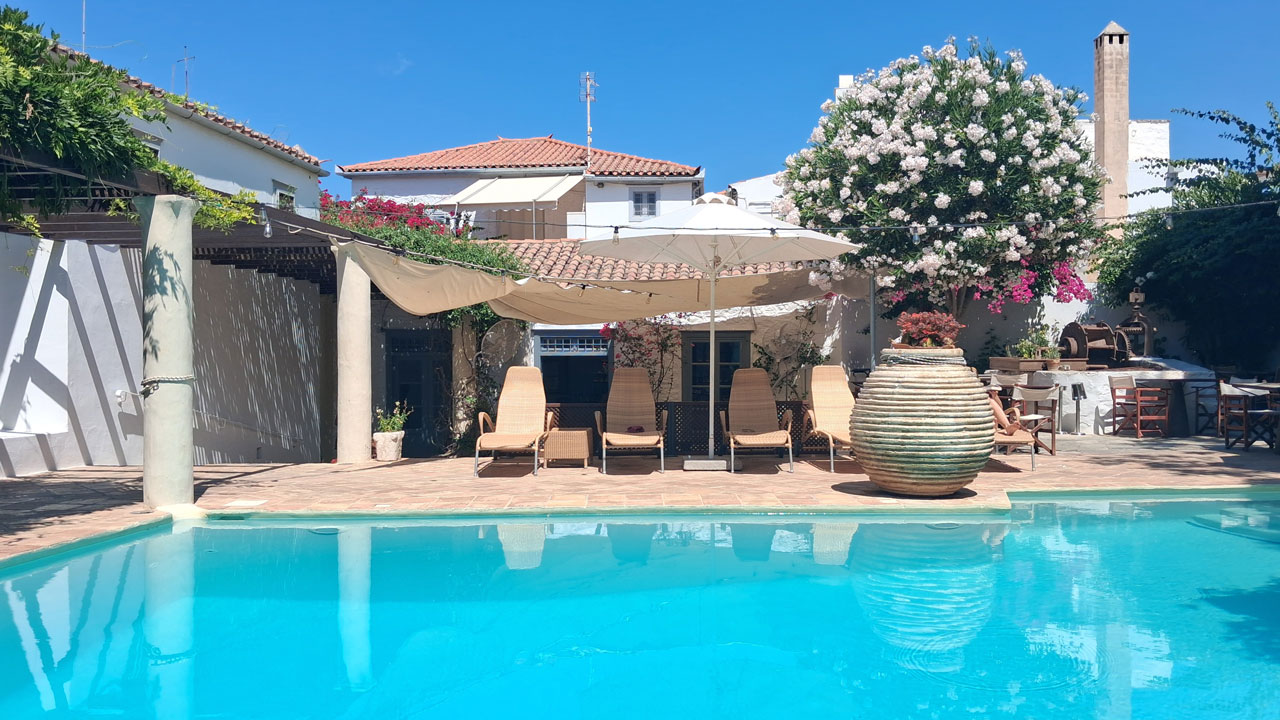
The table beside the swimming pool, beneath the pergola of the Bratsera Hotel, becomes an office: a cassette recorder, stacks of papers, pencils, and long summer afternoons filled with interviews and conversations. A chilled fruit juice, a fresh salad or a cold pasta dish provide the perfect pause before diving into the pool. Just a few steps away, the hotel’s owner, Christina Nevrou, has made available a small shop to her close friend Faini Xydi, a remarkable personality. She sells furniture, rugs, saris, handbags, and shoes sourced from India. Every morning she reminds us that truly well-cooked food needs no knife or fork—only a spoon. And so we find ourselves eating melon with large spoons, exchanging stories and gossip from the previous day’s adventures.
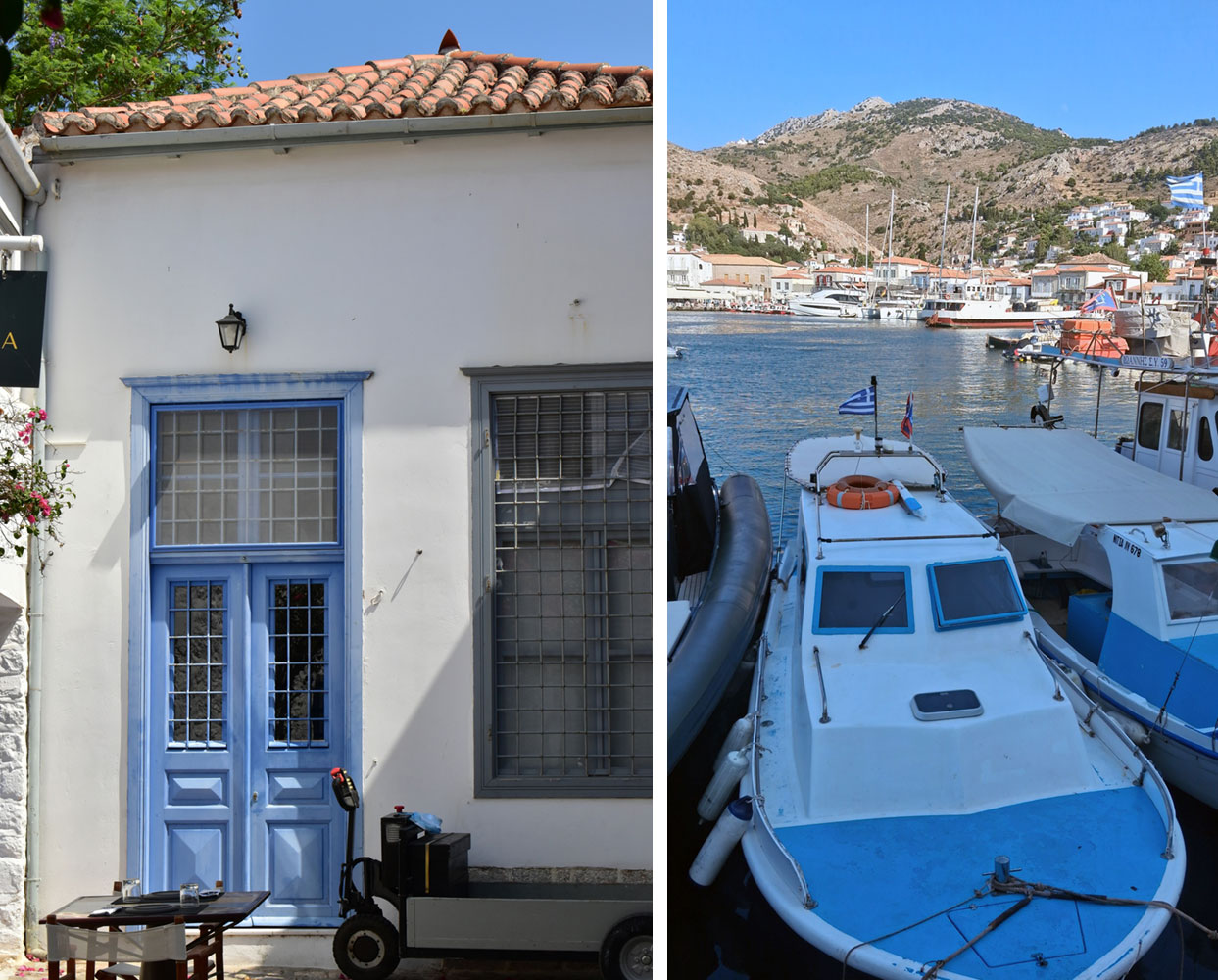
In research, as is well known, one introduction leads to another. A friend introduced me to the architect Christos Papoulias, who would become my mentor, friend, and trusted adviser. Through him I met many of Hydra’s most significant Greek and international residents. It is worth remembering that, in several corners of Greece, remnants of the Flower Power generation chose to stay and build their lives. Among them were Bill, Karen, Don, Bill Pownalp and Francesca—writers, musicians, and artists who took on all kinds of work to make a living while continuing to pursue their creative lives. Then there was the legendary Enrique from Argentina, owner of the iconic Loulaki bar and, later, a shop selling gifts, clothing, bags, jewellery, and accessories imported from Latin America. Every so often he would host intimate themed parties, where the sound of maracas, bowls of nachos and guacamole, flowing margaritas, and irresistible Latin rhythms carried us effortlessly into the small hours of the night.
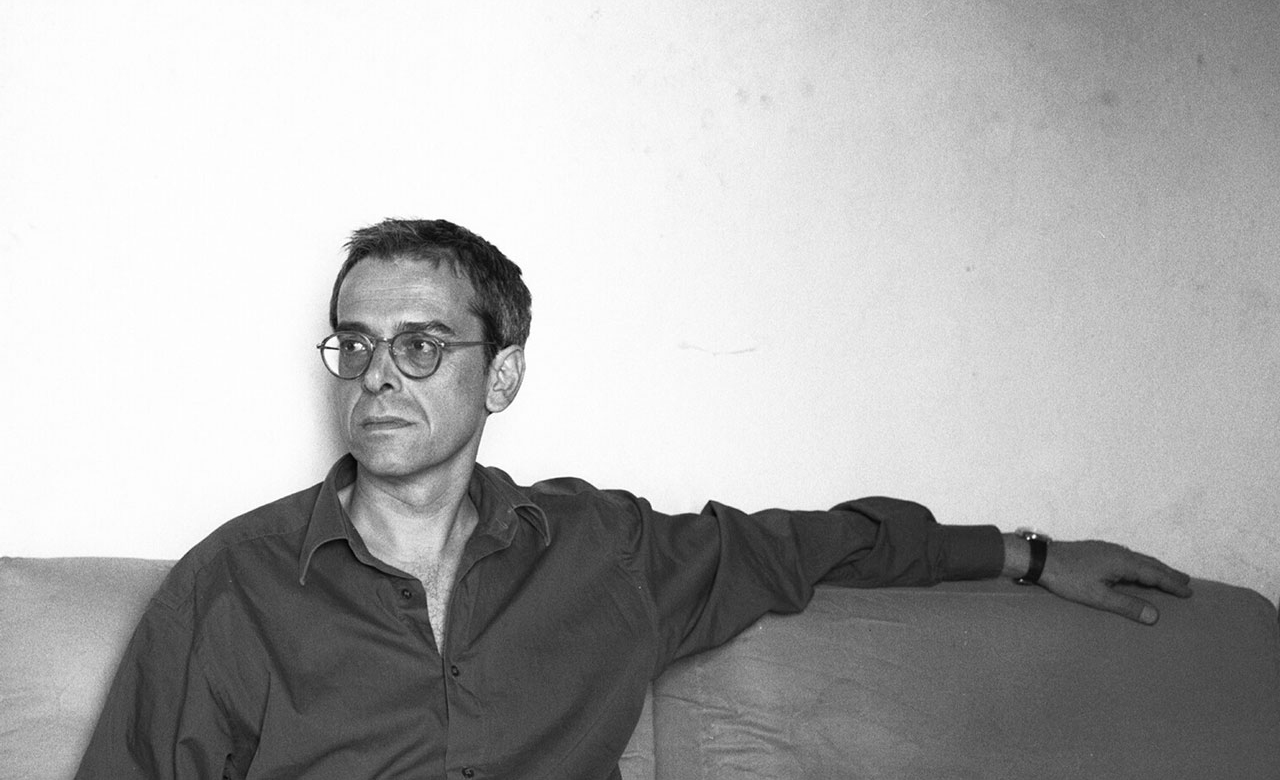
The people Papoulias introduced me to belonged to an entirely different world. Among them was the renowned American minimalist painter Brice Marden, who had bought five houses on Hydra and lived there with his wife, Helen, and their two young daughters. I can still picture the family making their way down to the harbour around noon: Brice had arrived earlier at Tasos’s café to enjoy his coffee and newspaper in peaceful solitude, while Helen, wearing her wide-brimmed straw hat, carried a basket filled with tomatoes, rusks, and feta cheese for lunch in one hand, and held the hands of their two blonde, braid-haired daughters with the other. They were about to board the boat for a day of swimming on the nearby island of Dokos, where they would spend the entire day. Papoulias also introduced me to some of the most distinguished figures in the international art world: the towering Greek artist Jannis Kounellis, the eminent art historian and curator Christos M. Joachimides, and the internationally acclaimed curator Adelina von Fürstenberg.
From that day on we formed a deep bond. It was Adelina who introduced me to the path leading to Vlychos. Wearing her signature wide-brimmed straw hat, she would set off early in the morning from the harbour with her husband, Egon von Fürstenberg, and a circle of artist friends. After a forty-minute walk we would arrive at a rocky outcrop overlooking the sea, a place that would eventually become my own private sanctuary. In the evenings she would draw us to the open-air cinema, its jasmine-filled courtyard scented by the summer night, where we watched films while cracking roasted sunflower seeds. After our swims we would gather once again at Tasos’s café over Greek coffee and, inevitably, more sunflower seeds, making plans for the evening ahead. More often than not, our nights ended at dawn, sitting on the steps outside The Pirate bar with empty glasses beside us, before greeting the sunrise with an early-morning plunge into the sea and only then returning home to sleep.
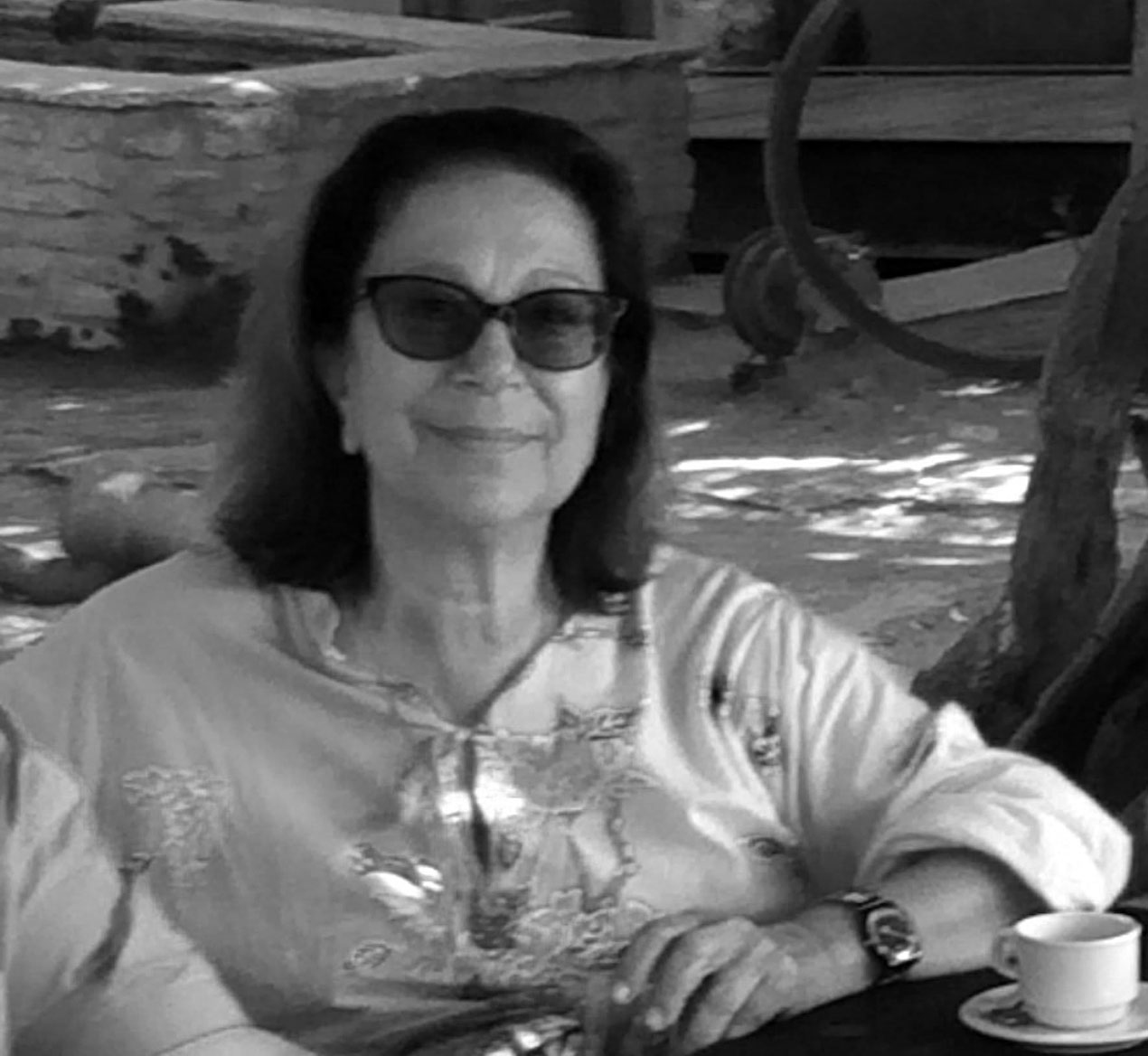
Adelina’s relationship with Greece began during her university years, when she met fellow student Faini Xydi, who first invited her to stay at her family home on Hydra. From that moment on, she returned to the island every summer. “Hydra is my Ithaca,” she told me years later during a second interview—a deeply personal confession from the woman who, on a rooftop in Geneva during the 1980s, organised performances by Andy Warhol, Philip Glass, Laurie Anderson, and many other leading figures of contemporary culture. “I can stage an exhibition anywhere,” she once remarked. “In an underground bar, at the Guggenheim, in a monastery, or anywhere else you can imagine.” She proved those words true time and again. On Hydra she curated exhibitions in the former gallery space of the Bratsera Hotel and even in a small bar at Avlaki, the site now occupied by the restaurant Téchnē. Equally unforgettable were the dinners she hosted at Faini’s house: authentic Italian spaghetti, chilled white wine, and conversations that flowed effortlessly until well past midnight.
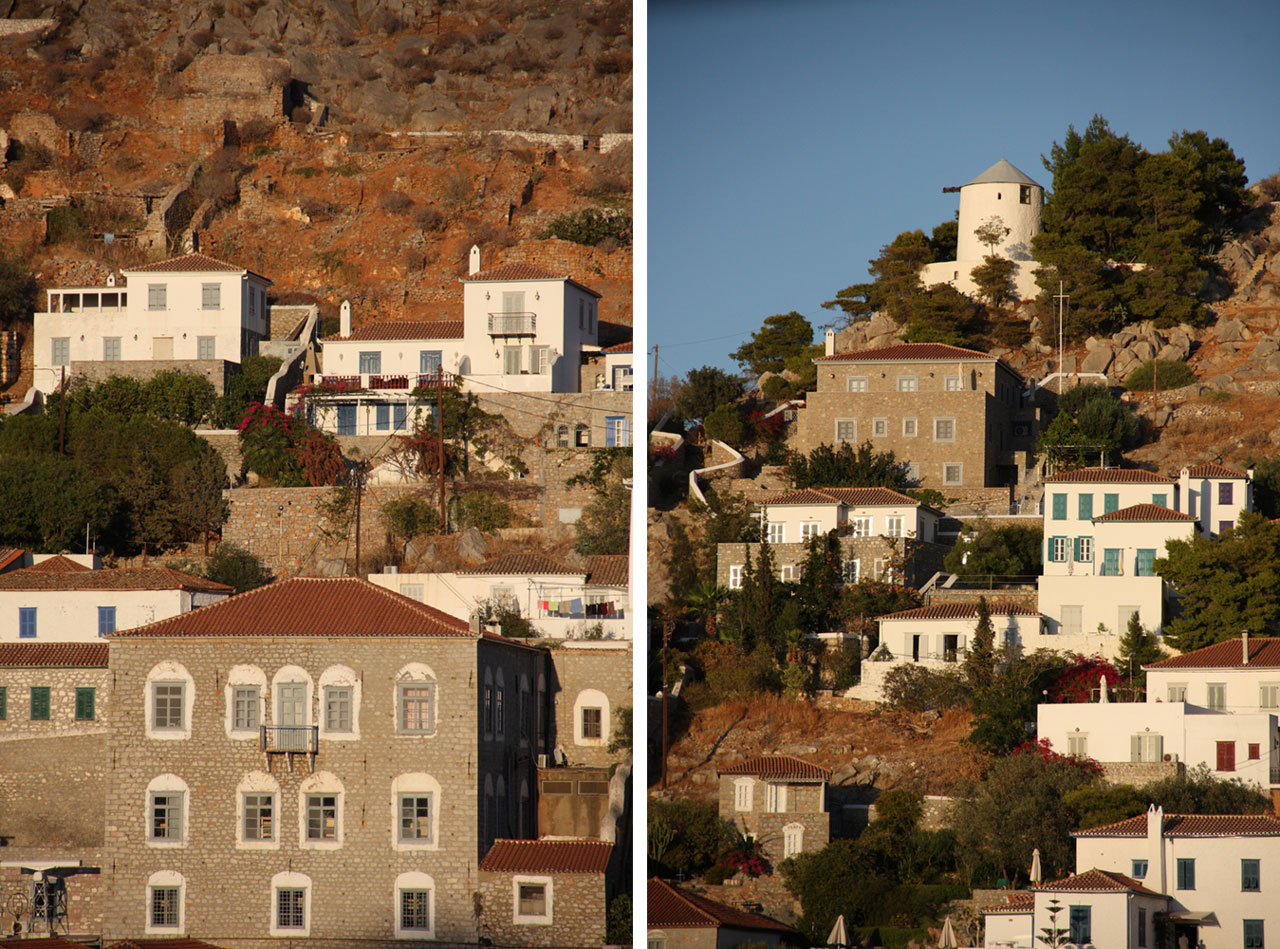
The Hydra of the Greeks and the foreigners is a different Hydra…
Panayiotis Tetsis introduced me to the then tireless Mayor of Hydra, Kostas Anastopoulos. Through our shared passion for art, culture, and history, we developed a relationship and collaboration that has continued to evolve over time. It has encompassed everything from valuable information and photographic material from his rich personal archive to a forthcoming Biennale project… After all, my first exhibition at what is today the Art Gallery and Concert “Melina Mercouri” was organised in 1996, with the support of Kostas Anastopoulos and the generous provision of the venue, under the auspices of the Municipality of Hydra. It is worth recalling that the Artistic Committee at the time consisted of the painters Panagiotis Tetsis and Christos Karas, as well as the architect—and later Mayor of Hydra—Angelos Kotronis. A significant role in terms of sponsorship support was also played by the shipowner Panos Manias.
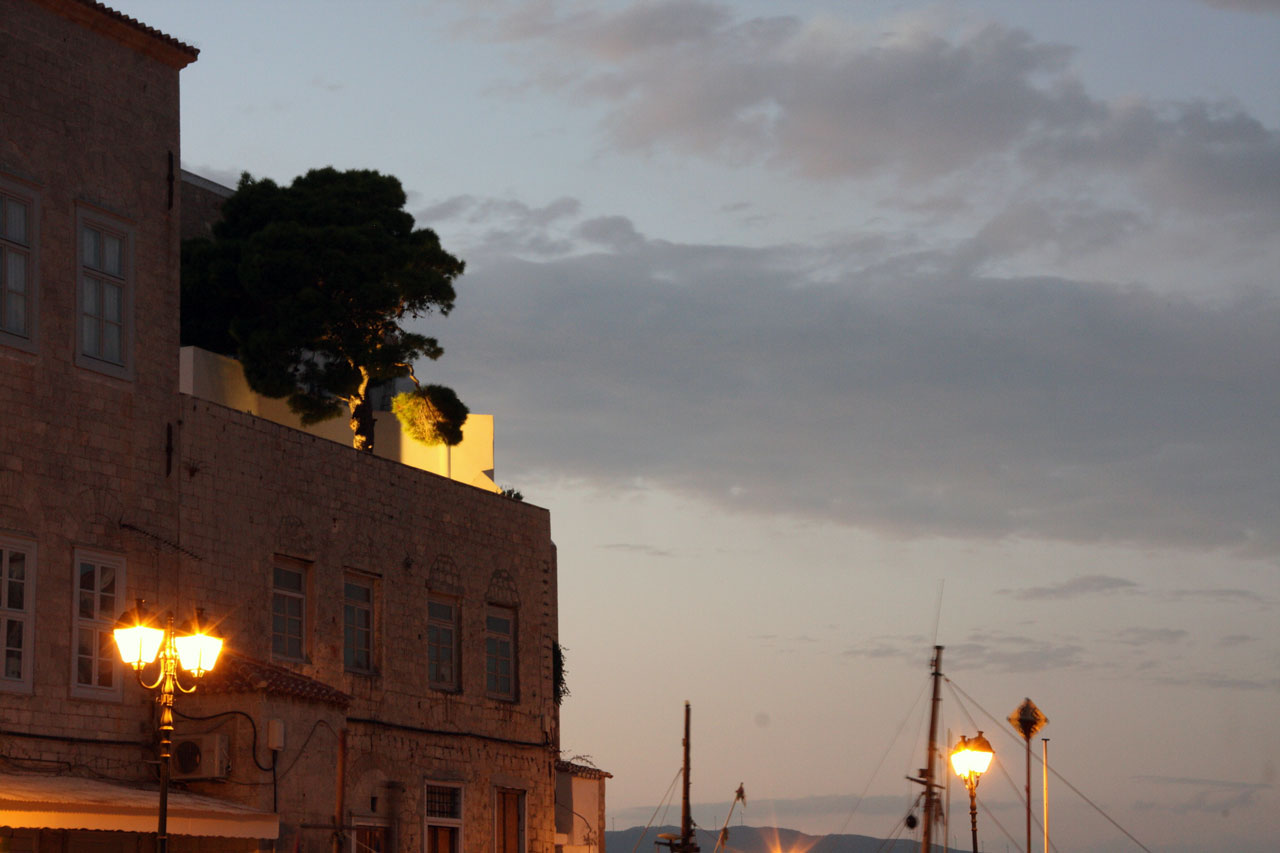
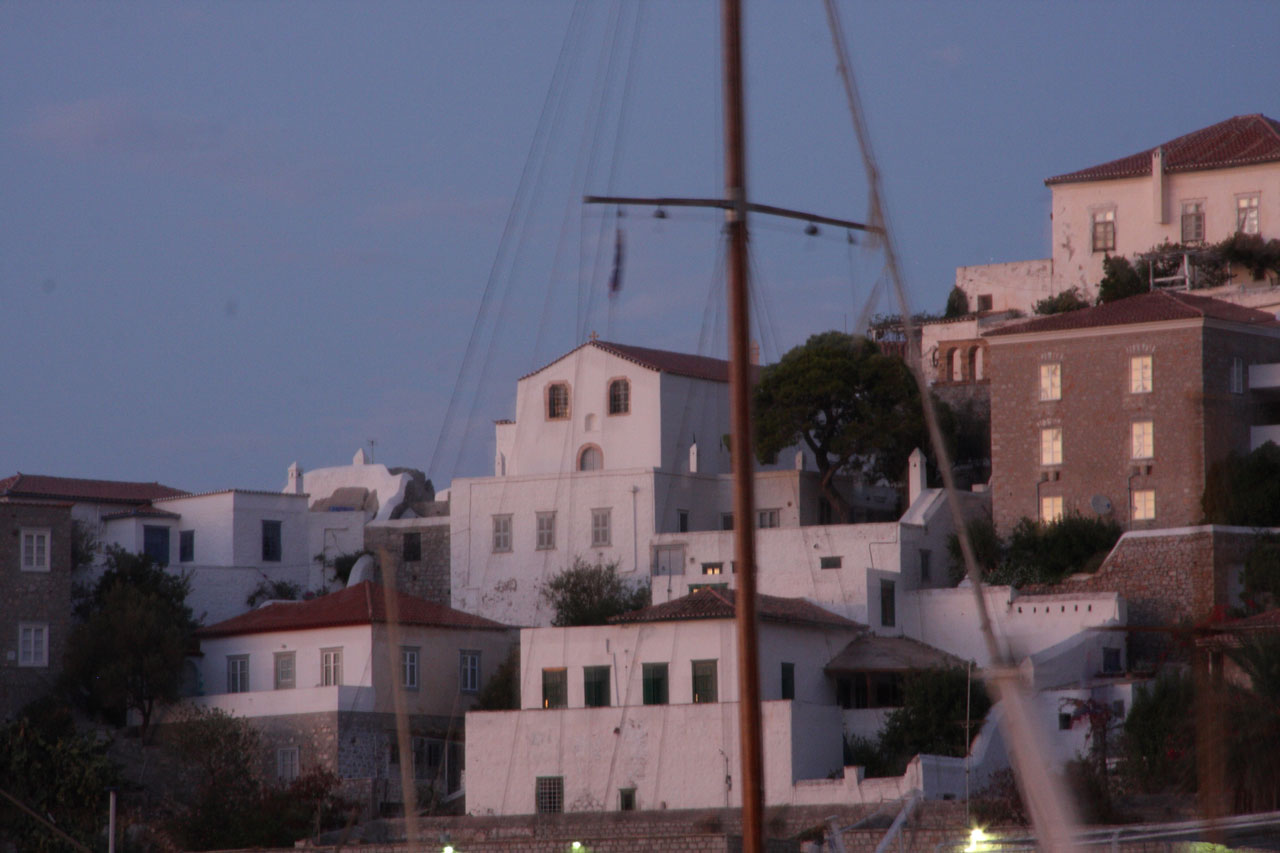
Throughout my life, I always had the extraordinary fortune of moving between two parallel worlds that coexist in a place as unique as Venice: a place without vehicles, as austere as its rocks and the stone houses, yet as metaphysically luminous as the sun sinking over the shores of the Peloponnese, drawing you into the eternal dance of myths, gods, and human beings…