PRESENTATION:Sean Scully-To Feel
Sean Scully came to international prominence as a painter of abstract works featuring combinations of squares and stripes. Having abandoned figurativism in the mid-1960s, and a series of precise line paintings in the early 1970s, he turned to “sculptural” canvases that got their name because they featured heavy, tangible, stretches of paint and abutted panels that impose themselves on the viewer. These signature works left behind the almost technical precision of his line compositions in favor of a freer application of paint that gave rise to an expressive translation of color, light, and texture.
By Dimitris Lempesis
Photo: Thaddaeus Ropac Gallery Archive
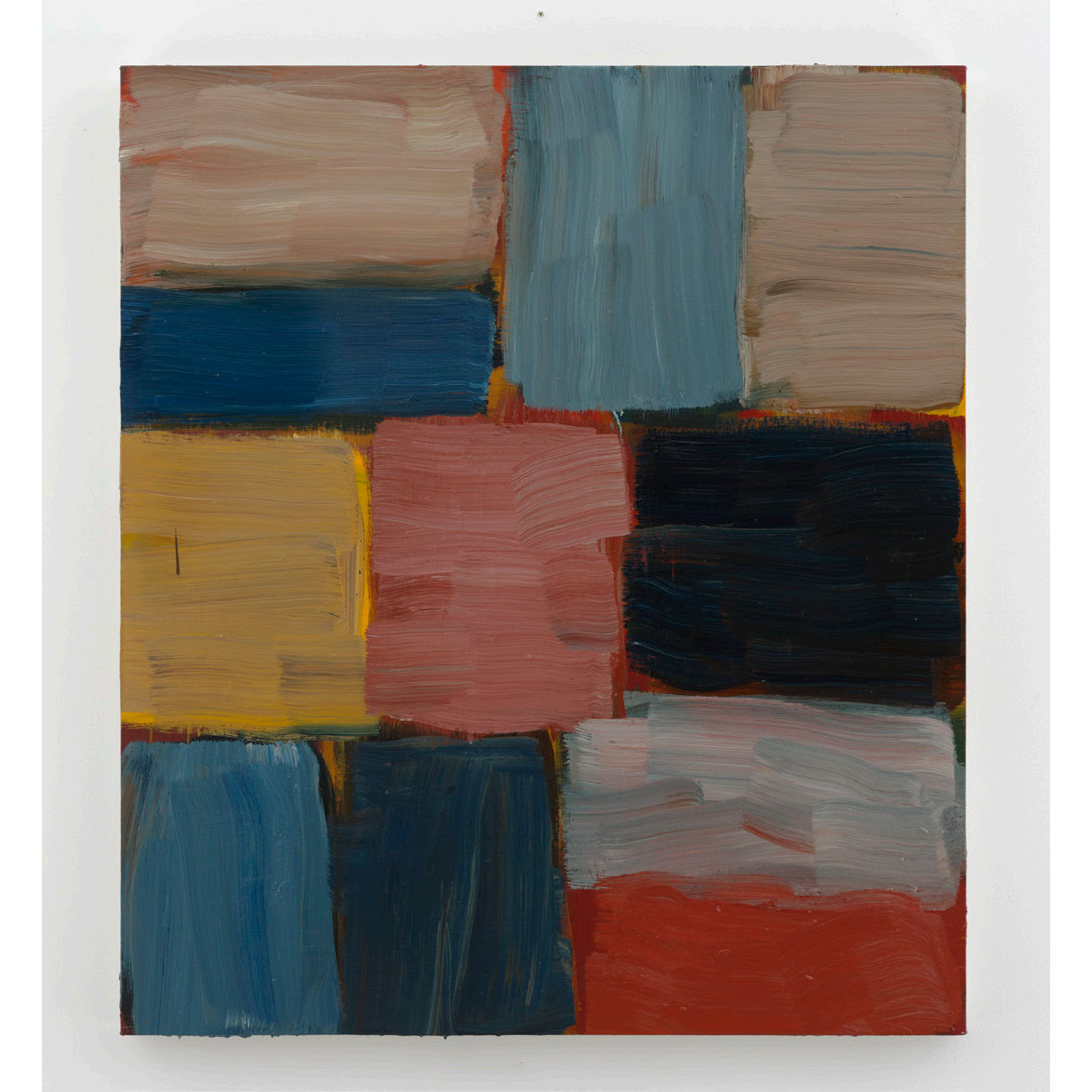
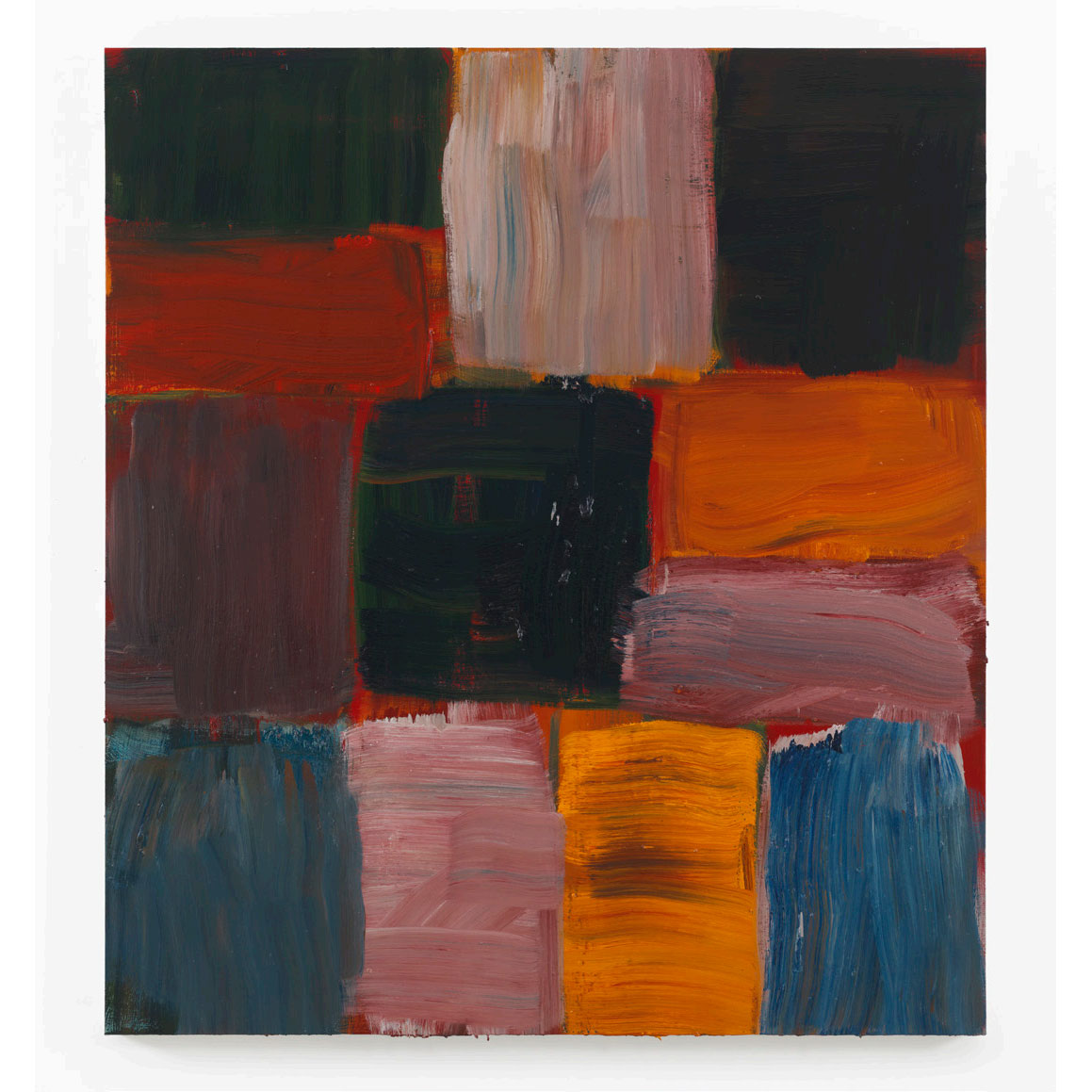
There is an undeniable, physical gravitas to the works in “To Feel” an exhibition that brings together oil paintings and watercolors from Sean Scully’s formative “Wall of Ligh”t series. Initiated in 1998, this body of work has become a defining pillar of Scully’s oeuvre, built upon interlocking horizontal and vertical blocks of color that construct pictorial architectures reminiscent of ancient brickwork. Within these compositions, deep, somber tones evoke the structural weight of heavy timber beams, alternating rhythmically with luminous, vibrant hues. Together, these elements form dynamic visual units that negotiate a perpetual balance between solidity and spatial fluidity, weight and weightlessness.
Scully’s path toward this distinct visual language was forged through decades of travel, observation, and formal evolution. A transformative trip to Morocco in 1969 first unlocked the power of color for the artist, inspiring the broad horizontal stripes and deep earth tones that would come to define his mature style. Following prestigious fellowships at Harvard University in 1972 and 1975, he permanently relocated to New York, immersing himself in the city’s vibrant art scene.
However, it was during his first trips to Mexico in the early 1980s that a profound shift took place. Captivated by the interplay of brilliant sunlight and deep shadow dancing across the stacked stones of ancient walls, Scully picked up watercolors for the first time. This encounter triggered a decisive departure from the cool detachment of strict Minimalism, driving him toward a far more emotional, tactile, and humanistic form of abstraction.
The true conceptual catalyst for the “Wall of Light” series traces back to a small, seminal watercolor Scully painted in Mexico in 1984. In it, he sought to transcribe the fleeting dialogue between light and stone among the ancient Mayan ruins of the Yucatán Peninsula. Scully became deeply fascinated by these weathered surfaces, fascinated by how the masonry seemed to hold and reflect the slow passage of time itself. Over the decades, he carried this inquiry far beyond Mexico, responding to the distinct light, moods, and atmospheres of various global latitudes. Consequently, his paintings act as geographic and seasonal registers, capturing the essence of the environments in which they were created.
In this mature phase, the physical materiality of the paint—rather than rigid geometric calculation—takes center stage. Scully’s handling of his medium draws heavily on historical artistic traditions, synthesizing the intense psychological gravity of 17th-century Spanish painting with the expressive, textured surfaces of French Post-Impressionism. These influences manifest in a rich, complex palette and an extraordinarily bodily application of paint. Rather than keeping his shapes pristine, Scully allows his colors to bleed across boundaries, creating soft, open edges where semi-opaque and translucent layers meet. This technique—a direct nod to his admiration for Édouard Vuillard—enables the luminous underlayers of the canvas to radiate through, imbuing the dense structures with an inner glow.
The result is a collection of paintings that possess a remarkably tactile, architectural presence. Through subtle variations in hue, temperature, and value, Scully’s blocks of paint generate a palpable sense of weight, tension, and kinetic potential. Thick, muscular layers of oil paint actively jostle against one another—as the artist himself has noted, the strokes “push each other, but at the same time make room for each other.” Despite their apparent masonry-like density, these pictorial walls do not block out the world; instead, they emulate impressions of light, allowing radiance to permeate and illuminate the color bricks from within.
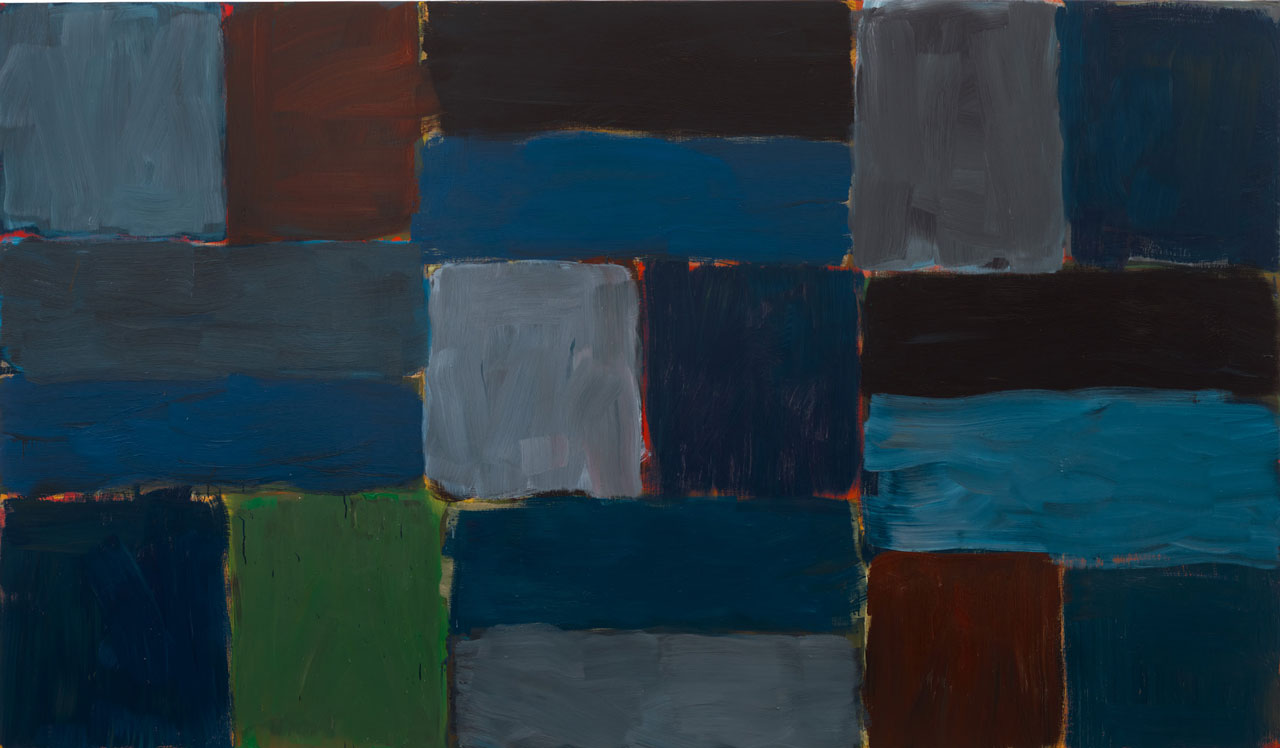
Even on a grand scale, Scully’s work maintains a striking intimacy. Consider the monumental canvas “La Grande Mer” (2024–26). Spanning over three meters in width, it is the largest work in the exhibition and features a dominant palette of blue—a color of profound resonance in Scully’s practice. Sweeping, irregular brushstrokes in variegated oceanic tones evoke the dark depths of churning water, carrying an immense emotional charge. Beneath this aquatic surface, vivid dabs of crimson shine through the narrow fissures between the blue bricks, animating the entire composition with a pulsing, underlying life force.
Standing in stark, fiery contrast to this oceanic register is “Burnt Orange” (2025). Here, intense orange and red tones channel Scully’s enduring fascination with nocturnal illumination. The warm, radiant hues evoke embers glowing intensely through the cracks of a hearth, heightening the painting’s fiery, atmospheric energy.
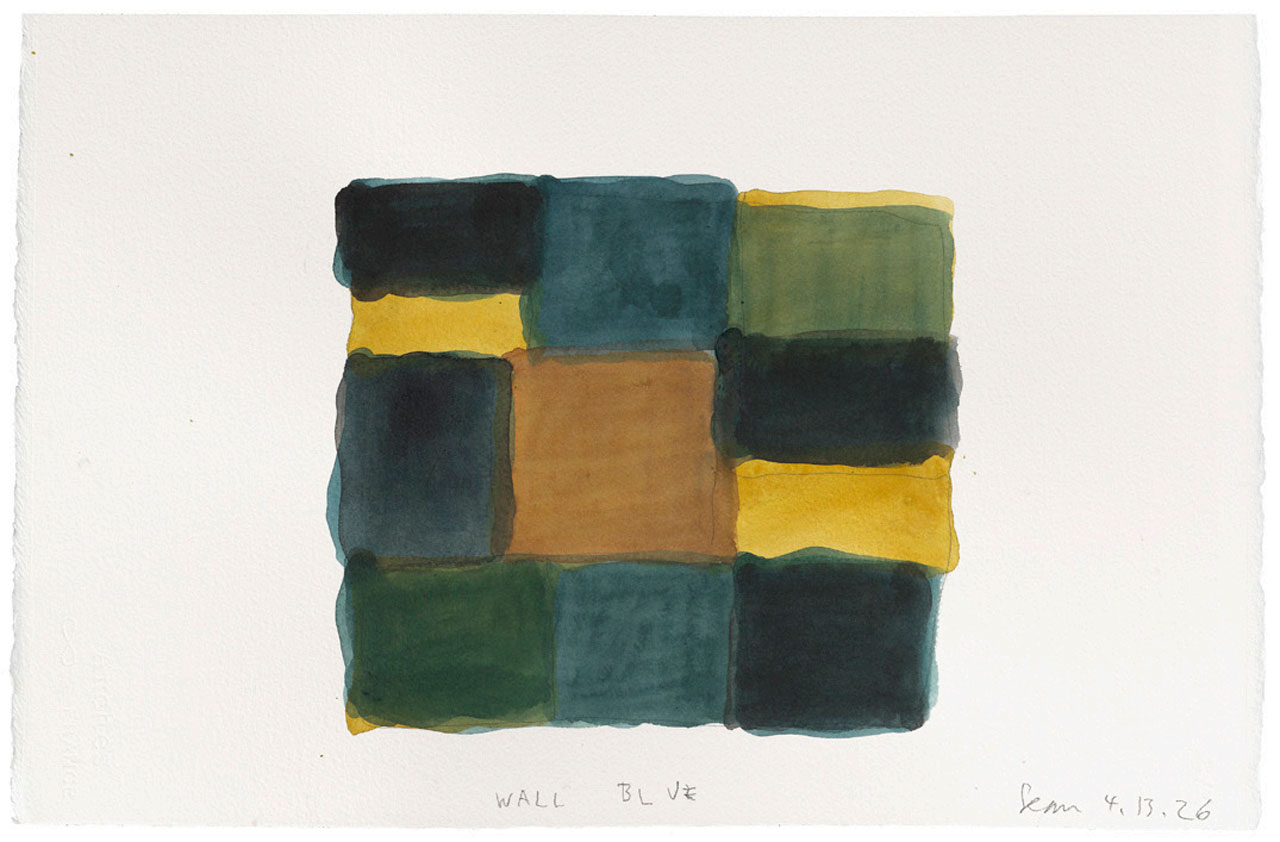
Working on paper has always occupied a vital, parallel position within Scully’s practice. Far from serving as mere preparatory sketches, his works on paper function as an independent medium through which his pictorial language continuously evolves. Scully has poeticized the act of painting with watercolor as “collaborating with sunlight.”
Photo: Sean Scully, La Grande Mer, 2024–26, Oil on linen. 193 × 330.2 cm (76 × 130 in), © Sean Scully, Courtesy the artist and Thaddaeus Ropac Gallery
Info: Thaddaeus Ropac Gallery, Salzburg Villa Kast, Mirabellplatz 2, Salzburg, Austria, Duration: 24/7-26/9/2026, Days & Hours: Daily 10:00-18:00, https://ropac.net/