PRESENTATION:White Cube at Claydon
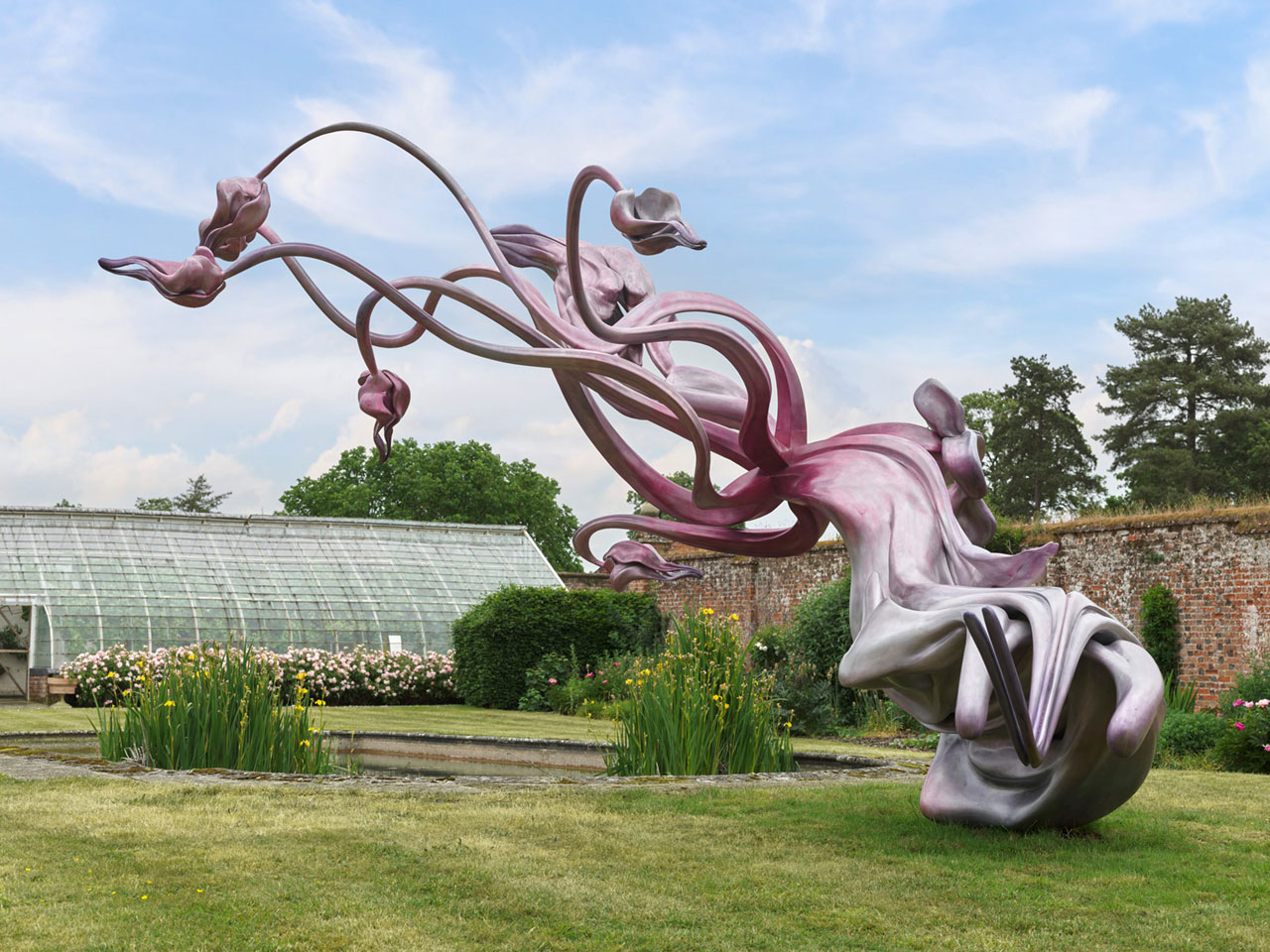
If Claydon House provides the historical stage, the participating artists supply the voices that animate its many temporal layers. Rather than functioning as isolated interventions, the works create a series of encounters in which architecture, decorative arts and contemporary practice become inseparable.
By DimitrisLempesis
Photo: White Cube Gallery Archive
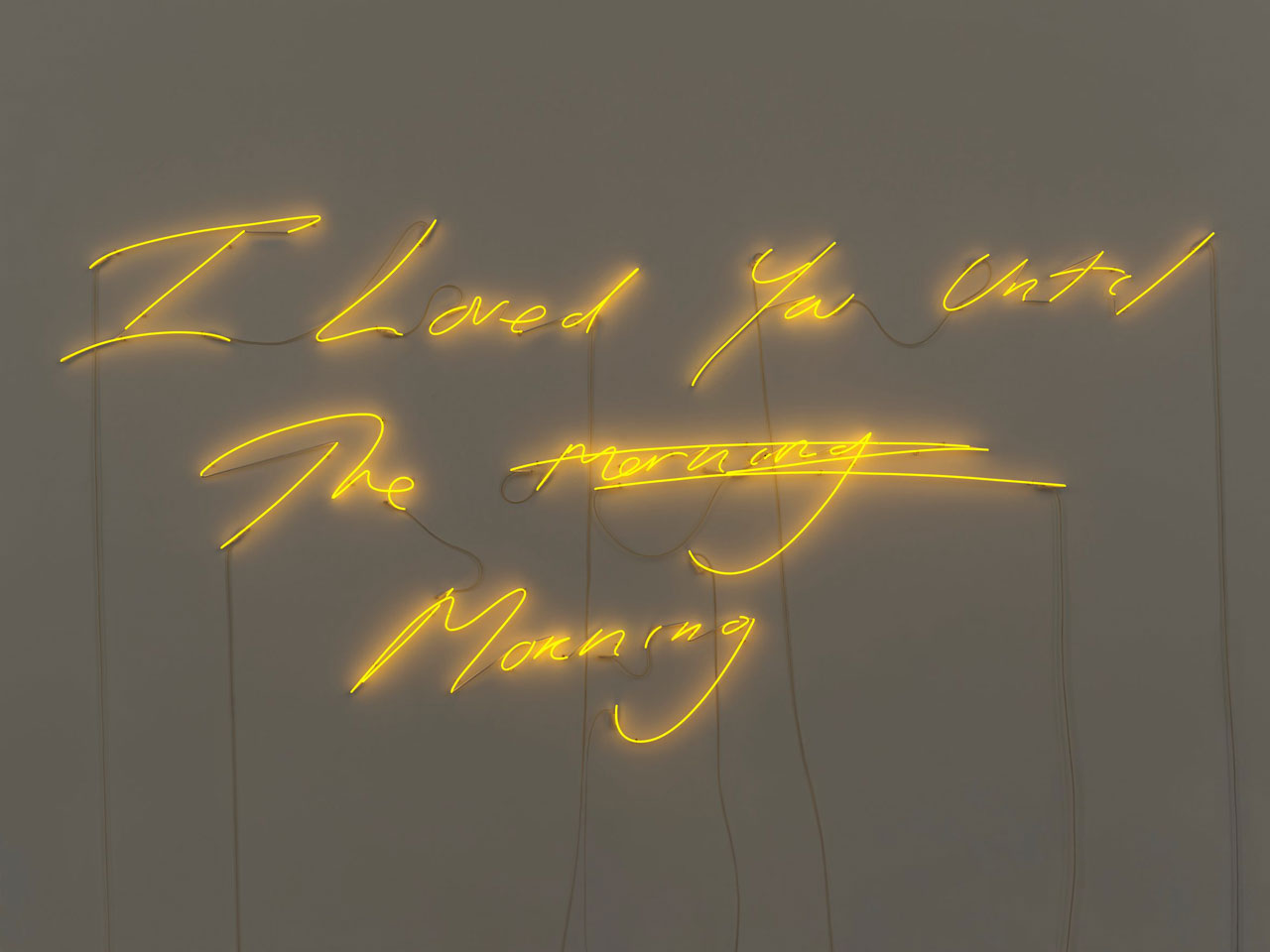
One of the exhibition’s most poignant presences is Tracey Emin, whose deeply personal language of vulnerability and emotional exposure acquires a new resonance within rooms historically associated with lineage, inheritance and social propriety. Emin’s figurative works and intimate inscriptions introduce an intensely human dimension into interiors originally designed to project permanence and status. Against elaborately carved ceilings and richly ornamented walls, her works suggest that beneath every grand narrative lies an individual experience of longing, grief and desire.
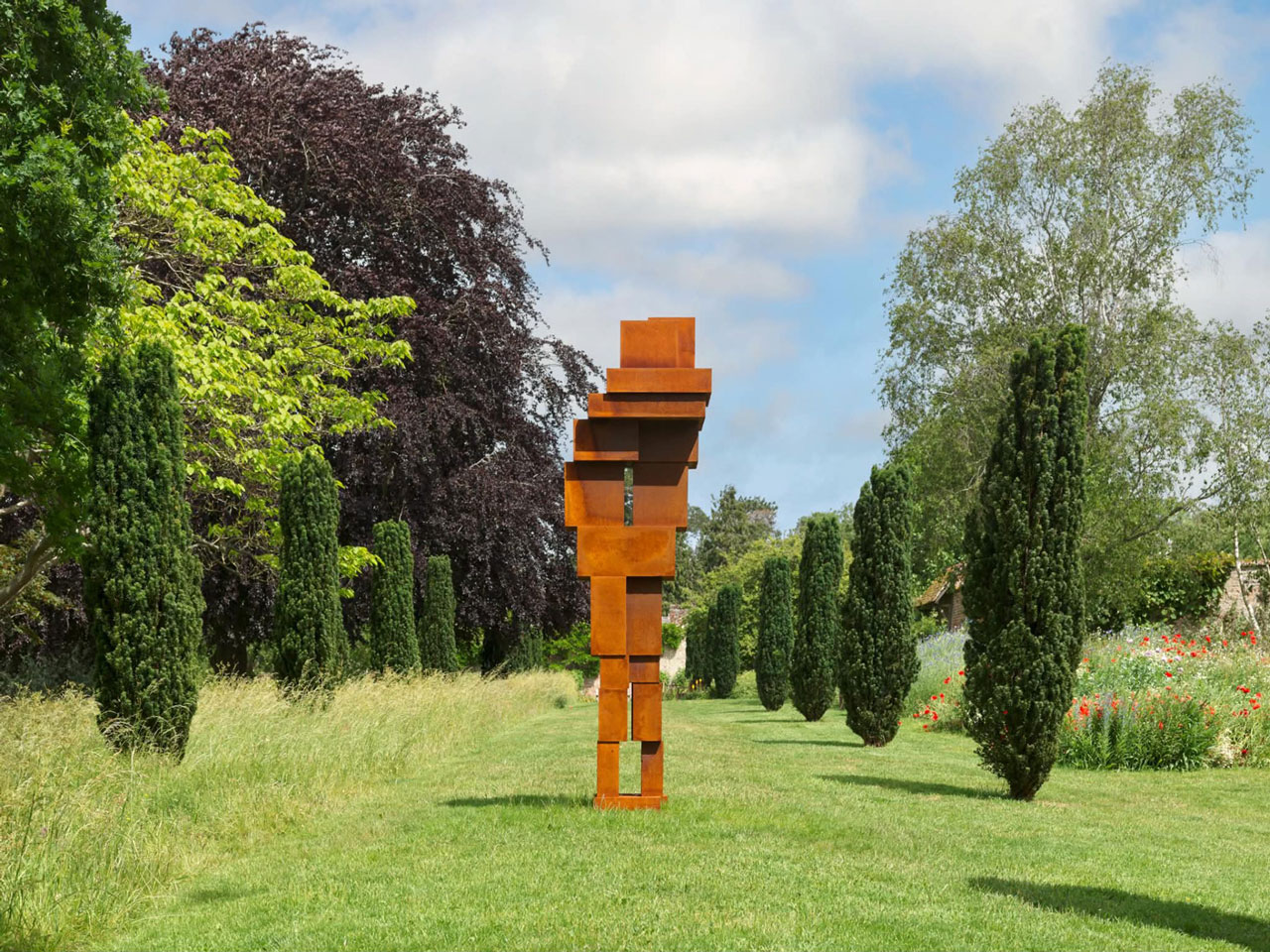
A very different dialogue unfolds through the sculpture of Antony Gormley. His cast iron and steel figures, which have long explored the relationship between the body and architectural space, appear almost like spectral inhabitants returning to the house. Positioned within corridors, staircases and formal rooms, Gormley’s sculptures invite viewers to become acutely aware of their own physical presence. The monumental interiors no longer simply display history; they become inhabited once again, transforming the visitor into another participant in an unfolding narrative.
History’s material weight is perhaps nowhere more evident than in the work of Anselm Kiefer. Throughout his career, Kiefer has investigated collective memory, mythology, war and cultural reconstruction through monumental surfaces layered with lead, ash, straw and earth. Installed within Claydon’s historic interiors, his works establish powerful parallels between architectural endurance and historical trauma. The richly decorated eighteenth-century rooms cease to be symbols of permanence and instead become reminders that every civilisation leaves behind fragments, scars and unfinished stories.
The exhibition also includes the work of Mona Hatoum, whose practice consistently unsettles familiar domestic environments. Household objects become charged with political anxiety, while spaces associated with comfort are transformed into sites of unease. Within a country house—a place historically organised around notions of security, privilege and family life—Hatoum’s interventions reveal the fragile boundaries between sanctuary and exclusion. The domestic interior becomes simultaneously intimate and geopolitical.
The work of Theaster Gates introduces another compelling perspective on collecting, preservation and cultural inheritance. Gates has spent much of his career rescuing abandoned buildings, archives and overlooked histories, treating architecture itself as a living archive. His presence at Claydon creates an intriguing dialogue with the estate’s own long history of conservation. Rather than viewing preservation as the freezing of the past, Gates suggests that buildings remain culturally productive only when they continue to generate new meanings.
Photography offers another temporal register through Jeff Wall, whose meticulously constructed images possess an uncanny stillness. Often appearing documentary while being carefully staged, Wall’s photographs encourage close observation of ordinary moments that reveal larger social structures. Displayed within rooms saturated with historical portraiture, his contemporary scenes challenge distinctions between painting, photography and historical record. Portraiture becomes less about likeness than about the construction of memory itself.
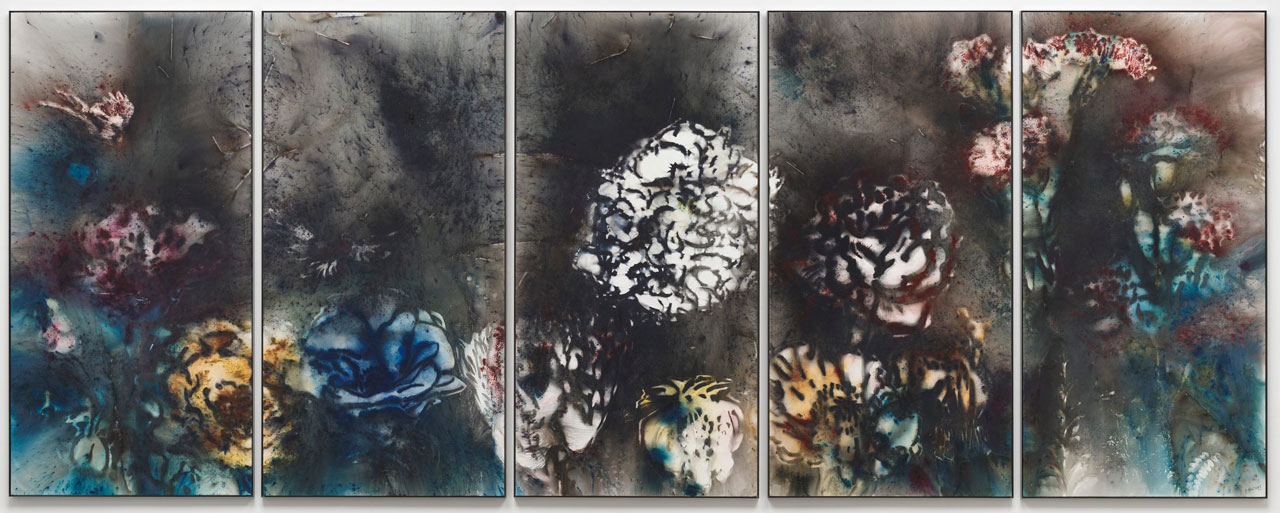
Meanwhile, Cai Guo-Qiang introduces an entirely different understanding of time. Internationally recognised for works involving gunpowder, explosion and controlled combustion, Cai’s practice embraces transformation through impermanence. Fire, smoke and chance become artistic materials that resist permanence even as they produce lasting images. Within Claydon, where centuries of careful preservation are visible in every carved panel and decorative surface, Cai’s work proposes that destruction and creation are not opposites but part of the same historical cycle.
Across the exhibition, contemporary artworks are not simply inserted into historic rooms but become catalysts that reveal overlooked aspects of the house itself. Portraits appear newly psychological. Decorative ornament acquires conceptual significance. Furniture, architecture and collections cease to function merely as heritage objects and instead participate in an expanded artistic conversation.
Perhaps most striking is the absence of hierarchy. The eighteenth-century woodcarver, the contemporary sculptor, the anonymous cabinetmaker and the internationally celebrated conceptual artist all occupy the same visual field. Claydon dissolves traditional distinctions between fine art, decorative art and material culture, allowing craftsmanship and contemporary practice to speak with equal authority.
The result is an exhibition that is less concerned with illustrating history than with demonstrating its continued vitality. Every artwork becomes another annotation within the house’s evolving biography, while every room reminds visitors that contemporary art itself will one day become part of history. At Claydon, the past is never complete, and the present is always already becoming an archive.
This section can be integrated into the original article or expanded further with close readings of individual installations and their specific locations within Claydon House.
Photo: Tracey Emin, I Loved You Until the Morning, 2025, Neon, Edition of 3, 198.1 x 426.7 cm | 78 x 168 in, © Tracey Emin, Courtesy the artist and White Cube Gallery
Info: Claydon House, Middle Claydon, Buckingham, Buckinghamshire, United Kingdom, Duration: 6/6-14/11/2026, Days & Hours: Daily 11:00-17:00, https://claydonestate.co.uk/
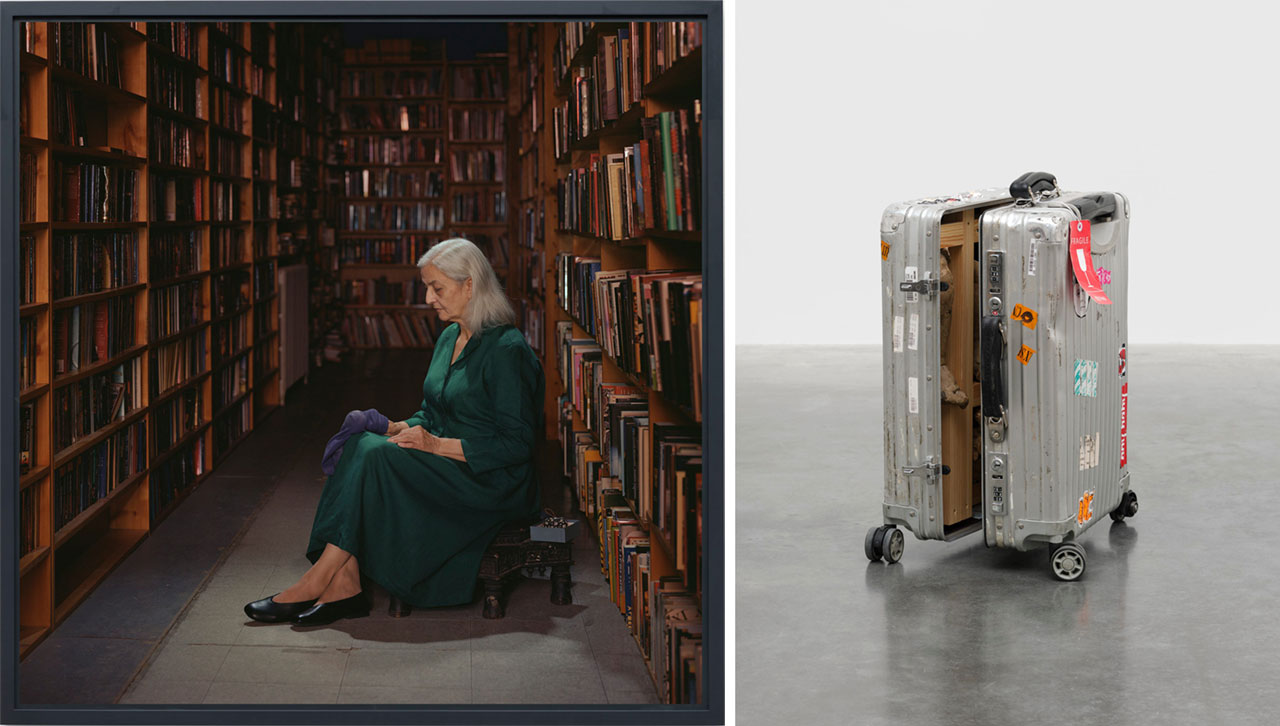
Right: Danh Vo, Untitled, 2024, 17th-century French polychrome wood putto and Rimowa luggage, 57 x 23 x 39 cm | 22 7/16 x 9 1/16 x 15 3/8 in., © Danh Vo, Courtesy the artist and White Cube Gallery
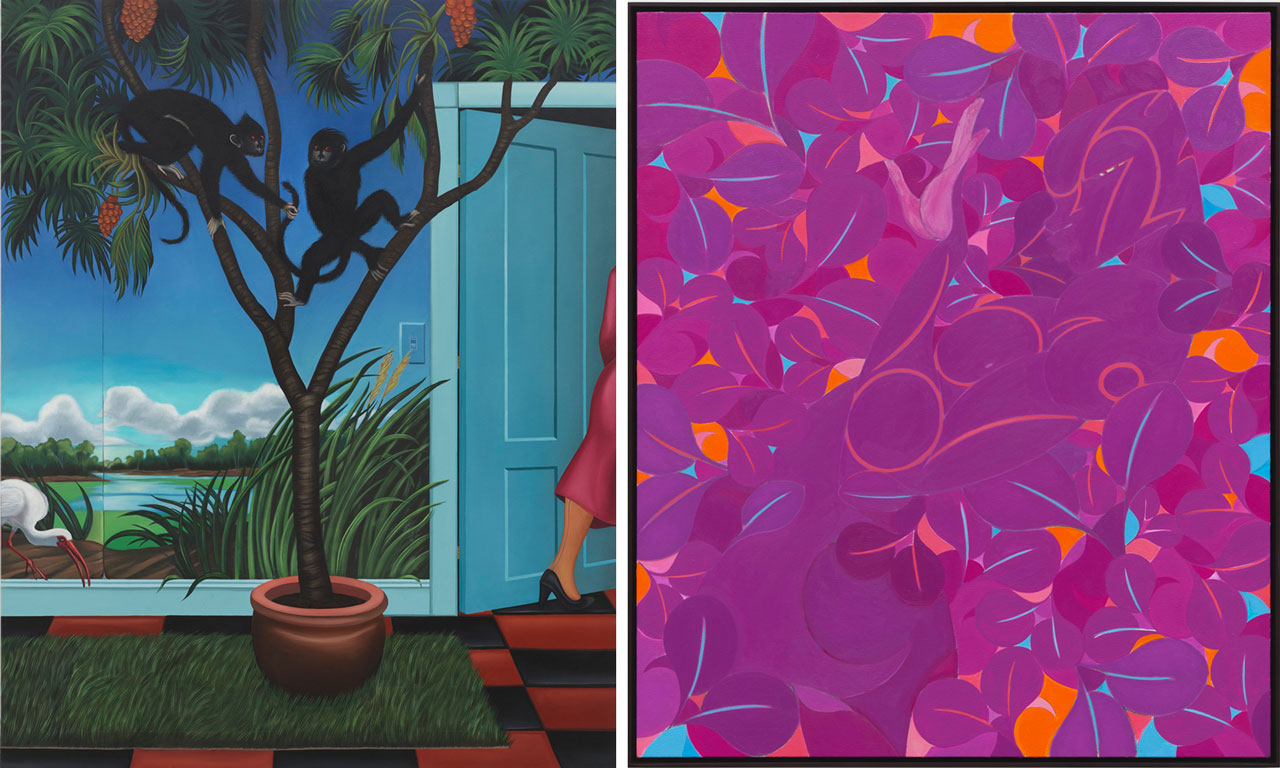
Right: Tunji Adeniyi-Jones, Violet Sentinel, 2026, Oil on canvas, 101.60 x 86.36 x 3.81 cm | 40 x 34 x 1 1/2 in., 104.3 x 89.1 x 6.6 cm | 41 x 35 x 2 1/2 in. (framed), © Tunji Adeniyi-Jones, Courtesy the artist and White Cube Gallery