
PRESENTATION:Kerry James Marshall-The Histories
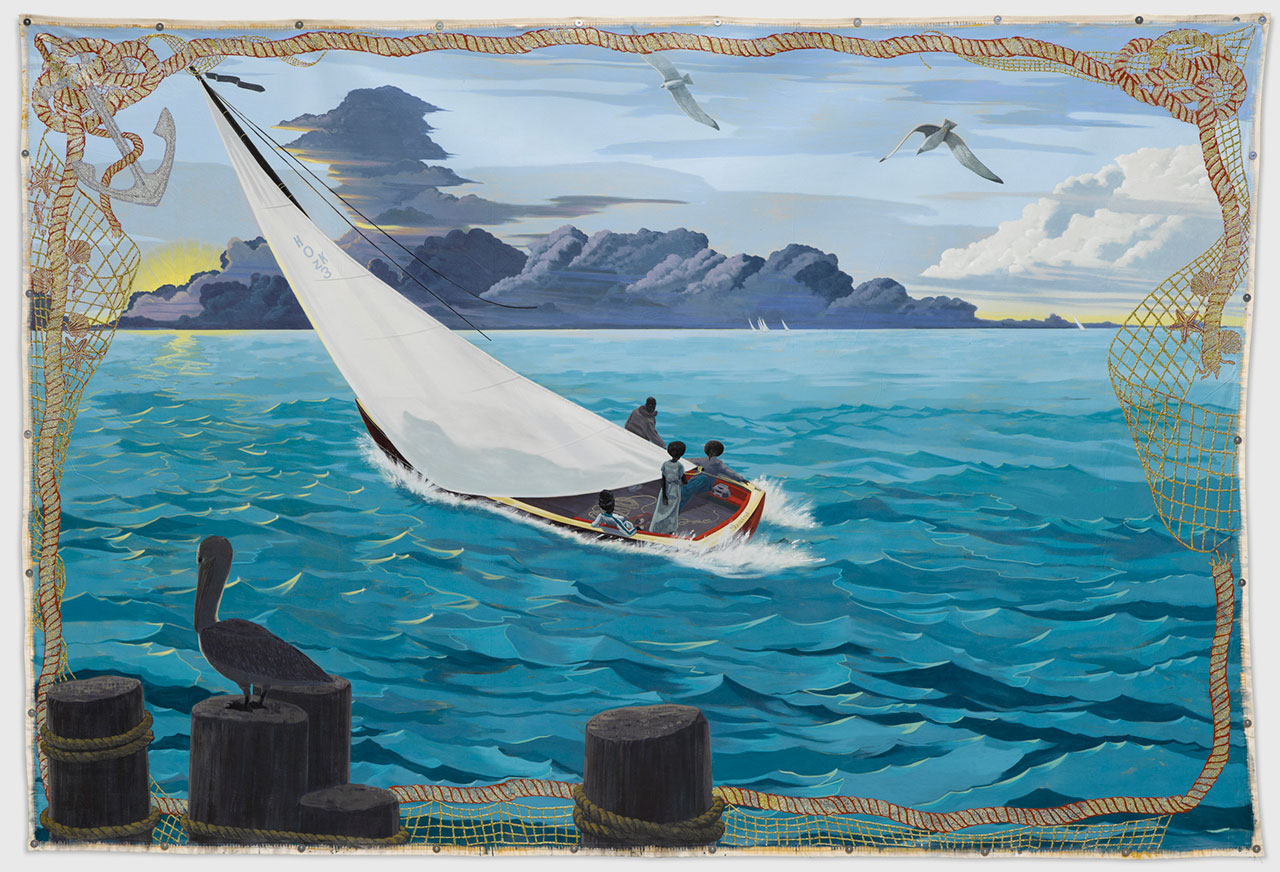
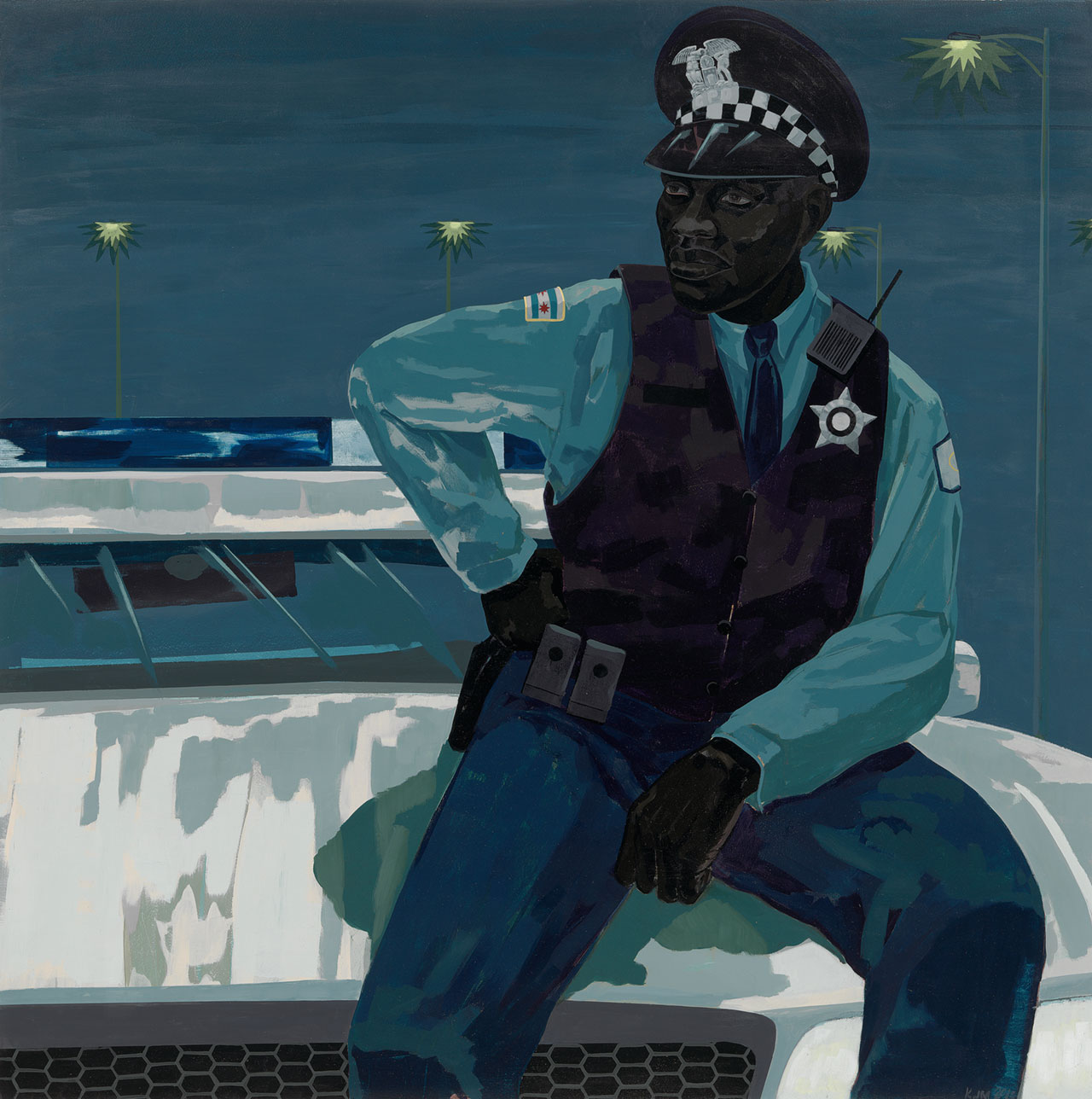
Engaged in an ongoing dialogue with six centuries of representational painting, Kerry James Marshall is known for his expansive body of work, which also includes drawings and sculptures. At the center of his oeuvre is the critical recognition of the conditions of invisibility long ascribed to Black figures in the Western pictorial tradition, and the creation of what he calls a “counter-archive” that brings them back into this narrative.
By Efi Michalarou
Photo: Kunsthaus Zürich Archive
“The Histories”, is the first major exhibition in Switzerland devoted to the work of one of the most influential painters of our time, Kerry James Marshall. Bringing together monumental paintings, including works reaching up to seven metres in width, the exhibition offers an expansive survey of Marshall’s career and his decades-long investigation into representation, history and cultural memory.
The exhibition arrives in Zürich after its presentation in London and will later travel to Paris, where it will become the first exhibition in France dedicated to the American artist. The international project includes around seventy works and highlights Marshall’s continuing role in transforming the possibilities of contemporary painting.
Born in 1955 in Birmingham, Alabama, and based in Chicago, Marshall has become recognised as a defining figure in contemporary art. His paintings challenge the traditional narratives of Western art history by placing Black figures at the centre of genres where they have historically been absent: portraiture, landscape, scenes of everyday life and, above all, history painting.
Marshall’s art begins with a fundamental question: who has been allowed to appear in the visual record of history? For centuries, Western painting elevated certain subjects — religious figures, monarchs, military leaders and mythological heroes — while excluding or marginalising Black lives and experiences. Marshall does not simply add missing figures into existing traditions; he examines the systems that created their absence.
His work investigates museums, academies and the conventions of artistic value that have shaped public ideas about beauty, importance and cultural achievement. By engaging directly with the canon of European painting, Marshall creates what might be described as “counter-histories”: images that reclaim visibility while questioning the structures that previously denied it.
Rather than depicting historical injustice only through scenes of suffering, Marshall often focuses on dignity, creativity, pleasure and everyday existence. His paintings insist that Black life is not only a subject of political struggle but also a source of beauty, complexity and cultural richness.
Marshall’s compositions are immediately striking. His figures often appear with intensely dark, almost luminous skin, set against richly patterned backgrounds filled with symbols, references and visual puzzles. His technical precision recalls the traditions of Old Master painting, yet his imagery draws equally from contemporary culture, advertising, comics, photography and African American history.
The result is a visual language that operates on multiple levels. A viewer may first encounter the brilliance of colour, surface and composition; only gradually do deeper narratives emerge — questions about slavery, migration, civil rights, identity and the politics of representation.
One example is “The Club” (2011-12), a vibrant depiction of a social gathering that combines celebration with historical reflection. The painting presents Black leisure and community not as peripheral experiences but as subjects worthy of monumental artistic treatment. Behind the elegance and energy of the scene lies Marshall’s broader investigation into visibility, belonging and self-determination.
Since the mid-1980s, Marshall has worked across genres traditionally associated with artistic prestige. History painting, once considered the highest form of academic painting, becomes in his hands a space for questioning whose histories deserve recognition.
His approach does not reject art history; instead, it enters into dialogue with it. Marshall references Renaissance compositions, European portrait traditions and classical ideals while transforming them through the experiences of African American communities.
The artist’s achievement lies in revealing that art history is not a fixed story but a continually evolving field shaped by choices about inclusion and exclusion.
A major milestone in Marshall’s career was the retrospective “Mastry” (2016), presented at the Museum of Contemporary Art Chicago, the Metropolitan Museum of Art and the Museum of Contemporary Art, Los Angeles. The exhibition was widely regarded as a landmark moment, both for Marshall’s career and for the broader recognition of Black artists within major museum institutions.
Over the past two decades, the presence and visibility of Black artists in museums have changed significantly. Marshall has been central to that transformation, not only through the power of his own paintings but also through the questions his work forces institutions to confront.
His reflections on museum audiences and collections have repeatedly returned to a central issue: who sees themselves represented, and who remains absent from cultural spaces?
Although Marshall’s paintings engage with difficult histories, they are not defined by trauma alone. They are also celebrations of creativity, community and human presence.
His images often suggest that recovering erased histories is not simply an act of correction but a process of repair. By bringing overlooked stories into the centre of artistic attention, Marshall expands the meaning of history itself.
Curator Mark Godfrey has described the universal dimension of Marshall’s work as a recognition that every society must confront complicated histories — and that acknowledging those histories can become the beginning of reconciliation and renewal.
“Kerry James Marshall: The Histories” represents more than a survey of an exceptional painter’s career. It is an invitation to reconsider how images shape collective memory and how art participates in defining whose stories are remembered.
Photo: Kerry James Marshall, Gulf Stream, 2003 Acrylic and glitter on canvas, 274.3 × 396.2 cm Collection Walker Art Center, Minneapolis, MN. T. B. Walker Acquisition Fund, 2004, © Kerry James Marshall, Courtesy the artist and David Zwirner, London
Info: Curator: Cathérine Hug, Kunsthaus Zürich, Heimplatz, Zürich, Switzerland, Duration: 27/2-16/8/2026, Days & Hours: Tue-Wed & Fri-Sun 10:00-18:00, Thu 10:00-20:00, www.kunsthaus.ch/
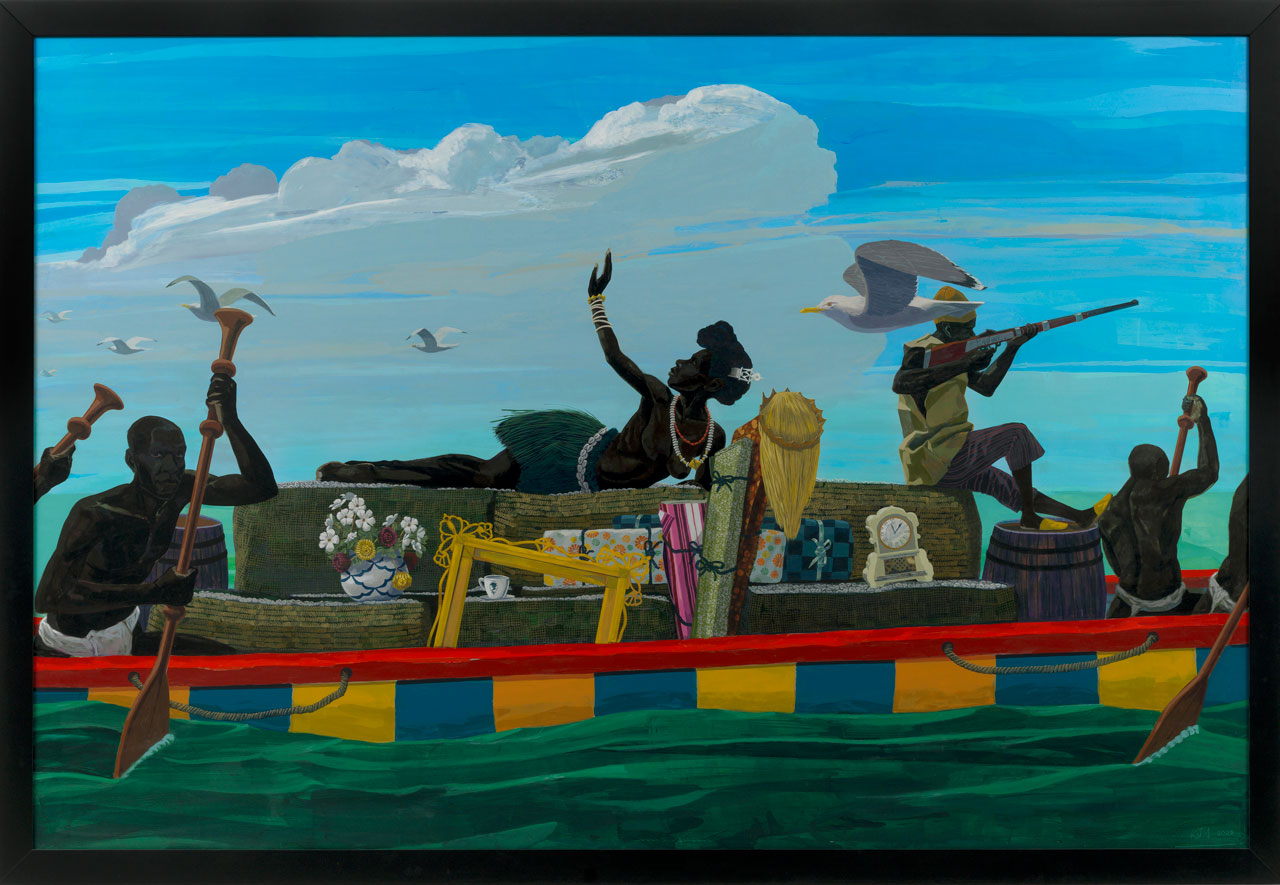
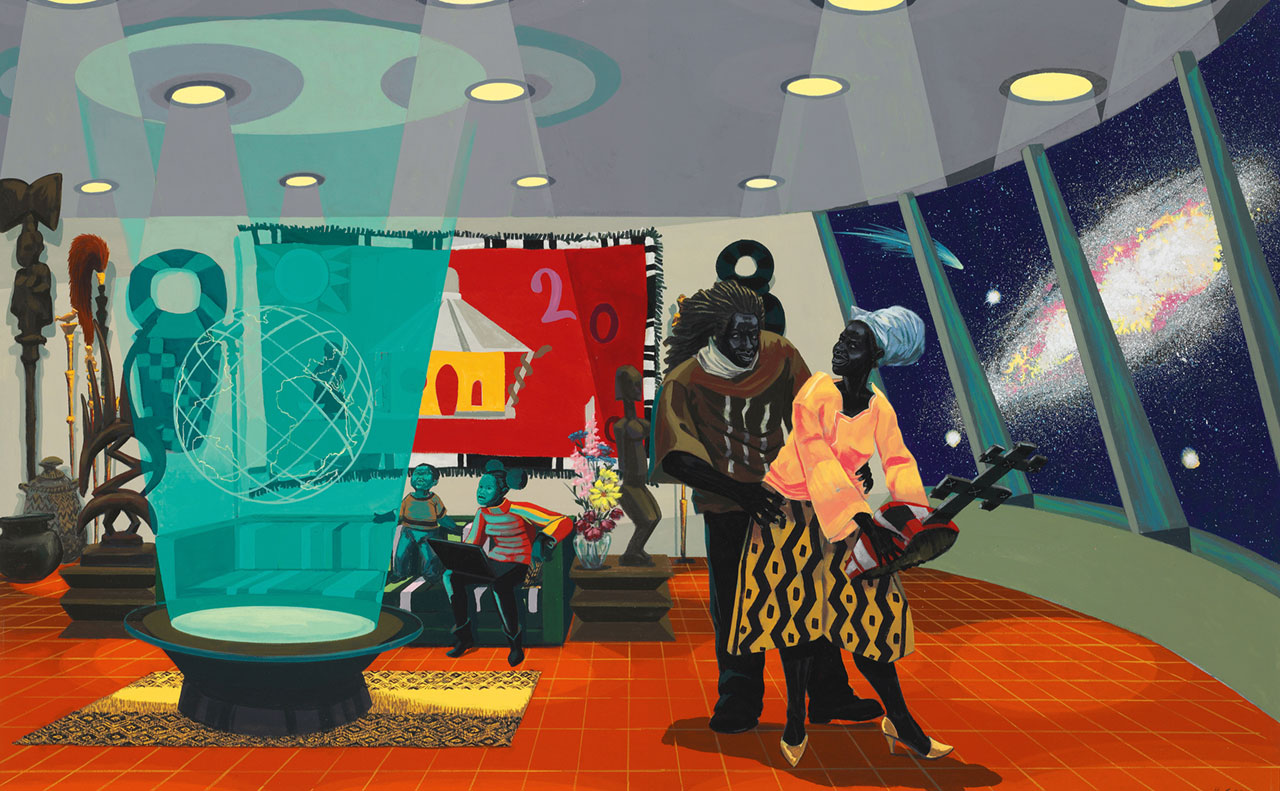
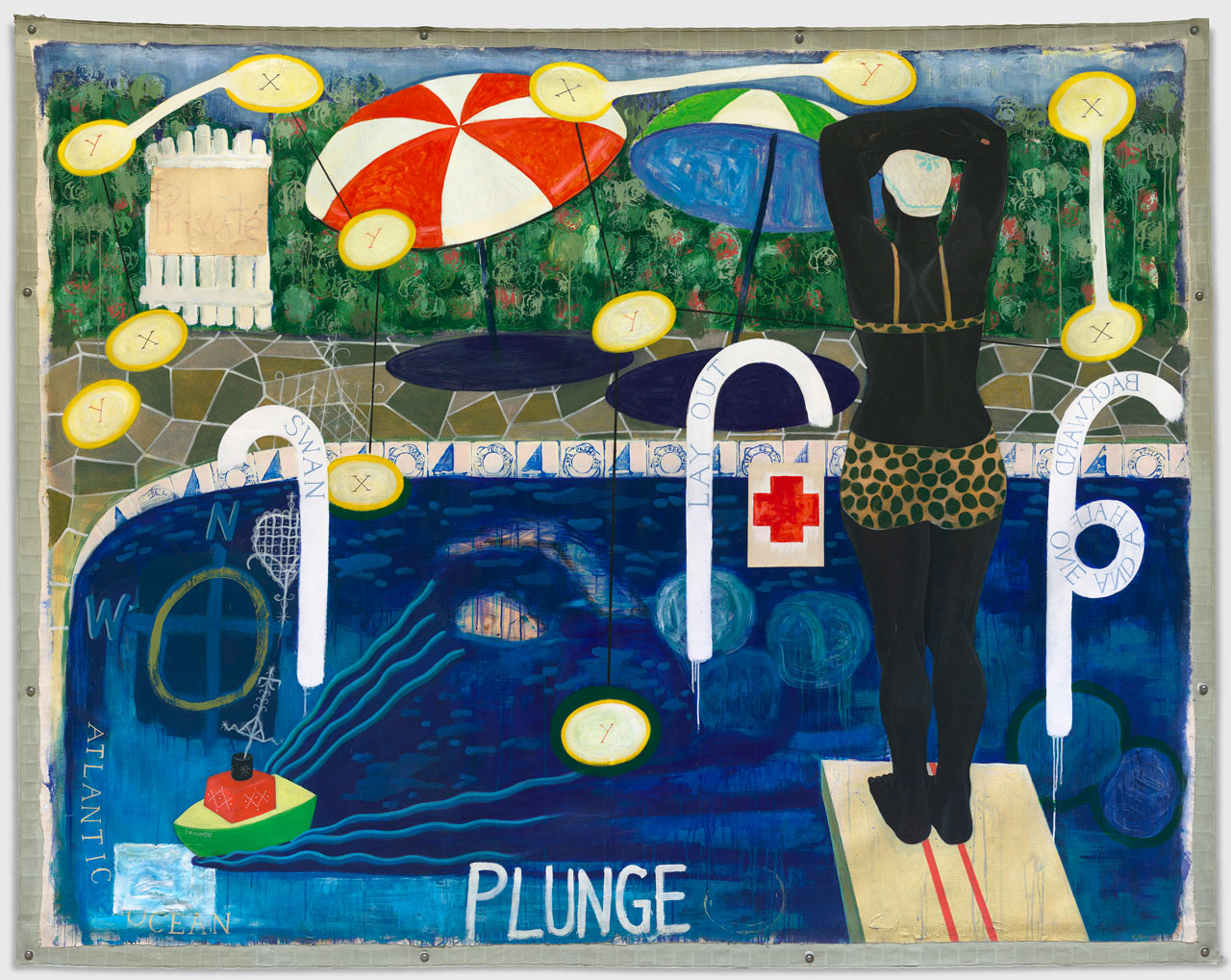
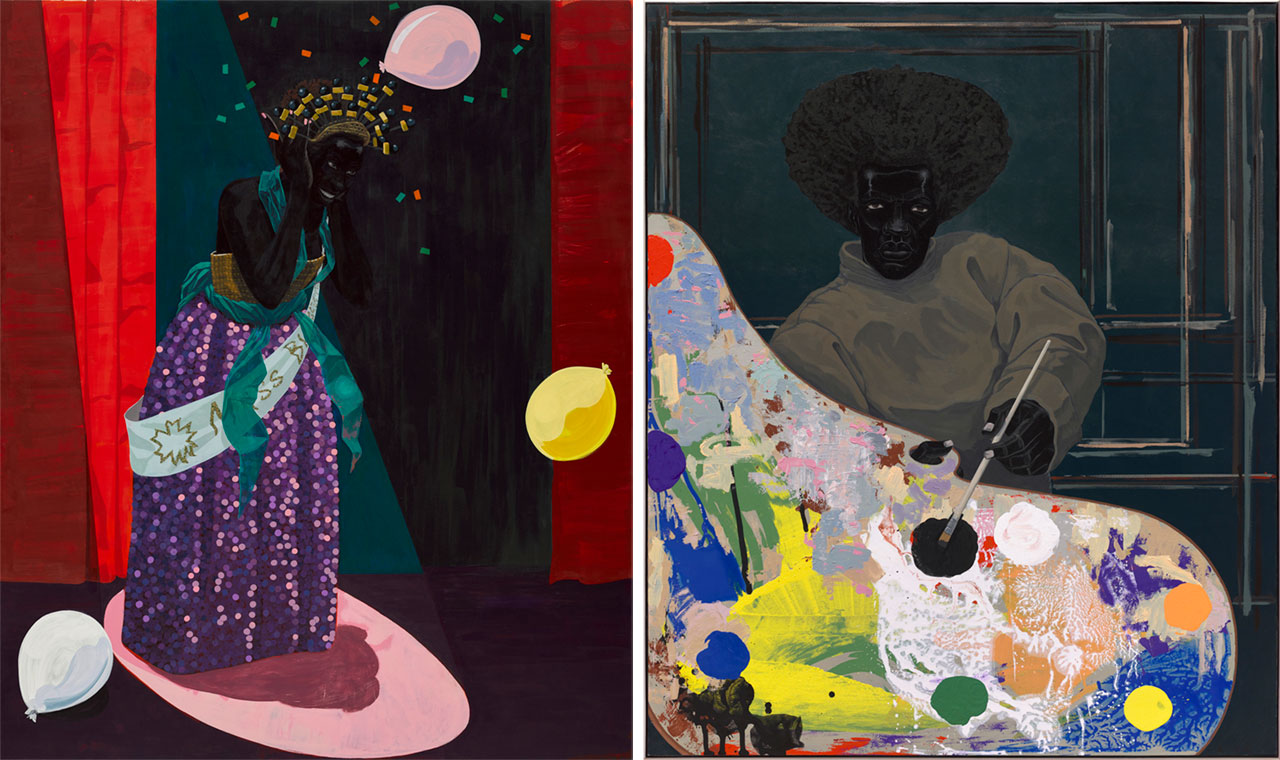
Right: Kerry James Marshall, Untitled (Painter), 2008 Acrylic on PVC panel, 184.8 × 155.6 cm, Harvard Art Museums/Fogg Museum, Cambridge, MA. Richard Norton Memorial Fund and purchase through the generosity of Nancy B. Tieken © Kerry James Marshall. Courtesy of the artist and David Zwirner, London. Photo: Anne Arca
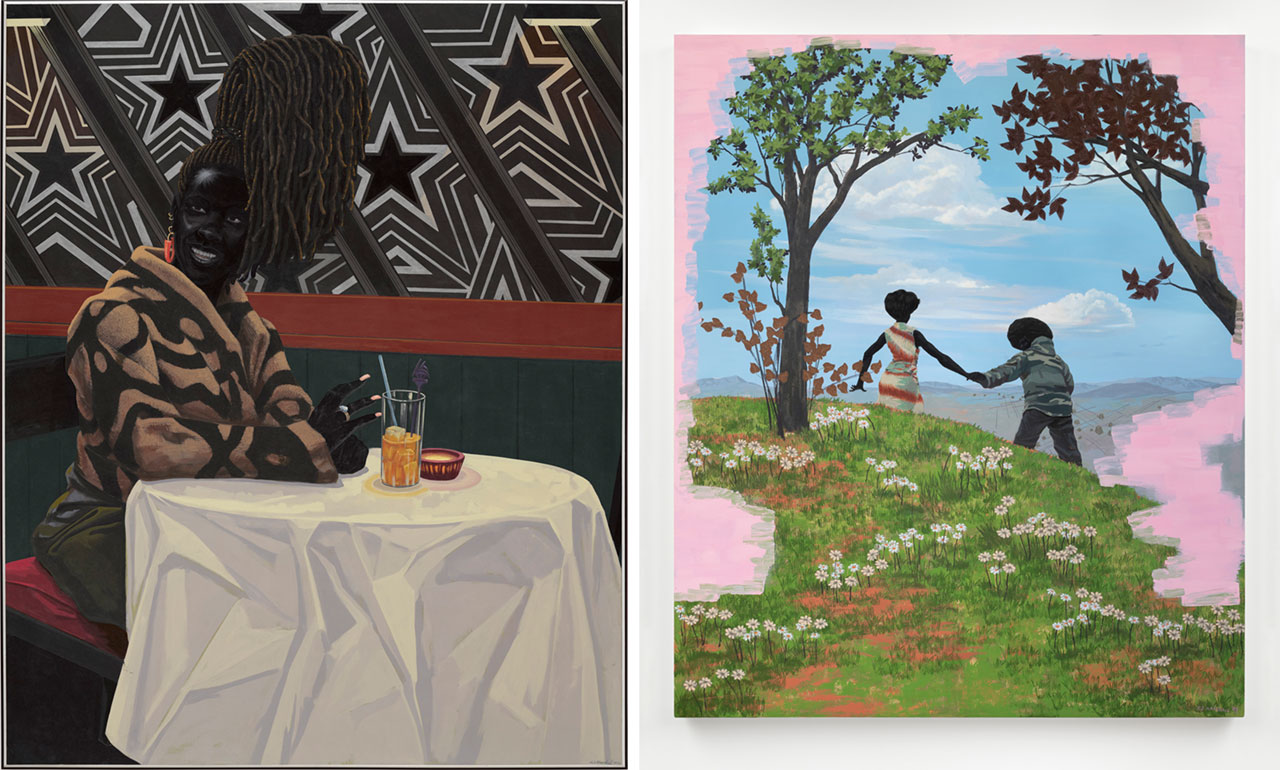
Right: Kerry James Marshall, Vignette #13, 2008 Acrylic on PVC panel, 182.9 × 152.4 cm, Susan Manilow Collection, © Kerry James Marshall. Image courtesy of the artist and Jack Shainman Gallery, New York