
TRIBUTE: Tomás Saraceno-Ancestral Futures
Tomás Saraceno was born San Miguel de Tucumán, Argentina. Today, as the artist himself says, he lives and works on and beyond planet Earth. His practice spans art, architecture, and science. At the heart of his work is a commitment to ecosocial justice and the coexistence and communication between all living beings. Through floating sculptures, interactive installations, and a collaborative artistic process, Tomás Saraceno initiates a dialogue between all life forms.
By Dimitris Lempesis
Photo: Haus der Kunst Archive
At a time when climate change, biodiversity loss, and environmental exploitation dominate global conversations, “Tomás Saraceno’s Ancestral Futures “offers an alternative way of imagining humanity’s relationship with the Earth. Presented as the artist’s largest exhibition in Germany, the exhibition is both an immersive artistic experience and a call to rethink how people coexist with the natural world. Inspired by the philosophy of Indigenous Brazilian thinker Ailton Krenak, the exhibition proposes that the future does not need to be invented—it already exists within the living landscapes, ecosystems, and relationships that have sustained life for generations.
Saraceno, internationally renowned for combining art, science, architecture, and environmental activism, creates works that blur the boundaries between artistic practice and ecological research. Throughout Ancestral Futures, large-scale installations, interactive environments, films, photographs, and community-based projects encourage visitors to reconsider their connections with air, water, land, and the cosmos. Rather than presenting nature as a resource to be controlled, the exhibition portrays it as a complex network of living systems in which humans are only one participant.
Visitors encounter this vision immediately through “Museo Aero Solar” (2022), an evolving solar sculpture made entirely from reused plastic bags. Unlike conventional artworks, the project has no fixed form. Since its creation in 2007, communities across six continents have contributed to its construction, transforming discarded plastic into a flying museum powered solely by sunlight and air. Each new location adds another layer to the work, making it both a monument to collective creativity and an example of sustainable innovation. Workshops held during the exhibition invite participants to build their own sections of the sculpture, culminating in an attempt to launch it into the sky.
At the heart of the exhibition lies “Towards the Sanctuary of Water” (2026), a large-scale installation inspired by Saraceno’s long collaboration with Indigenous communities from the Salinas Grandes in northern Argentina. The installation reflects on water not as a commodity but as a living entity deserving protection and respect. Its message extends beyond the gallery through the real-world construction of “The Sanctuary of Water”, a permanent land-art project developed in partnership with the Red Atacama network. Built using traditional Andean techniques, the sanctuary is intended to protect local water sources threatened by lithium mining while creating opportunities for ecotourism and cultural preservation. Once completed, ownership will remain with the Indigenous communities, reinforcing the exhibition’s commitment to environmental justice rather than symbolic representation alone.
Water conservation also appears in unexpected ways throughout the museum. Even the redesigned “Flashing Toilets” demonstrate how everyday actions can contribute to sustainability. By reusing water from handwashing for the next flush, the system is expected to save up to one million litres of water annually. This practical intervention reminds visitors that meaningful environmental change often begins with small, achievable actions rather than grand technological solutions.
Another key theme running through “Ancestral Futures” is interconnectedness. Saraceno’s installation “Algo-R(h)i(y)thms” invites audiences into the sensory world of spiders. Orb-weaver spiders perceive their surroundings almost entirely through vibrations travelling across their webs. By translating these vibrations into sound and visual experiences, the installation reveals hidden connections between spider webs, human perception, and even distant galaxies. The work suggests that every living organism participates in networks of communication that extend far beyond human awareness.
Similarly, the series “Webs of At-tent(s)ion” (2026) presents intricate spider webs as both scientific structures and works of art. Dust particles suspended within the webs become visible, highlighting the invisible material constantly circulating through the air. These delicate installations encourage visitors to see the atmosphere not as empty space but as a living environment shared by countless organisms.
The exhibition also expands outdoors through “Cloud Cities: Species of Spaces” (2023–2026), a floating constellation of twelve cloud-like chambers installed on the museum’s eastern terrace. Inspired by cumulonimbus clouds, the sculpture functions as a habitat for birds, insects, spiders, and other species rather than serving humans alone. As animals occupy the structure, they become active participants in the artwork, demonstrating Saraceno’s vision of architecture designed for multispecies coexistence. Together with the newly created Community Garden Ostwiese and guided walks through Munich’s English Garden, these projects transform the surrounding landscape into an extension of the exhibition itself.
A central concept underpinning many of Saraceno’s works is the Aerocene, his proposed alternative to the Anthropocene. While the Anthropocene describes an era defined by industrialisation and environmental destruction, the Aerocene imagines a future centred on air, cooperation, and renewable energy. In this vision, aerosolar sculptures float using only sunlight and atmospheric heat, eliminating the need for fossil fuels or batteries. Flight becomes not an expression of technological domination but a practice of coexistence with natural forces.
This philosophy is vividly illustrated in the film “Fly with Pacha, into Aerocene” (2017–2023), documenting the groundbreaking aerosolar flight completed in 2020 by pilot Leticia Noemí Marqués. Powered solely by sunlight and air, the flight carried a message from Indigenous communities: “Water and life are worth more than lithium.” Beyond setting multiple world records for sustainable flight, the journey symbolised resistance against environmentally destructive lithium extraction and demonstrated how technological innovation can align with ecological responsibility rather than exploitation.
Community participation remains fundamental throughout the exhibition. The installation “Weaving with Red Atacama” features handwoven blankets crafted by eleven Indigenous communities using sheep and llama wool dyed with natural pigments. Displayed on a communal daybed, the textiles invite visitors to sit, rest, and share space while reflecting on the cultural traditions embedded within each woven pattern. These objects represent living histories, connecting everyday life in the Salinas Grandes with global conversations about Indigenous rights and environmental stewardship.
“Ancestral Futures” is far more than a contemporary art exhibition. It functions as a platform where artistic imagination, scientific inquiry, Indigenous knowledge, and environmental activism converge. Rather than offering pessimistic visions of ecological collapse, Saraceno presents hopeful alternatives rooted in cooperation, reciprocity, and respect for all forms of life.
By encouraging visitors to rethink water, air, architecture, and community as interconnected systems, Ancestral Futures challenges conventional ideas of progress. It suggests that a sustainable future will not emerge from greater extraction or technological acceleration, but from learning to live in balance with the fragile networks that sustain life. In doing so, Tomás Saraceno reminds us that the future is already present—in rivers, clouds, spider webs, and the countless relationships that connect every living being on Earth.
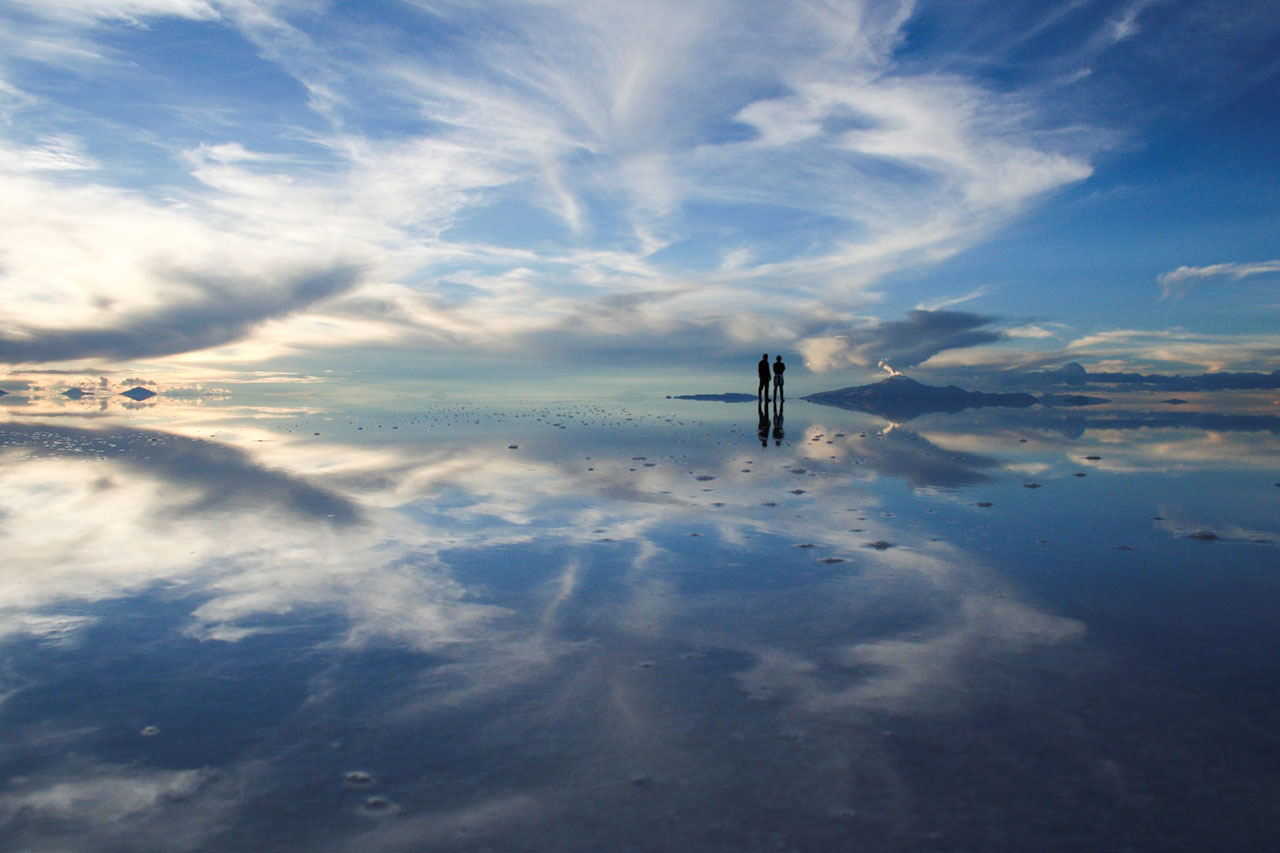
Photo: Tomás Saraceno, endless big, 2006 , Courtesy the artist, neugerriemschneider, Berlin, Tanya Bonakdar Gallery, New York; Andersen’s Contemporary, Copenhagen; Ruth Benzacar, Buenos Aires, and Pinksummer Contemporary Art, Genoa. © Photo: Studio Tomás Saraceno
In the heights of the Northern Andes, where the sky touches the earth and time expands like salt, the Sanctuary of Water will emerge as a gesture of gratitude. An unfinished form that is complete only when the water –mother, mirror, memory – returns its hidden half. A community project for the art of Good Living in complementarity.
Info: Curators: Sarah Johanna Theurer and Andrea Lissoni, Haus der Kunst, Prinzregentenstraße 1, Munich, Germany, Duration: 17/7/2026-7/2/2027, Days & Hours: Wed-Mon 10:00-18:00, www.hausderkunst.de/
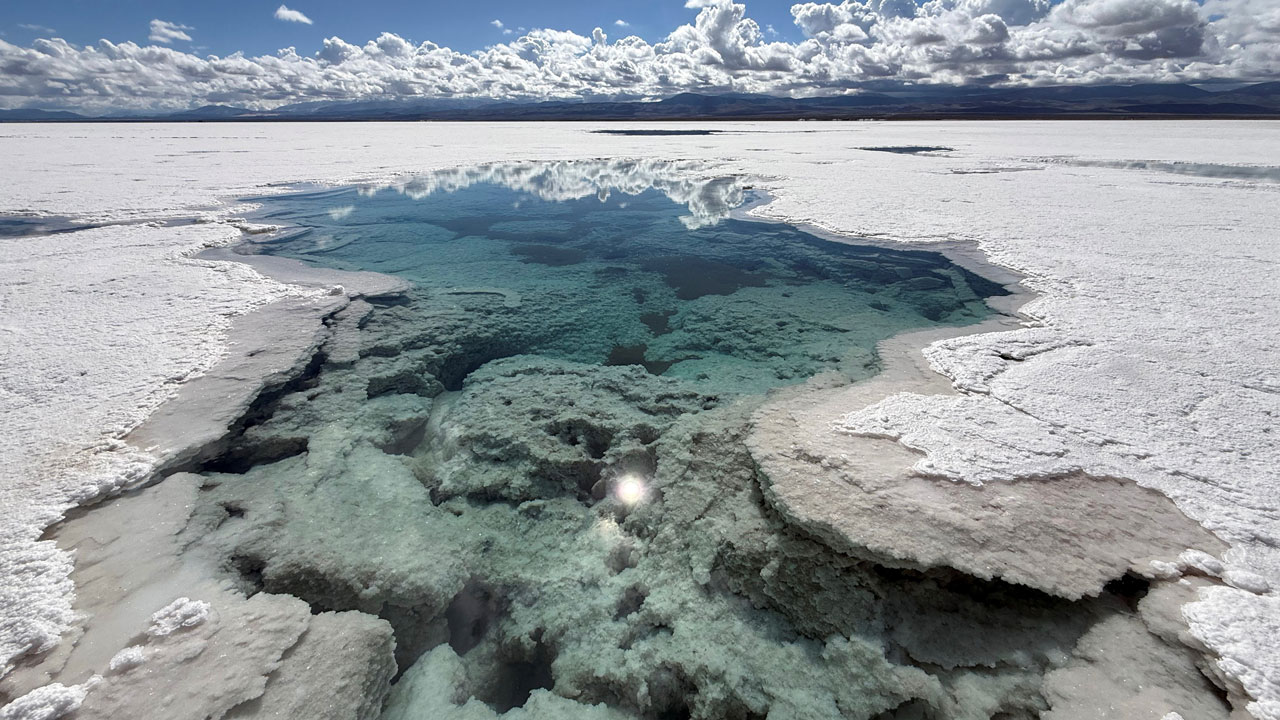
The Sanctuary of Water enters into dialogue with Andean cosmogony and the celestial understanding of water, where the cycles of life and the cosmos are interwoven. For the Andean peoples, water is a living being that walks between sky and earth, a relative who sustains life with its sacred cycle. When its paths flow in balance, our existence also flows. That is why it is honoured: because in each drop beats a shared memory, and protecting it means protecting ourselves and those who will come after us
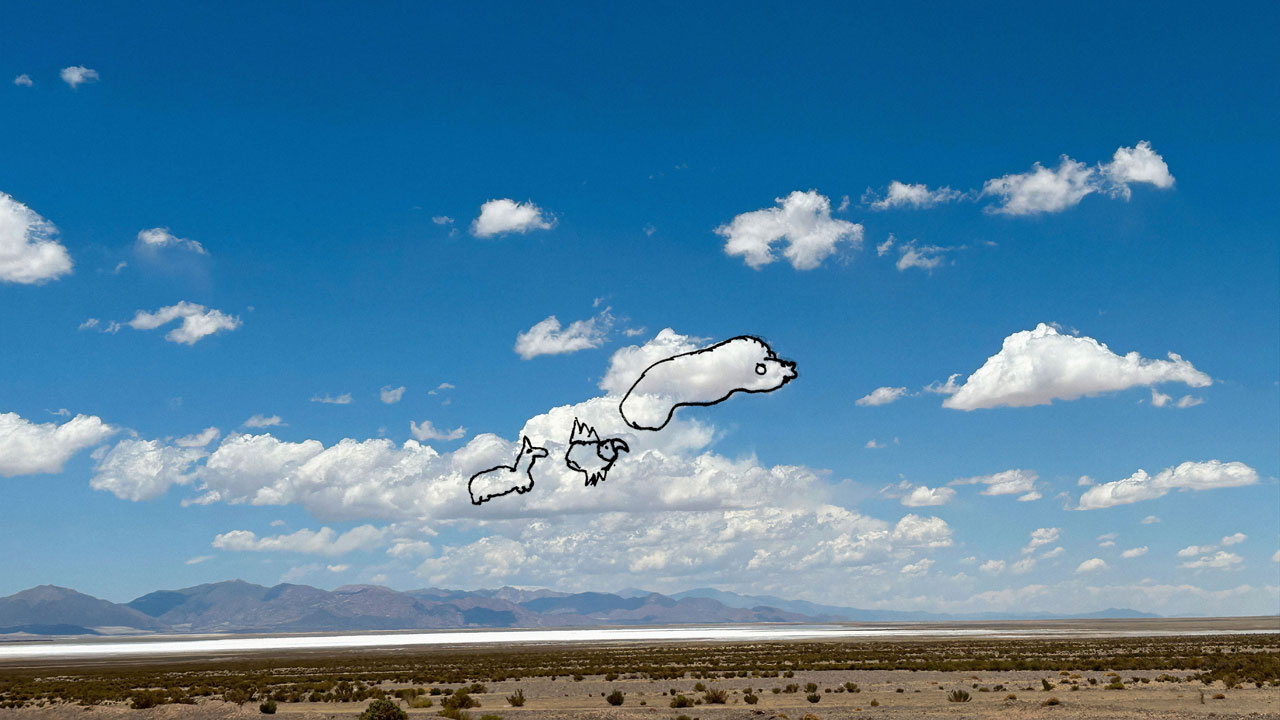
Can digital and physical clouds come together in life- giving water cycles? This is an invitation to join an alliance of Cloudstewards to bring financial and ethical support to the Indigenous Communities of Salinas Grandes in the fight against lithium extraction on their ancestral lands. Fairclouds is a digital platform for regenerative eco-social justice that builds a model for the repayment of ecological debt. Centred around an intergenerational artwork and a reparative economic model for its collective stewardship, the platform unites a transnational community who pledge, through their stewardship of geolocated digital artworks, a financial and ethical commitment to the Indigenous Communities of Salinas Grandes, a region of rich biodiversity and high-altitude andean wetlands in northern Argentina. Guardians of an ecosystem of great complexity and fragility, these communities have been engaged in a process of resistance to industrial lithium extraction since mining exploration first began over a decade ago in 2010
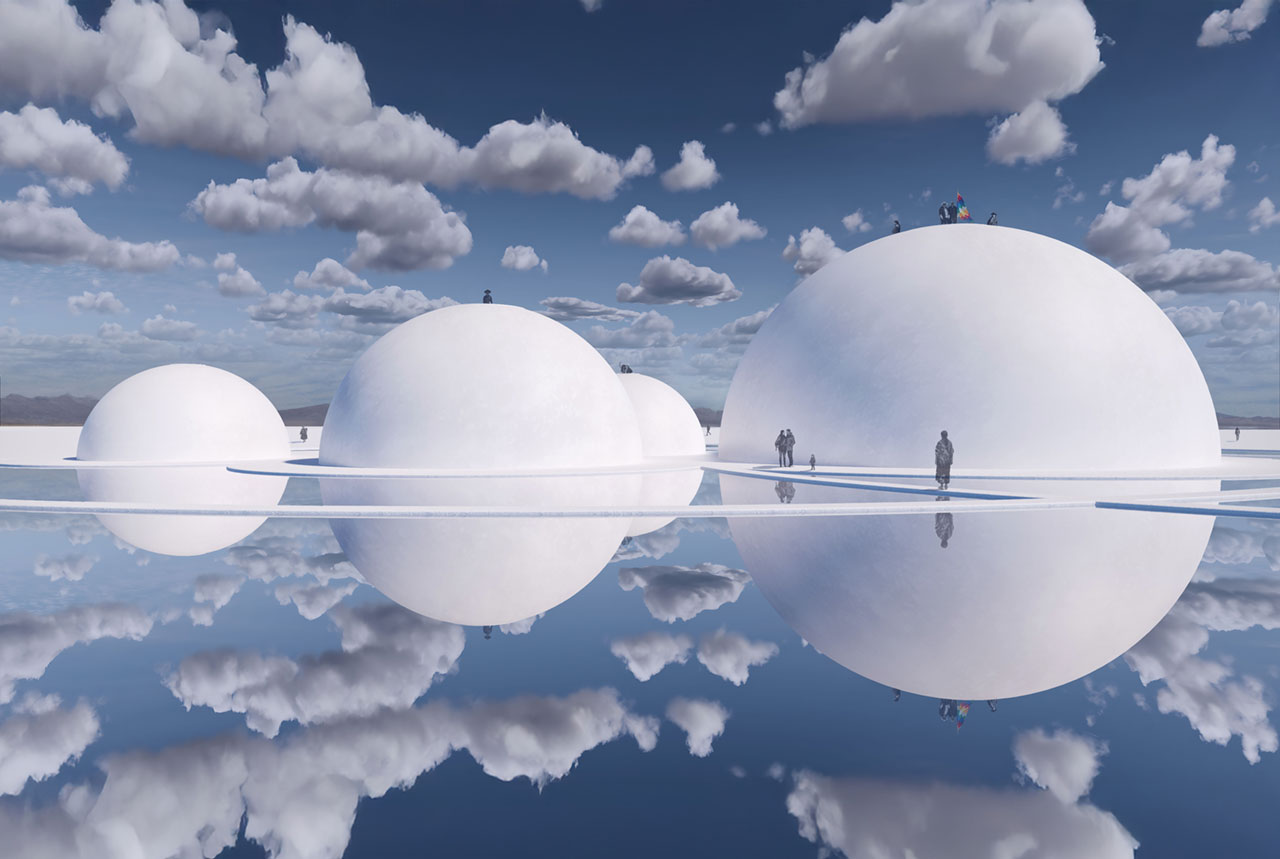
The Sanctuary of Water was conceived by artist Tomás Saraceno, following a direct request by the Indigenous Communities of Salinas Grandes and Laguna de Guayatayoc, northern Argentina, for a permanent sculpture to facilitate community-based rural tourism. It is being constructed with the support of Studio Tomás Saraceno, The Aerocene Foundation, Red Atacama, Haus der Kunst in Munich, and many more, among them Lisl Schöpflin, Stefan Vilsmeier and Sergio Linhares, and Freunde Haus der Kunst., © Photo: Studio Tomás Saraceno
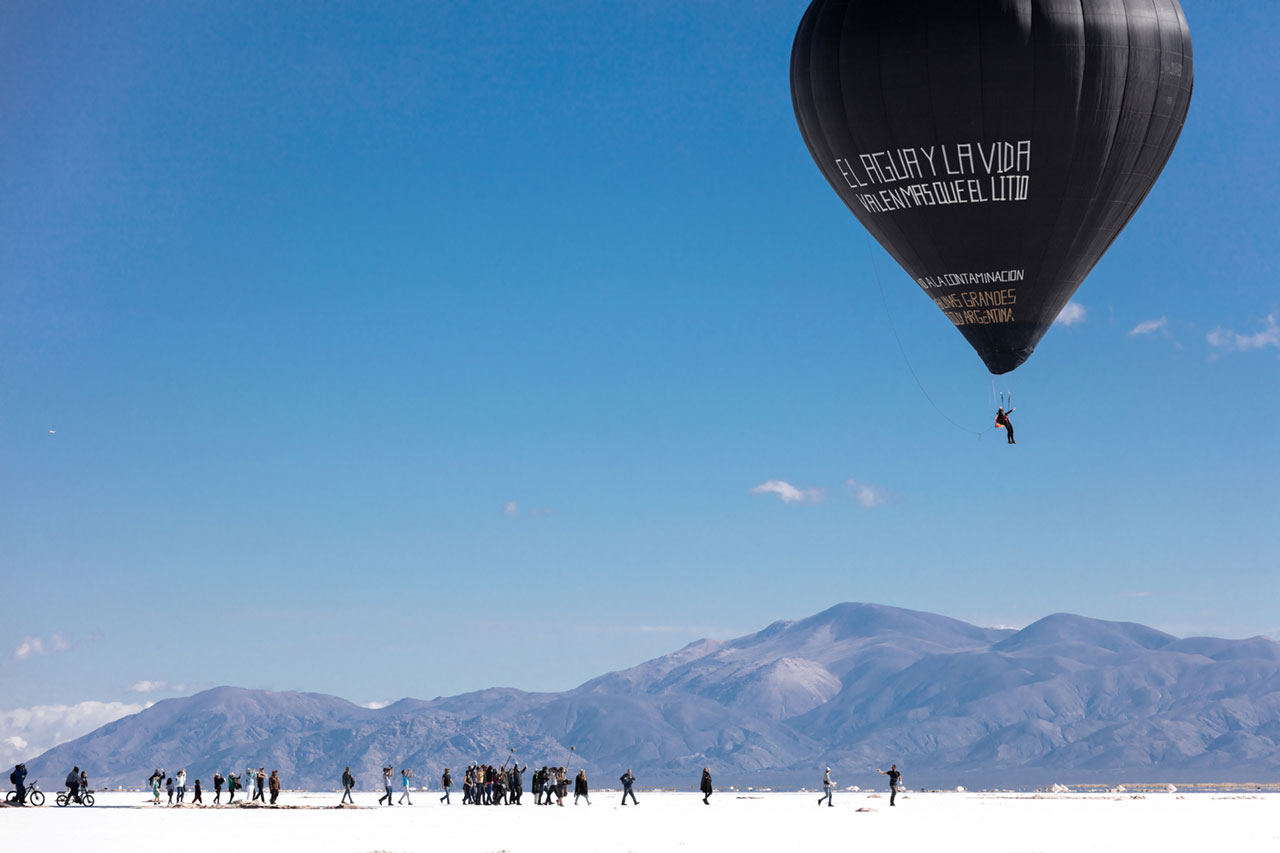
Human Solar Free-Flight for Aerocene as part of “Connect, BTS”, floating with the message written by the Indigenous communities of Salinas Grandes and Laguna de Guayatayoc, Jujuy, Argentina: “Water and Life are Worth More than Lithium”, 2020
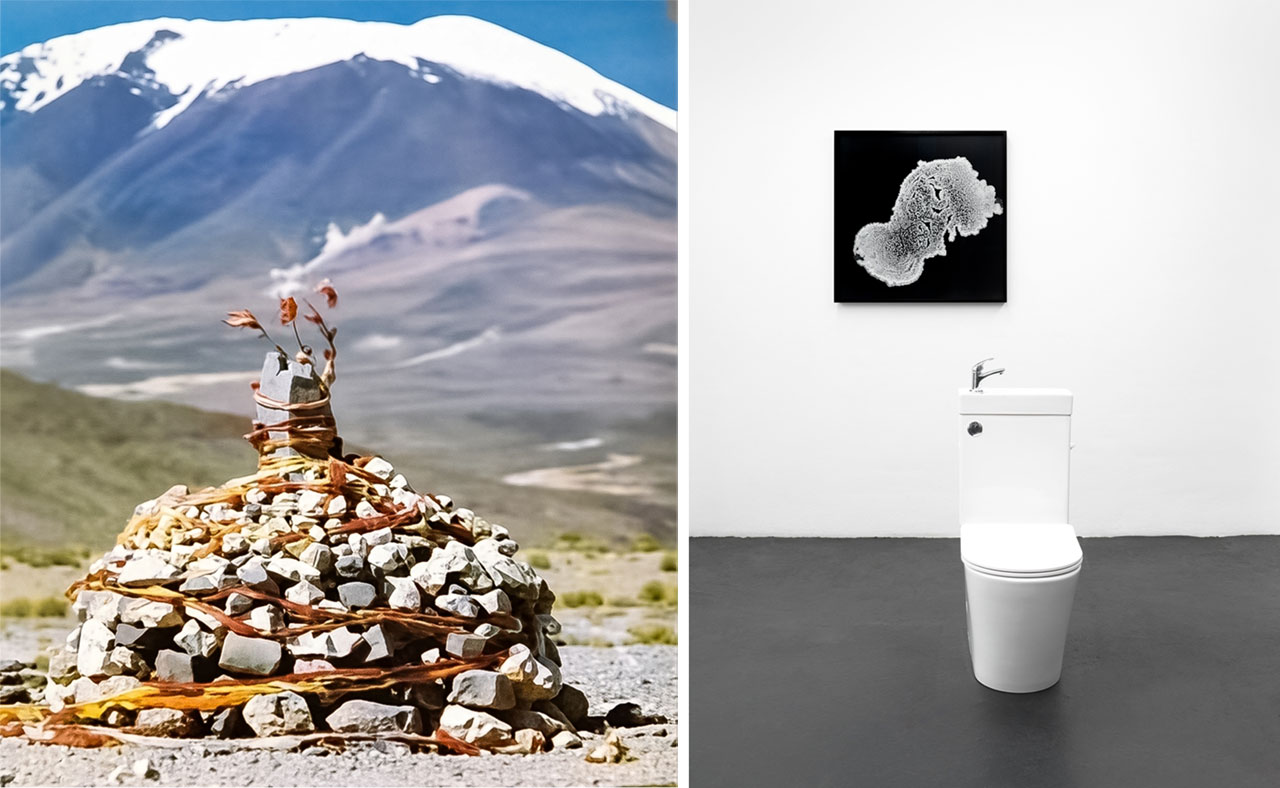
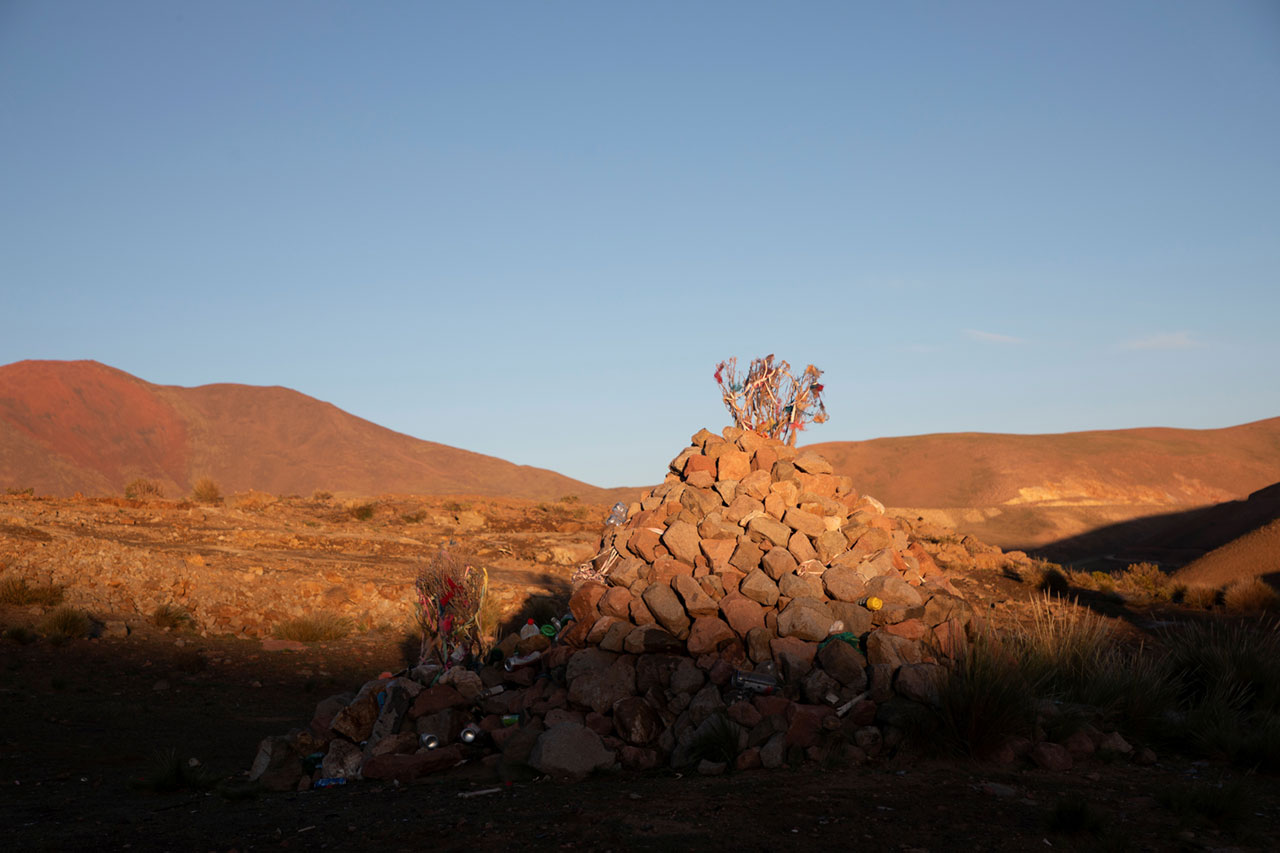
Across the high passes of the Andes, apachetas rise slowly from the earth as small cairns of stone marking the movement of locals and travellers alike. Each stone is an offering: to the mountain (apu), to the path, to those who came before, and those yet to come. Over centuries, these gestures have accumulated into living monuments of care, maintained not through ownership but through participation. “The apachetas not only mark the path; they bless it. They are our spiritual beacons.” – Red Atacama
Right: Tomás Saraceno., Flashing Toilets, 2025, Installation view , neugerriemschneider gallery, Berlin, 2025, © Photo: Studio Tomás Saraceno
First exhibited during his solo show, tomás saracenoi, at neugerriemschneider in Berlin, Flashing Toilets is a free- standing toilet whose inner plumbing has been reconfigured to be able to recycle handwashing water for flushing. Instead of draining away after hands are washed, each litre of water would be used twice. Initial proposals to re-route the gallery’s existing plumbing could not be realised, limited by constraints of tenancy and regulation. Placed as a sculptural presence, it becomes a proof of concept for a system, already in use across all of the artist’s studio’s toilets, that if realized in a gallery context could save up to 14,000 liters of water per year – approximately the annual use of a standard household toilet in Germany. Saraceno’s intervention stands instead as an autonomous response, ready(- made) to connect differently to cycles of water and life. As a functioning prototype, the work opens a small proposition for shifting the metabolism of institutions and homes toward more regenerative flows