ART CITIES: N.York-Practices of Uncertainty
We often think of artists as people with a clear vision—someone who begins with an idea and carefully brings it to life. But what if creating art is actually about not knowing where you’ll end up? That is the central idea behind “Practices of Uncertainty”, a thought-provoking group exhibition. Curated by Iranian-born British artist Samira Abbassy, the exhibition invites visitors to consider uncertainty not as something to fear, but as an essential part of creativity and discovery.
By Dimitris Lempesis
Photo: Richard Saltoun Gallery Archive
Bringing together four established artists—John Dubrow, Sara Rahbar, Anahita Vossoughi and Abbassy herself—the exhibition “Practices of Uncertainty” reveals how very different artistic practices can be connected by one shared belief: some of the most meaningful work emerges when there is no fixed plan. In her curatorial statement, Samira Abbassy describes the artist’s studio as a place where intention meets surprise. Every artist develops techniques and routines, she explains, but no matter how experienced they become, the creative process remains unpredictable. Rather than controlling every step, artists learn to trust the journey. Like meditation or prayer, making art requires patience, concentration and the willingness to accept that the final result may be very different from what was first imagined. In a world where we are constantly encouraged to have answers, make plans and seek certainty, this exhibition offers a refreshing reminder that uncertainty can be a source of strength rather than anxiety. Although the artists come from different backgrounds and work in different media, each explores uncertainty in a deeply personal way.
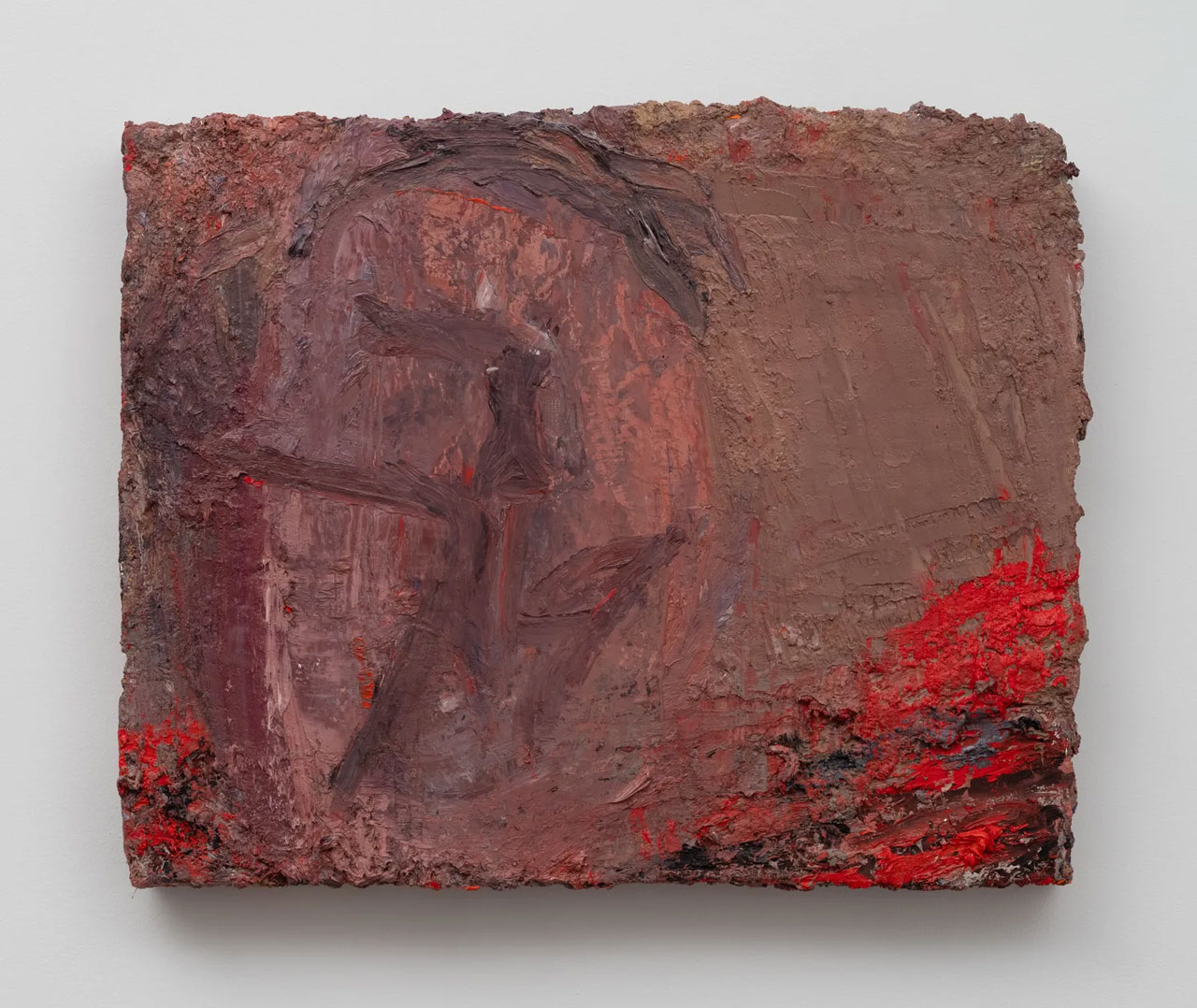
American painter John Dubrow begins each painting without sketches or reference images. Instead, he allows the work to evolve naturally, responding to each brushstroke as it appears. His paintings exist somewhere between abstraction and realism, inviting viewers to discover their own interpretations rather than presenting a single obvious meaning.
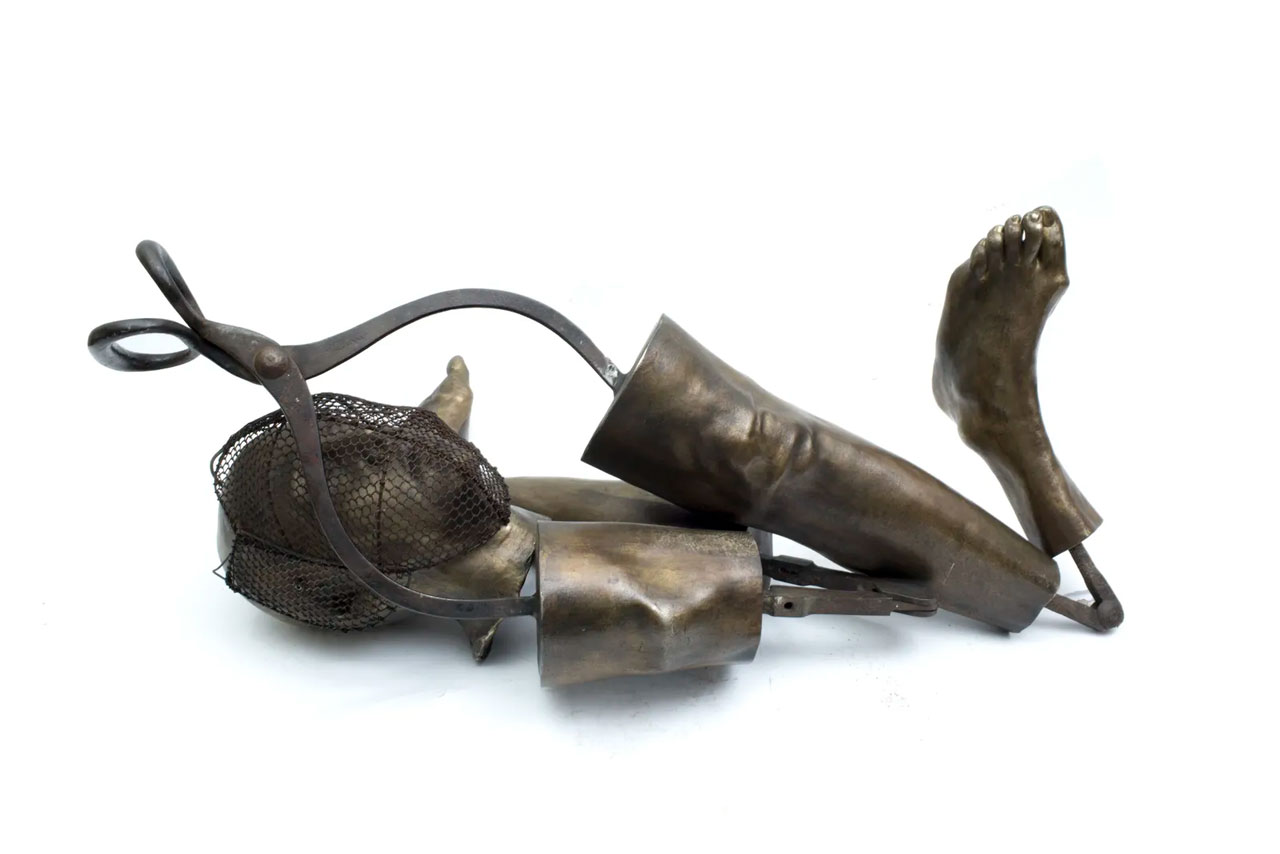
For Sara Rahbar, uncertainty is closely connected to memory and loss. Born in Iran and forced to leave her homeland as a child during the Iranian Revolution, Rahbar creates powerful bronze sculptures of fragmented human limbs. These broken forms speak about survival, displacement and the lasting impact of violence. Rather than representing defeat, the fragments become symbols of resilience and endurance.
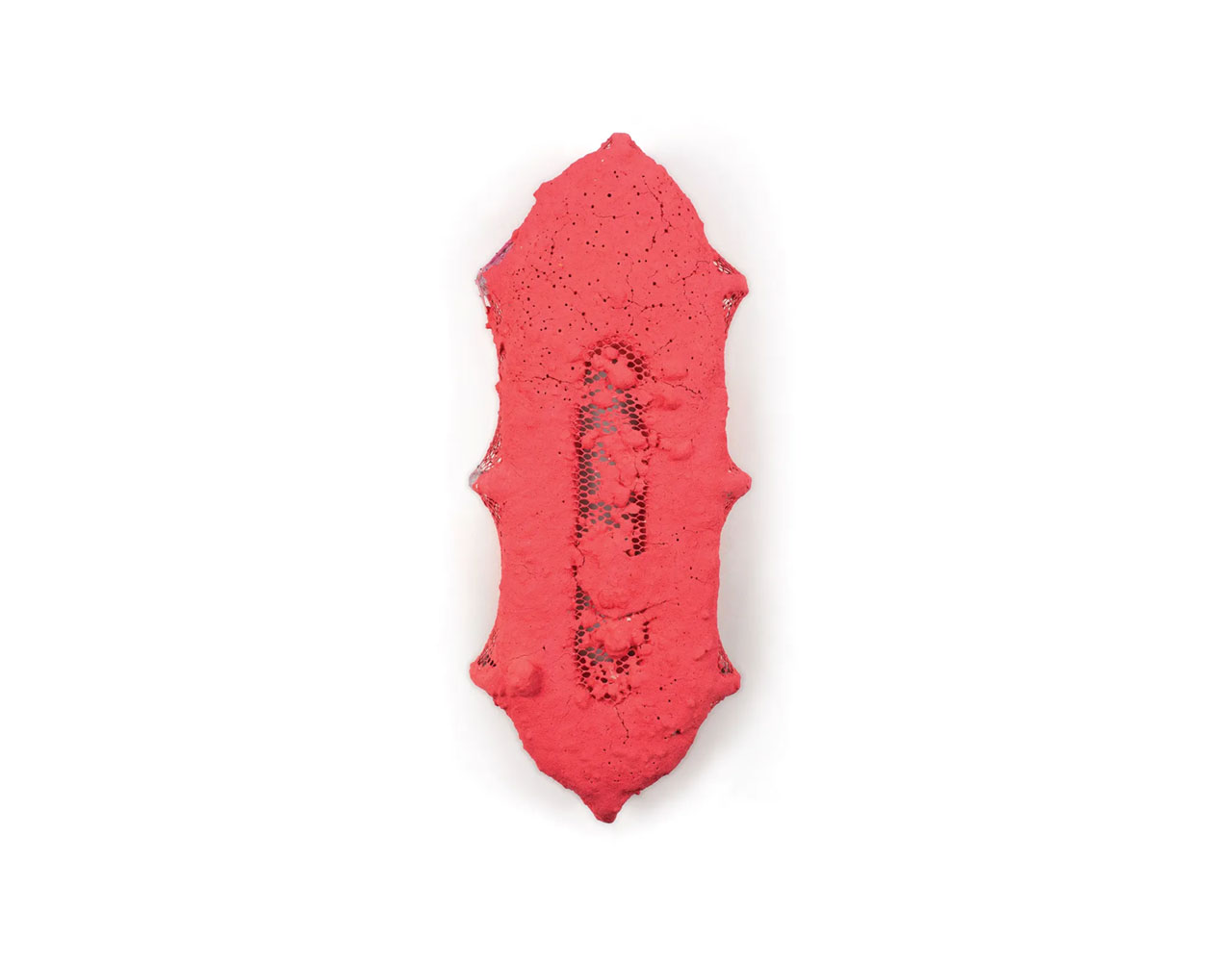
Anahita Vossoughi found inspiration in an unexpected place: reading books about insects with her young son. Fascinated by creatures with protective outer shells, known as exoskeletons, she began thinking about how people also develop emotional armour to cope with life’s challenges. Her sculptural works explore vulnerability and protection, suggesting that strength often grows from adapting to difficult circumstances.
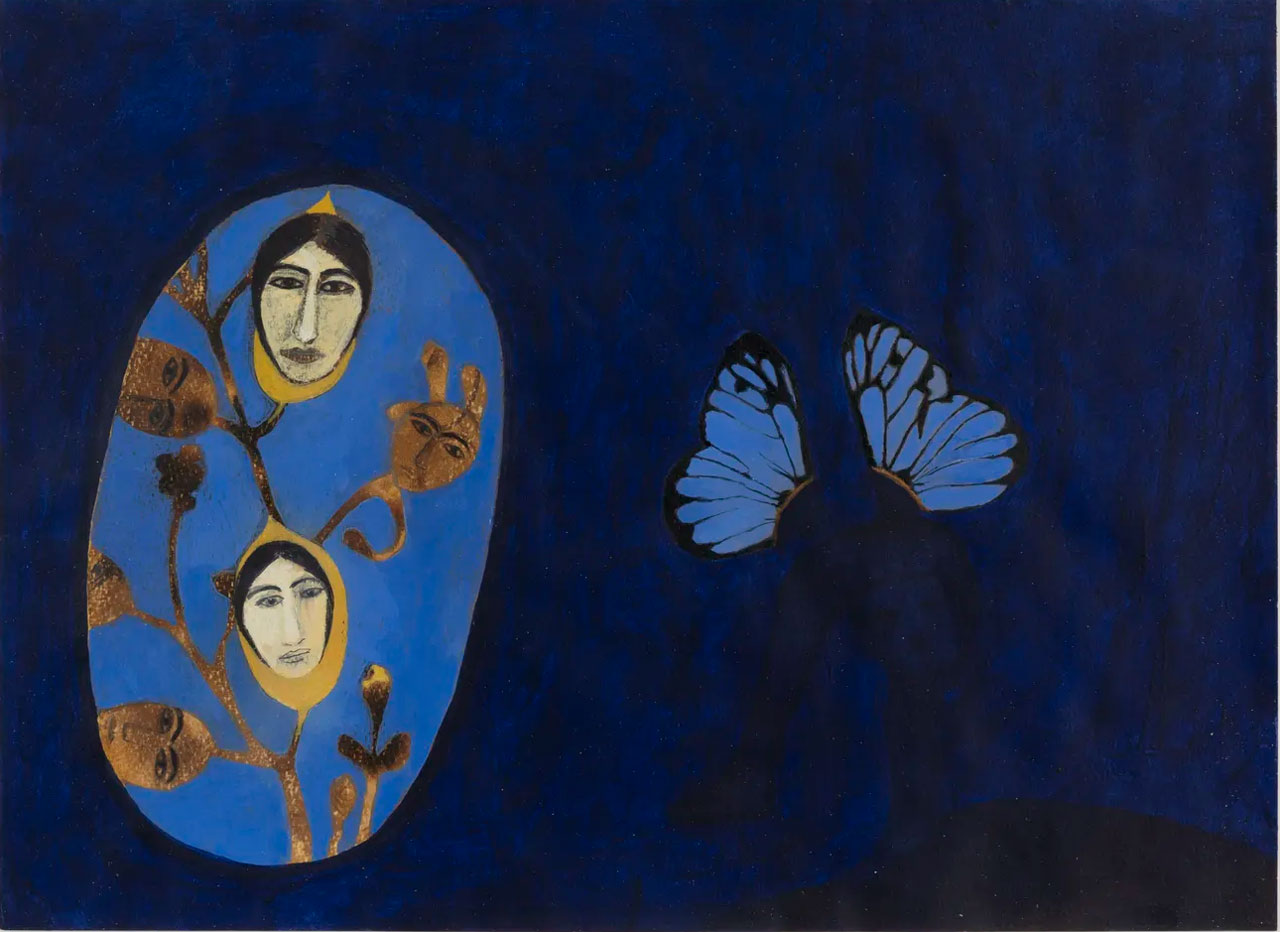
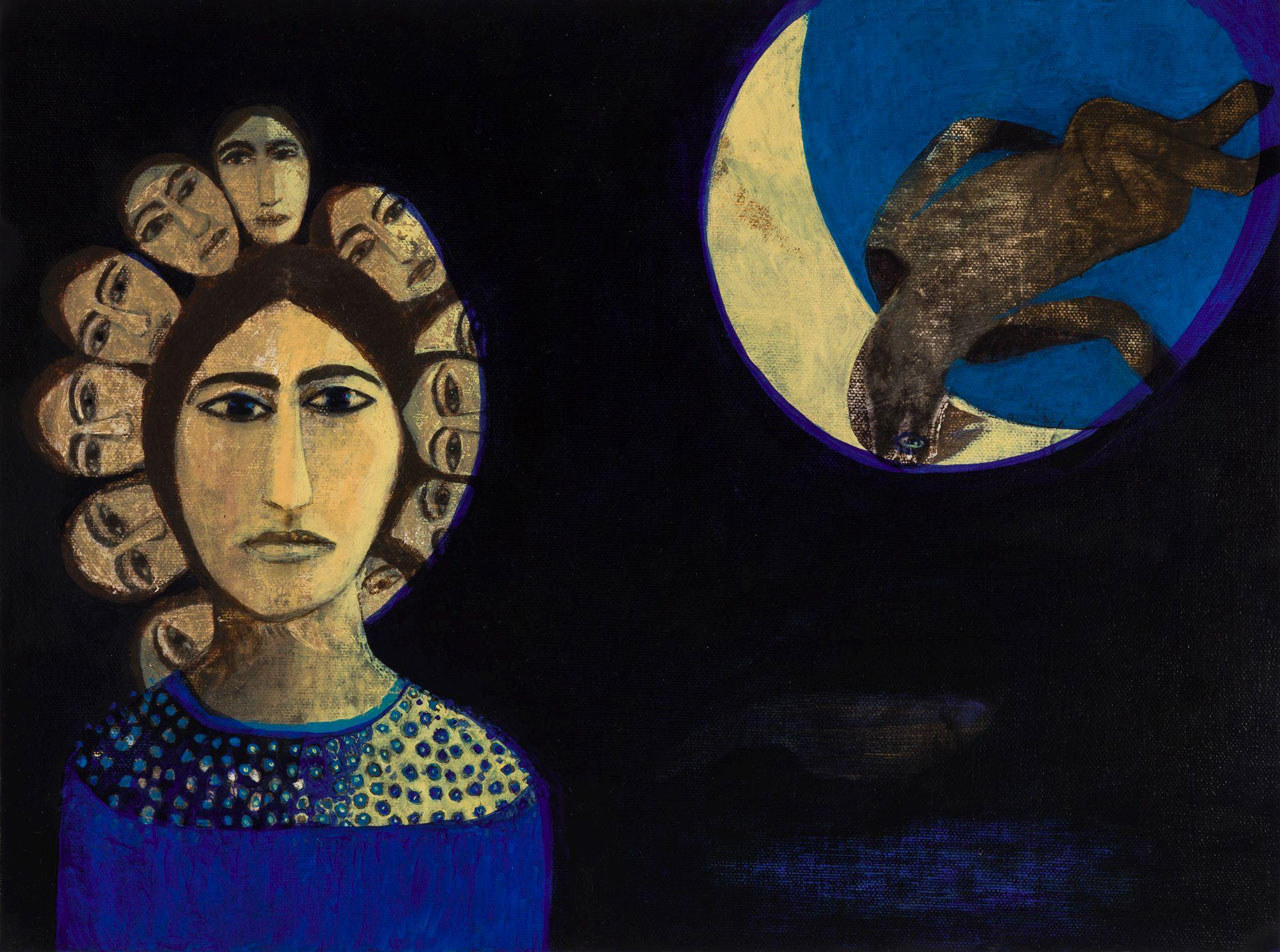
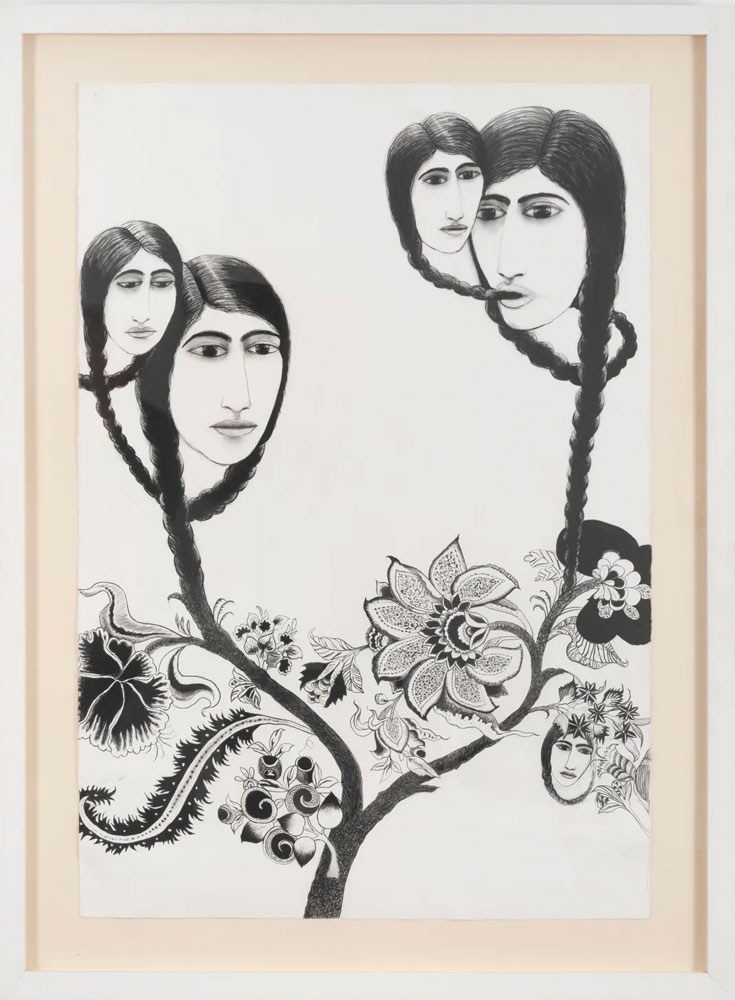
Samira Abbassy’s own paintings combine influences from Persian miniature painting, European religious art, Chinese painting and mythology. Filled with human figures, animals and dreamlike scenes, her richly detailed works explore memory, identity and the connection between the visible and invisible worlds. Each painting encourages viewers to slow down and discover new details every time they look.
One of the exhibition’s greatest strengths is that the artists are so different from one another. There are paintings and sculptures, abstract works and figurative images, personal stories and universal themes. Instead of trying to make the artists look alike, Abbassy celebrates their differences. What unites them is their willingness to experiment, to take risks and to trust the creative process even when the outcome is uncertain. This makes the exhibition feel less like a collection of similar artworks and more like a conversation about what it means to create, question and explore.
It is easy to see why ‘Practices of Uncertainty” feels especially relevant today. We live in an age of constant information, instant opinions and growing pressure to always appear confident and certain. The exhibition gently challenges that mindset. It reminds us that uncertainty is not a sign of failure—it is often where learning begins.
Artists have long understood that not every question has an immediate answer. Sometimes the most important discoveries happen by accident, through patience and careful observation. The same can be true in everyday life.
By the time visitors leave the exhibition, they may not have found clear answers. Instead, they are likely to leave with something far more valuable: permission to embrace uncertainty, to remain curious and to trust that meaningful discoveries often happen when we allow ourselves not to know.
In celebrating process over perfection, “Practices of Uncertainty” offers a timely reminder that creativity—and perhaps life itself—is less about finding certainty than about learning to move confidently through the unknown.
Participating Artists: John Dubrow, Sara Rahbar, Anahita Vossoughi and Samira Abbassy
Photo: Anahita Vossoughi, Exoskeleton 4 Protection: Time Machine, 2021, Acrylic, latex and oil paint, ink, clay, plaster, glue, sand, grout, polystyrene beads, decorative gravel, sequin, faux metal leaf, and bejeweled fishnet stockings on laser cut wood, 55.9 x 25.5 x 14 cm | 22 x 10 x 5 1/2 in, © Anahita Vossoughi, Courtesy the artis and Richard Saltoun Gallery
Info: Curator: Samira Abbassy, Richard Saltoun Gallery, 19 East 66th Street, New York, NY, USA, Duration: 9/7-2/8/2026, Days & Hours: Mon-Fri 11:00-18:00, www.richardsaltoun.com/