
ART CITIES: Paris-Michaël Borremans
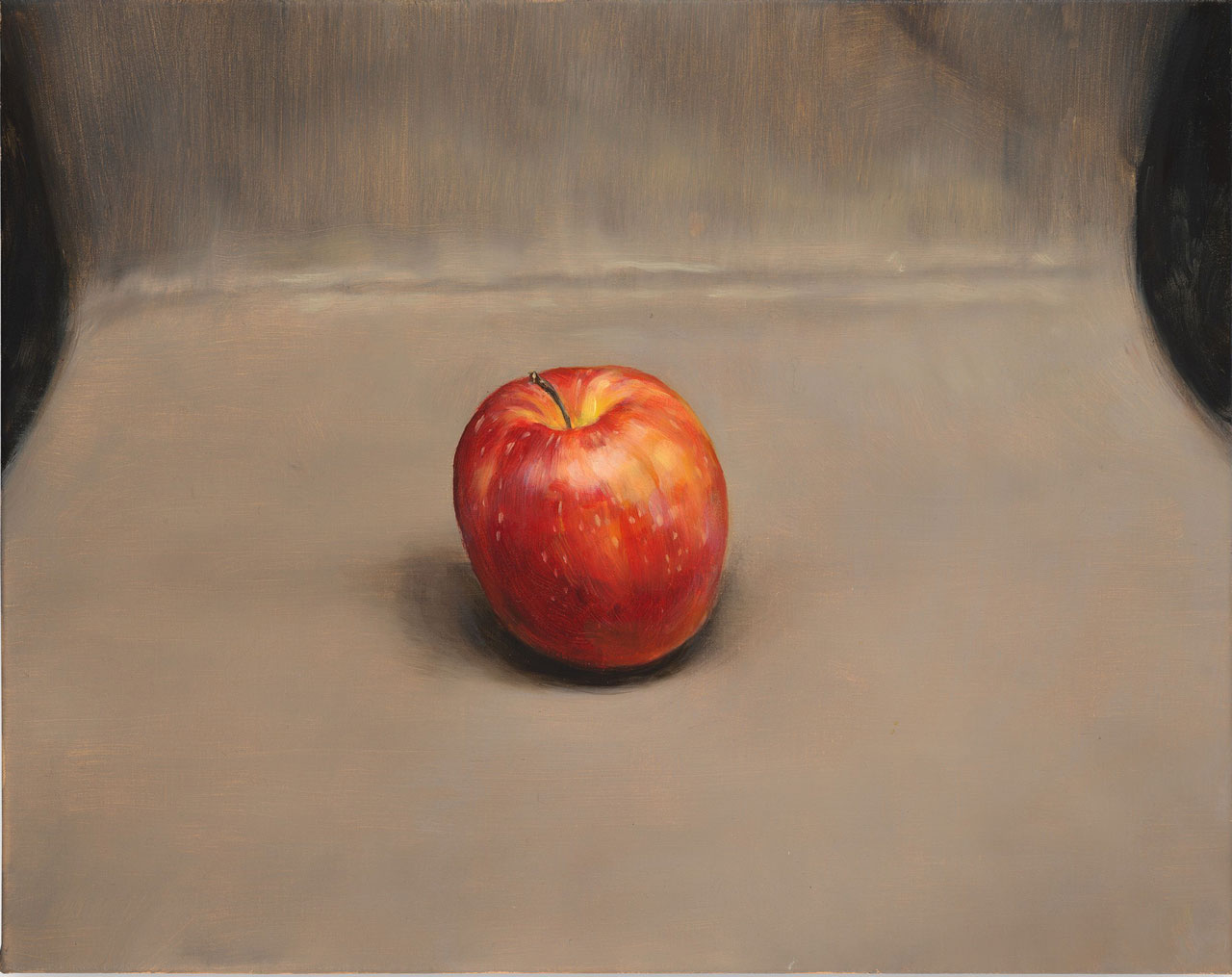
Few contemporary artists manage to weaponize technical mastery quite like Michaël Borremans. The creates works that are instantly mesmerizing—reminiscent of Old Master techniques—yet layered with a deeply disquieting tension. Across an expansive oeuvre spanning painting, drawing, film, and sculpture, Borremans operates in a permanent state of paradox, balancing absolute precision with staggering uncertainty.
By Efi Michalarou
Photo: David Zwirner Gallery Archive
Michaël Borremans’ exhibition “French Painting”, serves as a brilliant distillation of this ethos. It operates as a subtly unfolding, ironic homage to the French pictorial tradition, delicately unsettling a classical legacy to probe the instability of meaning itself.
The title “French Painting” intentionally conjures the ghosts of classical image-making. It nods directly to a rich lineage of historical masters and academic genres, evoking the quiet, textured still lifes of Jean-Siméon Chardin, the theatrical ambiguity of Jean-Antoine Watteau, and the modern psychological detachment of Édouard Manet. Yet, Borremans’s canvases refuse to settle into this historical heritage comfortably. Instead of celebrating the tradition outright, he subverts it. The paintings evoke the romantic sensibility and rigorous composition of the French academy only to disrupt it from within, leaving the viewer suspended somewhere between tenderness and nihilism.
In this body of work, Borremans systematically dissolves the boundaries that traditionally separated academic genres. Portraits behave like still lifes, where individual human identities dissolve into cold, static objects. Concurrently, still lifes simmer with such thick, affective undercurrents that they take on the psychological weight of portraiture. The human figures that populate French Painting exist in a fragile, unresolved state of duality, acting simultaneously as agents of disturbance and the casualties of it. Guilt and innocence coexist in a fragile state of unresolved tension, rendering the figures both comforting and deeply alienating.
This dynamic is especially striking in works like “Boy with Bloody Arms” and “Lio”, where the sitters are trapped in an impossible position. They appear both as perpetrators and as victims, generating an intense friction within the image to which they are simultaneously subjected. Borremans strips away historical and narrative contextual clues, leaving the viewer to grapple with an uncanny world where sentiment and deep estrangement comfortably coexist.
This psychological instability extends directly to the inanimate objects Borremans chooses to highlight. Under his brush, things oscillate rapidly between a promise of safety and an existential threat, caught between technology and psychological projection. In the painting “Happiness”, an explosive device takes center stage, but its surface is seemingly cloaked in a lustrous, consumer-friendly pink insulated quilt. The imagery acquires a sarcastic charge, balancing the superficiality of modern consumer culture against a yawning existential emptiness. Similarly, in “Phantom”, a rocket emerges as a disruptive motif that evokes both a strange desire and an underlying threat. By rendering weapons of destruction with soft surfaces or elegant compositions, Borremans engages with timeless human concerns of power, vulnerability, ambiguity, and identity. He ultimately reminds us that in our contemporary landscape, beauty is rarely innocent; it is seductive precisely because it is so deeply disturbing.
Photo: Michaël Borremans, Killer, 2026, Oil on linen, 16 1/2 x 20 7/8 inches (42 x 53 cm), Signed, titled, dated, and inscribed verso, © Michaël Borremans, Courtesy the artist and David Zwirner Gallery
Info: David Zwirner Gallery, 108 Rue Vieille du Temple, Paris, France, Duration: 5/6-22/7/2026, Days & Hours: Tue-Sat 11:00-19:00, www.davidzwirner.com/
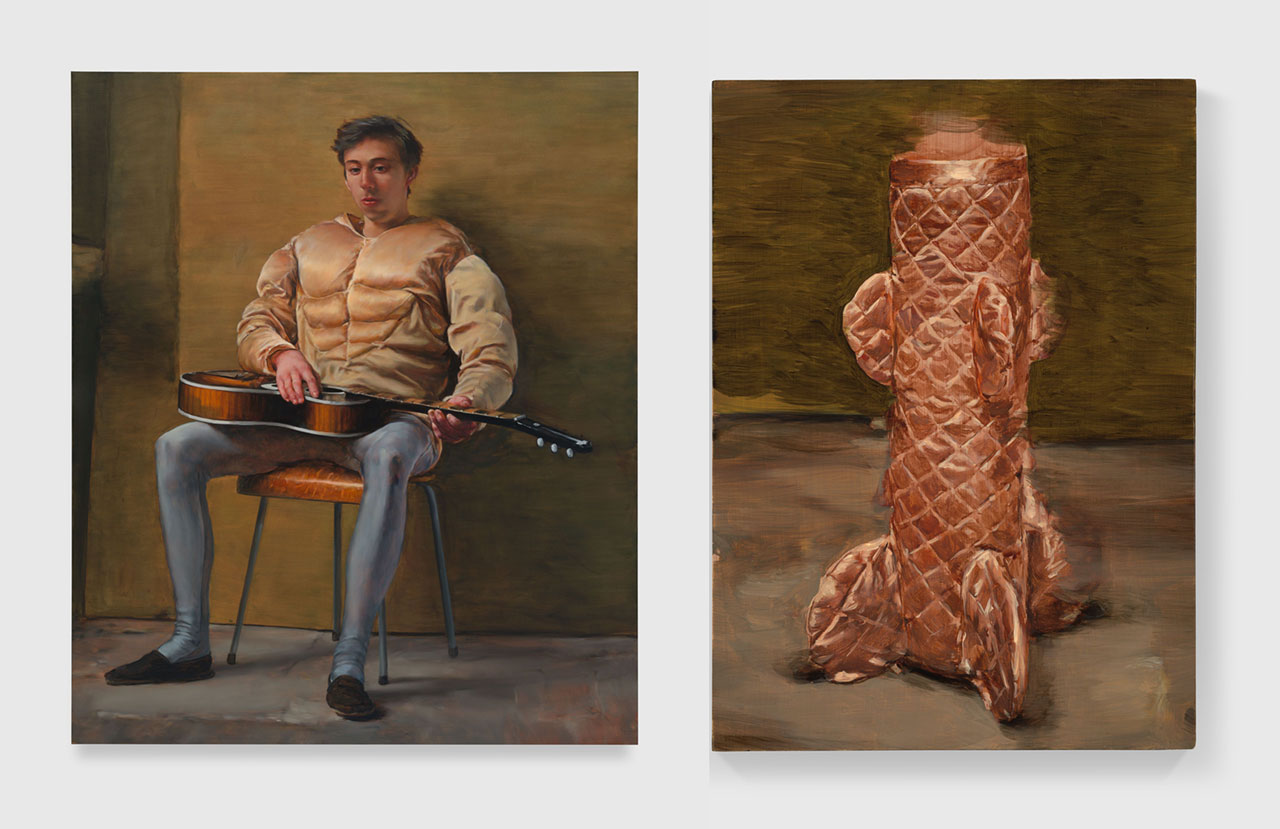
Right: Michaël Borremans , Happiness, 2026, Oil on wood panel, 11 3/4 x 8 1/2 inches (30 x 21.5 cm), Signed, titled, dated, and inscribed verso, © Michaël Borremans, Courtesy the artist and David Zwirner Gallery
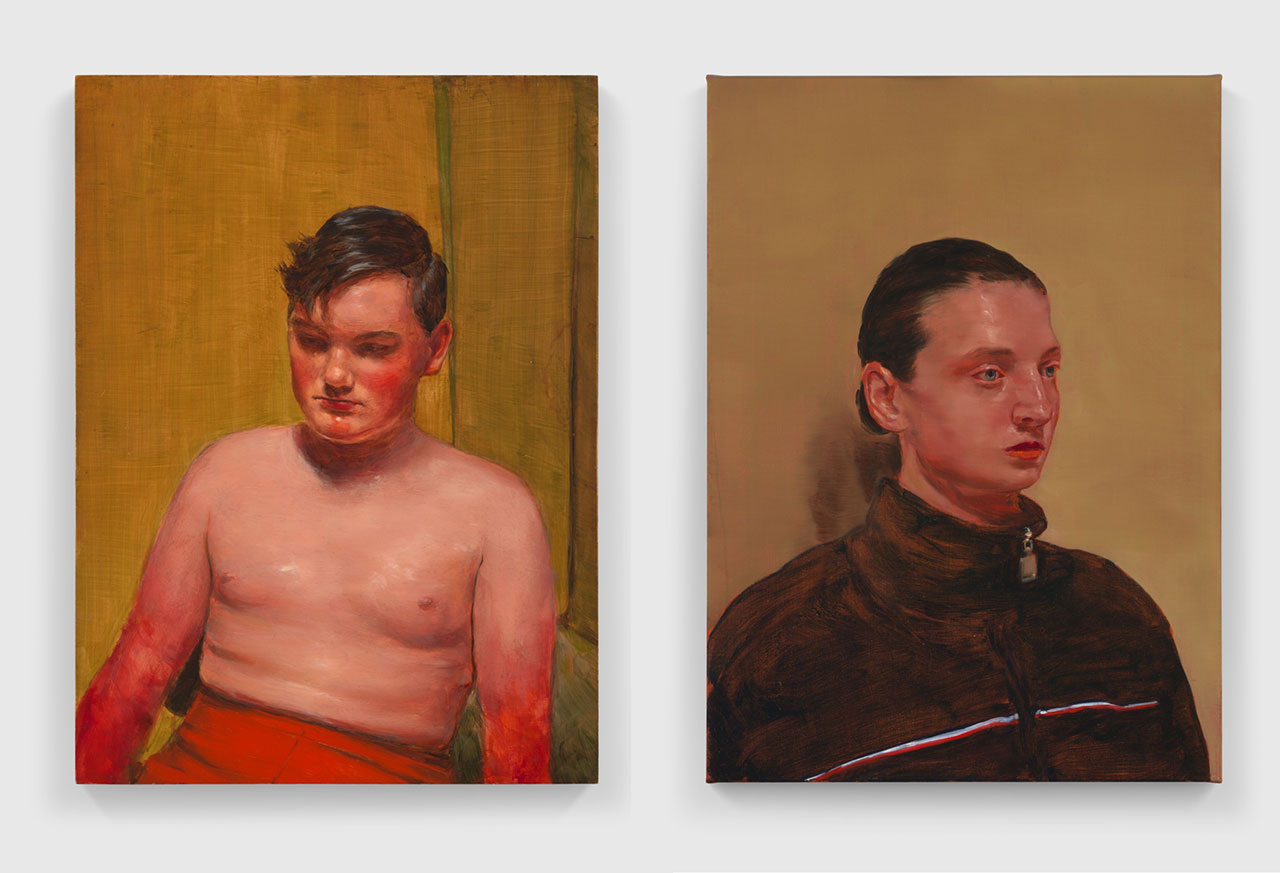
Right: Michaël Borremans , Nina II, 2026, Oil on linen, 20 5/8 x 15 inches (52.5 x 38 cm), Signed, titled, dated, and inscribed verso, © Michaël Borremans, Courtesy the artist and David Zwirner Gallery
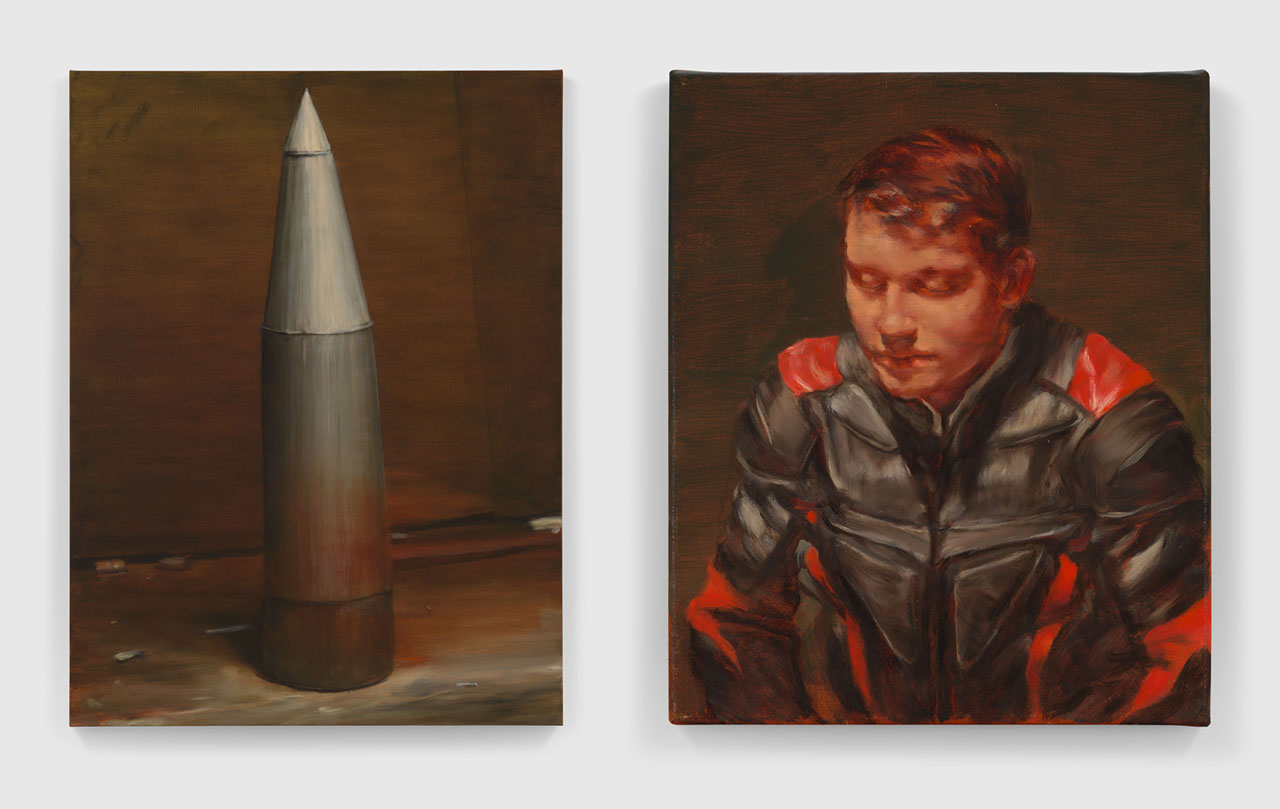
Right: Michaël Borremans , The Dream, 2026, Oil on linen, 14 1/8 x 11 3/4 inches (36 x 30 cm), Signed, titled, dated, and inscribed verso, © Michaël Borremans, Courtesy the artist and David Zwirner Gallery
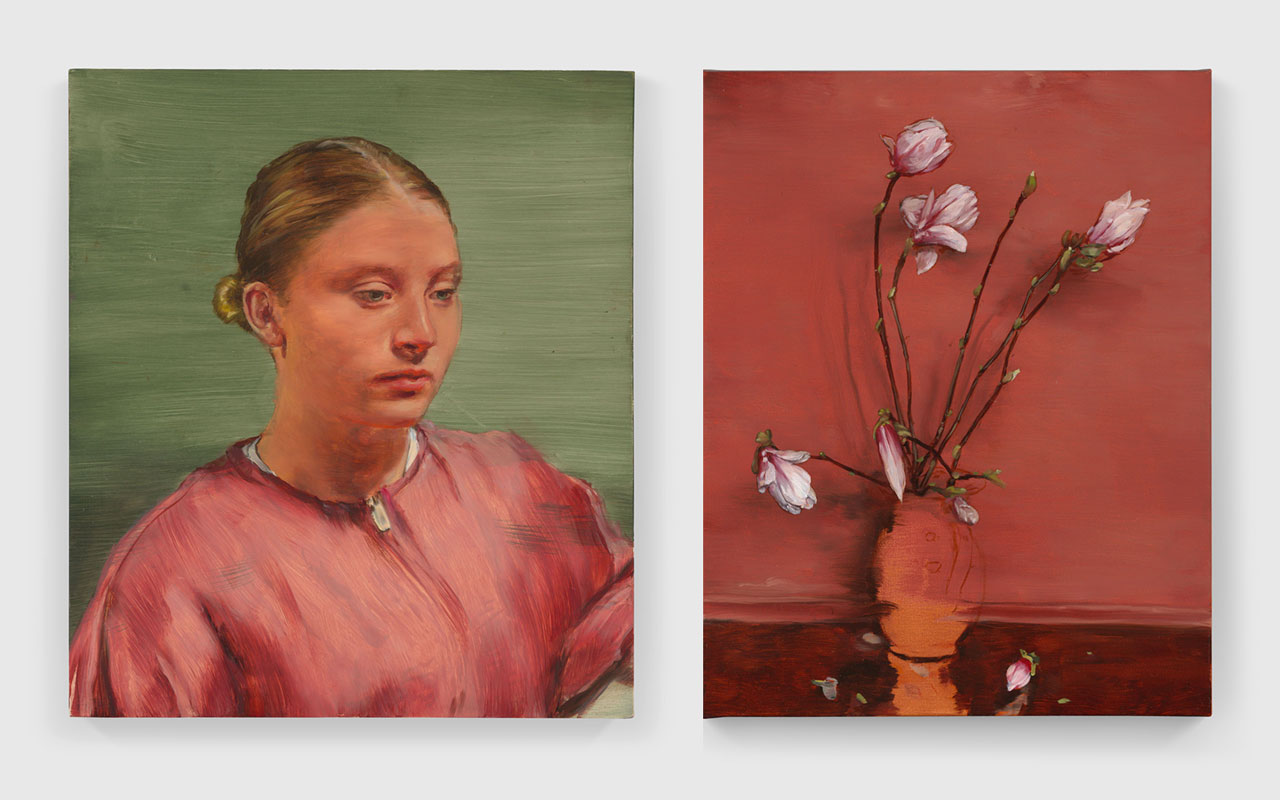
Right: Michaël Borremans , Magnolia Flowers, 2026, Oil on linen, 21 x 16 1/2 inches (53.5 x 42 cm), Signed, titled, dated, and inscribed verso, © Michaël Borremans, Courtesy the artist and David Zwirner Gallery
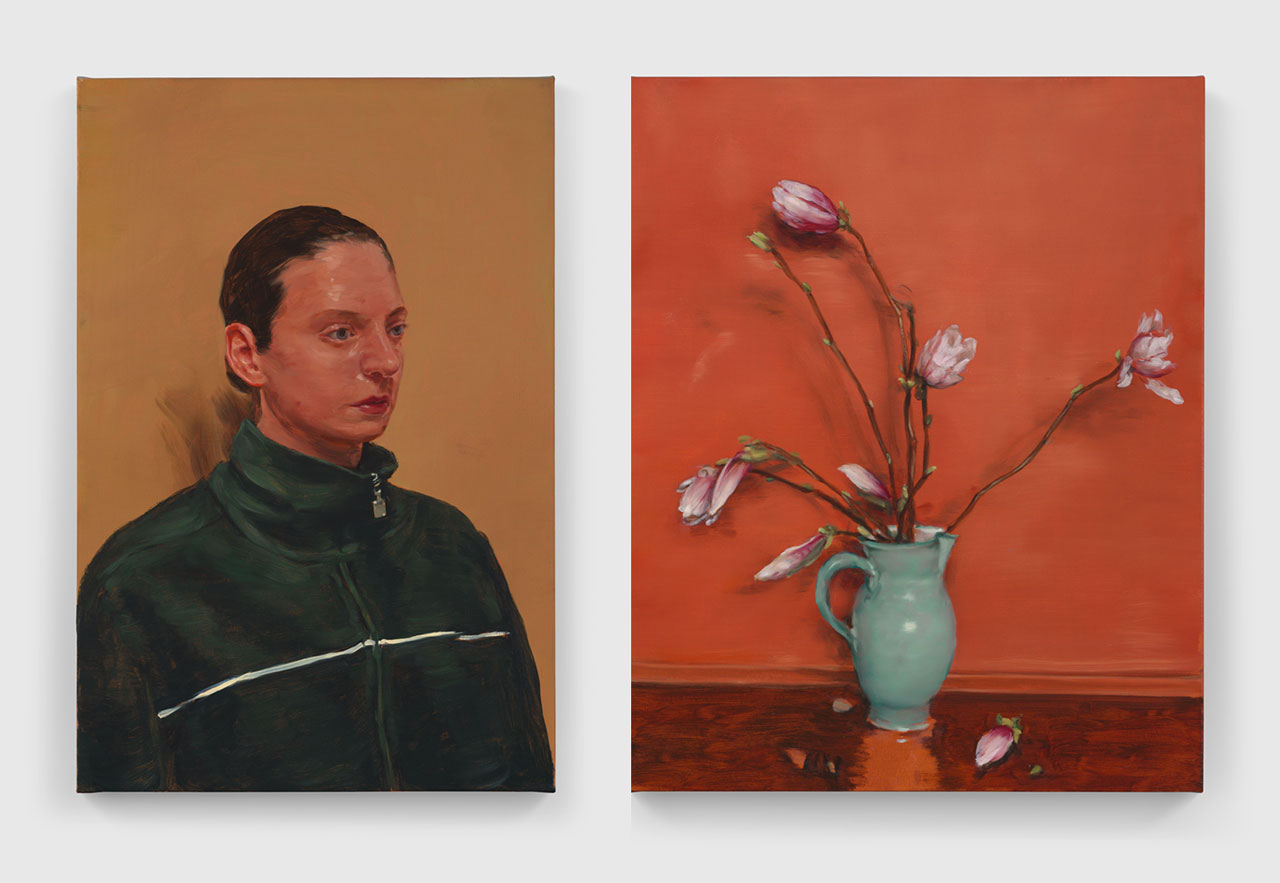
Right: Michaël Borremans , Magnolia Flowers II, 2026, Oil on linen, 29 3/8 x 23 5/8 inches (74.5 x 60 cm), Signed, titled, dated, and inscribed verso, © Michaël Borremans, Courtesy the artist and David Zwirner Gallery