
PRESENTATION: Tendencies Kneaded Shaped Fired
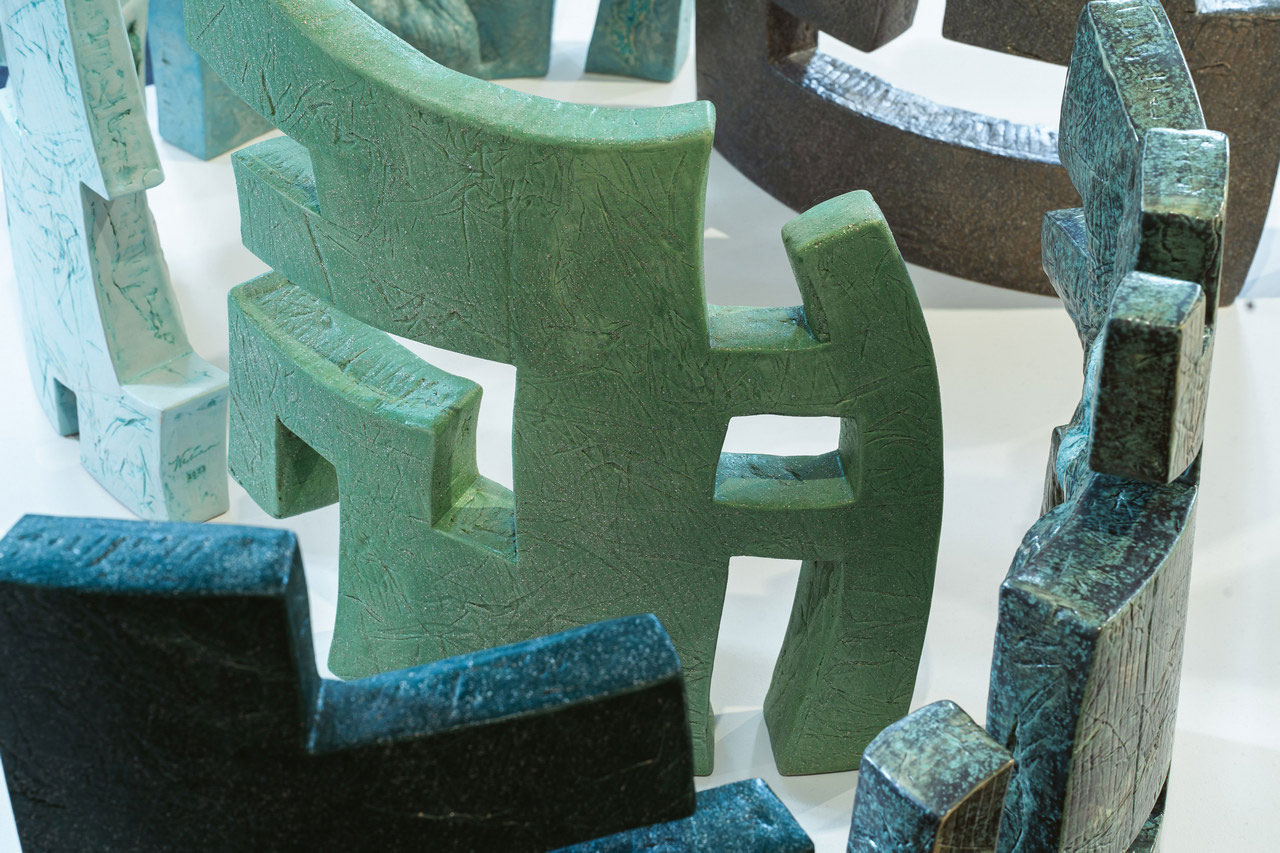
For more than fifty years, “Tendencies” has marked a space of attention within Nordic contemporary craft, a recurring moment in which material practices are both presented and reconsidered. Since its first iteration in 1971 the exhibition has shifted from a national survey into a broader Nordic conversation, one that reflects both continuity and change within the field.
By Efi Michalarou
Photo: Galleri F 15 Archive
The 47th edition of “Tendencies” turns to ceramics, not simply as medium, but as a way of thinking. Clay is an ancient substance, but it is never only historical. It resists, yields, remembers. It bears the trace of the hand and the contingencies of process, the pressures, temperatures, and temporalities that exceed intention.
The exhibition is structured through four overlapping terms – head, heart, hand, and soul. These are not separable faculties, but entangled modes of attention. To think through clay is also to feel through it, to know it through repetition and resistance. Drawing on theoretical perspectives that grant agency to non-human actors, the exhibition proposes a subtle but significant shift: that matter is not inert, but active, shaping both the work and our encounters with it.
This edition of “Tendencies” resonates within a broader Nordic context, where ceramics has, in recent decades, re-emerged with particular force. The historical distinctions between art and craft, once carefully maintained, have become increasingly porous. What remains is a field marked by negotiation: between tradition and experiment, utility and abstraction, intimacy and scale.
The presence of works by Erik Pløen, a central figure in the development of modern Norwegian ceramics and the initiator of the first Tendencies exhibition, introduces a temporal depth. His objects do not simply belong to the past; they continue to pose questions to the present.
Anders Hald works with the human figure as his primary point of departure. His practice focuses on human behavior and emotion, translating observations from his own life into physical form through clay.He is particularly drawn to monumentality and its spatial and bodily impact, exploring how scale and presence affect the viewer. Working with clay as a material for sculptural expression, Hald investigates the relationship between body, space, and emotional resonance, often developing works that emphasize physicality and embodied experience.
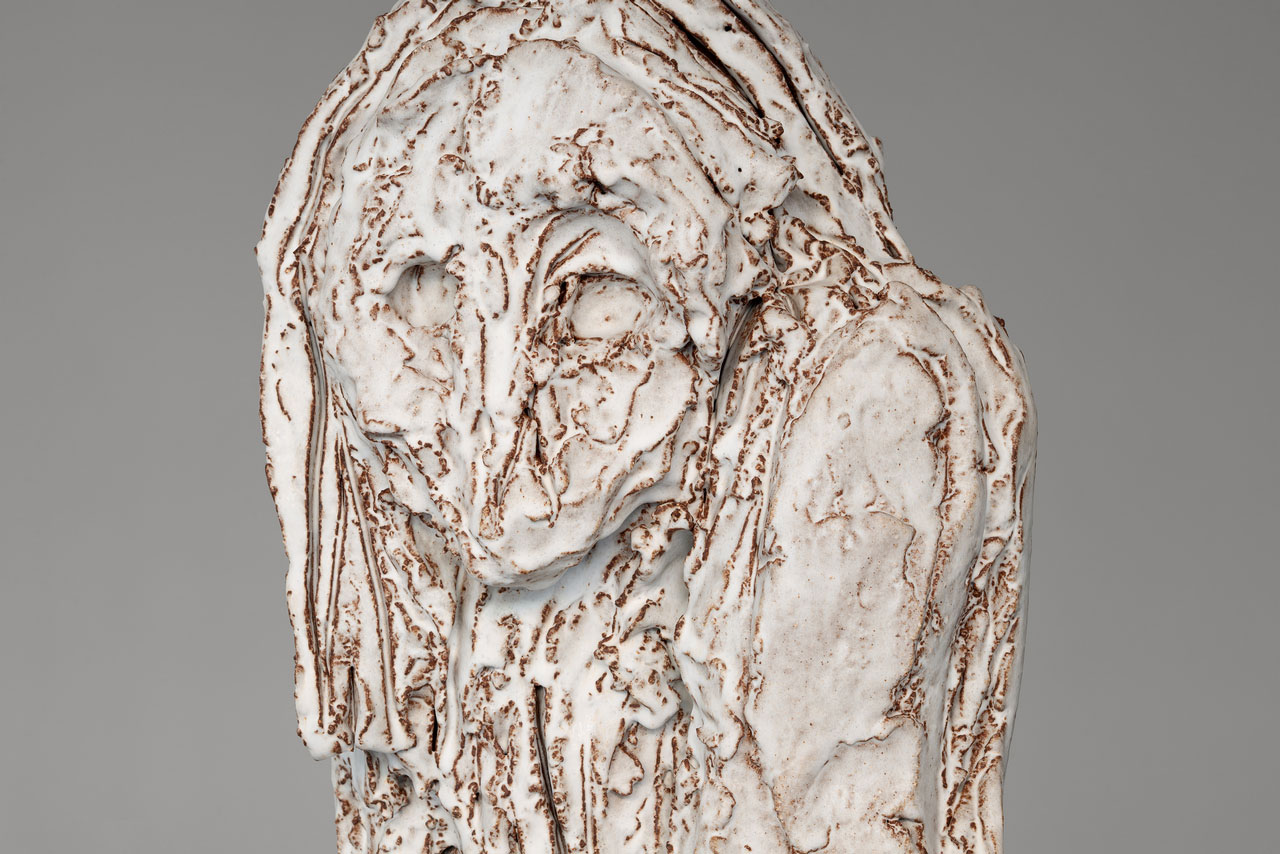
Andrea Scholze works primarily with sculptural forms through which she channels emotions and tells stories. Her roughly modelled sculptures, characterized by an expressive and often bleak aesthetic, have long been a defining feature of her practice. Through an emphasis on gesture, surface, and material presence, her work explores emotional states and narratives that balance vulnerability and intensity.
Ane Fabricius Christiansen explores ceramics through a material-driven practice focused on glaze chemistry, transformation, and the role of error. By investigating chemical reactions and unpredictable processes, she allows chance and material behavior to actively shape the work. Her practice often draws on the simulation of natural processes, translating phenomena such as growth, erosion, and change into ceramic form.
Anton Alvarez is a Swedish–Chilean artist whose practice combines sculpture, design, and engineering. He is known for developing his own machines and systems, which become integral to the artistic process. Through these tools, Alvarez produces organic and unpredictable forms in materials such as clay, metal, and wax. His work explores the tension between control and chance, resulting in works that balance technical precision with playful experimentation.
Astrid Sleire works with ceramics through a close, hands-on engagement with clay as both material and process. Her practice is rooted in traditional ceramic techniques, while remaining open to experimentation and variation in form, surface, and firing. Working primarily with functional and sculptural objects, she emphasizes tactility, rhythm, and the dialogue between utility and expression. Through her studio practice, Astrid explores how everyday objects can carry presence, sensitivity, and material awareness, allowing subtle irregularities and traces of the making process to remain visible.
Christina Schou Christensen works primarily with ceramics and sculpture, exploring the relationship between form, material, and bodily presence. Her practice is grounded in a close engagement with clay as a physical and expressive material, often emphasizing surface, weight, and tactility. Through sculptural forms, Christensen investigates states of vulnerability, transformation, and tension, allowing traces of process and material behavior to remain visible. Her work moves between the figurative and the abstract, creating objects that suggest both familiarity and ambiguity.
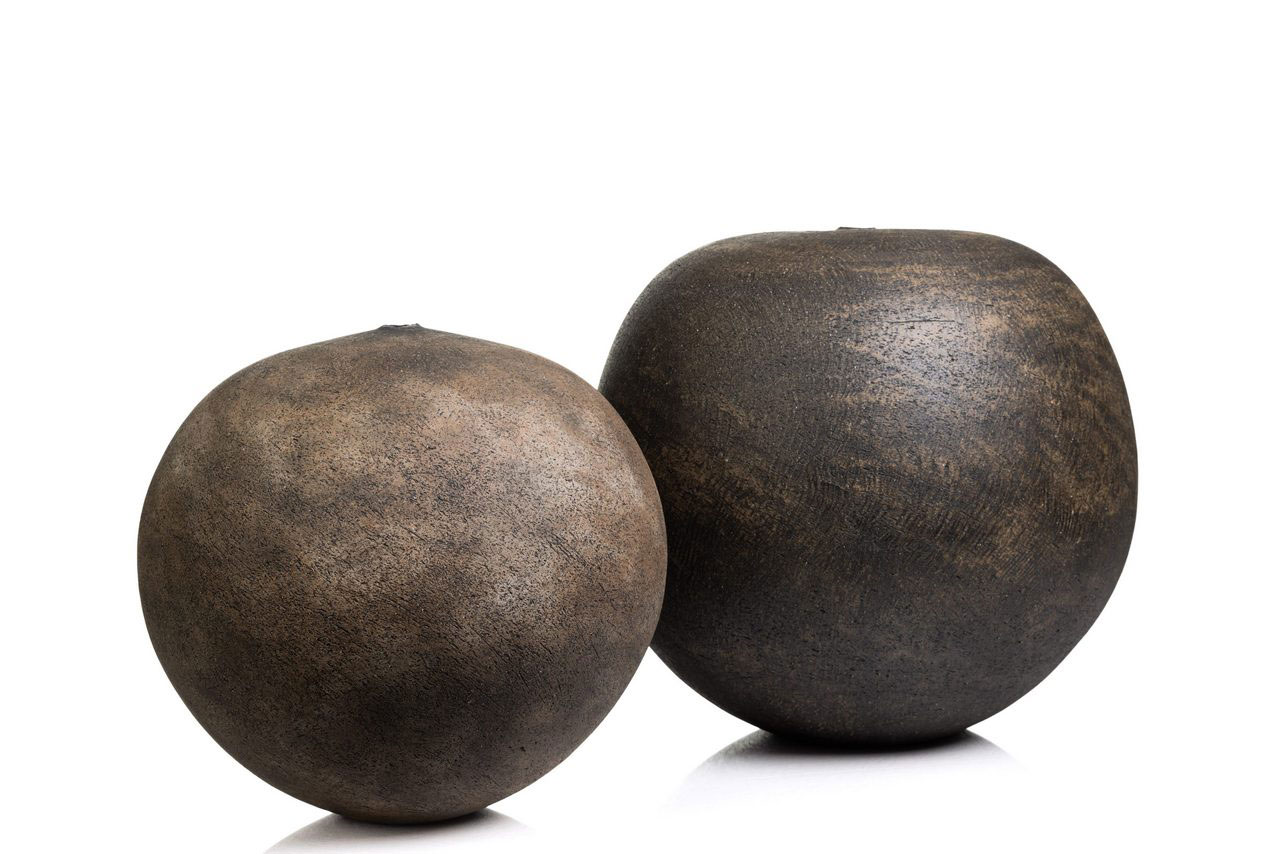
Erik Pløen was a central figure among Norwegian crafts artists during the 1960s, 1970s, and 1980s, and a driving force behind the establishment of Tendenser in 1971. His early stoneware works show parallels with artists such as Axel Salto and Kåre Berven Fjeldsaa. Pløen’s later works consist of powerful, wheel-thrown and hand-modelled abstract forms, often featuring patterns carved into the clay and glaze. Pløen was known for his exceptional artistic practice and his experimentation with new sculptural forms and glazes. He was a keydriving force behind the realization of Tendenser from 1971 onward.
Fanny Ollas is an artist and designer working primarily with ceramics, with a background in textiles and fashion. Her practice sits in the borderland between design, craft, and sculpture, focusing on the emotional relationships we form with everyday objects. Drawing on traditional ceramic forms, she explores how familiar objects function as symbols and archetypes. By subtly altering form and introducing unexpected elements, Fanny imbues her works with human qualities, combining playful aesthetics with underlying themes of vulnerability, melancholy, and the complexity of human relationships.
Clay is a boundless material, and in her work with clay Nina Andrea Standerholen explores this openness through form, surface, and color. She works with materials and textures closely connected to nature, integrating elements from her immediate surroundings—such as old slate from a barn roof, ash from a wood-burning stove, or timber from a storehouse. Her practice is driven by a strong love for the material, combined with a need for continuous exploration and a resistance to stagnation.
Wisam Al-Samad is an Iraqi ceramic artist working at the intersection of heritage and contemporary abstraction. Educated in Baghdad, his practice draws on Mesopotamian material culture, Islamic ornamentation, and Arabic calligraphy. Through sculptural ceramic forms, he explores the physical properties of clay: fracture, surface, and transformation, developing a distinct visual language rooted in process and materiality.
Participating Artists: Wisam Al-Samad, Anton Alvarez, Ane Fabricius Christiansen, Christina Schou Christensen, Anders Hald, Fanny Ollas, Erik Pløen, Andrea Scholze, Astrid Sleire and Nina Andrea Standerholen
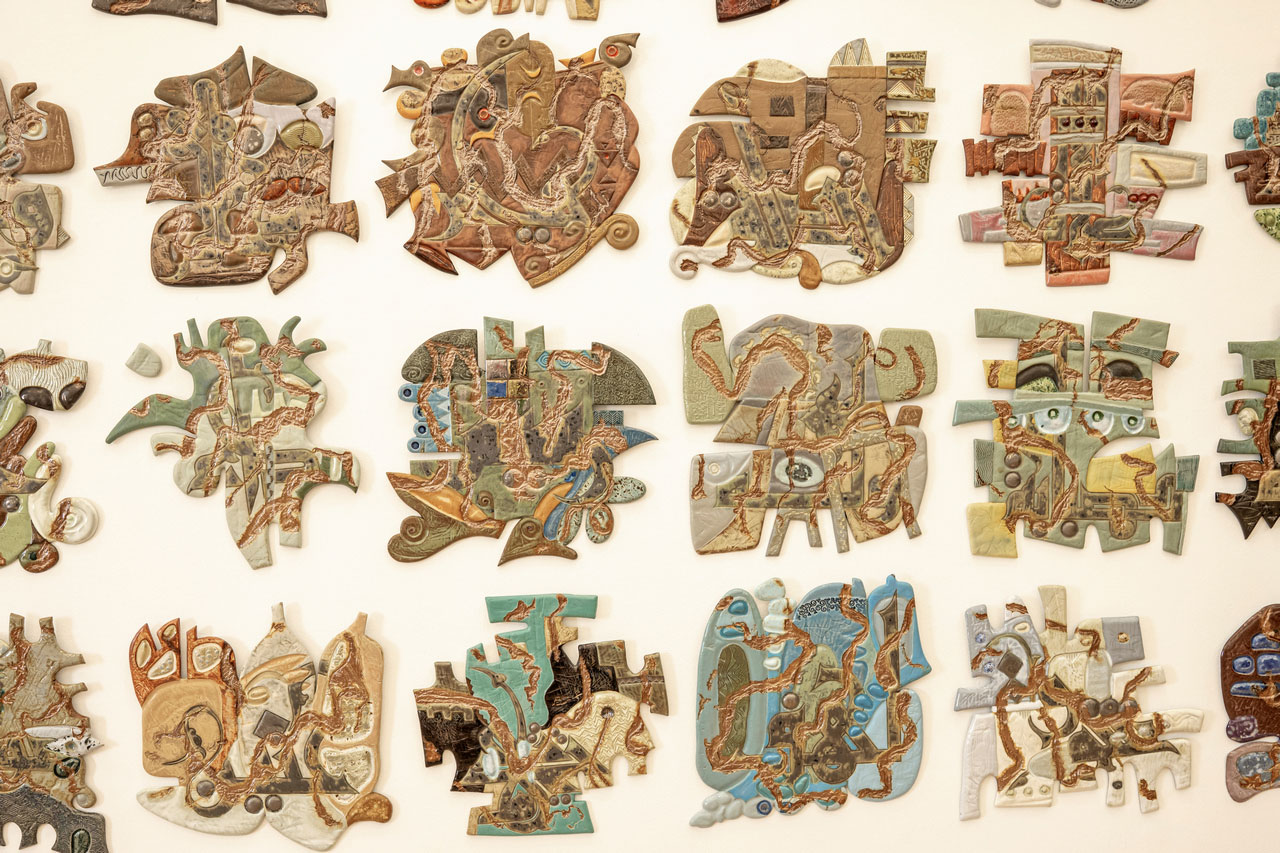
Photo: Wisam Al-Samad, The Road to Love (2023), Selection from series, Clay, glaze, silver luster, 50x50x6 cm, each piece, © Wisam Al-Samad, Photo credit: R. Halleraker
Info: Curator: Maria C. Havstam, Curatorial group: Anja Bjørshol, Nicolas Hughes and Marthe Næstby, Galleri F15, Albyalléen 60, Moss, Norway, Duration: 20/6-11/10/2026, Days & Hours: Tue-Sun 11:00-17:00, https://gallerif15.no/
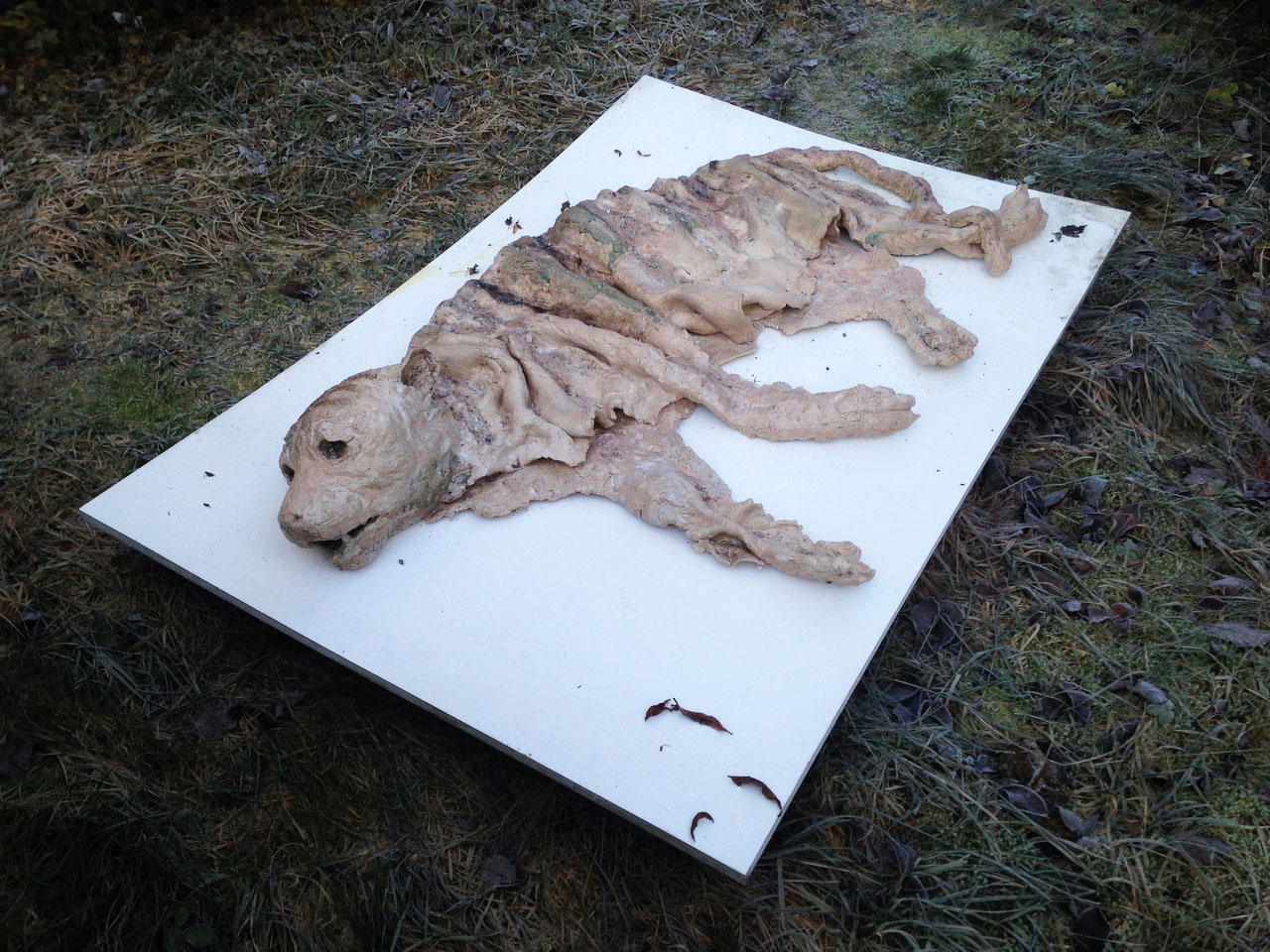
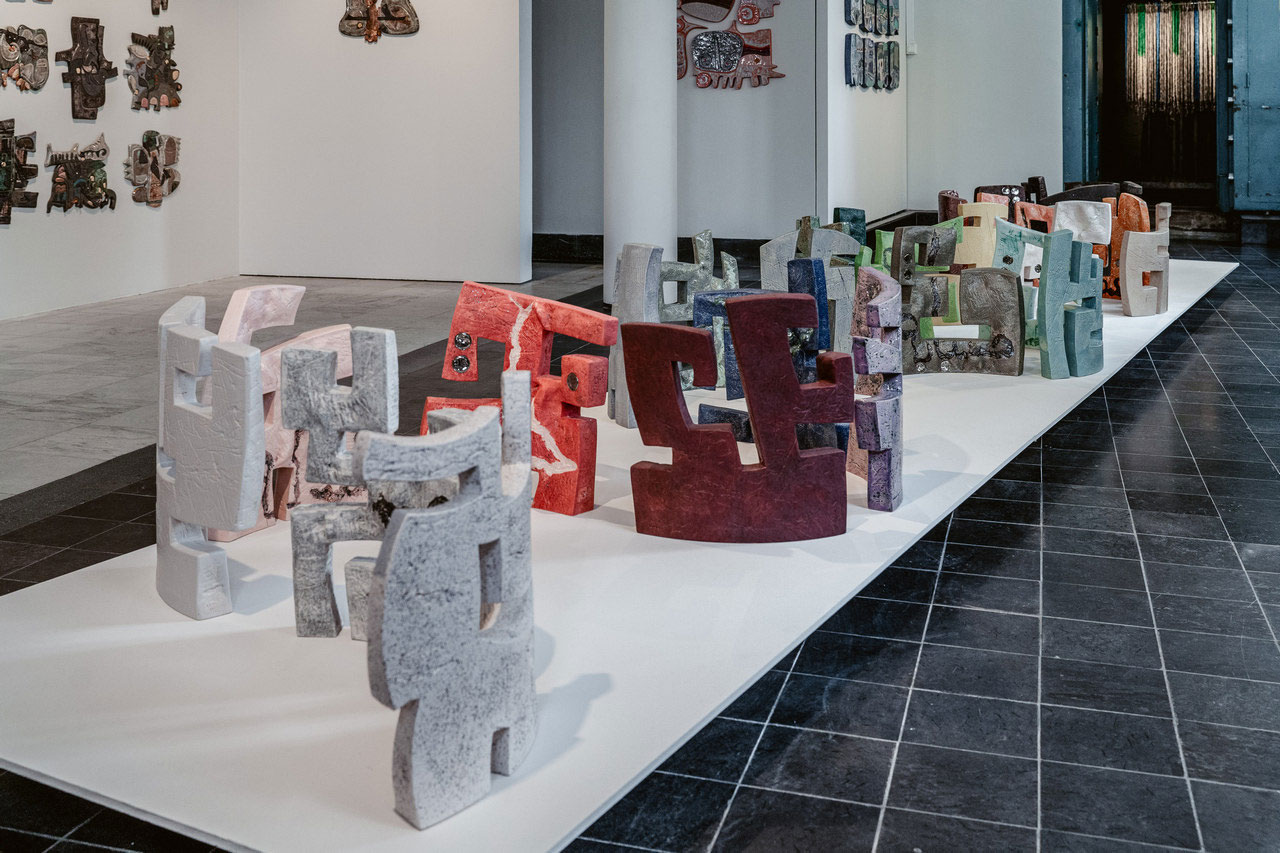
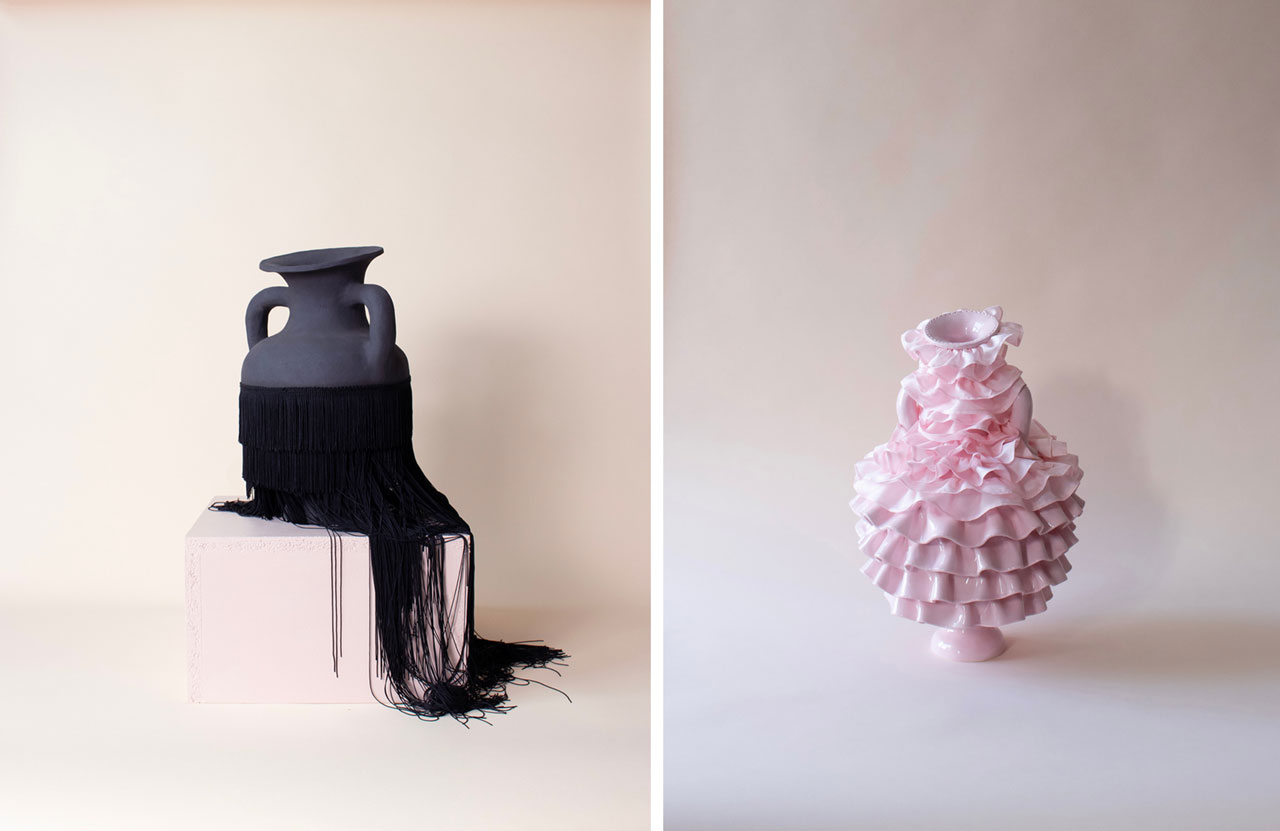
Right: Fanny Ollas, Fringes, 2025, Black stoneware clay, textile fringe, Ca 65×35 cm, © Fanny Ollas
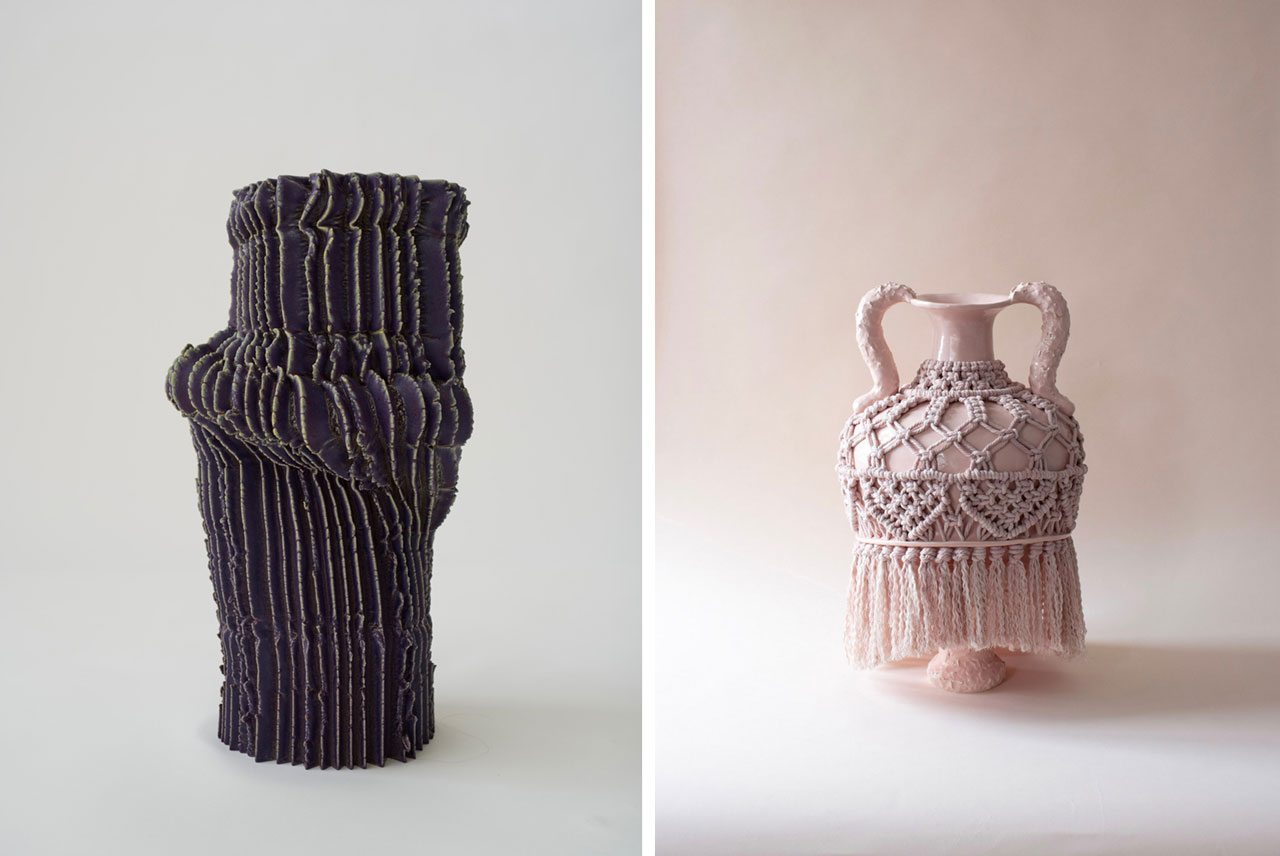
Right: Fanny Ollas, Chained, 2026, Glazed terracotta clay, metal rings and chains, Ca 55×30 cm © Fanny Ollas