PRESENTATION: 40 Years Chambres d’Amis
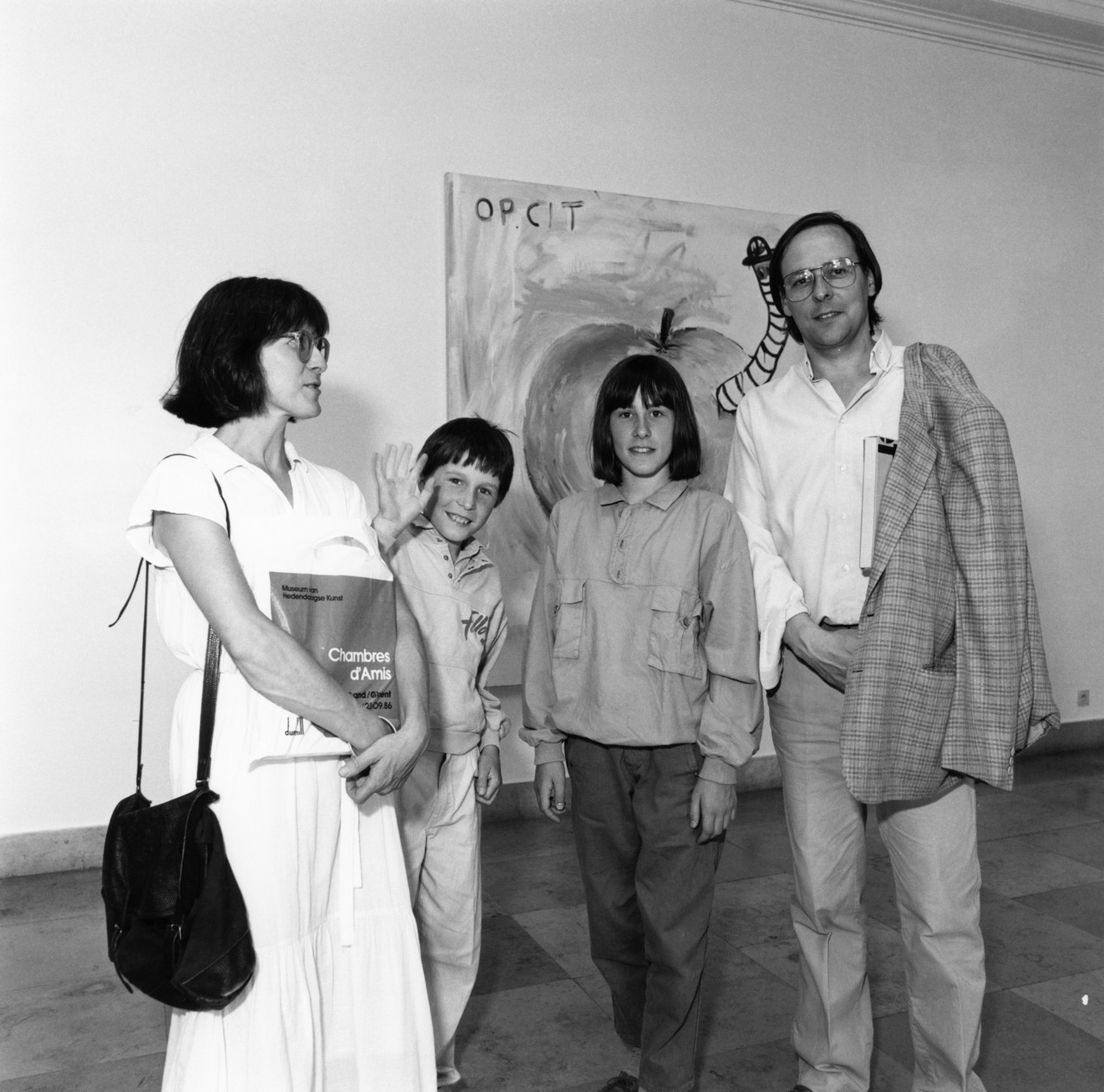
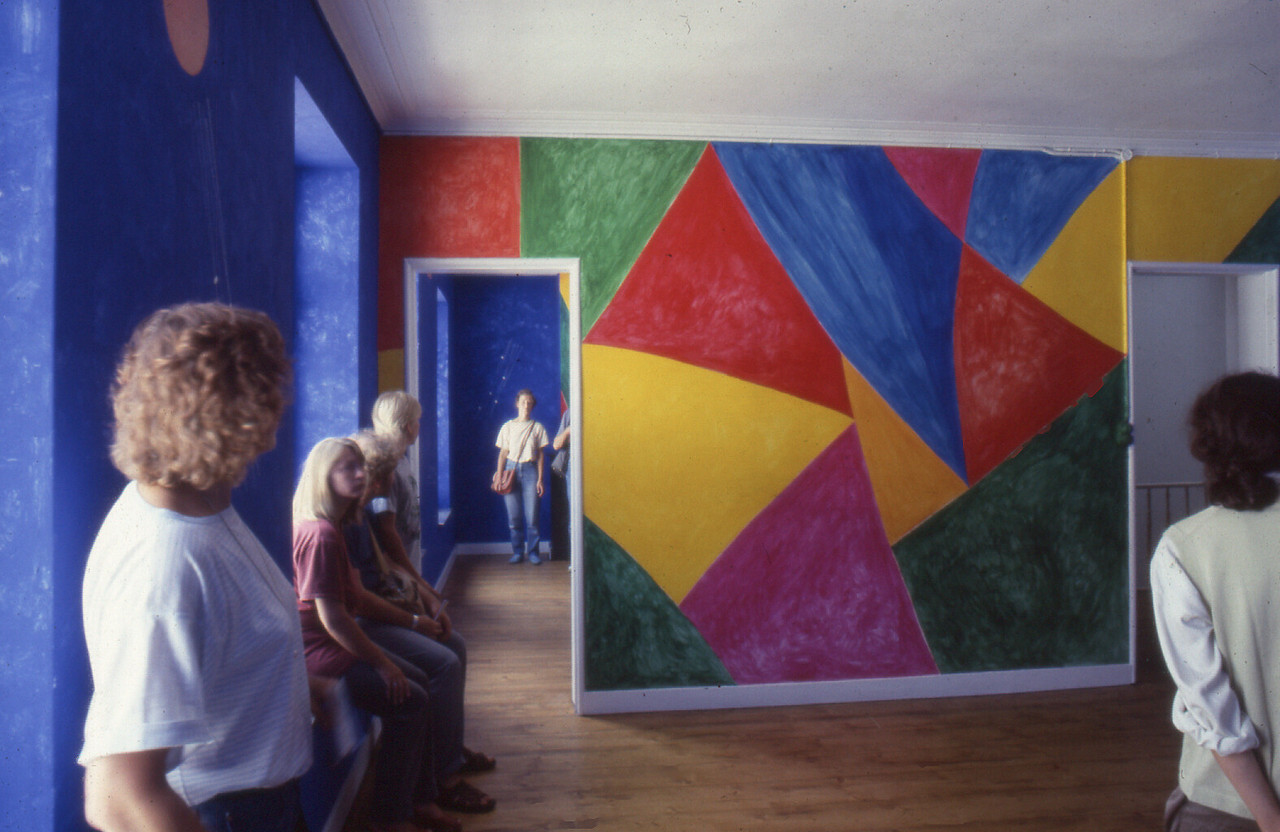
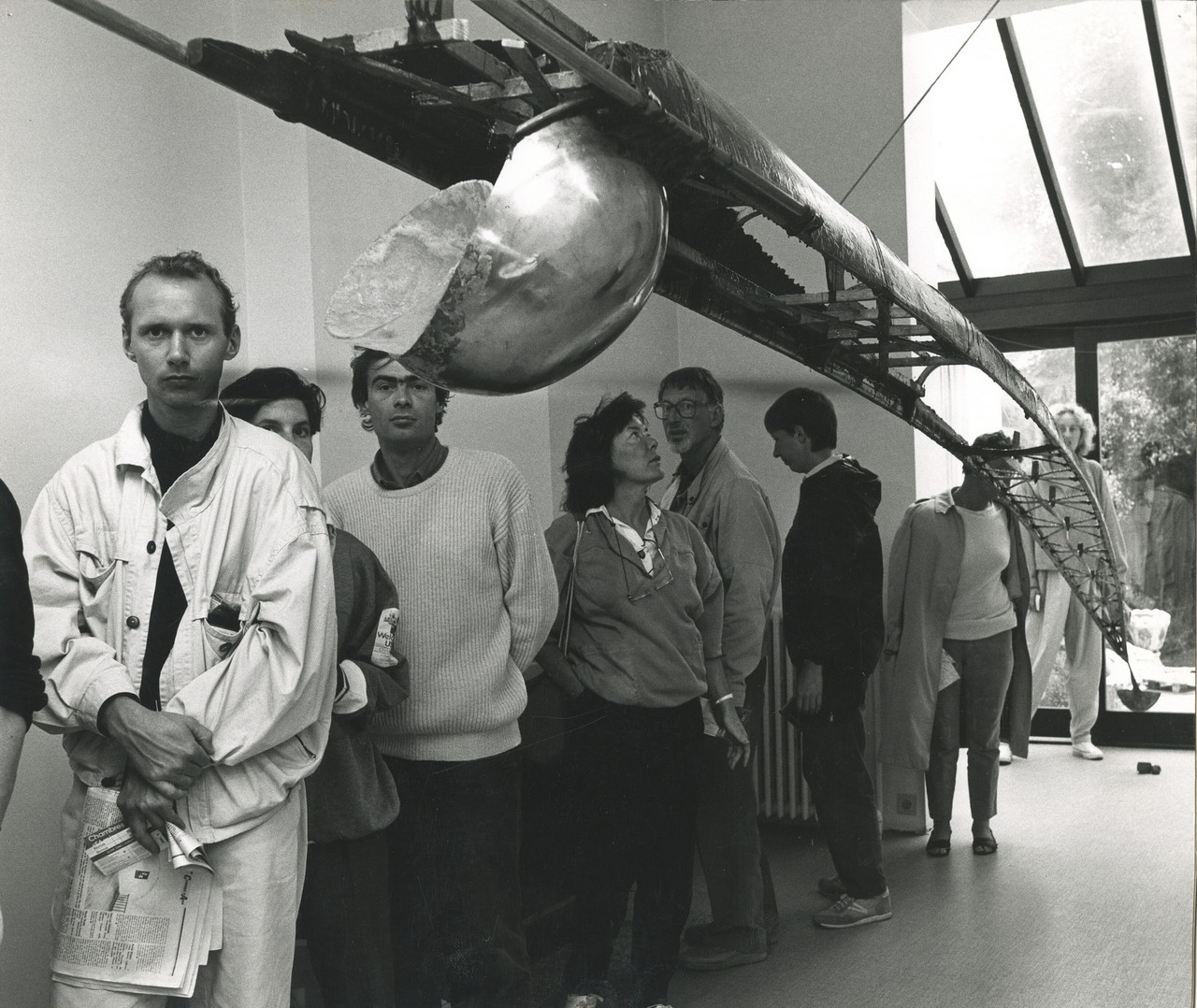
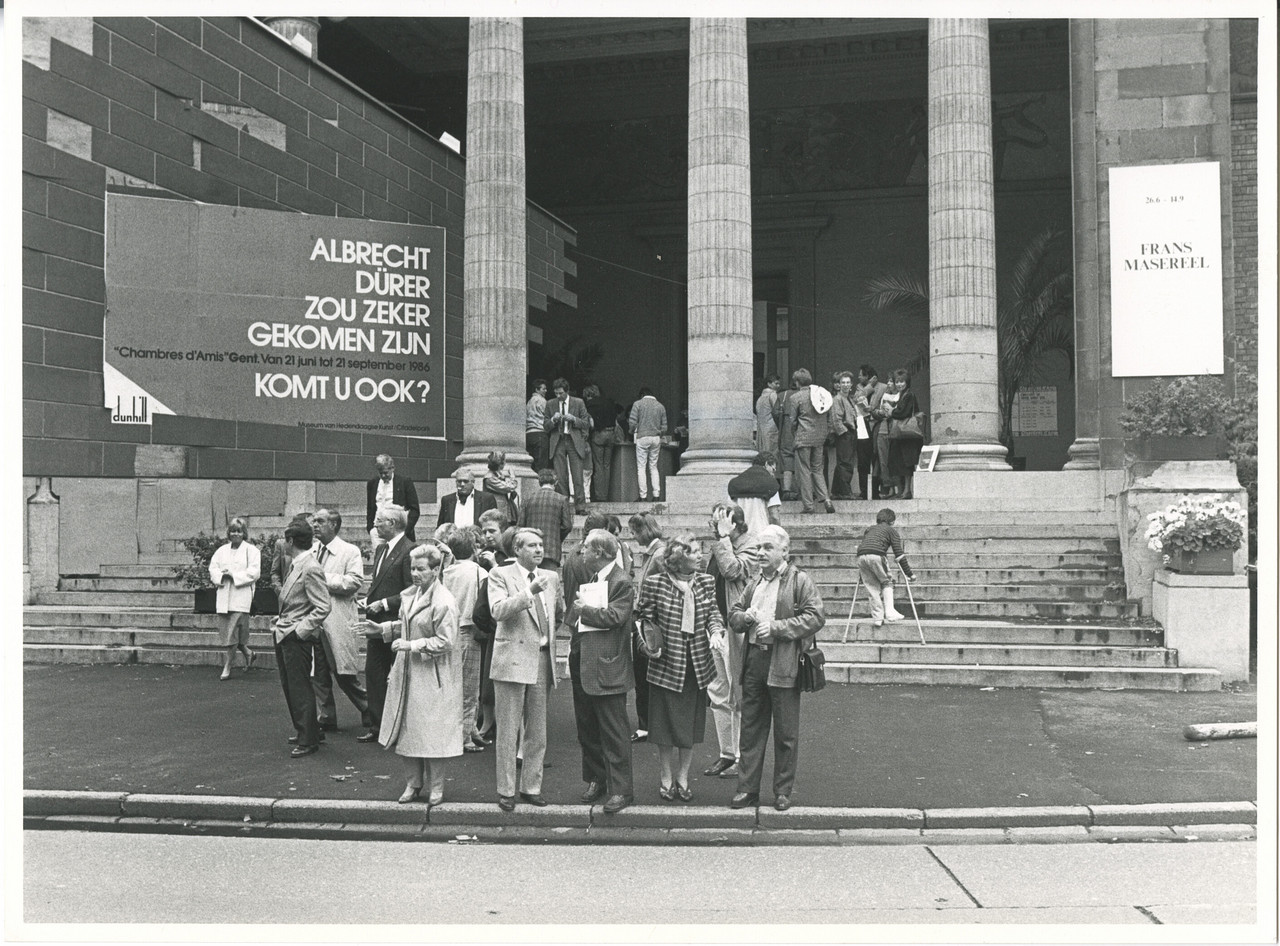
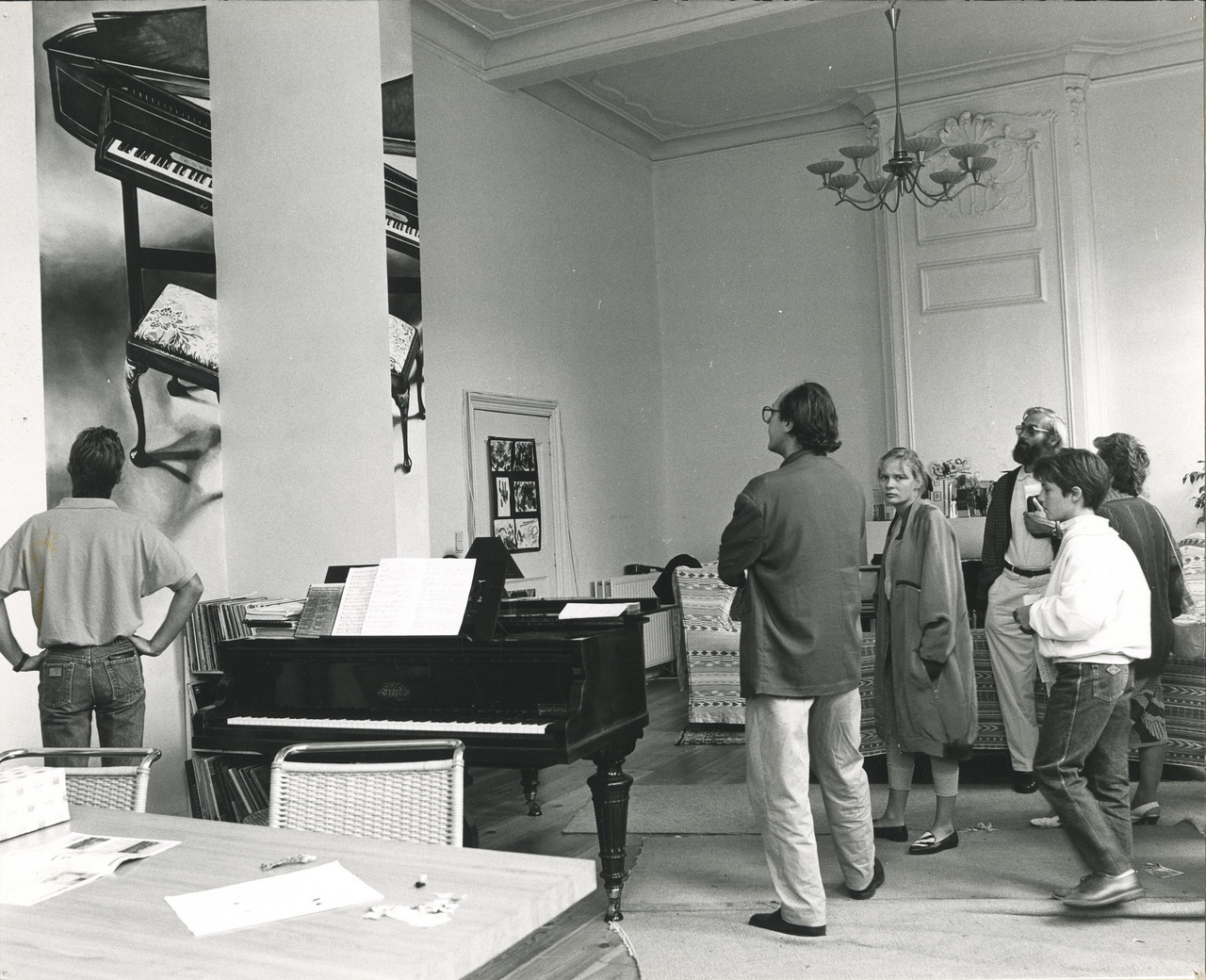
In the summer of 1986, the Belgian city of Ghent became the site of a profound museological disruption. Under the radical curatorial vision of Jan Hoet, the exhibition “Chambres d’Amis” (Friends’ Rooms) bypassed the traditional, sterile authority of the museum walls and inserted contemporary art directly into the intimate, domestic spaces of fifty-one private citizens. For a brief, volatile period, the safe boundary separating public viewership from private life was erased. Visitors navigated an art trail that wound through residential neighborhoods, entering kitchens, hallways, and bedrooms where international artists had embedded site-specific interventions.
By Efi Michalarou
Photo: S.M.A.K. Archive
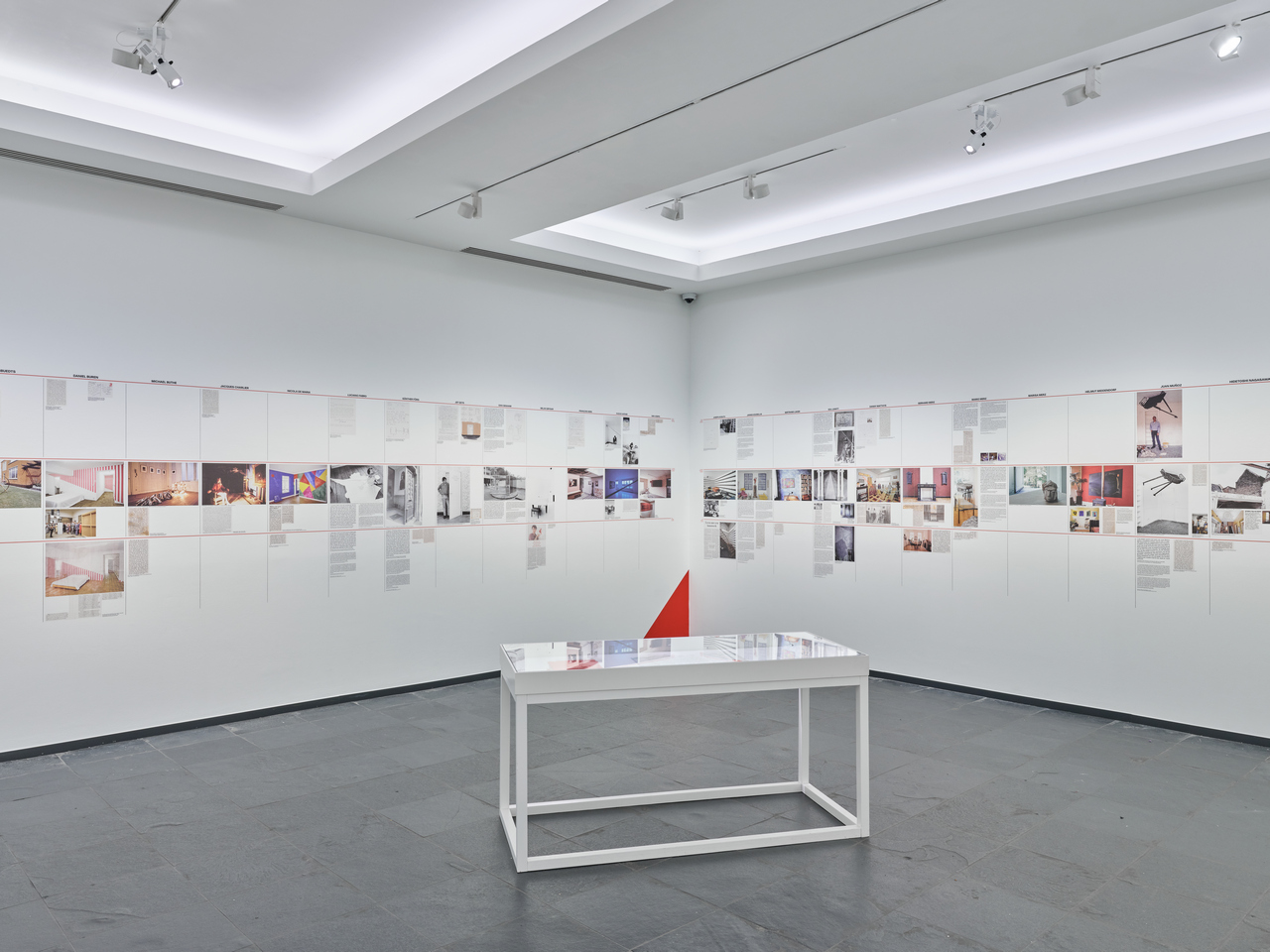
Forty years later, a comprehensive archival and contemporary exhibition at the City’s Museum of Contemporary Art, S.M.A.K., looks back on that landmark experiment. The exhibition literature reveals that “Chambres d’Amis” was never merely a harmonious celebration of community art; instead, it was a highly contested, ideologically fractured event whose structural anxieties continue to haunt the contemporary art world.
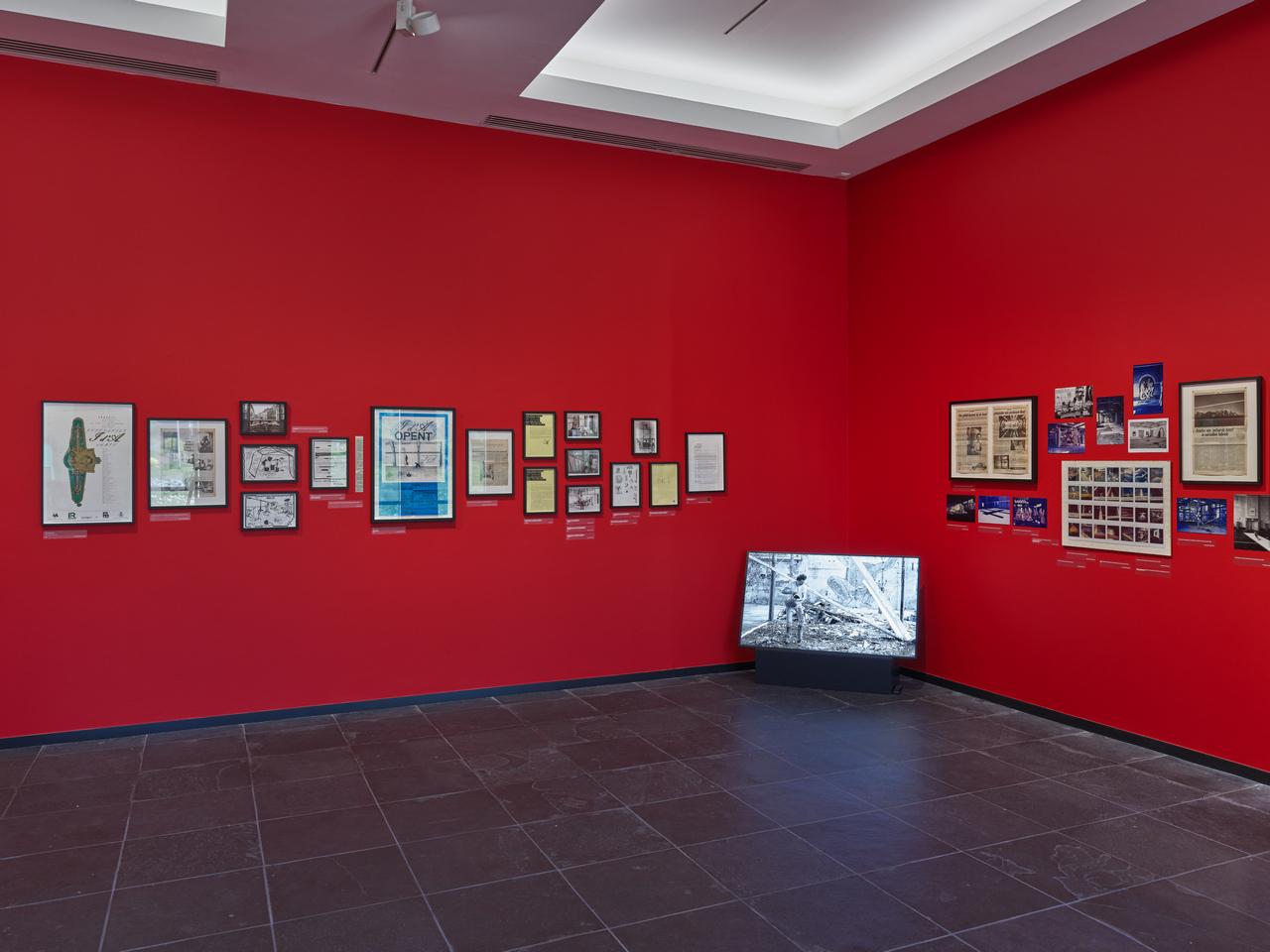
The historical impact of the 1986 exhibition was marked by deep friction, both within the institutional infrastructure of Ghent and among its residents. Turning private homes into public galleries challenged the very definition of domestic sanctity. While some critics praised the project for rescuing art from the elitist isolation of the white cube, others questioned whether the dominant, highly individualized environments of the homes overwhelmed the artistic works themselves. This domestic experiment ignited a fiery summer of creative rebellion across the city, giving rise to alternative, confrontational satellite initiatives. Local art associations, frustrated by the lack of native Belgian representation on Hoet’s international roster, organized Initiatief ’86 to showcase local talent under the direction of globally recognized curators. Simultaneously, the Vooruit Arts Centre hosted “Initiatief d’Amis”, a chaotic and rebellious melting pot of performances and live acts. The most severe indictment of Hoet’s curatorial gatekeeping, however, manifested in “Antichambre”. Staged in a vacant factory on the outskirts of Ghent, this alternative showcase rejected any formal selection process entirely, allowing any artist to install work and permitting the exhibition to grow organically and aggressively throughout the summer.
Amid this landscape of institutional defiance, the French conceptualist Daniel Buren emerged as one of the most intellectually rigorous critics of Hoet’s premise. While other artists fully embraced the migration into the domestic sphere, Buren recognized the inherent paradox of attempting to escape the museum. For his contribution, titled “Le Décor et son Double”, Buren applied his signature visual tool of alternating vertical stripes to the guest room of prominent art collectors Annick and Anton Herbert. Yet, refusing to validate the absolute abandonment of the institutional space, Buren constructed an exact architectural double of the Herberts’ guest room inside the museum itself. In this mirrored reality, where the deep pink and white stripes stopped in the private home, they began in the public gallery. The conceptual tension deepened when the Herberts chose to keep their home closed to the general public during the exhibition, leaving the public to interact solely with the museum replica. This provocative gesture transformed the artwork into a complex commentary on ownership and accessibility, distributing its identity across private collectors, the public museum space, and government patrons.
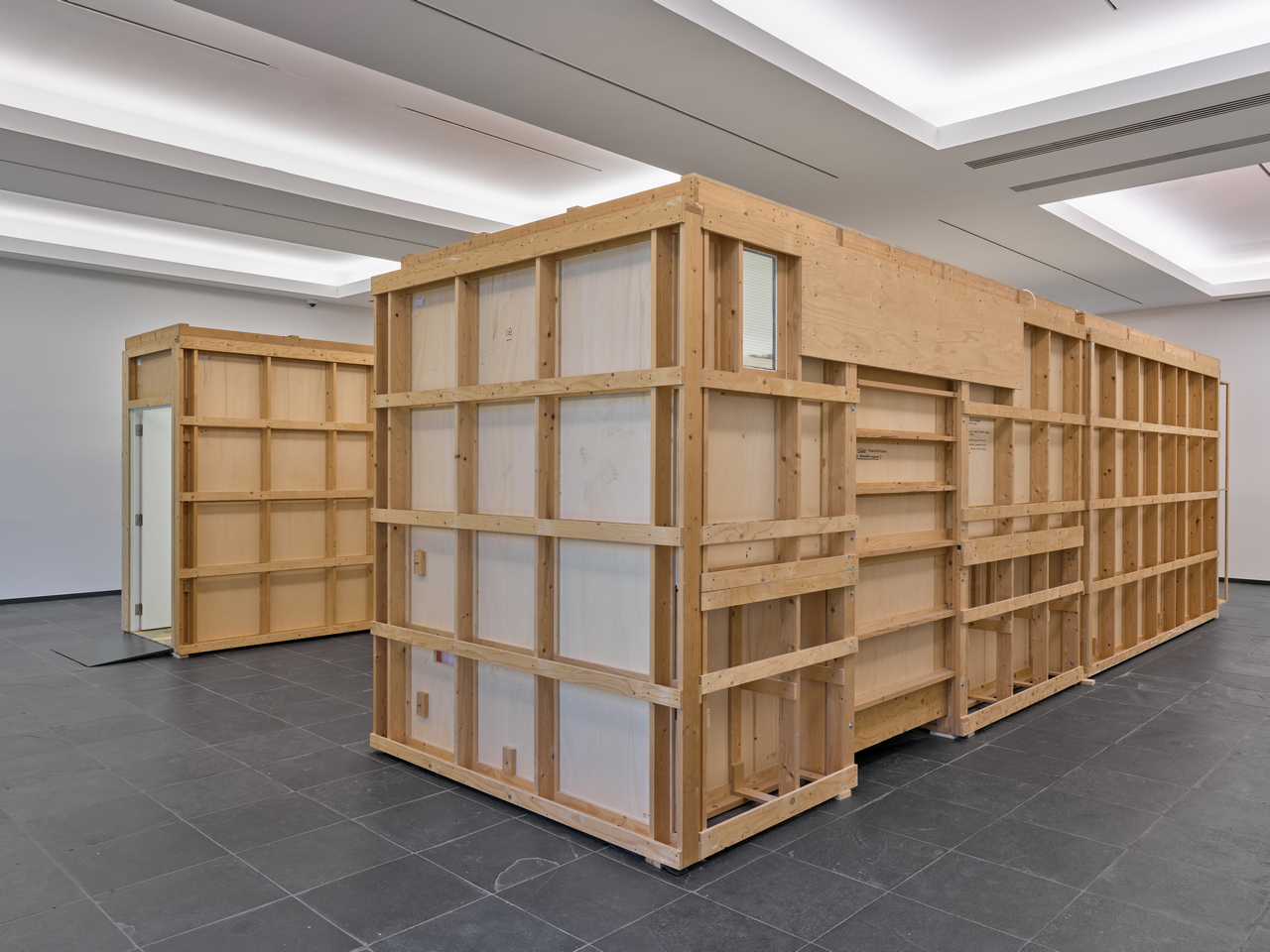
When the summer of 1986 drew to a close and the temporary inhabitants of the private homes packed away their tools, the material legacy of Chambres d’Amis presented a daunting museological dilemma. Seventeen artworks were formally acquired by S.M.A.K., entering the permanent collection as a fragmented, displaced body of work that museum staff colloquially termed the “ghost collection.” Because these pieces were conceived entirely in relation to specific architectural layouts, personal histories, and the daily rhythms of individual Ghent residents, their removal from those original homes threatened to strip them of their conceptual vitality. Displaying them in a conventional gallery risks rendering them inert, transforming living experiments into dead trophies of a bygone avant-garde. To address this preservation crisis, the modern retrospective invites contemporary artists to engage directly with the archive, using the ghost collection not as static historical artifacts, but as catalysts for new conceptual inquiries into memory, space, and political volatility.
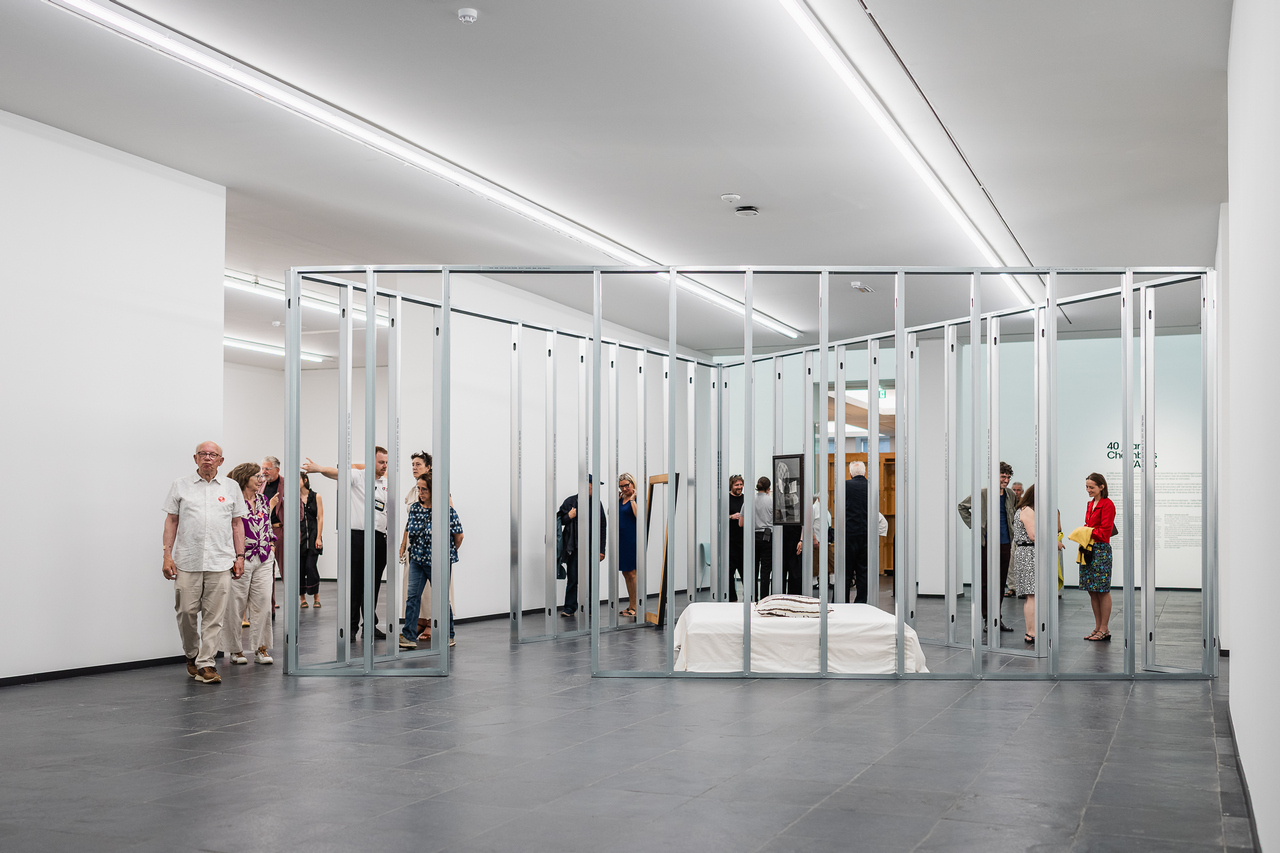
The contemporary installations created in response to the archive demonstrate how the ghost of 1986 continues to shift shape. The conceptual artist Haim Steinbach addresses the spatial displacement of the ghost collection by reconstructing the architectural ghost of the domestic space itself. Through a sharp triangular framework constructed from metallic profiles, Steinbach isolates and displays a replica of the very bed from the Herberts’ guest room that once anchored Buren’s striped intervention. By placing this domestic object into direct dialogue with elements from installations by Joseph Kosuth and Jan Vercruysse, Steinbach interrogates the historical concept of the guest room. He introduces a printed pillowcase featuring Kosuth’s famous crossed-out passage from Sigmund Freud’s writings on everyday life, juxtaposing it with Vercruysse’s empty black frame. Through this arrangement of objects, Steinbach strips the domestic items of their original domesticity, re-contextualizing them within a cool, analytical geometry that questions how museums categorize and remember historical spaces.
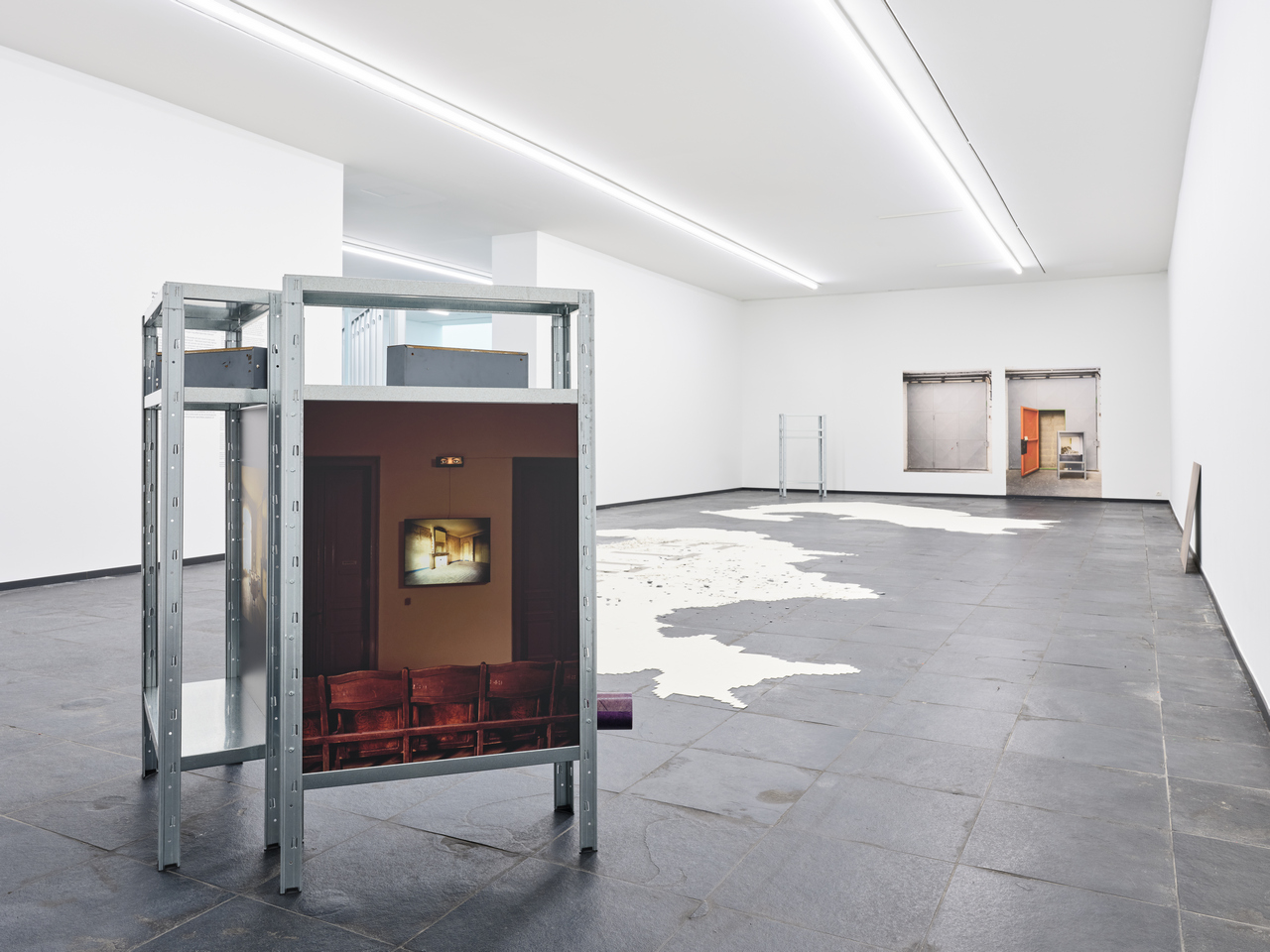
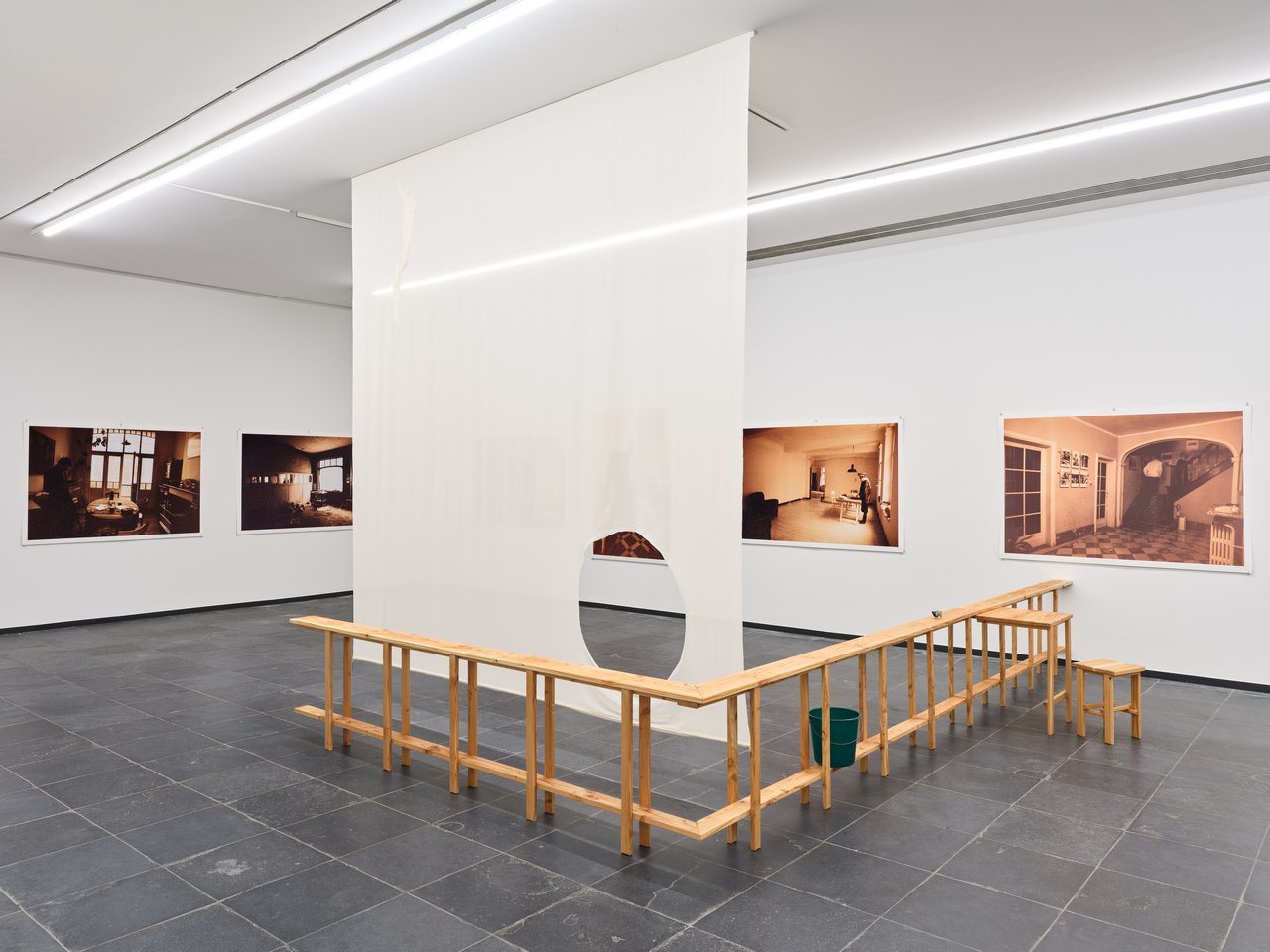
Where Steinbach looks at spatial architecture, Susanne Kriemann examines the invisible, historical atmospheric trauma that unfolded parallel to the 1986 exhibition. On April 26, 1986, just as Ghent was preparing for its radical art summer, the catastrophic explosion at the Chernobyl nuclear power plant released a silent, invisible wave of radiation across Europe. Kriemann connects this historical rupture to Carla Accardi’s contribution to “Chambres d’Amis”, creating an installation that ponders the vulnerability of opening a window to the world. Utilizing seventeen archival photographs used by the museum in 1986 to show artists the empty domestic spaces awaiting their work, Kriemann sprinkled the images with fine environmental particulate matter gathered from the streets of modern Ghent before developing them. Displayed alongside mundane household objects like a bucket, a table, and a chair, Kriemann’s work evokes a heavy sense of anticipation and invisible contamination. The empty rooms and silent objects wait to be recognized as art, hanging in an intermediate space between the public archive and private remembrance.
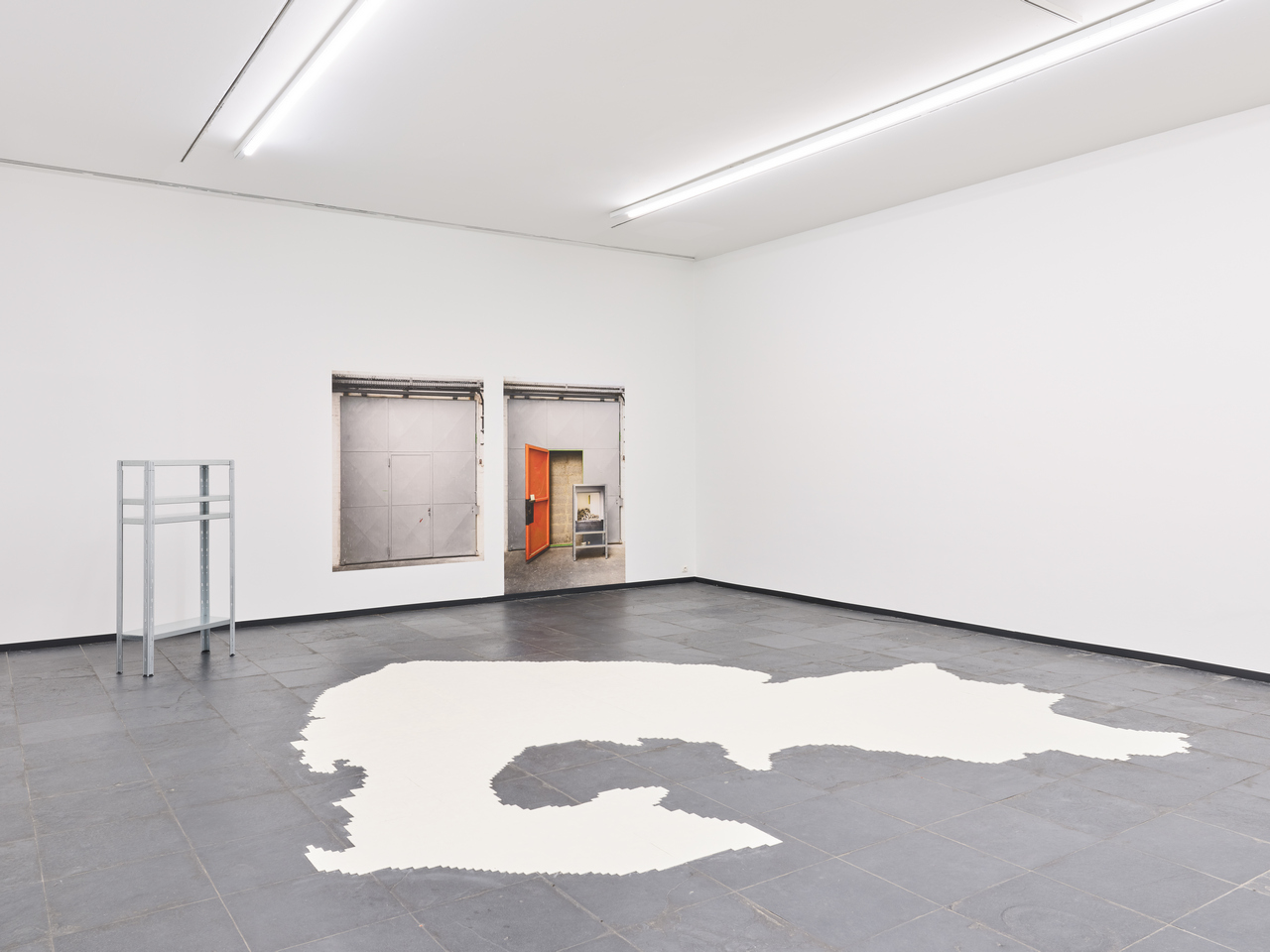
Finally, Heike Pallanca utilizes the archive to bridge past revolutionary ideals with contemporary socio-political decay. Her installation takes its departure from Jef Geys’ 1986 contribution, for which he mounted functional doors bearing the French Revolutionary ideals of liberty, equality, and fraternity against the blind, windowless walls of local workers’ housing. Pallanca translates this critique of political thresholds into large, complex mosaics composed of shifting tile patterns that trace the cartographic outlines of seismically volatile nations across the Americas and Eurasia. By embedding the word “STOP” into a mosaic design that visually mimics the destructive shaking of an earthquake, Pallanca highlights the futility of human intervention against massive geological forces, drawing a sharp parallel to the breakdown of democratic systems under the weight of modern autocratic regimes. Her installation brings the viewer back to doors that lead nowhere, transforming the historical thresholds of Ghent into symbols of the violent borders and structural cracks running through contemporary global society.
The archival analysis of “Chambres d’Amis” reveals that the exhibition’s true significance lies not in its historical success, but in its productive instability. It was an experiment that refused to offer comfortable answers about the role of art in society. By documenting the hostility of the alternative exhibitions, the elitism of private collectors, and the anxieties of the museum staff tasked with inheriting a ghost collection, the literature surrounding the event avoids the trap of historical nostalgia. The contemporary interventions of the current exhibition prove that the underlying questions of “Chambres d’Amis” remain unanswered. The boundary between the institutional authority of the museum and the volatile, lived reality of the public sphere remains a site of profound artistic tension, demonstrating that forty years later, art is still looking for a way to break through the wall and enter the living room.
Photo: Installation view, 40 jaar Chambres d’Amis, S.M.A.K. Gent, 2026. Photo: We Document Art
Info: Curators: Philippe Van Cauteren and Thibaut Verhoeven, S.M.A.K., Jan Hoetplein 1, Gent, Belgium, Duration: 30/5/2026-10/1/2027, Days & Hours: Tue-Fri 9:30-17:30, Sat-Sun 10:00-18:00, https://smak.be/