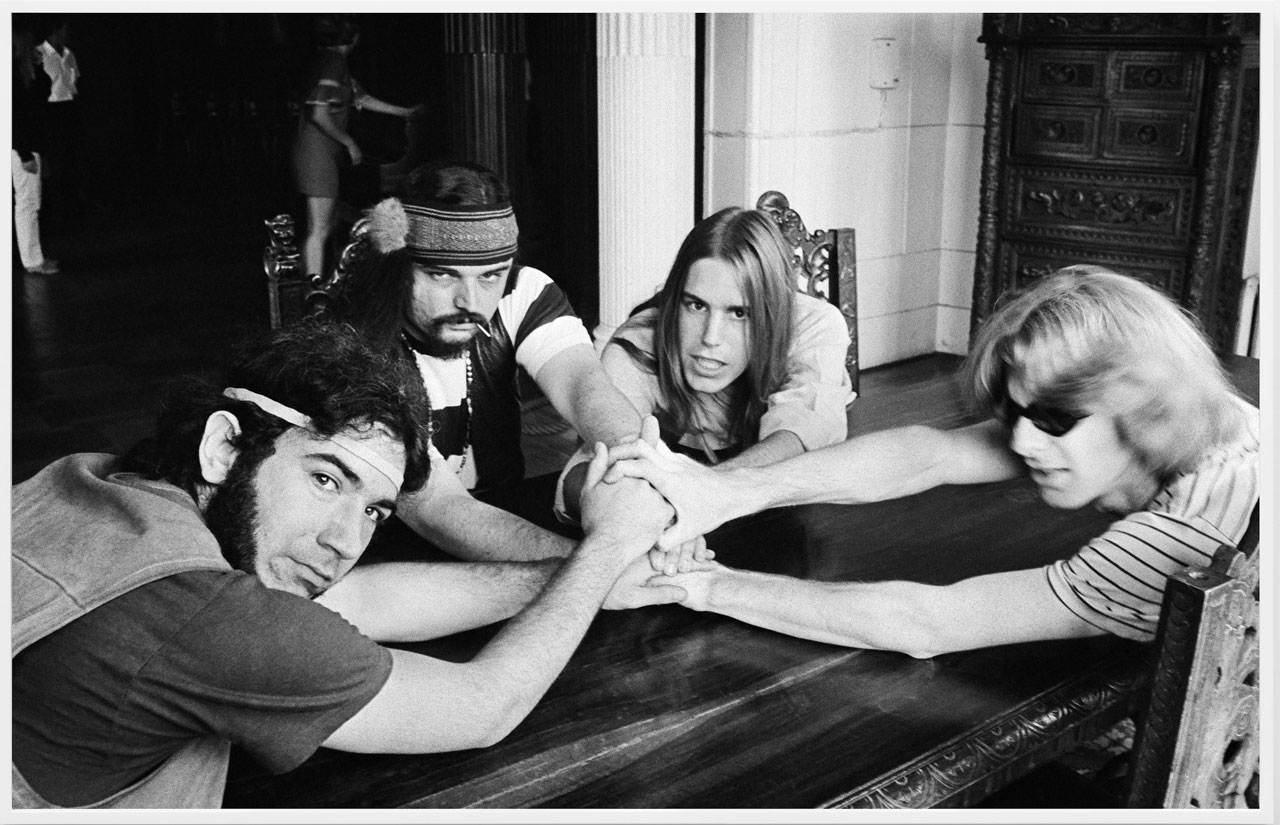
PHOTO: An American Beauty-Grateful Dead 1965–1995
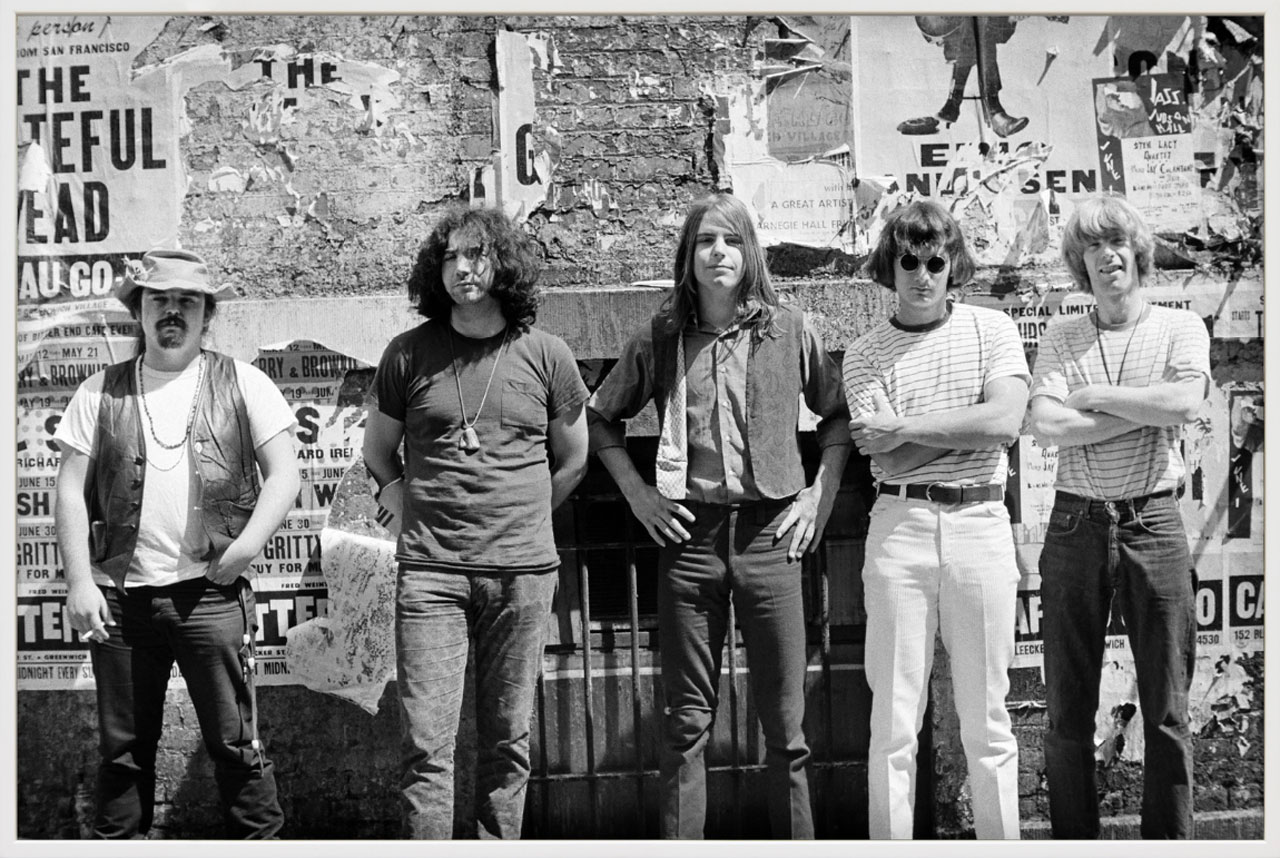
The Grateful Dead originated in 1965 as the Warlocks, a band formed from members of local Palo Alto folk and jug groups. After discovering another band already used the name, they adopted “Grateful Dead,” reportedly inspired by a dictionary entry describing a spirit grateful for a proper burial. Their first performance under the new name took place at Ken Kesey’s Acid Test in December 1965. These events helped shape the band’s improvisational style and laid the foundation for its lasting influence.
By Dimitris Lempesis
Photo: David Kordansky Gallery Archive
The enduring legacy of the Grateful Dead is the subject of “An American Beauty: Grateful Dead 1965–1995”, a major exhibition presented by David Kordansky Gallery. Accompanying a widely acclaimed 2025 publication of the same name, the exhibition offers a sweeping visual history of one of the most influential bands in American music.
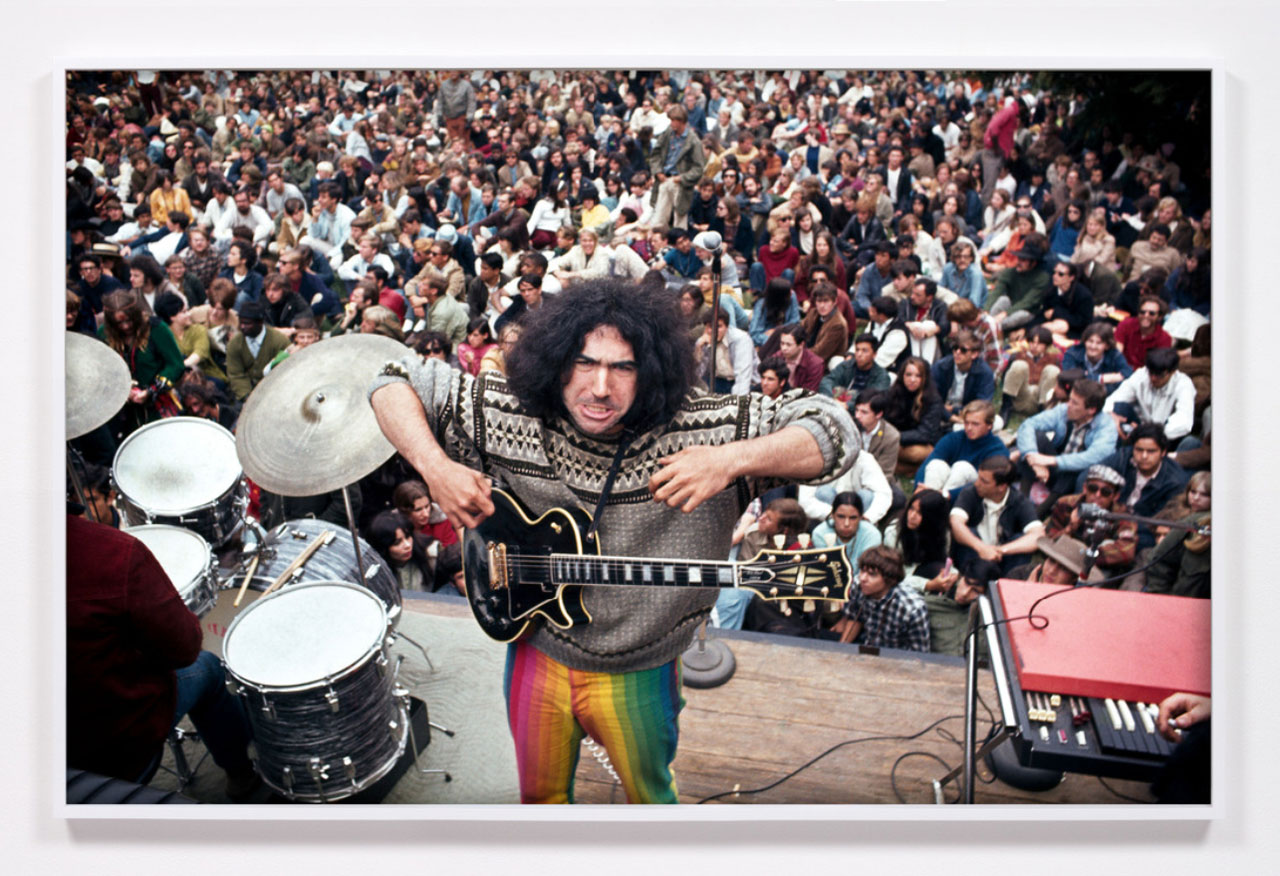
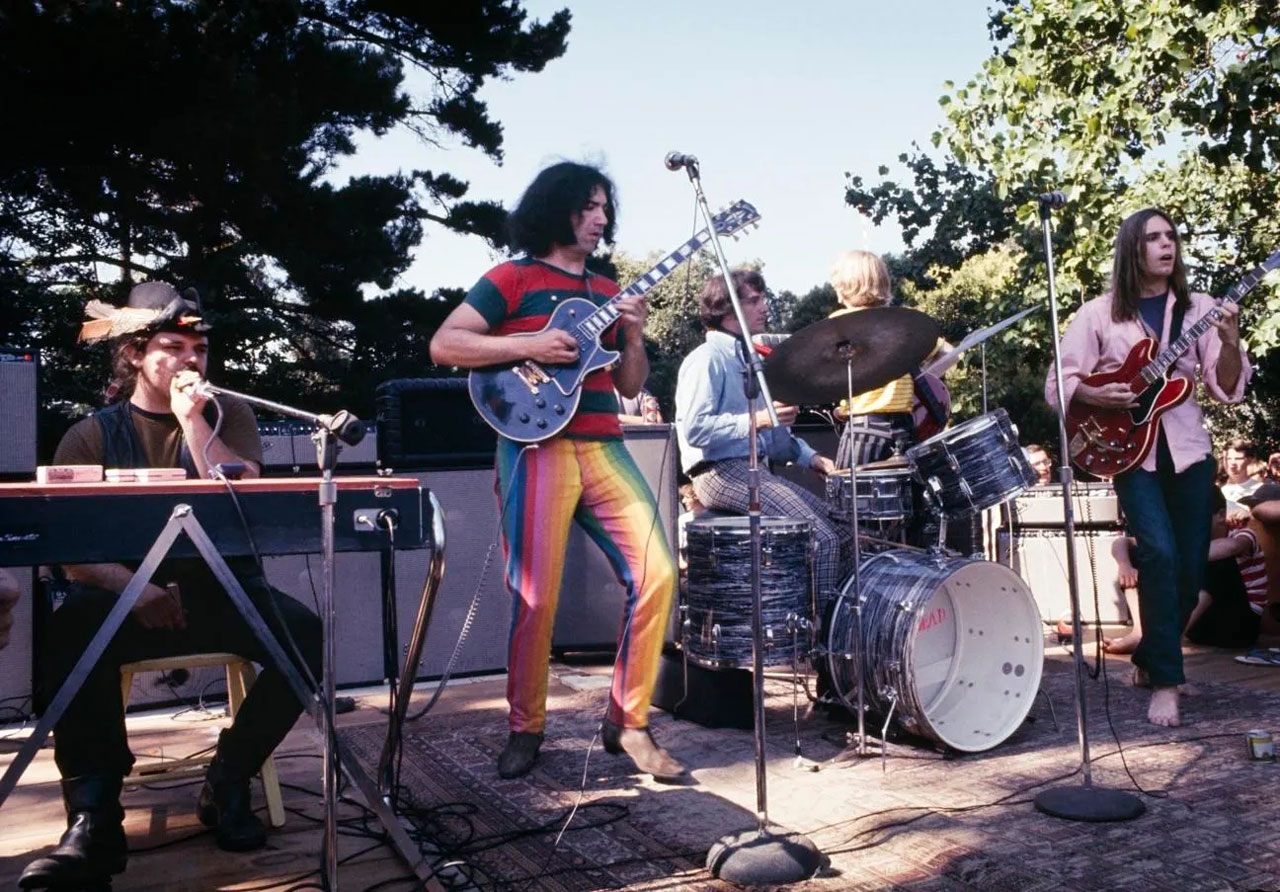
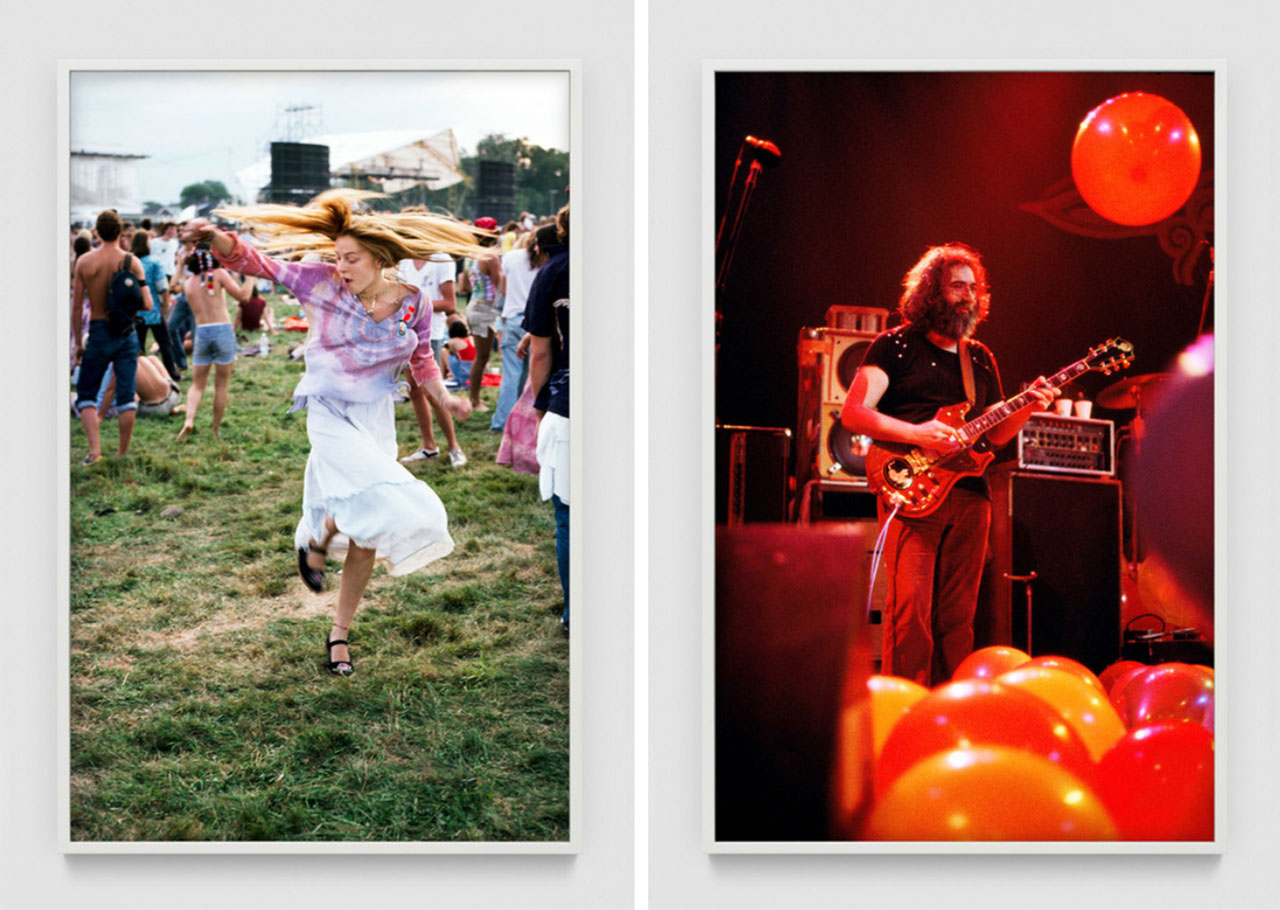
Featuring twenty-one large-scale photographs alongside more than two dozen smaller prints, the exhibition chronicles every era of the Grateful Dead’s remarkable journey. The works come from renowned photographers including Jay Blakesberg, Adrian Boot, Suki Coughlin, Greg Gaar, Andy Leonard, Rosie McGee, Bob Minkin, Ron Rakow, Jon Sievert, Elizabeth Sunflower, and Kirk West. Together, they document the band from its early days in San Francisco’s Haight-Ashbury scene through the decades-long career of frontman Jerry Garcia.
The exhibition’s title references “American Beauty”, the Grateful Dead’s celebrated 1970 album, widely regarded as one of the defining recordings of American rock music. Featuring classics such as “Truckin’,” “Ripple,” and “Box of Rain,” the album marked a creative shift toward folk, country, and acoustic influences. More than five decades later, “American Beauty” remains a cornerstone of the band’s legacy, embodying the spirit of community, storytelling, and musical exploration that became synonymous with the Grateful Dead experience.
Several photographs on display are being shown publicly for the first time, expanding upon earlier presentations in Los Angeles, San Francisco, and Las Vegas. The exhibition also marks its New York debut, offering audiences a deeper look into a cultural movement that extended far beyond music.
What distinguishes “An American Beauty” is its focus not only on the band but also on the vibrant community that grew around it. Many of the photographers began as Deadheads themselves, documenting the scene from within. Their images capture intimate backstage moments, legendary performances, and the communal energy of concert audiences who helped shape the Grateful Dead phenomenon.
Photographs of ecstatic fans, spontaneous gatherings, and iconic cultural figures reveal how the Grateful Dead became a gathering point for both mainstream and countercultural movements. A notable example is Rosie McGee’s 1968 photograph of Jerry Garcia alongside author and Merry Prankster Ken Kesey, highlighting the band’s deep connections to the psychedelic and artistic currents of the era.
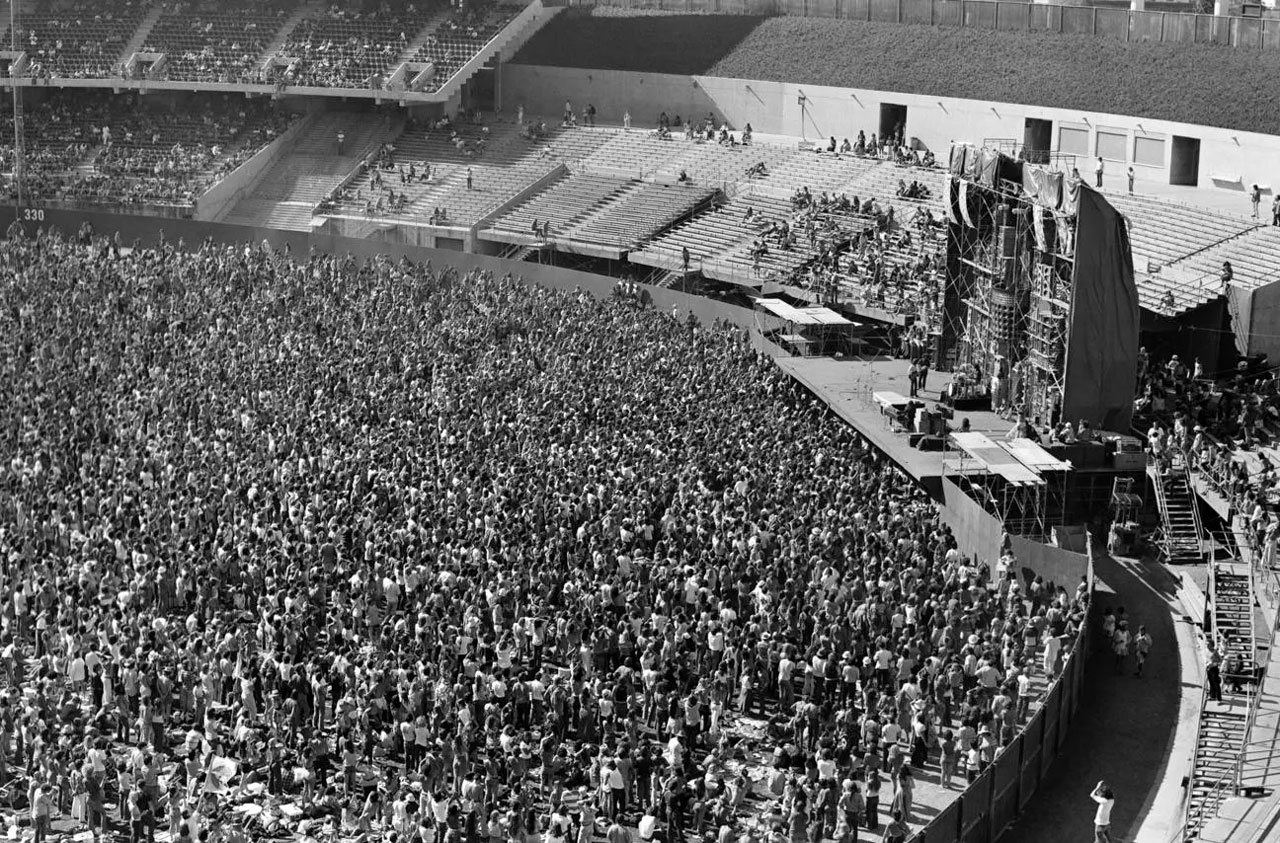
The exhibition also documents pivotal moments in the band’s history, from the groundbreaking Wall of Sound concert system and the legendary Egypt performances to New Year’s Eve celebrations in the Bay Area and political events such as the No Nukes rally in Washington, D.C. These images place the Grateful Dead within the broader social and political landscape of late twentieth-century America.
For photographer Jay Blakesberg, the exhibition is both a personal and historical reflection. Having first experienced the Grateful Dead as a fan before becoming one of their most recognized photographers, he views the collection as a testament to a unique cultural moment. The photographs capture an era before smartphones and social media, when live music created unfiltered, shared experiences that existed largely outside commercial influence.
The project also reflects the ongoing efforts of the Retro Photo Archive, overseen by Ricki and Jay Blakesberg, to preserve the work of pioneering rock photographers. By bringing these images into a fine art context, the exhibition highlights their artistic significance while ensuring that the stories they tell continue to resonate with new generations.
As the Grateful Dead’s surviving legacy increasingly shifts from active performance to historical remembrance, “An American Beauty: Grateful Dead 1965–1995” serves as both a celebration and an act of preservation. More than a collection of photographs, it is a portrait of a movement built on music, community, creativity, and connection—values that continue to define the Grateful Dead’s place in American culture.
Photo left: Deadhead dancing at Grateful Dead concert in Lewiston, ME on September 6, 1980. Publicity photo from the exhibition and coffee table book An American beauty – Grateful Dead 1965-1995, © Jay Blakesberg, courtesy of the artist and David Kordansky Gallery. Photo right: Jerry Garcia performing at the Oakland Civic Auditorium, Oakland, CA, 1980 / 2025. Publicity photo from the exhibition and coffee table book An American beauty – Grateful Dead 1965-1995, © Jay Blakesberg, courtesy of the artist and David Kordansky Gallery
Info: Curators: Ricki Blakesberg and Jay Blakesberg, David Kordansky Gallery, 520 West 20th St., New York, N.Y., USA, Duration: 23/6-7/8/2026, Days & Hours: Tue-Sat 10:00-18:00, www.davidkordanskygallery.com/