PRESENTATION: Zauri Matikashvili-You may not want to be here
Zauri Matikashvili uses his camera to attest to contemporary stories, to record social, political and historical events, and challenge given societal structures. From a variety of perspectives, he looks at topics such as identity, traditional gender roles, segregation, belonging, disunity, racism and increasing repression. In his works, he examines in which ways people’s everyday lives are related to aspects of power and resistance, and how exactly societies function—or not.
By Dimitris Lempesis
Photo: Kunsthalle Munster Archive
“You may not want to be here”, is the first institutional solo exhibition by Georgian artist Zauri Matikashvili. Bringing together film, installation, and sculpture, the exhibition offers a comprehensive introduction to an artist whose practice has become increasingly relevant amid rising political polarization, democratic backsliding, and growing social inequalities across Europe and beyond.
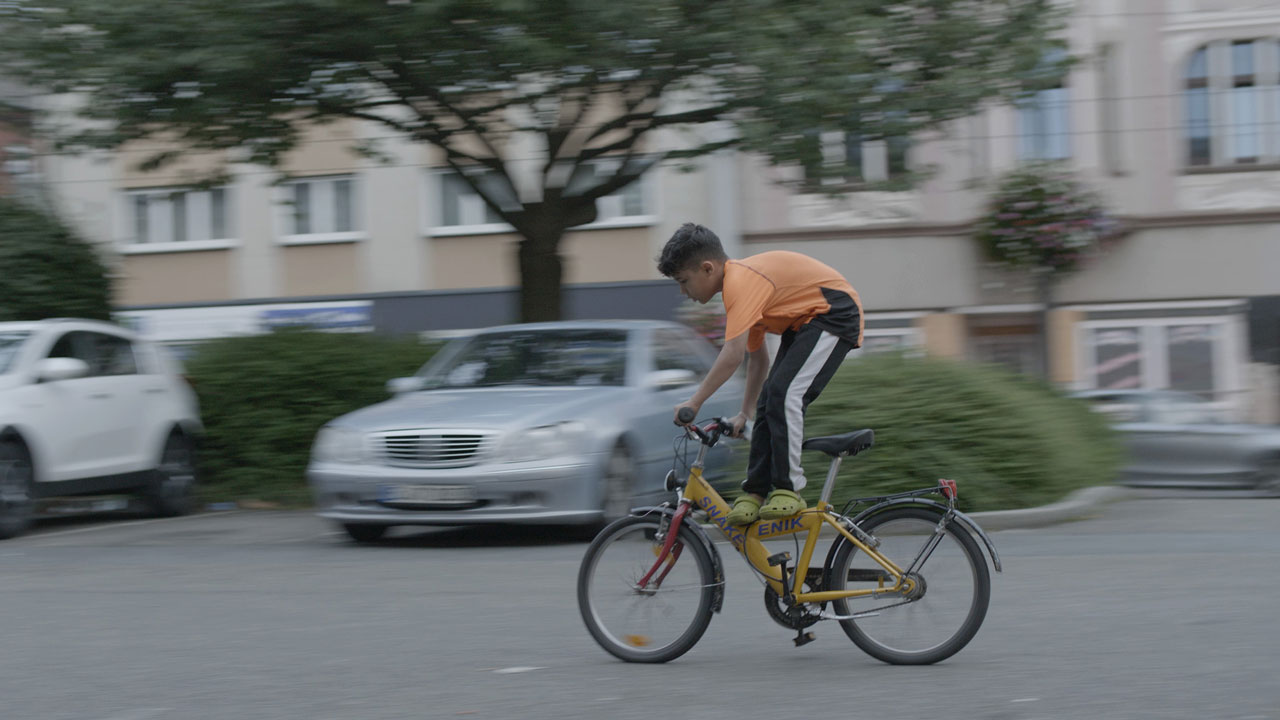
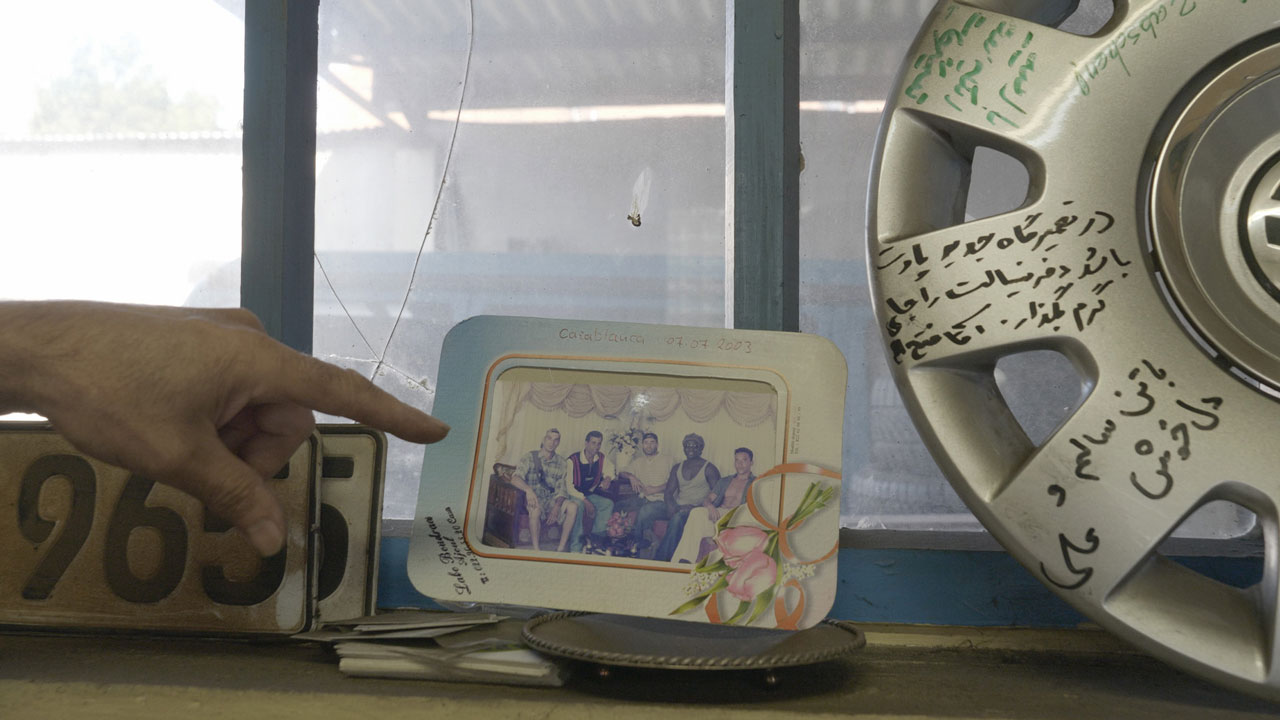
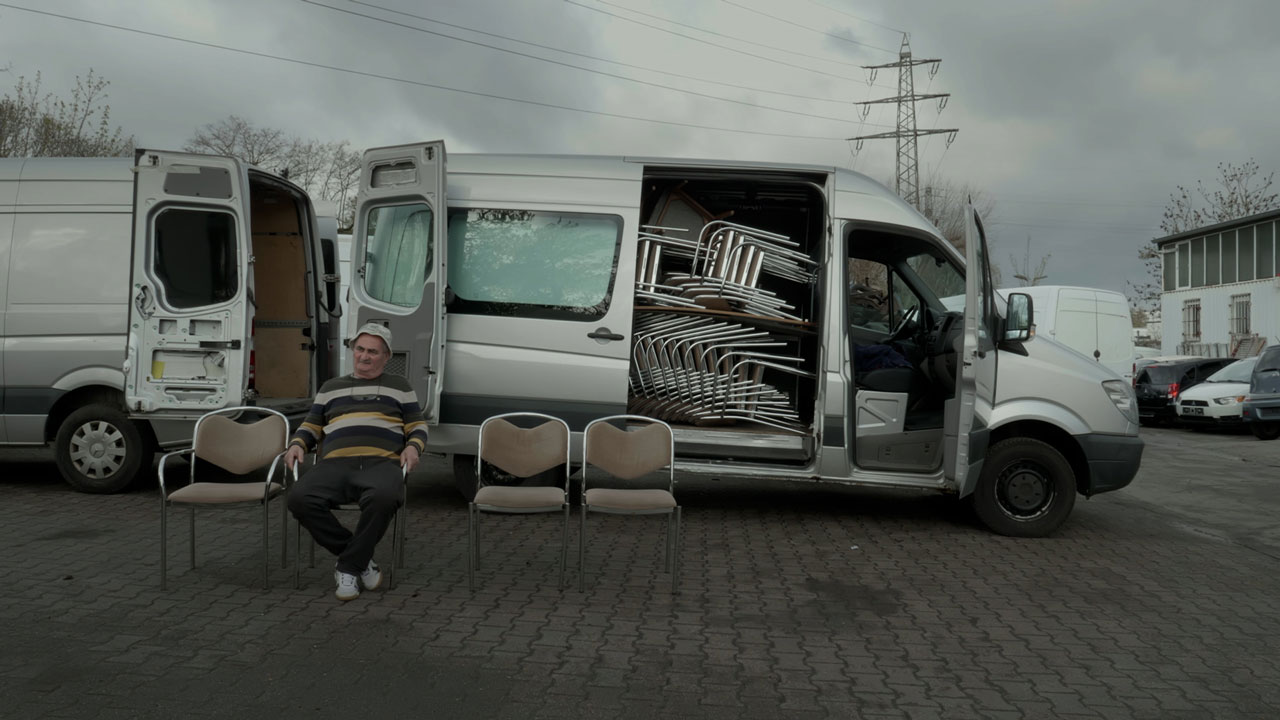
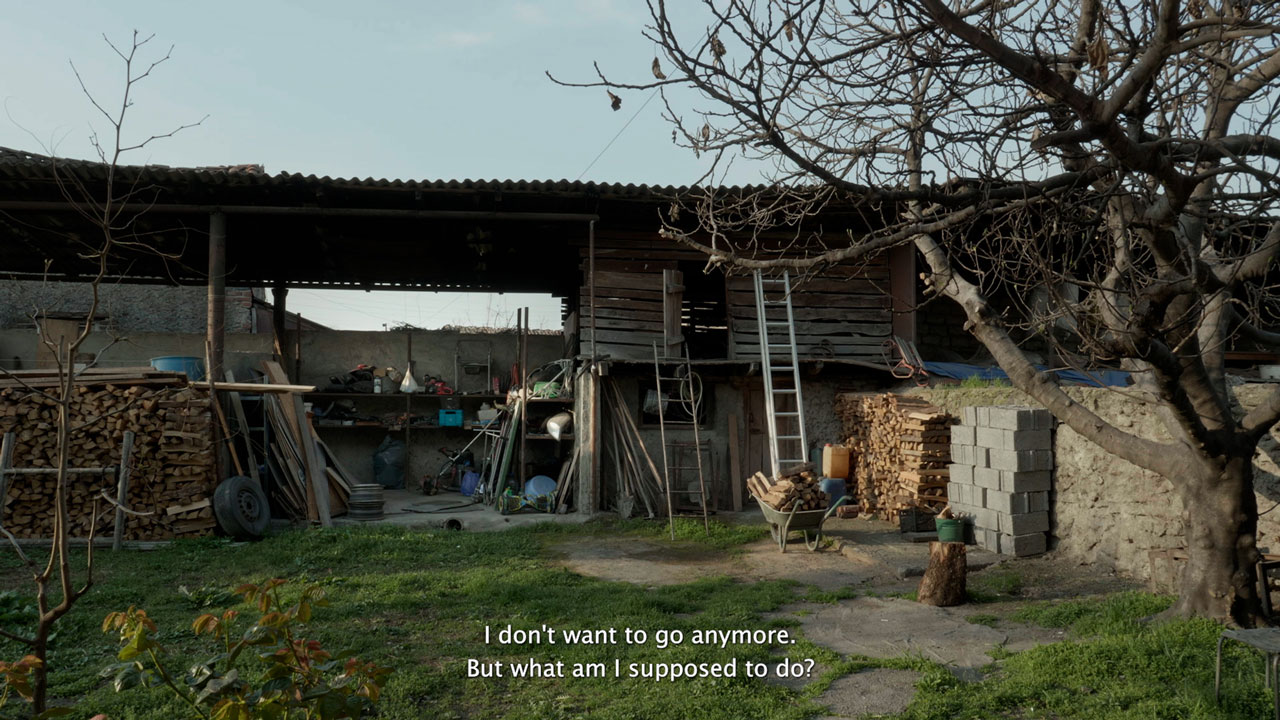
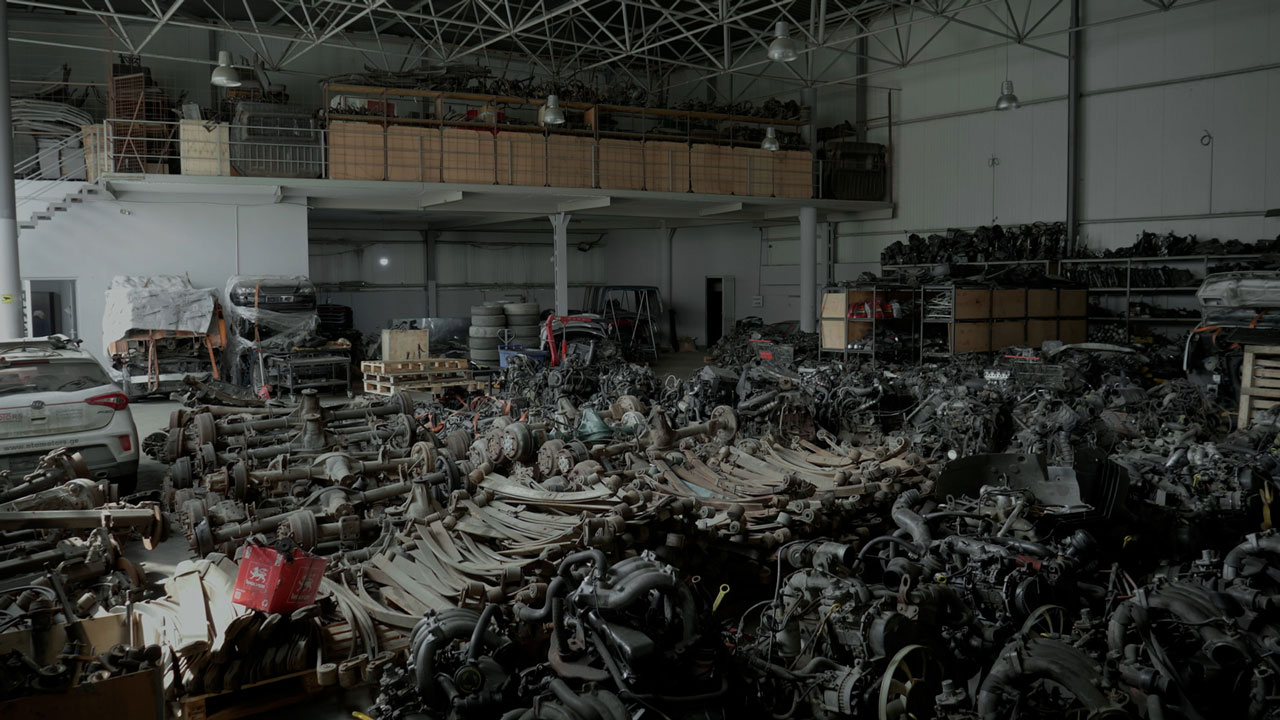
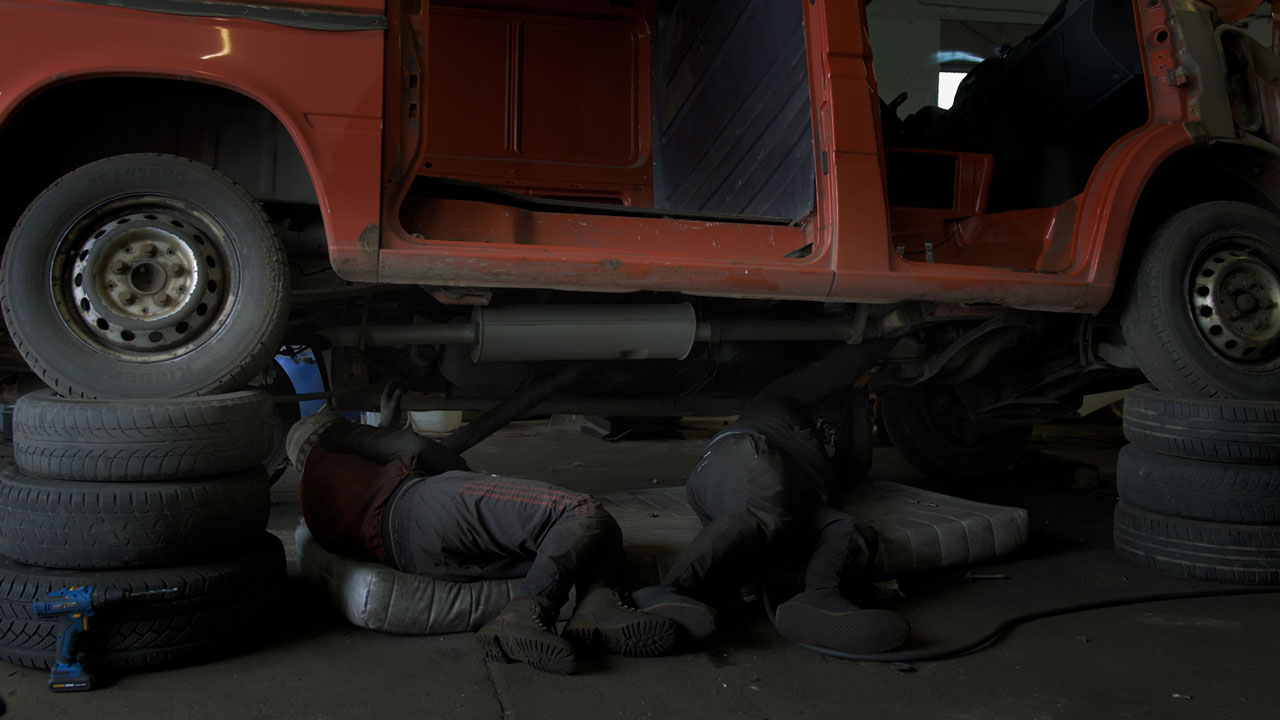
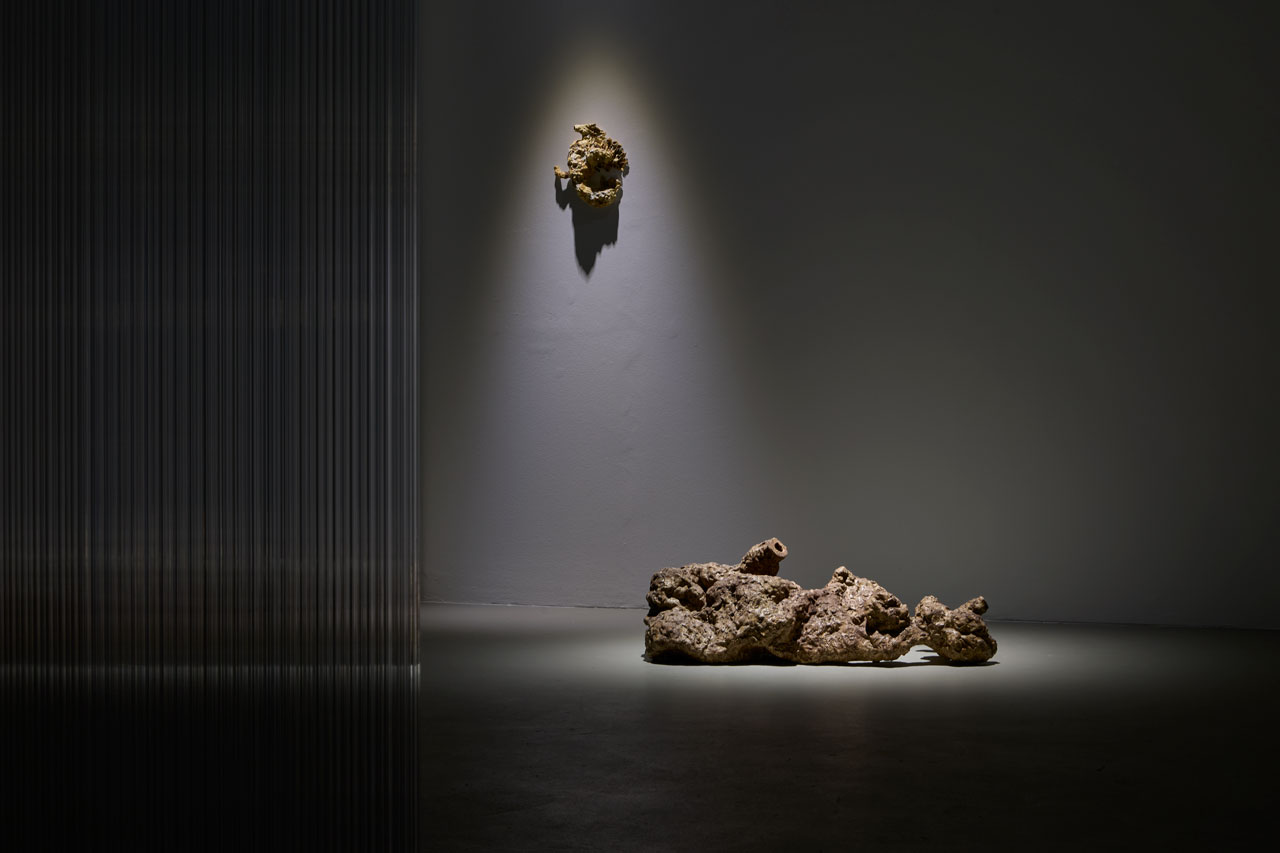
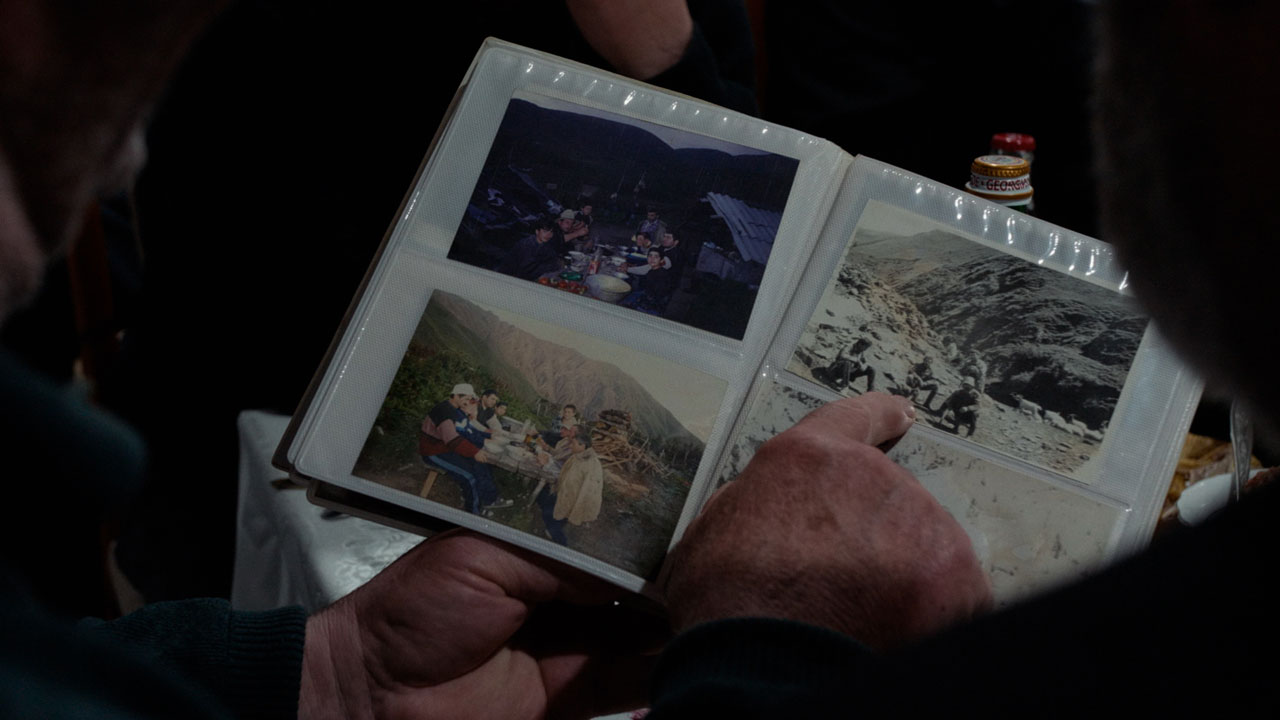
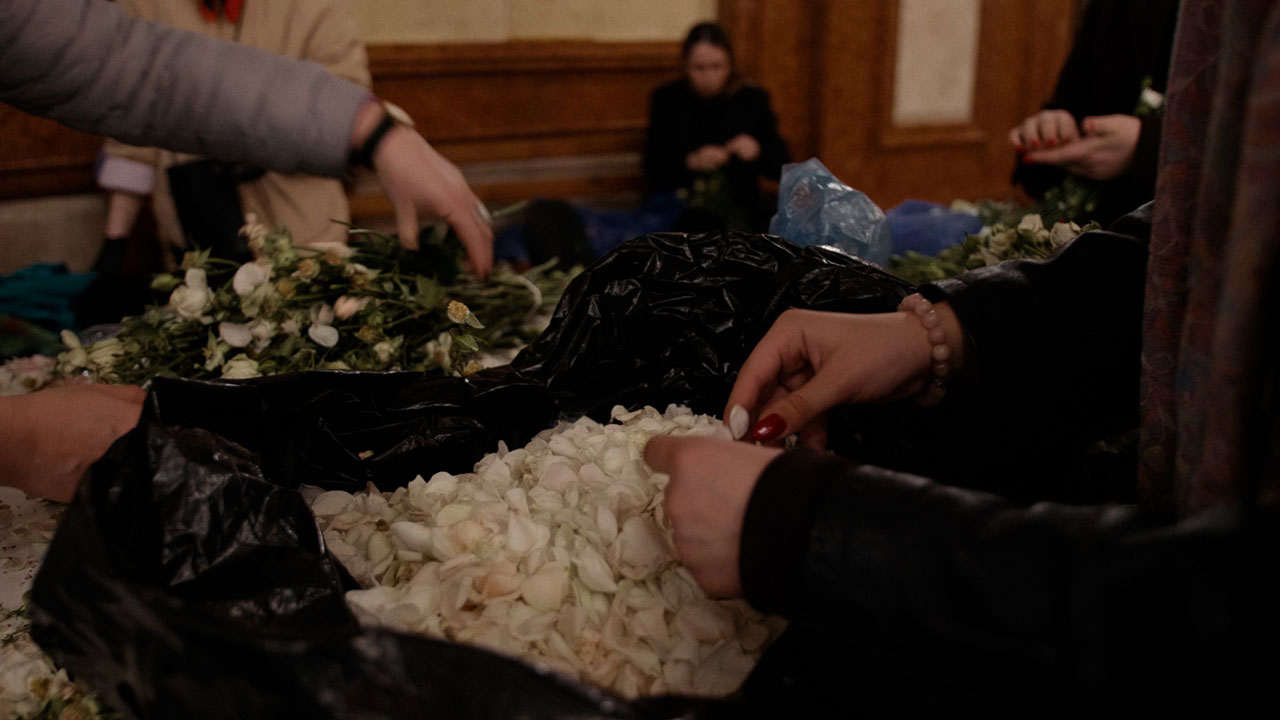
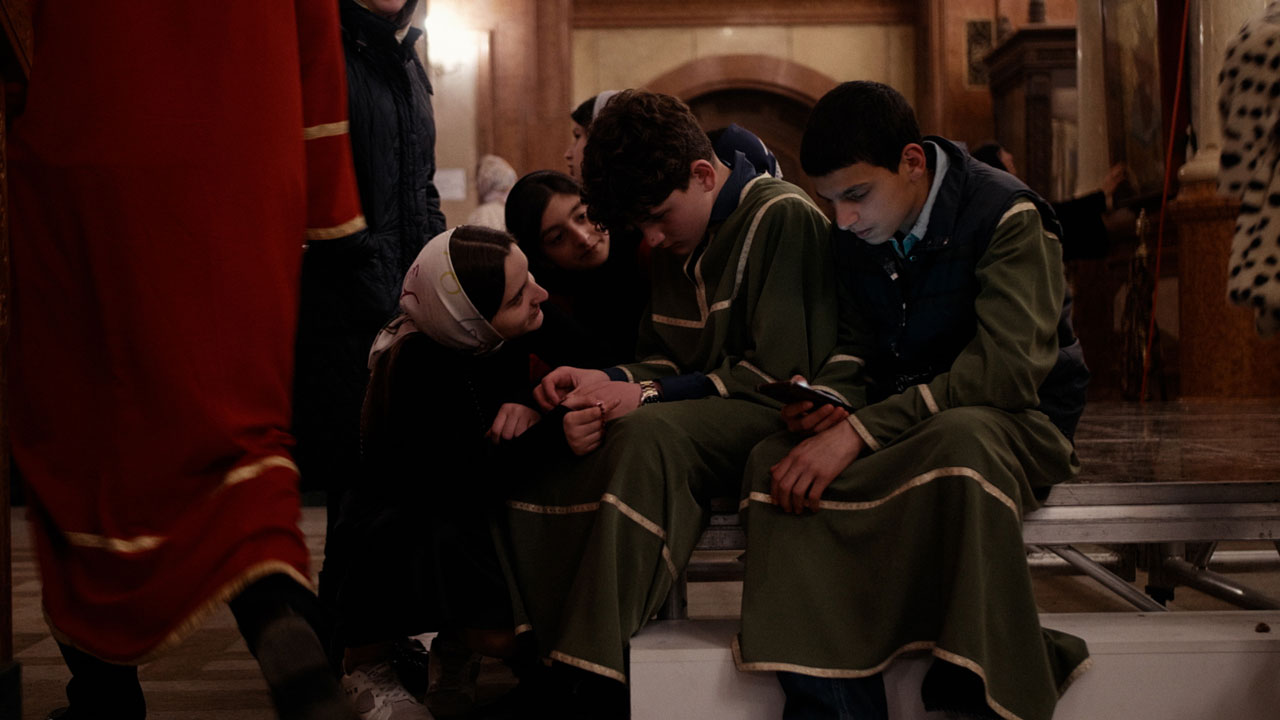
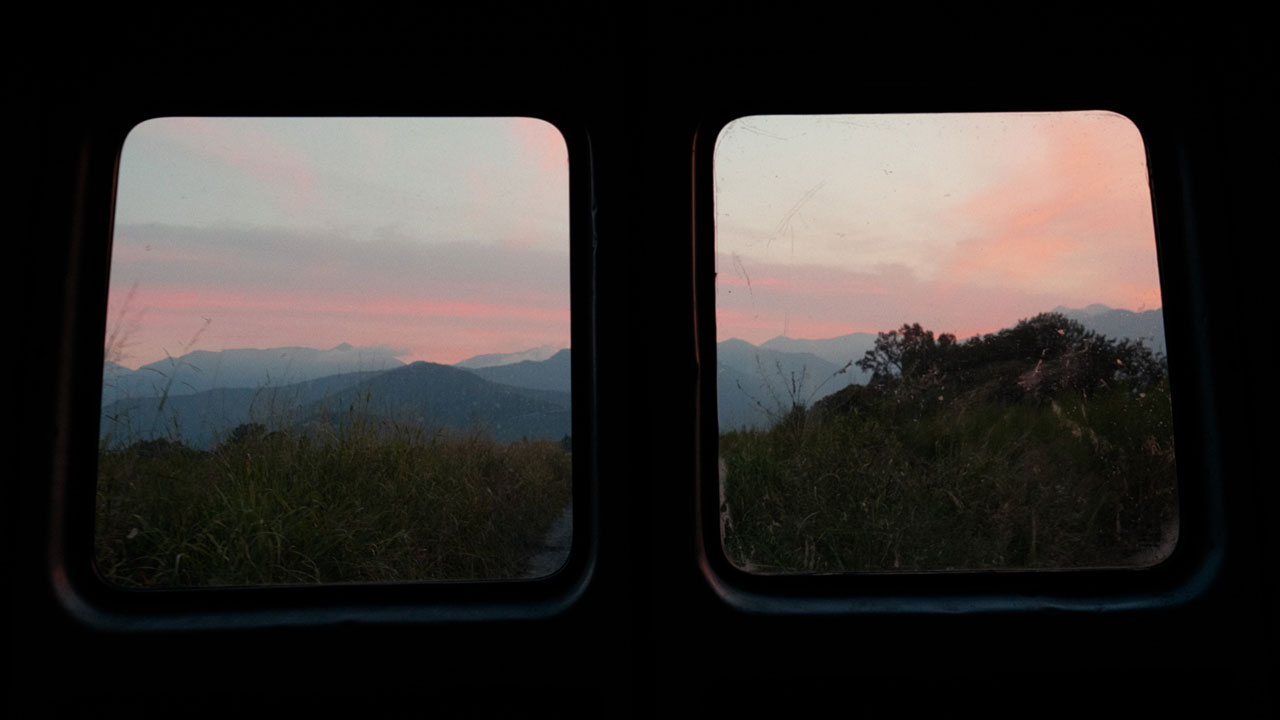
At the center of the exhibition is the premiere of “Passing the Glass” (2026), a new two-channel video installation presented alongside two earlier films, “In Katernberg” (2022) and “Made in Europe” (2023). These moving-image works are interwoven with an ongoing sculptural series that shares the exhibition’s title, “You may not want to be here” (2024). Distributed throughout the gallery space, the sculptures function not as separate objects but as companions to the films, creating a dialogue between bodily presence, memory, and social experience.
Matikashvili’s work is distinguished by its commitment to people who often remain invisible within dominant social and political narratives. Rather than focusing on political institutions or public figures, he turns his camera toward individuals, communities, and places situated on the margins of public attention. His films emerge from prolonged encounters and immersive observation, tracing how larger political and cultural forces manifest in everyday life.
The artist operates as a participant-observer, embedding himself within the environments he documents. His approach is deliberately understated. Using minimal equipment and assuming multiple production roles himself, he reduces the distance between filmmaker and subject, creating an atmosphere of trust and intimacy. This methodology allows conversations, gestures, and silences to unfold organically. The resulting works resist sensationalism; instead, they reveal the complexity of lived experience through careful observation.
What makes these films particularly compelling is their refusal to provide easy conclusions. Matikashvili assembles a plurality of voices, often placing conflicting perspectives side by side. Ambiguity becomes a central condition of viewing. Opinions remain unresolved, contradictions are left exposed, and viewers are asked to confront beliefs that may appear rigid, exclusionary, or difficult to understand. Rather than guiding audiences toward predetermined judgments, the artist creates a space for reflection and critical engagement.
Across his practice, Matikashvili investigates themes of identity, migration, belonging, segregation, racism, traditional social roles, and increasing forms of repression. Yet these subjects rarely appear as abstract political concepts. Instead, they emerge through the stories of ordinary people navigating their daily realities. In this way, the artist demonstrates how questions of power and resistance are woven into the fabric of everyday existence.
The urgency of this approach is amplified by the current political climate. As democratic institutions face growing pressure from authoritarian populism and nationalist movements, Matikashvili’s work offers a counterpoint to increasingly polarized public discourse. Rather than reproducing simplified narratives or ideological certainties, his films insist on complexity, empathy, and attentive listening. They remind viewers that social realities are composed of individual lives and experiences that cannot be reduced to slogans or political abstractions.
A notable shift has occurred in Matikashvili’s recent work. For many years, the people appearing in his films were strangers whose lives he encountered through chance meetings and extended observation. More recently, however, the artist has begun focusing on members of his own family and their social environment. This turn inward coincides with an exploration of his homeland, Georgia, a country currently experiencing profound political, economic, and cultural uncertainty.
Situated between aspirations toward European integration and the increasingly authoritarian tendencies of a pro-Russian government, Georgia has become a site of contested futures. In responding to this situation, Matikashvili combines autobiographical filmmaking with sociological inquiry. Personal histories become inseparable from broader political developments, allowing intimate family narratives to illuminate larger questions about national identity, collective memory, and social transformation.
This intersection of the personal and the political represents one of the most significant developments in the artist’s practice. By placing his own social world under examination, Matikashvili deepens his investigation into how individuals navigate periods of uncertainty and change.
The exhibition’s sculptural component extends these concerns into material form. The series “You may not want to be here” consists of objects made from ceramic, porcelain, wax, metal, and found natural materials, often covered with layers of earth, dust, or metallic coatings. While visually distinct from the films, the sculptures operate according to a similar logic of proximity and distance.
Their origin lies in an unexpected source: the artist’s own thyroid gland. This small organ, responsible for regulating metabolism, energy, and vital bodily functions, serves as the conceptual starting point for a broader exploration of the body, vulnerability, mortality, and transformation. Through successive iterations, the original anatomical reference gradually dissolves. The resulting forms mutate, expand, and become increasingly unfamiliar.
These sculptures occupy a space between attraction and repulsion. Their tactile surfaces and organic shapes invite close inspection, while their strange growths and unsettling morphologies provoke discomfort. The viewer is drawn in and pushed away simultaneously. This tension mirrors the dynamic found throughout Matikashvili’s films, where intimacy often coexists with uncertainty and where understanding remains incomplete.
”You may not want to be here” is an exhibition about the difficulty—and necessity—of remaining open to complexity. Whether through documentary encounters or sculptural transformations, Matikashvili challenges viewers to inhabit spaces of ambiguity rather than seeking immediate resolution.
His works neither reassure nor condemn. Instead, they bear witness. They ask what it means to live together amid political fragmentation, social inequality, and competing visions of the future. In doing so, they reaffirm the value of attention itself: attention to overlooked lives, uncomfortable realities, and the fragile connections that continue to bind societies together.
At a moment when public discourse is increasingly dominated by certainty, simplification, and ideological division, Matikashvili’s exhibition offers something both rarer and more necessary—a sustained engagement with the complexity of being human.
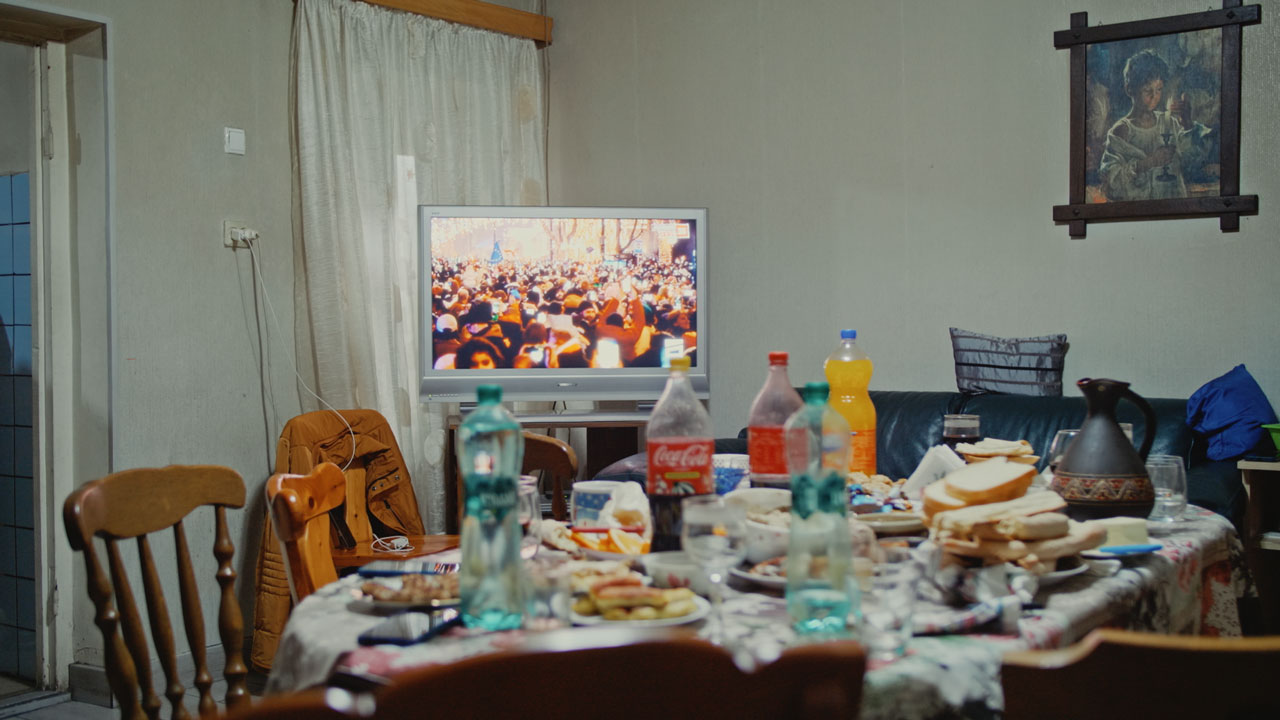
Photo: Zauri Matikashvili, Passing the Glass (Still), 2026, two-channel video installation, full HD, Sound, 27:17 min, Courtesy the artist
Info: Curator: Merle Radtke, Curatorial Assistant: Heiko Lietz, Kunsthalle Münster, Hafenweg 28, 5th floor, Münster, Germany, Duration: 13/6-13/9/2026, Days & Hours: Tue-Sun 12:00-18:00, www.kunsthallemuenster.de/