
ART CITIES:Madrid-Felix Gonzalez Torres
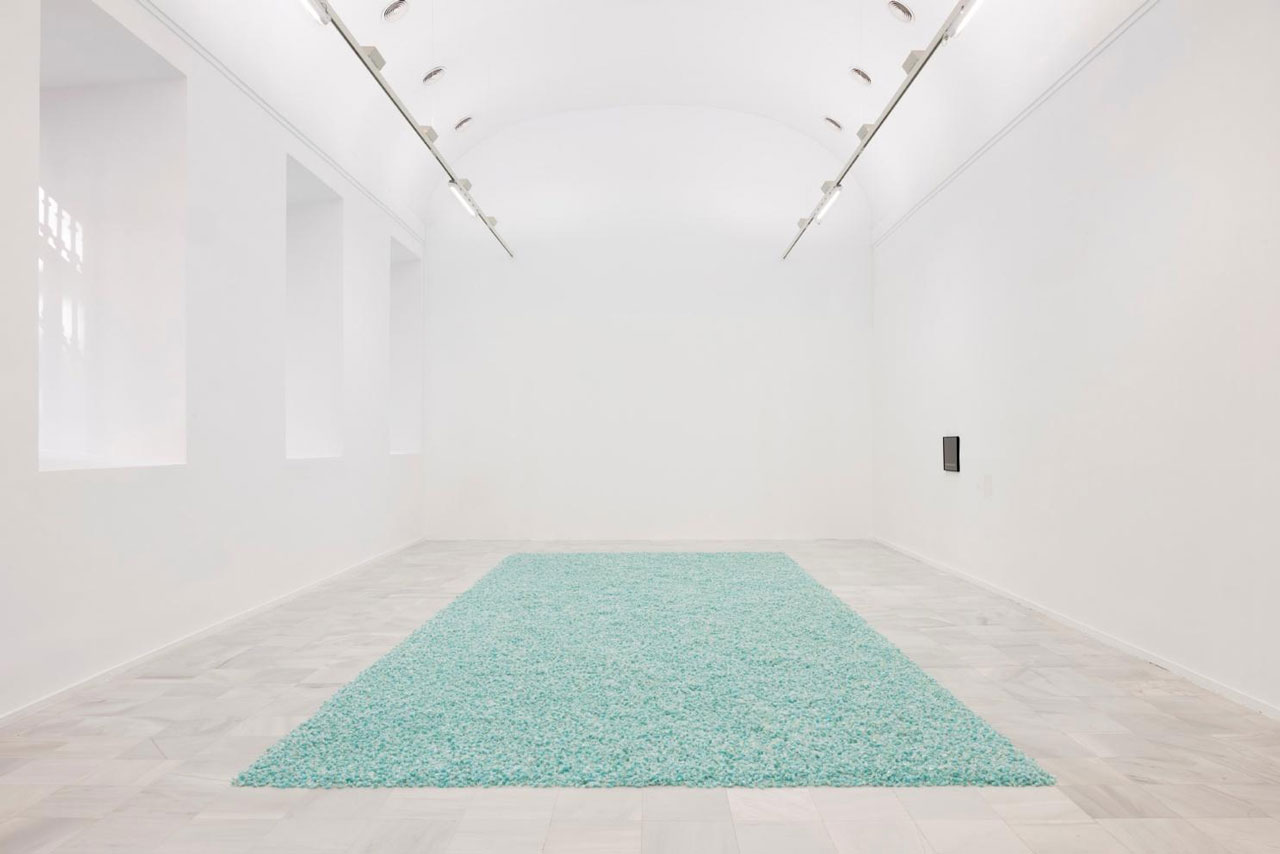
![Felix Gonzalez-Torres. “Untitled” (Revenge), 1991 Blue candies in clear wrappers, endless supply. Overall dimensions vary with installation. Ideal weight: 325 lb. Installation view: El Jardín Salvaje [The Savage Garden]. La Fundación Caja de Pensiones, Madrid. 22 enero – 10 marzo de 1991. Cur. Dan Cameron. Photographer: Javier Campano © Estate Felix Gonzalez-Torres, cortesía de Felix Gonzalez-Torres Foundation](http://www.dreamideamachine.com/web/wp-content/uploads/2026/06/00-15.jpg)
The work of Felix Gonzalez-Torres was conceived in a particular moment in time and space—namely the United States of the mid-80s to the mid-90s. Through the presentation of his work anew, a political, societal, and emotional landscape is evoked and interpreted in response to the present. The uncanny resonance of that time with our current cultural moment as well as the profound ongoing influence of Gonzalez-Torres’s work on current generations of artists is undeniable.
By Efi Michalarou
Photo: Museo Reina Sofía Archive
“Felix Gonzalez-Torres: Sweet Revenge” marks the first major exhibition in Madrid dedicated to the celebrated artist Felix Gonzalez-Torres. Taking its title from the notion of “sweet revenge,” the exhibition explores how Gonzalez-Torres employed beauty as a powerful form of resistance, creating works that move between celebration and critique, intimacy and politics, vulnerability and defiance.
The exhibition revisits the social, political, and cultural context that shaped the artist’s practice while reconsidering it through a contemporary lens. The parallels between the late twentieth century and today’s world are striking, particularly regarding questions of identity, migration, public discourse, and political power. More than three decades after his most influential works were created, Gonzalez-Torres continues to inspire new generations of artists and audiences.
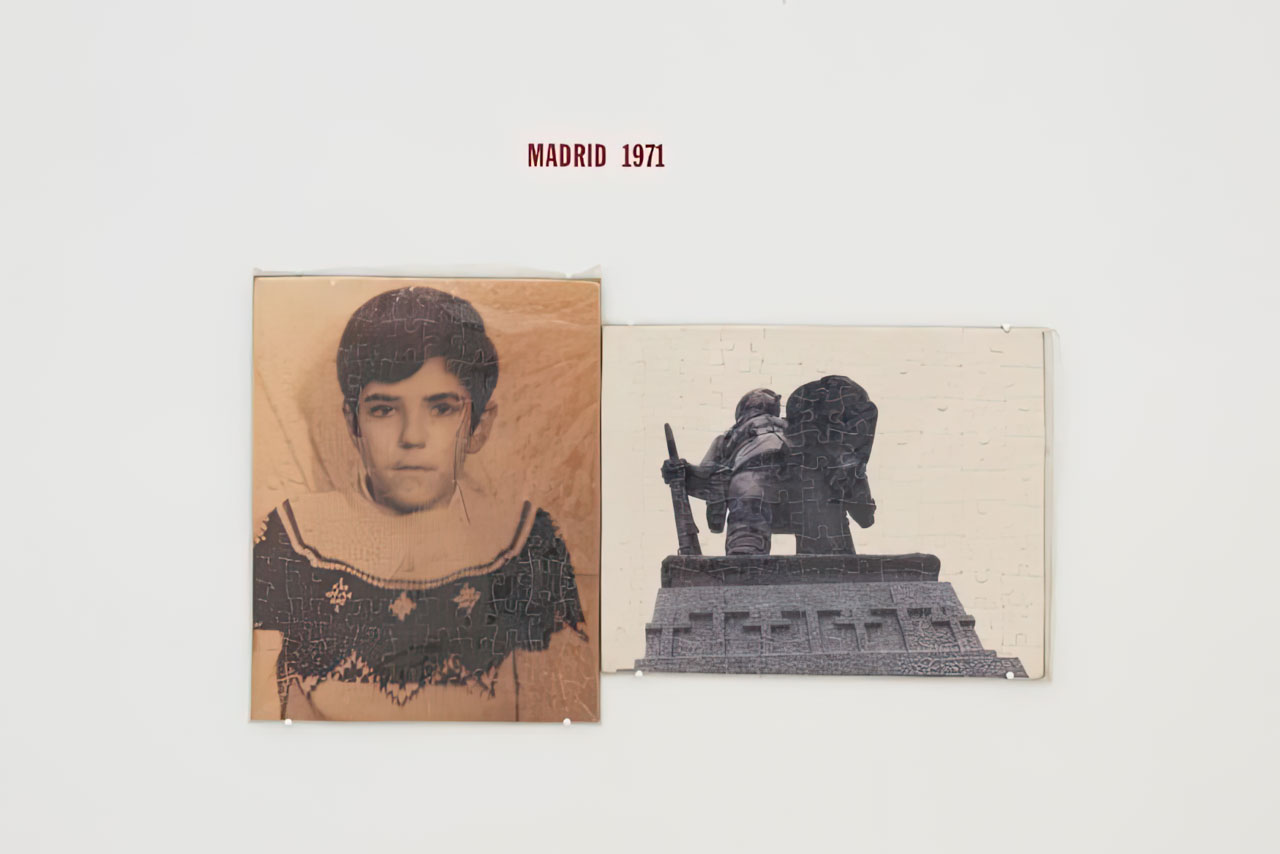
Madrid occupies a significant place in the artist’s personal history. In 1971, as a child, Gonzalez-Torres was sent from Cuba to Spain through a relocation program designed to separate children from the Cuban regime. After a brief stay in Spain, he moved to Puerto Rico and later settled in New York, where he spent most of his adult life. He did not return to Madrid until 1991, when he participated in a group exhibition. Reflecting on that return, he famously described it as “sweet revenge,” a phrase that now serves as the conceptual foundation of this exhibition.
According to the curators, the exhibition investigates the productive tensions that characterize Gonzalez-Torres’s work. Difference, contradiction, and paradox are not incidental elements in his practice but essential strategies through which meaning emerges. His works often attract viewers through their elegance and simplicity while simultaneously provoking critical reflection. They offer openness and generosity, yet they also withhold certainty and demand active participation.
This duality is especially evident in his iconic candy spills and paper stacks, from which visitors are invited to take pieces that can later be replenished. Similar principles of transformation and participation appear in his light installations, textual portraits, and billboards. Rather than presenting fixed meanings, these works evolve according to their context, requiring viewers, curators, and collectors to contribute to their ongoing interpretation.
Installed across ten galleries on the first floor of the Sabatini Building, the exhibition features more than fifty works. The architectural design encourages visitors to engage directly with the artworks, reinforcing the artist’s belief that meaning is created through interaction.
The exhibition opens with “Untitled (Revenge)” (1991), a sculpture consisting of blue candies wrapped in transparent paper. Originally presented during Gonzalez-Torres’s return to Spain in 1991, the work serves as the exhibition’s central motif. Through its invitation to take and consume the candies, the sculpture introduces key themes of participation, generosity, and transformation.
The second gallery presents a more personal perspective on the artist’s life. Works such as “Untitled” (1989), often interpreted as a self-portrait, reveal his interest in identity and memory. Early pieces connected to his experiences in Madrid, including “Untitled (Madrid 1971)” (1988), reflect on displacement and exile. The paper stack “Untitled (Passport)” (1991) further addresses themes of migration, travel, and forced relocation. Together, these works challenge conventional approaches to biography and historical narrative, emphasizing the fragmented and constructed nature of identity.
Political concerns become more prominent in the third gallery. Here, Gonzalez-Torres examines the relationship between private experience and public life. A key example is “Untitled (Public Opinion)” (1991), which reflects on the fragile and often contested nature of collective beliefs. The work remains highly relevant today, when social media platforms, algorithms, and misinformation increasingly shape public perception. Gonzalez-Torres viewed public opinion not as a fixed reality but as a temporary and often unstable agreement among diverse perspectives.
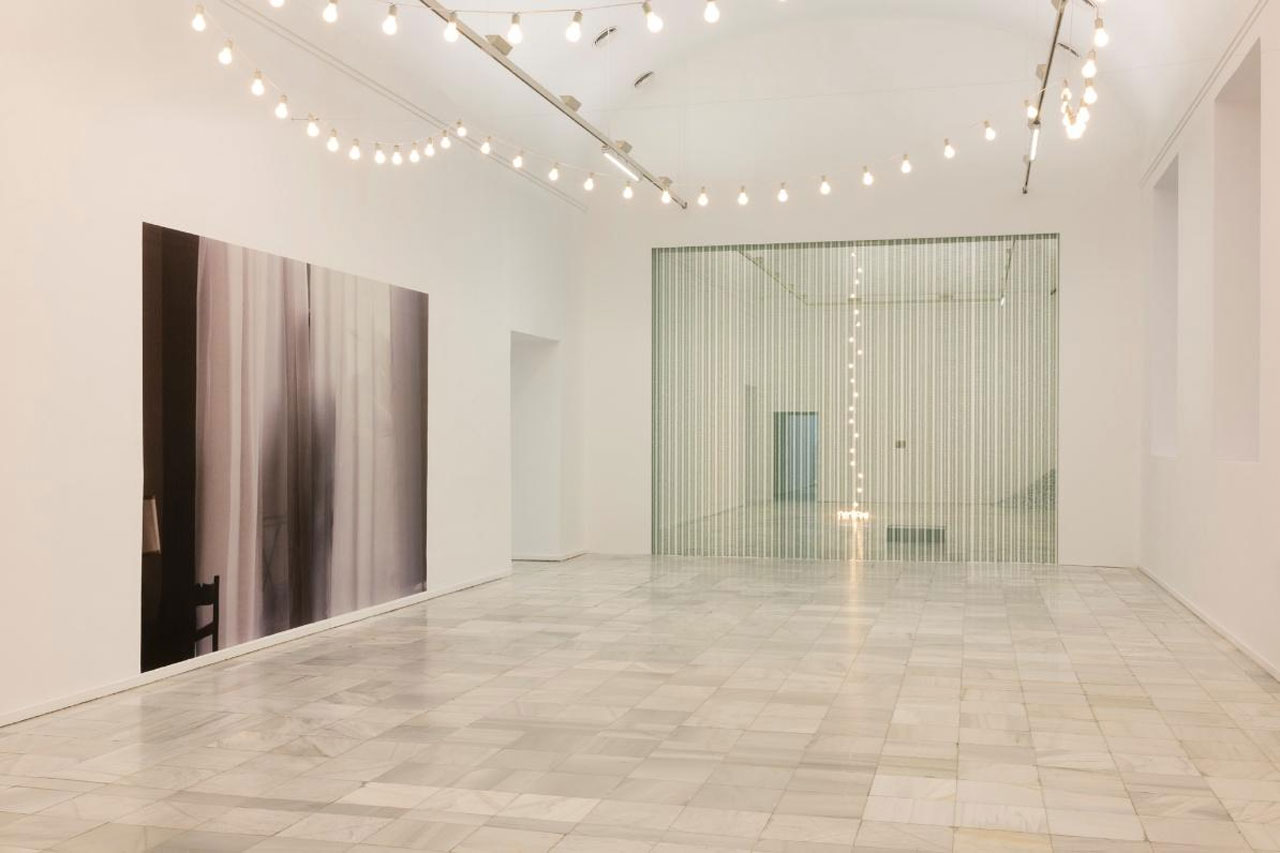
The fourth gallery focuses on movement, circulation, and travel. Works such as “Untitled (North)” (1993), a twelve-part light installation, and “Untitled (Portrait of Austrian Airlines)” (1993) explore geographical and psychological forms of displacement. For this exhibition, the latter work has been updated to include references to contemporary sites of conflict and major moments in global technological history. Throughout his career, Gonzalez-Torres was fascinated by mobility—both literal and symbolic. His art circulates through space, audiences, and time, much like the ideas it communicates.
Love occupies a central position in the fifth gallery. Many of the works here explore themes of intimacy, desire, and queer identity through paired forms, including mirrors, graves, and dancing figures. These subtle visual relationships evoke affection, companionship, and erotic connection while also acknowledging vulnerability and loss. The death of the artist’s partner, Ross Laycock, from AIDS profoundly shaped Gonzalez-Torres’s work. Rather than separating personal grief from artistic practice, he transformed mourning into a public act, creating works that commemorate both love and loss.
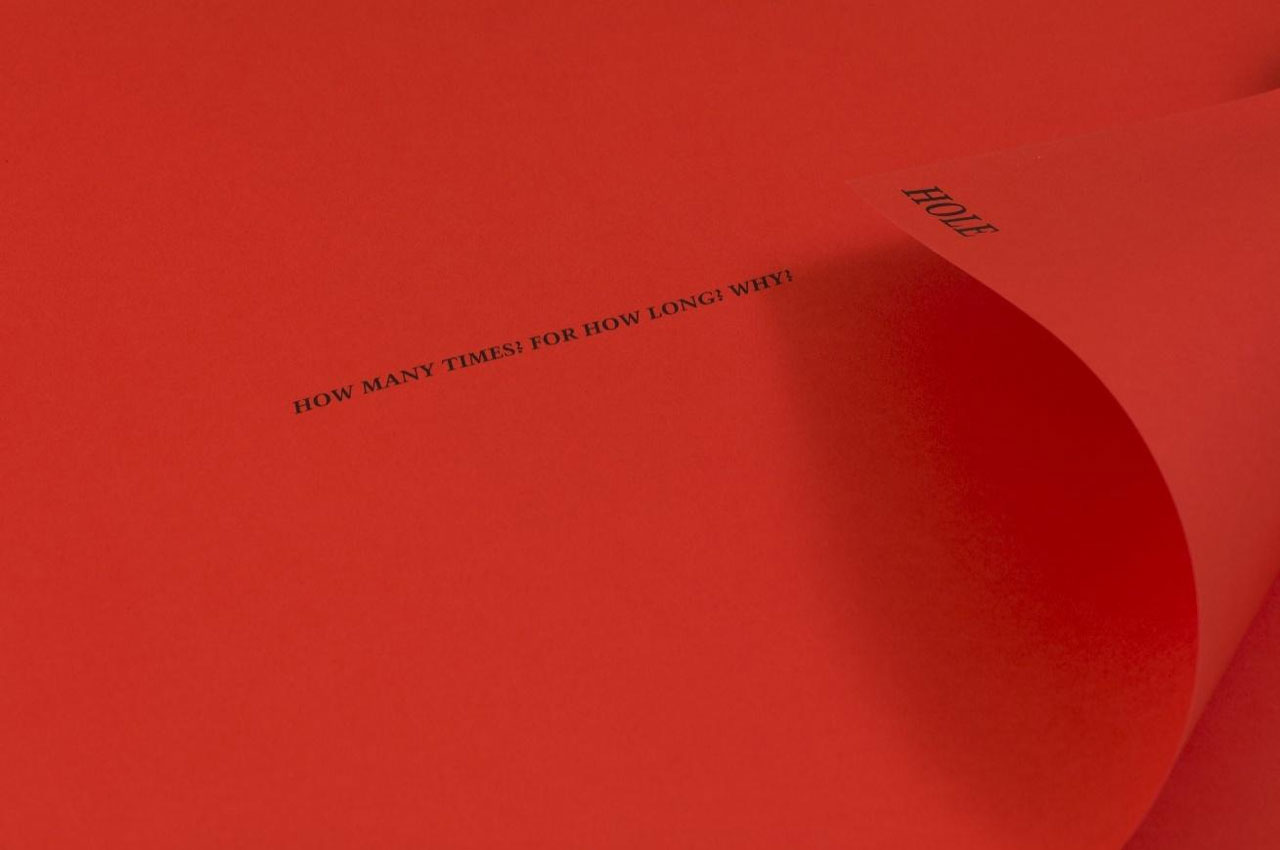
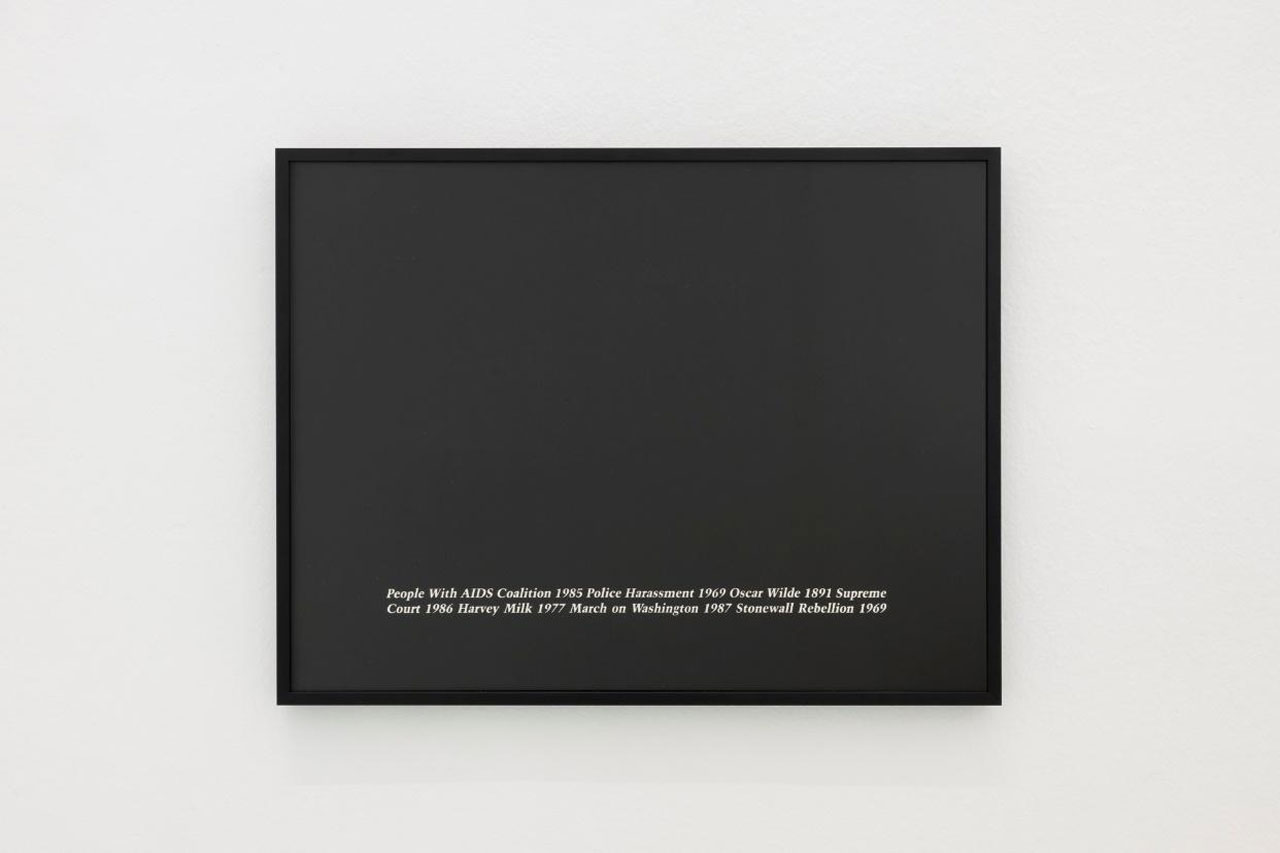
The sixth gallery further demonstrates the inseparability of the personal and the political in Gonzalez-Torres’s art. His works move fluidly between individual experiences and broader historical narratives, emphasizing their interconnectedness. In a world increasingly marked by surveillance, political control, and restrictions on personal freedoms, these concerns remain highly relevant. Works such as “Untitled” (1990), a stack of red paper bearing names associated with political power and repression, illustrate how history continually resurfaces and reshapes the present.
Abstraction becomes the focus of the seventh gallery. Although the human body is central to Gonzalez-Torres’s work, it is rarely represented directly. Instead, he employs diagrams, textual portraits, and symbolic forms to suggest physical presence and vulnerability. Works such as “Untitled (Chemo)” (1991), a curtain made of hanging beads, evoke medical treatment, illness, and bodily transition. At the same time, these installations function metaphorically as thresholds, marking passages between different spaces and states of being.
The eighth gallery explores contradiction as a creative strategy. Gonzalez-Torres frequently challenged the conventions he had established within his own practice. Some of his works resist reproduction, while others limit participation despite resembling interactive pieces. A notable example is “Untitled (For Parkett)” (1994), a photographic billboard produced in a limited edition of eighty-four. Unlike his other billboards, which can be endlessly recreated, each edition of this work can only be installed once. Through such gestures, the artist questioned assumptions about permanence, originality, and artistic circulation.
Themes of transition and renewal dominate the ninth gallery. Visitors enter through “Untitled (Beginning)” (1994), a green curtain that functions as a symbolic threshold. The work evokes moments of uncertainty, possibility, and change. Throughout his career, Gonzalez-Torres developed systems that allowed his artworks to continue evolving beyond his lifetime. By establishing protocols for replenishment, depletion, and display, he ensured that future audiences would actively participate in maintaining and reinterpreting his work.
The final gallery focuses on time, memory, and photography. Gonzalez-Torres used photographs, puzzles, paper stacks, and billboards to explore the ways images preserve and transform experience. Everyday forms of photographic practice appear alongside textual works and installations that invite reflection on memory’s fragility. Chairs positioned before a monitor encourage shared viewing, reinforcing the exhibition’s emphasis on collective engagement.
The exhibition concludes with a presentation of archival materials, including exhibition invitations, publications, press releases, and artist statements. These documents reveal the distinctive ways Gonzalez-Torres used language, design, and visual communication. Like his artworks, these materials balance clarity and ambiguity, public declaration and private reflection. Their varied tones—sometimes political and direct, at other times intimate and poetic—echo the complexity that defines his entire artistic practice.
Photo: Felix Gonzalez-Torres. “Untitled” (Revenge), 1991 Blue candies in clear wrappers, endless supply. Overall dimensions vary with installation. Ideal weight: 325 lb. Installation view: El Jardín Salvaje [The Savage Garden]. La Fundación Caja de Pensiones, Madrid. 22 enero – 10 marzo de 1991. Cur. Dan Cameron. Photographer: Javier Campano. © Estate Felix Gonzalez-Torres, cortesía de Felix Gonzalez-Torres Foundation
Info: Curators: Alejandro Cesarco and Nancy Spector, Museo Nacional Centro de Arte Reina Sofía, Sabatini Building, Floor 1, C. de Atocha, Centro, Madrid, Spain, Duration: 27/5-12/10/2026, Days & Hours: Mon-Sat 10:00-21:00, Sun 10:00-14:30, www.museoreinasofia.es/
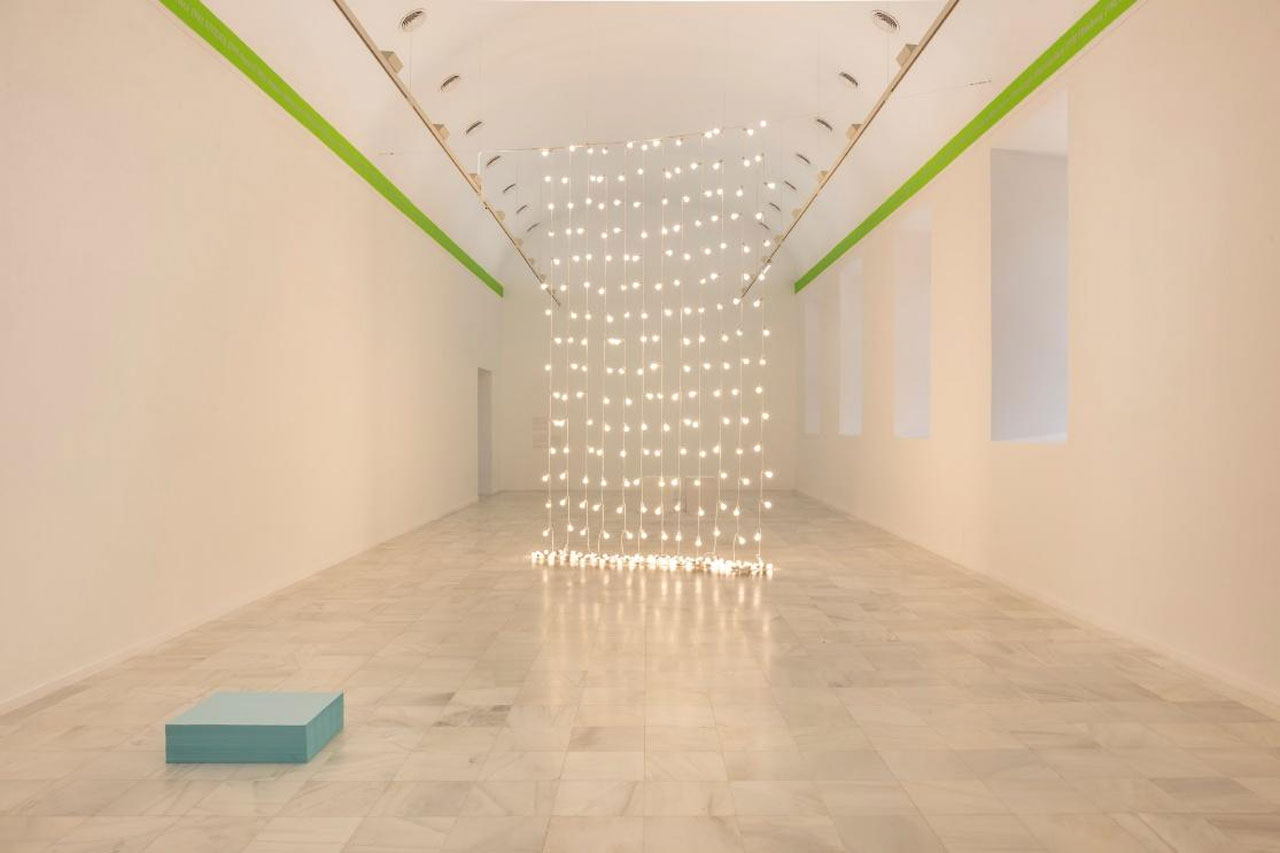
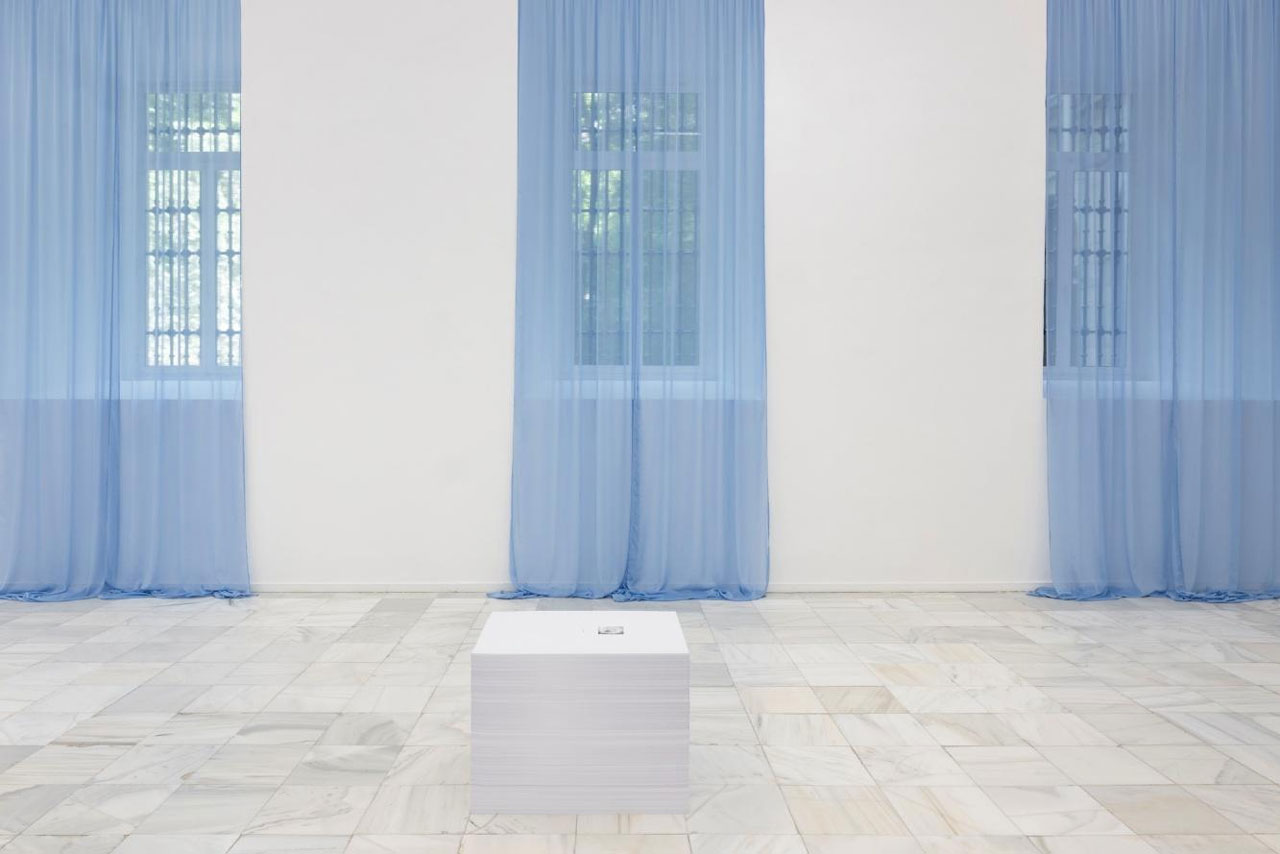
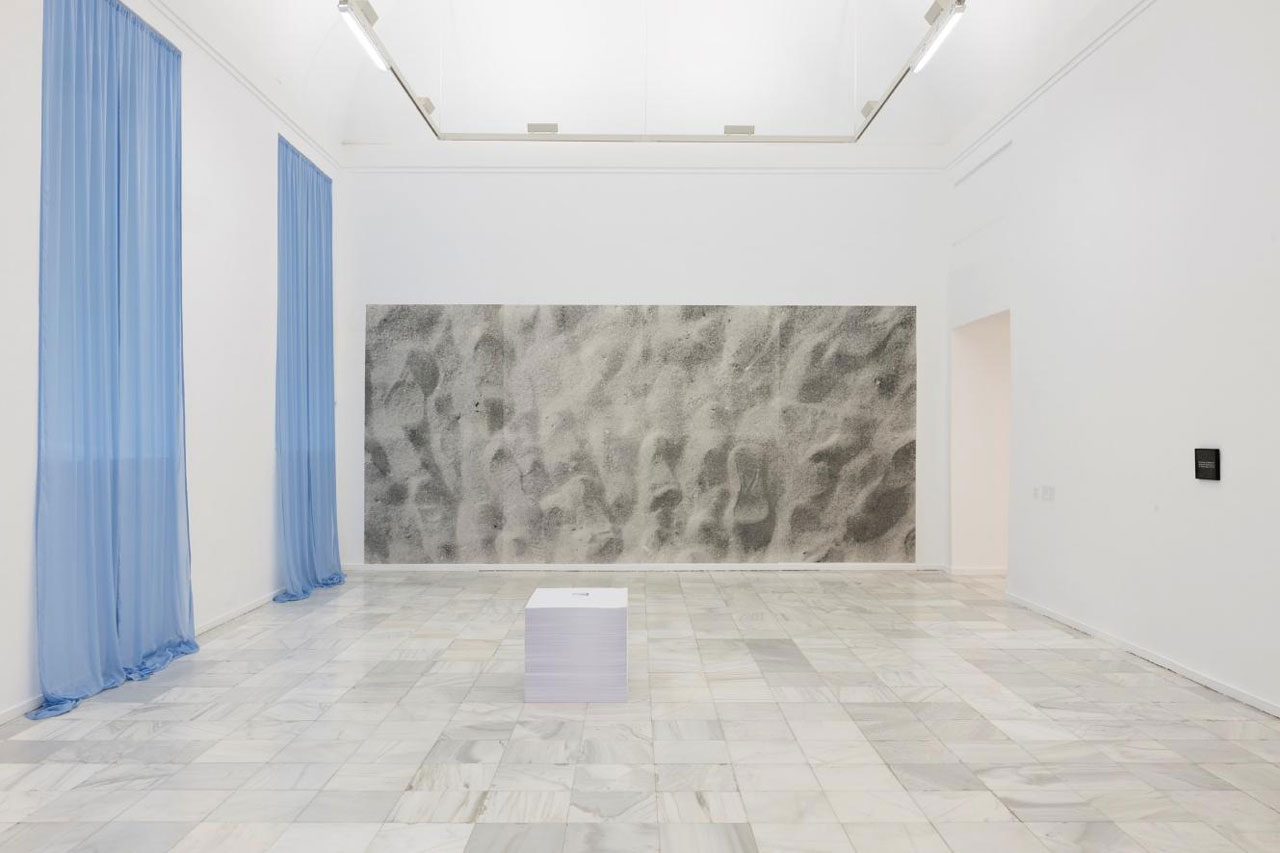
![Felix Gonzalez-Torres. “Untitled” (Passport), 1991. Paper, endless suplly. 10 cm [4”] ideal height. x 60 x 60 cm [23 5/8 x23 5/8”]. Installation view: Felix Gonzalez-Torres: Sweet Revenge. Museo Reina Sofía, Madrid, Spain, May 27 – Oct. 12, 2026. Cur. Alejandro Cesarco and Nancy Spector. Photographer: Roberto Ruiz © Estate Felix Gonzalez-Torres](http://www.dreamideamachine.com/web/wp-content/uploads/2026/06/ewDOSSIER-FGT_SWEET-REVENGE_ENG_page4_image-gigapixel-art-width-1280px.jpg)