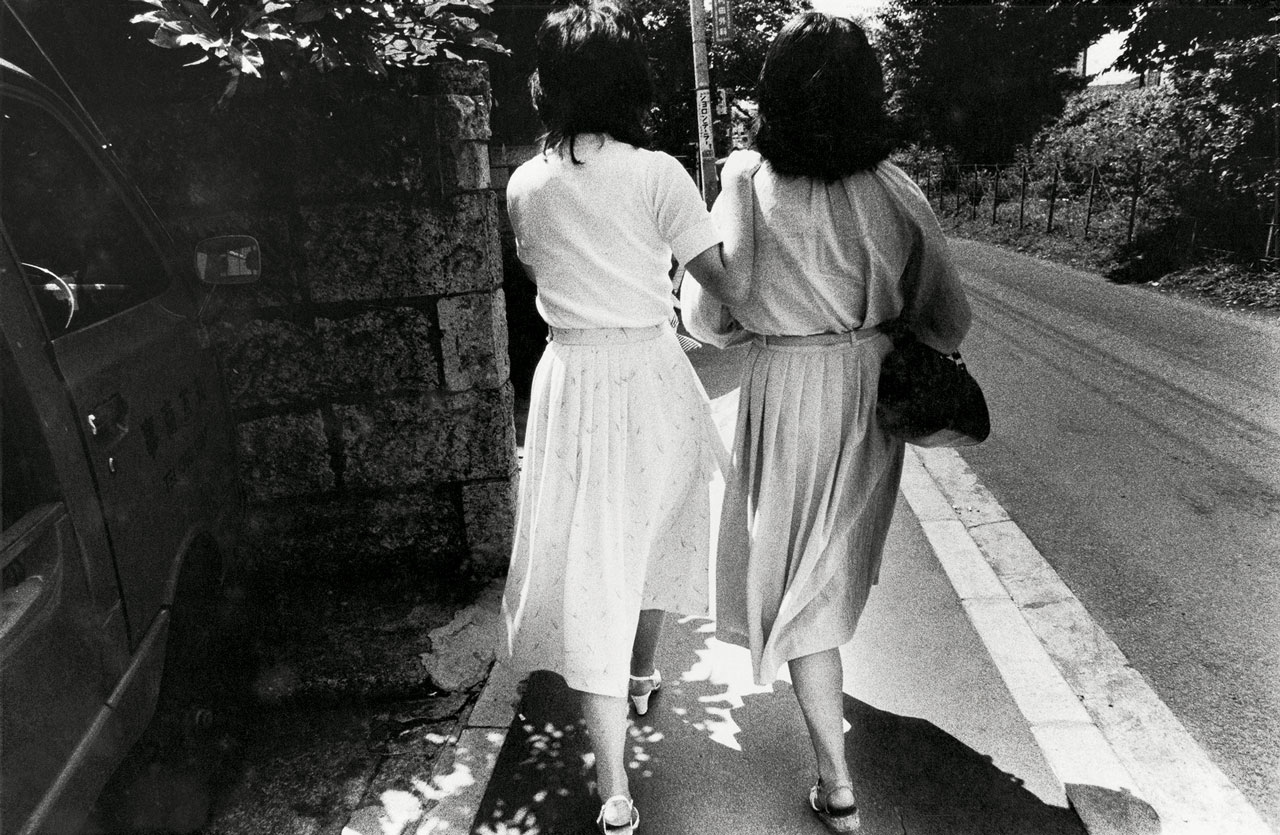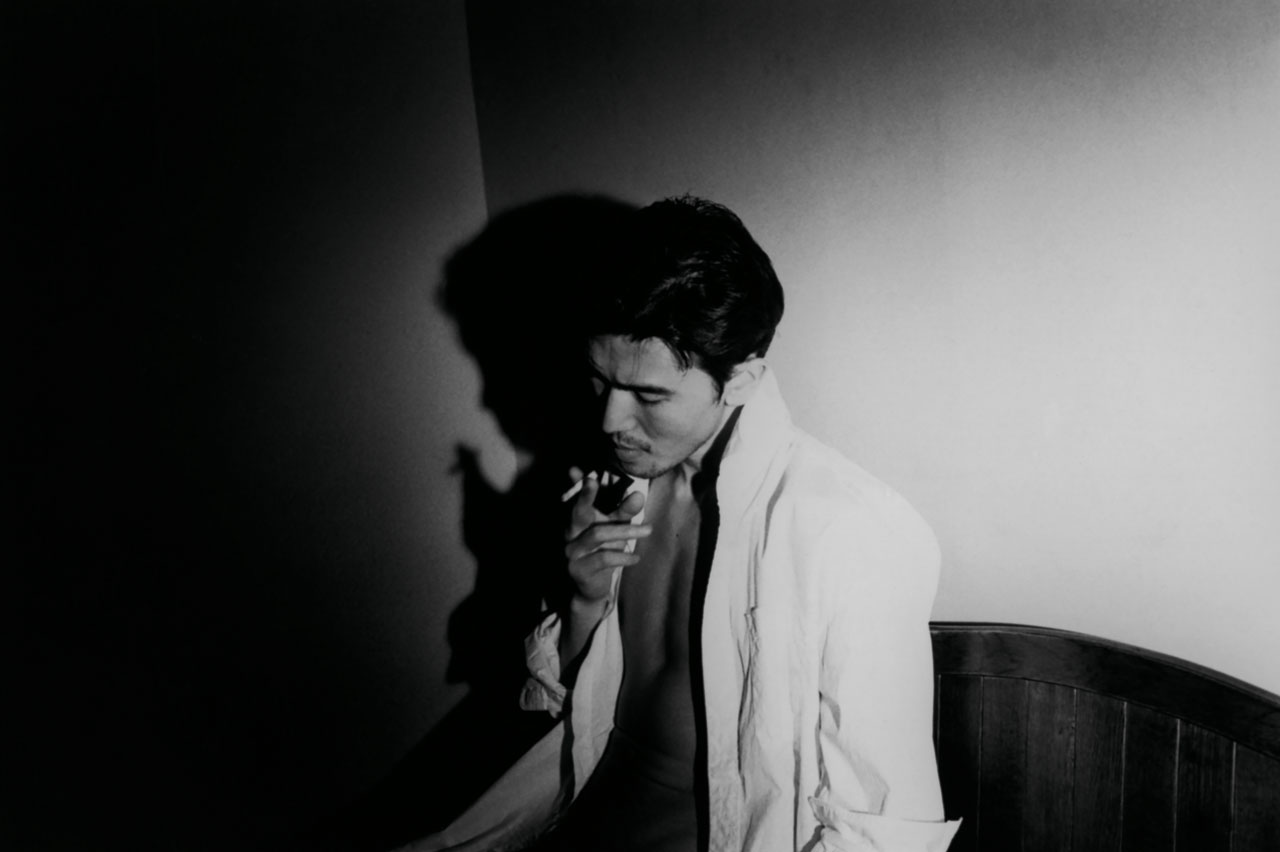
PREVIEW:Japanese Women Photographers-From 1950s to Now
Rewriting the story of Japanese photography through the eyes of women and showcasing the work of 27 groundbreaking artists from the 1950s to today, the exhibition “Japanese Women Photographers: From 1950s to Now” highlights the perspectives that have shaped how Japan sees itself – and how it is seen by the world.
By Dimitris Lempesis
Photo: The Photographers’ Gallery Archive
Spanning themes of gender and identity, pop culture, nature, fashion and music, motherhood and everyday life, “Japanese Women Photographers: From 1950s to Now” brings together internationally renowned Japanese women photographers alongside those who have long been overlooked. The result is a powerful rebalancing of a history too often told through a single, male-dominated lens.
From pioneering figures of the post-war era to some of today’s most daring and experimental voices, the exhibition takes over the whole gallery this summer with more than 200 photographs, videos, installations and rare photobooks. Japanese Women Photographers is a vivid, intimate and expansive portrait of Japan, revealing how women artists have challenged conventions, captured social change and redefined photography across generations.
The exhibition shows how women have long been part of photography – both behind and in front of the camera. These pioneering women ran studios, worked in darkrooms and took their own photographs. From documenting the changing roles of women in post-war Japan to sharing rarely-captured images from the frontlines of student protests, many of the featured photographers were innovators in their field.
In the late 1980s, when equal employment opportunity laws were passed, more Japanese women were able to pursue careers, including in photography. They elevated the everyday by capturing intimate moments of family life, motherhood and relationships. Many of the featured artists challenged traditional conventions of beauty and femininity by expressing their own experiences and perspectives on the world.
The exhibition also celebrates a more experimental and daring approach to photography. By embracing collaborative projects, performance and sculpture, many of these artists reinforce the power of photography to provoke and surprise us. Among them:
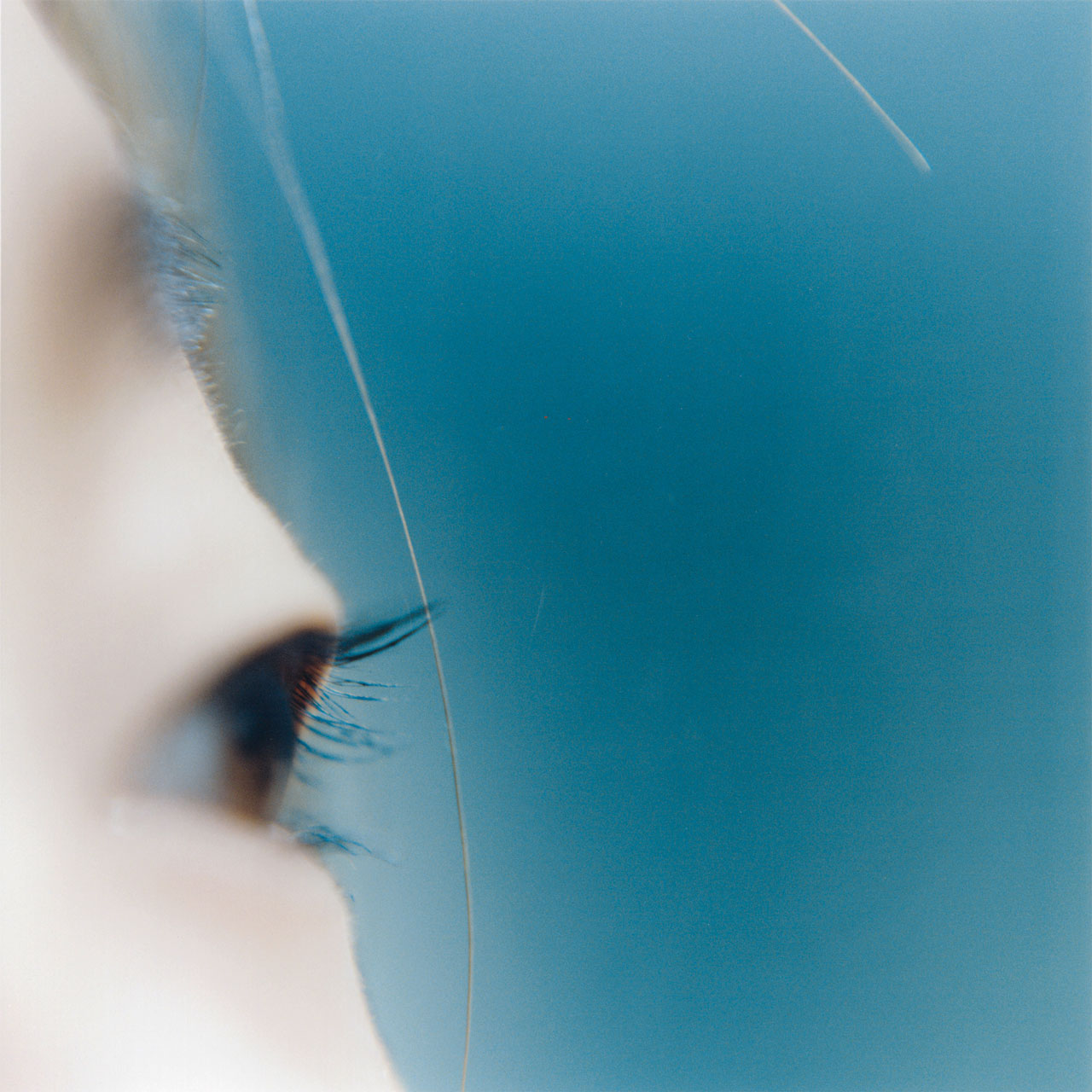
Hara Mikiko graduated from the Faculty of Literature at Keio University, Tokyo, in 1990. She initially worked as an actress in underground theatre groups before becoming a photographer through a series of coincidences: finding her father’s camera, receiving an enlarger from a friend, and learning to print from a photographer. In 1992, she began studying photography at Tokyo College of Photography, first working in black and white, then turning to color before graduating in 1996. Since the mid-1990s, she has been using a medium-format German camera—an Ikonta from the 1930s. This old camera, combined with a 1950s lens and Kodak color film, allowed her to develop her own style, characterized by an unusually delicate, pale palette. Aiming in the general direction of the gestures or details that attract her, she often releases the shutter spontaneously, without pausing to look through the viewfinder. The resulting images—dreamy, slightly out of focus, and off-center—compose what she describes as “an accumulation of fragments of my daily life.” She regards her snapshots as conduits, hoping they will resonate with fragments of other people’s memories.
Ishikawa Mao has spent more than forty years documenting the people, politics and social issues of her native Okinawa, particularly the ongoing debate over the US military presence and the legacy of Japan’s colonization of the islands. After studying briefly under Tōmatsu Shōmei in the early 1970s, she returned to Okinawa and, between 1975 and 1977, worked as a barmaid in establishments serving African American GIs stationed near Camp Hansen, photographing the soldiers’ relationships, nightlife and daily lives. Since then, she has continued to document the US military presence, including violence against women, environmental damage and local responses to these issues. Working from within the communities she photographs, her raw and intimate images foreground the complexities of human relationships, exposing how history and geopolitics are lived through intimacy, power, agency and survival.
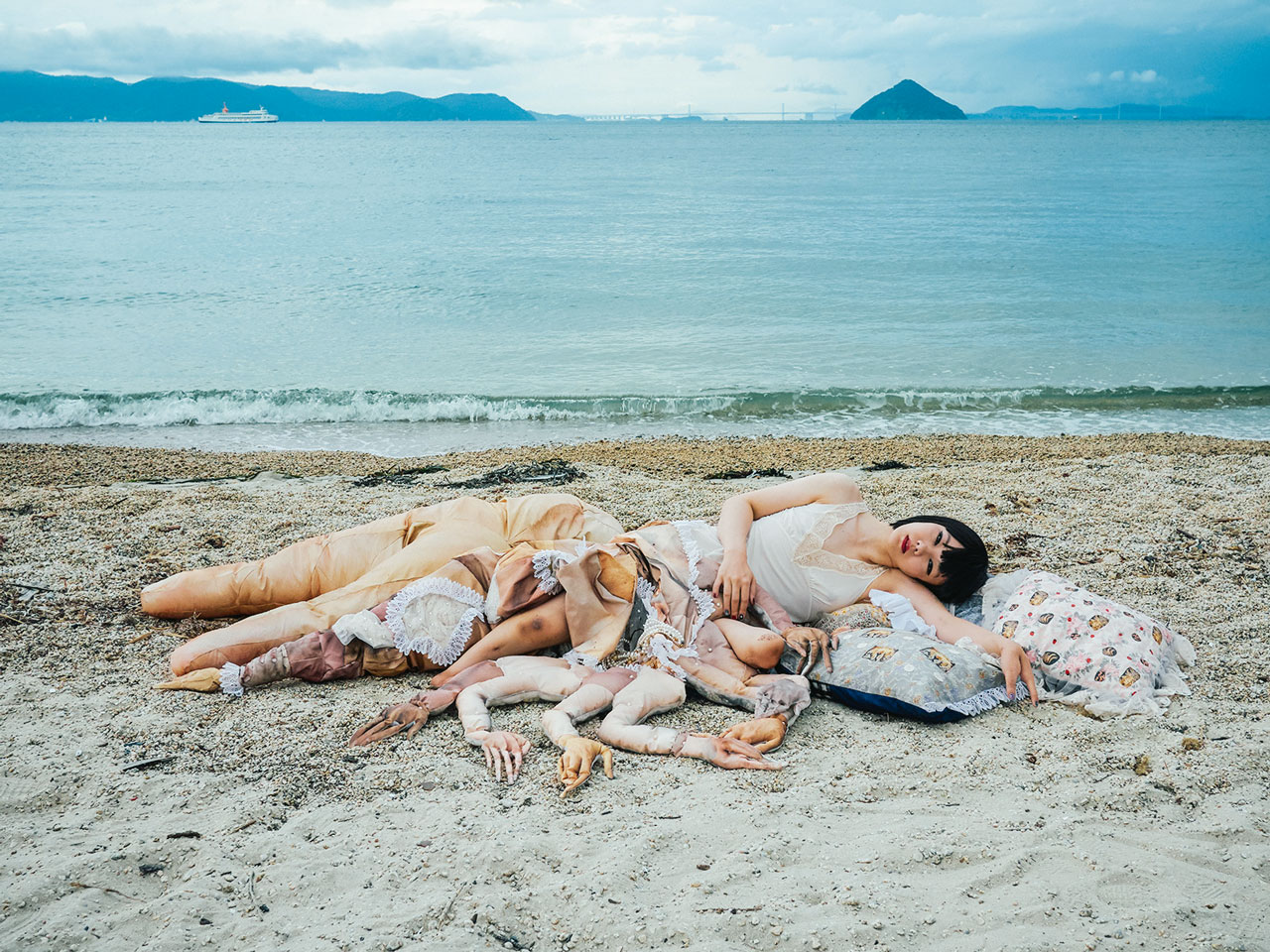
Katayama Mari makes photographic and sculptural installations that question normative ideas of the body, emerging in the 2010s with a highly personal visual language shaped by her lived experience of tibial hemimelia, a condition affecting the development of her lower legs and left hand, and her decision at age nine to have her lower legs amputated. Her practice involves creating hand-sewn and handmade objects, including embellished prostheses, and placing herself within carefully constructed scenes in self-portraits that invite reflection on representation and identity. Her photographic works are exhibited as prints, including large-scale near life-size images and ornate frames decorated with shells and rhinestones.
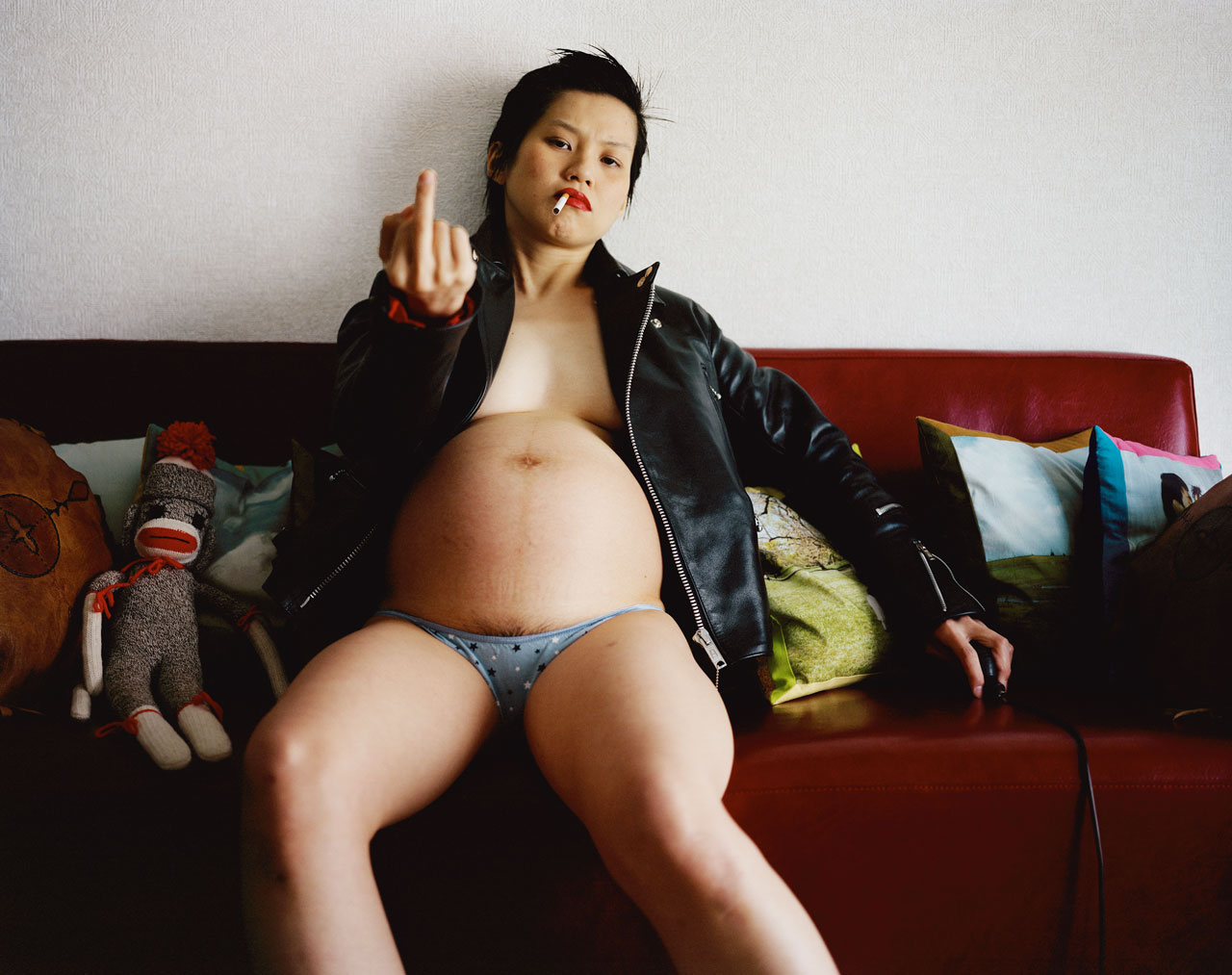
Nagashima Yurie rose to fame with a series of everyday scenes of herself and her family at home nude. The work was intended to confront and parody the soft-core porn images that were trending in Japanese mainstream media. NagashimA has consistently documented her life through photography, capturing her student years, pregnancy, and motherhood. Additionally, she has published novels and essays, and worked collaboratively, performatively, and as a curator. Throughout she has continued to develop her radical artistic language with a particular interest in gender and social-class issues in Japanese society and the Japanese photography world. Today, Nagashima is considered one of Japan’s most critically minded contemporary artists and an ardent activist who questions and pushes boundaries while advocating for deeper thinking, understanding, and inclusion.
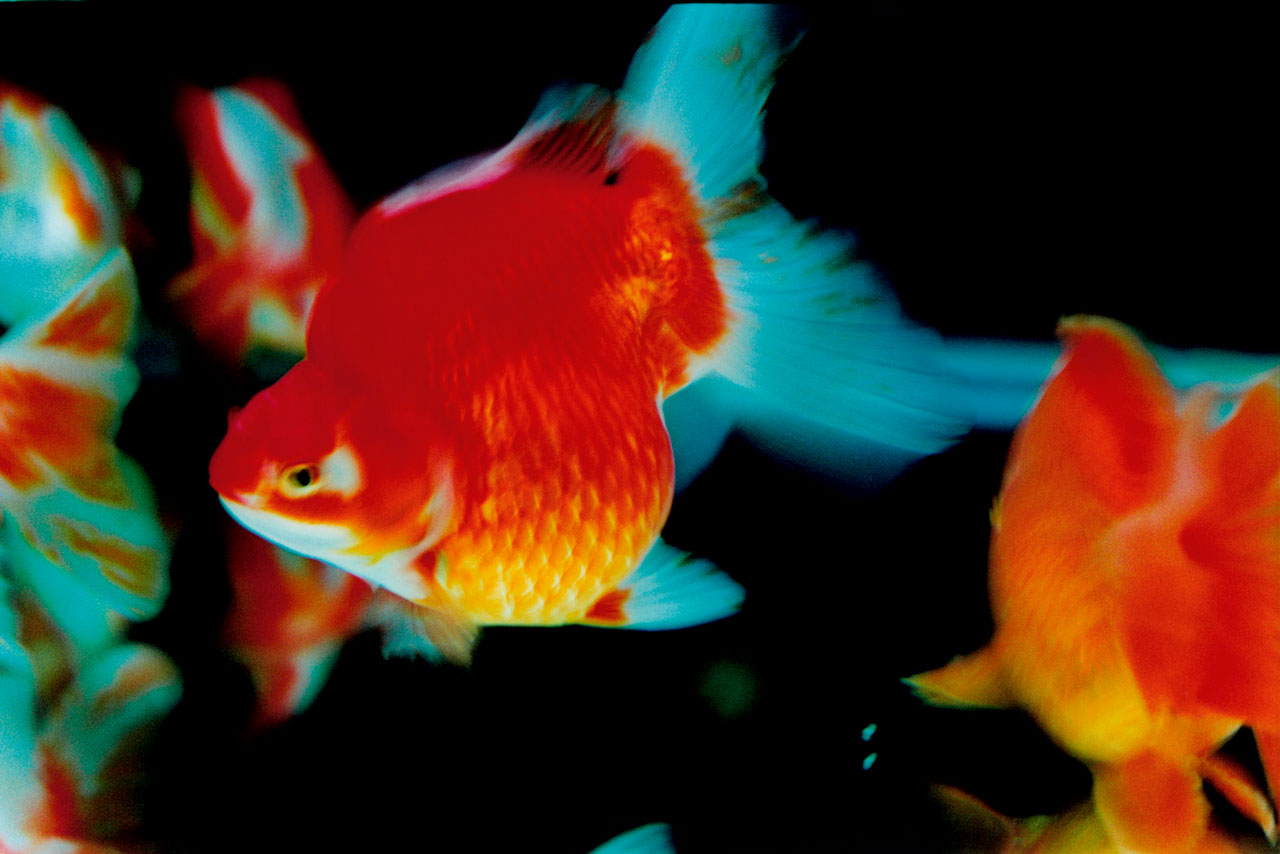
Ninagawa Mika is a renowned image-maker working in film, fashion and music who began using a simple point-and-shoot camera at an early age, influenced by her upbringing as the daughter of an actor mother and a critically acclaimed theatre-director father. Her distinctive style, first recognized in the 1990s, is characterized by a bold, hyper-saturated use of color, often incorporating flora and fauna such as wildflowers and goldfish, as well as unconventional angles and close-up perspectives. Her work is immediately recognizable for fluorescent pinks, deep reds and electric blues, with dynamic compositions that amplify sensuality and movement. She explores themes of desire, mortality and the fleeting nature of beauty, frequently using flowers as metaphors of ephemerality in line with the Japanese concept of mono no aware. Alongside her photography, she has also built a successful career as a film director.
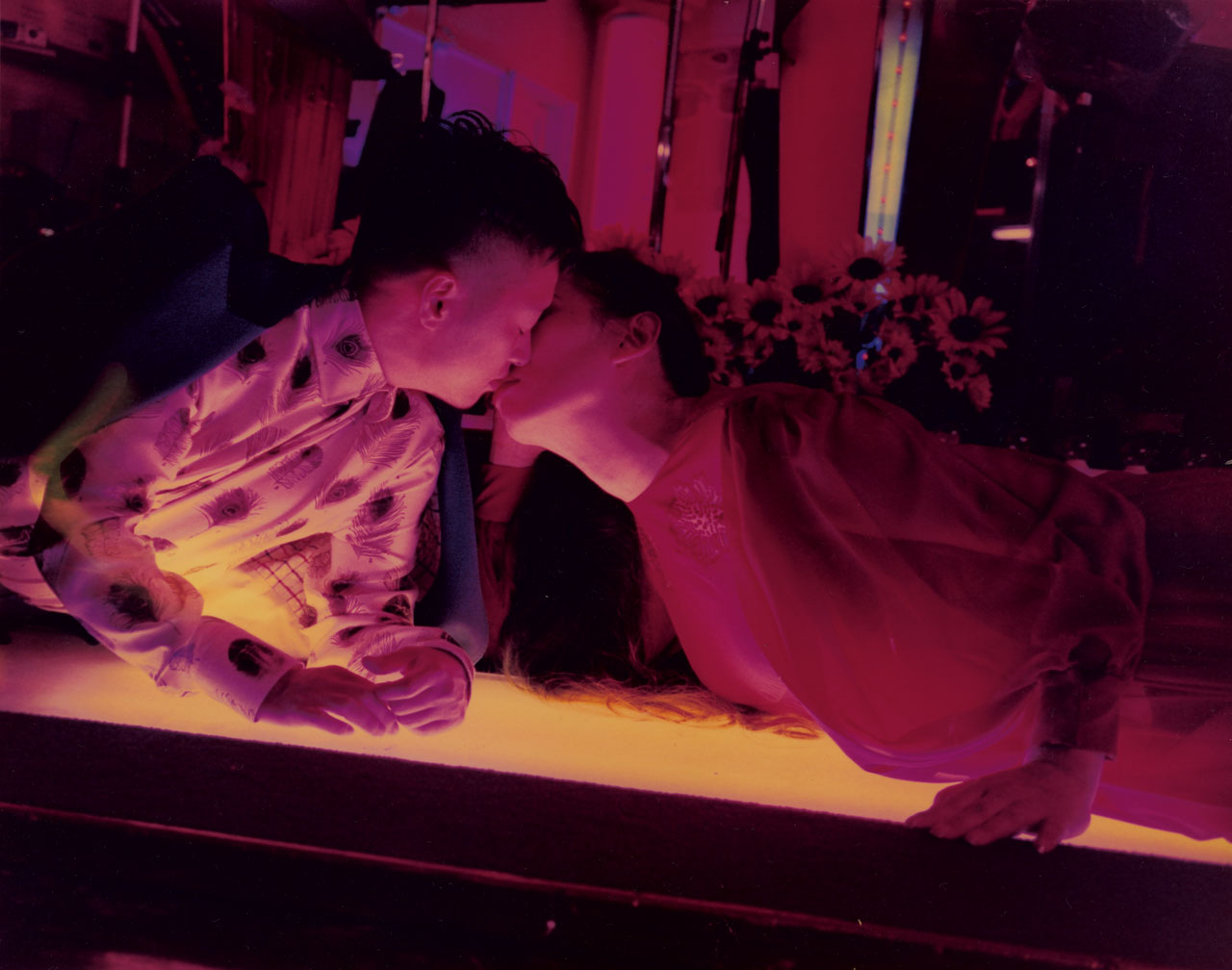
Okabe Momo emerged in the 2000s with a body of work that blends tenderness with raw intensity, often using color expressively, and explores issues of gender, sexuality and identity related to herself as well as her lovers and friends, whom she describes as “the outsiders of Japanese society”. In high school, she joined the photography club and began taking photos of friends, family, her room, home and neighborhood, and in 1999 began photographing her lover and his friends. Her first book, “Dildo” (2013), is a radical body of work featuring Kaori and Yoko, Okabe’s lovers, both of whom were transitioning at the time, combining images of their lives with documentation of their gender-affirming surgery, materials that were and remain extremely rare in Japan. Her hyper-saturated, raw and personal photographs serve her subjects and community, speaking to anyone moved by or identifying with their experiences.
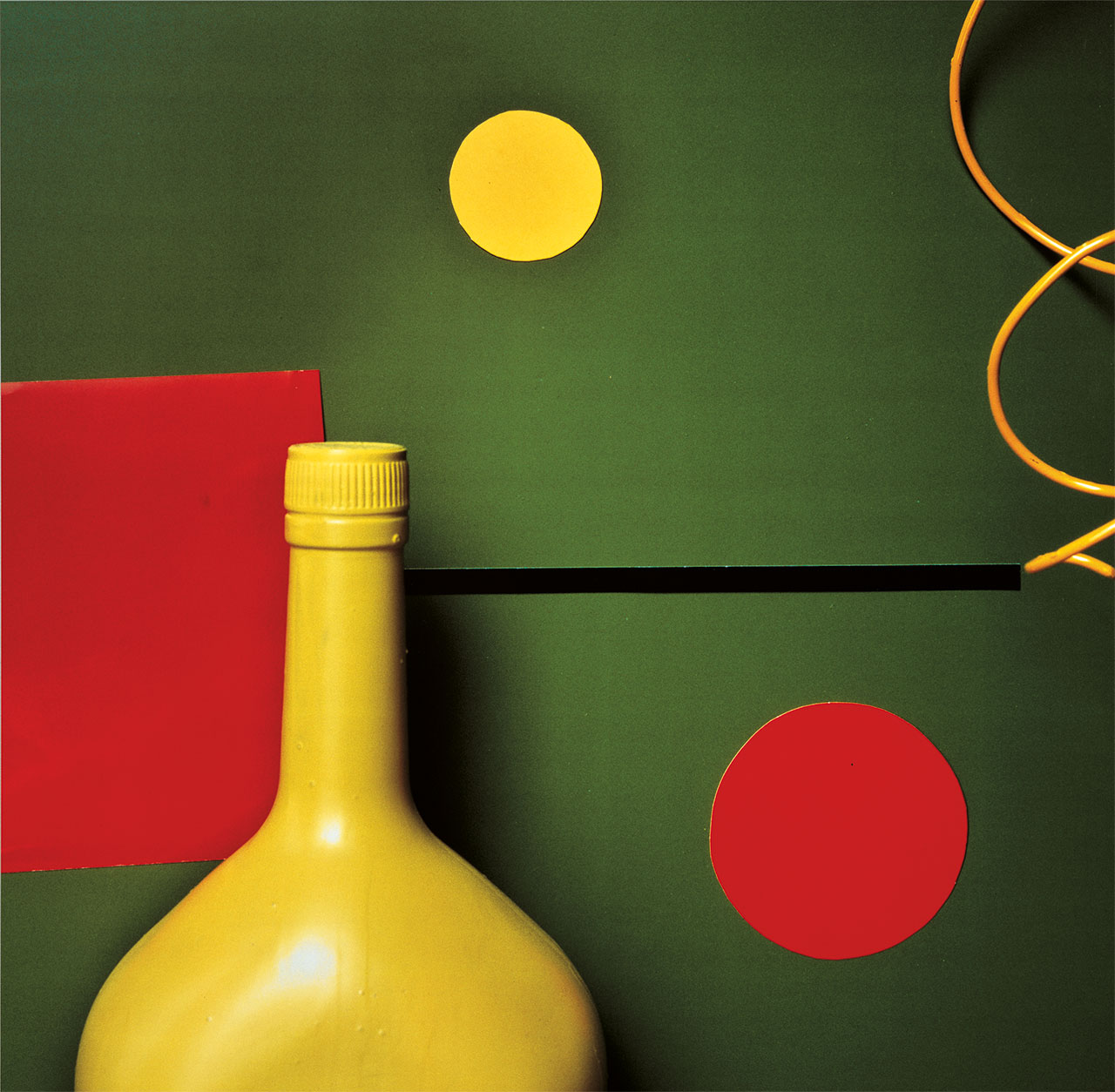
Yamazawa Eiko studied nihonga, a style of Japanese painting, at Joshibi School of Art and Design, Tokyo, graduating in 1918, and in 1926 left Japan to study at the California School of Fine Arts, leading to part-time work as an apprentice to portrait photographer Consuelo Kanaga and later work retouching prints for photographer Nickolas Muray in New York. In 1931, Yamazawa became the first woman to open a photography studio in Osaka, and in 1950 established the Eiko Yamazawa Photography Research Institute to “educate the next generation,” prioritizing support and hiring women. She later began experimenting with abstraction and vibrant primary colors, and her photobook “Enkin (Far and Near)” (1962) brought together seventy-seven photographs made between 1943 and 1962, tracing her transition from commercial portraiture to an increasingly experimental practice and her legacy of a singular artistic style.
Featured artists: Hara Mikiko, Hiromix, Ishikawa Mao, Ishiuchi Miyako, Katayama Mari, Kawauchi Rinko, Komatsu Hiroko, Kon Michiko, Nagashima Yurie, Narahashi Asako, Ninagawa Mika, Nishimura Tamiko, Noguchi Rika, Nomura Sakiko, Okabe Momo, Okanoue Toshiko, Onodera Yuki, Sawada Tomoko, Shiga Lieko, Sugiura Kunié, Tawada Yuki, Tokiwa Toyoko, Tomoko Yoneda, Ushioda Tokuko, Watanabe Hitomi, Yamazawa Eiko, Yanagi Miwa
Photo: KATAYAMA Mari, bystander #014, 2016, Courtesy the artist and Aperture
Info: Curators: Lesley A. Martin, Takeuchi Mariko and Pauline Vermare, The Photographers’ Gallery, 16-18 Ramillies Street, London, United Kingdom, Duration: 24/6-27/9/2026, Days & Hours: Mon-Wed & Sat 10:00-18:00, Thu-Fri 10:00-20:00, Sun 11:00-18:00, https://thephotographersgallery.org.uk/
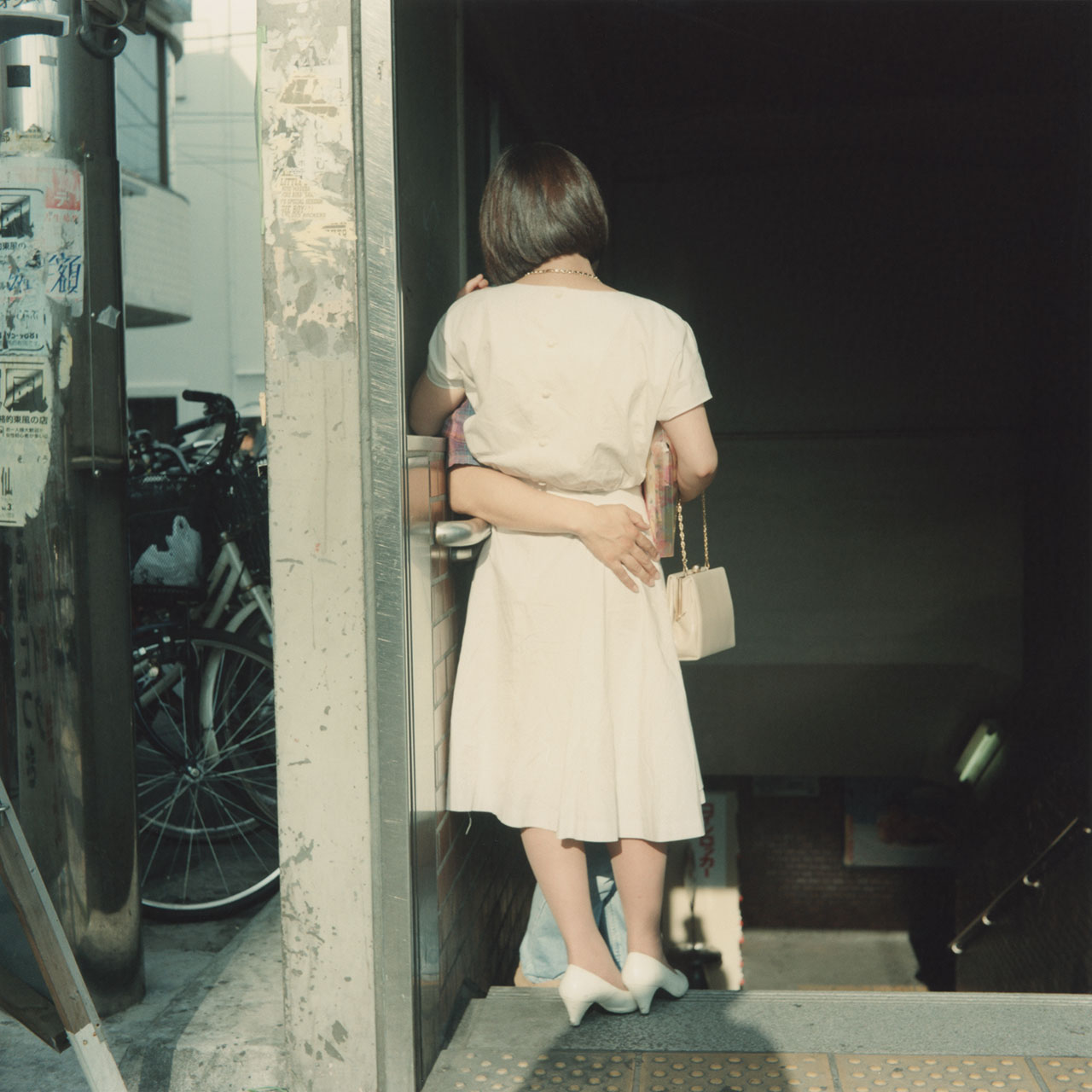
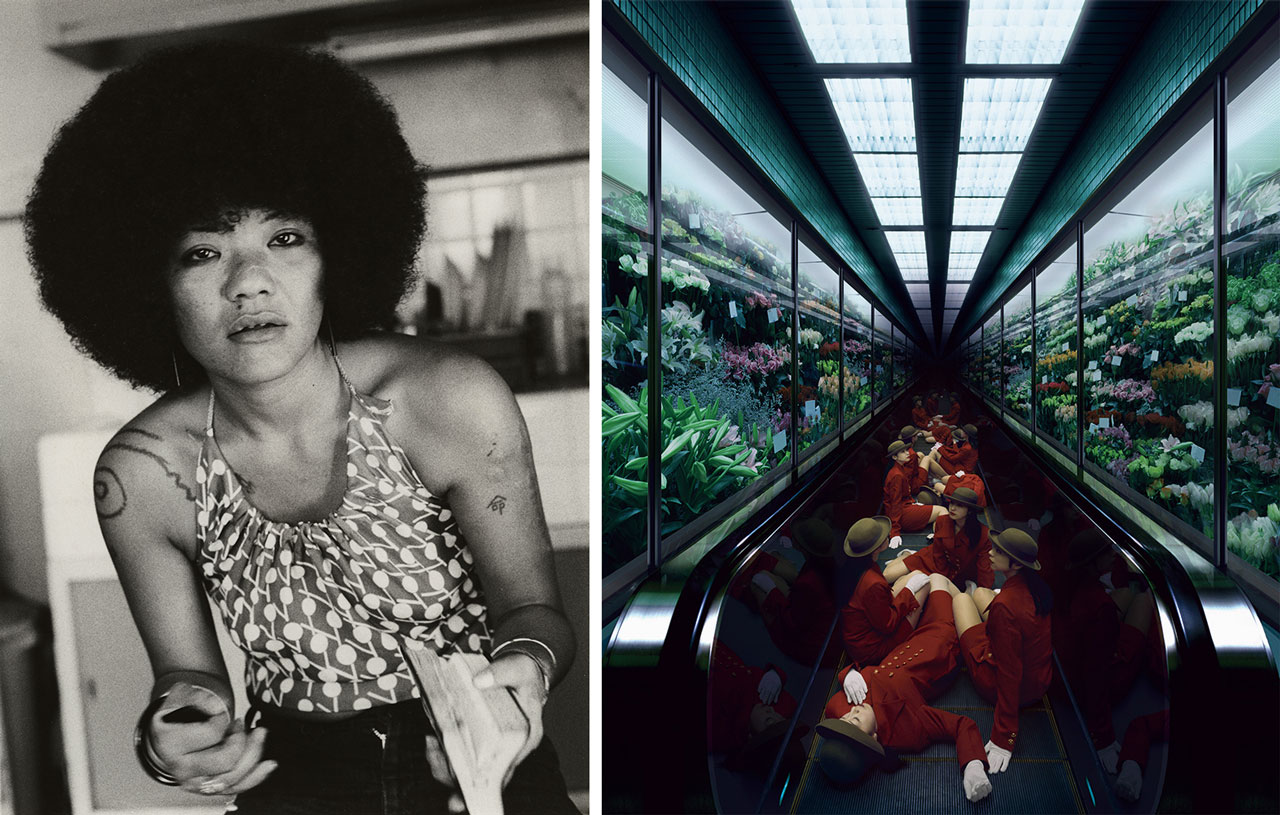
Right: YANAGI Miwa, Elevator Girl House 1F, 1997; from the series Elevator Girl, Courtesy the artist and Aperture