ART FAIRS: Art Basel – Basel 2026
Each June, Basel becomes the gravitational center of the global art world. Museums recalibrate their programming, foundations unveil new commissions, and the Messeplatz fills with the unmistakable hum of collectors, curators, artists, and institutions converging from every corner of the globe. In 2026, this annual migration feels especially charged. With 290 galleries from 43 countries and territories, including 21 newcomers, Art Basel’s flagship fair reasserts its role not merely as a marketplace but as a panoramic snapshot of contemporary artistic production—its histories, urgencies, and futures.
By Dimitris Lempesis
Photo: Art Basel Archive
Running from June 18 to 21, with preview days on June 16 and 17, Art Basel 2026 unfolds across Messe Basel and radiates outward into the city’s historic core. This year’s edition is defined by a renewed emphasis on cross‑generational dialogue, ambitious new production, and the integration of public space as a site of artistic experimentation.
The fair’s global reach is more pronounced than ever. New and returning galleries from the Ivory Coast, Lebanon, Saudi Arabia, and Turkey reflect a shifting art geography, one in which cultural ecosystems outside traditional Western centers are increasingly visible and influential. Art Basel’s structure remains familiar, but its content mirrors a world in flux: a place where early modernism meets digital experimentation, where postwar abstraction sits beside immersive video, and where emerging voices are presented not as isolated discoveries but as part of a broader cultural conversation. Maike Cruse, Director of Art Basel in Basel, captures this dynamic succinctly when she notes that for one week, Basel becomes the central meeting point of the art world—where historic depth meets bold new production across the halls and throughout the city. Her statement is not hyperbole. The fair’s architecture—its sectors, commissions, and city‑wide activations—creates a layered experience that mirrors the complexity of contemporary art itself.
A defining feature of the 2026 edition is the unveiling of two major public works by the inaugural Art Basel Awards Gold Awardees in the Established Artist category: Nairy Baghramian and Ibrahim Mahama. Baghramian’s new commission occupies the Messeplatz, extending her sculptural vocabulary of tension, fragmentation, and vulnerability into a monumental outdoor setting. Her work often interrogates the relationship between the body and architecture; here, that inquiry becomes a public encounter, visible to thousands who pass through the square each day. Mahama, known for his vast textile installations and investigations of labor, materiality, and collective memory, transforms the Münsterplatz with a large‑scale intervention. His use of repurposed materials—jute sacks, tarpaulins, and industrial remnants—creates a dialogue between Basel’s medieval architecture and global histories of trade, migration, and extraction. These commissions mark the first time that works stemming from the Art Basel Awards program premiere in Basel itself, signaling a shift toward deeper integration between the fair and the city’s public realm.
This year’s edition also sees the return of Parcours, curated for the third consecutive year by Stefanie Hessler, Director of the Swiss Institute in New York. Parcours unfolds along Clarastrasse and surrounding public spaces, guided by the theme of conviviality—the joys, frictions, and negotiations inherent in living together. Hessler’s curatorial approach emphasizes the social life of objects, the politics of shared space, and the entanglement of bodies, ecologies, and infrastructures. Works appear in storefronts, courtyards, transit corridors, and historic buildings, inviting audiences to encounter art in the midst of daily life. Parcours has long been a bridge between the fair and the city; in 2026, it becomes a meditation on coexistence itself.
Inside the halls, the main Galleries sector features 232 exhibitors, many of whom present tightly curated booths that function as miniature exhibitions. The trend toward thematic presentations continues, with galleries foregrounding material transformation, memory, abstraction, and spatial perception. Jessica Silverman from San Francisco stages a multigenerational dialogue under the title “Significant Others”, bringing together artists such as Judy Chicago, Loie Hollowell, and Rose B. Simpson. Kalfayan Galleries from Athens and Thessaloniki juxtapose Vlassis Caniaris’s seminal installation “Bicycle” with new works by Antonis Donef and Farida El Gazzar, creating a conversation between historical and contemporary approaches to political and social visibility. Larkin Erdmann from Zurich presents a cross‑movement constellation that spans Dada, Surrealism, Minimalism, and Concrete Art, including works by Agnes Martin, Man Ray, and Marcel Duchamp. Silverlens, with spaces in Manila and New York, highlights Southeast Asian practices through works by Pacita Abad, Yee I‑Lahn, and Geraldine Javier. Four galleries—Berry Campbell, Tim Van Laere Gallery, Phillida Reid, and Ortuzar—enter directly into the main sector, underscoring the fair’s openness to new voices within its most prestigious platform.
Premiere, introduced in 2025, expands from ten to seventeen presentations, reinforcing its role as a platform for ambitious works created within the past five years. The sector includes large‑scale installations, sculptural environments, and experimental film and sound works. Ayman Yossri Daydban’s “Treehouse”, presented by Athr Gallery, is a walk‑through installation of translucent acrylic panels that explores identity, exile, and belonging. June Crespo, represented by Ehrhardt Flórez, transforms the booth into a site of bodily tension and architectural constraint through a single monumental wall sculpture. Wang Tuo, presented by White Space, revisits modern Chinese architecture through suppressed personal histories and queer narratives in a six‑channel video installation. Koray Ariş, represented by Öktem Aykut, creates a suspended environment of leather and wood that invites touch, movement, and sensory engagement. Premiere continues to position Art Basel as a testing ground for museum‑scale works within the commercial fair context.
The Feature sector brings sixteen art‑historical positions into dialogue with the fair’s contemporary program. Five galleries join for the first time, including Galerie Cécile Fakhoury and Kotaro Nukaga. Galería Guillermo de Osma presents a historical selection of works by Joaquín Torres‑García, tracing the development of Universal Constructivism between 1916 and 1935. Galerie Hubert Winter shows rare works by Marcia Hafif from her Italian Paintings and Acrylic Paintings, marking the first time the latter series appears at an art fair since the 1970s. Kotaro Nukaga dedicates its booth to Saori Akutagawa, highlighting her pioneering dye‑based works from the 1950s and 1960s. Galerie Kaléidoscope stages a museum‑caliber presentation of Eduardo Arroyo, focusing on politically charged works from the 1960s and 1970s. Feature remains one of the fair’s most intellectually rigorous sectors, offering historical depth that contextualizes contemporary practice.
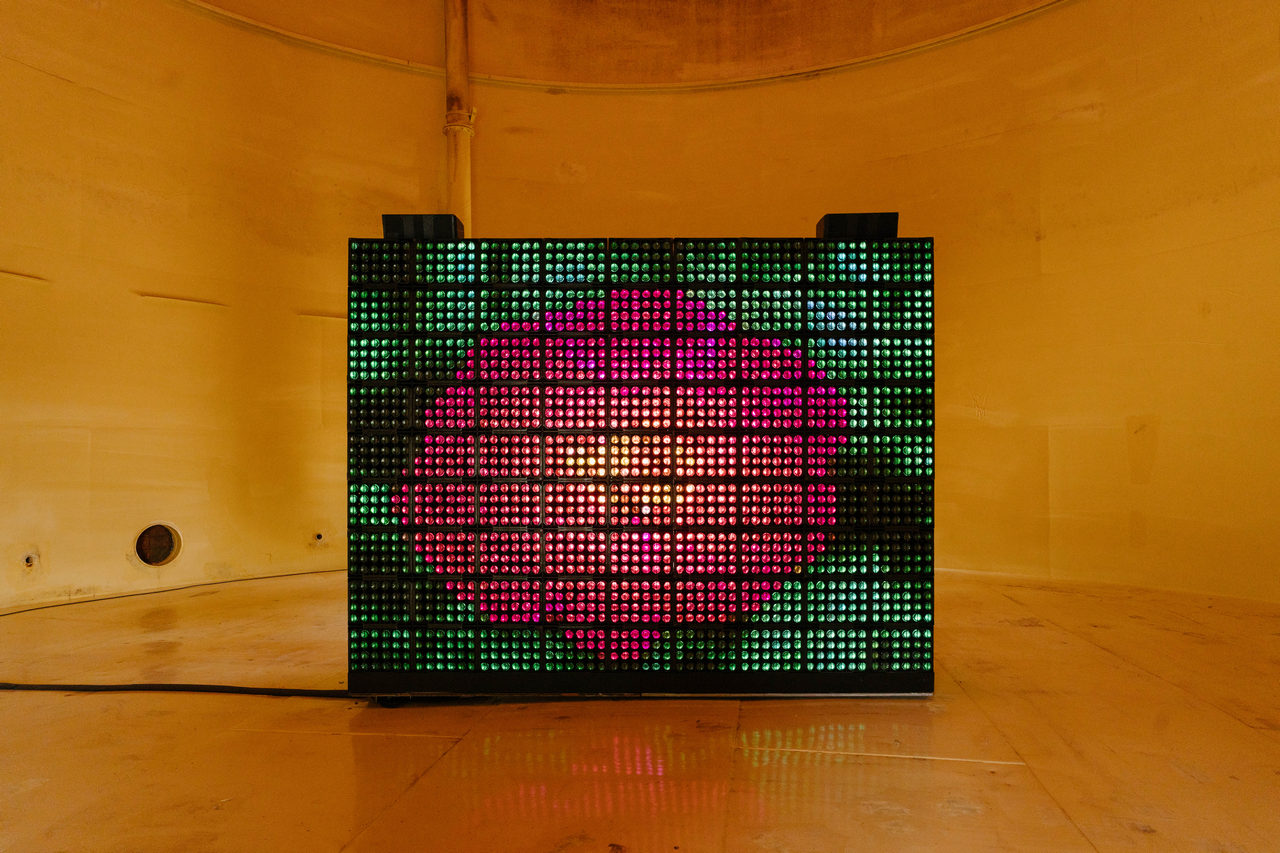
Statements, the sector dedicated to emerging artists, presents eighteen solo projects that are materially experimental and socially engaged. Nine galleries join the fair for the first time. Eli Coplan, presented by a. SQUIRE, dissects the LCD screen as an infrastructure of vision. Yalda Afsah, represented by Galerie Molitor, examines ritual and collective ecstasy in Taiwan through her new film “Heat”. Hana El‑Sagini, presented by Gypsum Gallery, transforms illness and resilience into sculptural landscapes. Mónica Mays, represented by Blue Velvet, reimagines the Western genre as a transnational fiction of conquest. Statements continues to be a launchpad for artists who will shape the next decade of contemporary art.
Spread across both floors of Hall 2, the Editions sector features seven leading galleries specializing in prints and editioned works, including Cristea Roberts Gallery, Gemini G.E.L., and STPI. The sector remains a vital space for collectors seeking works that bridge accessibility and artistic rigor.
What distinguishes Art Basel in Basel from its sister fairs is the way it activates the entire city. Museums, foundations, and independent spaces across Basel and the wider region synchronize their programming with the fair, creating a dense cultural landscape that extends well beyond the Messe. This city‑wide activation is not merely parallel programming—it is integral to the identity of Art Basel in Basel, where the boundaries between fair, city, and public space dissolve into a single cultural experience.
Art Basel 2026 reaffirms the fair’s position as the global reference point for the art market—not only through its scale and diversity, but through its curatorial ambition and civic engagement. With expanded sectors, major public commissions, and a renewed emphasis on cross‑generational and cross‑geographical dialogue, the fair offers a panoramic view of where contemporary art has been, where it stands, and where it is heading next.
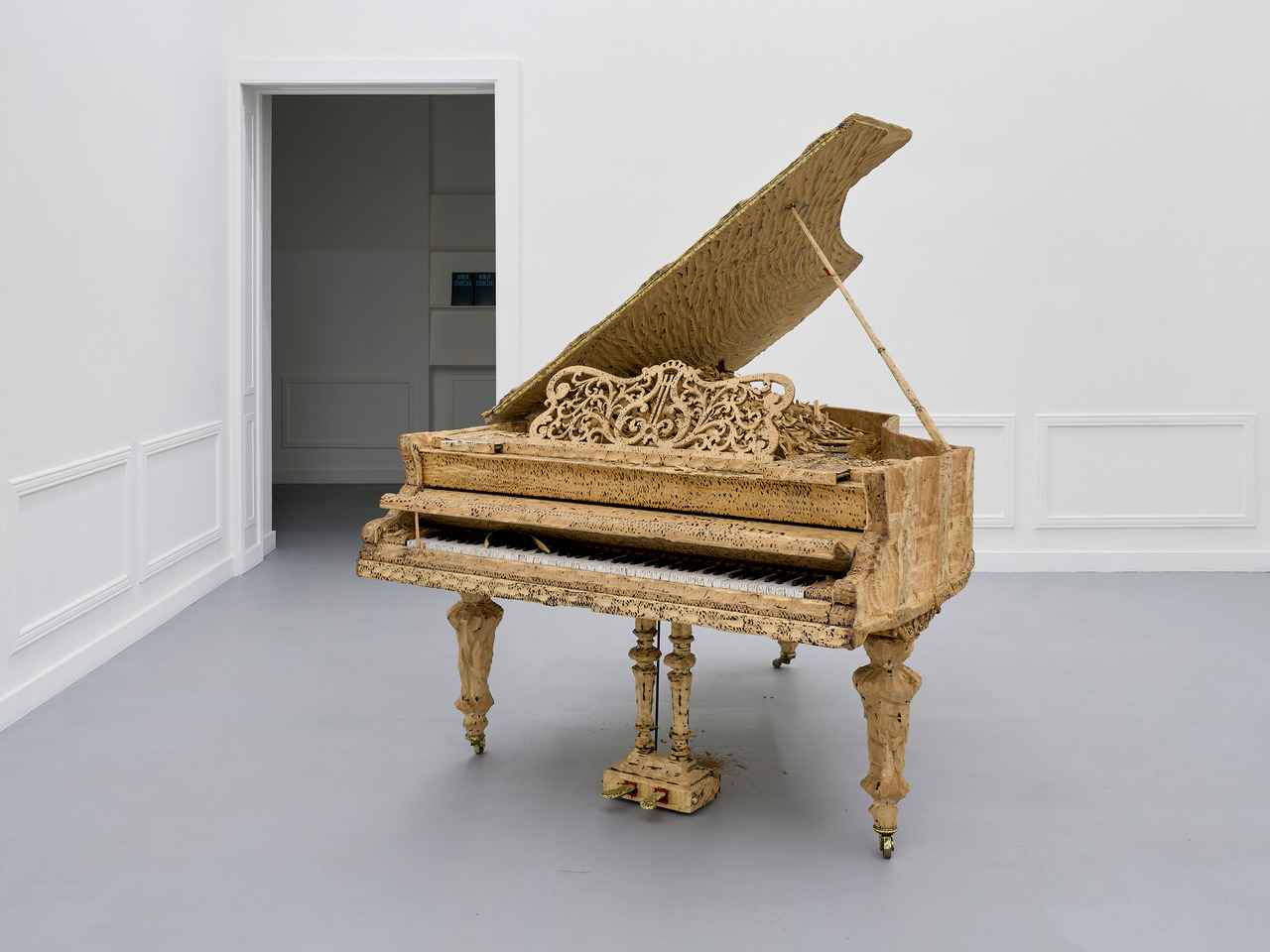
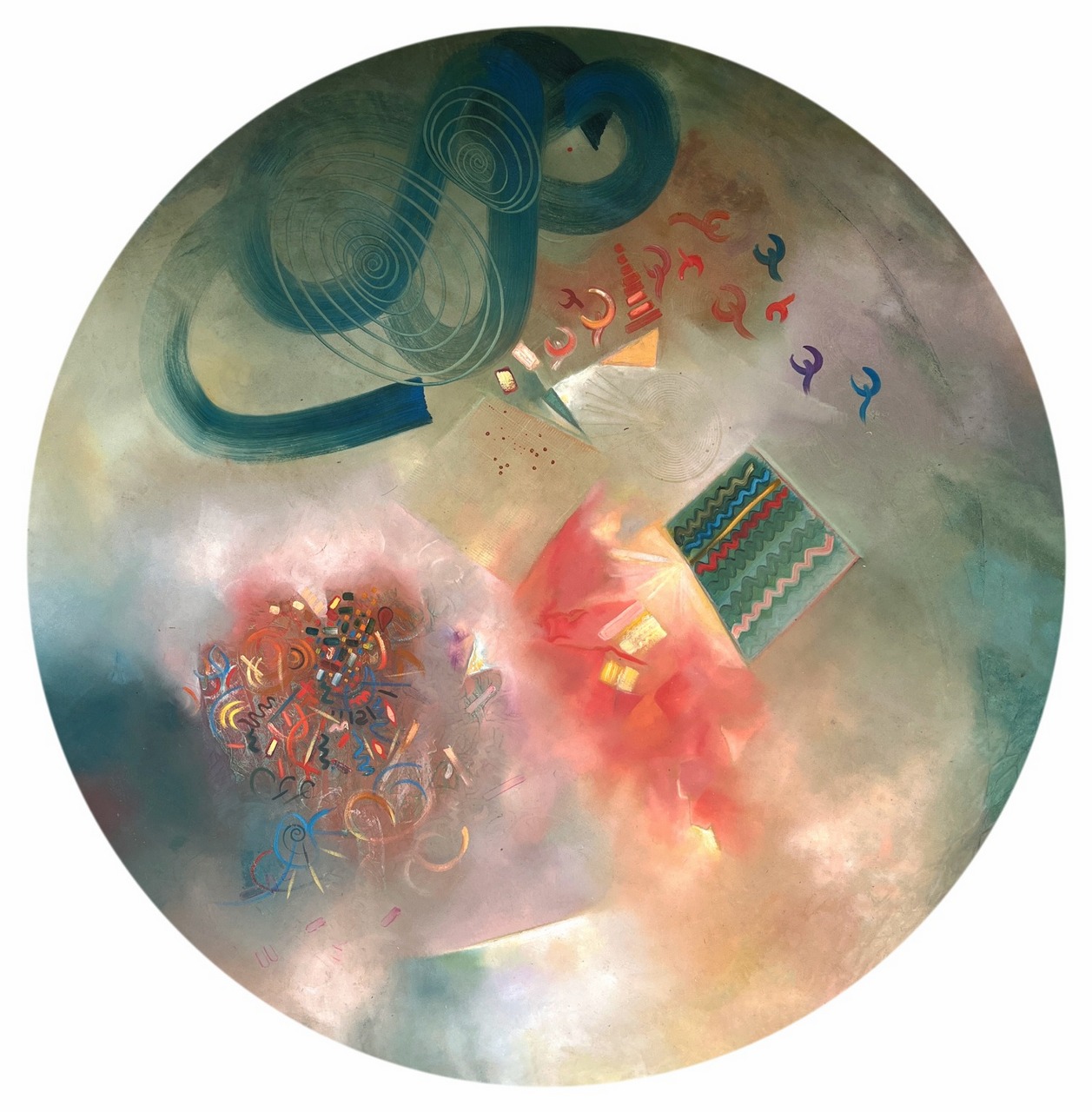
Photo: Élise Peroi, Traverser, 2023. Courtesy of the artist and Galerie Anne-Sarah Bénichou
Info: Art Basel, Messe Basel, Messeplatz 10, Basel, Switzerland, Duration: 18-21/6/2026, Hours: Tue (18/6) 11:00-19:pm, VIP card and ticket holders, 19:00-22:00, Unlimited Night ticket holders, Fri-Sun (19-21/6/2026) 11:00-19:00, VIP card and ticket holders, Zero 10, Event Hall: Public Days (free public access upon registration) Wed (17/6) 11:00-20:00, Thu & Fri (18-19/6) 11:00-19:00, Public Days (admission with a valid Art Basel ticket only) Sat-Sun 11:00-19:00, Admission: Day Ticket: 70 CHF, Weekend Ticket: 125 CHF , Vernissage Ticket: 215 CHF, Afterwork Ticket: 45 CHF, Unlimited Night Ticket: 40 CHF, Combination Ticket: Art Basel & Liste: 90 CHF, Reduced Day Ticket: 59 CHF, School Class Ticket: 30 CHF per person, www.artbasel.com/
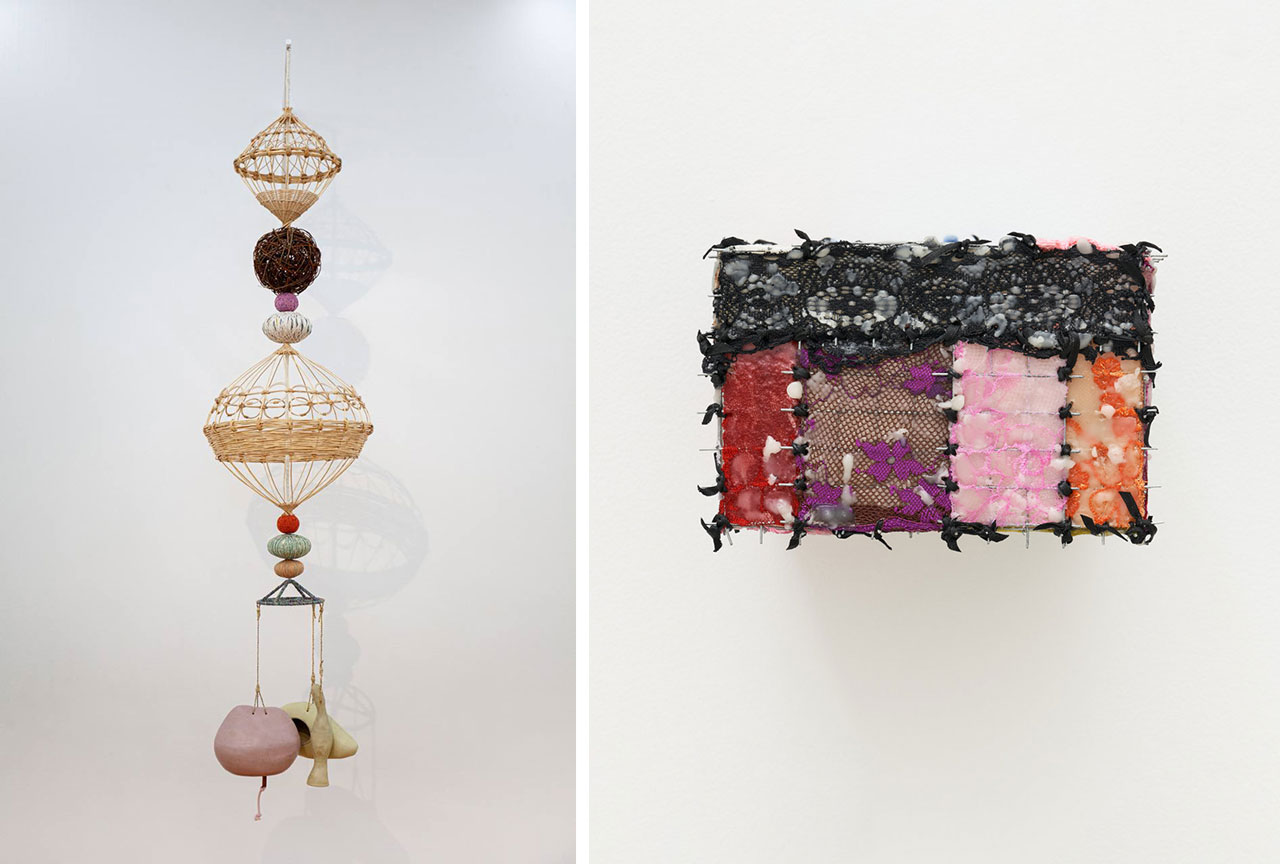
Right: Sylvie Hayes-Wallace, Cage (Brain) # 16 (Slut), 2026. Courtesy of the artist and Silke Lindner. Photo by Chris Herity
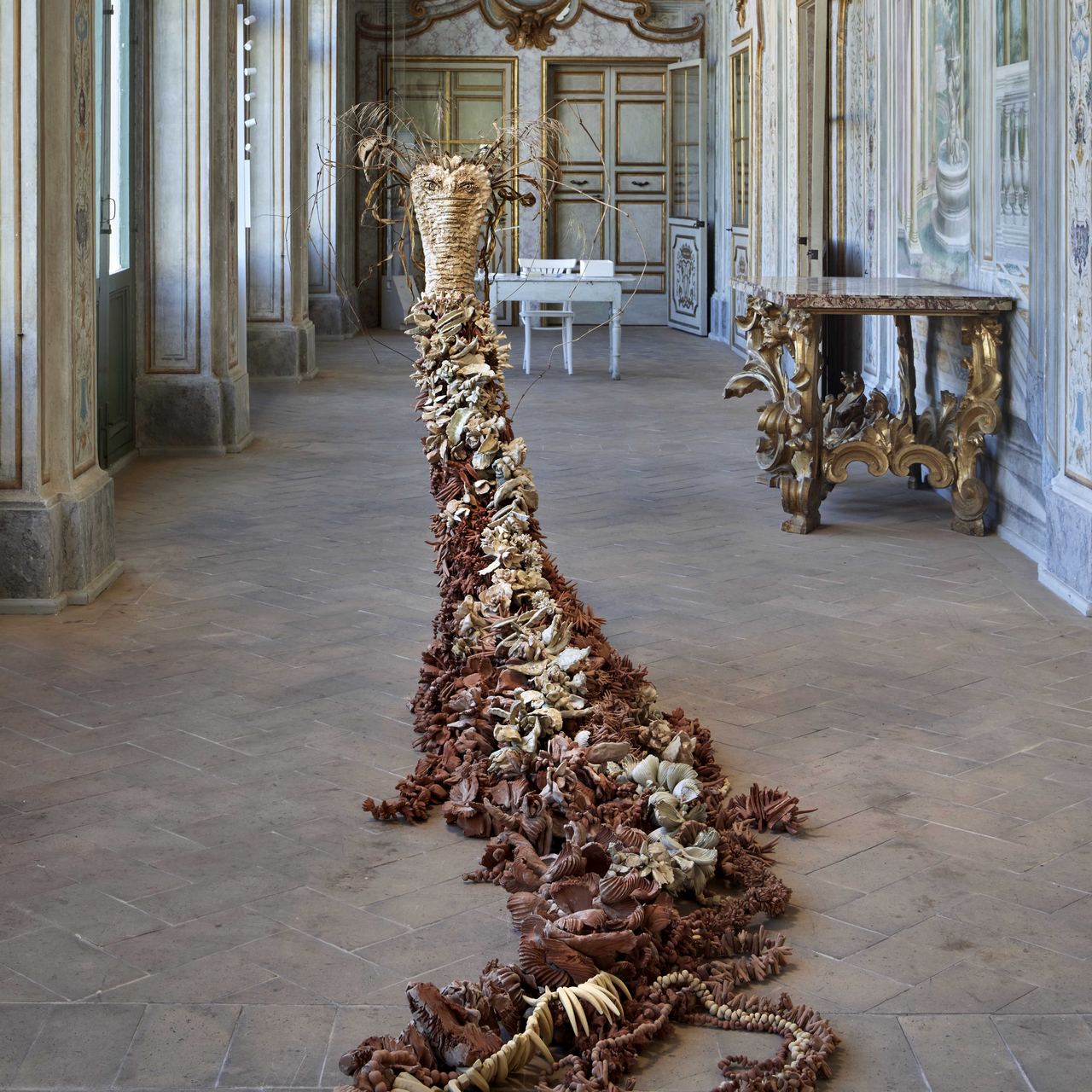
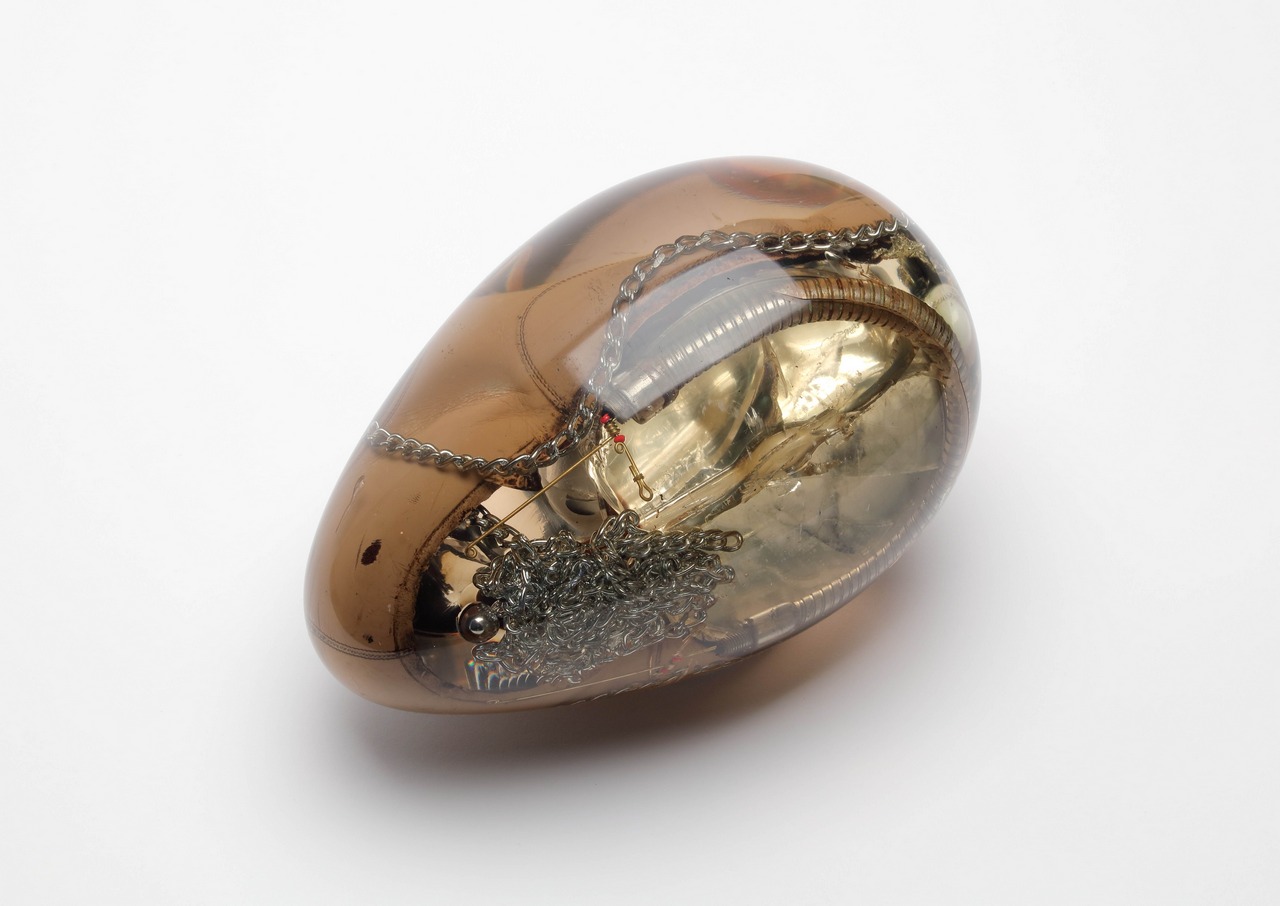
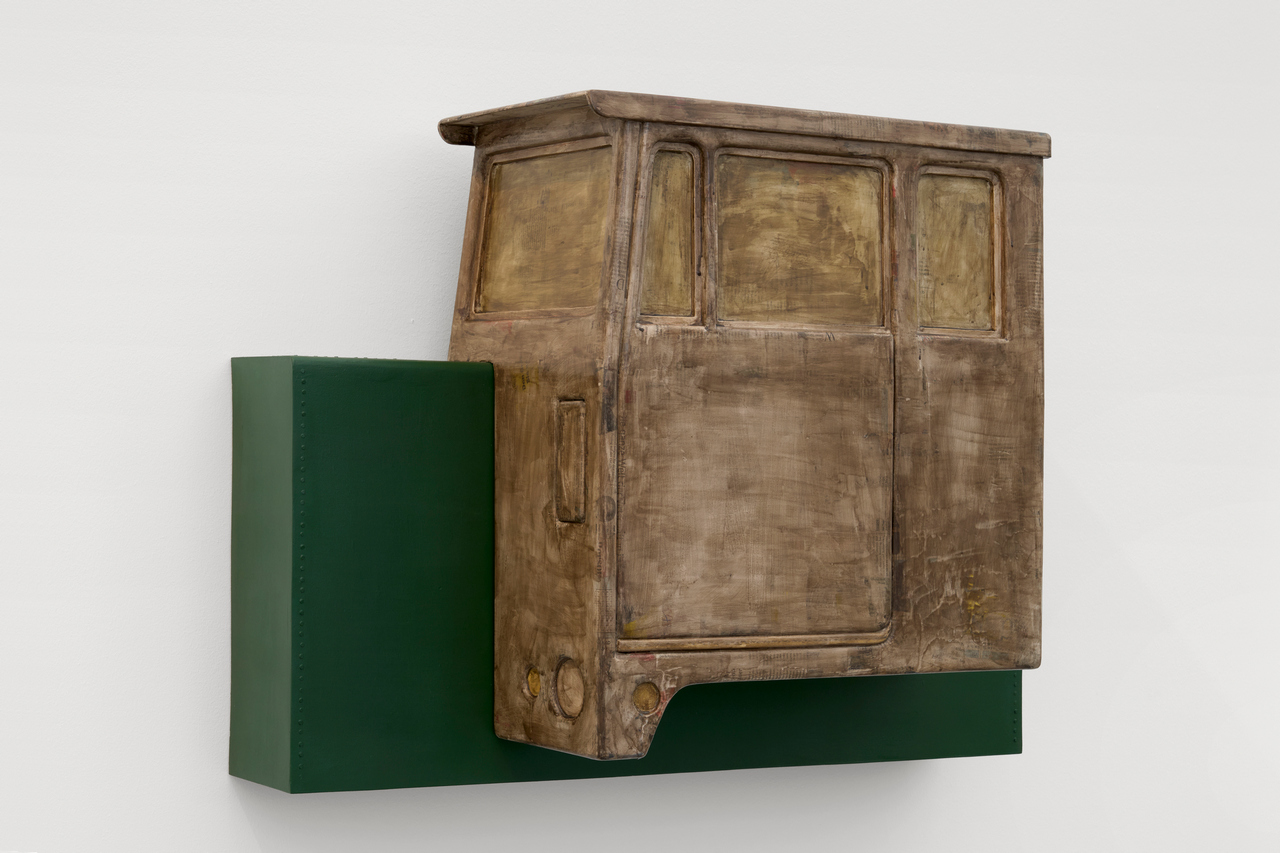
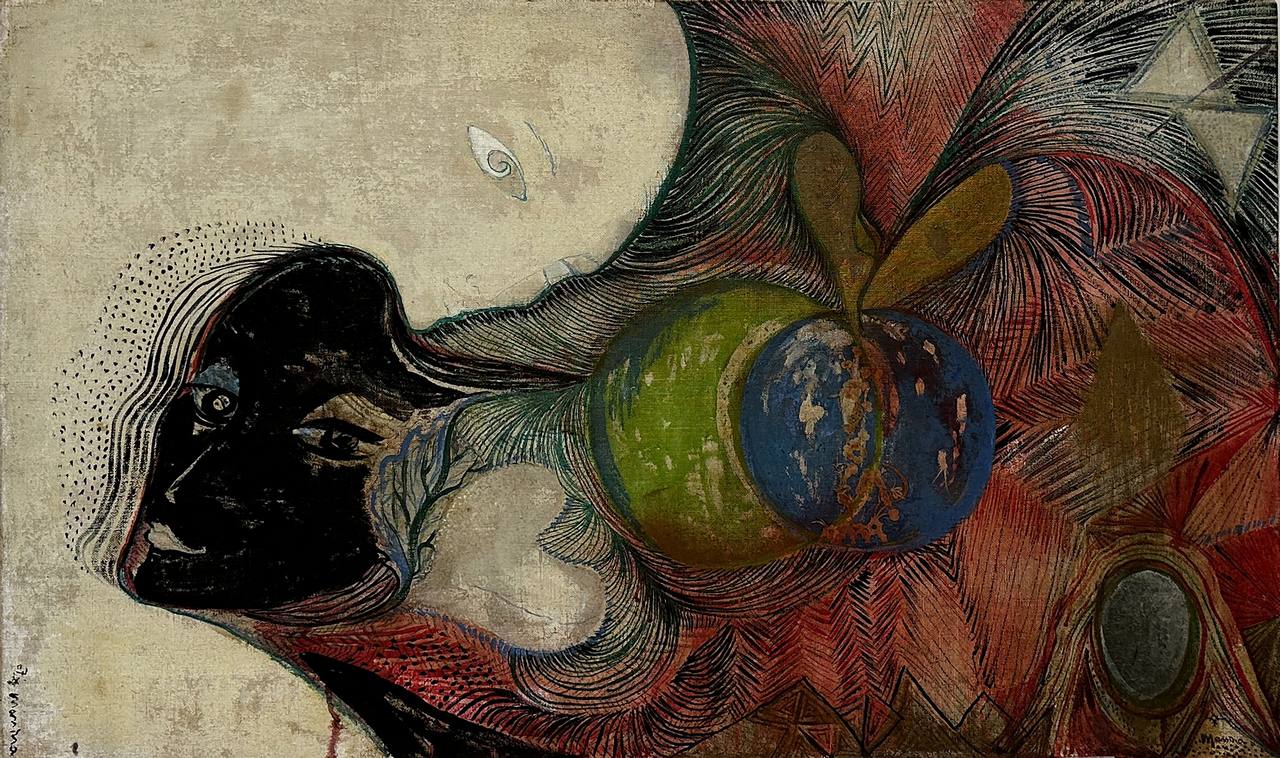
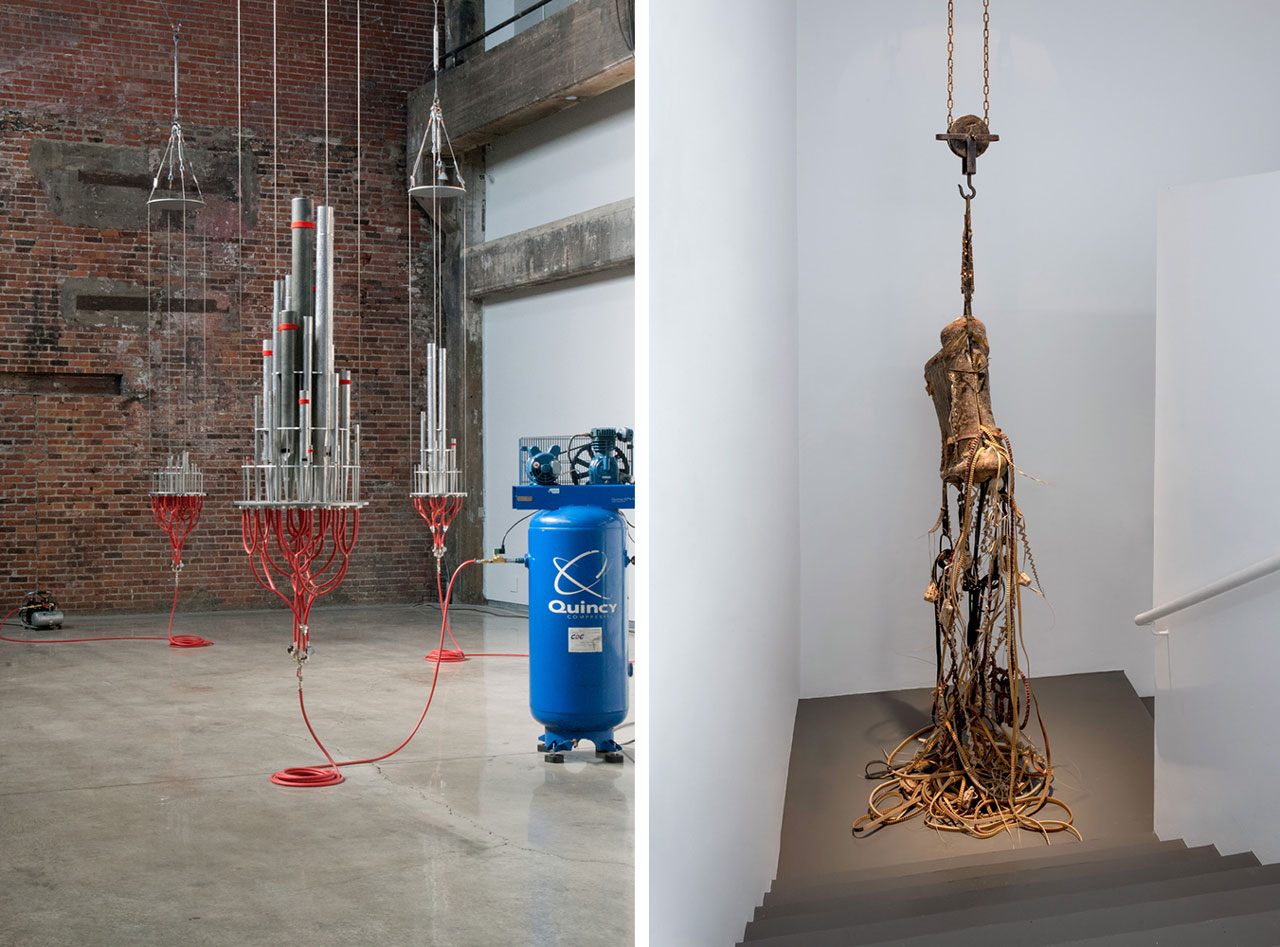
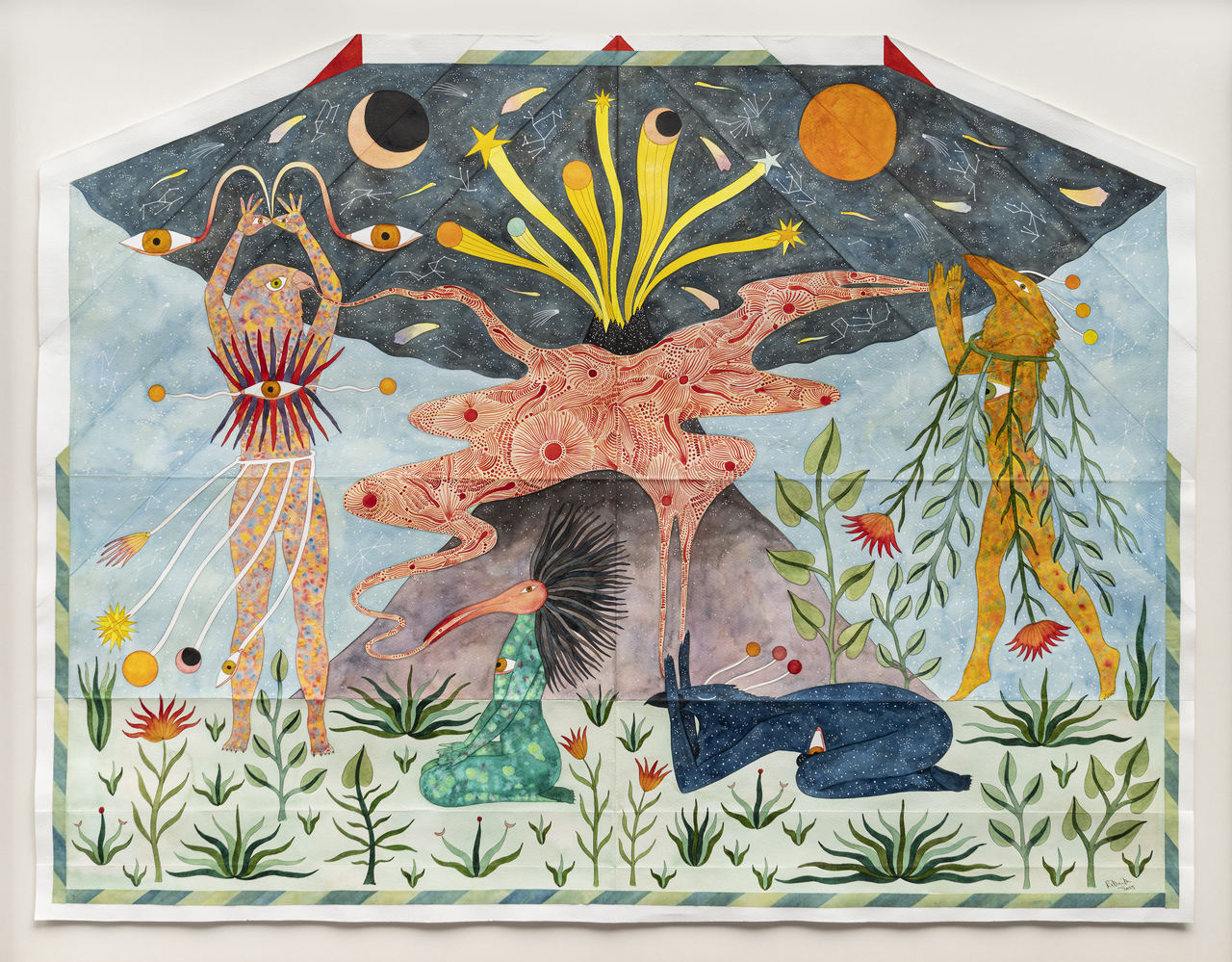
Right: Mónica Mays, and they pray to these images,…, knowing not what gods or heroes are, 2024. Courtesy of the artist and Museo Nacional Centro de Arte Reina Sofía. Photo by Roberto Ruiz
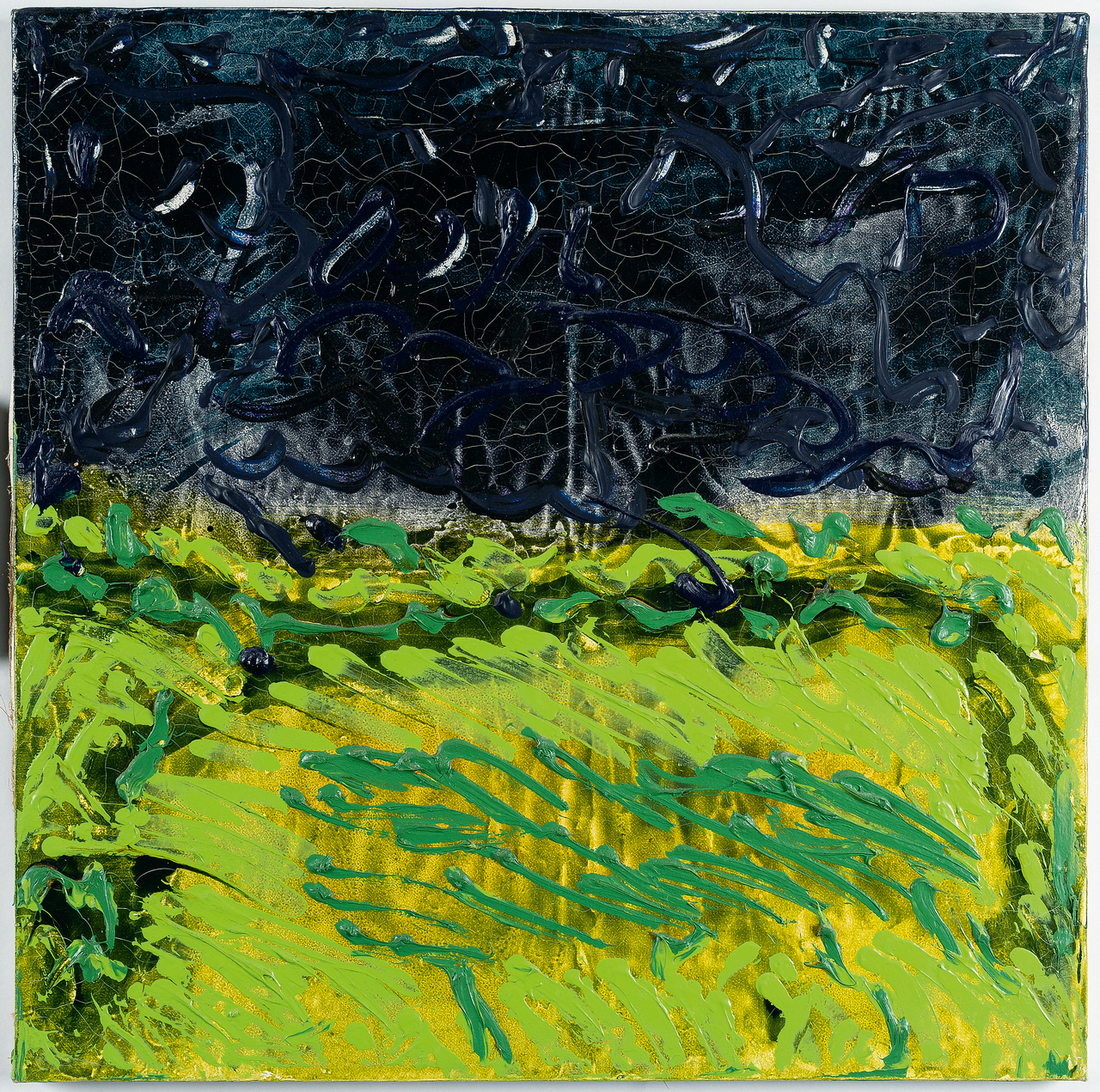
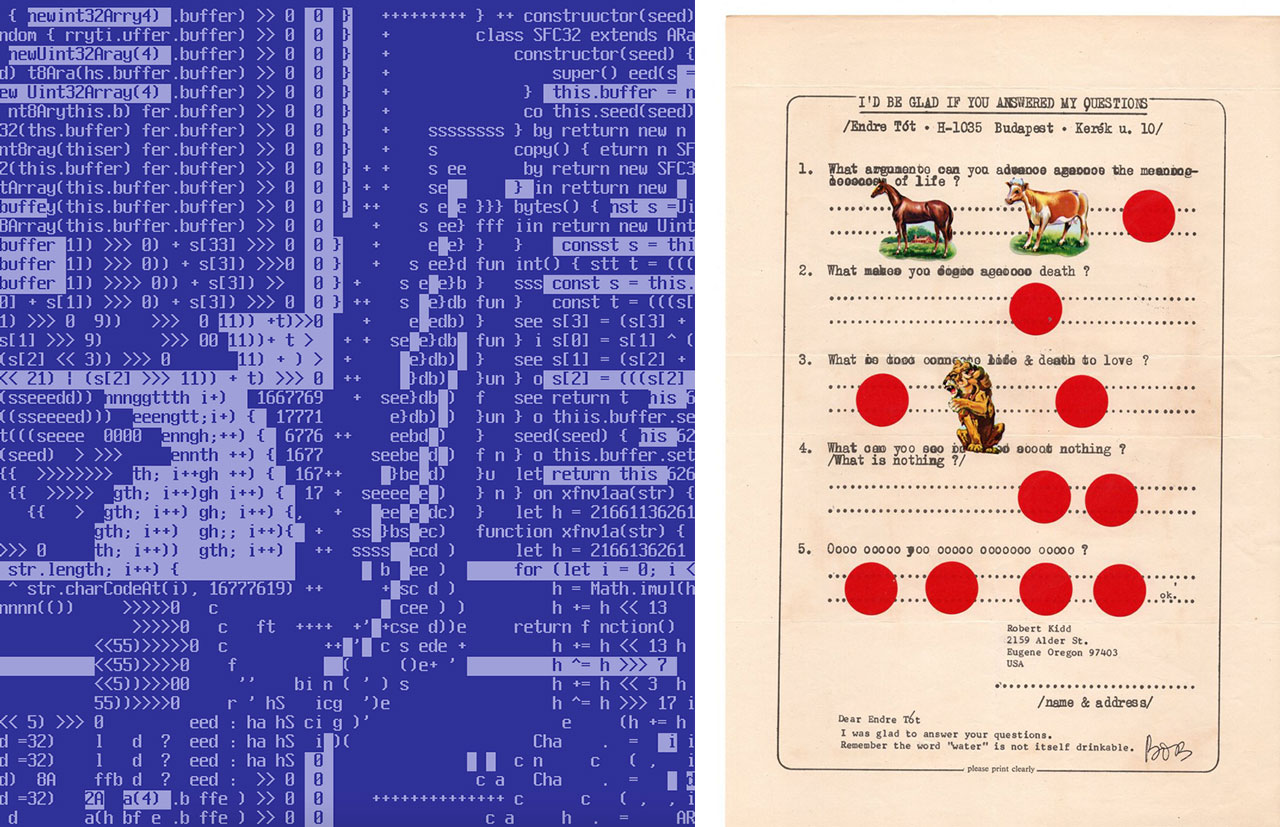
Right: Endre Tót, I’d be glad If you answered my questions (Robert Kidd), 1975. Courtesy of acb Gallery and the artist