
PRESENTATION: Cyprien Gaillard-When you expect flutes, it’s whistles
Cyprien Gaillard’s work moves through cities and their fringes, treating entropy as a creative tool medium: he interprets erosion and accumulation as traces–not merely as signs of loss and decay. His works reject resilience as a framework for interpretation. Rather, they represent life in inhospitable places as something that simply persists–without commentary or judgement.
By Dimitris Lempesis
Photo: Kunsthaus Bregenz Archive
For his solo exhibition “When You Expect Flutes, It’s Whistles” at Kunsthaus Bregenz, Cyprien Gaillard transforms the museum into a space where processes of construction, destruction, circulation, and control intersect. Installed behind the building’s glass façade is a used construction debris chute—an industrial structure through which the remains of demolished buildings have repeatedly passed. Suspended by chains and assembled from orange plastic tubes, the chute becomes a symbol of disposal, perpetual renewal, and the cycles of urban transformation.
Visitors entering the ground floor encounter “Visitant” (2021–2026), a monumental inflatable sculpture that appears as a temporary guest or ghost-like presence. Familiar from festivals, sporting events, and commercial forecourts, the figure performs a choreography programmed by the artist and accompanied by music played through the influential KILLASAN* sound system, originally built in the 1990s for a nightclub in Osaka. Removed from its usual environment and placed within the austere architecture of Kunsthaus Bregenz, the inflatable disrupts the contemplative atmosphere typically associated with the museum.
Continuously inflating and collapsing, the hollow nylon figure remains in constant motion. Too large to stand upright, it exists as an externally controlled form sustained only by air. Several times each hour, loud music transforms the foyer into a temporary nightclub, creating a striking contrast between spectacle and institutional space. Despite its scale, the sculpture moves with an unexpected softness and vulnerability.
A central theme throughout the exhibition is the concept of the “deterrent”—mechanisms designed to regulate public behavior. Gaillard examines how public spaces are shaped through subtle forms of exclusion, from benches and fences to lighting, sound, and music. Such interventions often determine who feels welcome and who is pushed further to the margins. The artist is particularly interested in the tension between attraction and repulsion. Classical music, for example, is frequently deployed in public spaces not to enrich cultural experience but to discourage certain forms of gathering. What is celebrated as high culture in one context becomes, in Gaillard’s words, a “soft weapon” in another.
On the first floor, new works combining photography, collage, and sculpture present clusters of nine Polaroids arranged in diamond-shaped compositions. Mounted on cardboard and suspended by metal wire, the photographs curve outward from the wall, occupying a space between image and object. Taken with the now-discontinued Polaroid Spectra format until 2011, the photographs document familiar and unfamiliar locations, preserved artifacts, and landscapes shaped by human intervention. Because Polaroids cannot be manipulated after exposure, they possess a forensic quality. Displayed without glass or protective coverings, their material fragility remains visible, positioning them simultaneously as personal observations and social records.
The second floor draws upon the German legend of the Pied Piper of Hamelin. Here, Gaillard inserts zero-euro banknotes into flutes, rolling them like cigarette papers or improvised straws associated with drug consumption. Although officially issued, these banknotes carry no monetary value. Featuring imagery of the Pied Piper and the town of Hamelin, they connect music to seduction, consumption, value, deception, intoxication, and control.
Another installation on this floor expands these concerns through a series of fan-shaped stainless-steel sculptures inspired by protective sunshades used on Italian ATMs. Developed in collaboration with a manufacturer of ATM accessories, the works are accompanied by discarded ink cartridges and damaged components returned after ATM break-ins. These devices are designed to stain stolen banknotes blue, rendering them unusable. As with the obstructed flutes, the damaged currency points to interrupted circulation. Gaillard focuses on the moment when value collapses into worthlessness and on the latent violence revealed through such systems of protection.
The exhibition culminates on the third floor with “DETERRENT” (2026), a new film produced by Kunsthaus Bregenz in collaboration with Fondazione Prada and presented here for the first time. Filmed in Los Angeles and various cities across Northern Europe, the work opens outside a 7-Eleven convenience store where classical music is broadcast as a deterrent to loitering. From there, the film moves through scenes of erased graffiti, sites associated with drug trafficking, museum displays, snow-covered Scandinavian architecture, and recurring images of regulatory signage. Together, these fragments reveal the often-invisible systems through which public space is monitored and controlled.
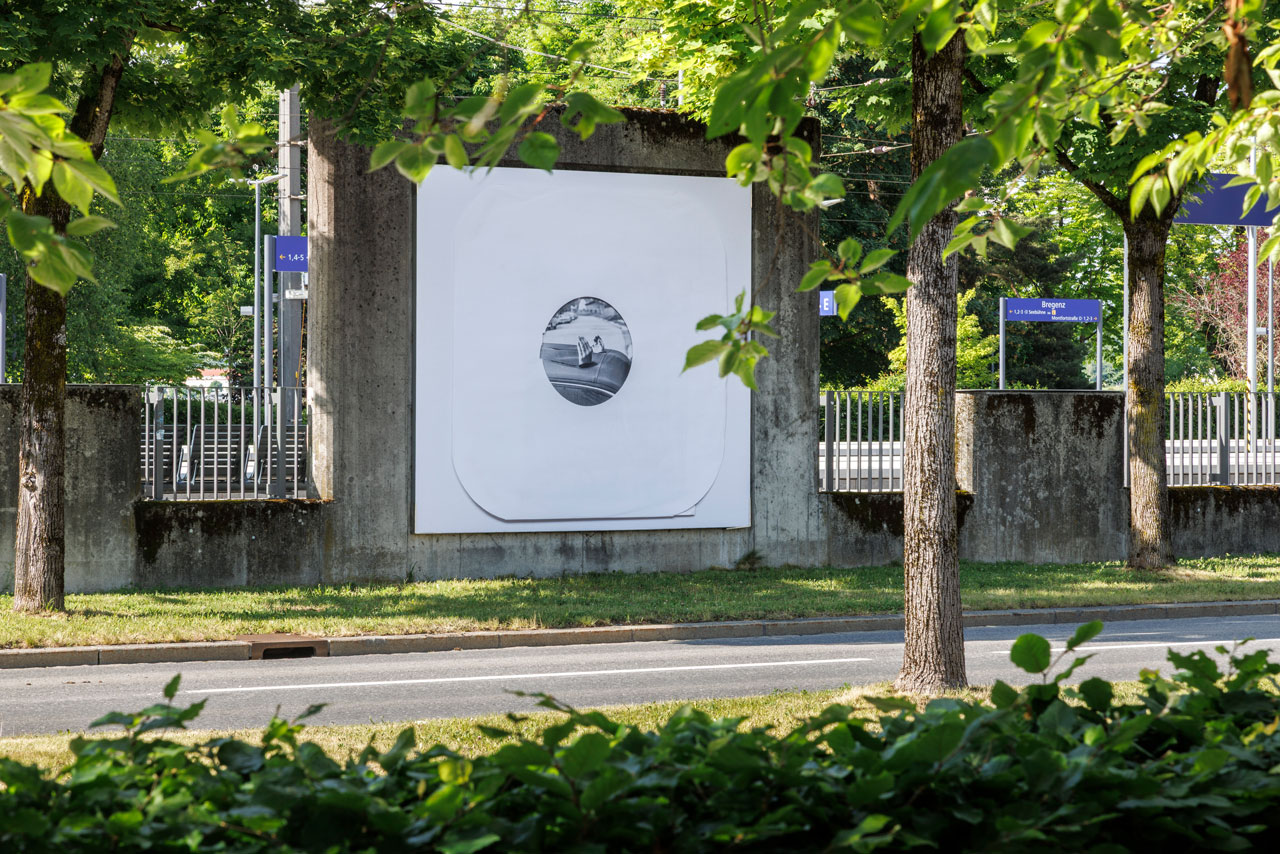
For the first time, Gaillard also presents large-scale collages on the KUB Billboards. In “7-Eleven Tracklist”, the artist assembles original press photographs sourced from defunct American newspaper archives. Depicting acts of vandalism, crime, disorder, and natural disasters, the images are inserted into empty vinyl record sleeves, allowing the central cut-out to frame and reveal each scene. By linking these archival images to the visual language of recorded music, Gaillard extends the exhibition’s investigation of deterrence and the role sound plays in shaping public behavior. Installed along Bregenz’s busy Seestraße, the billboards carry the exhibition beyond the museum and into the public realm.
*The KILLASAN is a legendary, custom-built, Jamaican-style sound system originally commissioned in Japan. Known for its immense physical presence, the massive “wall of sound” rig features 25 kW of amp power and a deep, heavy bass section that provides a distinctly warm and clear auditory experience
Photo: Cyprien Gaillard, 7-Eleven Tracklist, Installation view KUB Billboards, 2026, Photo: Markus Tretter, © Cyprien Gaillard, Kunsthaus Bregenz, Courtesy of the artist, Sprüth Magers
Info: Kunsthaus Bregenz, Karl-Tizian-Platz, Bregenz, Österreich, Austria, Duration: 13/6-4/10/2026, Days & Hours: Tue=Wed & Fri-Sun 10:00-18:00, Thu 10:00-20:00, www.kunsthaus-bregenz.at/
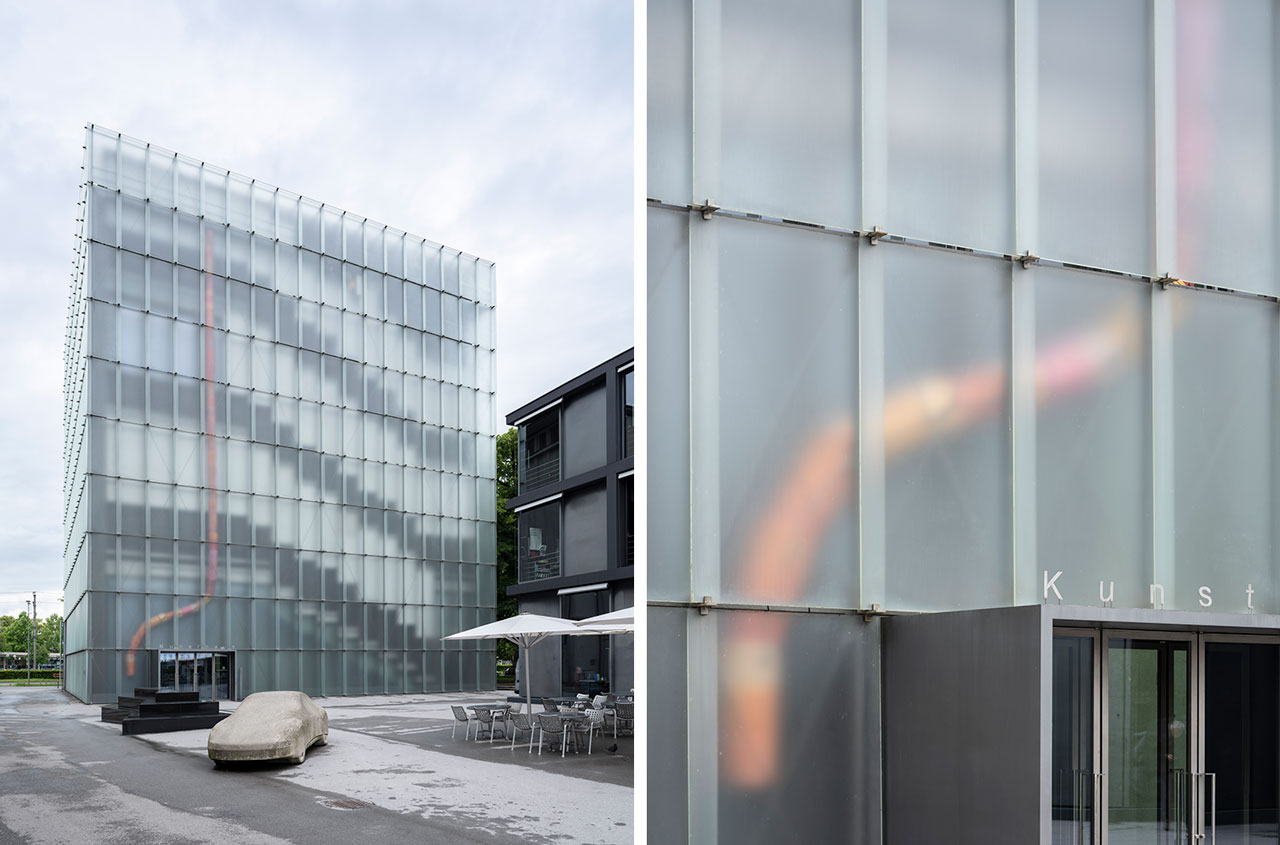
Chute, 2026, Photo: Timo Ohler, © Cyprien Gaillard, Kunsthaus Bregenz, Courtesy of the artist, Sprüth Magers, Gladstone Gallery
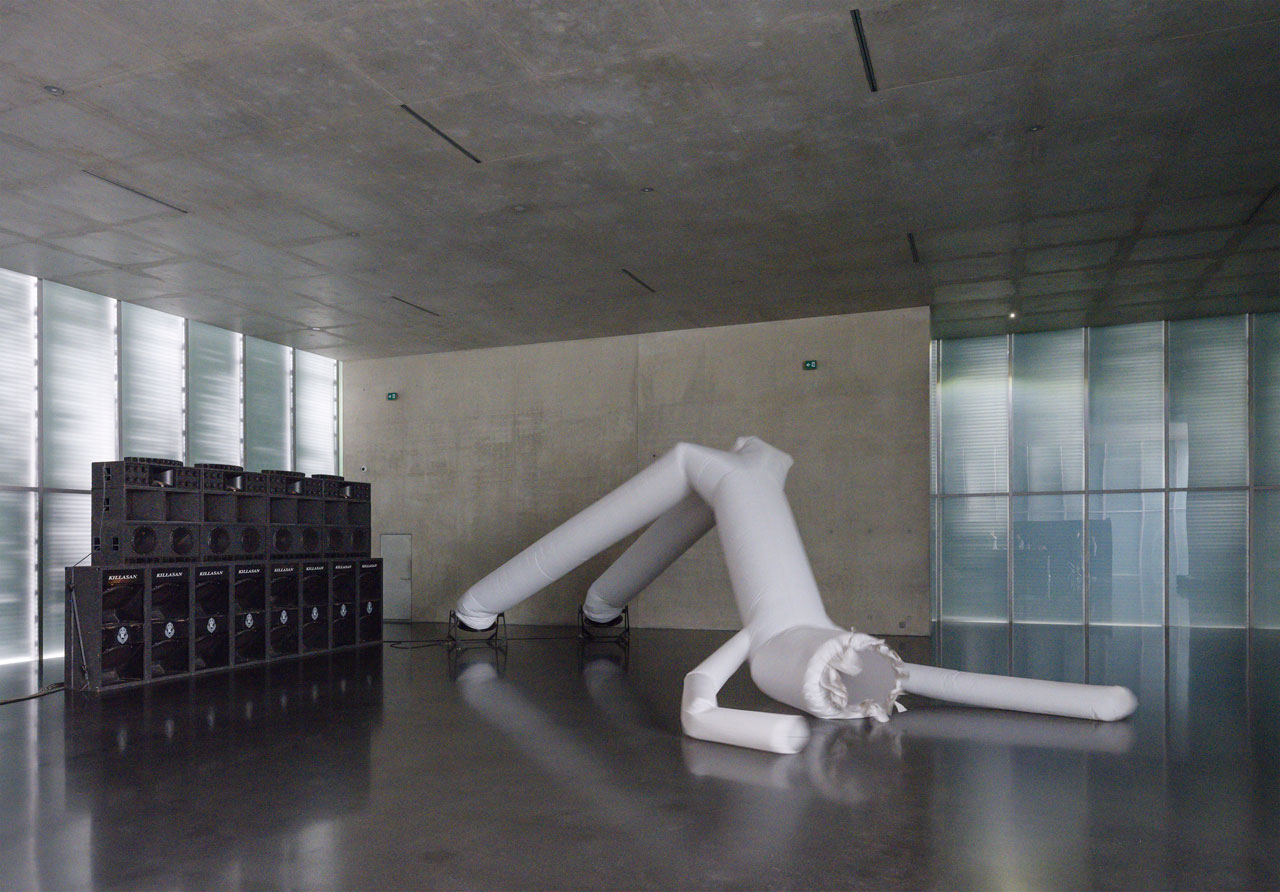
Visitant (no dancing 2020 – 2021), 2021, Photo: Timo Ohler, © Cyprien Gaillard, Kunsthaus Bregenz, Courtesy of the artist, Sprüth Magers, Gladstone Gallery
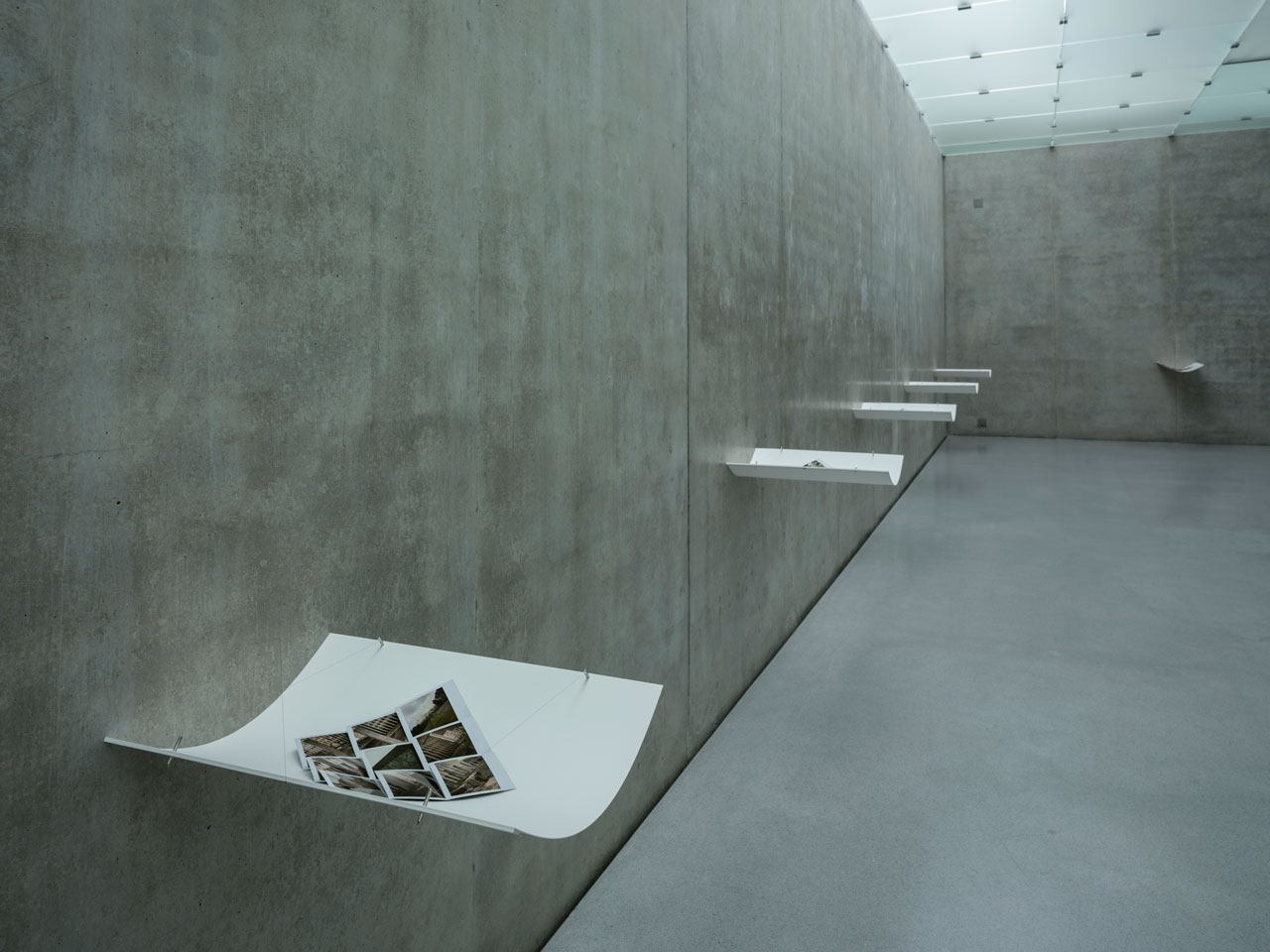
Geographical Analogies, 2006 – 2026, Photo: Timo Ohler, © Cyprien Gaillard, Kunsthaus Bregenz, Courtesy of the artist, Sprüth Magers, Gladstone Gallery
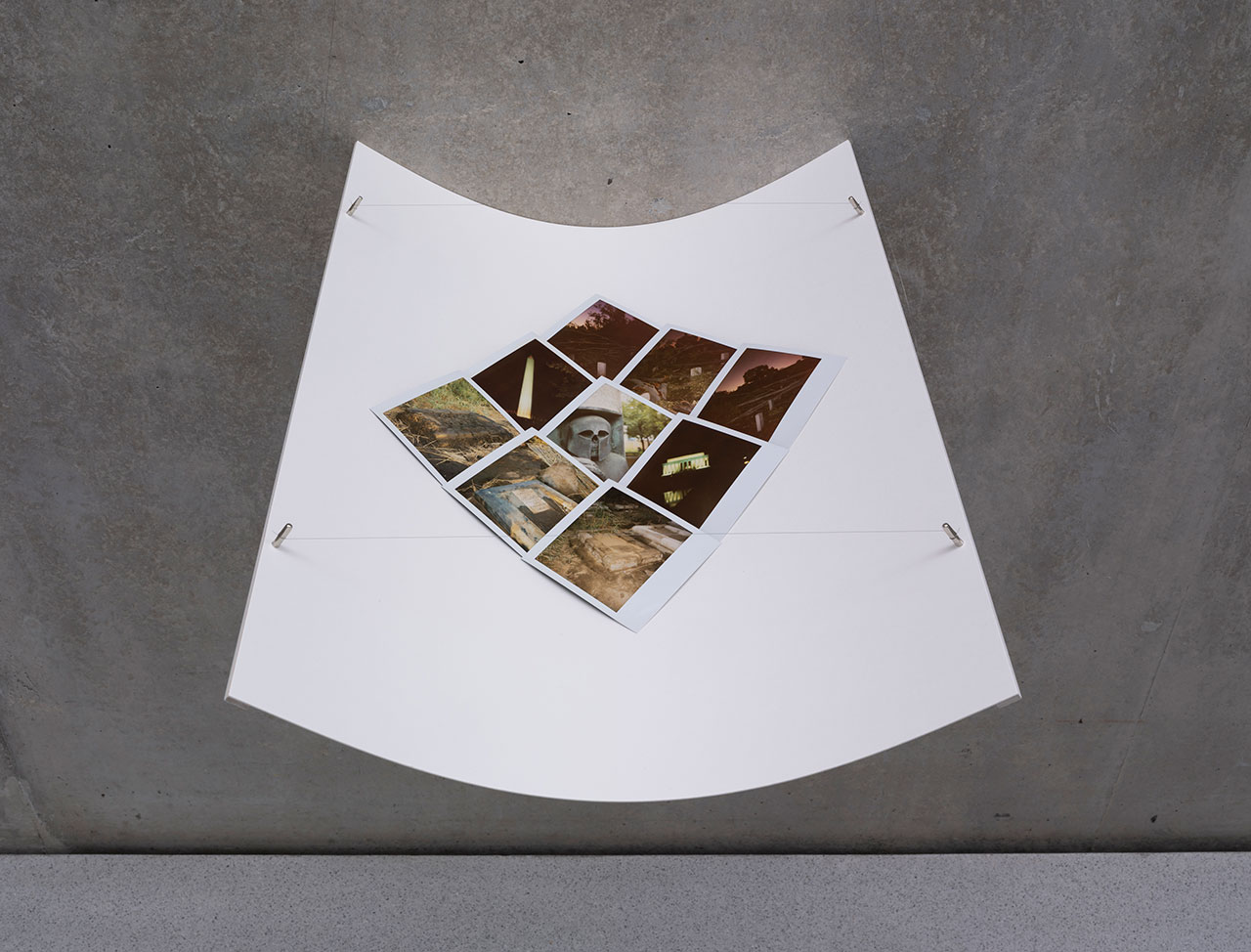
Geographical Analogies, 2006 – 2026, Photo: Timo Ohler, © Cyprien Gaillard, Kunsthaus Bregenz, Courtesy of the artist, Sprüth Magers, Gladstone Gallery
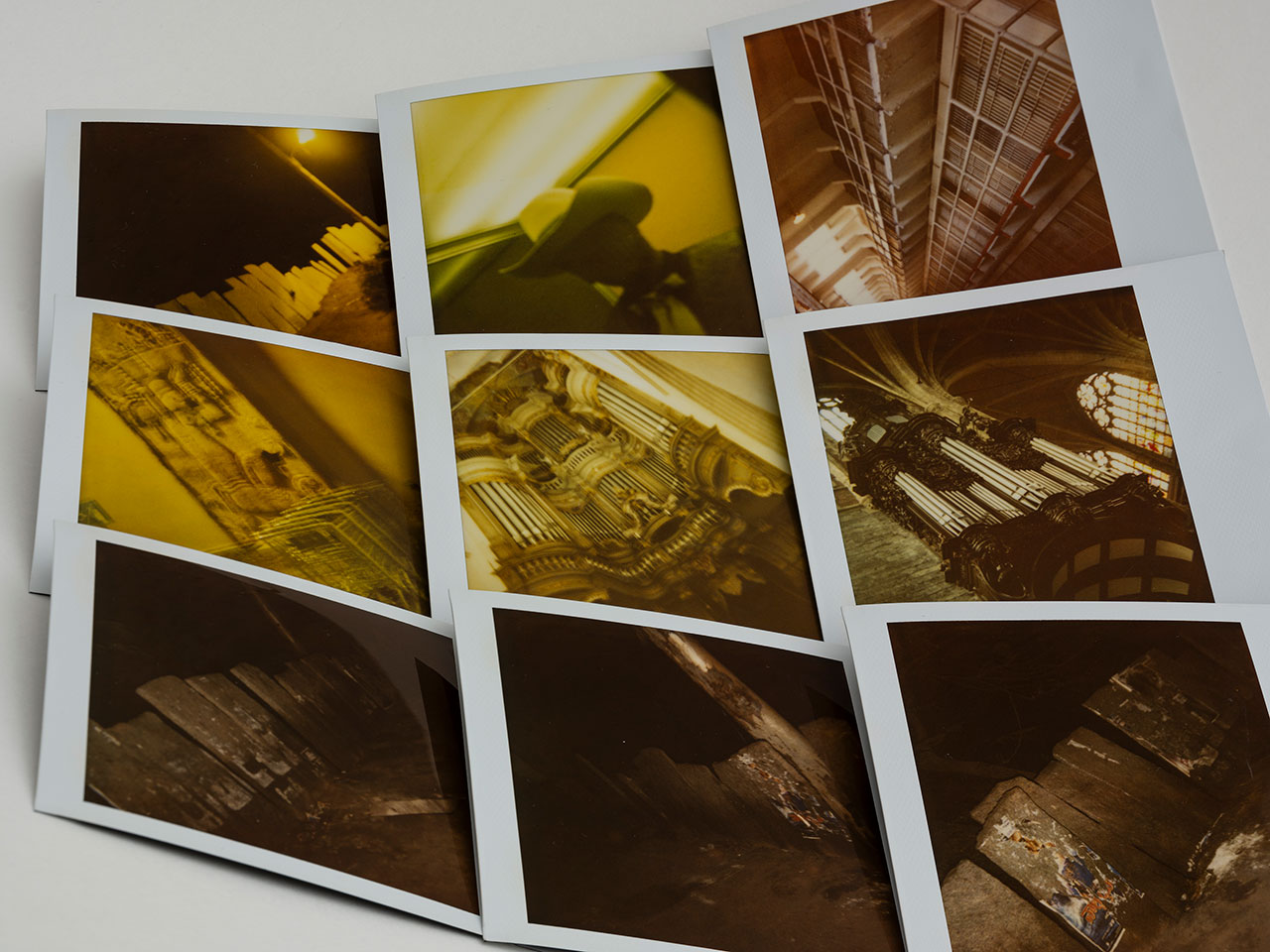
Geographical Analogies, 2006 – 2026, Photo: Timo Ohler, © Cyprien Gaillard, Kunsthaus Bregenz, Courtesy of the artist, Sprüth Magers, Gladstone Gallery
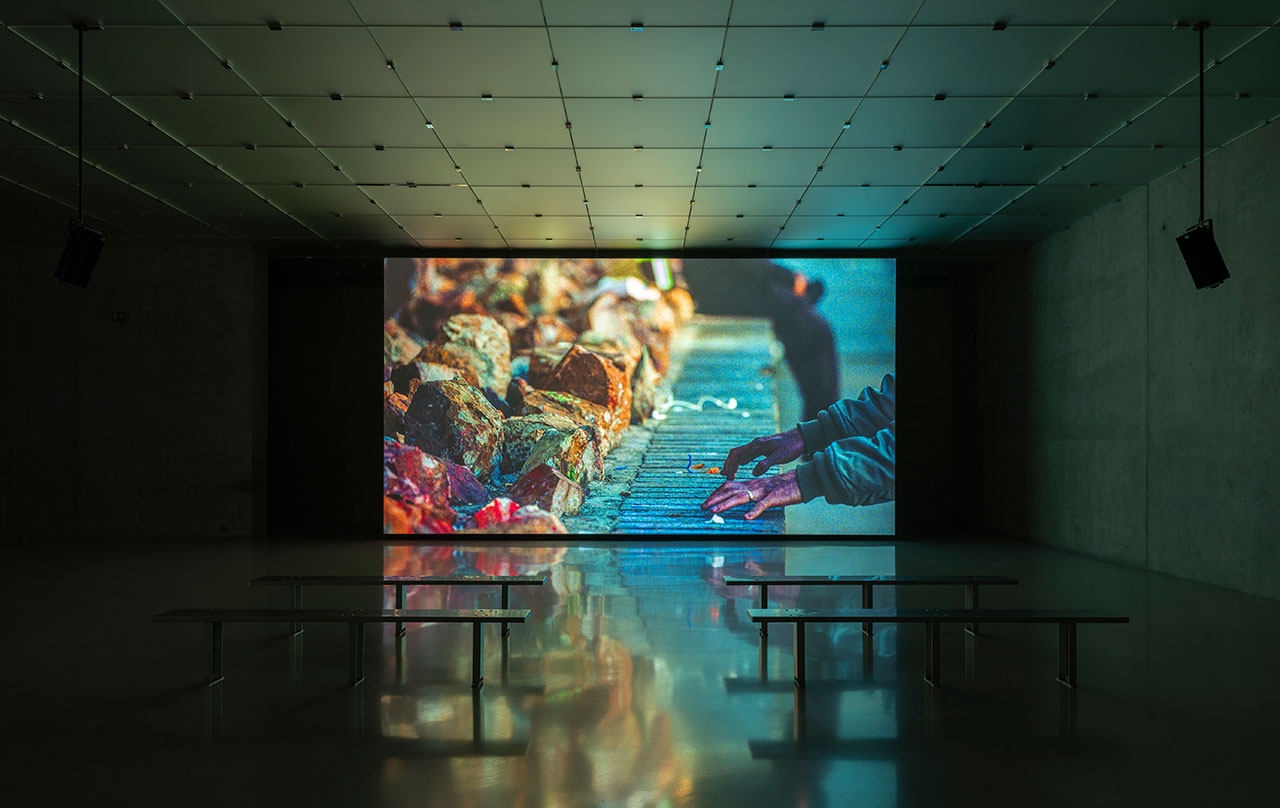
DETERRENT, 2026, Photo: Timo Ohler, © Cyprien Gaillard, Kunsthaus Bregenz , Courtesy of the artist, Kunsthaus Bregenz, Fondazione Prada