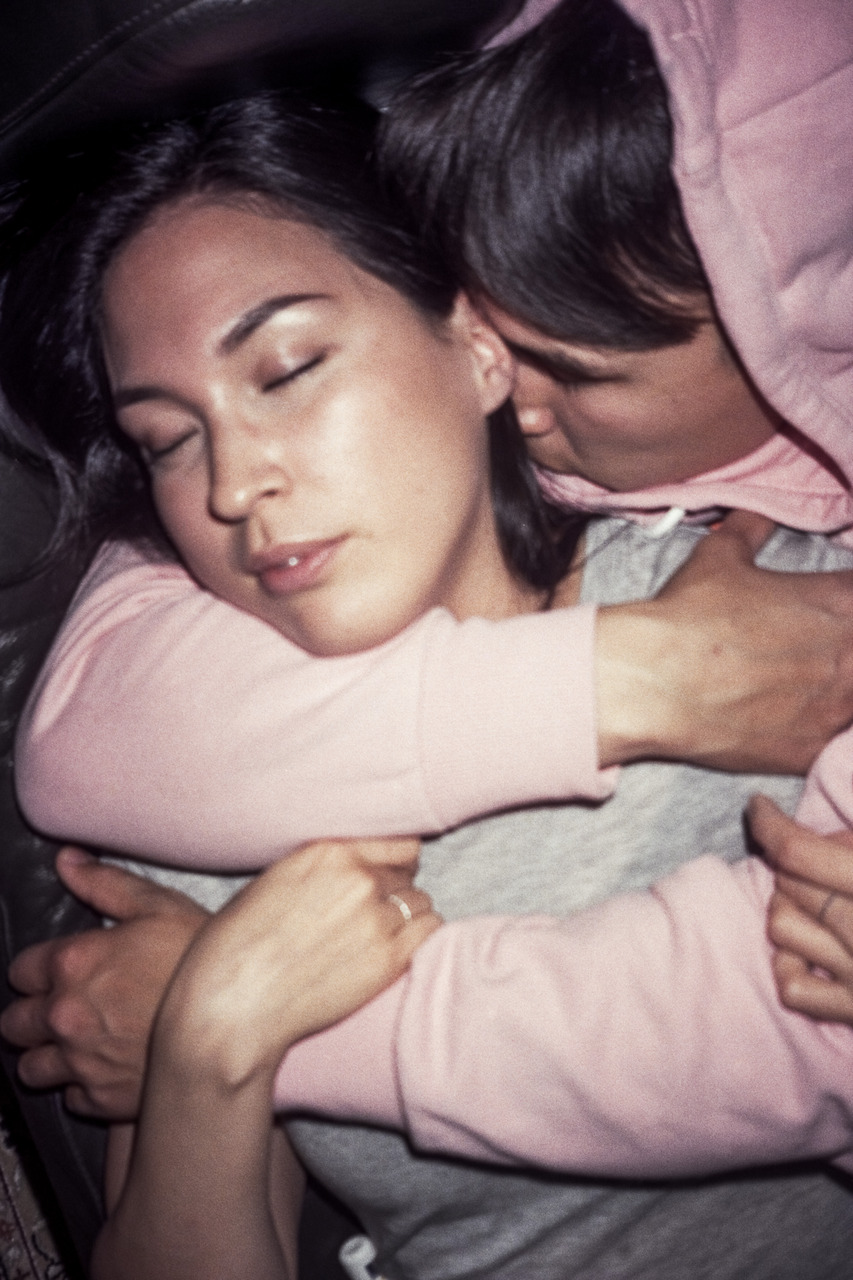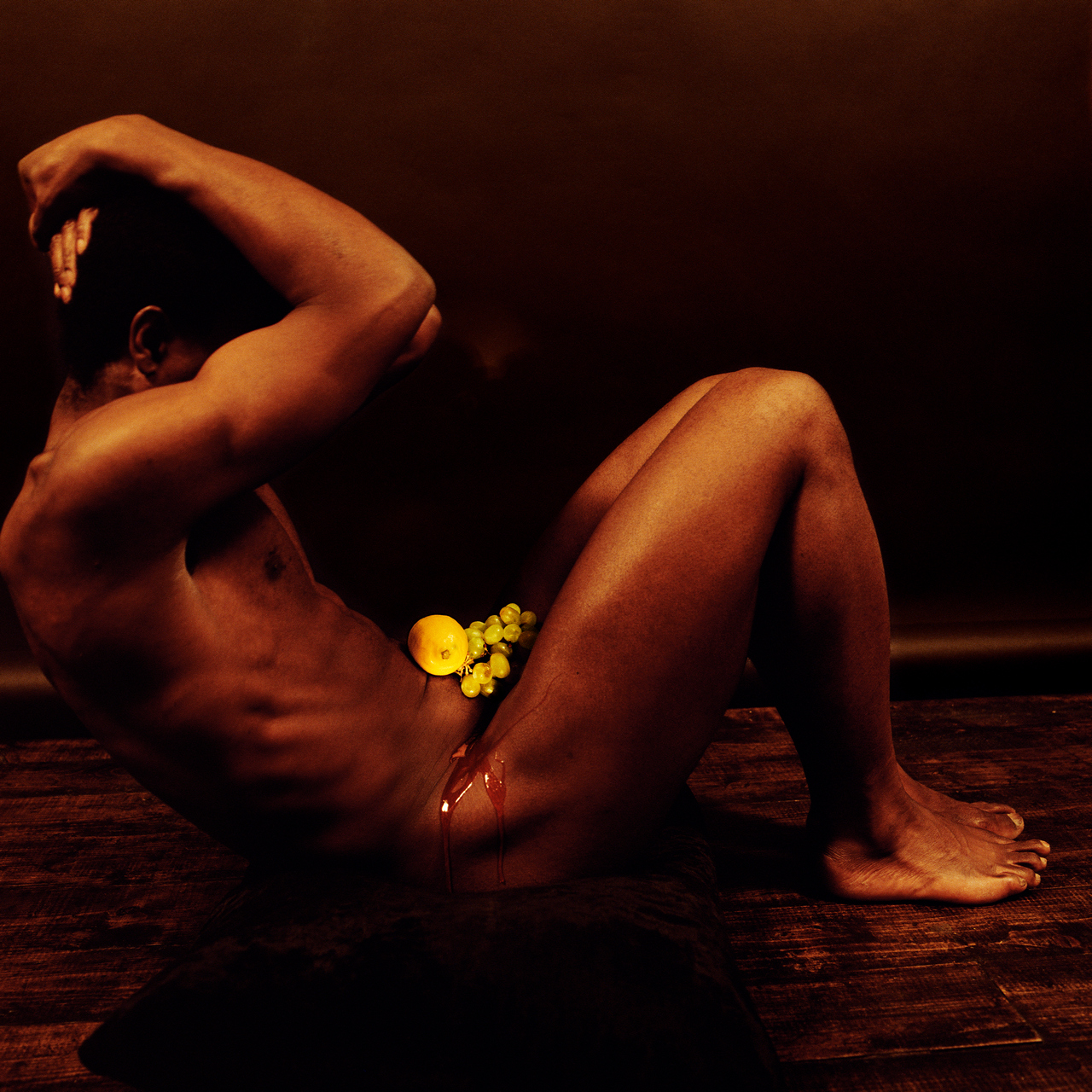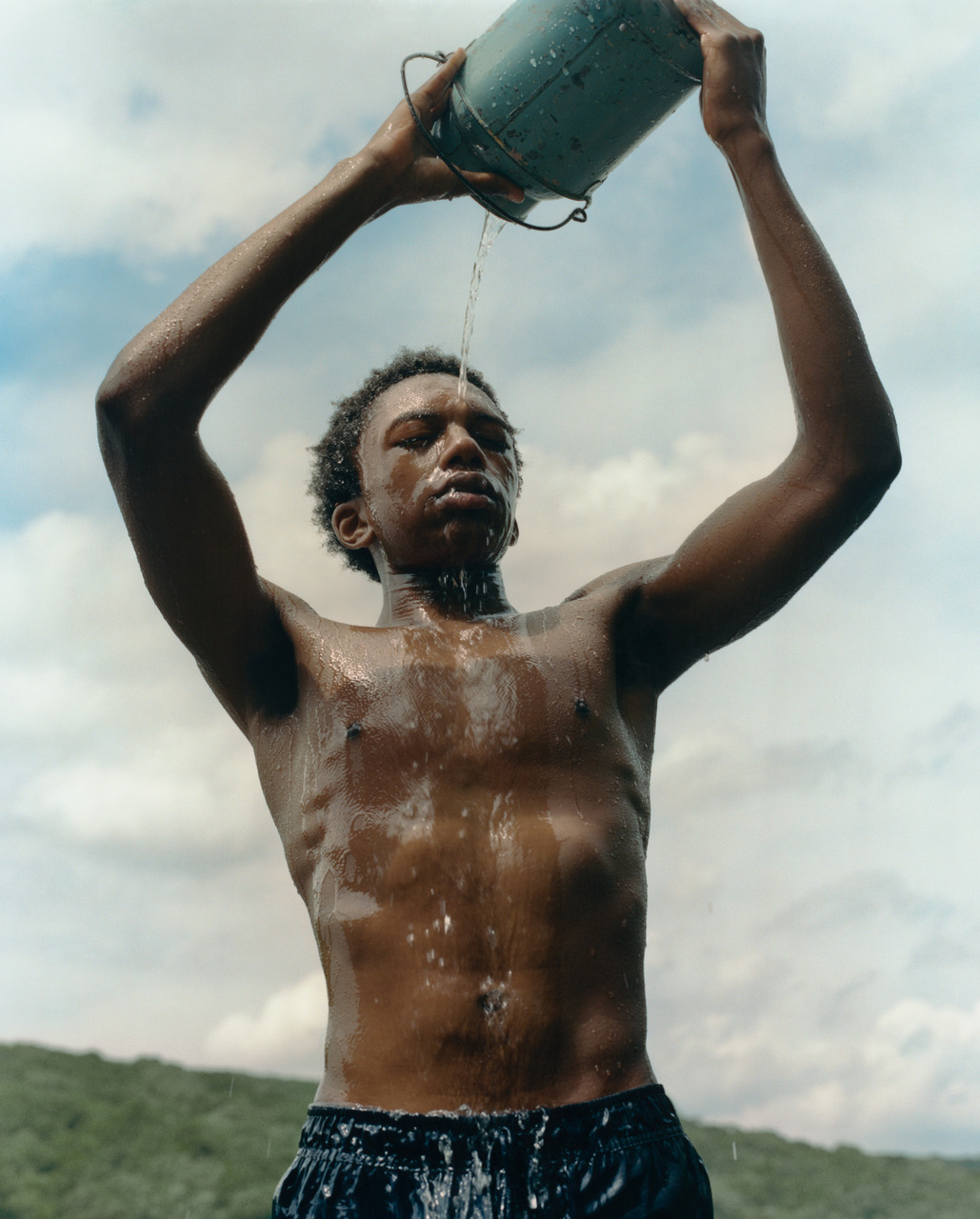
PHOTO: 9th Triennial of Photography Hamburg 2026
The Triennial of Photography Hamburg is an internationally renowned photo festival that takes placei n collaboration with major museums, exhibition spaces, and cultural institutions. Initiated in 1999 by collector and photographer F.C. Gundlach, the photo festival has evolved over the years to become one of the most significant photography events in Germany, enjoying international acclaim. Under a common theme, conceptualized by varying artistic leadership, numerous photo exhibitions shed light on highly relevant photographic themes and trends.
By Dimitris Lempesis
Photo: Triennial of Photography Hamburg Archive
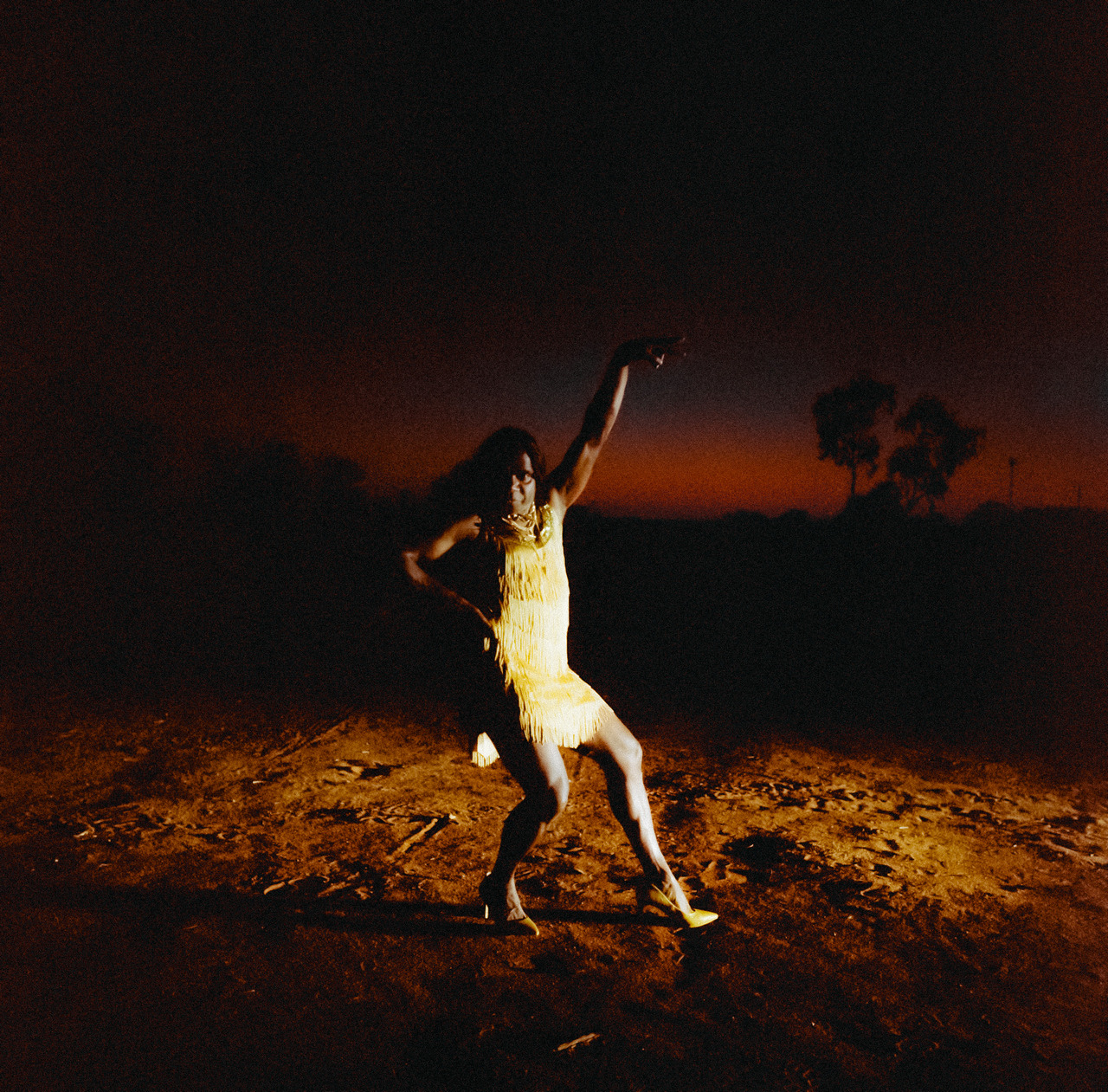
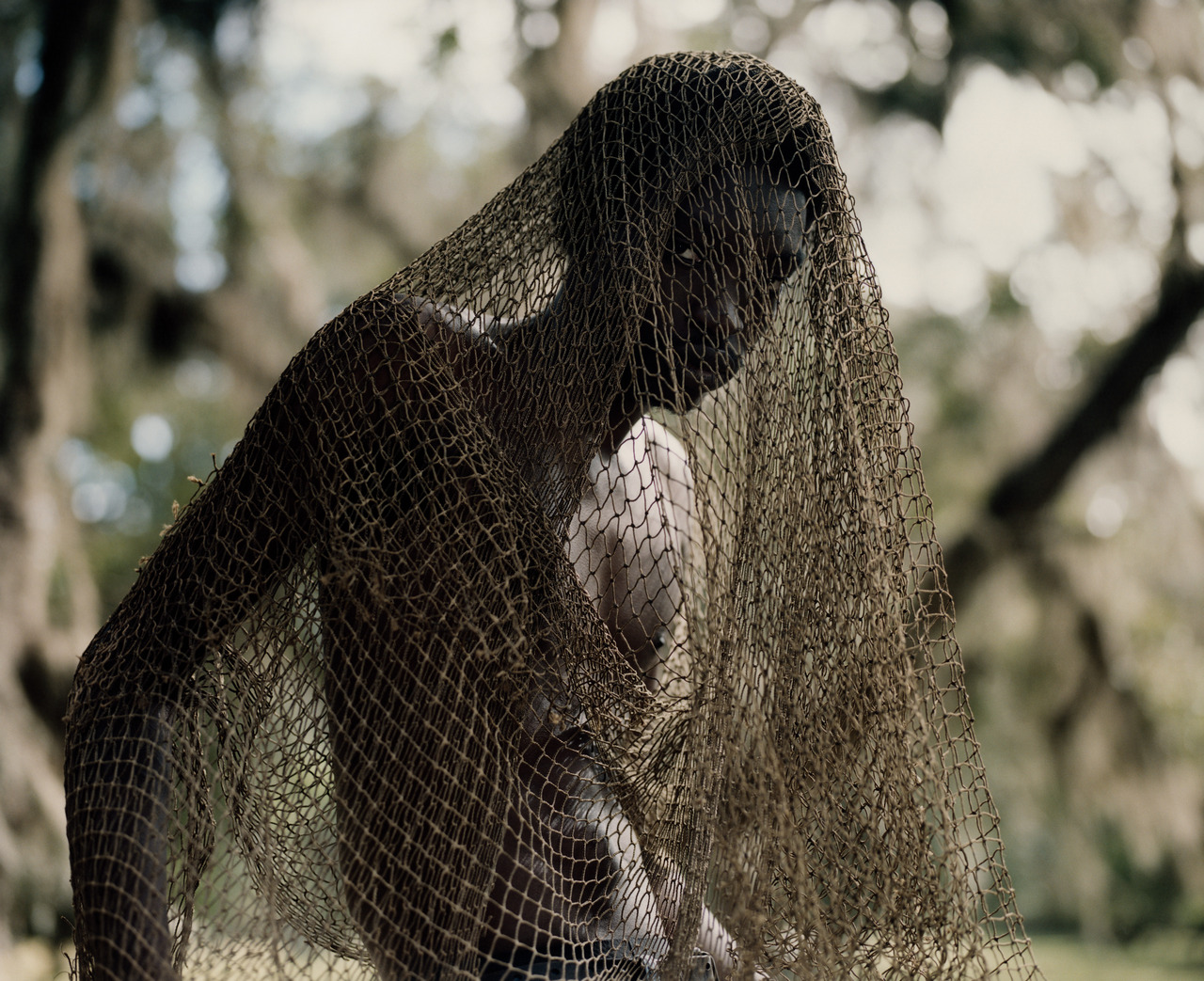
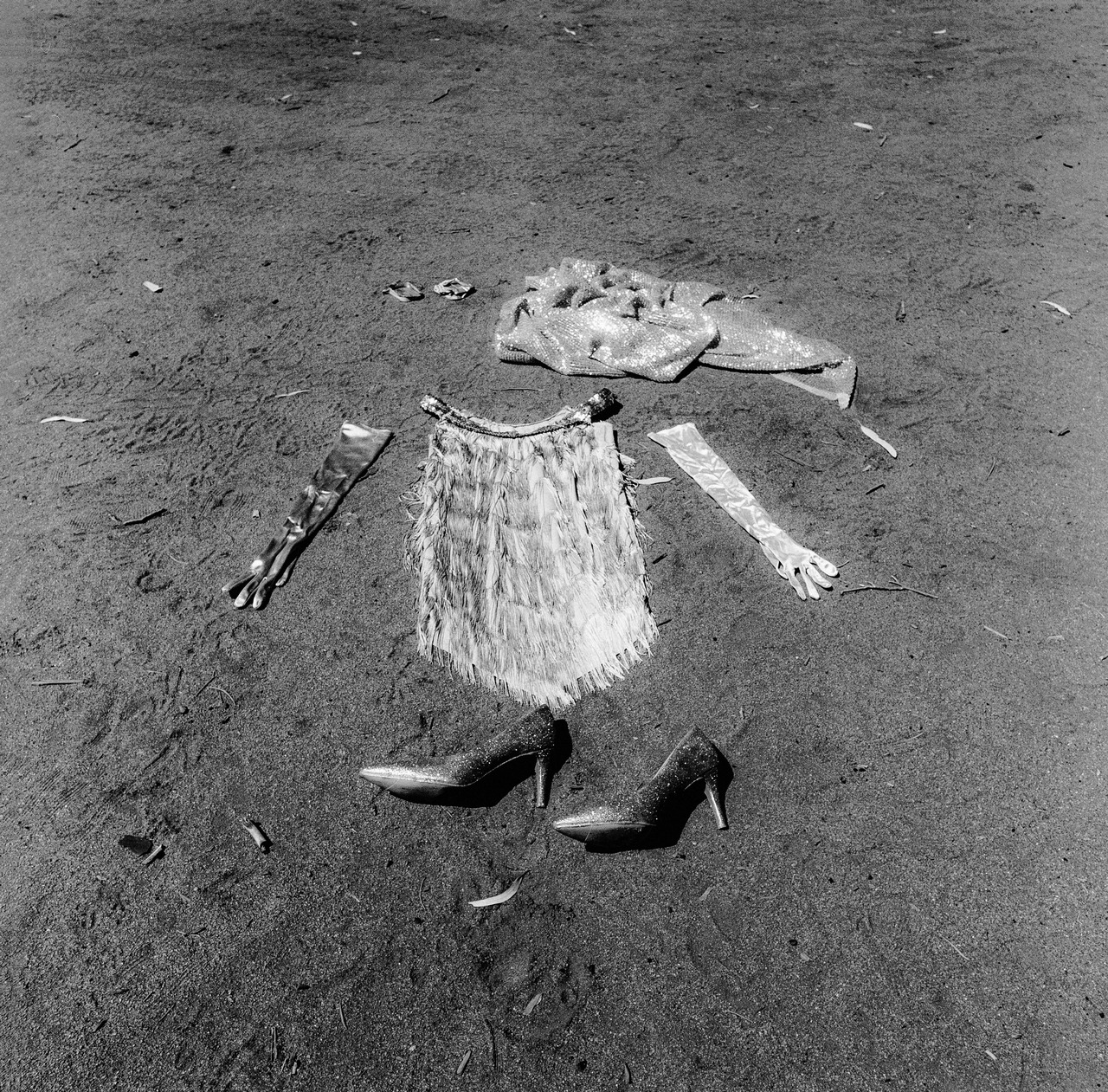
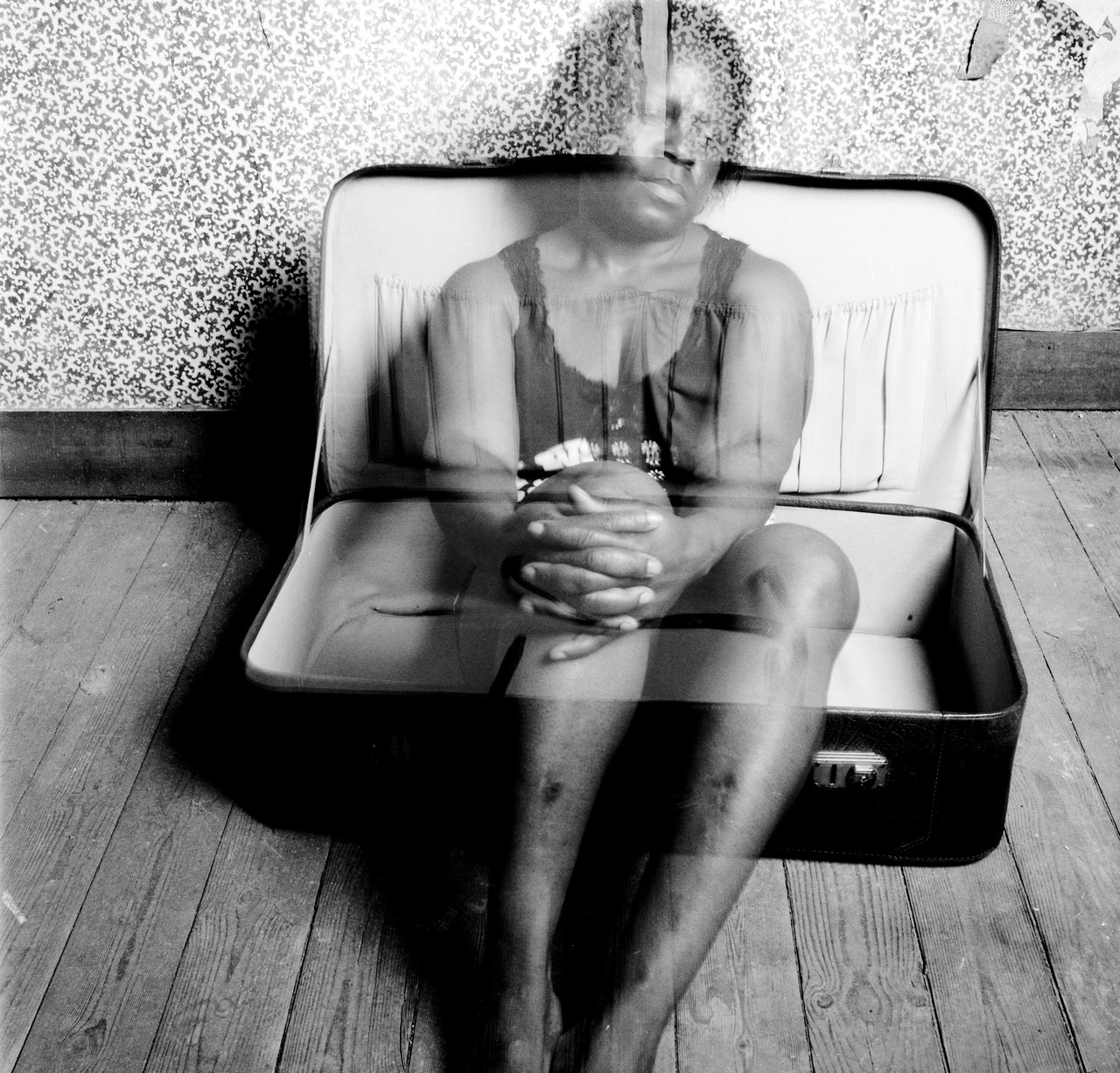
In an era marked by political polarization, social fragmentation, and growing uncertainty about the future, the 9th Triennial of Photography Hamburg arrives with a message that feels both timely and ambitious. Under the title “Alliance, Infinity, Love – in the Face of the Other”, the 2026 edition of the renowned festival brings together more than 250 artistic positions across eleven exhibitions, transforming Hamburg into an international hub for contemporary photographic discourse.
Running across the city’s major museums, exhibition halls, and cultural institutions, the Triennial presents photography not merely as a documentary medium but as a powerful tool for empathy, resistance, memory, and social transformation. Through works that span photography, video, film, and installation, participating artists explore what it means to live alongside others in an increasingly interconnected yet divided world.
At the core of the festival is a deceptively simple proposition: that alliance, infinity, and love can serve as guiding principles for reimagining relationships between individuals, communities, and cultures. Rather than treating these concepts as abstract ideals, the Triennial positions them as urgent responses to contemporary challenges.
The festival’s intellectual framework draws inspiration from two unlikely but complementary sources. One is “Nature Boy”, the 1948 song made famous by Nat King Cole, whose famous closing line—“the greatest thing you’ll ever learn is just to love and be loved in return”—has endured as a universal statement on human connection. The other is the philosophy of Emmanuel Levinas, whose writings emphasized ethical responsibility toward the Other and argued that human relationships begin with recognizing the dignity and vulnerability of those different from ourselves.
Together, these influences shape a festival that seeks to challenge dominant narratives and create space for overlooked voices, alternative histories, and new forms of dialogue.
The central exhibition, also titled “Alliance, Infinity, Love – in the Face of the Other”, serves as the conceptual heart of the Triennial. Featuring approximately 500 works by internationally acclaimed artists, it unfolds as a journey through three interconnected themes.
The first chapter, “Alliance,” focuses on solidarity, collective identity, and the recognition of difference. Here, artists examine how communities are formed, represented, and empowered. Photography becomes a means of amplifying voices that have often been marginalized or excluded from mainstream cultural narratives.
The second chapter, “Infinity,” turns toward the possibilities of becoming. Through images that challenge fixed categories and established boundaries, artists imagine alternative futures and more inclusive forms of cultural participation. The section invites viewers to consider photography as a medium capable of expanding social and political horizons.
The exhibition culminates in “Love,” where intimacy, desire, care, and vulnerability emerge as transformative forces. Rather than presenting love as a purely romantic ideal, the works explore it as a form of resistance against isolation and exclusion. Across these galleries, photography functions as a practice of empathy, offering new ways of seeing both ourselves and others.
The breadth of perspectives represented is striking. Artists from Australia, Japan, Lebanon, Palestine, Brazil, Jamaica, South Africa, Greenland, and across Europe contribute works rooted in distinct cultural experiences while engaging with shared questions of identity, belonging, spirituality, and liberation.
One of the festival’s most compelling exhibitions is “Cocktail Prolongé”, drawn from the private collection of photographer and collector F.C. Gundlach. While Gundlach is widely celebrated for shaping post-war fashion photography in Germany, this exhibition reveals a different dimension of his artistic interests.
Featuring more than 300 works by approximately seventy photographers, including Diane Arbus, Richard Avedon, Cindy Sherman, Robert Mapplethorpe, Larry Clark, and Irving Penn, the exhibition examines the body as a site of fantasy, vulnerability, performance, and resistance. Spanning more than a century of photographic history, the works challenge conventional representations of gender, beauty, sexuality, and identity.
What makes “Cocktail Prolongé” particularly relevant today is its exploration of queer visibility and bodily autonomy. The exhibition highlights how artists have long used photography to question social norms and create alternative visual languages for expressing individuality and desire.
At PHOXXI – the Temporary House of Photography, two younger artists demonstrate how analogue photography continues to evolve in innovative directions. Abdulhamid Kircher and Akosua Viktoria Adu-Sanyah both use the photographic process itself as a means of investigating memory, history, and personal experience.
Abdulhamid Kircher’s installation “Rotting From Within” examines family relationships shaped by absence, patriarchy, and unresolved emotional tensions. Combining documentary photographs, archival materials, personal texts, and found objects, the artist constructs what he describes as a living family album. The work revolves around the absence of the father figure, transforming that void into a space of longing, reflection, and reconstruction.
Akosua Viktoria Adu-Sanyah’s “Residual Sky Under Contamination” approaches history from a different angle. Working with archival photographs connected to colonial Ghana, she isolates fragments of landscapes and skies, reinterpreting them through experimental darkroom techniques. The resulting images are visually striking while simultaneously raising questions about historical memory, colonial legacies, and the power structures embedded within photographic archives.
Elsewhere, “Inner Mornings, or Forms of Counterculture” explores photography’s relationship with dissent and social change. Inspired by the life and work of Claude Cahun, the exhibition examines how artists have used images to challenge authority, destabilize established narratives, and imagine alternative ways of living.
Drawing on major collections from France and Germany, the exhibition traces connections between artistic experimentation and broader traditions of political resistance. Influences ranging from Henry David Thoreau’s philosophy of civil disobedience to the critical theories of Michel Foucault and Félix Guattari provide an intellectual backdrop for works that question systems of power and representation.
Another highlight is “BUT I | WORLD | I SEE | YOU”, an expansive exhibition bringing together more than forty international artists from different generations. Through photography, sculpture, moving image, and archival material, the exhibition investigates the complex relationship between images and historical memory.
Many of the participating artists focus on what photographs conceal as much as what they reveal. Colonial histories, labour, migration, personal archives, and cultural traditions emerge through works that challenge viewers to look beyond the surface of the image. Rather than presenting history as fixed and complete, the exhibition emphasizes its fragmented, layered, and continually evolving nature.
The theme of memory is further developed in Melike Kara’s solo exhibition “Whispers” at Kunsthaus Hamburg. Drawing upon years of engagement with her Kurdish heritage, Kara has partially burned elements of her own photographic archive and incorporated the remnants into a large-scale installation. The resulting environment reflects on transformation, loss, and the possibility of renewal, suggesting that identity is not something static but something continuously reshaped through experience.
Meanwhile, at Kunstverein Hamburg, Nina Porter’s exhibition “Sample Question” investigates photography’s material and sculptural possibilities. Her works focus on fleeting moments and subtle observations, challenging conventional distinctions between image, object, and process.
Taken together, the exhibitions of the 9th Triennial of Photography Hamburg demonstrate the remarkable diversity of contemporary photographic practice. Yet despite their varied approaches, they share a common concern: how images shape our understanding of one another and the world we inhabit.
In a cultural moment increasingly defined by division and uncertainty, the Triennial offers a compelling argument for photography’s continued relevance. It presents images not as passive records of reality but as active participants in social and political life—capable of preserving memory, questioning power, fostering empathy, and imagining new futures.
More than a celebration of photographic art, Hamburg’s Triennial is a reflection on coexistence itself. Through alliance, infinity, and love, it invites viewers to consider how encounters with others—whether through images or in everyday life—might become opportunities for connection rather than separation.
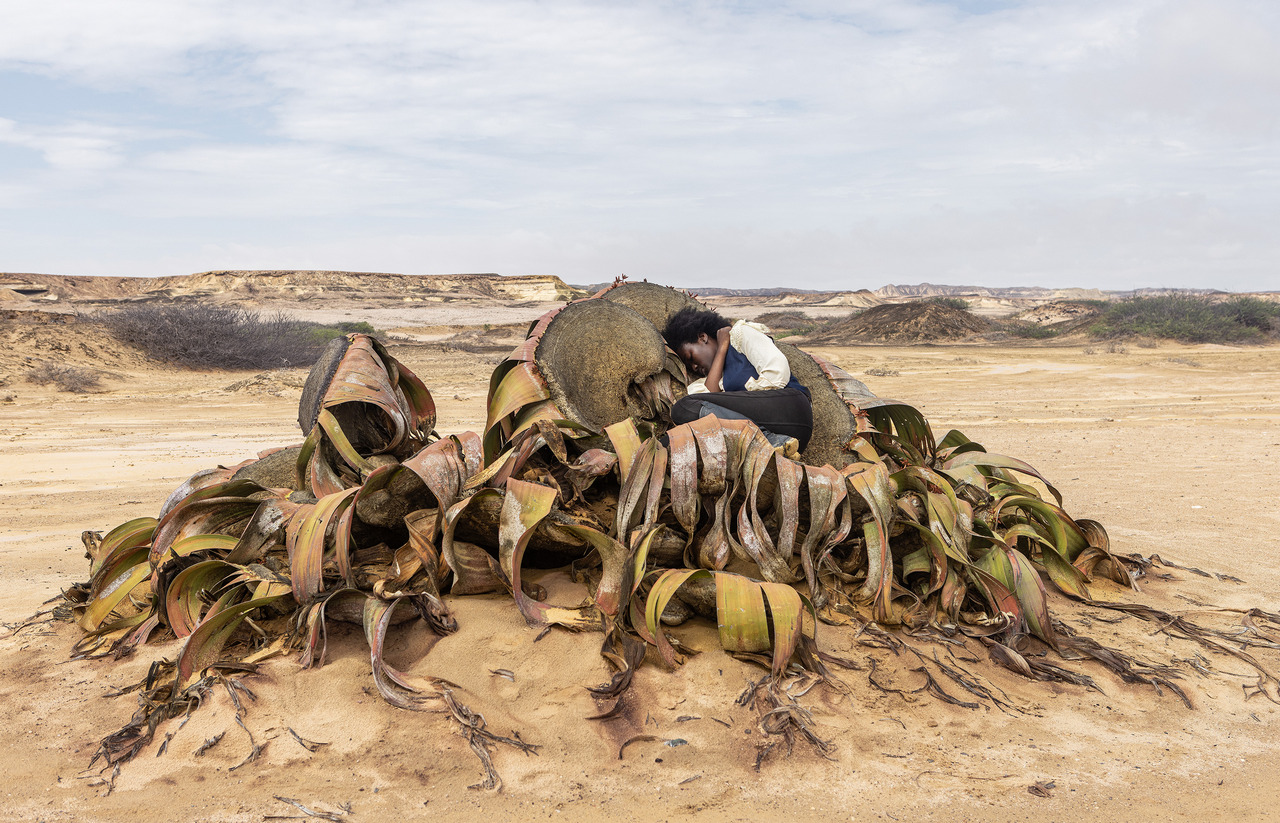
Photo: Monica de Miranda, Earthworks, 2024, courtesy the artist
Info: Artistic Director: Mark Sealy, Curators: Mark Sealy, Cale Garrido, Dr. Sabine Schnakenberg, Nadine Isabelle Henrich, Émilie Houssa, Dirk Luckow, Goesta Diercks, Dr. Corinne Diserens, Anna Nowak, Sarah Messerschmidt, Curatorial Assistants: Viktoria Rochambeau, Leona Marie Ahrens, Elisa Nessler, Participating Museums And Art Institutions: Deichtorhallen Hamburg with the Hall for Contemporary Art, the PHOXXI – Temporary House of Photography, the F.C Gundlach Collection and the Falckenberg Collection; the Bucerius Kunst Forum; the Hamburger Kunsthalle; the Kunsthaus Hamburg; the Kunstverein in Hamburg; the MARKK – Museum am Rothenbaum. World Cultures and Arts; the Museum of Work as well as the Museum für Kunst und Gewerbe Hamburg. Duration: 5/6-22/9/2026, https://phototriennale.de/en/