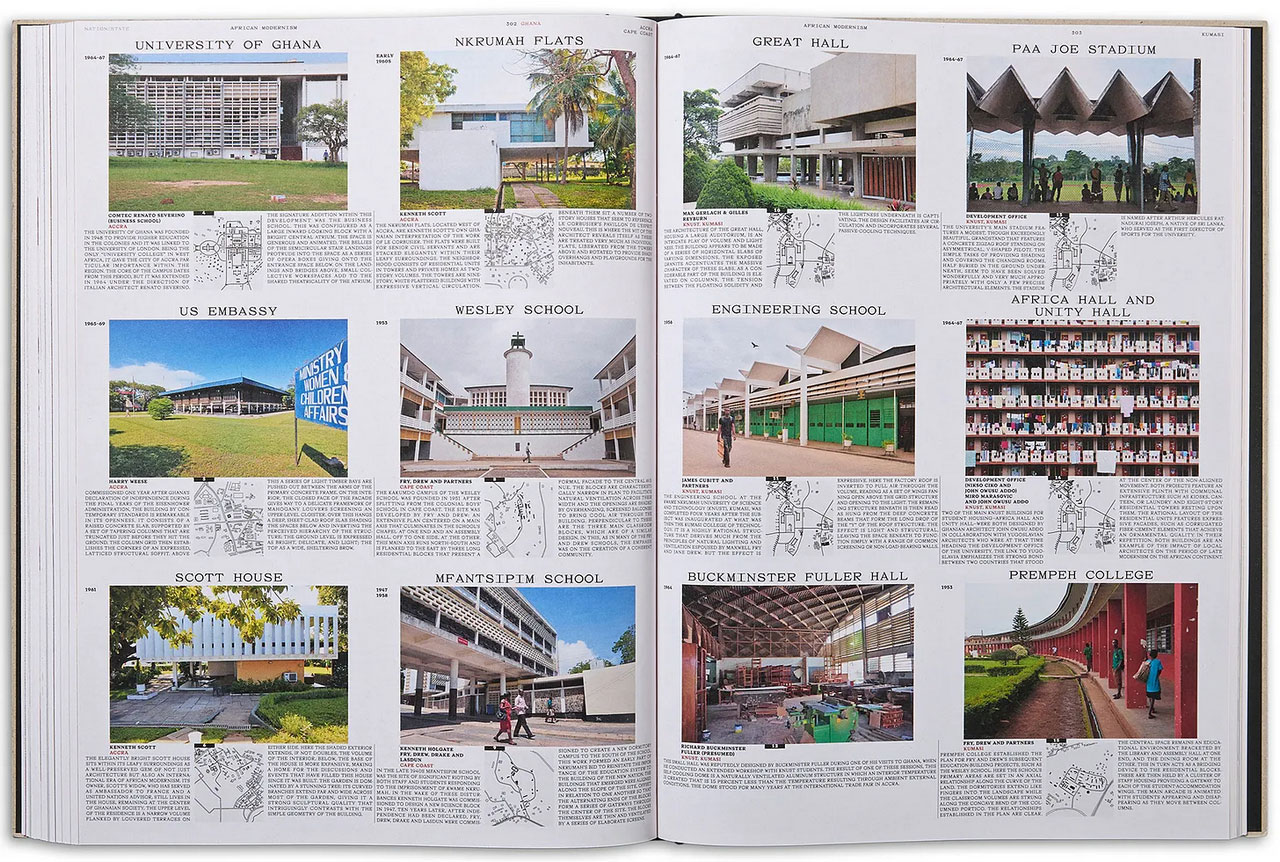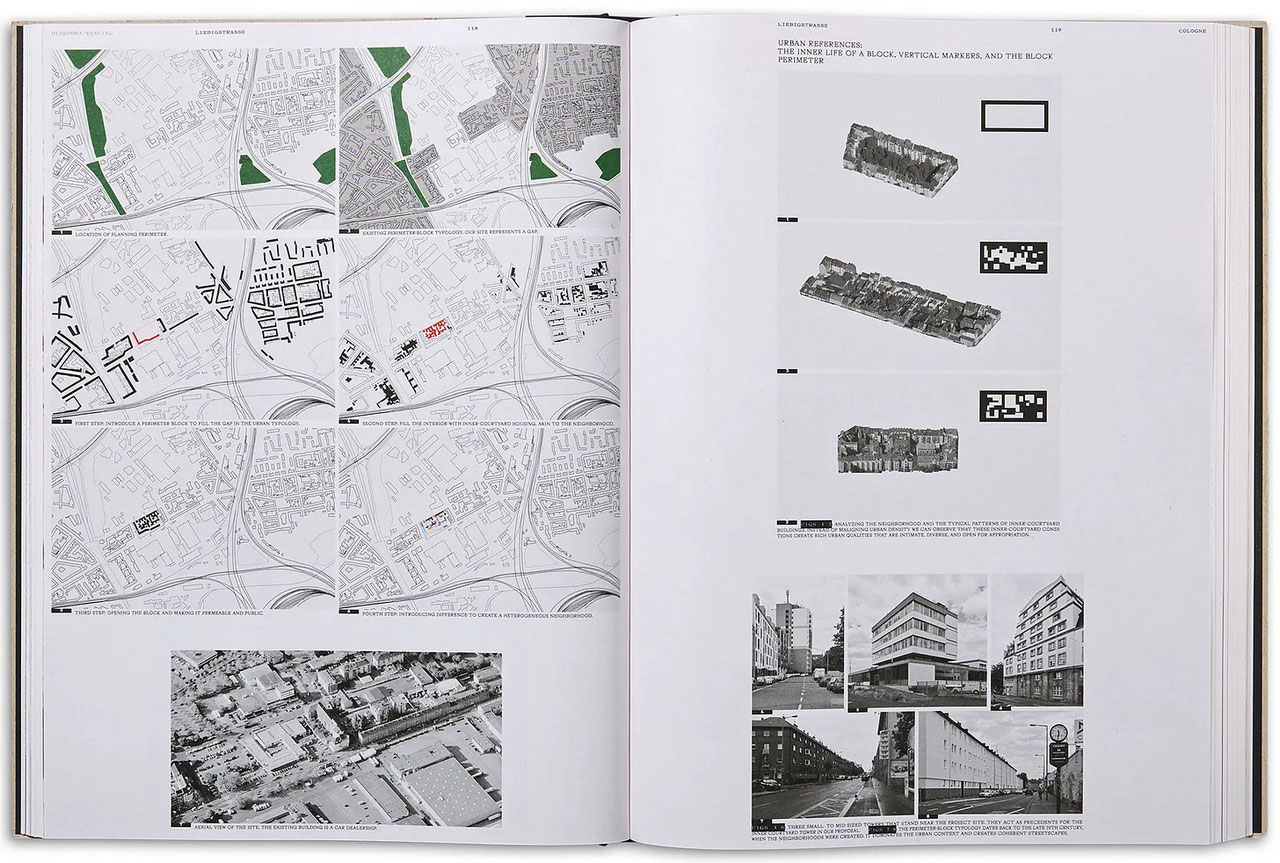
BOOK:Unfinished Atlas-19 Projects by Manuel Herz Architects, Park Books
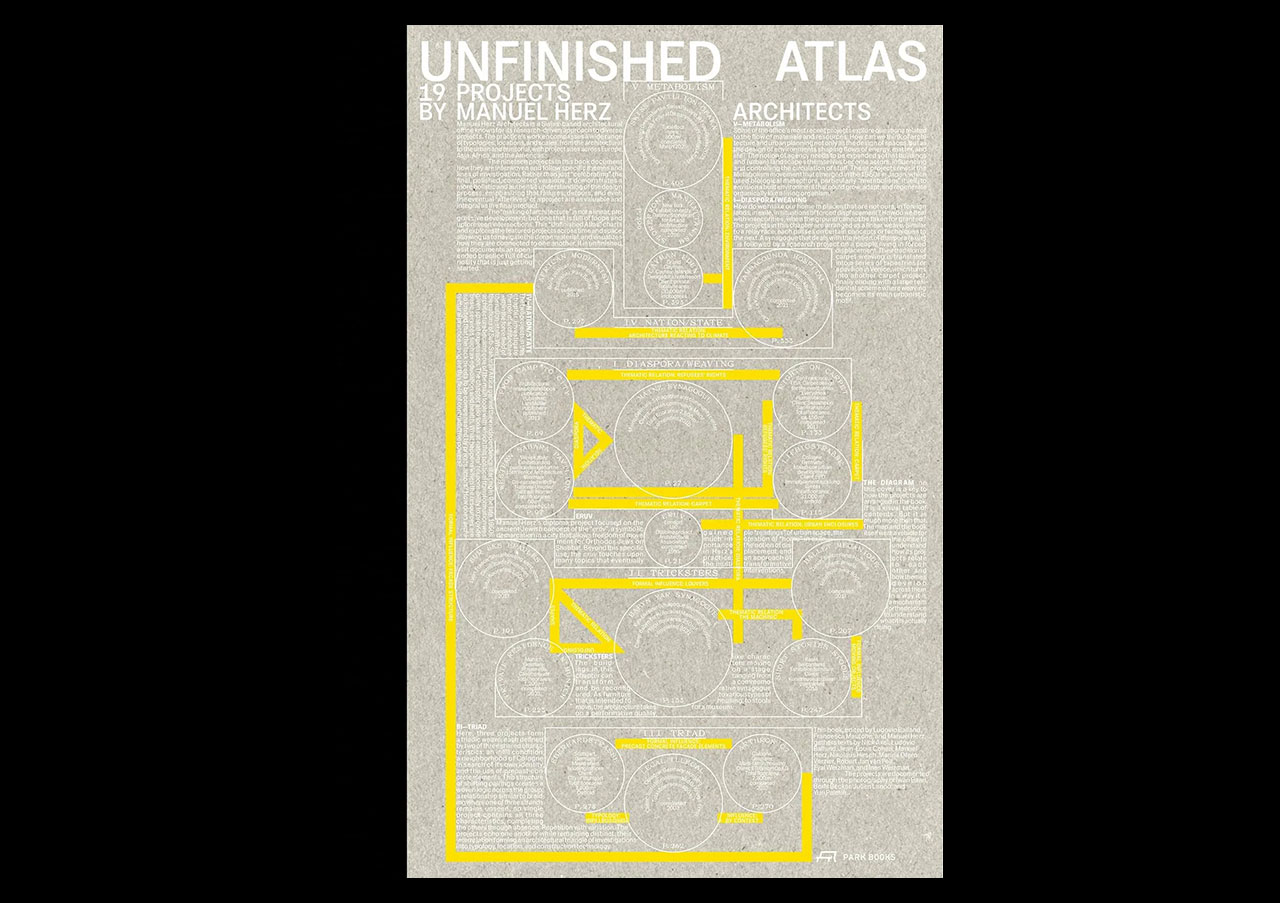
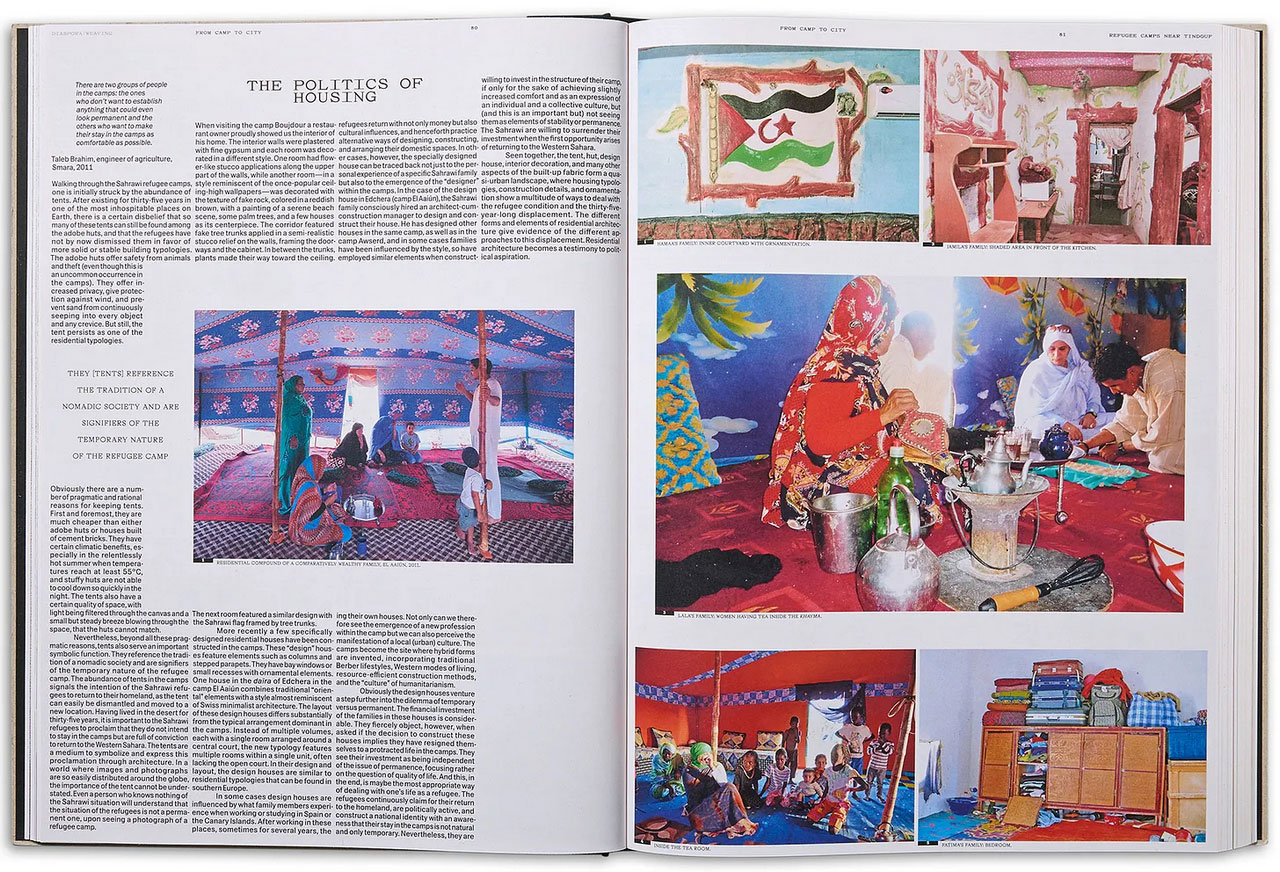
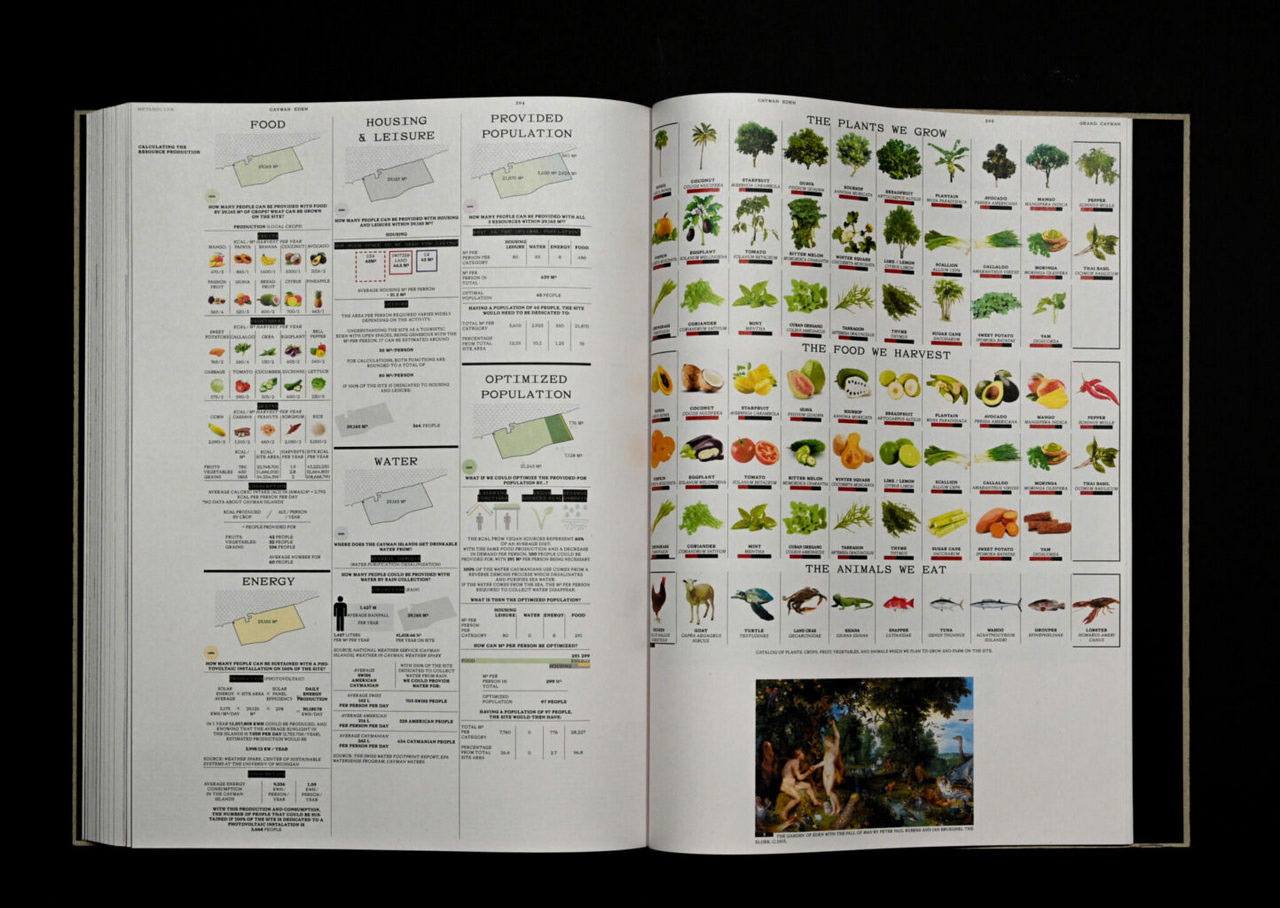
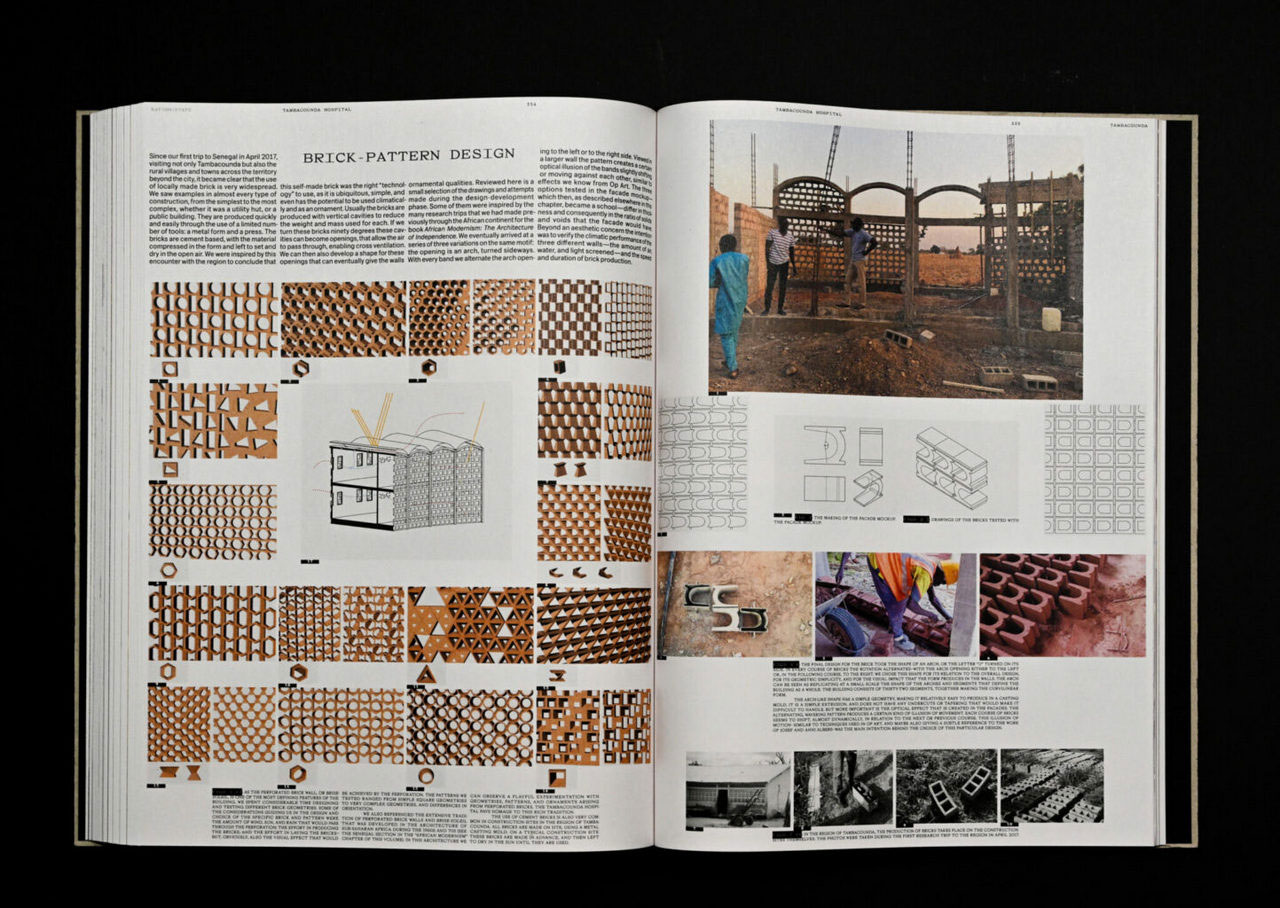
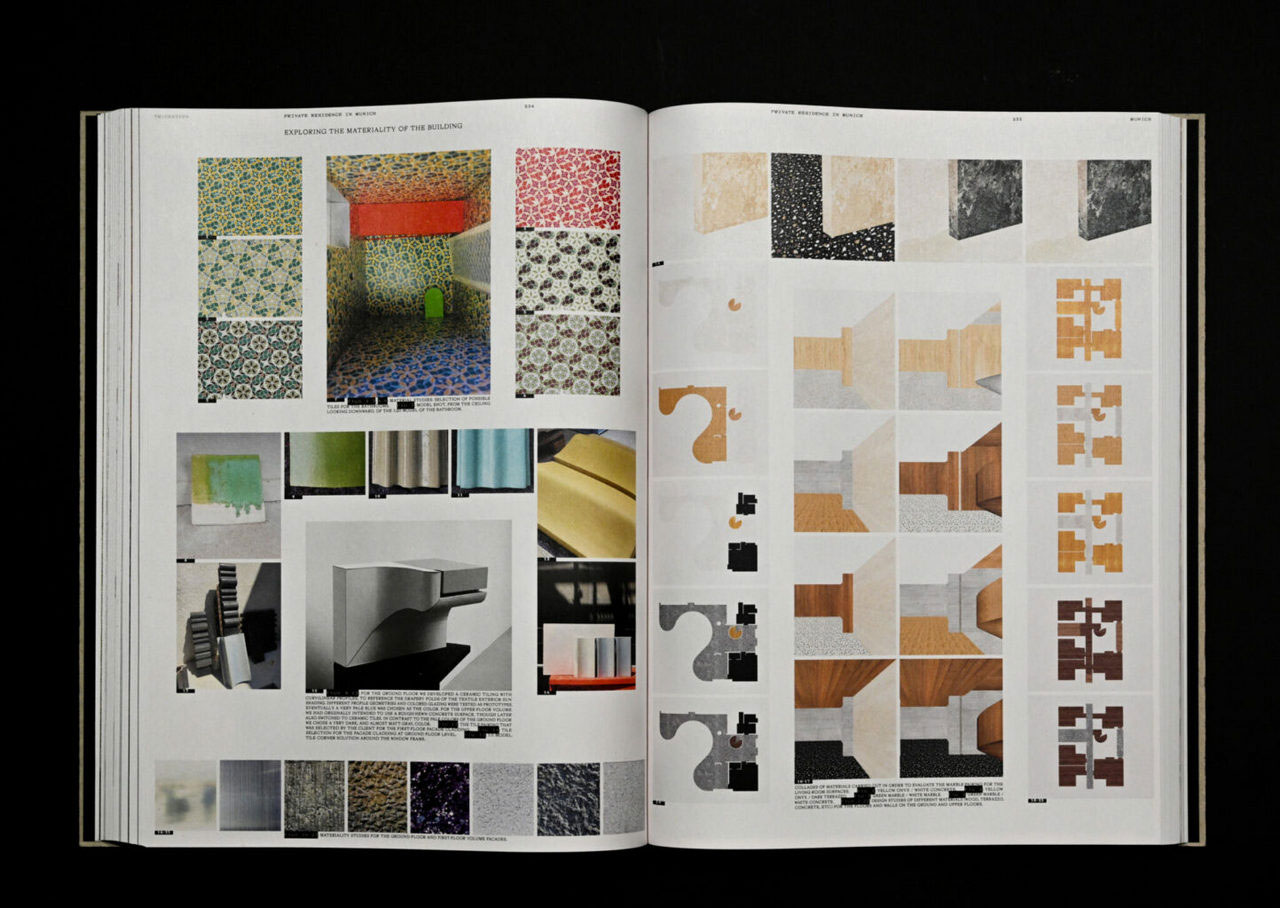
“Unfinished Atlas: 19 Projects” is the first major publication dedicated to the work of Manuel Herz Architects, the internationally recognized Basel-based practice led by architect Manuel Herz. Bringing together nineteen projects developed since 2004 across Europe, Africa, Asia, and the Americas, the book offers a rich overview of a body of work that ranges from housing and public buildings to exhibitions, research projects, and urban studies.
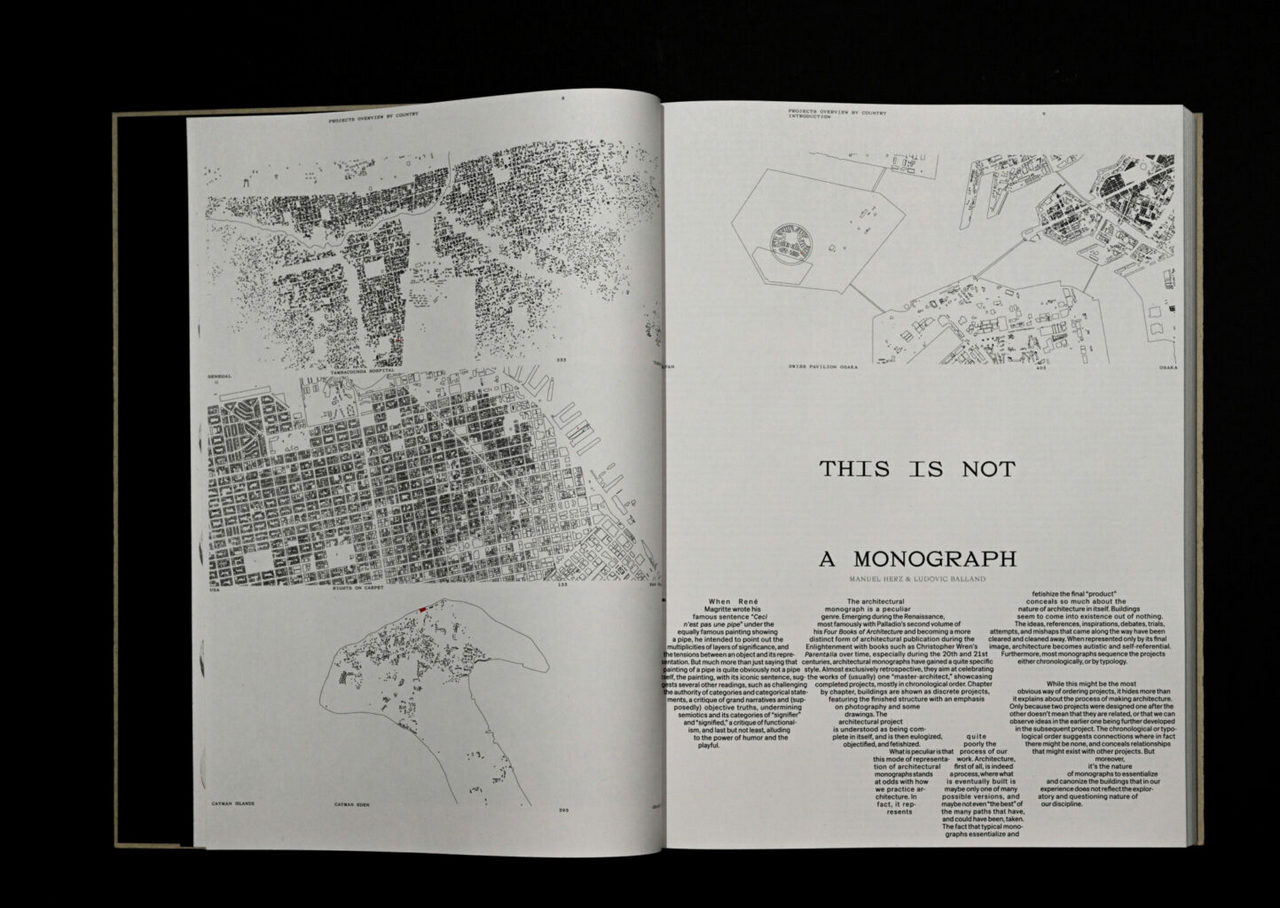
More than a traditional architectural monograph, “Unfinished Atlas” invites readers to look behind the finished buildings and discover the ideas, experiments, challenges, and unexpected turns that shape architectural practice. Instead of presenting projects as isolated achievements, the book reveals how concepts evolve over time, how lessons learned from one project influence another, and how architecture is shaped by the people, places, and circumstances that surround it.
At the heart of the publication is the idea that architecture is never truly complete. Buildings continue to change after construction through use, adaptation, and the lives of the people who inhabit them. Reflecting this perspective, the book traces projects from their earliest sketches and research stages through construction and, in some cases, beyond, exploring what happens after a building enters the world.
Organized around five thematic chapters rather than a chronological timeline, the book highlights the diverse contexts in which Manuel Herz Architects work. From different cultural traditions and social conditions to political and environmental challenges, the book shows how architecture emerges through dialogue, negotiation, and collaboration. It also acknowledges the importance of setbacks, revisions, and even failures as essential parts of the creative process.
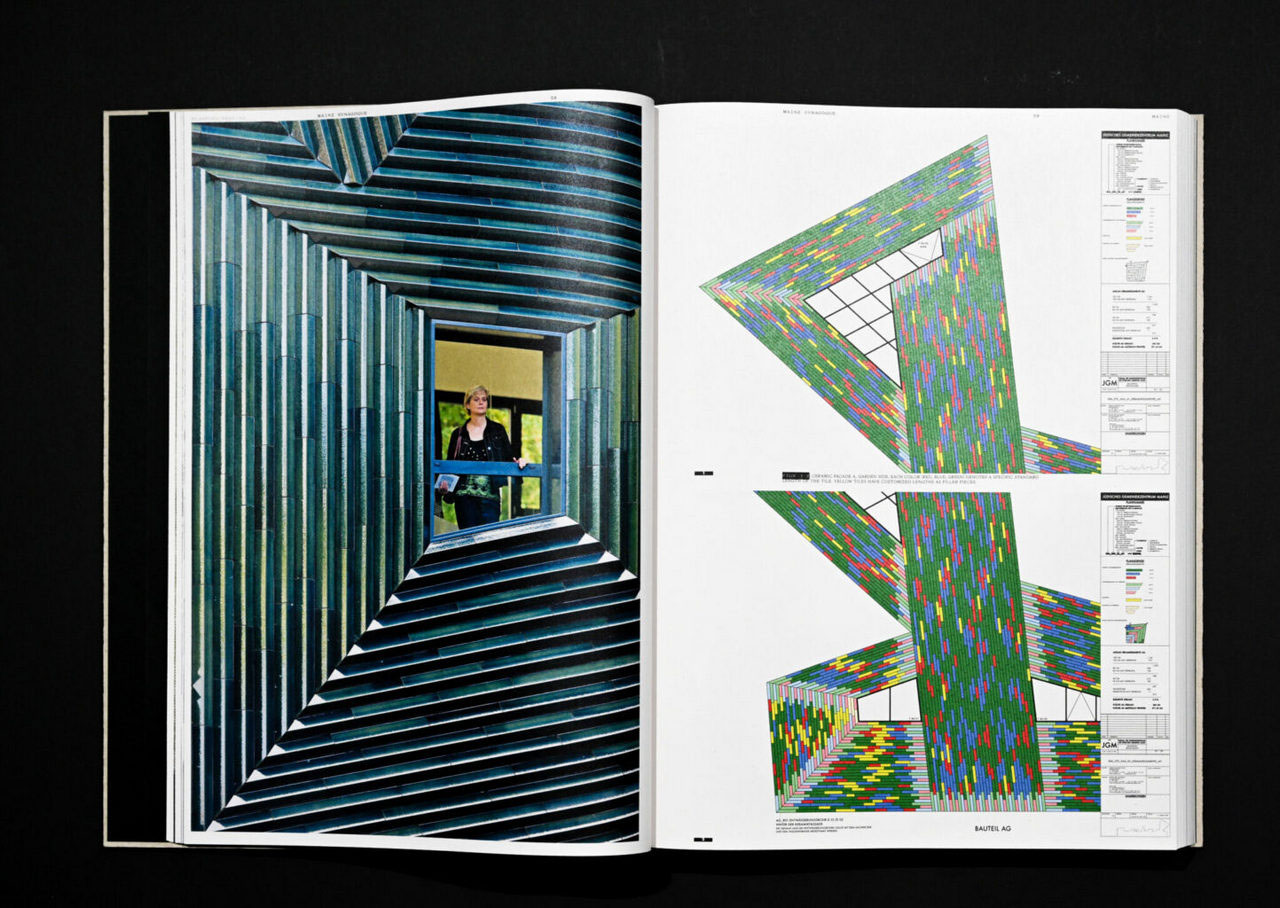
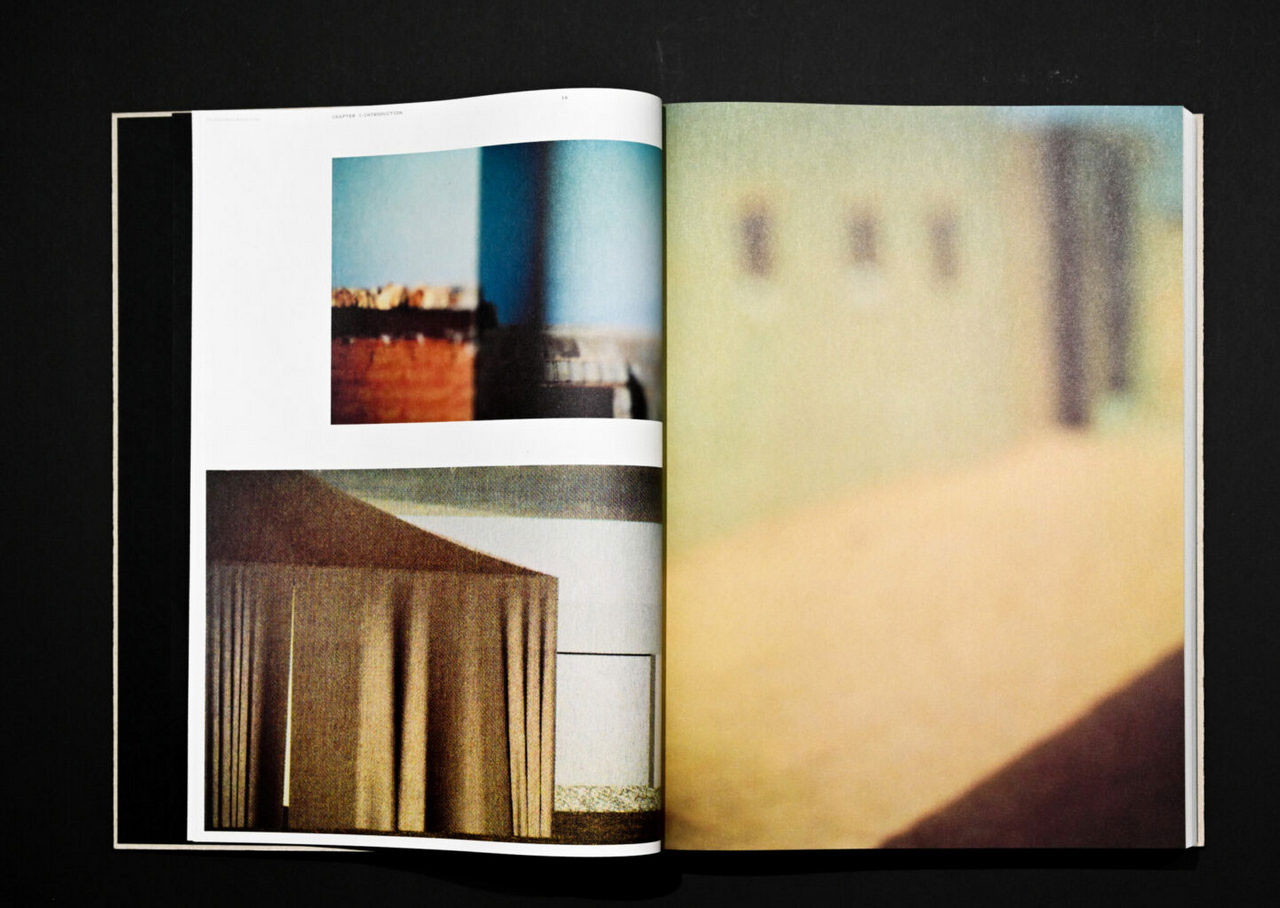
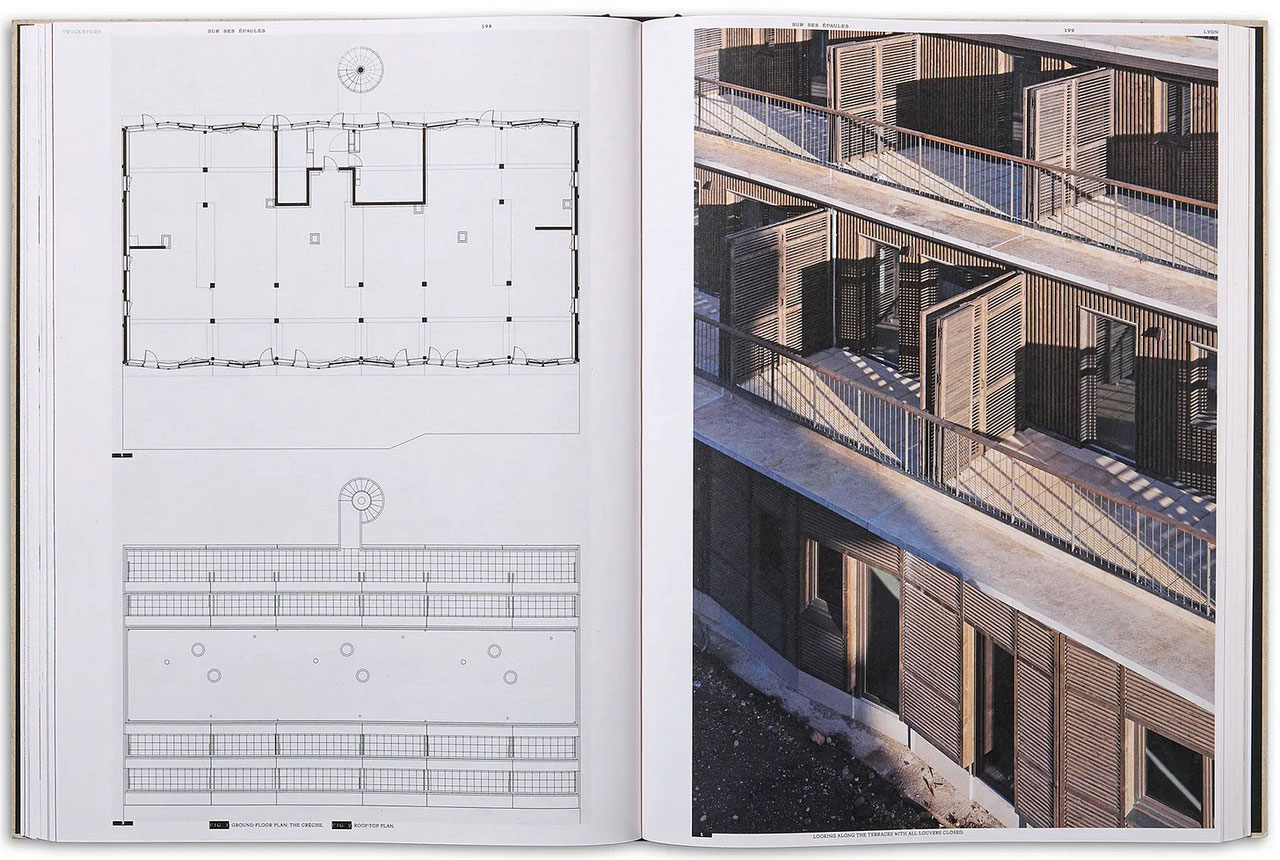
Featuring essays by Manuel Herz alongside contributions from leading writers, historians, and critics, the publication offers thoughtful reflections on the role of architecture in contemporary society. Beautifully designed and richly illustrated, it combines drawings, photographs, models, and research materials to create a vivid portrait of an architectural practice constantly engaged with questions of culture, identity, community, and change.
It is a book about process, curiosity, and the many connections that link ideas across time and place. Accessible to architects and non-specialists alike, it offers a compelling exploration of how architecture is imagined, developed, and continually transformed long after construction is complete. – Efi Michalarou