PREVIEW:Bouchra Khalili-How to Call a Ghost
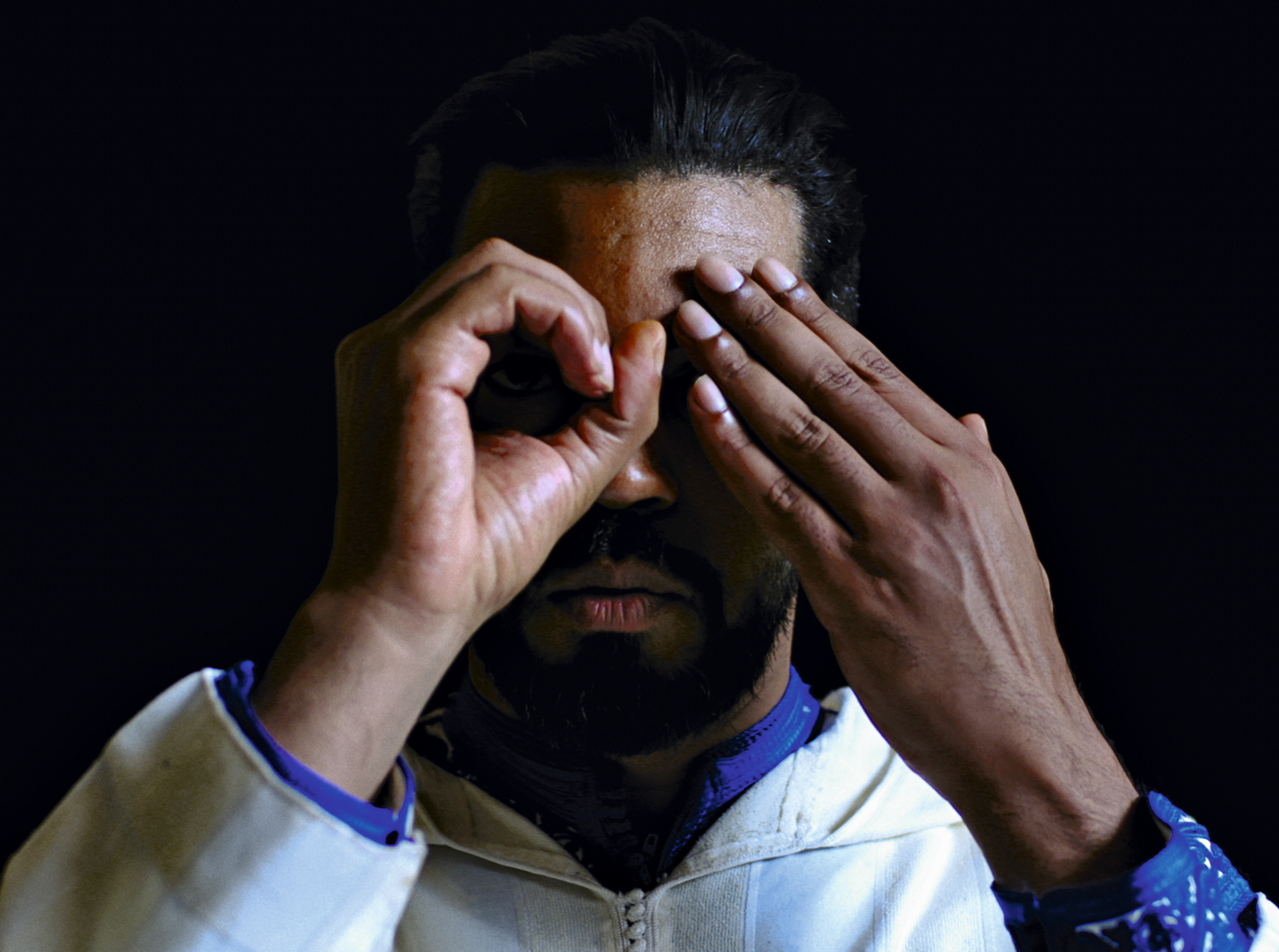
Bouchra Khalili’s solo exhibition “How to Call a Ghost” marks the artist’s first major presentation in southern Sweden and brings together more than a decade of work spanning film, installation, printmaking and textile. Through a carefully conceived site-specific exhibition, Khalili explores questions of belonging, citizenship, collective memory and the enduring power of storytelling.
By Dimitris Lempesis
Photo: Malmö Konsthall Archive
Born in Morocco and currently based in Vienna, Bouchra Khalili has established herself as one of the most significant contemporary artists working with moving image and socially engaged practices. Since the early 2000s, she has used film and video to investigate migration, political identity, community formation and the experiences of people often excluded from dominant national narratives. Her collaborative methodology places participants—not professional actors—at the center of her projects, allowing personal testimonies to evolve into broader reflections on history and society.
Central to Khalili’s artistic practice is a belief in storytelling as a political and emancipatory act. Individual voices become collective voices, transforming personal memories into shared histories. Critics have often connected this approach to the concept of poesia civile developed by Italian filmmaker and poet Pier Paolo Pasolini, where artistic expression serves civic and communal purposes.
At the heart of the exhibition “How to Call a Ghost” lies a profound examination of belonging. Khalili asks who has the right to participate in society and how modern nation-states have historically defined inclusion through mechanisms of exclusion. These questions resonate strongly across Europe, where debates around migration, citizenship and cultural identity continue to shape political discourse.
For Malmö, one of Sweden’s most multicultural cities and home to more than 180 nationalities, these themes carry particular relevance. By presenting Khalili’s work in this context, Malmö Konsthall highlights the exhibition’s engagement with contemporary social realities while encouraging visitors to consider alternative forms of community beyond national borders.
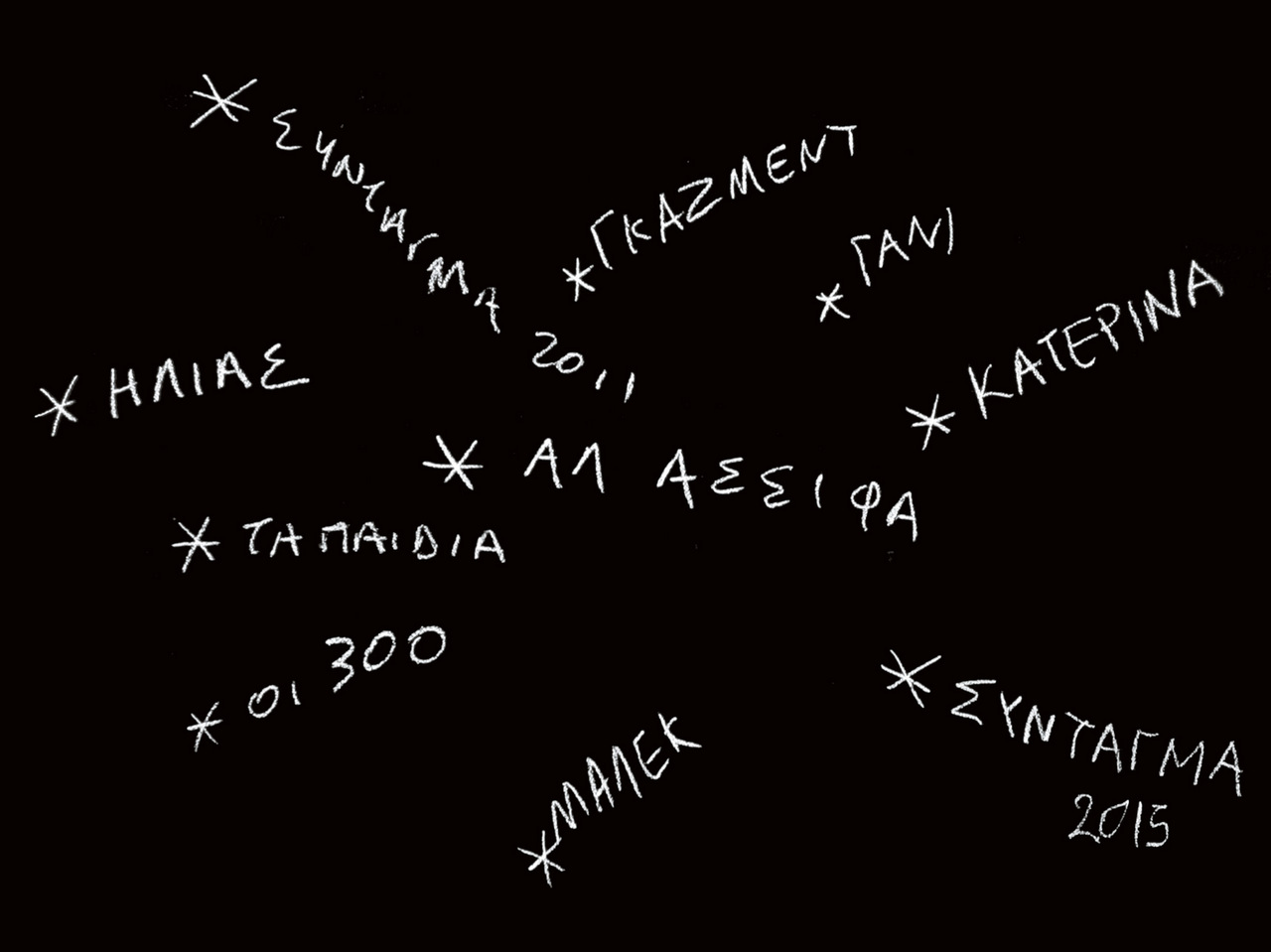
The exhibition gathers key works produced from the 2010s to the present day, including “The Tempest Society” (2017), “The Circle Project” (2023), “The Public Storyteller” (2024), and Khalili’s recent film “The Public Scribe”. Several of these works were previously presented as part of the artist’s acclaimed solo exhibitions for the 2025 edition of the Festival d’Automne in Paris.
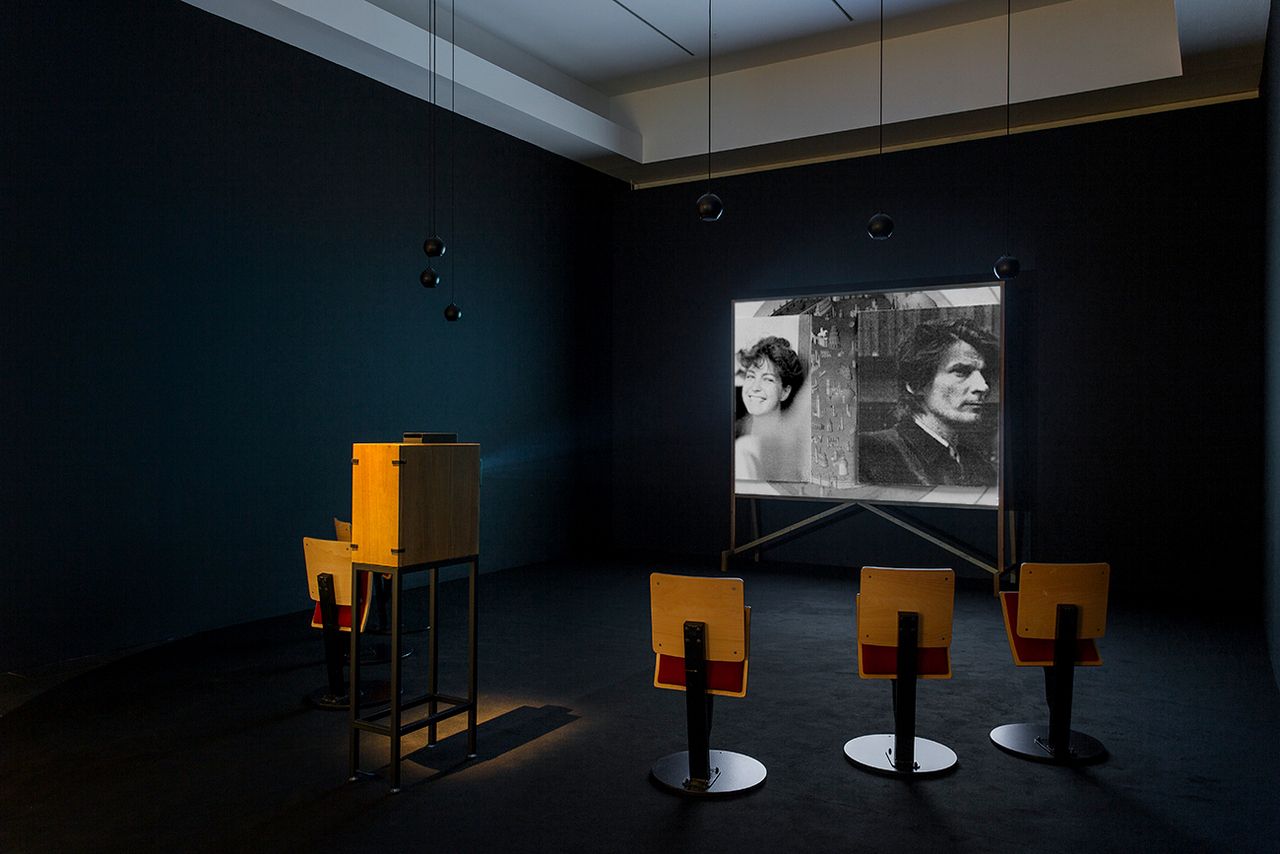
Rather than arranging these projects chronologically, Khalili has developed a site-specific presentation that responds directly to Malmö Konsthall’s renowned architecture. Older and newer works encounter one another across the exhibition space, creating what the artist describes as a “chorus of voices.” Forgotten histories emerge alongside contemporary experiences, generating connections that transcend time and geography.
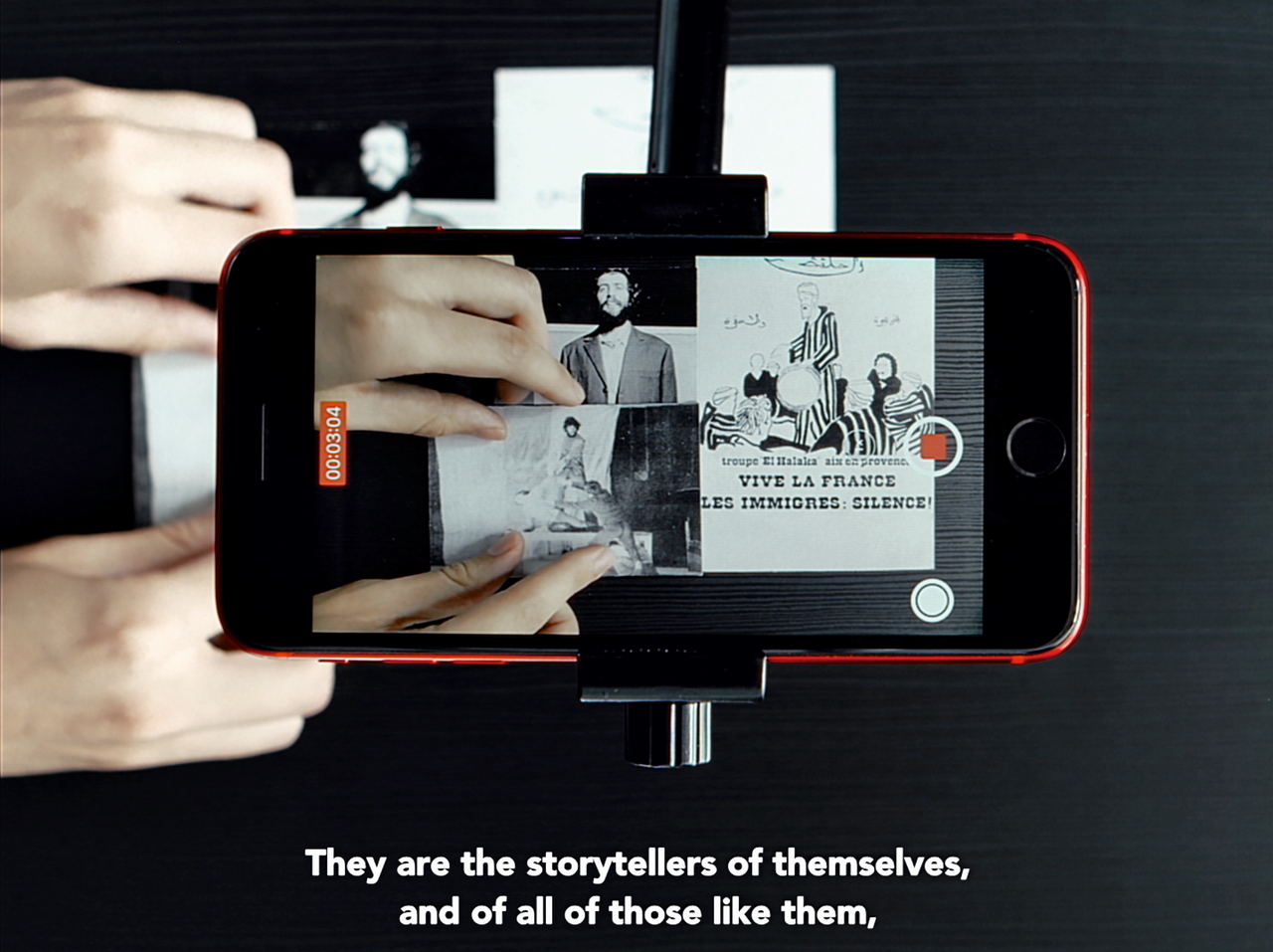
A key conceptual framework for the exhibition is the image of the circle. The circle represents continuity, the absence of a fixed beginning or end, and a structure in which no single point dominates another. It also refers to the tradition of oral storytelling gatherings. Khalili draws inspiration from the Moroccan practice of al halaqa, in which communities assemble in a circle around a storyteller. The Arabic term halaqa literally means “circle,” “ring,” or “assembly.”
This idea extends into the visitor’s experience. Rather than following a prescribed route, audiences move freely through the exhibition, constructing their own pathways and relationships among the works. In doing so, the exhibition rejects hierarchical narratives and instead privileges multiple perspectives and voices.
What distinguishes Khalili’s work is its ability to connect personal narratives with broader political structures. Her films and installations reveal how official histories often overlook the experiences of migrants, activists and marginalized communities. Yet rather than merely documenting exclusion, her works imagine new forms of solidarity and collective agency.
In “How to Call a Ghost”, storytelling becomes a means of recovering forgotten histories and envisioning alternative futures. The exhibition suggests that identity and community need not be confined by the frameworks of the nation-state. Instead, Khalili proposes more open and equitable forms of belonging rooted in shared experiences, dialogue and mutual recognition.
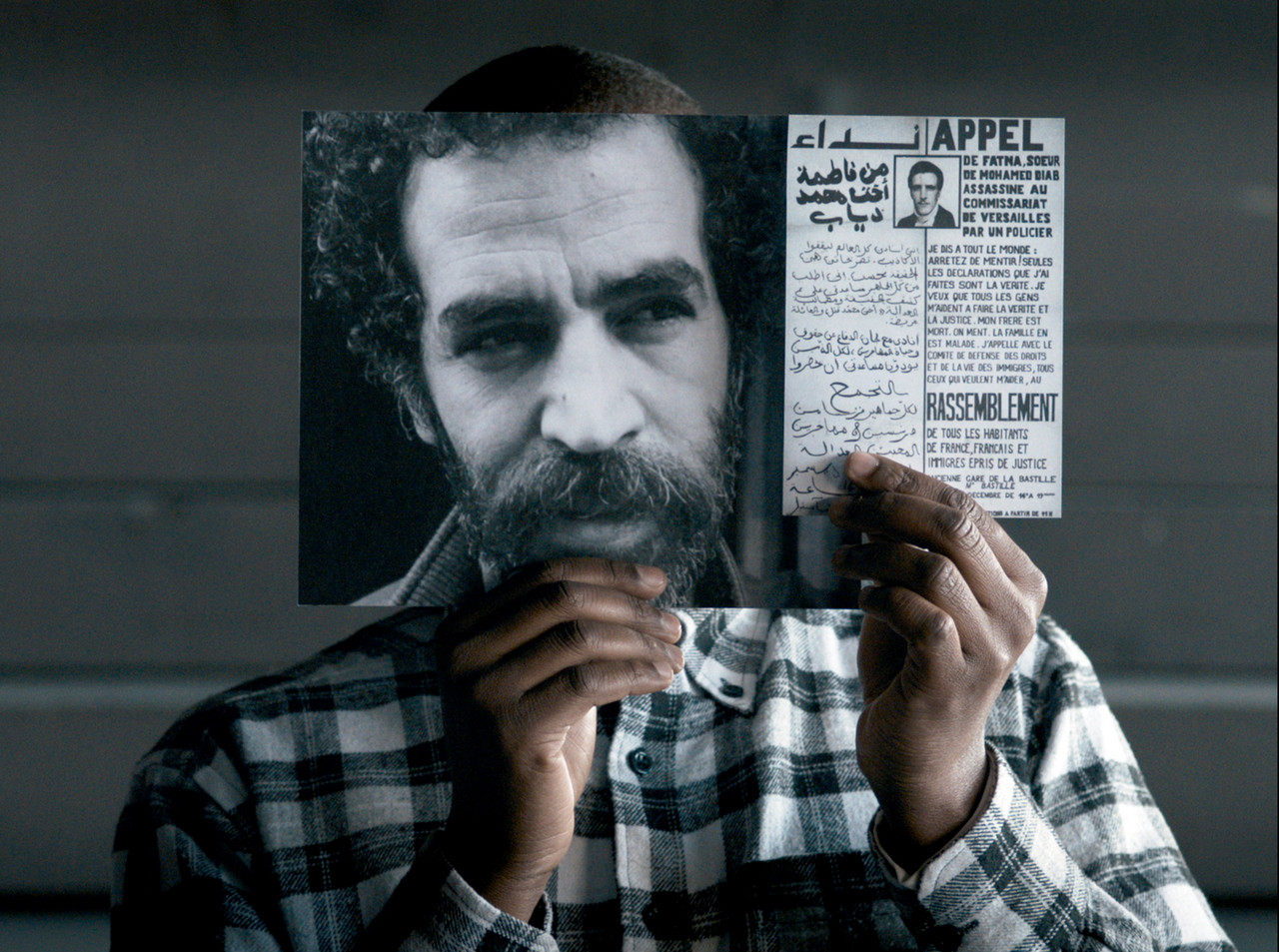
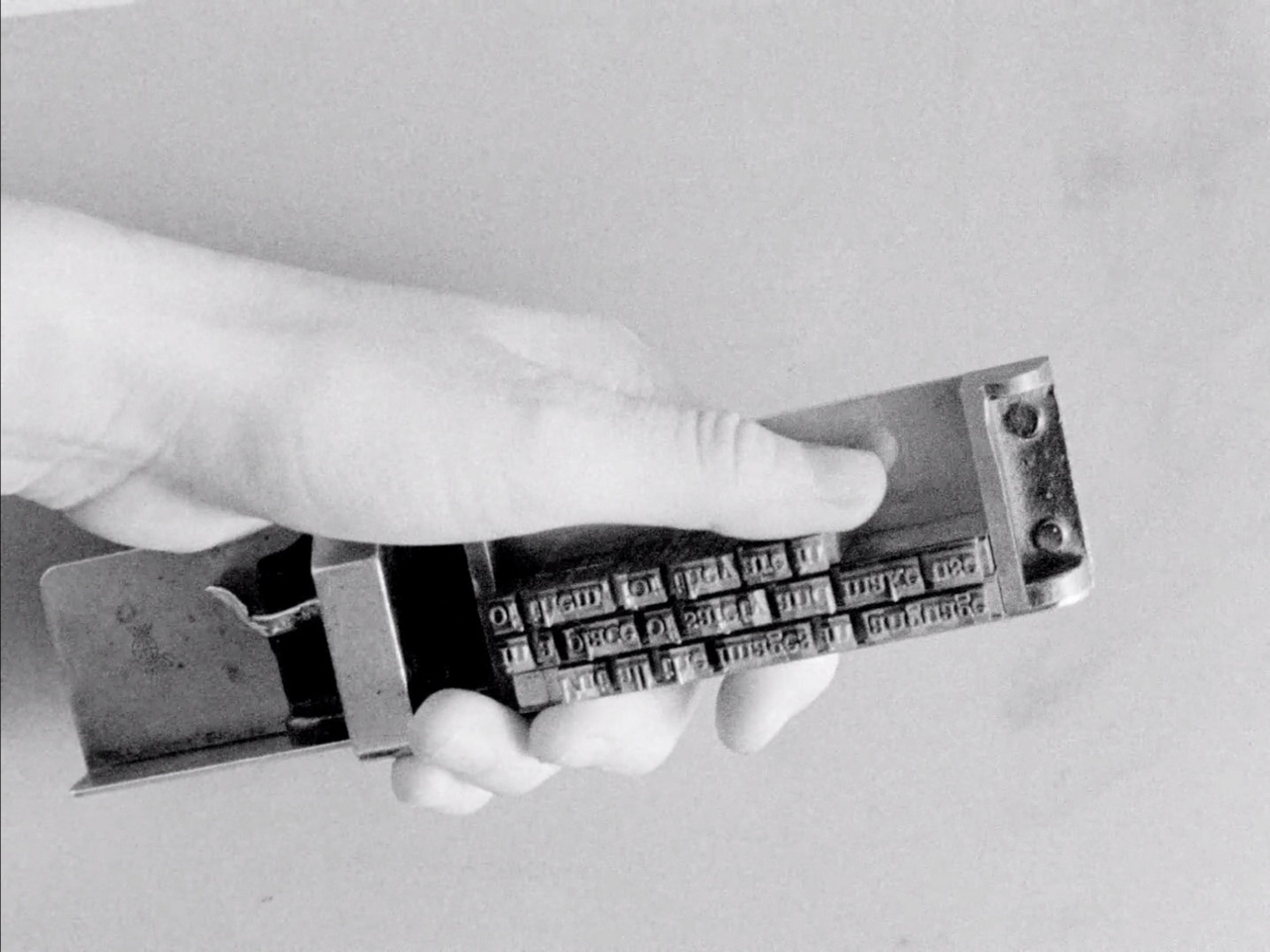
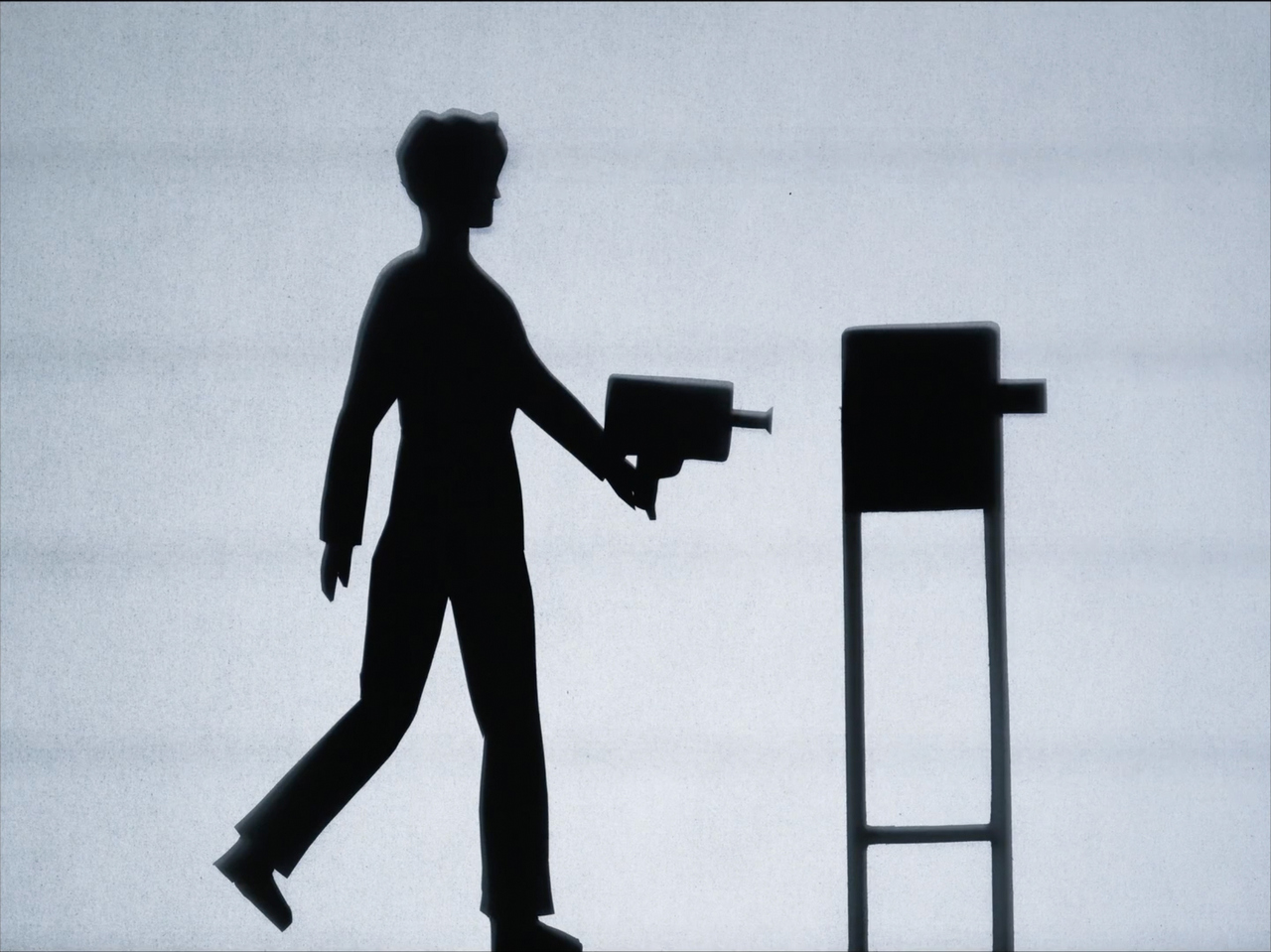
Photo: Bouchra Khalili, The Public Storyteller, 2024 (video still), Dual synchronized channel video installation. Video and 16mm film transferred to video. Colour and B/W, sound, 18 min., © Bouchra Khalili, Courtesy the artist and mor charpentier, Paris
Info: Malmö Konsthall, S:t Johannesgatan 7, Malmö, Sweeden, Duration: 6/6-13/9/2026, Days & Hours: Tue & Thu-Sun 11:00-17:00, Wed 11:00-19:00, https://malmokonsthall.se/
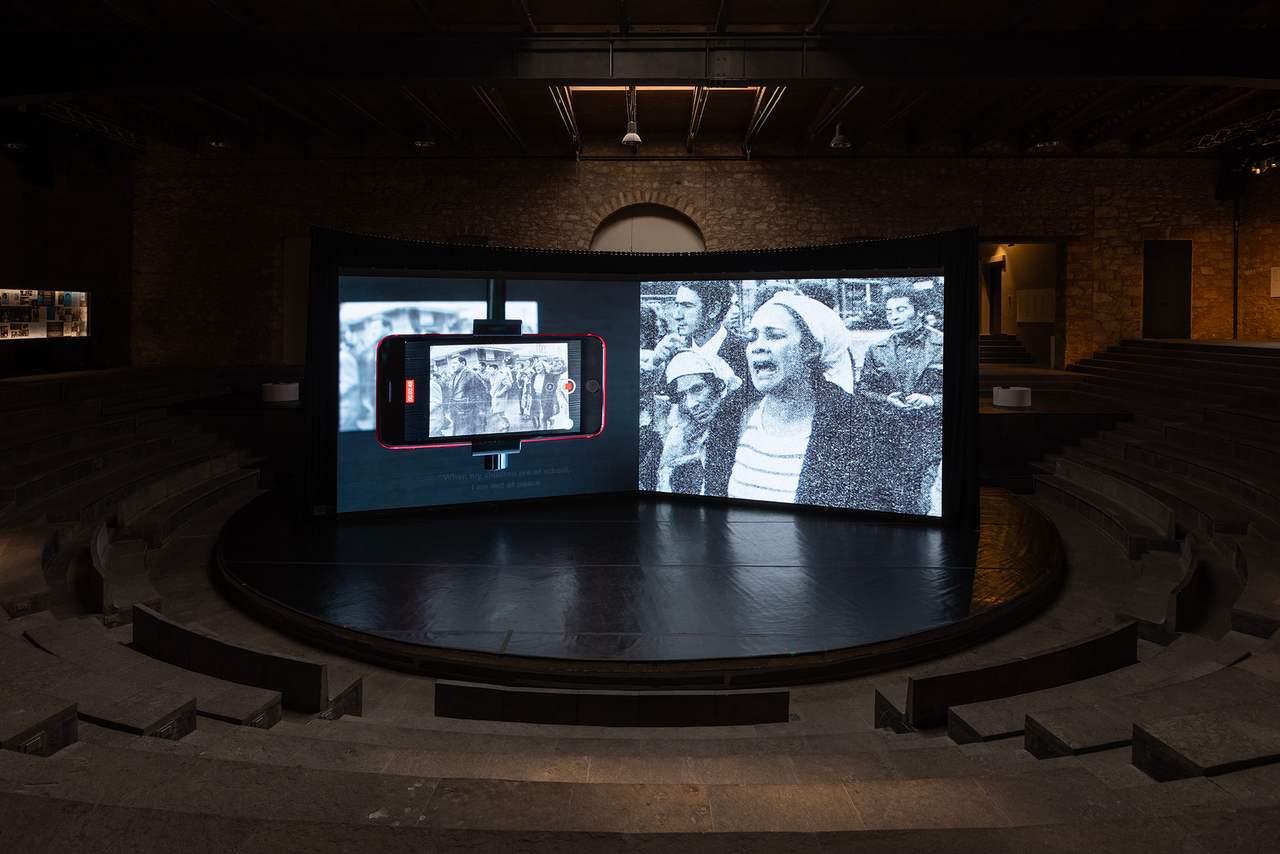
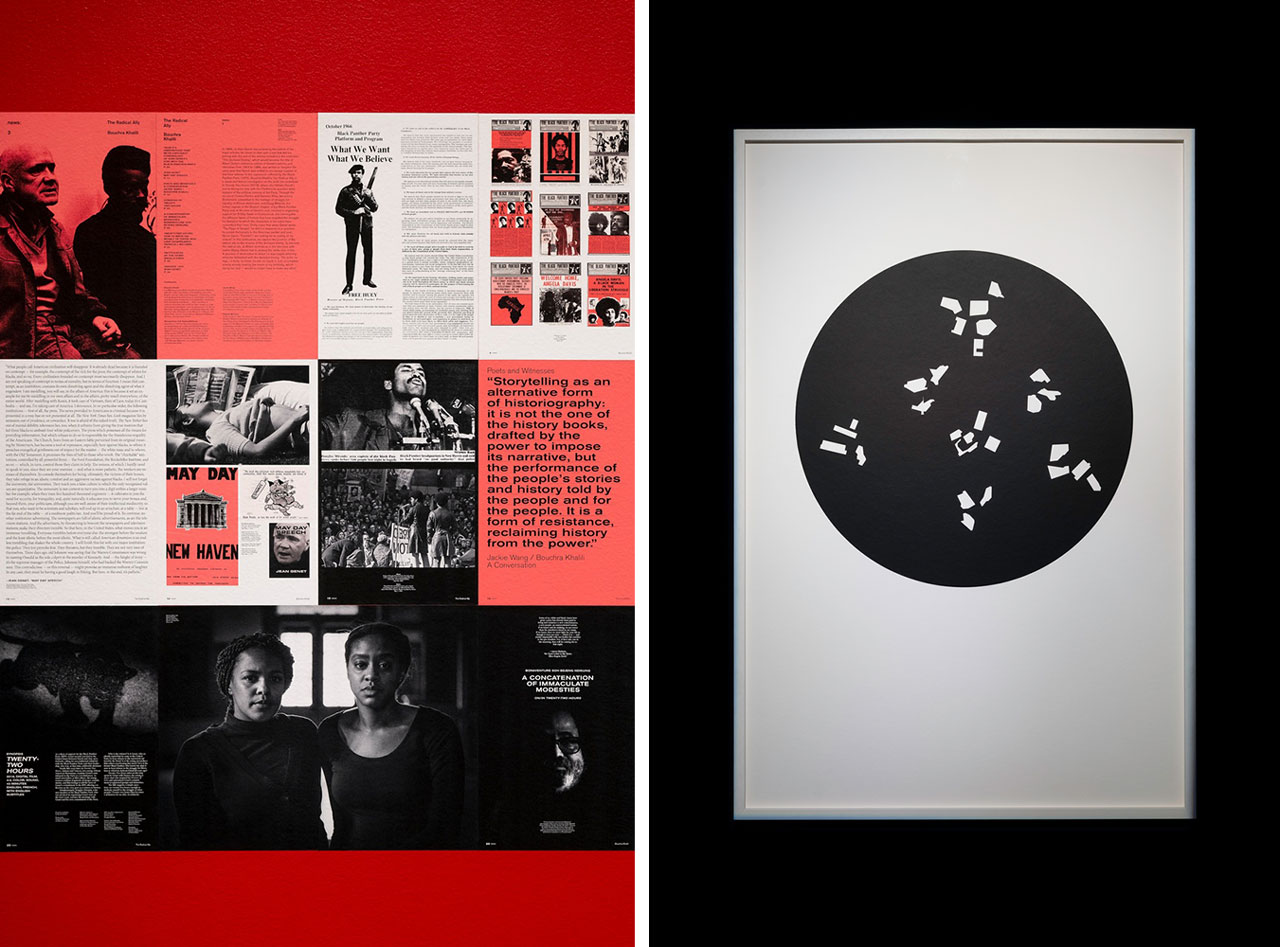
Right: Bouchra Khalili , The Archipelago III, 2021 , Silkscreen print on paper , © Bouchra Khalili, Courtesy the artist and mor charpentier, Paris