Julio Le Parc (23/9/1928-30/5/2026)
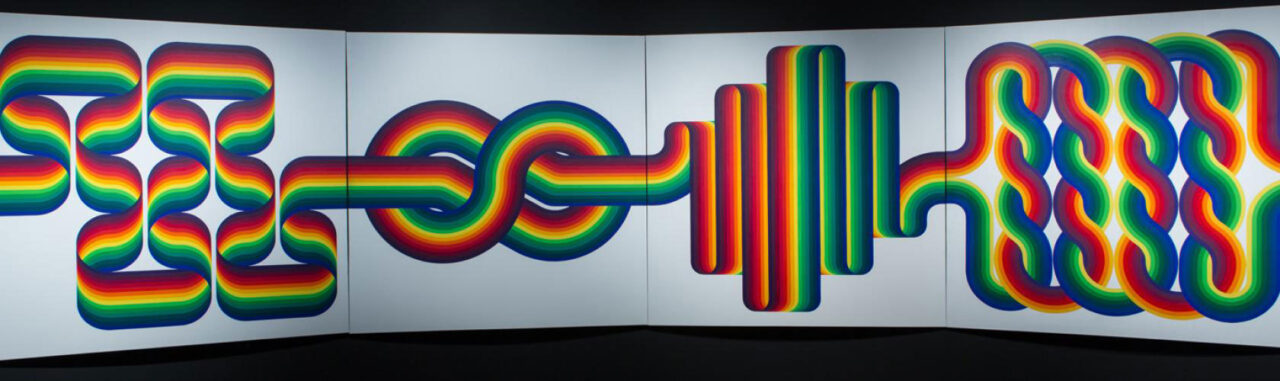
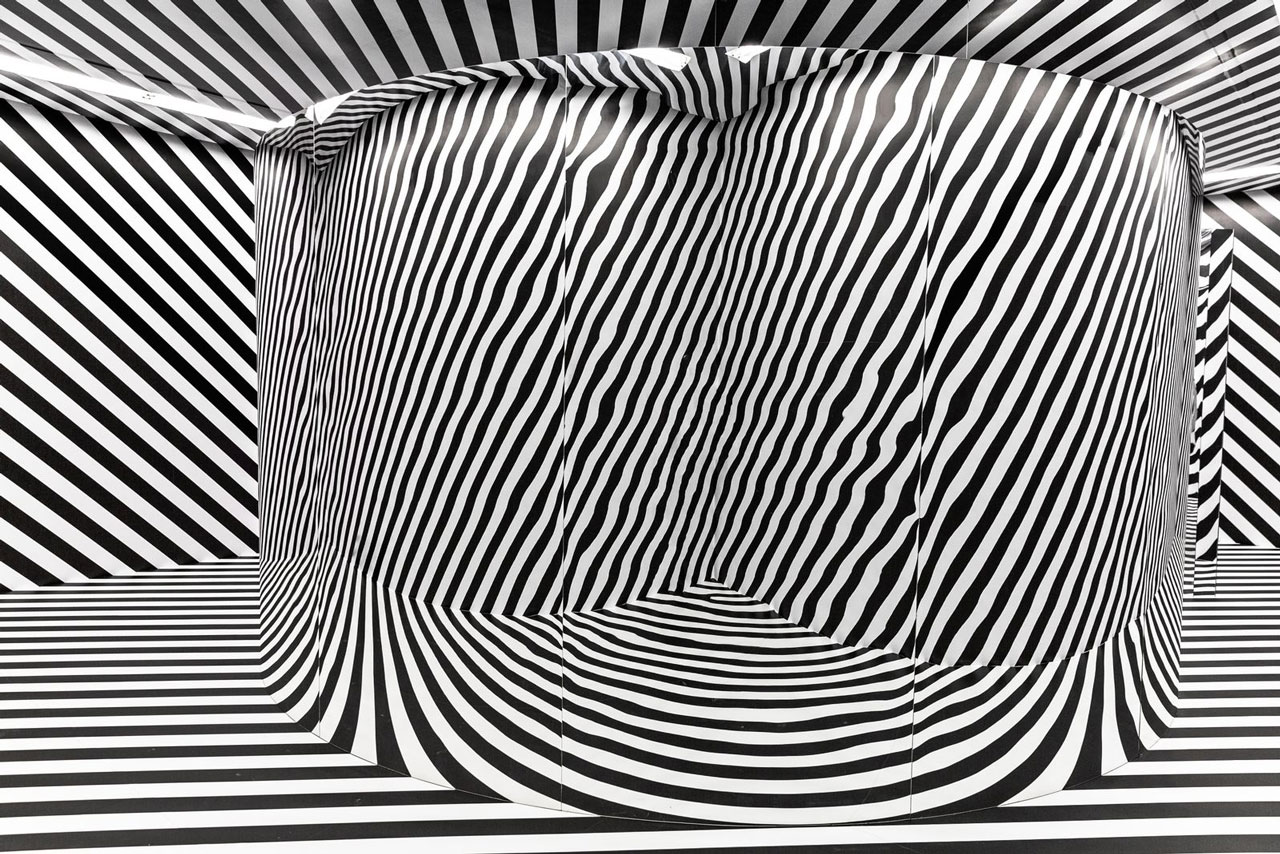
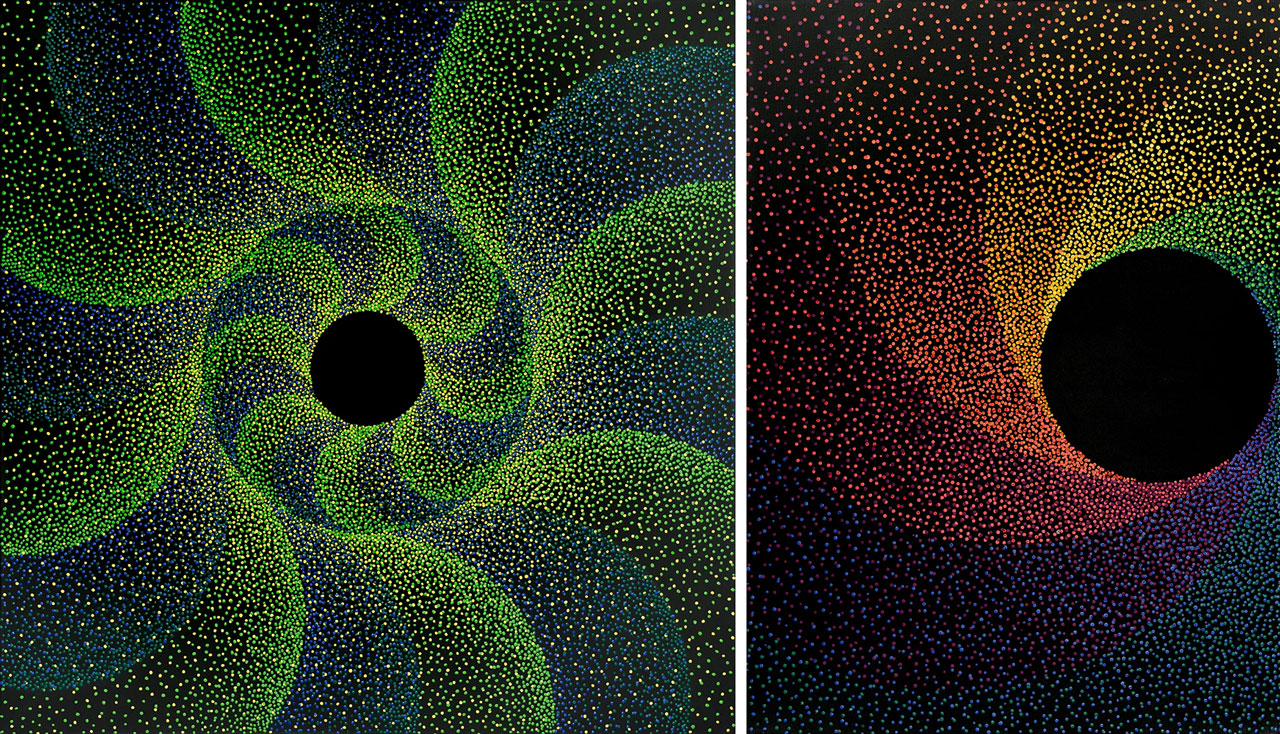
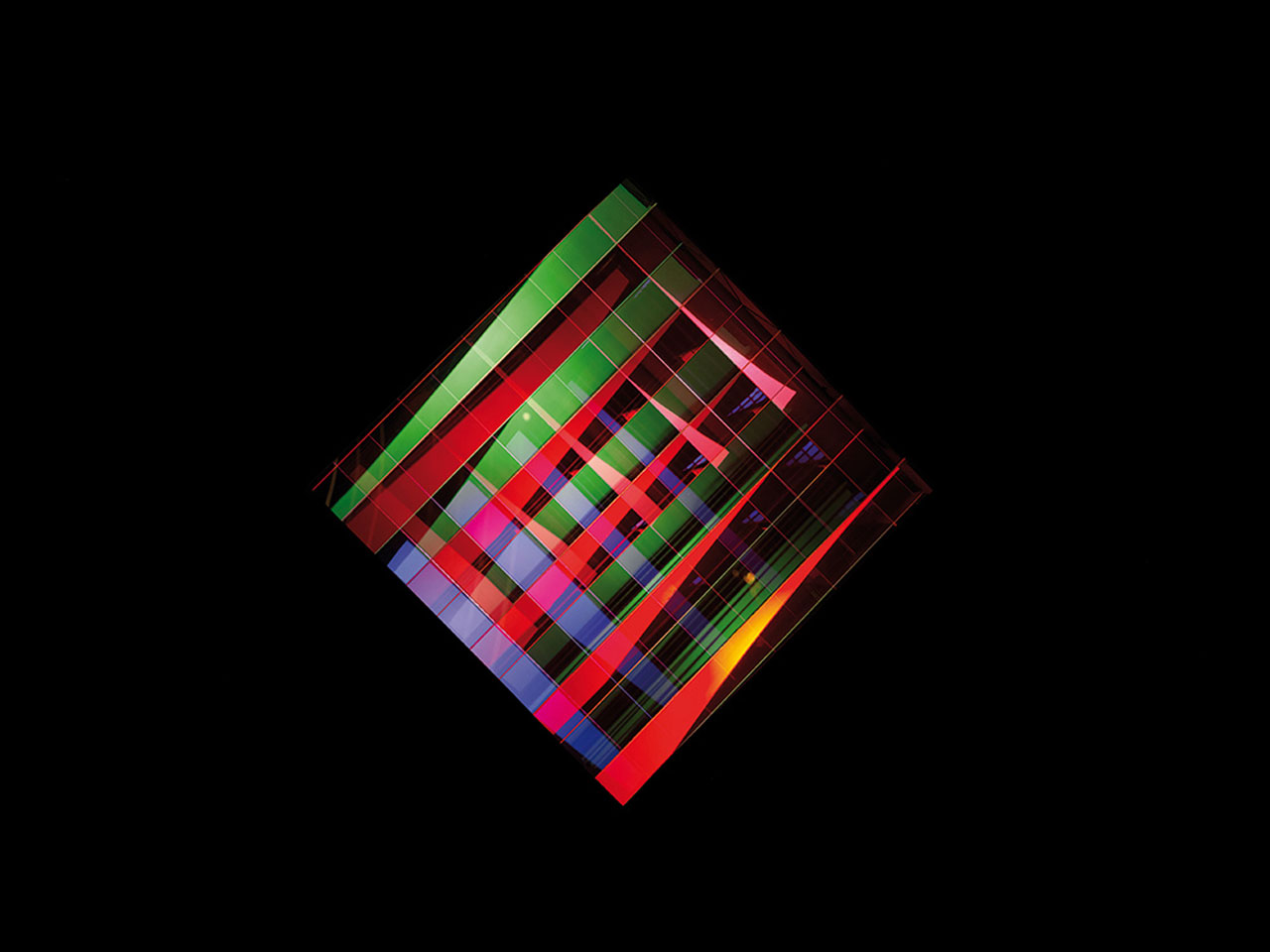
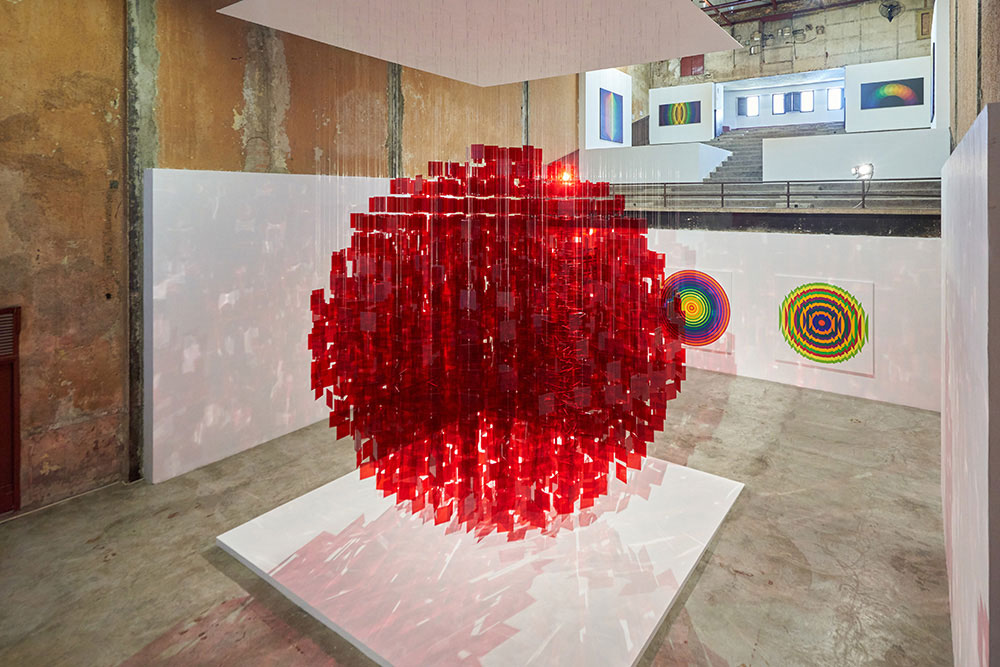
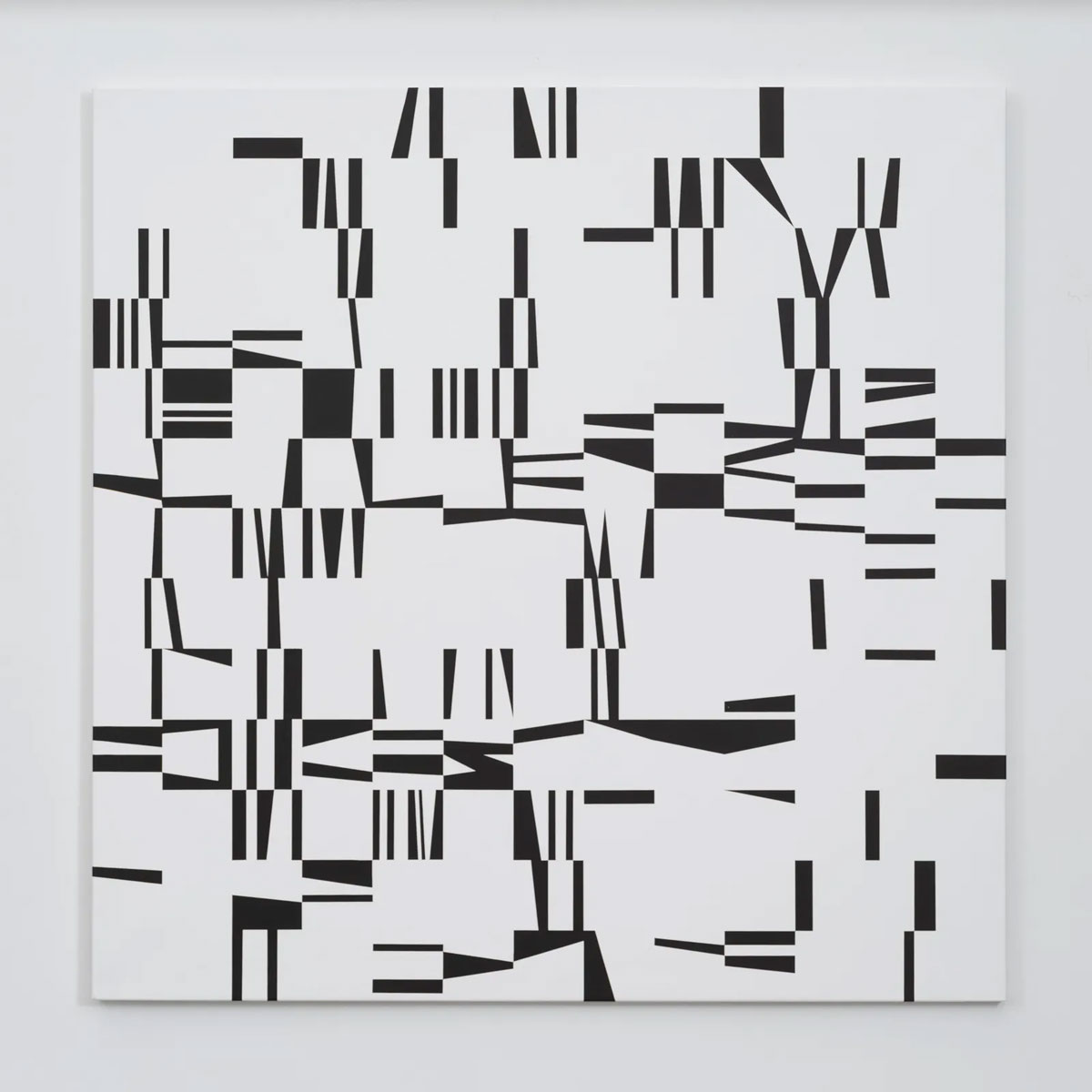
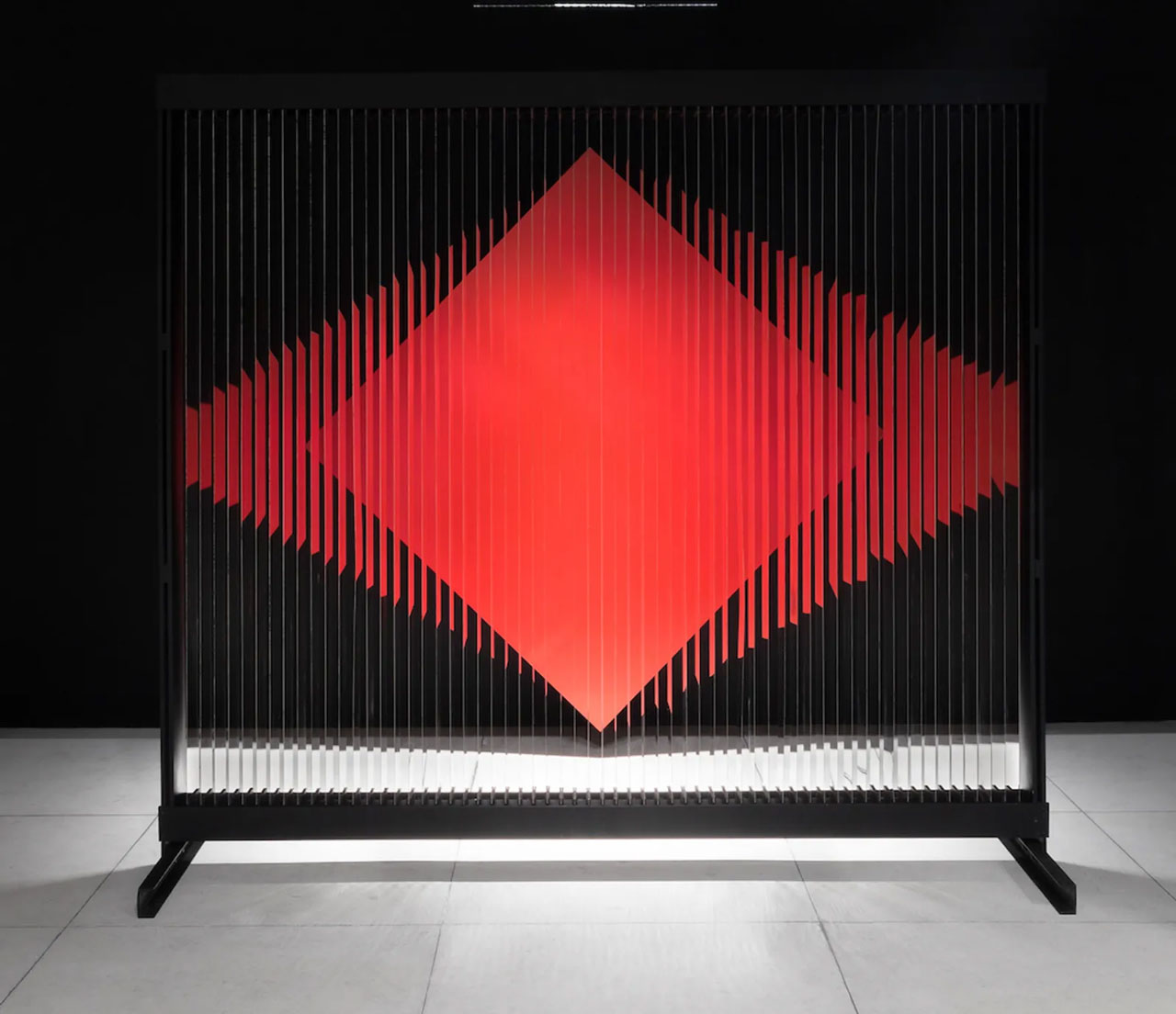
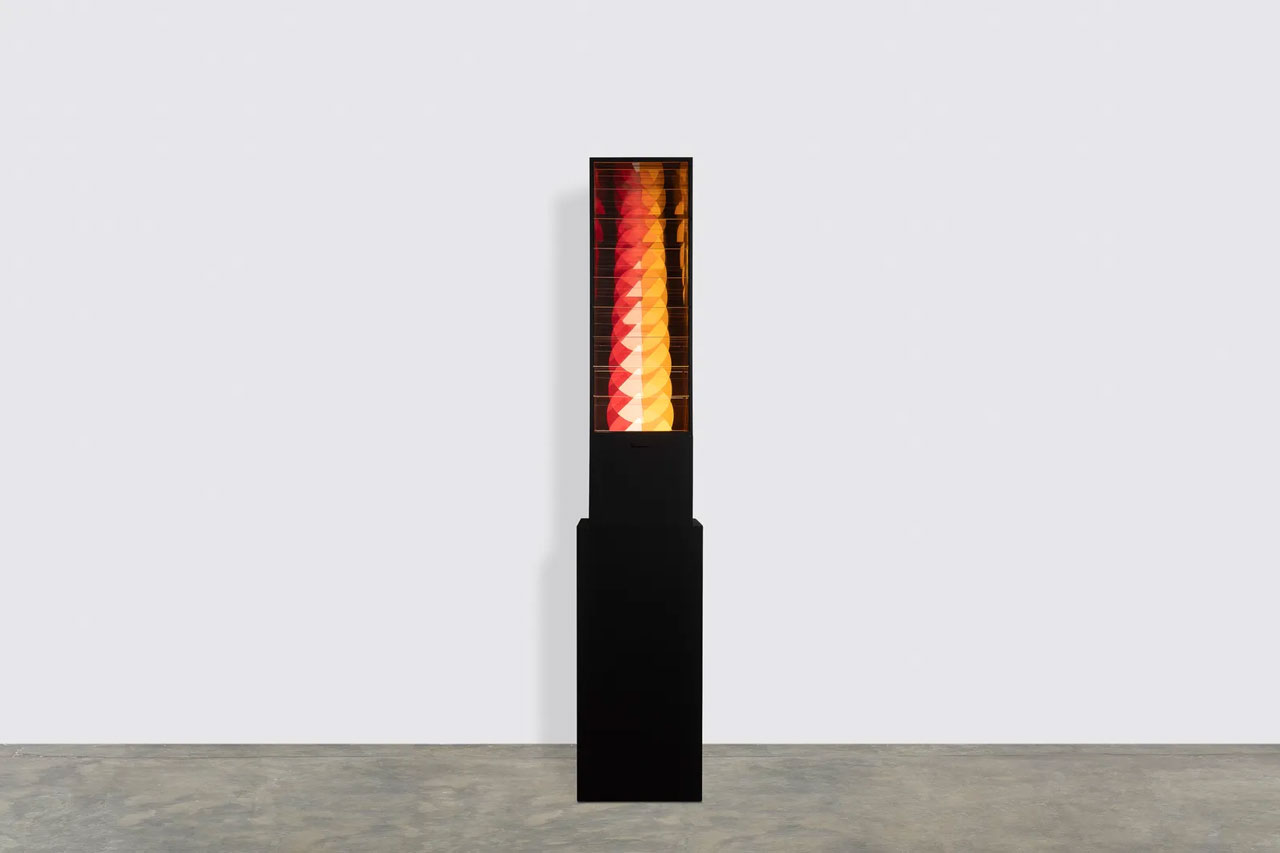
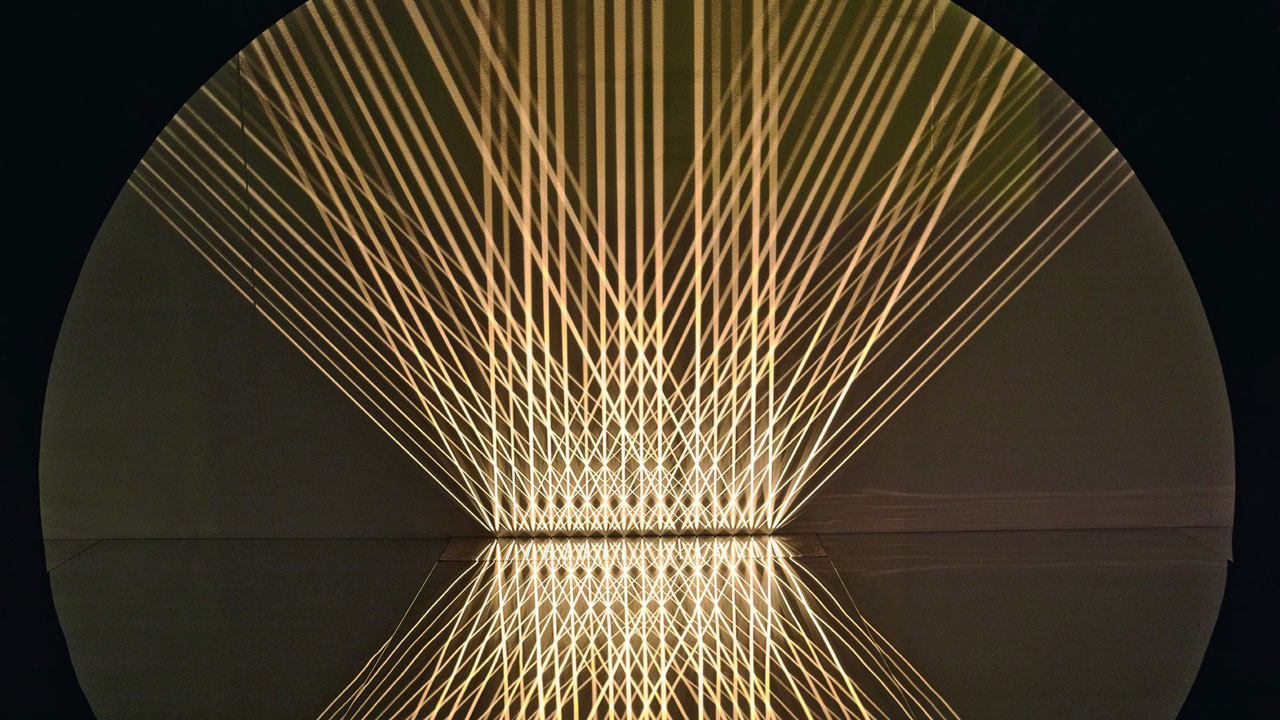
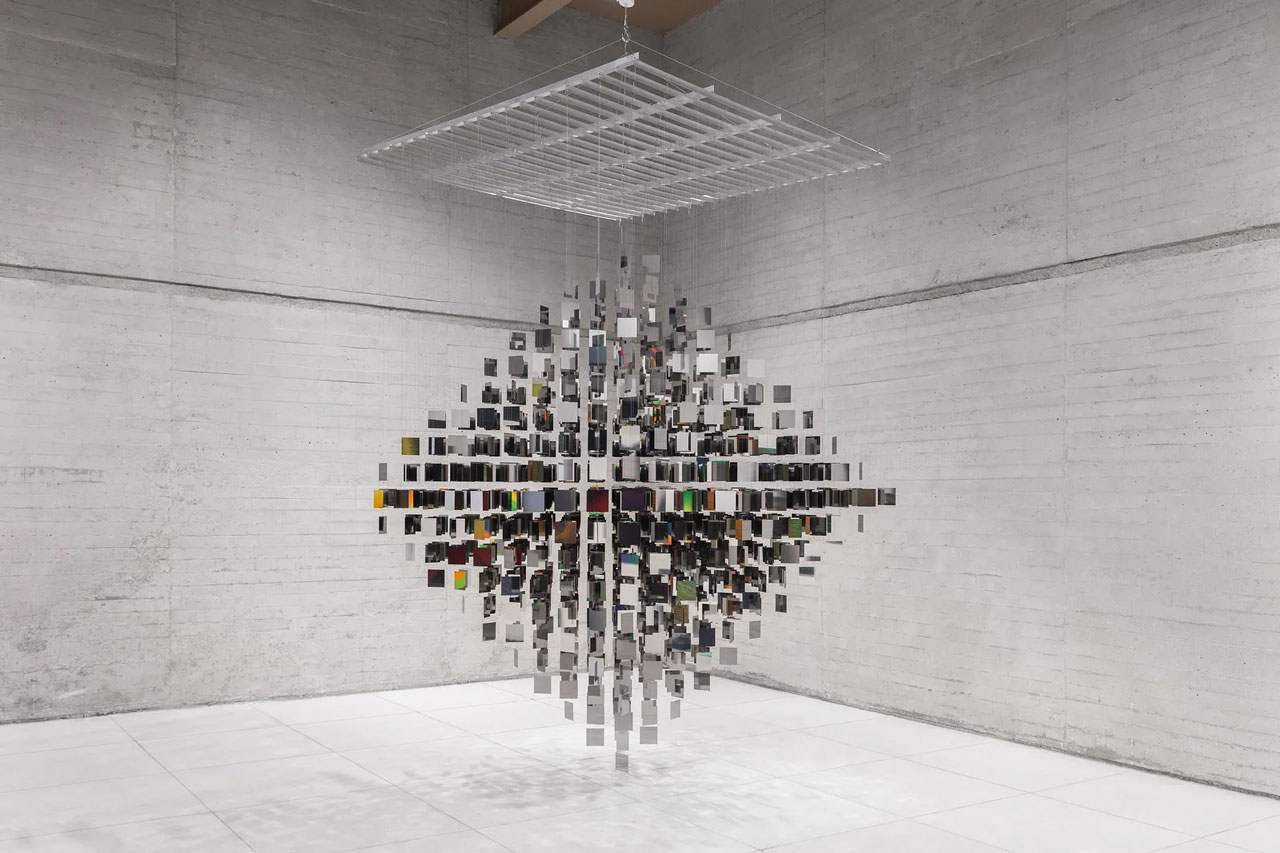
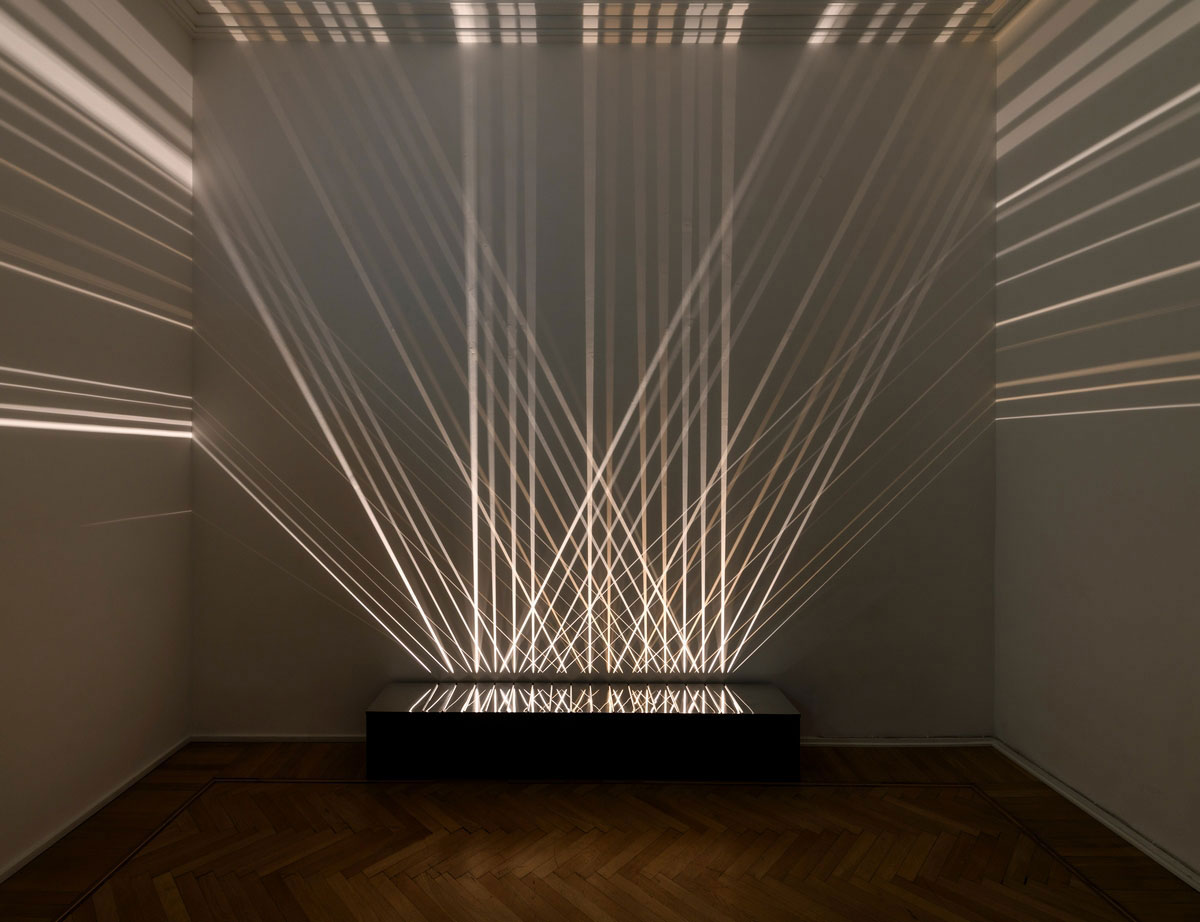
Julio Le Parc (23/9/1928-30/5/2026) was an Argentine-born artist whose pioneering experiments with light, movement, perception, and viewer participation made him one of the most influential figures in kinetic and optical art. A founder of the Groupe de Recherche d’Art Visuel (GRAV)*, Le Parc challenged traditional ideas about how art should be experienced, transforming spectators from passive observers into active participants. His work helped redefine postwar contemporary art through immersive environments, moving installations, reflective surfaces, and dynamic light effects.
By Dimitris Lempesis
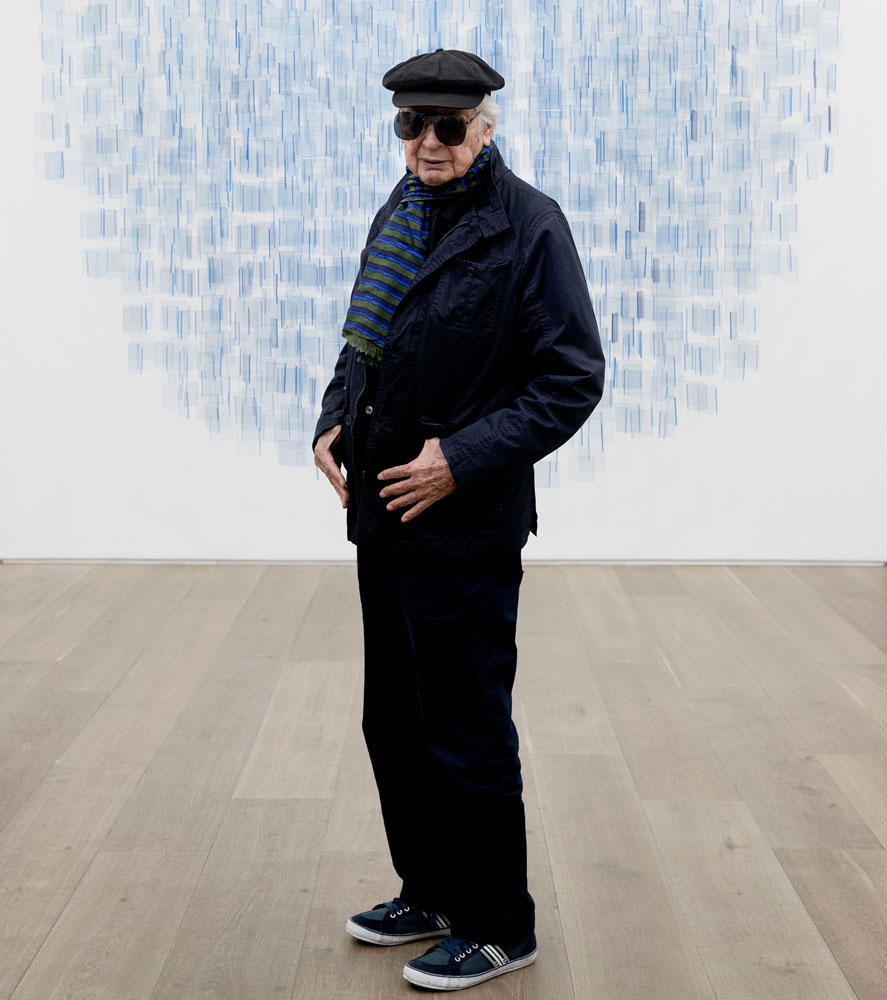 Born on September 23, 1928, in Palmira, Mendoza Province, Argentina, Le Parc grew up in a working-class family. As a child he displayed exceptional drawing abilities, creating portraits and illustrated maps. Economic hardship forced him to work from an early age, taking jobs that included delivering newspapers, repairing bicycles, and working in factories. After moving to Buenos Aires with his family as a teenager, he attended the National School of Fine Arts while continuing to work. During this period he became increasingly interested in avant-garde artistic movements and student activism. In the 1950s, Le Parc became involved in political and artistic debates that questioned academic traditions and social hierarchies. After a period of travel and self-reflection, he returned to the fine arts academy and participated in student-led reforms that sought to modernize art education in Argentina. These experiences shaped his lifelong skepticism toward authority and his belief that art should encourage critical thinking rather than passive admiration.
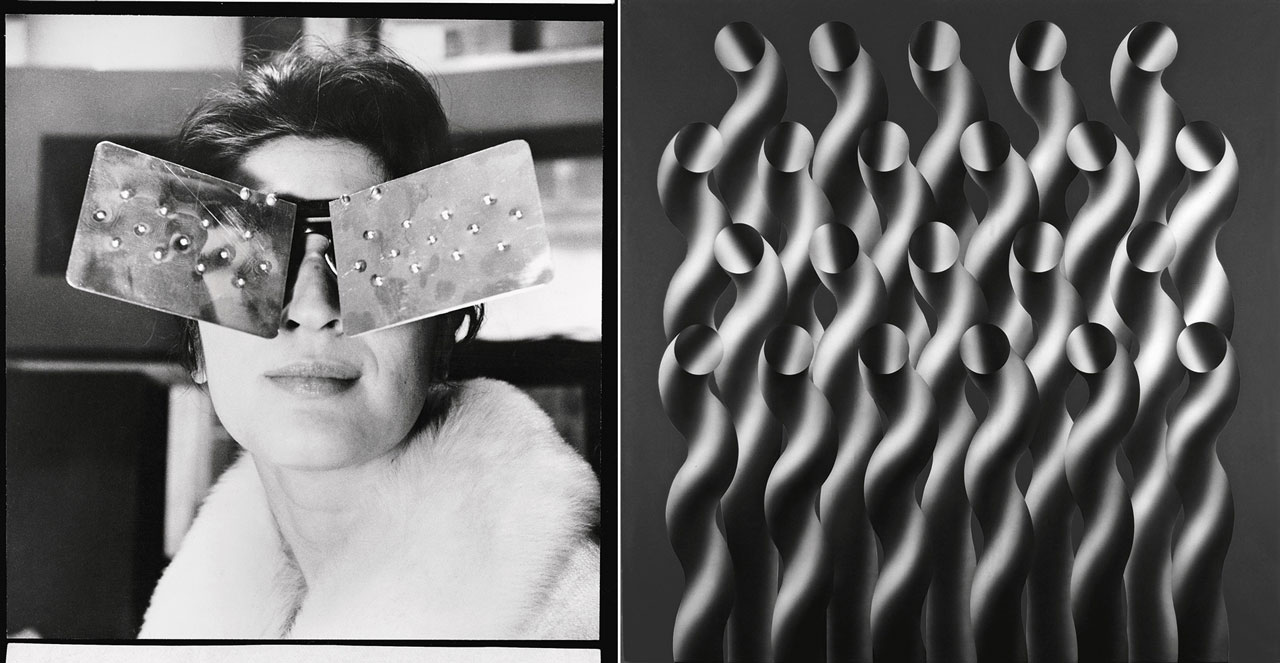
A decisive turning point came in 1958 when he received a scholarship to move to Paris. There he encountered artists such as Jesús Rafael Soto, Carlos Cruz-Diez, and Victor Vasarely. In Paris, Le Parc began systematic investigations into visual perception, creating works that used repeated forms, reflected light, and movement to generate optical instability and sensory engagement. In 1960, Le Parc co-founded GRAV*, a collective dedicated to exploring the relationship between art, technology, and public participation. The group rejected the notion of the artist as a solitary genius and instead emphasized collaborative research. Their exhibitions encouraged viewers to interact physically with artworks, anticipating many forms of contemporary installation and immersive art.
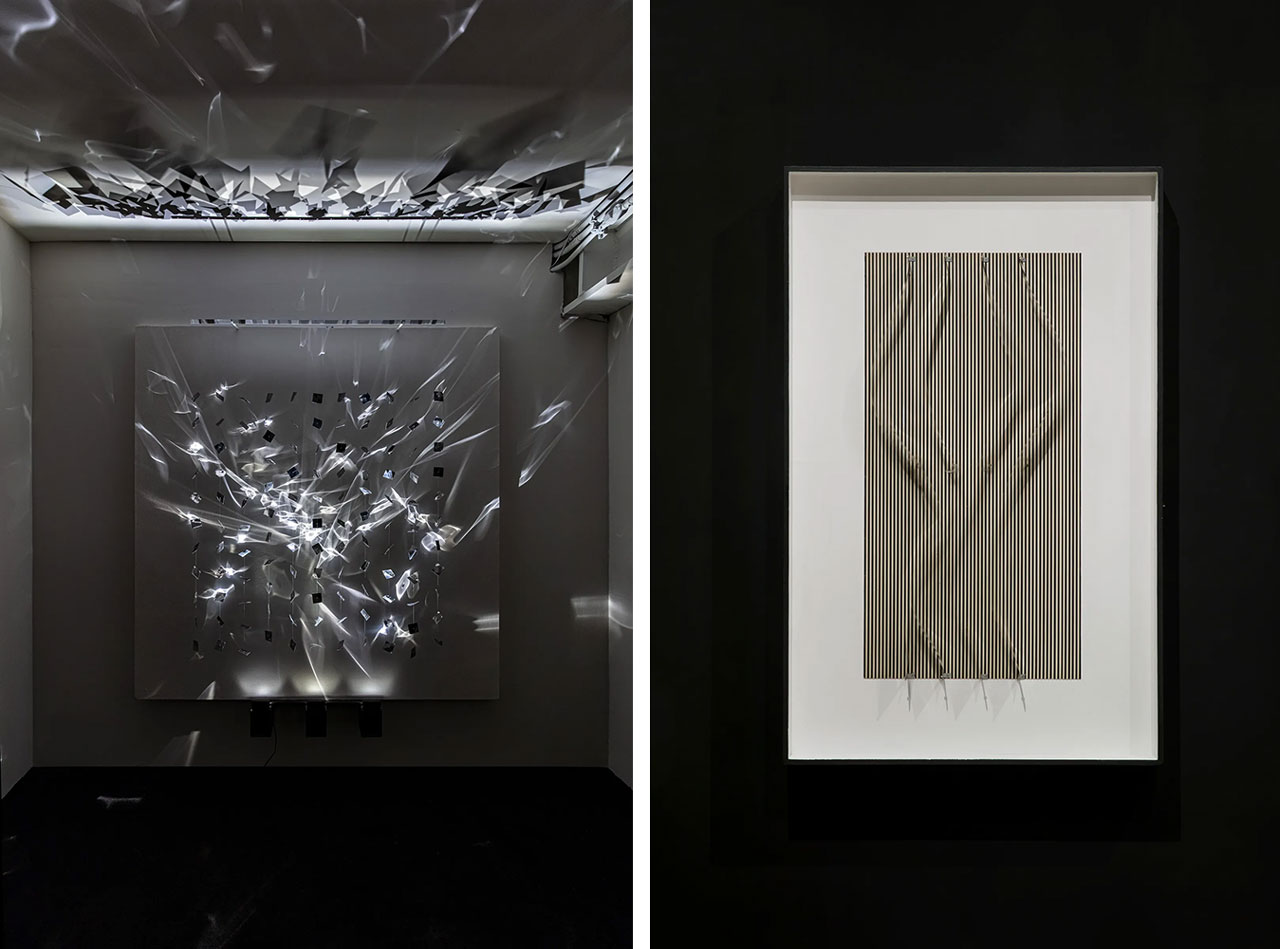
Le Parc achieved international recognition in 1966 when he won the Grand Prize for Painting at the 33rd Venice Biennale, one of the art world’s most prestigious honors. By then, he had developed works featuring suspended reflective elements, projected light, and environments that constantly changed as viewers moved through them. Rather than presenting fixed images, his art emphasized transformation, instability, and perceptual discovery. Political engagement remained central to his life. During the social upheavals of May 1968 in France, Le Parc participated in activist movements and the Atelier Populaire workshops. As a result of his involvement in protests, he was temporarily expelled from France. Throughout subsequent decades he supported human rights causes and opposed authoritarian regimes in Latin America. His political commitments were inseparable from his artistic philosophy, which sought to empower viewers and challenge systems of control.
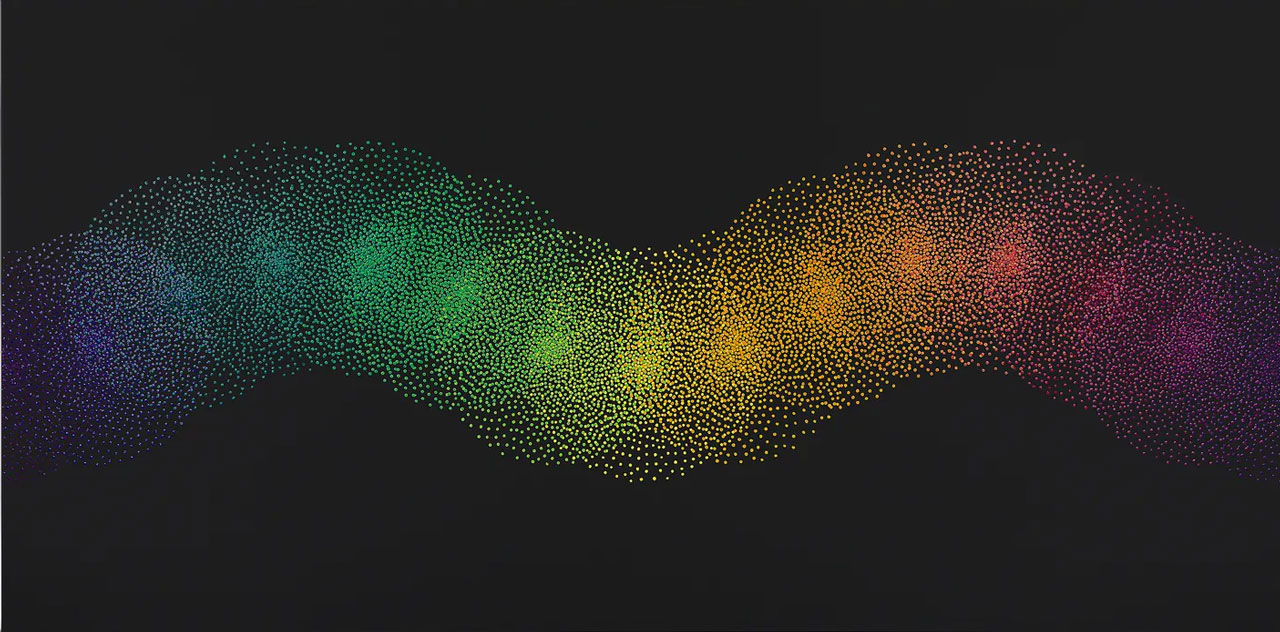
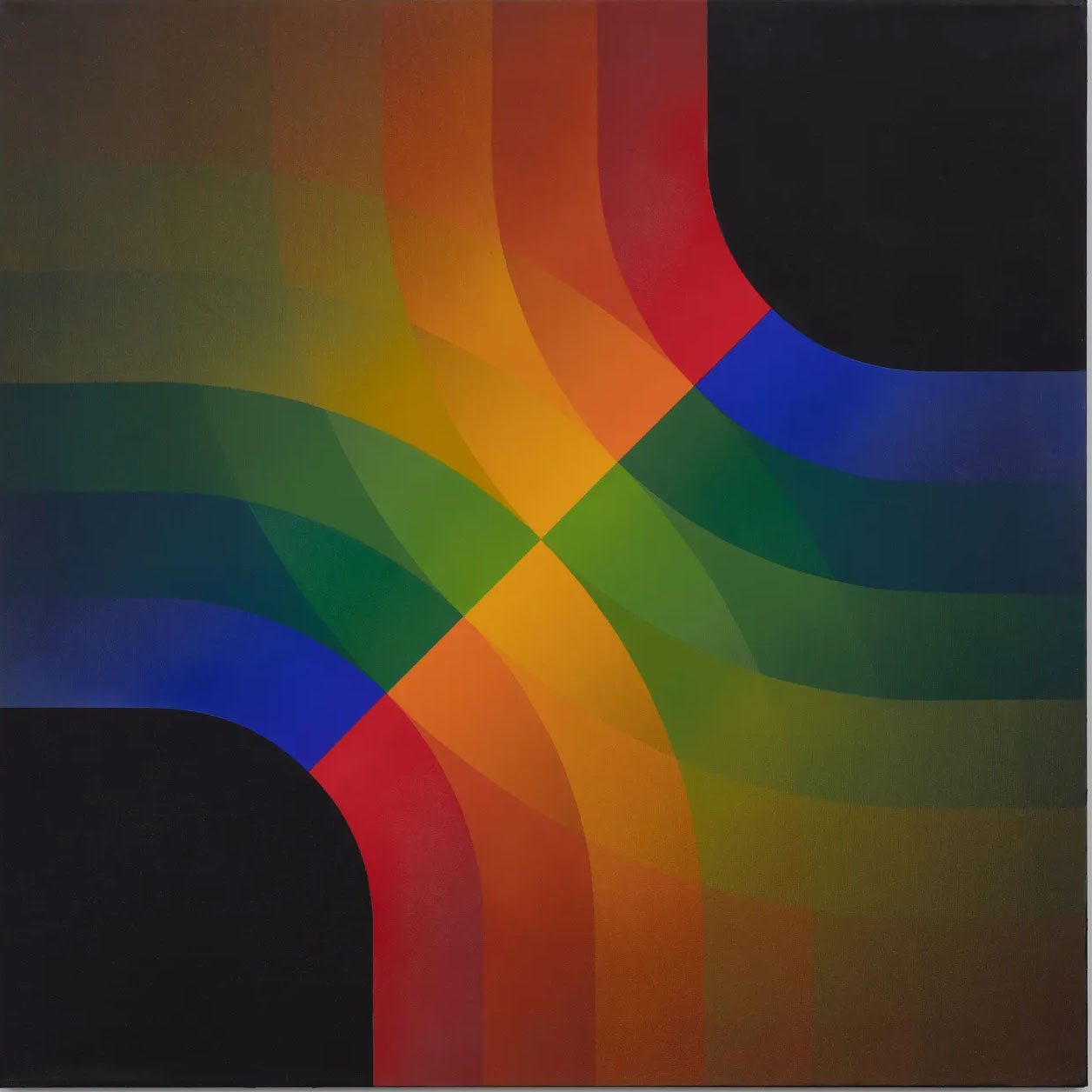
Although his international visibility declined somewhat during the 1970s and 1980s, Le Parc continued producing innovative works involving light, color, reflection, and movement. Beginning in the 2000s, museums and galleries around the world renewed interest in his work. Major exhibitions in Paris, Miami, New York, Buenos Aires, Madrid, and other cities introduced new generations to his immersive environments and kinetic sculptures. Le Parc’s artistic legacy lies not only in his contribution to kinetic and Op Art but also in his radical rethinking of the relationship between artwork and audience. He believed that viewers should actively construct their own experiences rather than receive predetermined meanings. His installations of mirrors, moving forms, and shifting light transformed perception itself into the subject of art. As he once explained, his goal was to encourage reflective, analytical, and creative engagement from the public.
On 30/5/2026, Julio Le Parc died in Paris at the age of 97. By the time of his death, he was widely regarded as one of the most important Latin American artists of the twentieth and twenty-first centuries, leaving behind a body of work that continues to influence contemporary installation art, interactive art, and immersive visual experiences around the world.
* In July 1960, Hector García Miranda, Horacio García Rossi, Hugo Demarco, Julio Le Parc, Vera Molnár, François Molnár, François Morellet, Sergio Moyano, Servanes (Simone Revoil), Joël Stein, Francisco Sobrino, and Yvaral (Jean-Pierre Vasarely) founded the Centre de Recherche d’Art Visuel, a center for visual research where the artists could work together towards the realization of their common formal and theoretical goals. In the summer of 1960, the young artists rented a small garage in the Marais district of Paris, which provided them with a common meeting and exhibition space. The center was renamed Groupe de Recherche d’Art Visuel (GRAV) in July 1961. From then on, the group members were García Rossi, Le Parc, Morellet, Sobrino, Stein, and Yvaral. The group disbanded in November 1968.