ART CITIES:Vienna-Thomas Demand
Thomas Demand trained as a sculptor before developing a practice that merges sculpture, photography, and conceptual art. His photographic works are typically derived from found press images, which he meticulously reconstructs as elaborate life-sized models using colored paper and cardboard. Once photographed, these carefully fabricated environments are destroyed, leaving the photograph itself as the final artwork. Demand’s images frequently allude to historically charged sites and events, yet they remain devoid of written language, emphasizing ambiguity, memory, and visual perception.
By Dimitris Lempesis
Photo: MAK Archive
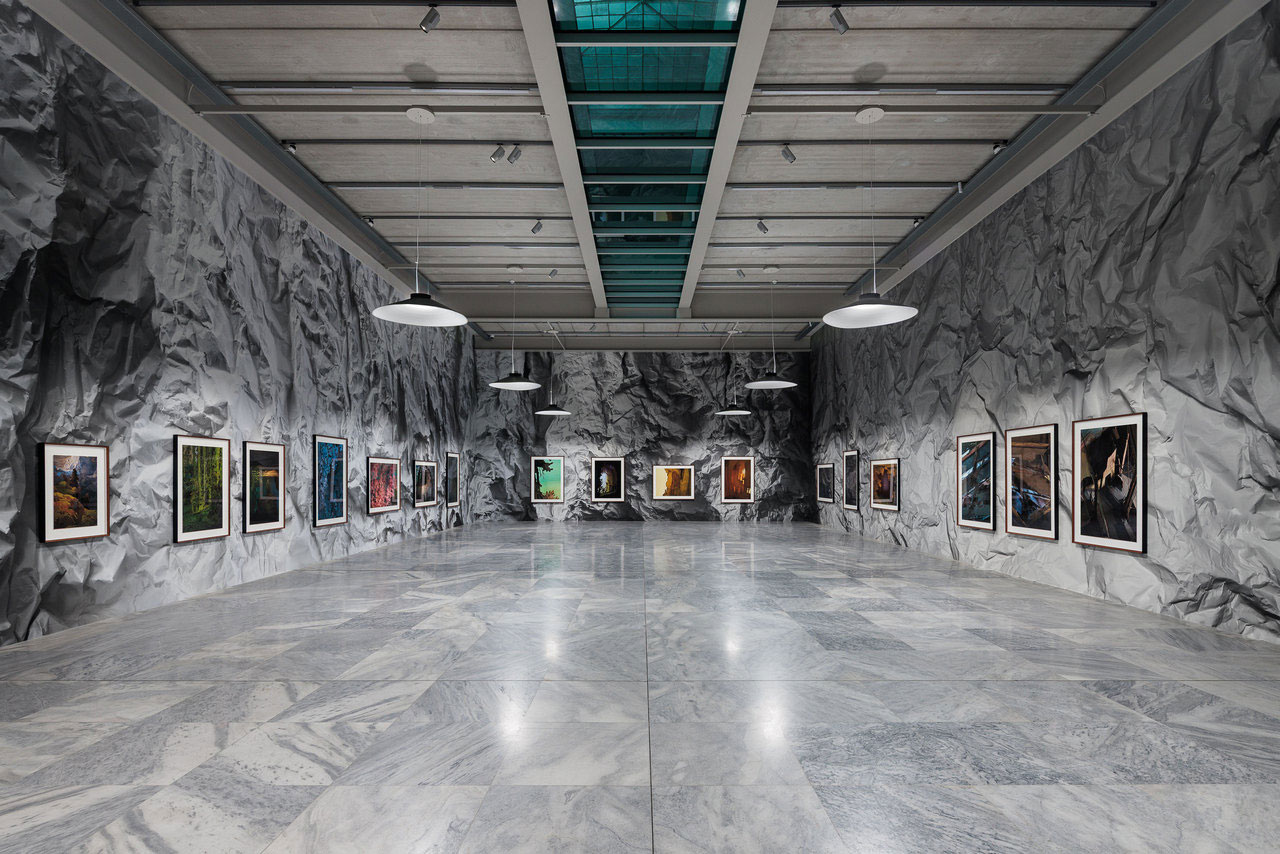
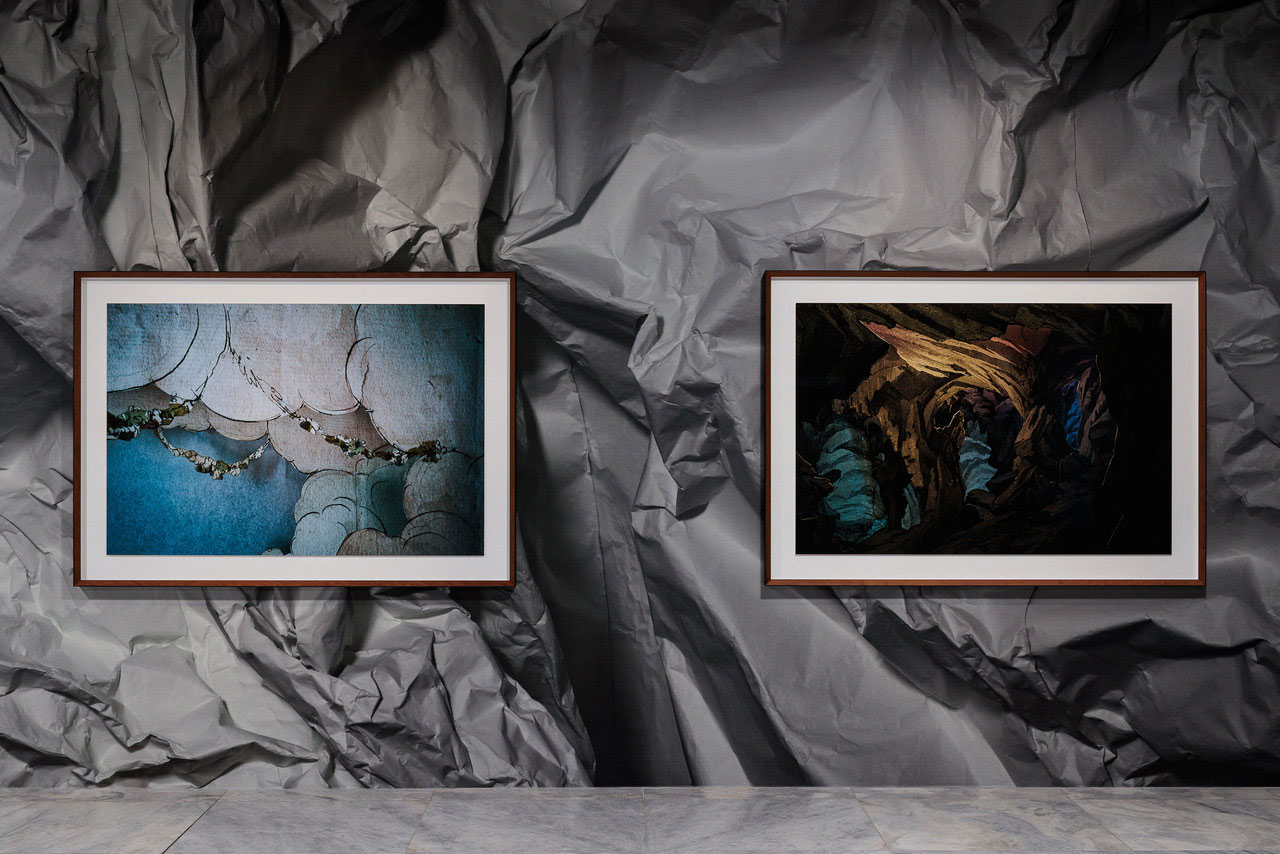
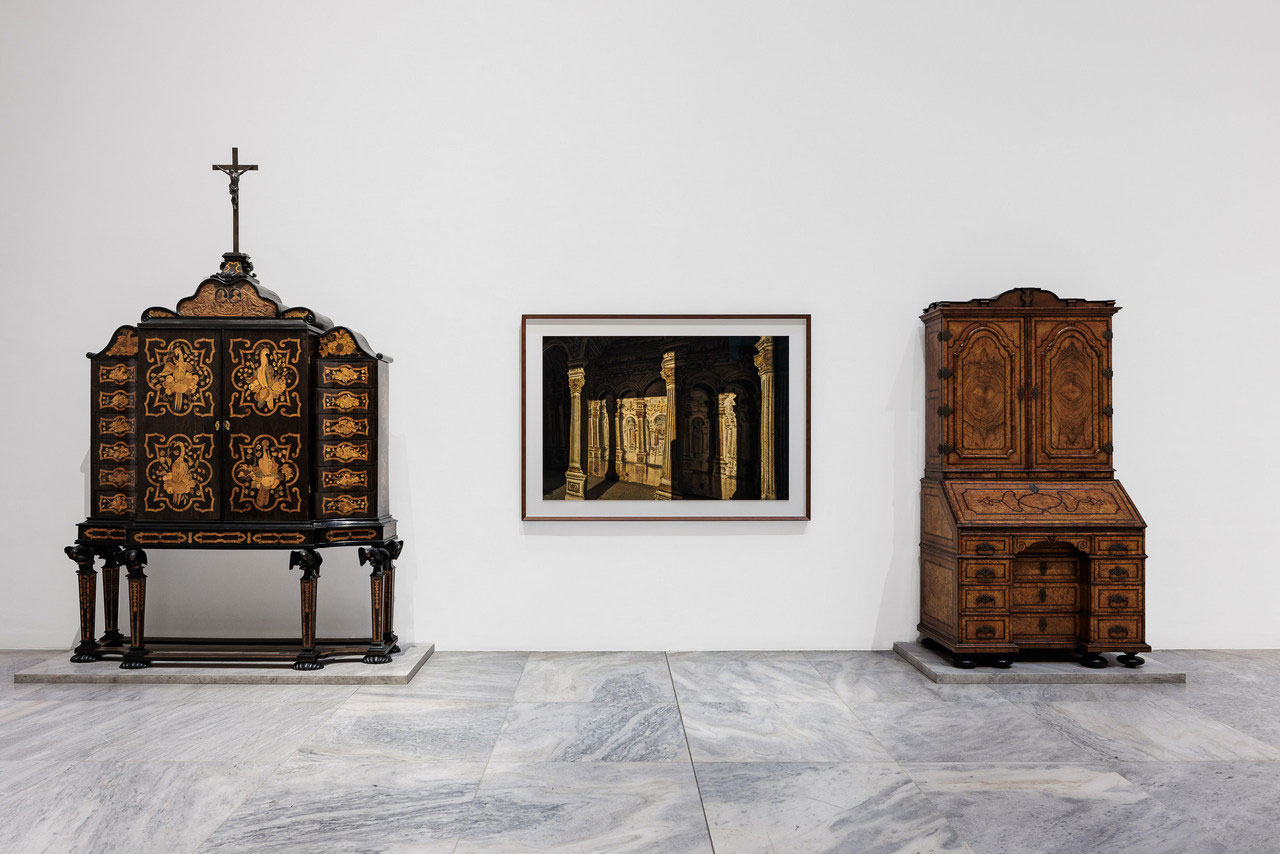
For the exhibition “Rooms That Dream of the Past” at the MAK – Museum of Applied Arts, Thomas Demand extends his longstanding investigation of constructed reality by engaging with the visual traditions of theater and opera. Drawing upon historical stage designs ranging from Baroque illusionistic scenery to the atmospheric scenographies of the fin de siècle, he created a new cycle of works specifically for the exhibition. These photographs translate the evocative language of performance into a contemporary photographic medium, transforming archival theatrical models into immersive visual spaces.
Central to Demand’s practice is the question of how photography produces, mediates, and destabilizes reality. By photographing handcrafted paper stage sets and manipulating perspective through techniques such as periscopic imaging, he shifts these models into unfamiliar optical dimensions. The resulting works invite viewers into spaces that function less as representations of reality than as autonomous psychological and perceptual environments.
Demand is internationally recognized for recreating interiors, architectural structures, everyday objects, and media images from industrial materials such as paper and cardboard. Although these constructions are temporary and ultimately destroyed, the photographs derived from them acquire a striking sense of permanence and originality. In doing so, Demand challenges the assumptions of mechanical reproduction famously theorized by Walter Benjamin, restoring to the reproduced image an unexpected aura of authenticity.
Throughout the MAK exhibition, Demand combines strategies associated with photography, painting, scenography, and the applied arts. Using displacement, layering, enlargement, cutouts, and nuanced chromatic interventions, he reinterprets historical models sourced from institutions including the Theatermuseum Vienna, the Nouveau Musée National de Monaco, and the German Theater Museum in Munich.
The twenty-five photographs produced for the exhibition emerged from an intensive study of theatrical miniatures and historical stage maquettes. Condensing space, atmosphere, and dramaturgy, these works evoke dreamlike theatrical worlds in which foreground and background, fiction and history, model and landscape interact in complex and often ambiguous ways. Their restrained, nearly abstract visual language encourages viewers to navigate the images as open-ended narratives rather than fixed representations.
Recurring motifs—including mountains, forests, flowers, ships, and architectural fragments—appear suspended within unfinished stories that continually unfold. At the center of Demand’s artistic inquiry lies the model itself: simultaneously sketch, replica, abstraction, and mnemonic device. For Demand, the model becomes a cultural instrument through which memory, imagination, and historical consciousness are constructed.
One panoramic work within the exhibition recalls the monumental form of a rocky grotto, simultaneously referencing theatrical cave motifs and the subterranean salt domes used for the preservation of photographic archives. Specially designed lighting installations further heighten the immersive quality of the exhibition, reinforcing its atmosphere of staged illusion and spatial theater.
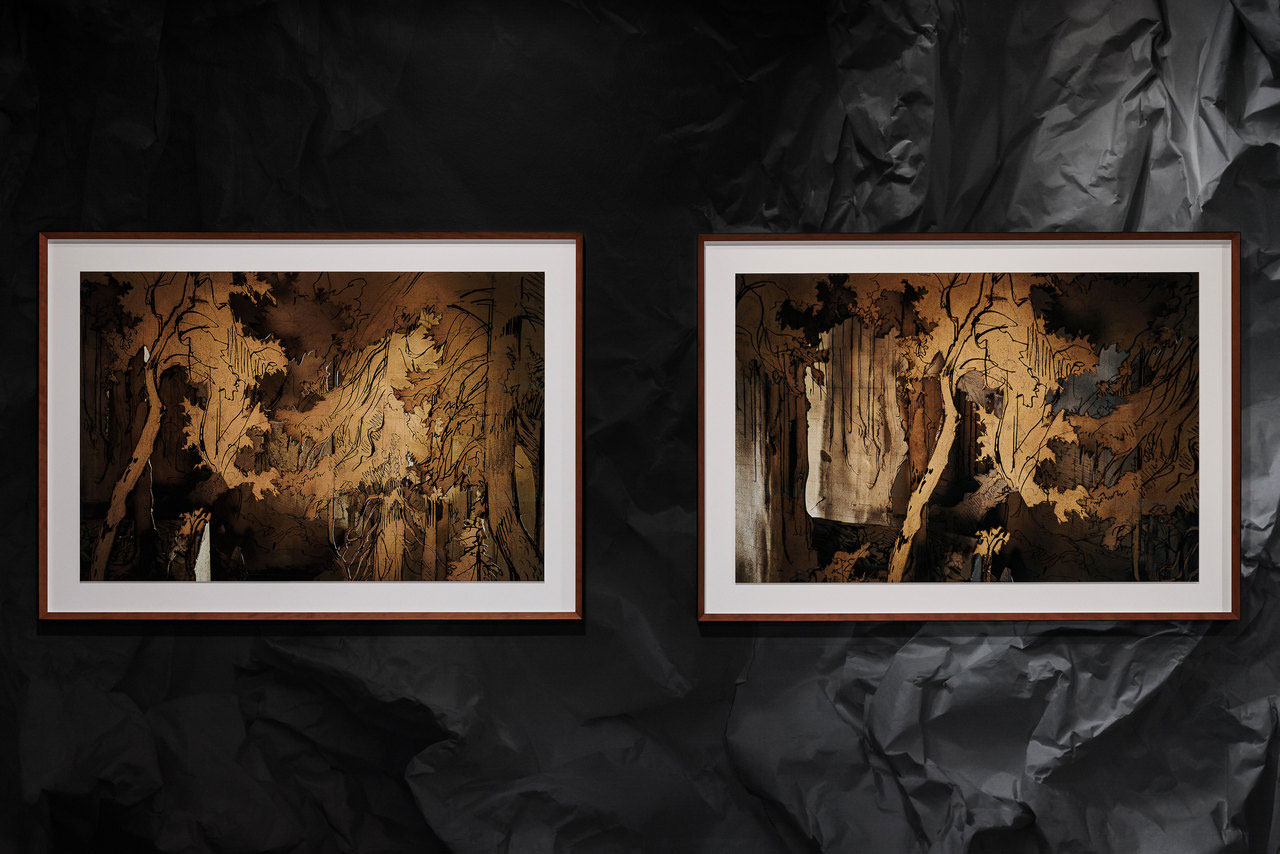
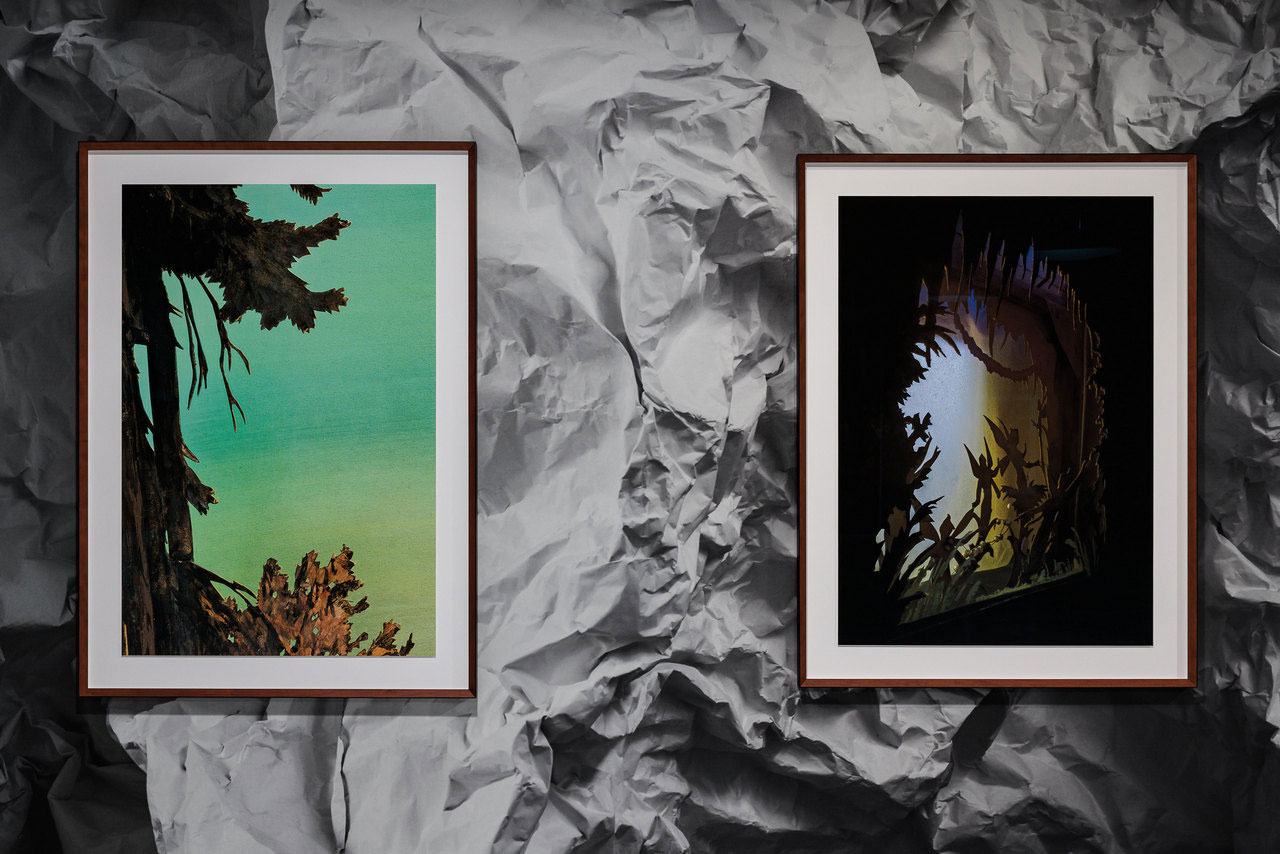
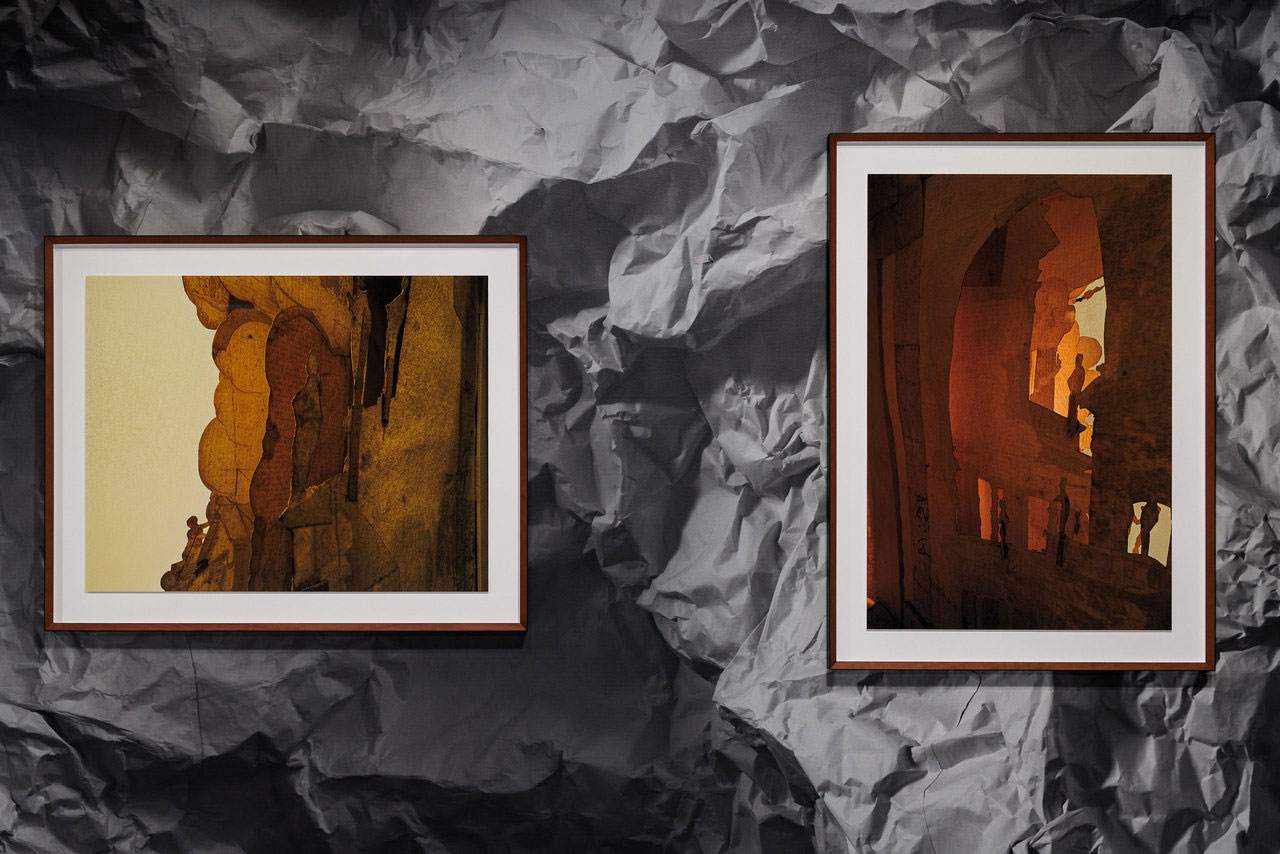
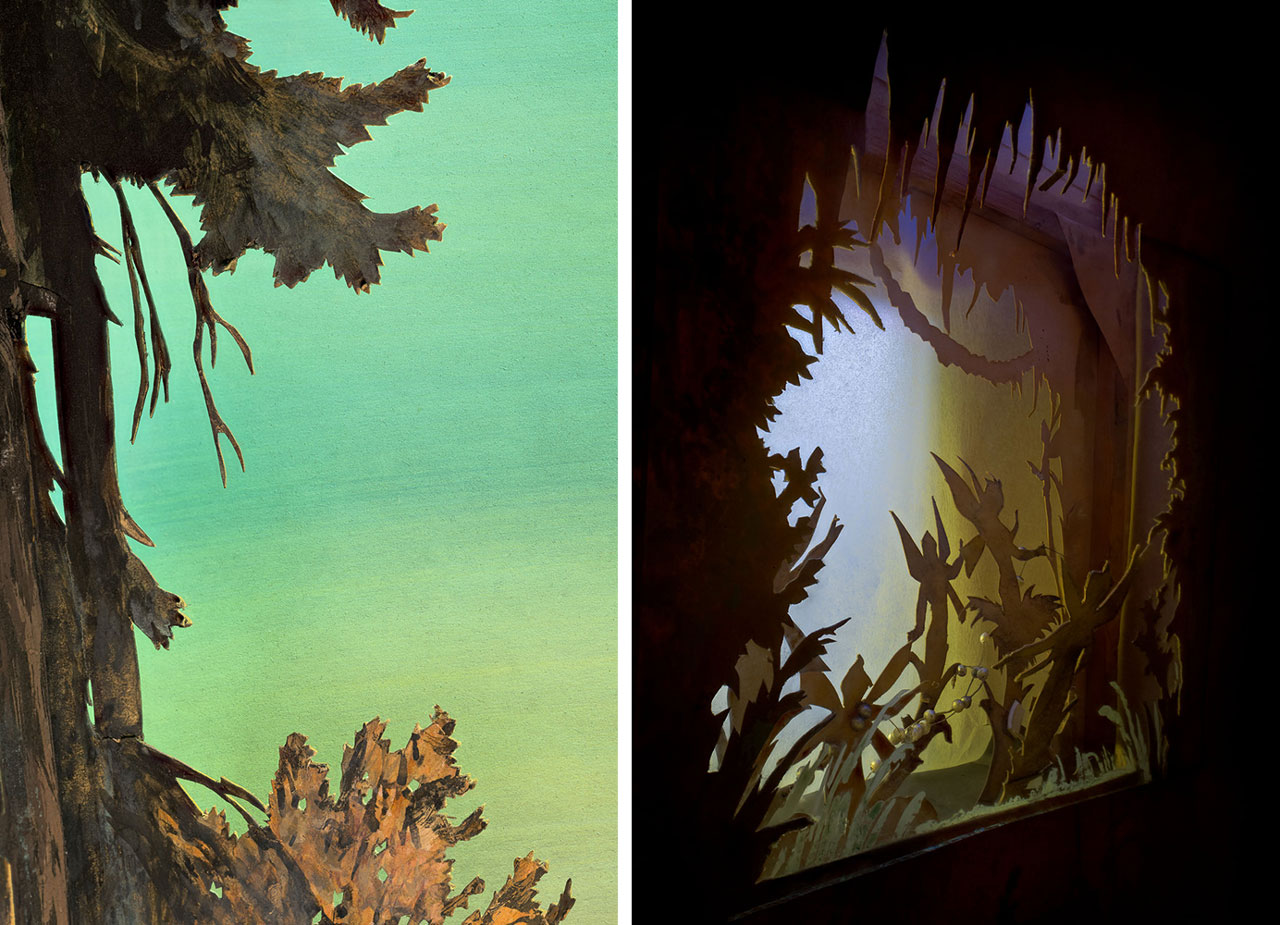
Demand also reimagines canonical operatic works through the lens of Romantic and theatrical imagery. Richard Wagner’s “Tannhäuser appears as a silhouetted landscape reminiscent of paintings by Caspar David F”riedrich, where nature becomes a reflective psychological space. The scenography of Gioachino Rossini’s “Guillaume Tell” is transformed into an imagined alpine terrain, while the “Reggia d’Apollo” designed by Lorenzo Sacchetti unfolds within a fragmented and multifaceted environment. Elsewhere, stage imagery associated with Peter Ludwig Hertel evokes an atmosphere of artificial mysticism and theatrical illusion.
Originally conceived for the fleeting temporality of live performance, these historical scenographies reemerge in Demand’s photographs as animated and suspended architectural fragments. Detached from their original contexts, the stage sets become fragile palimpsests situated between reality and fiction, memory and invention.
Photo left: Thomas Demand, Tannhäuser IX, 2026, © Thomas Demand, VG Bild-Kunst, Bonn/BILDRECHT GmbH, Vienna. Photo right: Thomas Demand, Flick & Flock V, 2026, © Thomas Demand, VG Bild-Kunst, Bonn/BILDRECHT GmbH, Vienna
Info: Curator Bärbel Vischer, MAK Contemporary, MAK (Museum of Applied Arts), Stubenring 5, Vienna, Duration: 27/52026-24/1/2027, Tue10:00-21:00, Wed-Sun 10:00-18:00, www.mak.at/en
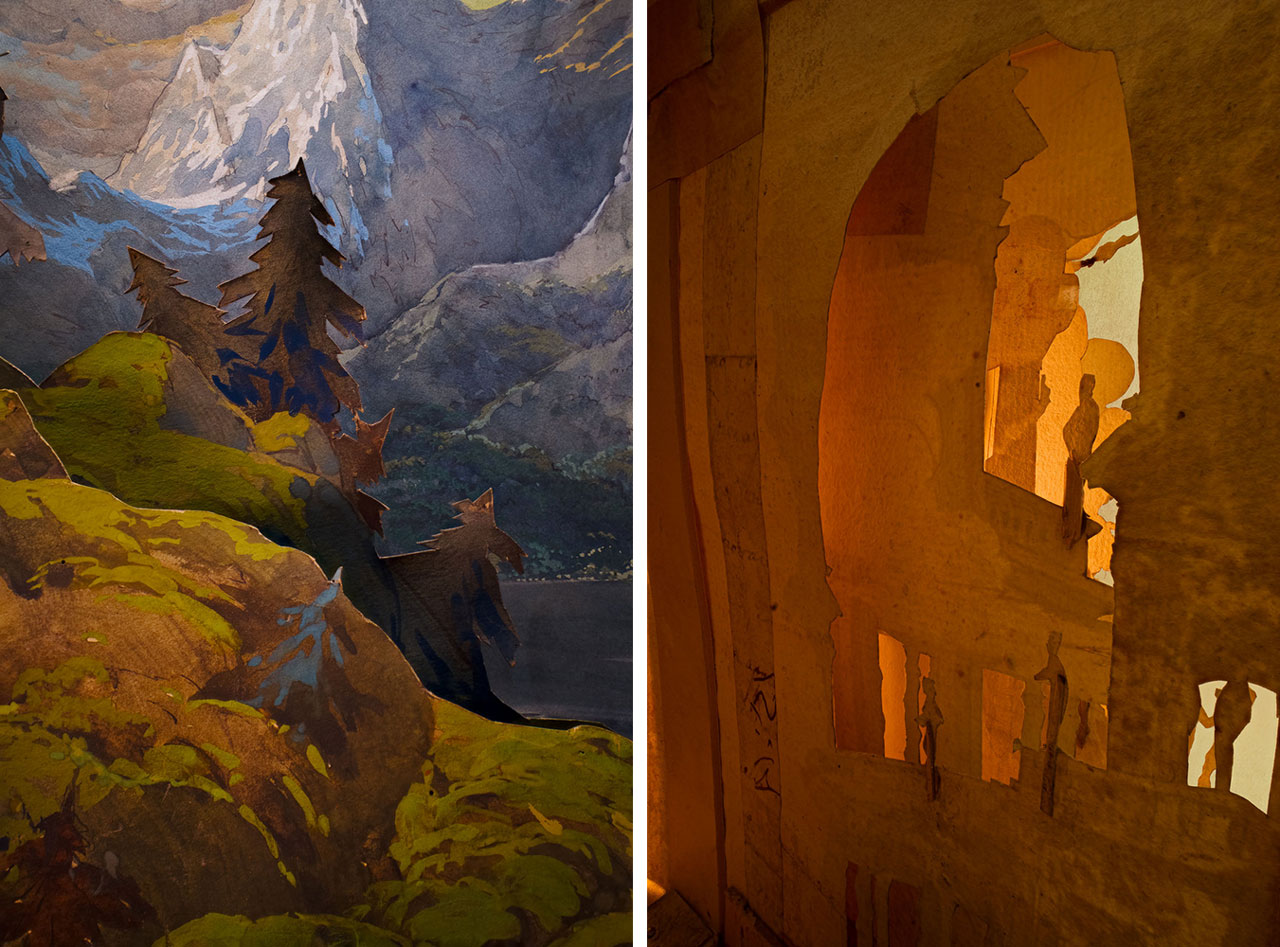
Right: Thomas Demand, Reggia d’Apollo XI, 2026, © Thomas Demand, VG Bild-Kunst, Bonn/BILDRECHT GmbH, Vienna