ART CITIES:Paris-Ishita Chakraborty
Ishita Chakraborty’s multidisciplinary practice spans painting, drawing, installation, poetry, sound, and performance, unfolding as a complex web of voices, materials, and memories. Her works grapple with socio-political and geopolitical realities, probing themes of displacement, colonial traumas, identity, and language. At the core of her practice lies an engagement with subaltern narratives—stories of resistance, survival, and belonging that often remain unheard.
By Efi Michalarou
Photo: Galerie Peter Kilchmann Archive
Ishita Chakraborty’s first solo exhibition in France, “East Is Everywhere”, gathers works made specifically for the Paris presentation and unfolds as a layered meditation on circulation, extraction, and memory. The show brings together botanical illustrations painted in acrylic on canvas mounted on saree fabric, paper works that rework colonial-era maps, a monumental charcoal wall drawing, and sculptural installations in unglazed or hand-painted porcelain. These materials are not neutral supports but active carriers of history: sarees, untreated cotton, and porcelain each carry distinct genealogies of trade, gendered labour, and colonial value systems. The gallery’s presentation and press materials describe the exhibition’s focus on climate migration, ecofeminism, and the shifting relations between Global South and North.
The “Where the Wild Things Roam” series anchors the exhibition’s first room. Chakraborty paints botanical specimens on canvas, mounts them on traditional Indian saree fabric, and then cuts the canvases along the plant contours so that the textile becomes a visible reverse—sometimes folded, sometimes suspended—like a skin turned inside out. This formal gesture stages a visual extraction: the herbarium image is removed from its scientific context and re-inscribed onto a garment that functions as an embodied archive of femininity and transmission. Indigo, presented in works such as “Where the Wild Things Roam XXXVI, Indigo”, is treated as emblematic: a plant that was transformed into a plantation commodity under British rule, reshaping ecosystems and social life and provoking resistance such as the Indigo Revolt.
Across the rooms, colonial maps and barbed wire motifs enter into a charged dialogue. In the “I Recall the Forest Inside Me” series Chakraborty photographs her own body draped in a white sheet and hand-colors colonial-era cartographies, folding maps over the face and torso so that the body becomes both shield and palimpsest. Maps here are shown as instruments of representation and appropriation; barbed wire—recast in porcelain and artisanal gestures—stands for the physical technologies of enclosure and control. The interplay of these motifs makes visible how territorial control and visual regimes of the West continue to mark subjectivities.
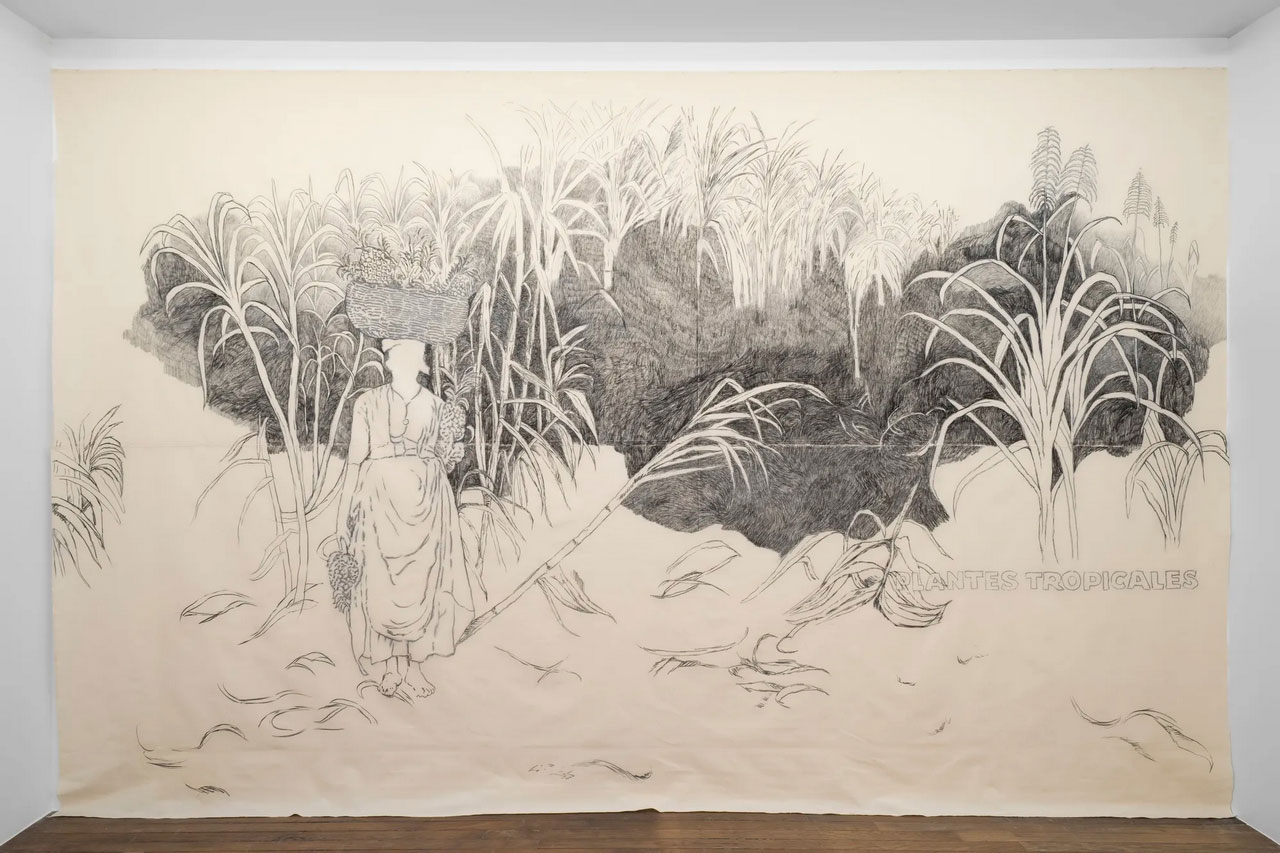
A monumental charcoal mural on untreated cotton evokes uprooted soil, exhausted landscapes, and the afterlives of plantation economies. Chakraborty traces continuities from slavery to indentured labour, invoking diasporic memories rooted in West Bengal and the Caribbean; the mural’s raw materiality and archival references make the persistence of exploitation legible in both land and flesh.
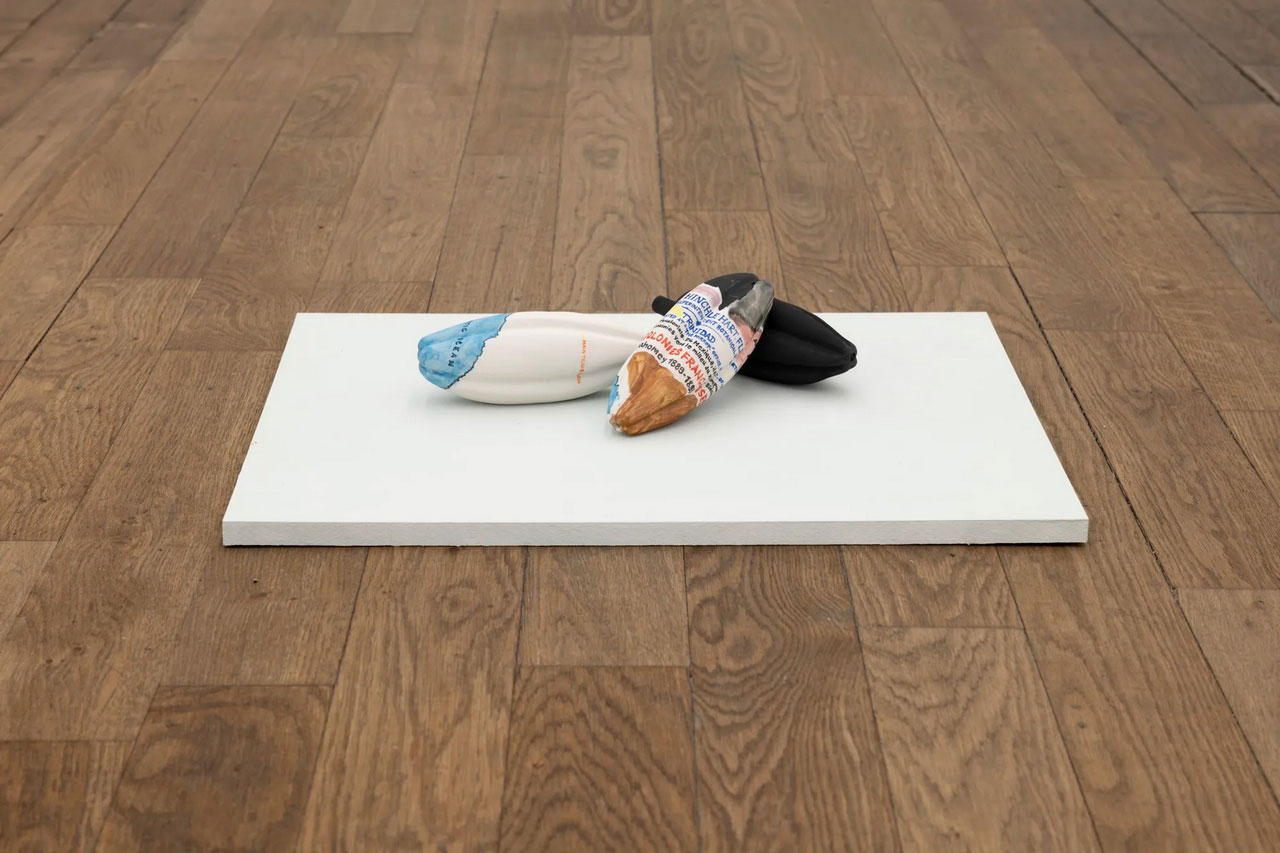
In the final room porcelain rubber seeds and hand-painted cacao pods—some suspended with artificial hair—translate living matter into fragile, luxury-associated objects. Developed after a residency with the Borari community in the Amazon, these works register the transformation of sacred, local resources into global commodities and recall historical projects to industrialize rubber production. By freezing organic forms in porcelain, Chakraborty reverses colonial hierarchies: matter becomes memory, and the seed becomes an archive of extraction and resistance.
Chakraborty’s practice, which spans drawing, installation, sound, and poetry, consistently foregrounds how landscapes function as political spaces and living archives. “East Is Everywhere” insists that colonial histories are not past events but ongoing circulations—of plants, capital, images, and power—that continue to shape contemporary ecologies and bodies.
Photo: Ishita Chakraborty, Black Gold II, 2026, Hand-painted porcelain (3 parts), variable dimensions, © Ishita Chakraborty, Courtesy the artist and Galerie Peter Kilchmann
Info: Galerie Peter Kilchmann, 11-13 rue des Arquebusiers, Paris, France, Duration: 23/5-25/7/2026, Days & Hours: Tue-Sat 11:00-19:00, www.peterkilchmann.com/
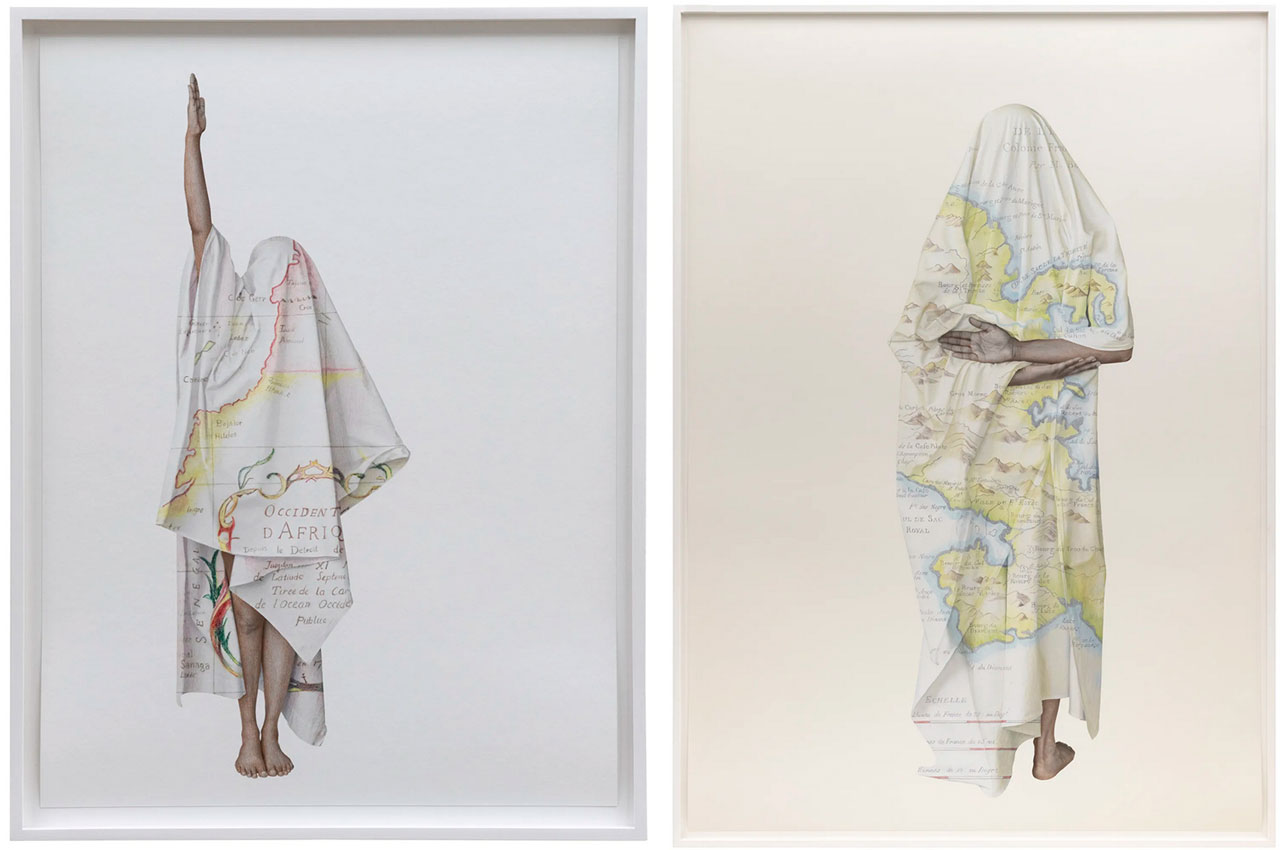
Right: Ishita Chakraborty, I Recall the Forest Inside Me XX, 2026, Hand colored archival pigment print on Hahnemühle agave paper, 169.4 x 119.7 cm ( 66 ¾ x 47 ¼ in.), 175.5 x 125.5 cm (69 x 49 ½ in.), framed, © Ishita Chakraborty, Courtesy the artist and Galerie Peter Kilchmann
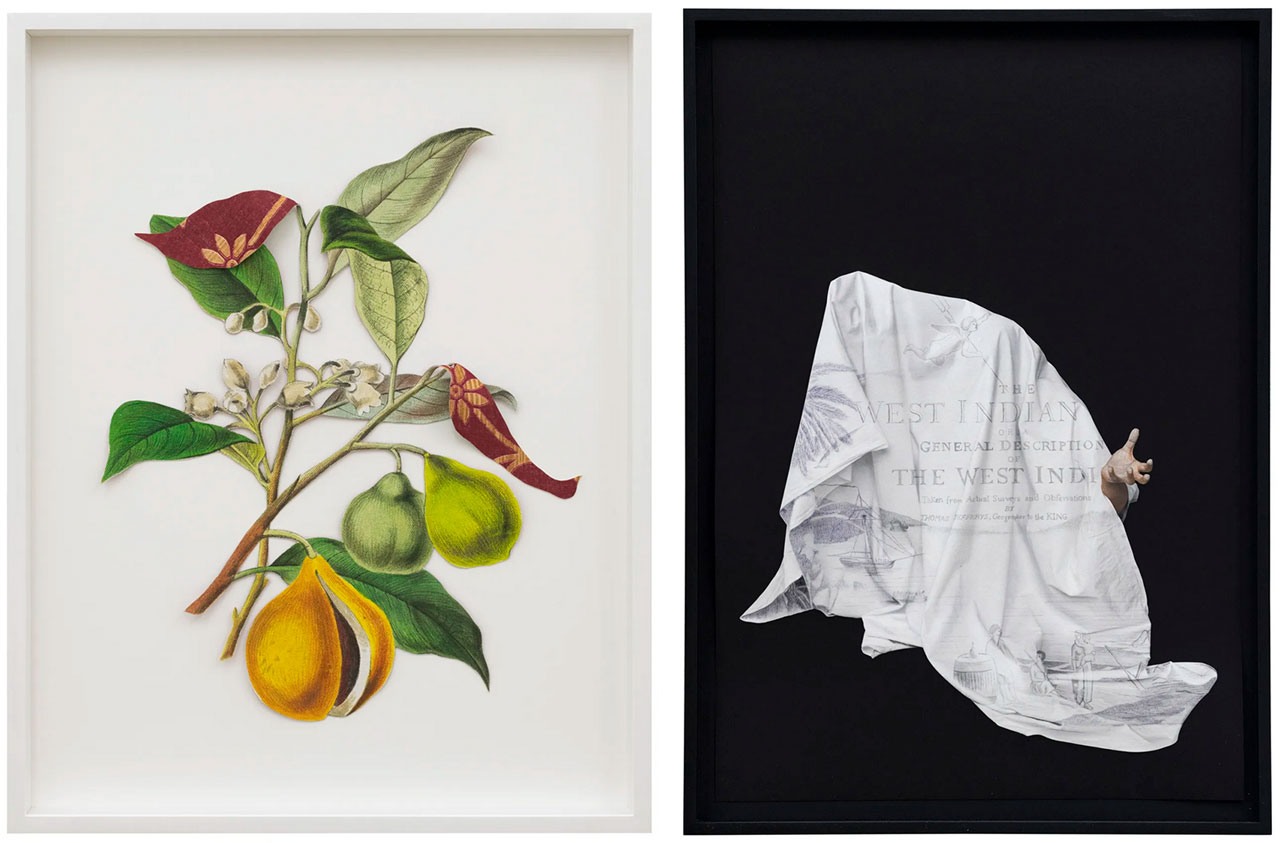
Right: Ishita Chakraborty, I Recall the Forest Inside Me XVI, 2026 , Hand colored archival pigment print on Hahnemühle agave paper, 56.1 x 38.9 cm (22 x 15 ¼ in.), 60.5 x 43 cm (23 ¾ x 17 in.), framed, © Ishita Chakraborty, Courtesy the artist and Galerie Peter Kilchmann
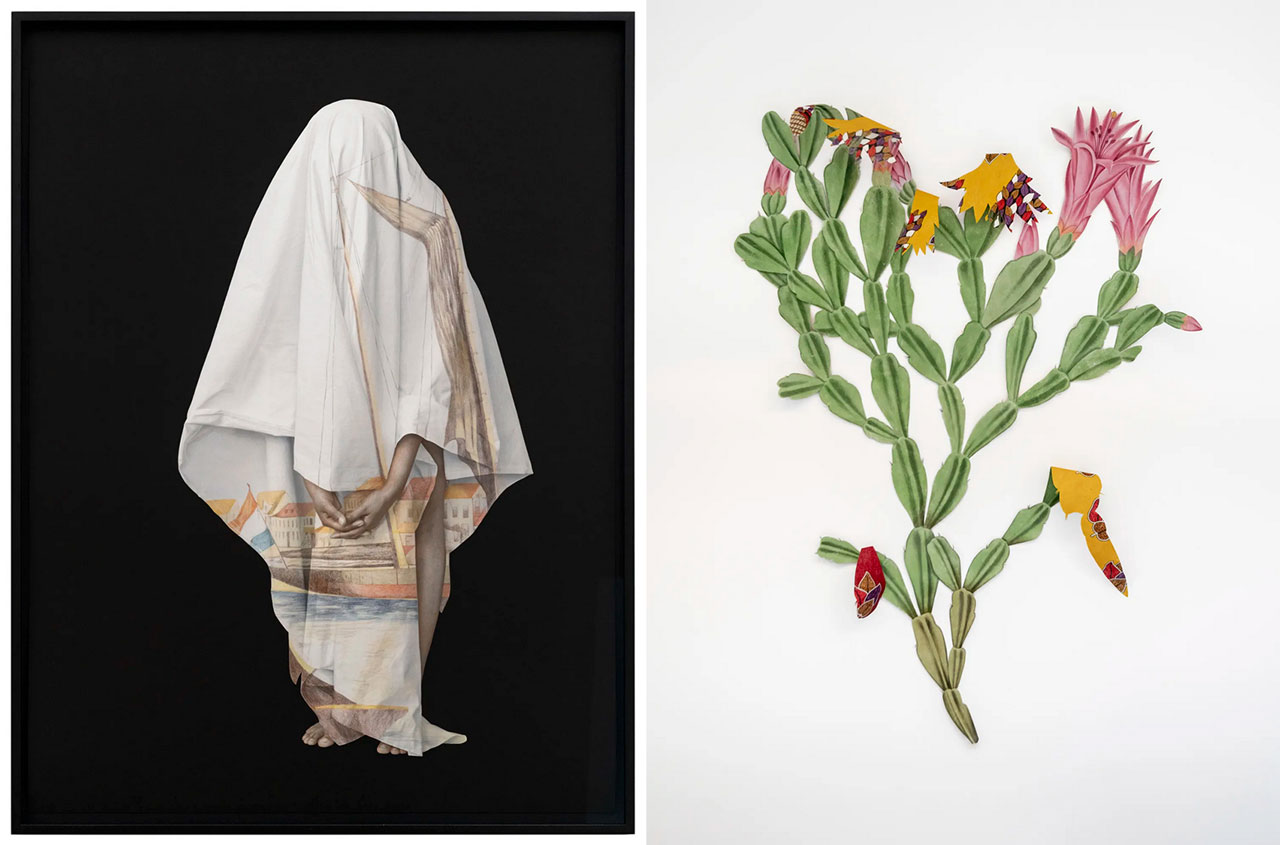
Right: Ishita Chakraborty, Where The Wild Things Roam XXXX, Cactus, 2026, Acrylic on canvas pasted on cotton Saree fabric, 184 x 140 cm (72 ½ x 55 in.) unframed, © Ishita Chakraborty, Courtesy the artist and Galerie Peter Kilchmann
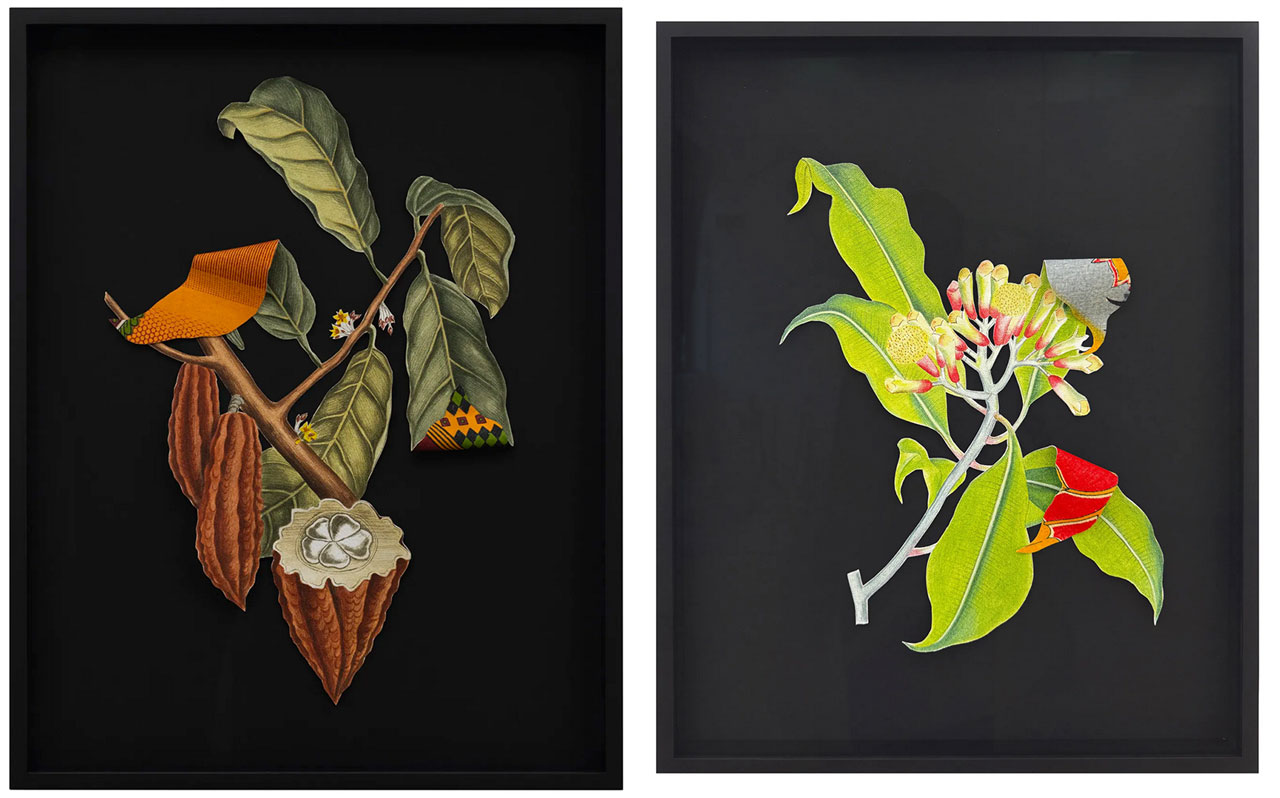
Right: Ishita Chakraborty, Where The Wild Things Roam XXIII, Clove III, 2026, Acrylic on canvas pasted on cotton saree fabric, 48 x 36 cm (19 x 14 ¼ in.), 55.5 x 43.5 cm (21 ¾ x 17 ¼ in.), framed, © Ishita Chakraborty, Courtesy the artist and Galerie Peter Kilchmann
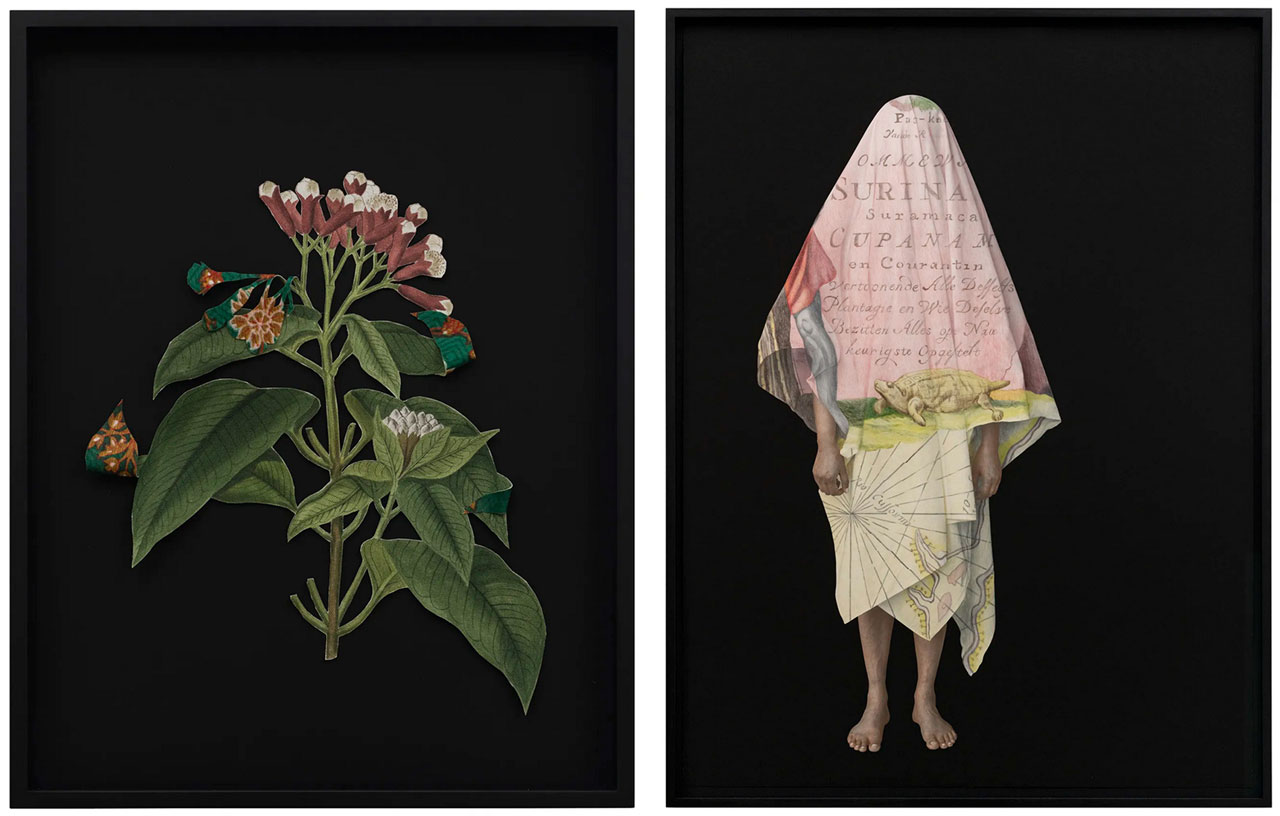
Right: Ishita Chakraborty, I Recall the Forest Inside Me XII, 2026, Hand colored archival pigment print on Hahnemühle agave paper, 98.6 x 73.9 cm (38 ¾ x 29 in.), 103 x 78 cm (40 ½ x 30 ¾ in.), framed, © Ishita Chakraborty, Courtesy the artist and Galerie Peter Kilchmann