
PRESENTATION: Ewa Juszkiewicz
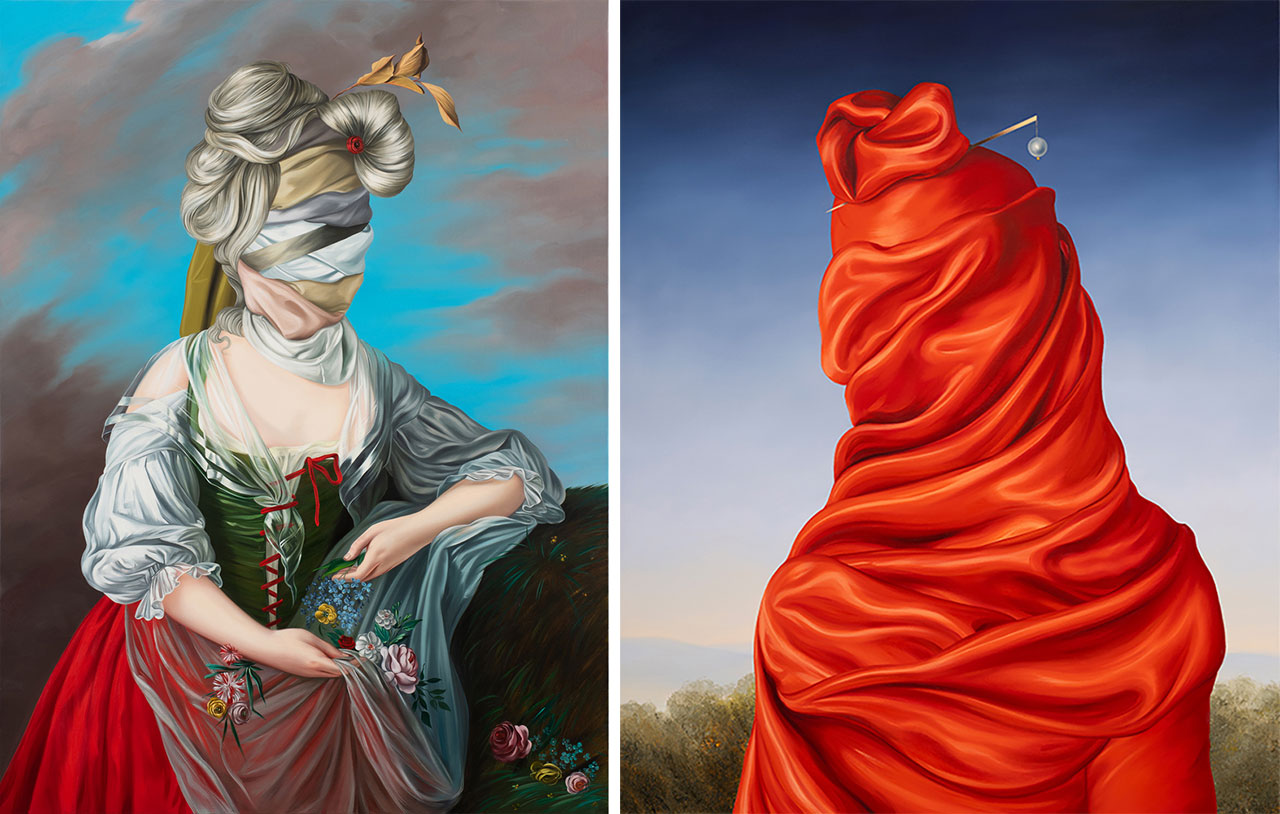
Through her paintings, Ewa Juszkiewicz questions traditional ideas of beauty and representation in classical European art. By reworking historical portraits of women, she challenges the fixed and idealized way female figures have often been shown throughout art history. Her paintings are rooted in the refined techniques of classical painting, yet their meaning feels bold, unsettling, and rebellious. Through these transformations, she encourages viewers to look beyond appearances and rethink how women have been represented in art for centuries.
By Dimitris Lempesis
Photo: Museo Nacional Thyssen-Bornemisza Archive
For her first solo museum exhibition, Ewa Juszkiewicz presents twenty-four paintings created between 2013 and today, with a strong focus on recent works made especially for the exhibition. The show offers visitors a chance to follow the development of an artist who has become internationally recognized for transforming classical European portrait painting into something mysterious, unsettling, and deeply contemporary.
For more than ten years, Juszkiewicz has worked with images inspired by 18th- and 19th-century female portraits. At first glance, her paintings resemble historical artworks found in museums: elegant women dressed in luxurious fabrics, posed carefully against dark interiors or romantic landscapes. But there is one striking difference. The faces of her subjects are hidden beneath twisted hair, flowers, fruit, branches, fabric, or other organic forms. These unusual transformations have become the artist’s signature style.
The exhibition brings together some of her most recognizable paintings alongside a significant group of new works. In several paintings, thick arrangements of braided hair completely replace the face, creating forms that appear both sculptural and alive. In others, flowers and fruit expand across the head like extravagant still-life compositions, blurring the line between portrait and nature. Some figures disappear almost entirely beneath layers of richly painted textiles, while others are overtaken by leaves and tangled vegetation that seem to grow directly from the body.
The paintings on view also demonstrate the artist’s extraordinary technical skill. Juszkiewicz carefully recreates the textures and atmosphere of historical portraiture: shimmering silk dresses, delicate lace, glowing skin, and dramatic lighting. At the same time, she introduces stronger colors and a more contemporary energy into her surfaces. Deep reds, saturated greens, golds, and dark shadows give the works an intense visual presence.
Several of the newer paintings in the exhibition push her transformations even further. The human figure becomes increasingly unstable, shifting between beauty and distortion, elegance and discomfort. In some works, the decorative elements almost completely consume the sitter, making it impossible to separate the person from the objects surrounding her. This creates a sense of ambiguity that runs throughout the exhibition.
By covering the face, Juszkiewicz changes the meaning of the traditional portrait. In classical European painting, the face was often the most important feature, used to express beauty, identity, status, and personality. Women in particular were painted according to strict social ideals. Juszkiewicz challenges these conventions by removing the very feature expected to define the subject.
Her paintings invite viewers to focus instead on details that were once considered secondary: fabric, flowers, hairstyles, and ornament. Many of these elements come from the tradition of still-life painting, where flowers and fruit symbolized beauty, luxury, or decay. In Juszkiewicz’s work, these decorative details become powerful and unsettling, almost taking control of the figure itself.
Although inspired by the past, the paintings feel unmistakably modern. Juszkiewicz combines the precision of classical oil painting with the imaginative and dreamlike qualities of Surrealism. Her works are visually seductive, yet also strange and unsettling. The viewer is left wondering who these women are and why their identities remain hidden.
At the center of Juszkiewicz’s work is a broader question about how women have been represented throughout art history. By obscuring the face, she frees her subjects from fixed identities and traditional expectations. Her portraits no longer function simply as images of individuals; instead, they become open spaces for interpretation, imagination, and transformation.
This exhibition shows how Ewa Juszkiewicz redefines portrait painting for the present day. Through her striking and unforgettable images, she creates a dialogue between history and contemporary culture, revealing how old artistic traditions can still be questioned, reshaped, and brought to life in new ways.
Photo left: Ewa Juszkiewicz, Untitled (after Élisabeth Vigée Le Brun), 2021, oil on canvas, 160 × 120 cm. Collection of Glori Cohen, © Ewa Juszkiewicz, Courtesy Museo Nacional Thyssen-Bornemisza. Photo right: Ewa Juszkiewicz, Lady with a Pearl (after François Gérard), 2024, oil on canvas, 80 × 65 cm. Private collection, © Ewa Juszkiewicz, Courtesy Museo Nacional Thyssen-Bornemisza
Info: Curator: Guillermo Solan, Museo Nacional Thyssen-Bornemisza, Paseo del Prado 8, Madrid, Spain, Duration: 26/5-9/9/2026, Days & Hours: Mon 12:00-16:00, Tue-Sat 1000-17:00, www.museothyssen.org/
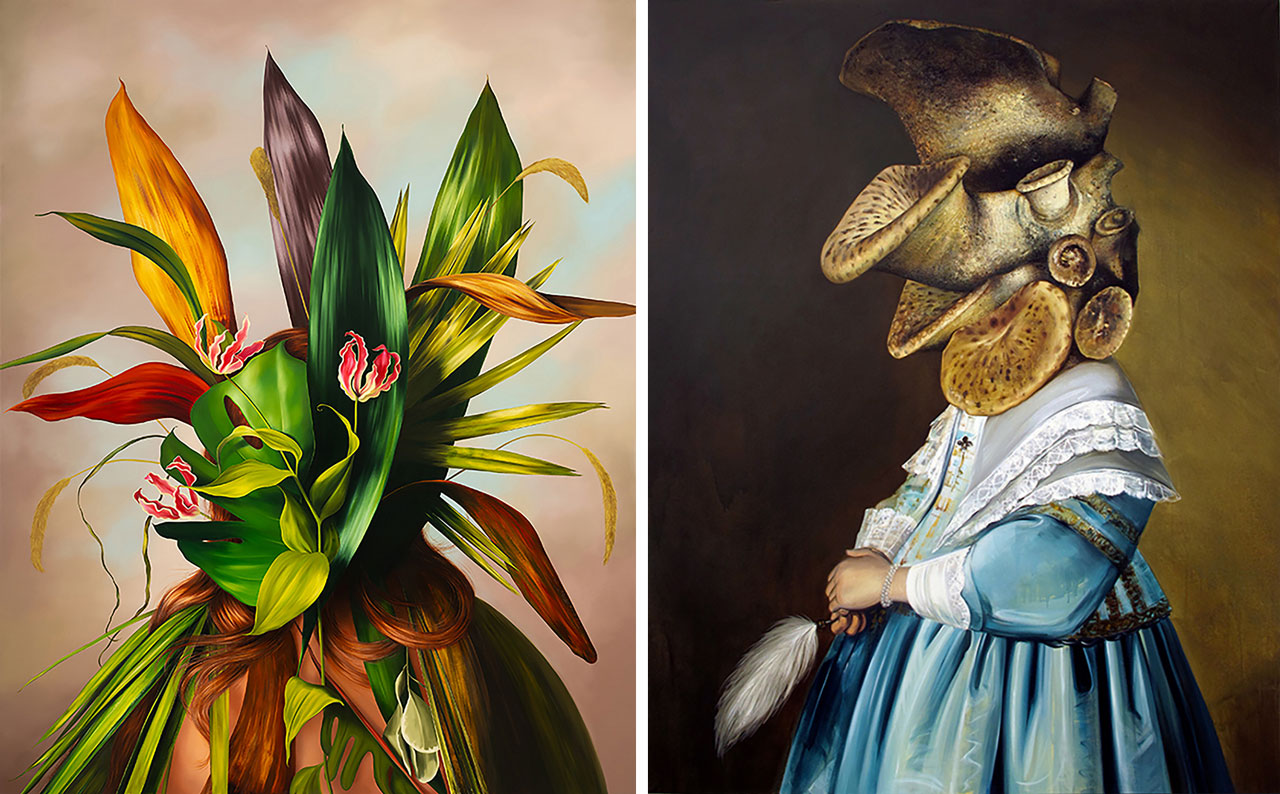
Right: Ewa Juszkiewicz, Girl in Blue (after Johannes Cornelisz Verspronck), 2013, acrylic and oil on canvas, 200 × 160 cm. Collection of Jen Rubio and Stewart Butterfield, © Ewa Juszkiewicz, Courtesy Museo Nacional Thyssen-Bornemisza
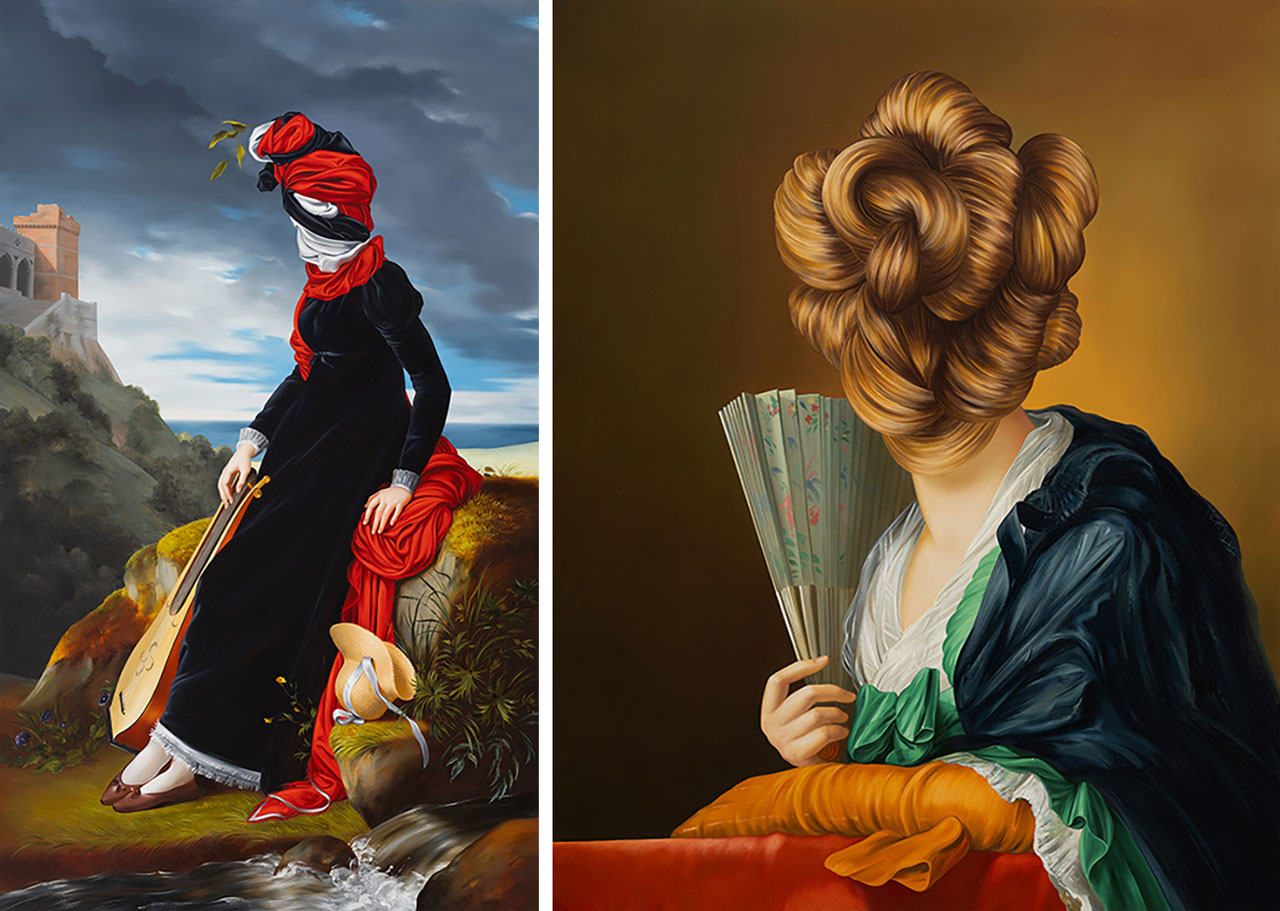
Right: Ewa Juszkiewicz, Girl with a Fan (after Johann Heinrich Tischbein the Elder), 2023, Oil on canvas, 100 × 80 cm Jen Rubio and Stewart Butterfield Collection, © Ewa Juszkiewicz, Courtesy Museo Nacional Thyssen-Bornemisza
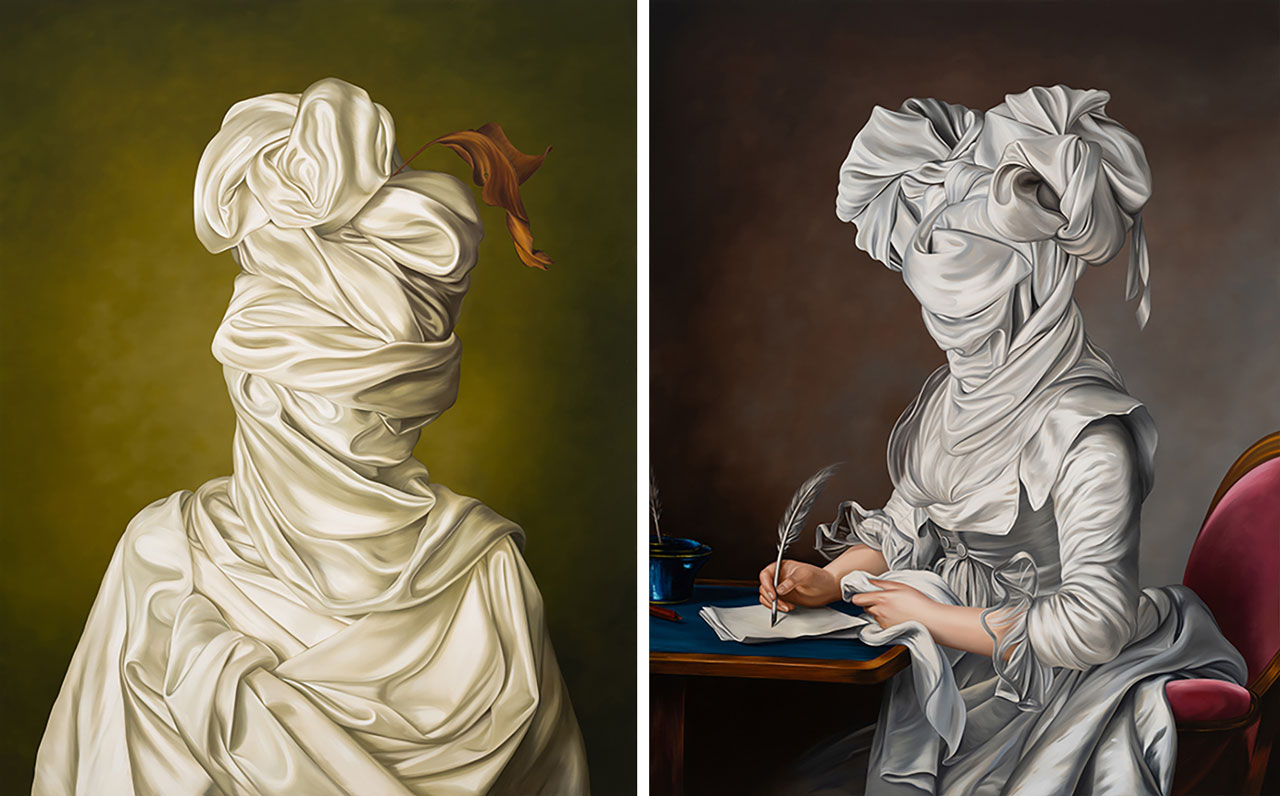
Right: Ewa Juszkiewicz, The Letter (after Adélaïde Labille-Guiard), 2023, oil on canvas, 145 × 115 cm. Private collection, © Ewa Juszkiewicz, Courtesy Museo Nacional Thyssen-Bornemisza
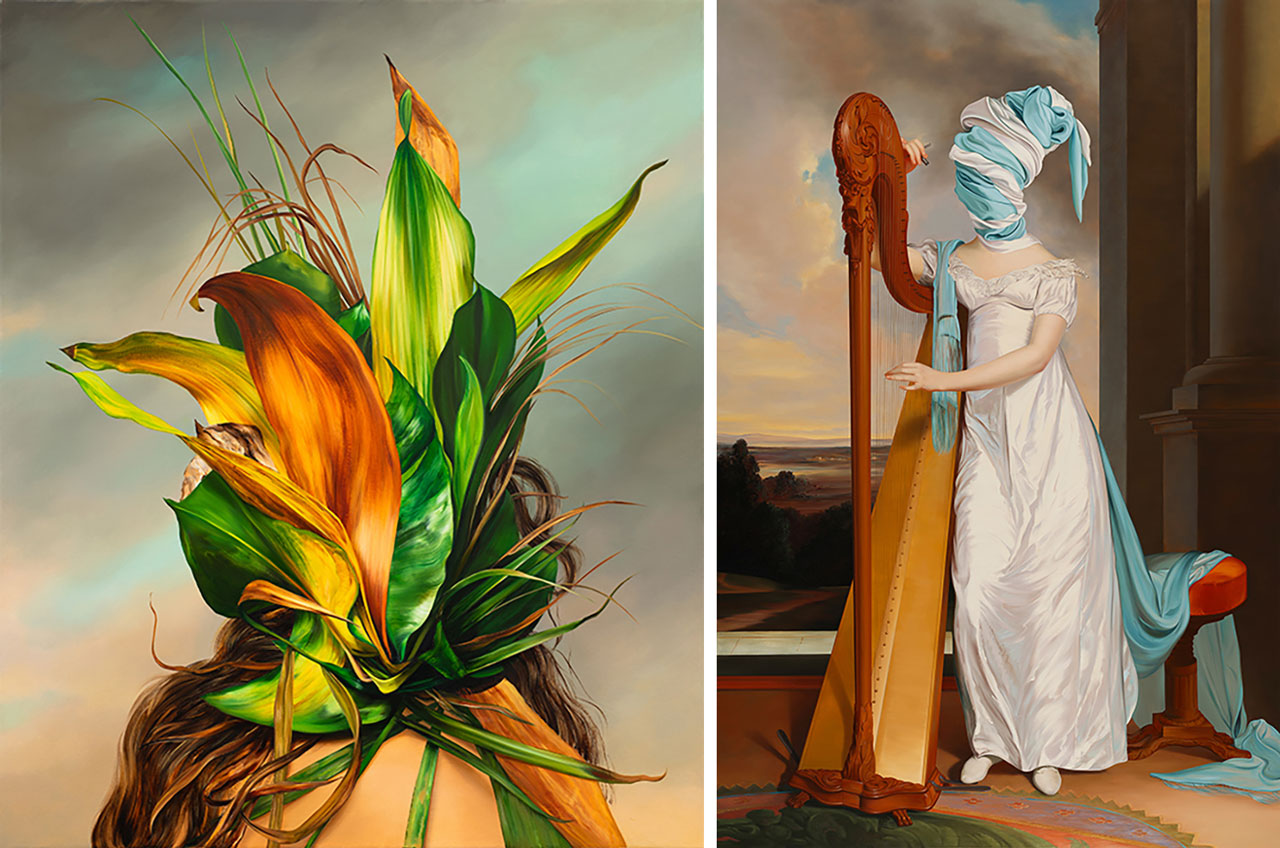
Right: Ewa Juszkiewicz, The Harpist (after Thomas Sully), 2023, oil on canvas, 260 × 173 cm. Private collection, © Ewa Juszkiewicz, Courtesy Museo Nacional Thyssen-Bornemisza
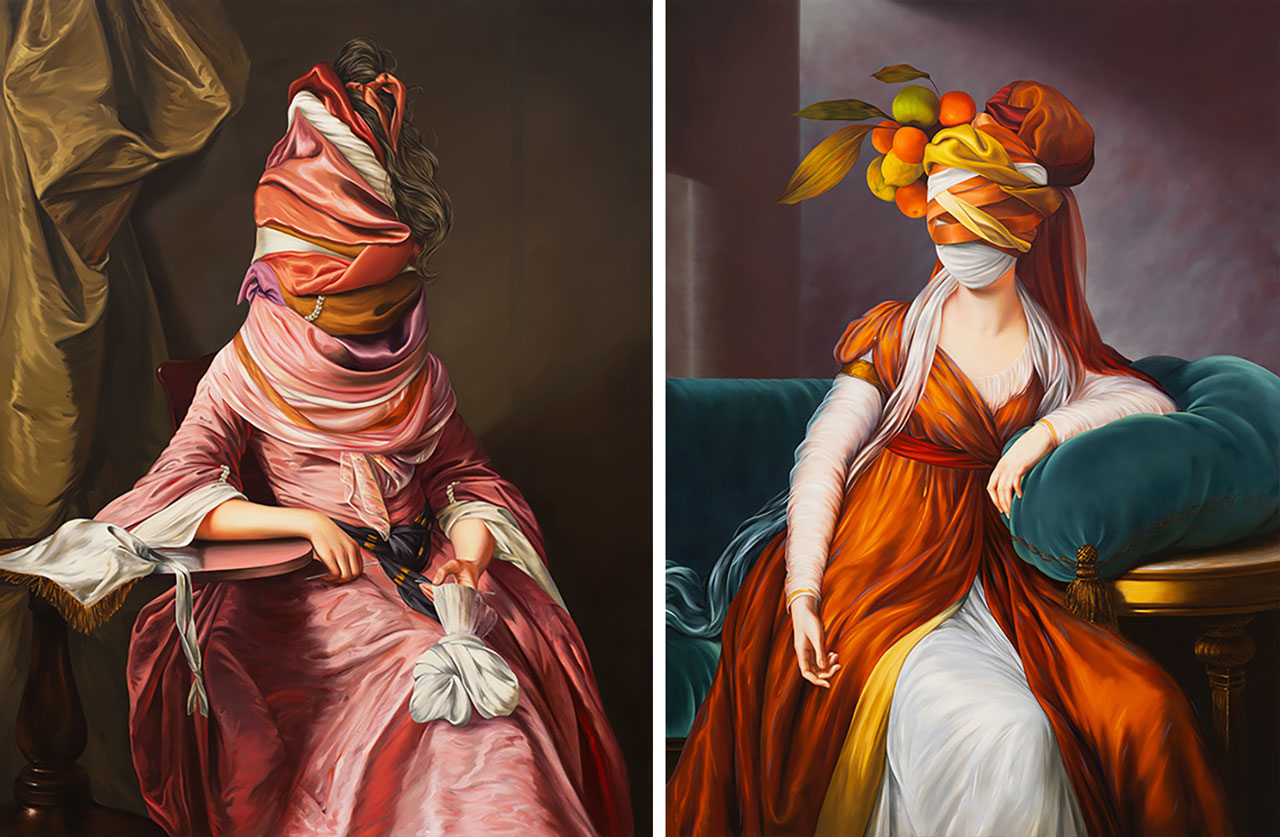
Right: Ewa Juszkiewicz, Portrait in Venetian Red (after Élisabeth Vigée Le Brun), 2024, oil on canvas, 190 × 140 cm. Private collection, © Ewa Juszkiewicz, Courtesy Museo Nacional Thyssen-Bornemisza