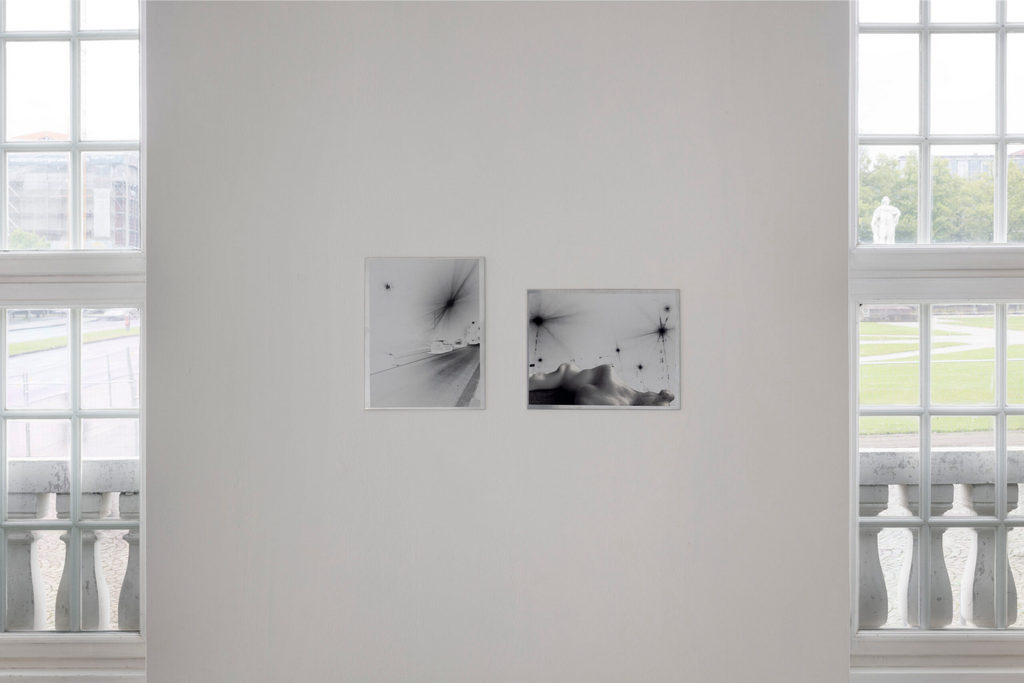
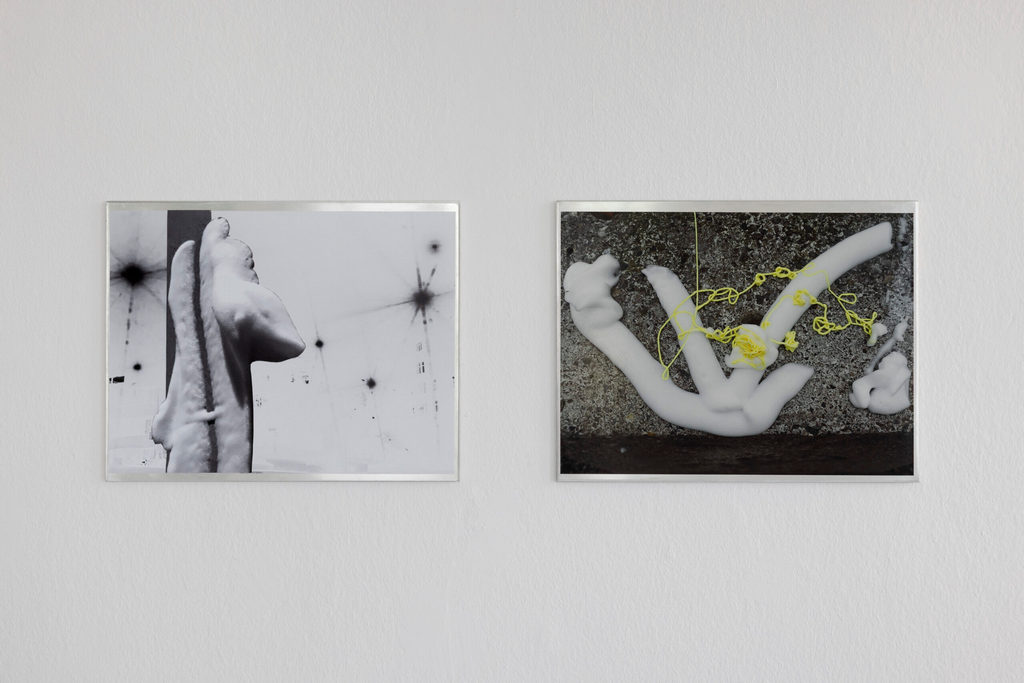
PRESENTATION: Peter Fischli
After the death of David Weiss in 2012, Peter Fischli continued developing a solo practice focused on perception, transformation, and the hidden poetry of ordinary things. His solo works include sculpture, installation, photography, and sound pieces that often imitate familiar materials in surprising ways. Fischli explores how meaning shifts through context, encouraging viewers to question what is real, valuable, or overlooked in everyday life.
By Efi Michalarou
Photo: Fridericianum Archive
Peter Fischli himself has a long relationship to Kassel and to documenta, having participated in documenta 8 and documenta X, and he remains one of the most influential figures associated with postwar European conceptual art. The new exhibition by Peter Fischli opens today at Fridericianum in Kassel. It is being presented as Fischli’s first major institutional solo exhibition in Germany and focuses on a new body of kinetic sculptures that transform the museum into a shifting environment of light, sound, reflection, and unstable signals.
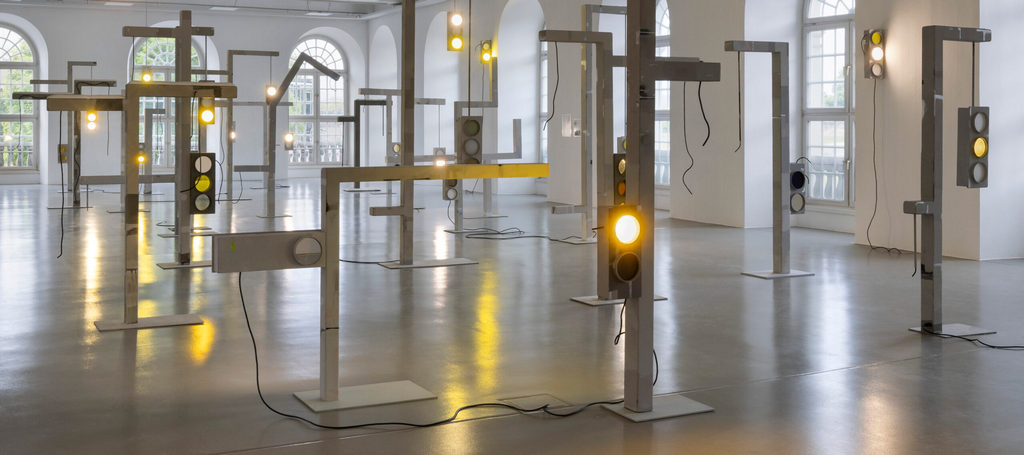
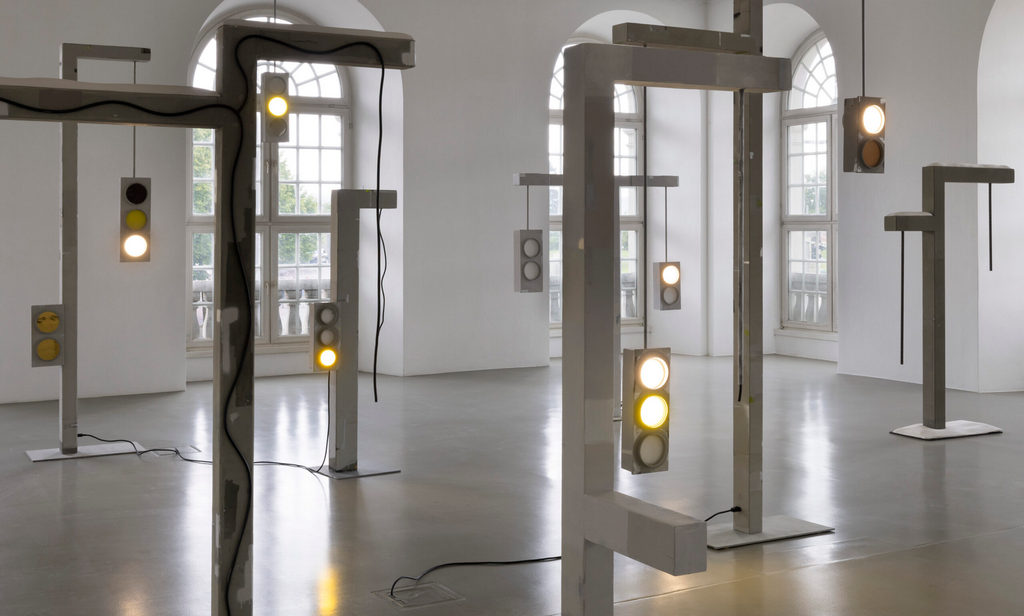
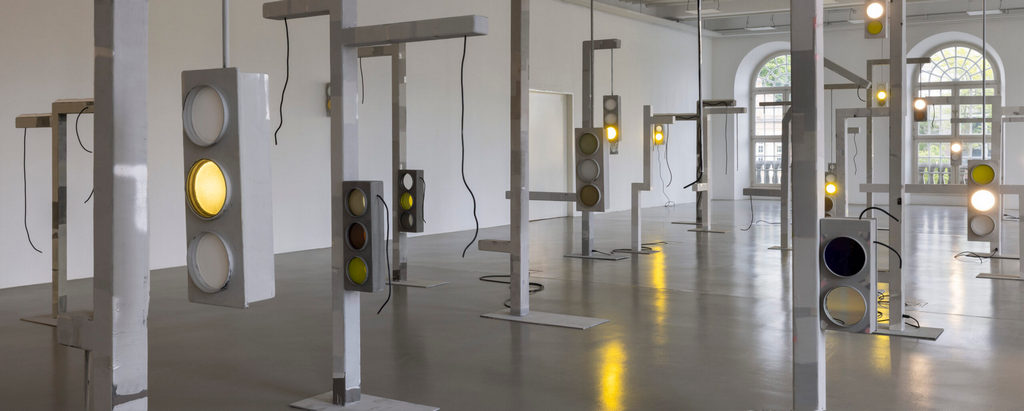
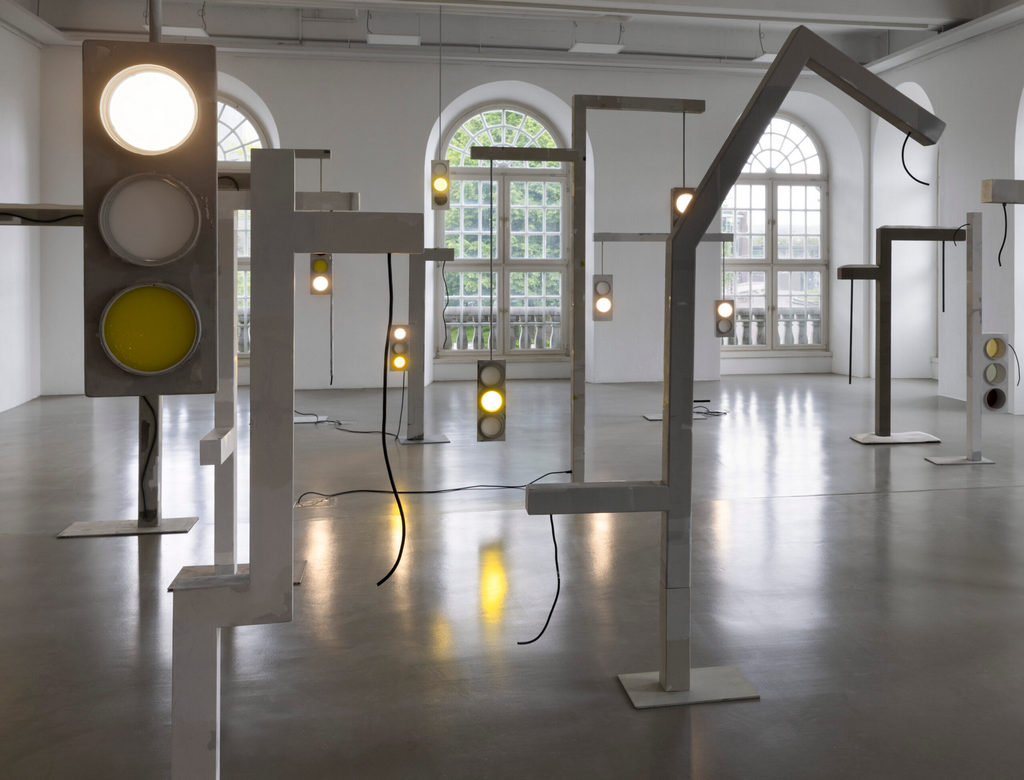
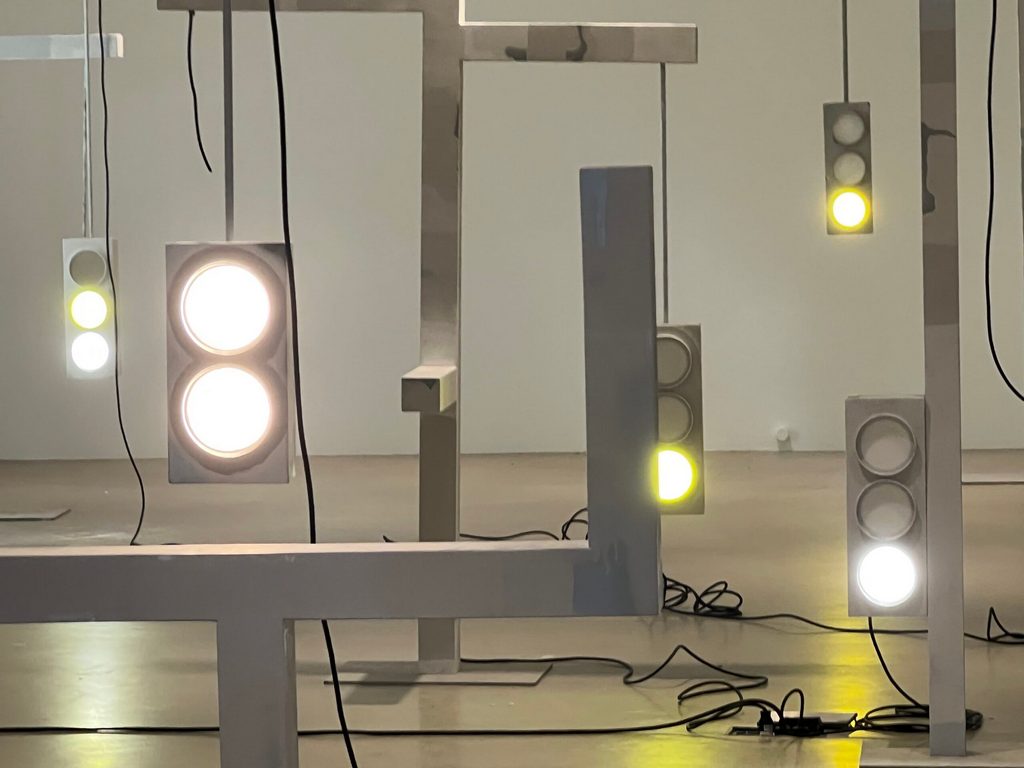
The exhibition centers on a series of kinetic sculptures composed of flashing lights, mirrors, stained glass, loose power cords, and gray-painted structures that evoke the surfaces and infrastructures of the contemporary city. With their vertical supports and horizontal extensions, the works resemble traffic lights, stage equipment, or temporary urban constructions, yet their purpose remains elusive.
The works are described as tall, improvised constructions made from materials that feel both industrial and strangely theatrical: mirrors, dangling cables, stained-glass elements, painted surfaces, flashing lights, and metallic supports that resemble traffic systems, trees, stage machinery, or temporary urban infrastructure. The sculptures emit sequences of white, yellow, and orange light accompanied by sound, but without any fixed rhythm or narrative logic. They appear functional, as though they are transmitting information, yet they ultimately refuse to communicate anything stable or decipherable.
Throughout the exhibition, Fischli explores the aesthetics of the everyday and the invisible systems that shape contemporary perception. The works suggest networks of control, circulation, and attention, reflecting on how signs, infrastructures, and visual signals organize movement and influence emotion in the globalized world. At the same time, the sculptures resist fixed meaning, refusing to resolve into stable interpretations.
What seems especially compelling about the exhibition is the way Fischli continues his long-standing interest in ordinary systems and banal materials while pushing them toward something psychological and metaphysical. The objects evoke control systems, surveillance devices, public signage, or ritual structures, but they remain unresolved and ambiguous. The Fridericianum frames the exhibition around themes of order, perception, and transcendence, although the works deliberately resist clear interpretation.
For people familiar with Fischli’s earlier collaboration with David Weiss under the name Fischli & Weiss, the exhibition feels like a continuation of many of the duo’s central concerns. Their work often turned everyday objects and accidental processes into philosophical comedy, most famously in projects such as “The Way Things Go”. In this new exhibition, the humor appears quieter and more atmospheric, replaced by a kind of suspended tension between functionality and meaninglessness.
Photo: Peter Fischli, Installation view, Fridericianum, Kassel, 2026, Photo: Andrea Rossetti, © Peter Fischli, documenta und Museum Fridericianum gGmbH
Info: Fridericianum, Friedrichsplatz 18, Kassel, Germany, Duration: 23/5-13/9/2026, Days & Hours: Tue-Wed & Fri-Sun 11:00-18:00, Thu 11:00-20:00, https://fridericianum.org/