
PRESENTATION: Future Geographies-Art in the Century of Climate Change
As the environmental crisis accelerates, artists around the world are responding with urgency, insight and vision. Artists are not scientists, but they invite us to think differently and imagine new futures. Journalism too addresses the same territories. This exhibition offers no singular answer but rather a plurality of responses, from poetic to urgent .
By Dimitris Lempesis
Photo: Vancouver Art Gallery Archive
Featuring works from the past 25 years, “Future Geographies: Art in the Century of Climate Change” underscores the gravity and relevance of sustainability and the environment as defining issues of our time. More than 35 works across a range of media—from large-scale video installations to living sculptures—invite viewers to confront pressing questions about our shared future on this planet. Presented across multiple floors, the exhibition includes a newly commissioned work by Jeffrey Gibson and marks the first time several artists are exhibiting in Vancouver. The exhibition is divided in four sections:
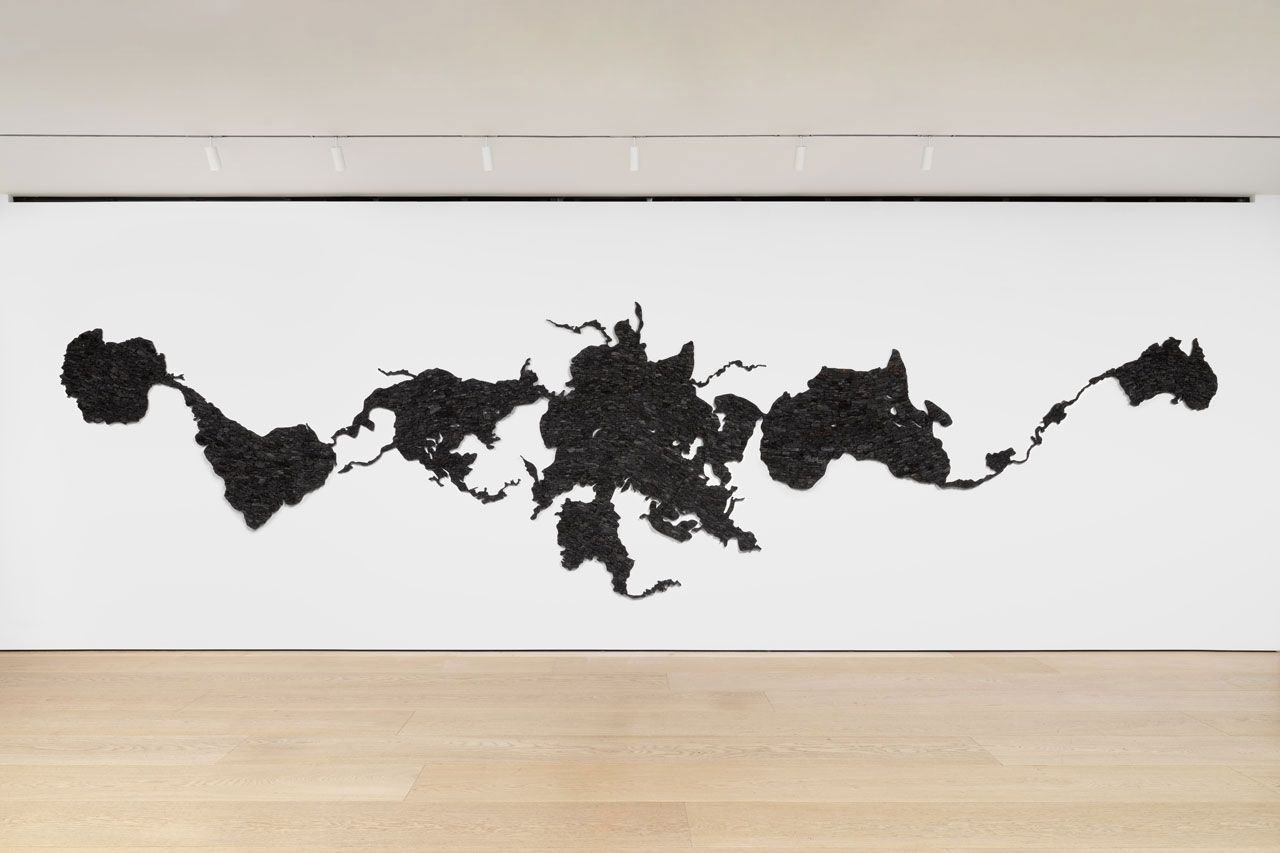
Living Knowledge: The exhibition opens with Teresita Fernández’s monumental “Island Universe 2” (2023), a charcoal installation that evokes the Earth’s geological past. This reminder of our planet’s connectedness sets the stage for this section. The artists featured here work in a variety of methods, including those who foreground Indigenous cultural knowledge, as well as those who work with living and natural materials. Gabrielle L’Hirondelle Hill’s flag, made entirely of tobacco leaves, references the history of Indigenous forms of exchange and value, while Andrew Dadson’s “House Plants” (2017) will grow and change over the duration of the exhibition. Some artists incorporate land-based activism in their works, including Andrea Bowers, who draws on the long history of environmental activism in Northern California, and Carolina Caycedo, whose hanging sculpture is fashioned from nets of fisherfolk whose waterways have disappeared due to damming projects in Latin America. Together, these works suggest how art can engage meaningfully with the sociopolitical forces that have shaped our landscapes.
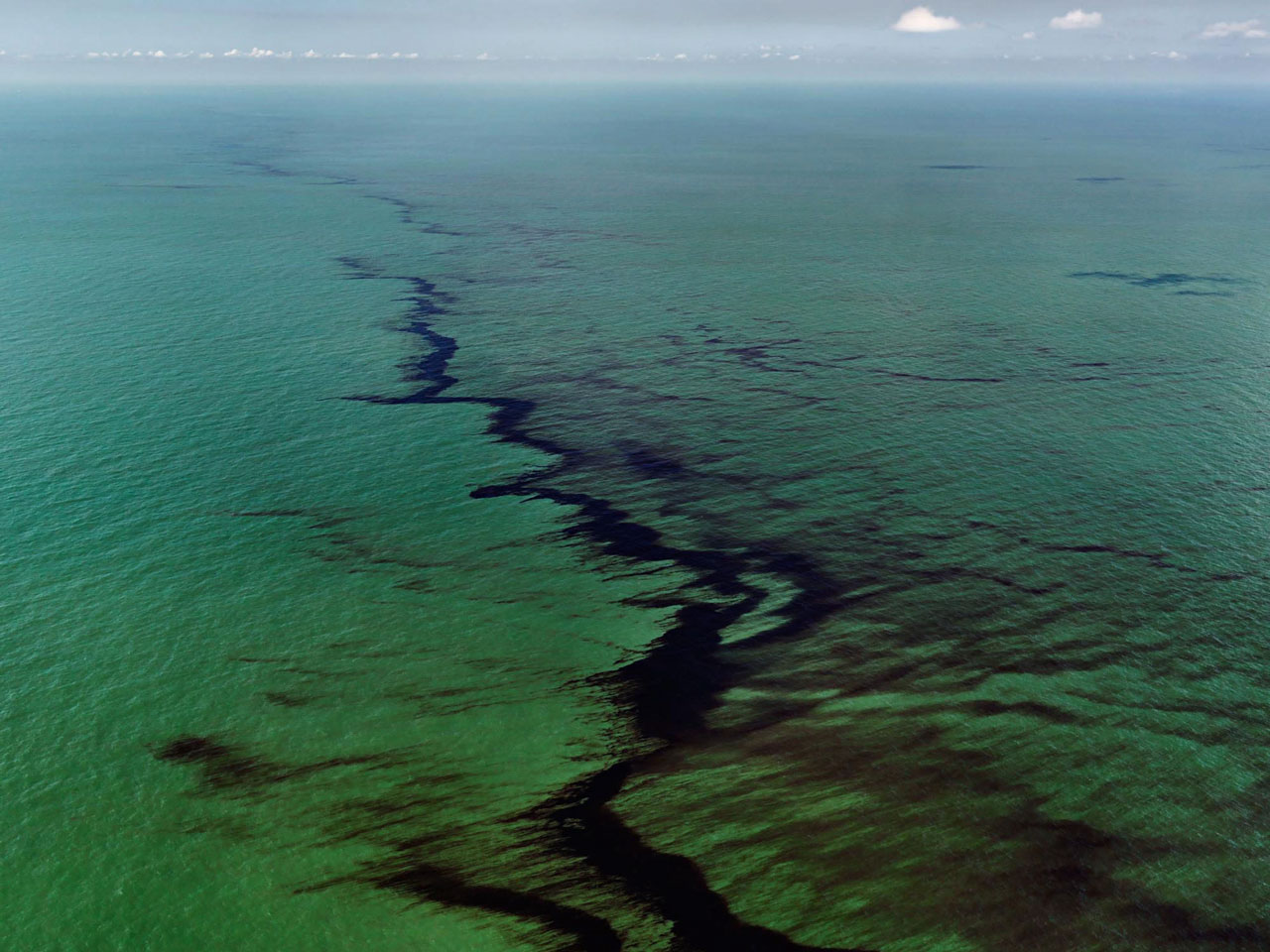
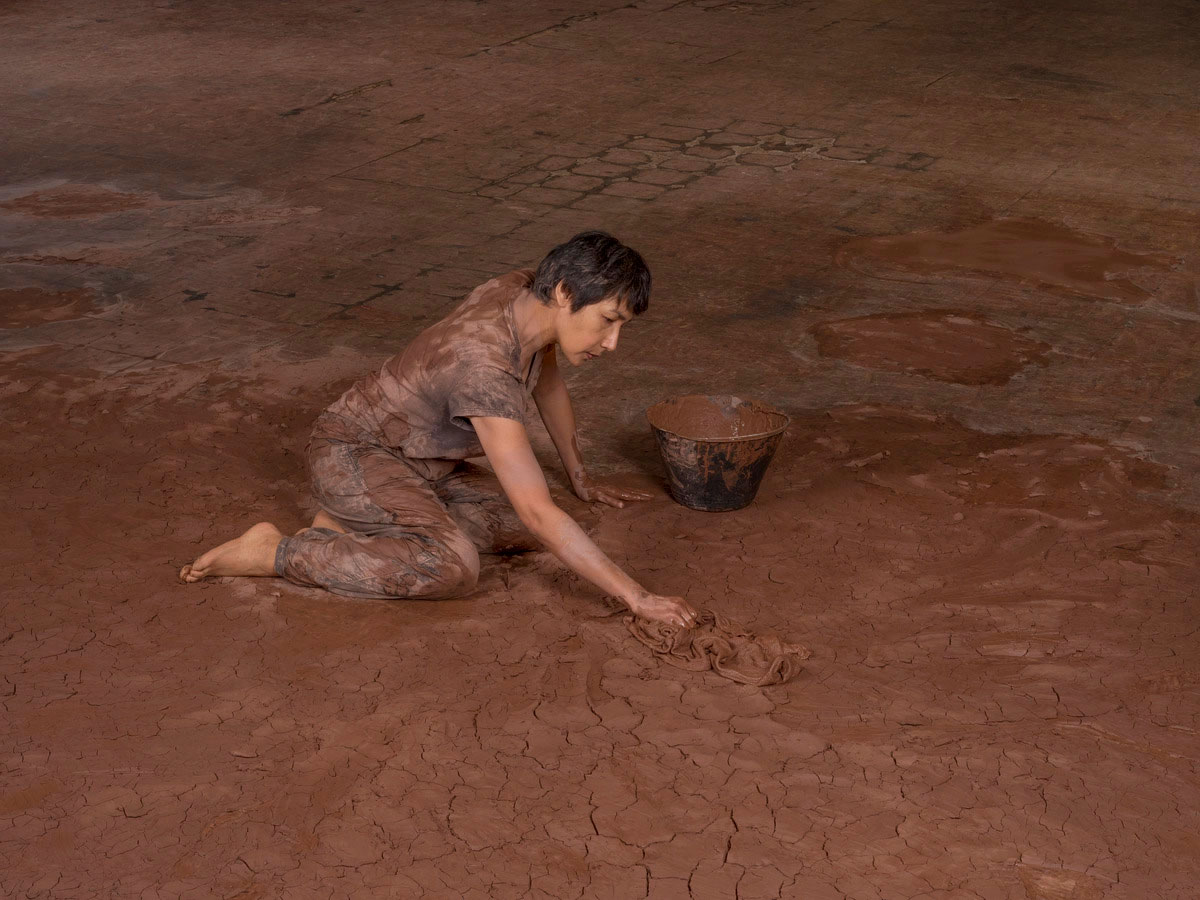
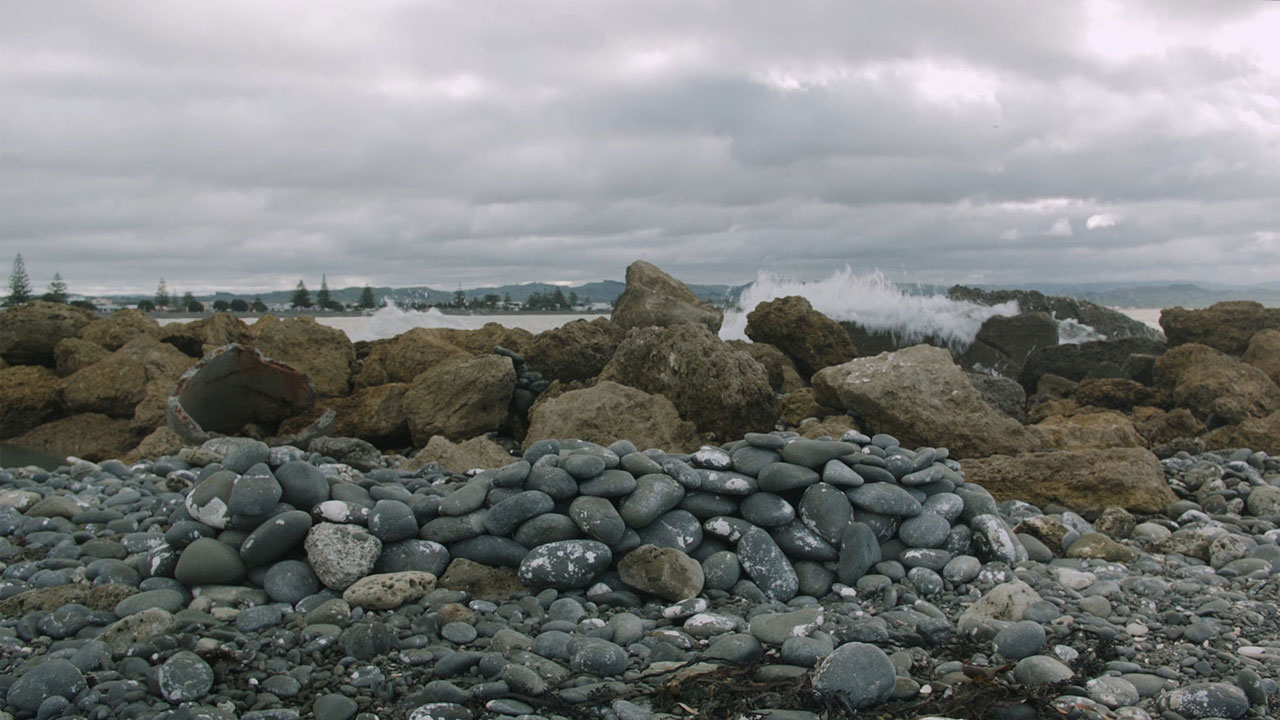
Consumed Earth: This section examines how artists are responding to histories of extraction and the threat of extinction. John Akomfrah’s three-channel video “Vertigo Sea” (2015) uses montage to offer a poetic meditation on the ocean as witness to interspecies collaboration and destruction, while Lawrence Paul Yuxweluptun Lets’lo:tseltun’s stirring depiction of wildfires in British Columbia stands as a history painting for our time. LaToya Ruby Frazier’s incisive pictures of the water pollution crisis that faced residents of Flint, Michigan, from 2014 to 2019, and Edward Burtynsky’s striking aerial photographs of the 2010 British Petroleum oil spill in the Gulf of Mexico confront the ongoing impact of human activity on the planet.
Speculative Worlds: This section includes artists who have made fantastical, even surreal, works that incorporate notions of science fiction and imaginative speculation. Featured in this gallery is Josh Kline’s “Desperation” (2024), a video installation presented in a makeshift raft, forecasting a not-too-distant future changed by rising tides. Abbas Akhavan’s “LOOP” (2023) suggests nature as accessible only through cinema, staging a landscape against a green screen to imply a reality mediated by representation rather than direct experience. Huma Bhabha, Rose B. Simpson and Cannupa Hanska Luger’s materially resonant figurative sculptures imagine a post-human future while also evoking the past, whether drawn from Indigenous or ancient South Asian cultures. Together, these works speculate on alternate worlds shaped by artistic imagination.
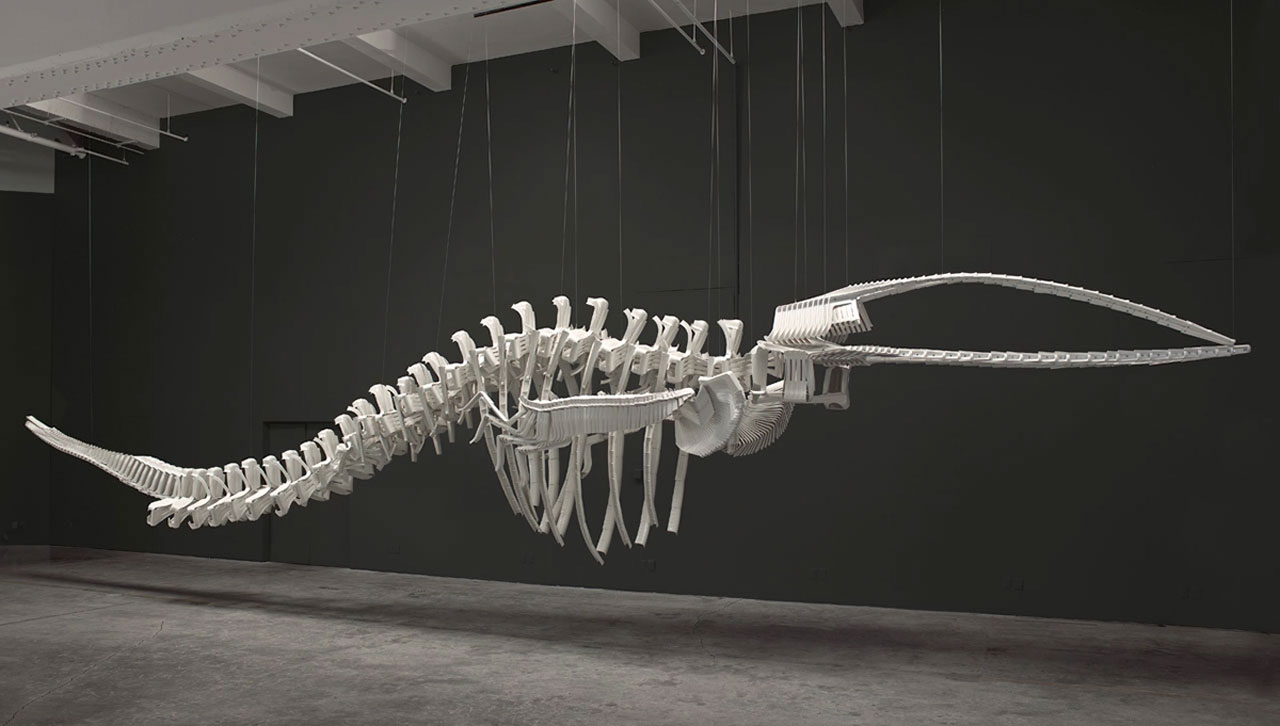
Material Memory: The final section of the exhibition is dedicated to ideas around the lifespan of human-made materials through practices of repurposing and recuperation. Brian Jungen’s monumental sculpture “Cetology” (2002)—a whale skeleton created from white plastic patio chairs—is a wondrous artwork made from consumer waste that questions institutional practices of natural history museums. Jean Shin’s “Huddled Masses” (2020)—fashioned from obsolete cell phones and other electronics and arranged to mimic scholars’ rocks in Chinese art—reveals a tension between nature and technology, while Jeffrey Gibson’s intricately beaded punching bag, created specifically for this exhibition, features text suggesting love as a pathway for hope. The exhibition title is drawn from an artwork in this section: Clarissa Tossin’s weaving of NASA images of star clusters and planets with discarded Amazon delivery boxes, a ubiquitous symbol of global excess and waste.
Photo: Teresita Fernández, Island Universe 2 (2023), charcoal, Collection of the Vancouver Art Gallery, Acquisition Fund
Info: Vancouver Art Gallery, 750 Hornby Street, Vancouver, BC, Canada, Duration:14/5/2026-10/1/2027, Days & Hours: Mon-Thu & Sat-Sun 10:00-17:00, Fri 10:00-20:00, www.vanartgallery.bc.ca/
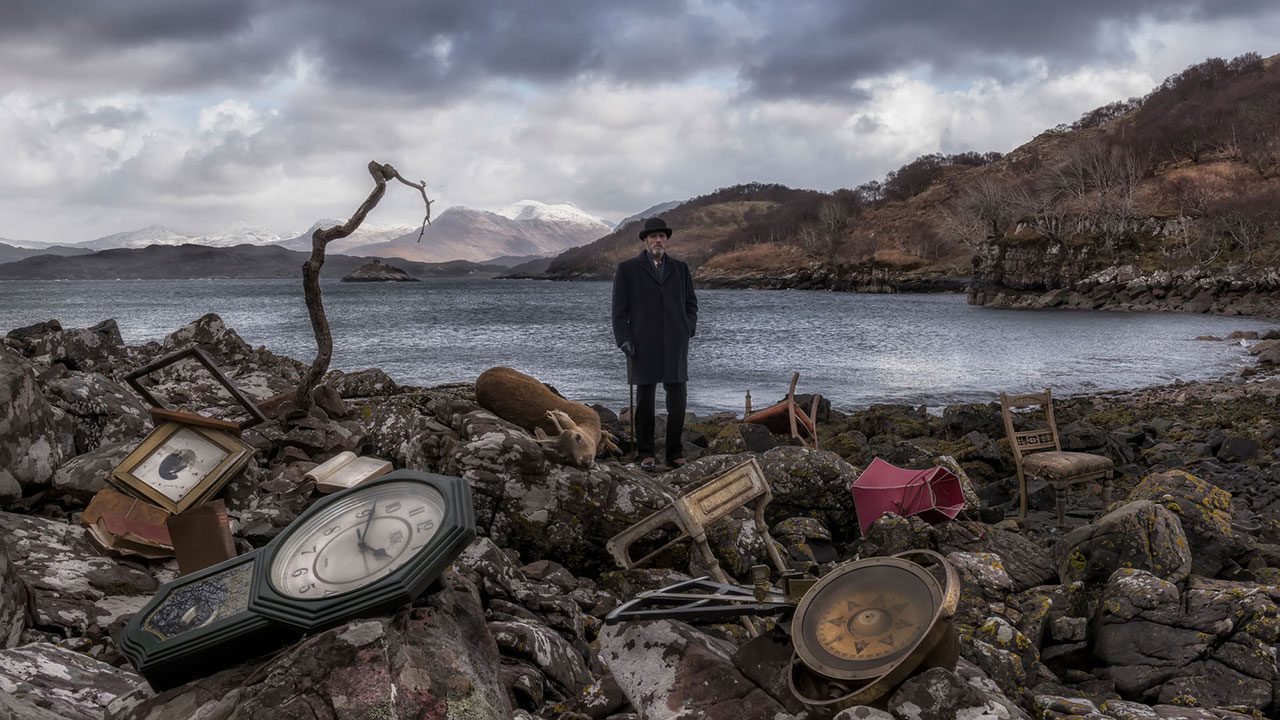
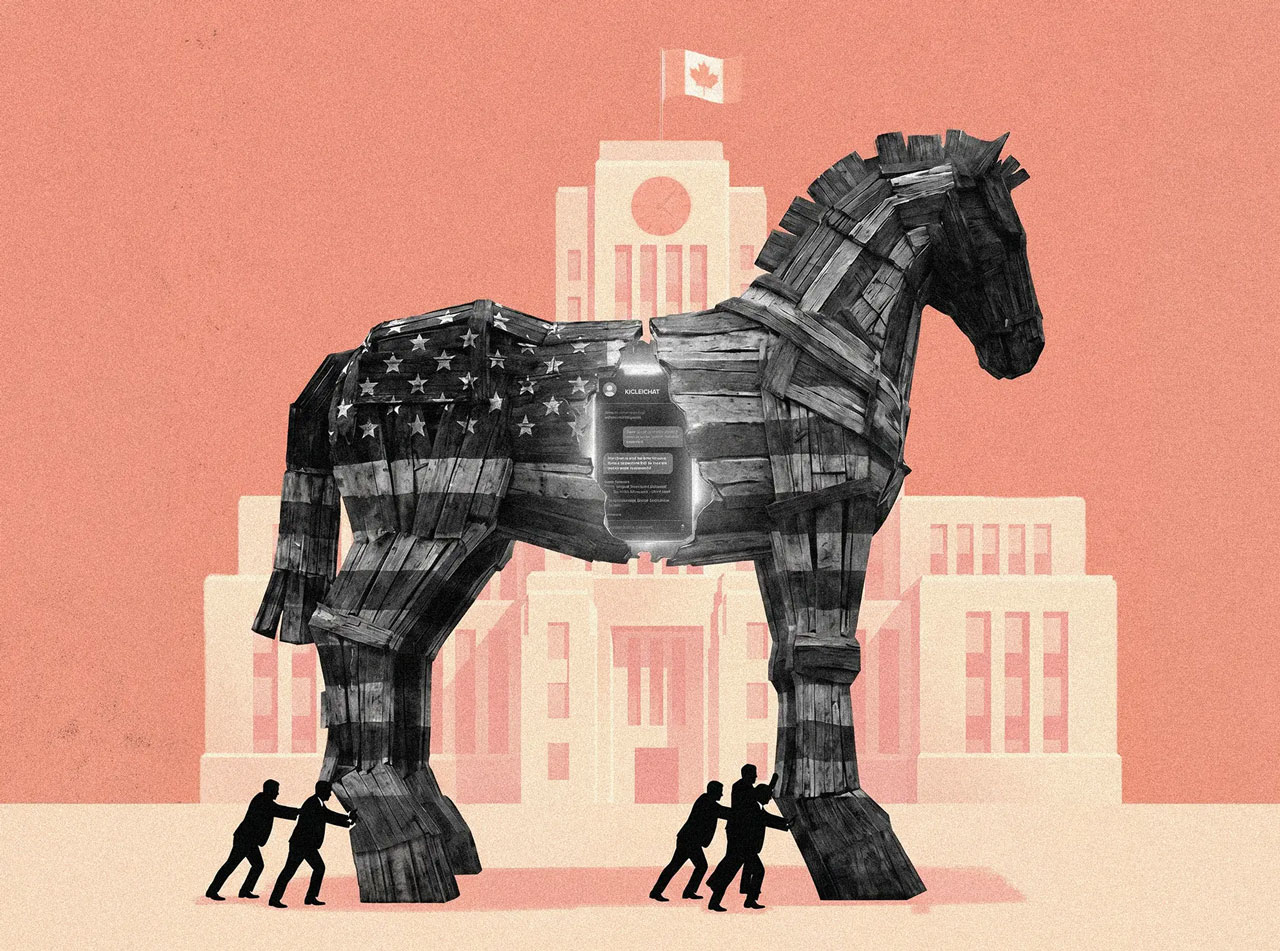
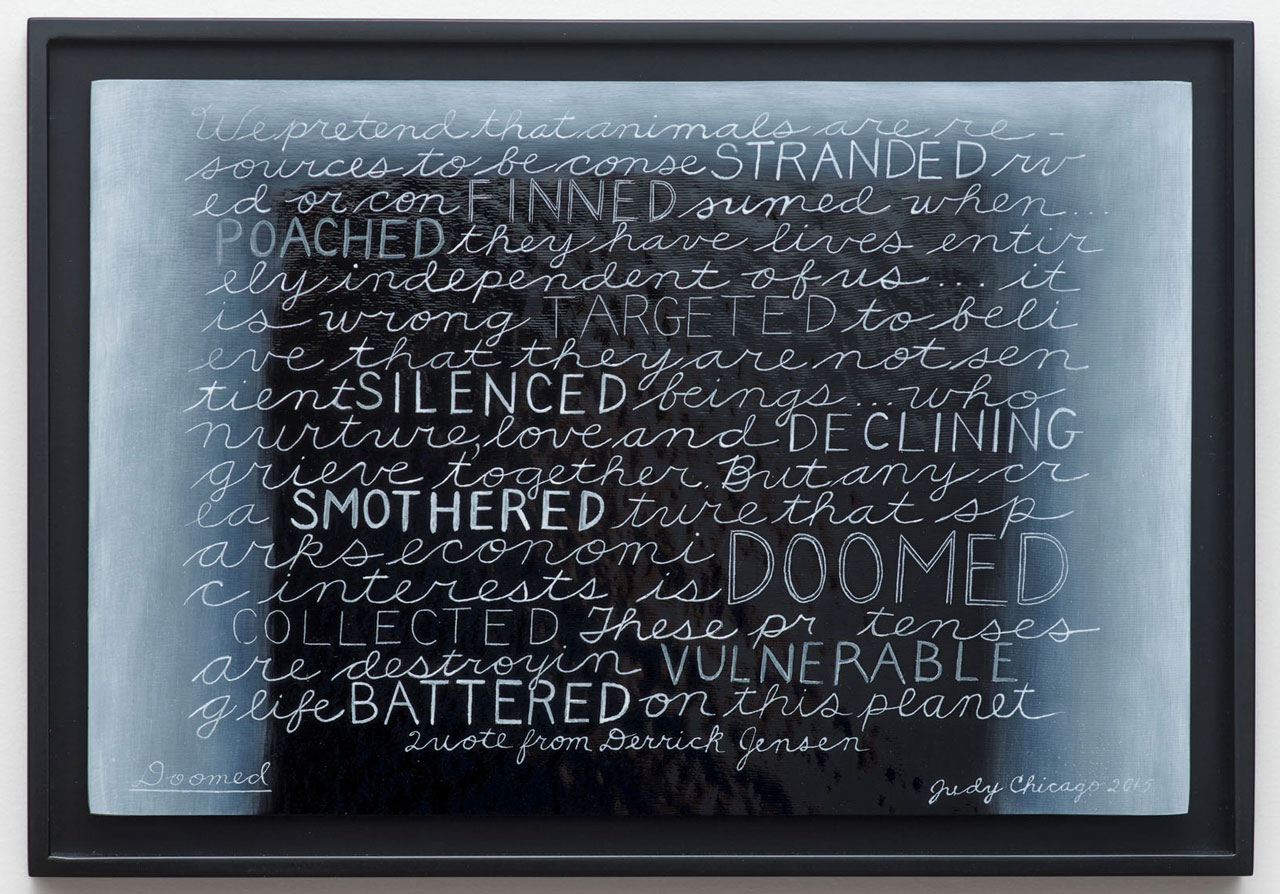
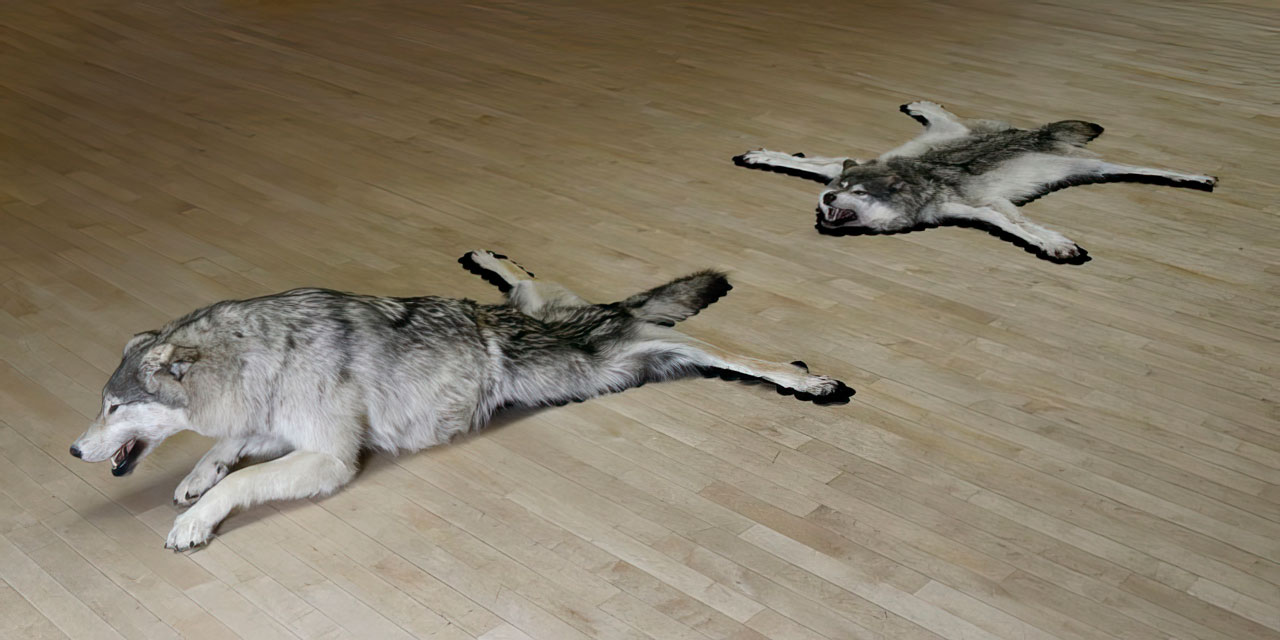
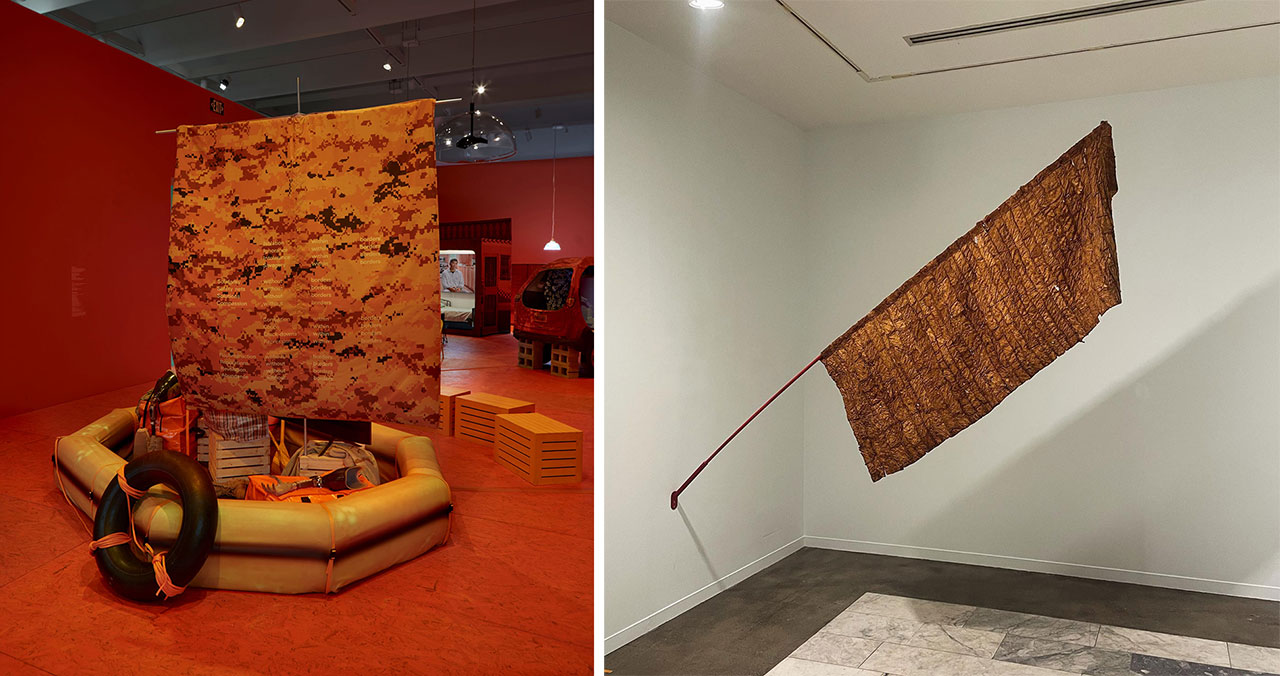
Right: Gabrielle L’Hirondelle Hill, Orinoco Note (2016), Virginia tobacco, Collection of the Vancouver Art Gallery, Audain Emerging Artists Acquisitions Fund
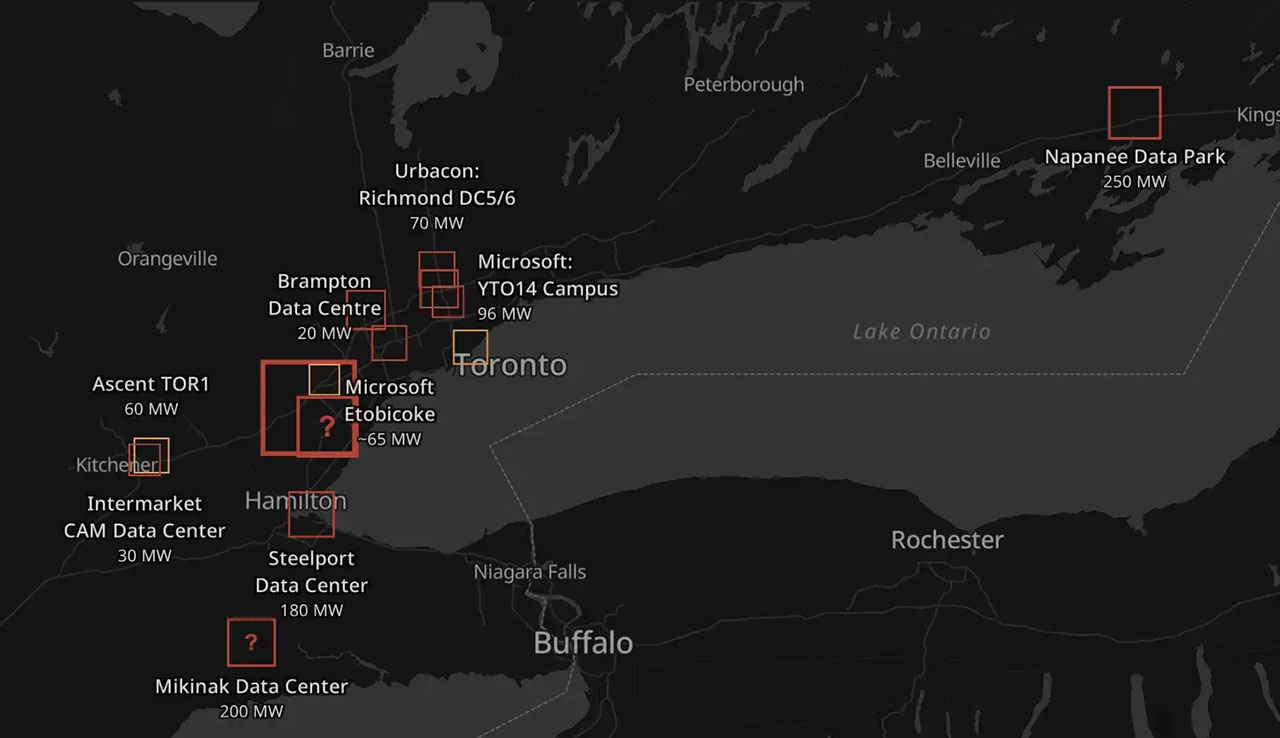
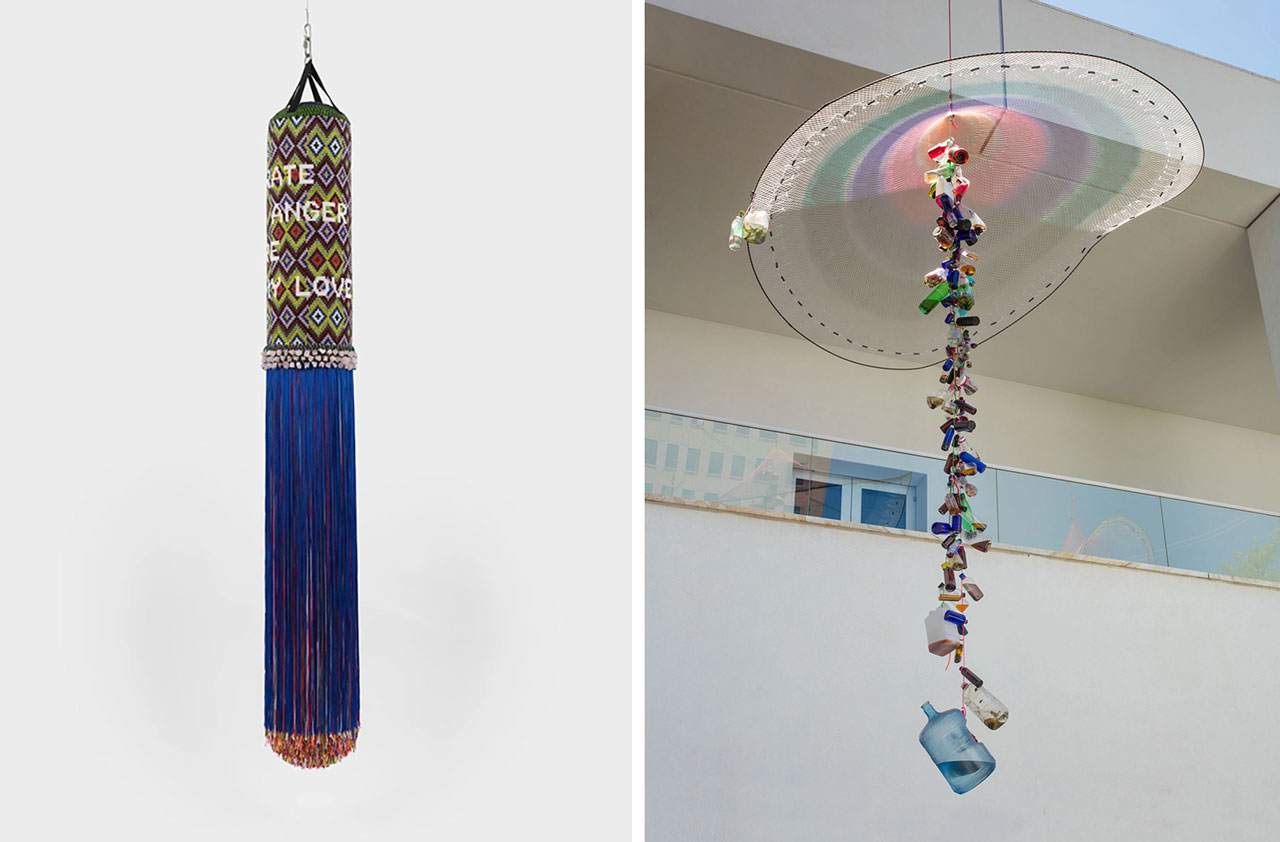
Right: Carolina Caycedo, To Drive Away Whiteness/Para alejar la blancura (2017), hand dyed fishing net, lead weights, paracord, plastic bottles, aloe, banknotes, seeds, chili peppers, achiote, sand, dried kelp seeds, water (Pacific Ocean, Fraser River, Capilano River), hibiscus, black beans, green and jasmine tea, stones, glass, marbles, paper, Collection of the Hammer Museum, Los Angeles, Purchased through the Board of Advisors Acquisition Fund, AH.2018.39.1