
ART NEWS: May 01
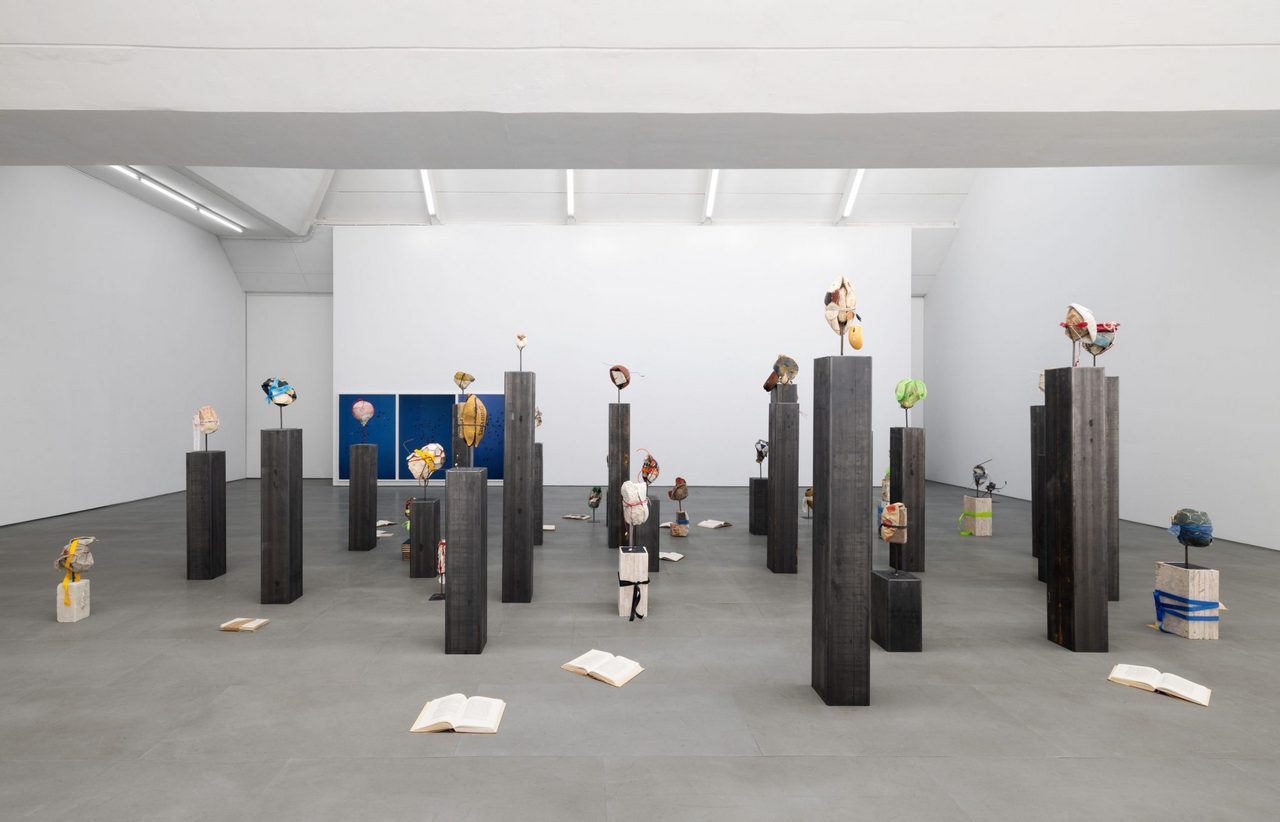 Nida Sinnokrot’s exhibition “Above Ground Below” unfolds as a field of relations organized across sky, ground and subterranean registers. Throughout the exhibition images, objects, texts, and materials form constellations that shift through aggregation, dispersal, and return as a set of relations between bodies, objects, infrastructures, and the forces that move through them. Among the works on view, “The Constellation” (2026) images introduce one register of this movement. In the original action, pigeons fitted with LED lights moved across the dusk sky above Jalazon refugee camp, producing shifting formations that follow a swarm logic. The emerging constellations remain adaptive and unfixed across multiple registers as framed photographs and as stacks of newsprint on the floor. The stacks extend the work, allowing the birds to leave the exhibition and circulate outward as a dispersed network. “Rubber Coated Rocks (RCR)”, initiated in 2001, is presented here in a 2024–26 iteration. The works draw on the form of the projectile: rubber-coated bullets. Composed of stones, discarded footballs, and other found materials gathered at checkpoints in Palestine, each sculpture binds together elements marked by circulation, impact, and abandonment. The forms recall heads or clustered bodies, worn, weathered, and held in tension, suggesting both vulnerability and persistence. Bound and stabilized, they stand as accumulations of contact between surface and force, object and memory, play and violence. Assembled from what is at hand, and elevated the aggregation of elements forms constellatory groupings that oscillate between the bodily and the architectural. Info: carlier | gebauer Gallery, Markgrafenstraße 67, Berlin, Germany, Duration: 1/5-29/8/2026, Days & Hours: Tue-Sat 11:00-18:00, www.carliergebauer.com/
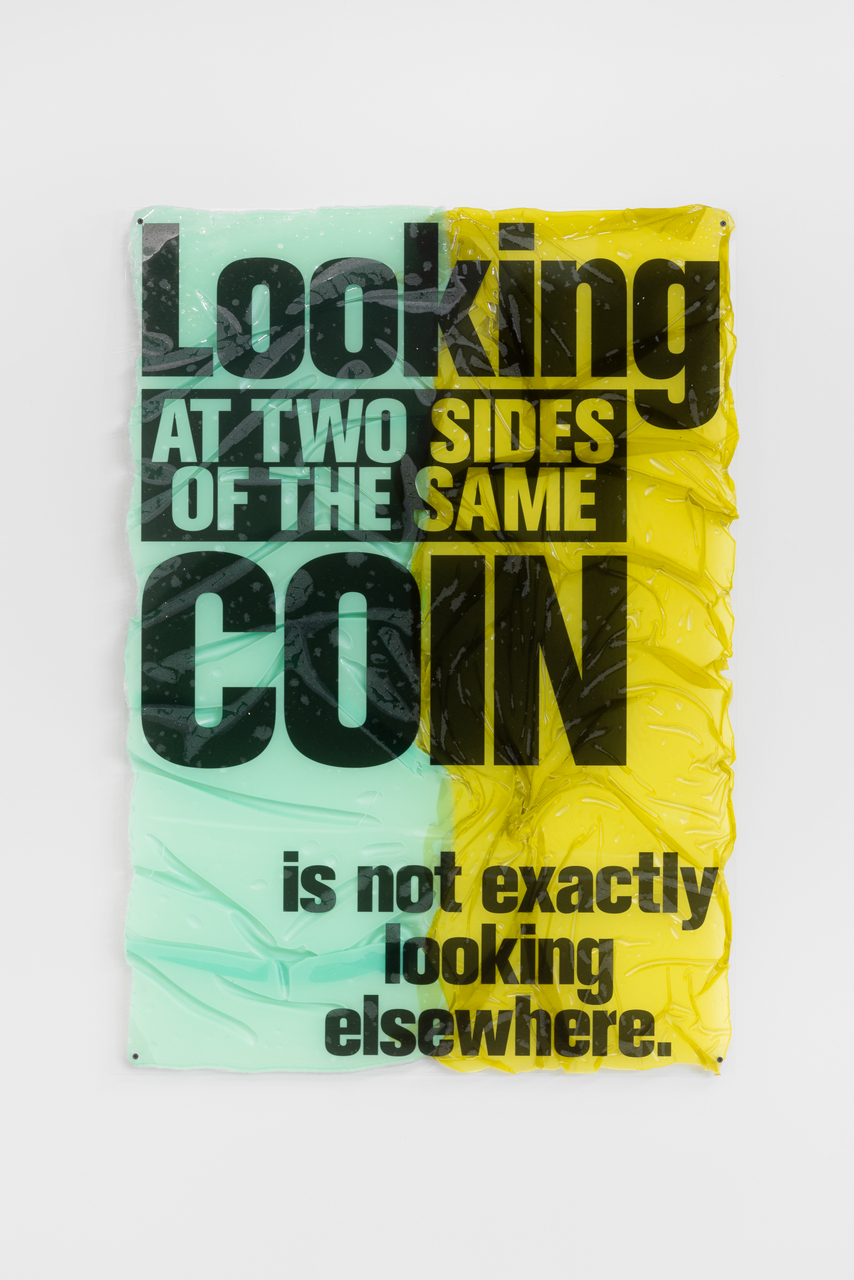 In conjunction with this year’s Fotografia Europea festival, titled “Ghosts of the Moment”, Collezione Maramotti is presenting “Heaven’s truth”, the first solo show in Italy by Ndayé Kouagou. The exhibition brings together recent works and others made specifically for the exhibition. Κouagou’s creative practice, which moves between visual art and performance and is often inhabited by the artist’s alter ego, hinges on language. The texts that he authors – which seem familiar, muddled and tongue-in-cheek, all at once – are the catalyst at the core of videos, installations and live exhibitions that gradually yet forcefully reveal the instability of language, the opacity of words, and the shifts in meaning that are intrinsic to communication in the media and among individuals. Through dialogues, monologues, questions and statements that avoid any clear definition of their own subject, Kouagou touches deep chords in the conscious and unconscious mind, exploring individual and collective choices and attitudes toward the world. Info: Collezione Maramotti, Via Fratelli Cervi 66, Reggio Emilia, Italy, Duration: 3/5-26/7/2026, Days & Hours : Tue-Fri 14:30-18:30, Sat-Sun 10:30-18:30, www.collezionemaramotti.org/
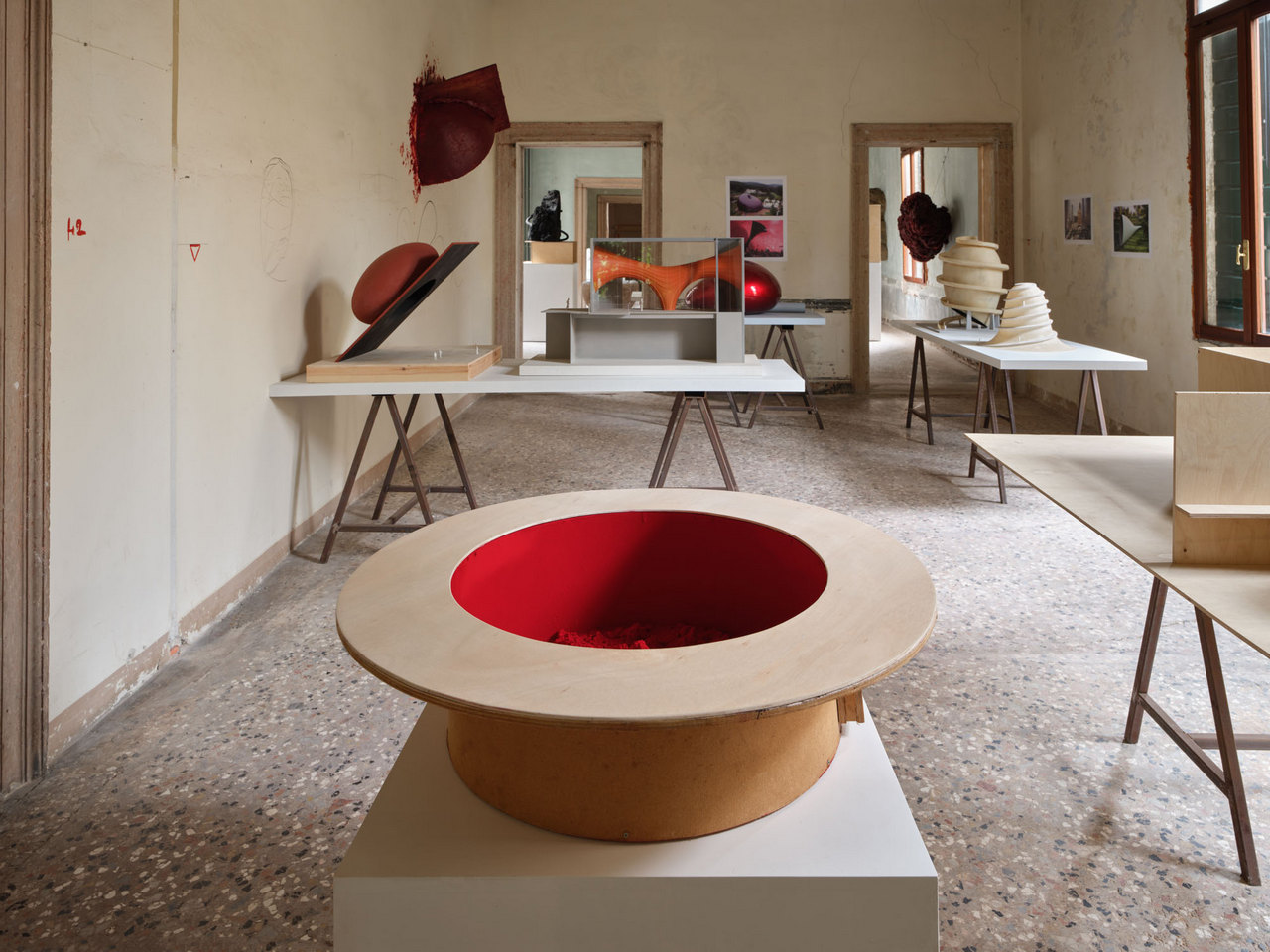 Anish Kapoor in the exhibition “Palazzo Manfrin” brings together around 100 architectural models documenting projects both realised and unrealised from the past 50 years of his practice, alongside a series of large-scale installations and stainless-steel works. In the exhibition Kapoor explores the transformational quality of sculpture in new architecturally scaled works. Visitors are welcomed into the Palazzo via a monumental new black-pigment iteration of Kapoor’s seminal work, “At the Edge of the World “(1998), measuring eight-metres in diameter and suspended from the ceiling. A new towering mirror work is exhibited, alongside the iconic “Descent into Limbo” (1992). Kapoor manipulates materials and concavity in these works to both expand and absorb the space around them, in experiencing these works the viewer enters the realm of what Kapoor has named the ‘non-object’. The show also includes the grotesque and the scatological cement extrusions of “Ga Gu Ma “(2012), which oscillate between the mechanically-made and the organic as well as an immersive room composed of silicone and paint, marking a symbiotic moment with Kapoor’s current painting practice. The ethereal wall-based monochrome voids, Majic Blue (2015) and Apple Red and Candy over Black (2011) exemplify the artist’s ongoing interest in the possibilities of colour and depth. This investigation is further extended by an arresting Kapoor’s Vantablack sculpture, a ground-breaking nano-technology material that has extended the artist’s exploration of the void, in forms that both appear and disappear before our eyes. This series is presented here four years after its first unveiling at Palazzo Manfrin in 2022. Info: Fondamenta Venier, Cannaregio 342, Venice, Italy, Duration: 6/5-8/8/2026
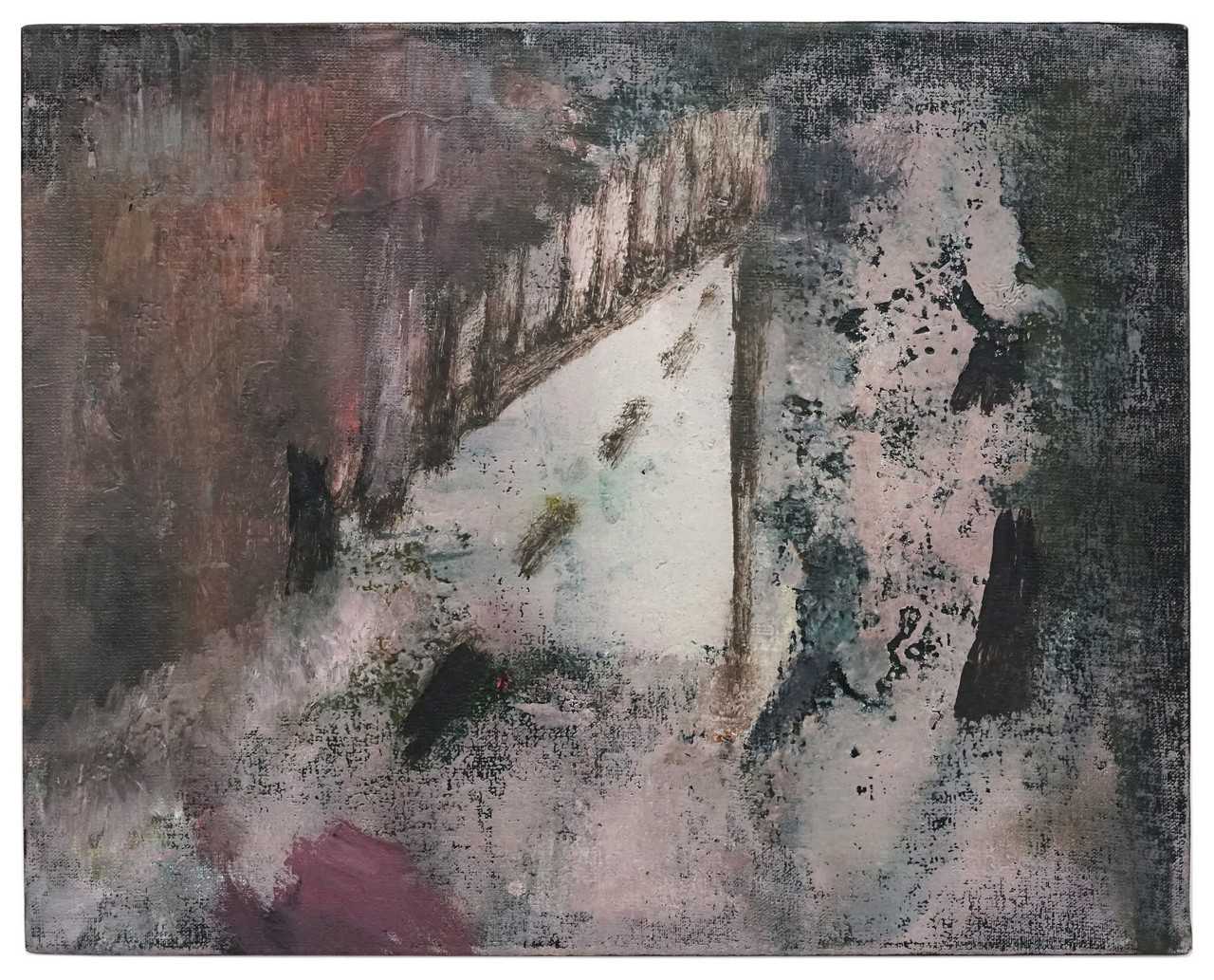 “Darkness Visible: The Long Shadow of Dictatorship” is an exhibition to mark the 50th anniversary of the coup d’état that ushered in Argentina’s last military dictatorship (1976–1983), a regime of state terror that implemented a systematic policy of censorship, kidnappings, torture, murder and the forced disappearance of 30,000 people, while driving thousands more into exile. Under this regime, the government repressed all forms of artistic expression. This historic trauma left deep wounds in society, resulting in a trail of images, absences and scars that continue to shape how the violence is remembered and retold. Fifty years on, and in light of the current attacks on democratic institutions worldwide, the exhibition revisits the ways artists have addressed violence – both in its most overt manifestations and in its subtler, yet equally effective, forms. Bringing together eighteen artists and collectives, mostly from Argentina and from a wide range of generations and works spanning the 1970s to the present, this exhibition positions art (with its understanding of the sensory, and its capacity to move along the threshold between the visible and the invisible) as a vehicle for understanding history, protecting memory, engaging in activism and raising awareness of violence. The exhibition includes works by major contemporary artists who responded to this historic moment with concern, condemnation or criticism; artists who embodied the transition from dictatorship to democracy; and artists who continue to denounce the violence that prevails in contemporary societies and the increasing physical and psychological violence against women and LGBTQ+ communities, most notably in the form of femicide. Info: Spazio Punch, Sestiere Giudecca 800/o, Venice, Italy, Duration: 6/5-22/11/2026, Days & Hours: Wed-Mon 10:00-13:00 & 15:00-19:00
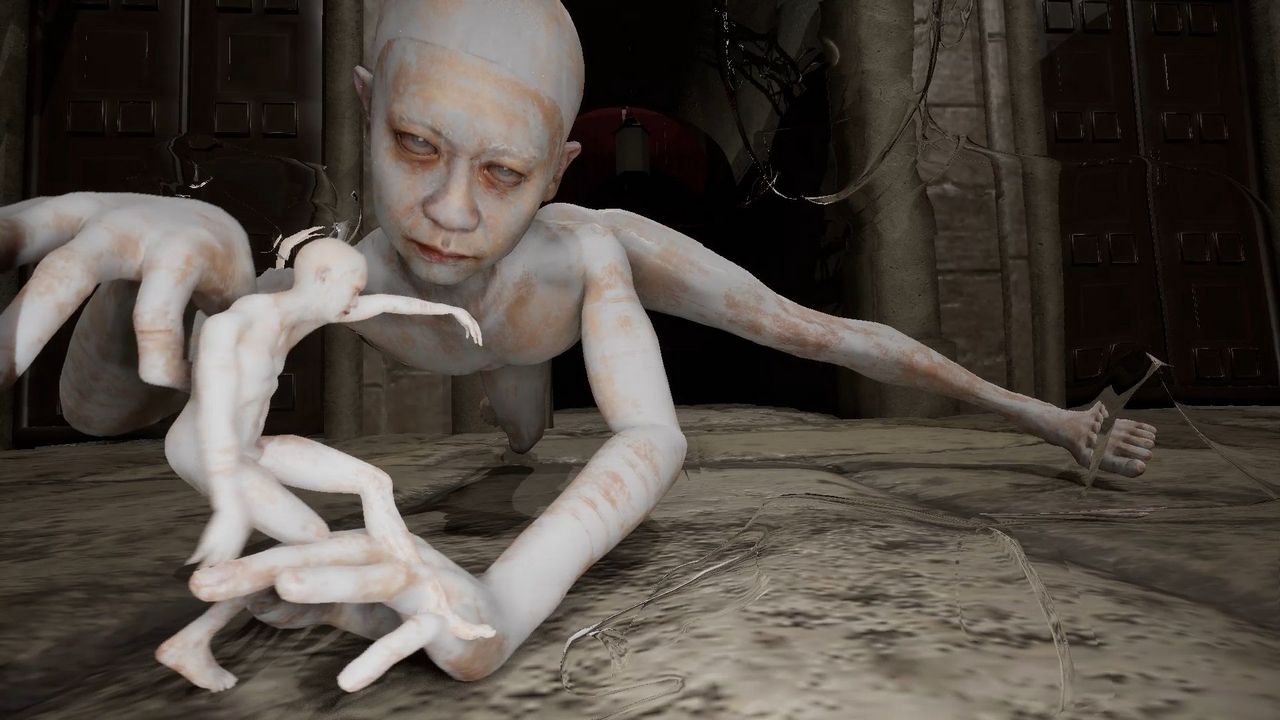 In this year’s TFAM of Taiwan Collateral Event in Venice, Li Yi-Fan, who both came of age when internet technology first exploded, serve as observers of the era of digital transformation, offering fresh perspectives and contemporary insights through narratives infused with humor and absurdity in “Screen Melancholy”. Originally conceived in Portuguese, the title “Melancolia de tela” refers to the state of melancholy induced by prolonged screen use. As it evolves across languages into English and Chinese, new nuances unfolded under different contexts. The state of “Melancholy” addresses the anxiety stemming from information overload in the digital age and the rapid development of AI, reflecting the increasingly flattened sensory experiences and emotional states of individuals. The curator traces the artist’s creative trajectory, from his first work, A Walk by the Sea (2011), to his new creation for this year’s Venice Biennale 2026, examining the evolution of his visual techniques and narrative rhythm, and how his scope of awareness has come to encompass contemporary digital culture. Simultaneously placing this under the lens of Western art history, Info: Curator: Raphael Fonseca, Palazzo delle Prigioni, Castello 4209, San Marco, Venice, Italy, Duration: 9/5-22/11/2026, Days & Hours: Tue-Sun 11:00-19:00 (9/5-30/11/2026) or 10:00-18:00 (1/10-22/11/2026), www.taiwaninvenice.org/
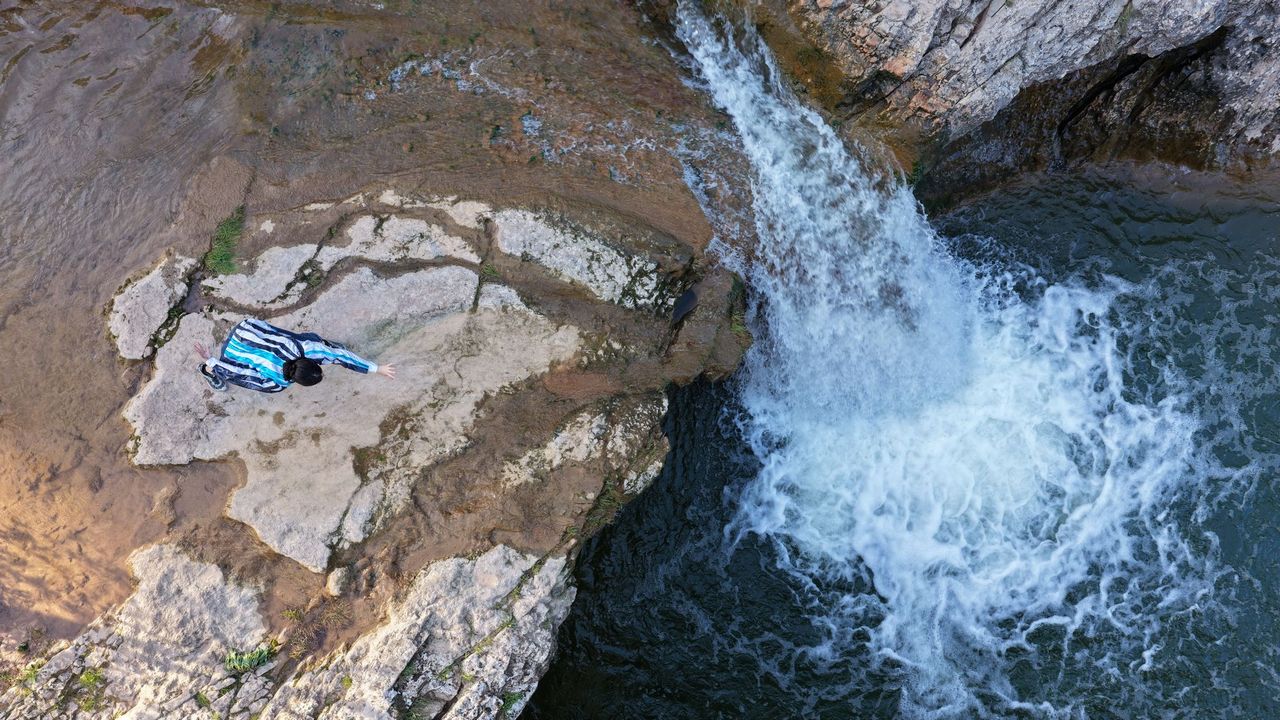 “Paper Tears” is an installation of light, sound, choreography, and image conceived as a temporal device by Claudia Pagès Rabal, at its core lies an archive of paper watermarks preserved at the Museu Molí Paperer of Capellades (Catalonia). From this collection, the artist has selected 15th-century watermarks—drawings visible only against light—which here open a passage between past and present, echoing a time marked by widespread violence and shared distress. These watermarks emerge from a moment of historical transition, when Mediterranean trade declined, and Atlantic routes expanded, shaping early European modernity and colonial extractive systems. Regions such as Venice and Catalonia played key roles in this shift, which continues to shape our contemporary condition. For the artist, watermarks act as lapsus. This notion runs through the work. Performers, dressed as contemporary jesters, comment on them with humour while becoming entangled in their own despair. Their thoughts revolve around boycotts, exclusion, exhaustion, and universal violence. Structured like a waltz, the script makes watermarks, lapsus, and bodies repeat and return in shifting variations. The video, filmed at four springs from an aquifer that has provided water for paper production for centuries, links underground water flows to the hidden presence of watermarks. Info: Curator: Elise Lammer, Docks Cantieri Cucchini, San Pietro di Castello 40A, Venice, Italy, Duration: 9/5-22/11/2026, ww.llull.cat/