TRIBUTE: Willie Birch-Stories to Tell
Throughout his career, Birch has explored how African traditions have been retained in music, art, and culture in America and beyond. As he manifested his ideas over the years through a wide variety of media from wood and papier-mâché sculpture to large-scale works on paper, Birch has applied this same insightful philosophy to all cultural production.
By Dimitris Lempesis
Photo: California African American Museum Archive
Willie Birch’s work as an artist, community organizer, and cultural provocateur questions why certain things are retained and not others, unearthing uncomfortable truths about American identity, but also offering possibilities for greater cultural awareness.
The exhibition “Willie Birch: Stories to Tell” at the California African American Museum offers a rare, expansive look at the artistic evolution of Willie Birch—not through a single defining masterpiece, but through a constellation of works that collectively map a lifetime of visual storytelling. Moving across decades and media, the show reveals how Birch has consistently centered ordinary Black lives while refining the formal and conceptual tools he uses to represent them.
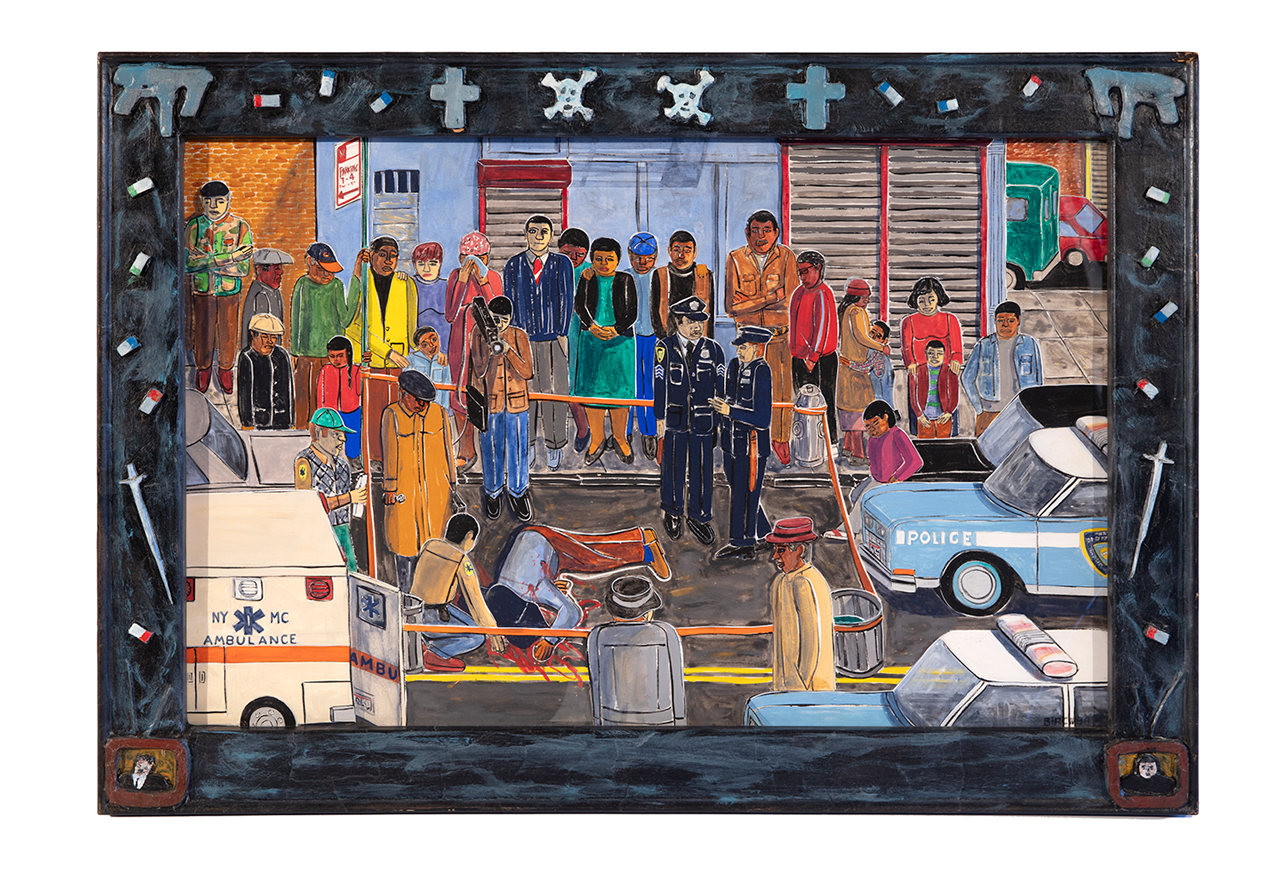
From the outset, Birch’s early works of the late 1960s and 1970s establish a foundation rooted in urgency and observation. These drawings and prints, often executed in ink or charcoal, depict street scenes and social encounters shaped by the civil rights era. There is little abstraction here; instead, Birch leans into sharp line work and stark contrasts to document realities of policing, protest, and inequality. The figures are grounded, present, and unembellished. What distinguishes these early pieces is their refusal to dramatize—they are neither sentimental nor detached. Rather, they operate as direct visual records of lived experience, setting the tone for Birch’s enduring commitment to narrative truth.
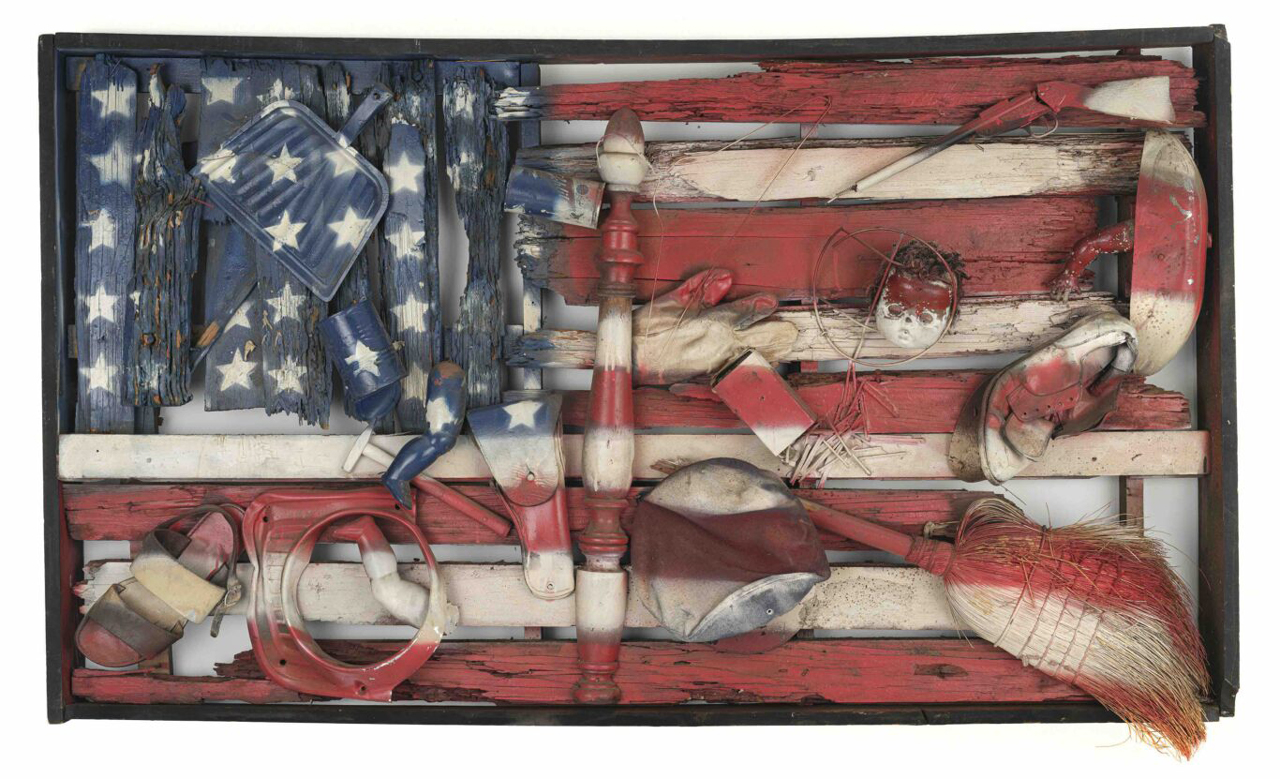
A striking shift occurs in the 1980s with Birch’s exploration of papier-mâché sculpture. These works, often constructed from layered paper and found materials, introduce a tactile dimension to his storytelling. The figures—frequently musicians, elders, or archetypal community members—appear weathered, even spectral. Their surfaces are rough, their forms sometimes fragmented, as if shaped by time itself. In group installations, these sculptures evoke gatherings or processions, suggesting collective memory rather than individual portraiture. They carry a sense of presence that feels both immediate and ancestral. Through their material fragility, Birch communicates endurance, aligning with his broader interest in how cultural identity persists across generations.
In later decades, Birch returns to drawing, but on a dramatically expanded scale. His large-format charcoal works dominate the exhibition, both physically and conceptually. These compositions are dense and layered, often incorporating multiple figures, overlapping scenes, and embedded symbols. Unlike the relative directness of his early work, these drawings unfold slowly. Viewers encounter scenes of domestic interiors, street life, and communal interaction, but the meaning emerges through accumulation rather than immediacy. Text fragments, gestural marks, and compositional complexity create a visual rhythm that mirrors oral storytelling traditions. These works demand sustained attention, rewarding viewers who are willing to trace their narrative threads.
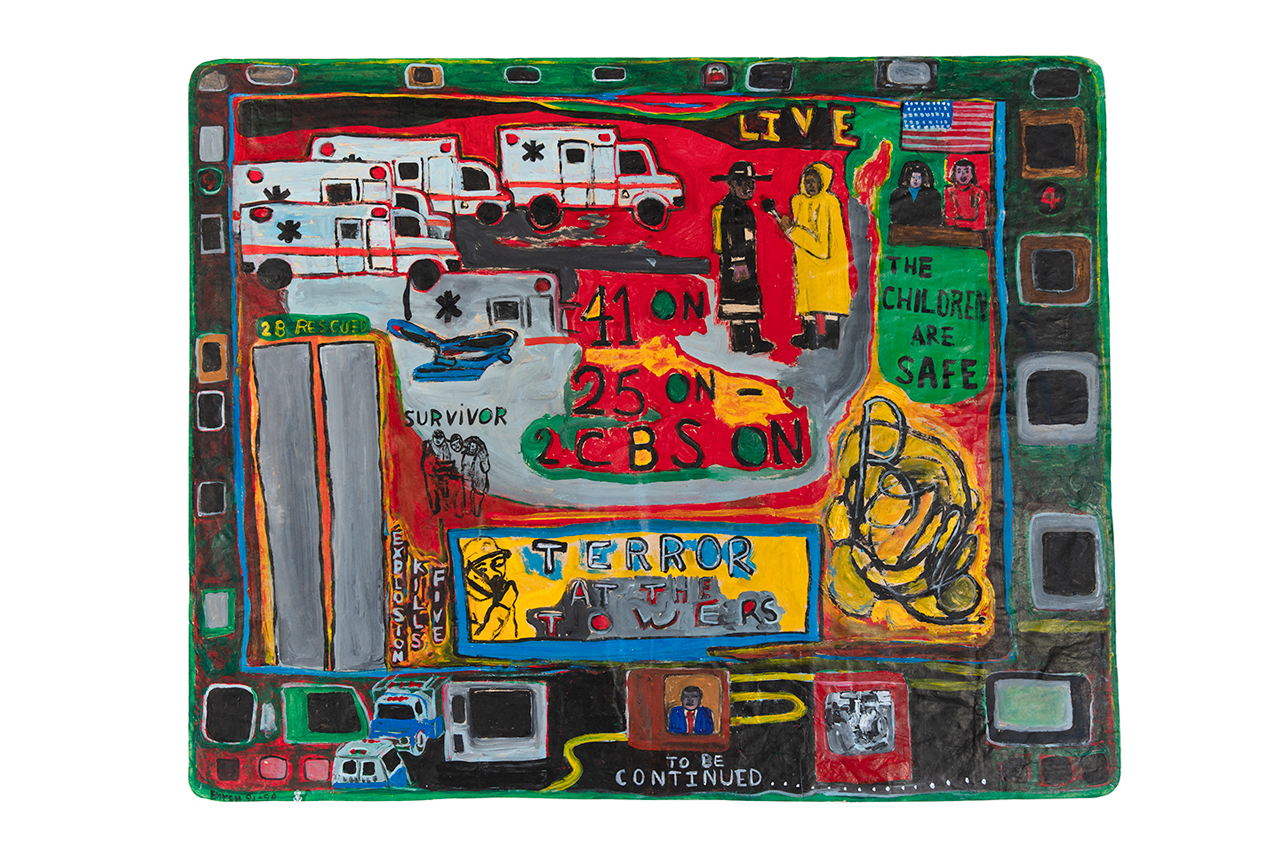
Complementing these major bodies of work are Birch’s mixed-media pieces on paper, which function almost as visual archives. By incorporating newspaper clippings, handwritten elements, and other found materials, Birch bridges personal memory with public history. These works blur the boundary between documentation and interpretation, suggesting that storytelling itself is a form of preservation. They reinforce a key idea running throughout the exhibition: that history is not only recorded in official narratives, but also carried through everyday lives and informal exchanges.
Across all periods and media, one constant remains—Birch’s focus on ordinary individuals. His subjects are not celebrities or historical icons, but neighbors, workers, musicians, and elders. They are often unnamed, yet rendered with a sense of dignity and narrative importance. This choice is central to the exhibition’s impact. By elevating everyday moments, Birch constructs a broader cultural portrait that resists spectacle in favor of depth and continuity.
“Stories to Tell” ultimately positions Birch not just as an artist, but as a chronicler. His work does not seek to resolve the tensions it depicts—between hardship and resilience, past and present—but instead holds them in balance. The exhibition invites viewers to engage with these complexities, to look closely, and to recognize that the most powerful stories are often embedded in the most familiar scenes.
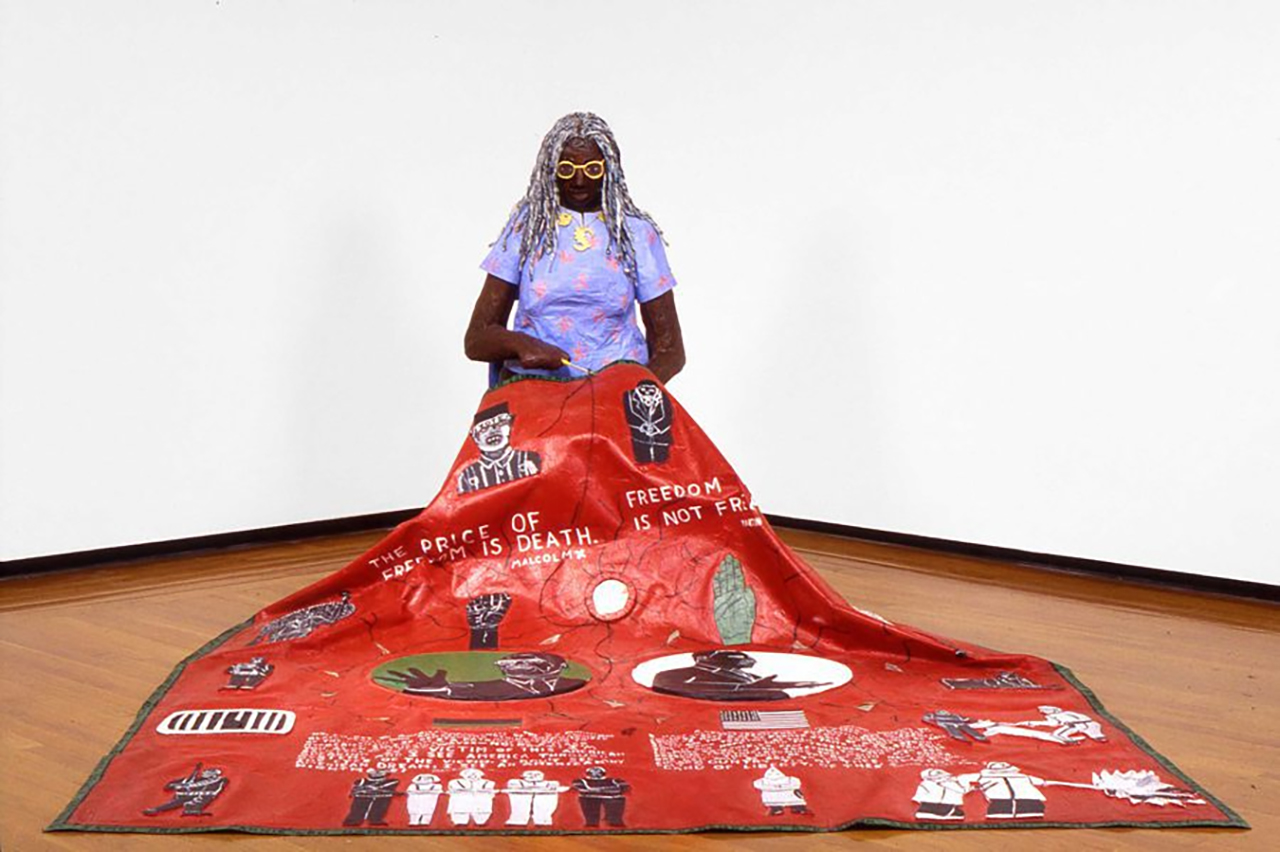
Photo: Willie Birch, Memories of the ’60s,1992. Painted papier-mâché, canvas, and mixed media, figure: 52 x 25 x 30 in; quilt: 94.5 x 81.5 in, Courtesy Willie Birch Studio; Photo: Sesthasak Booncha
Info: Curator: Russell Lord, California African American Museum, 600 State Dr, Los Angeles, CA, USA, Duration: 5/5-21/10/2026, Days & Hours: Tue-Sat 10:00-17:00, Sun 11:00-17:00, https://caamuseum.org/
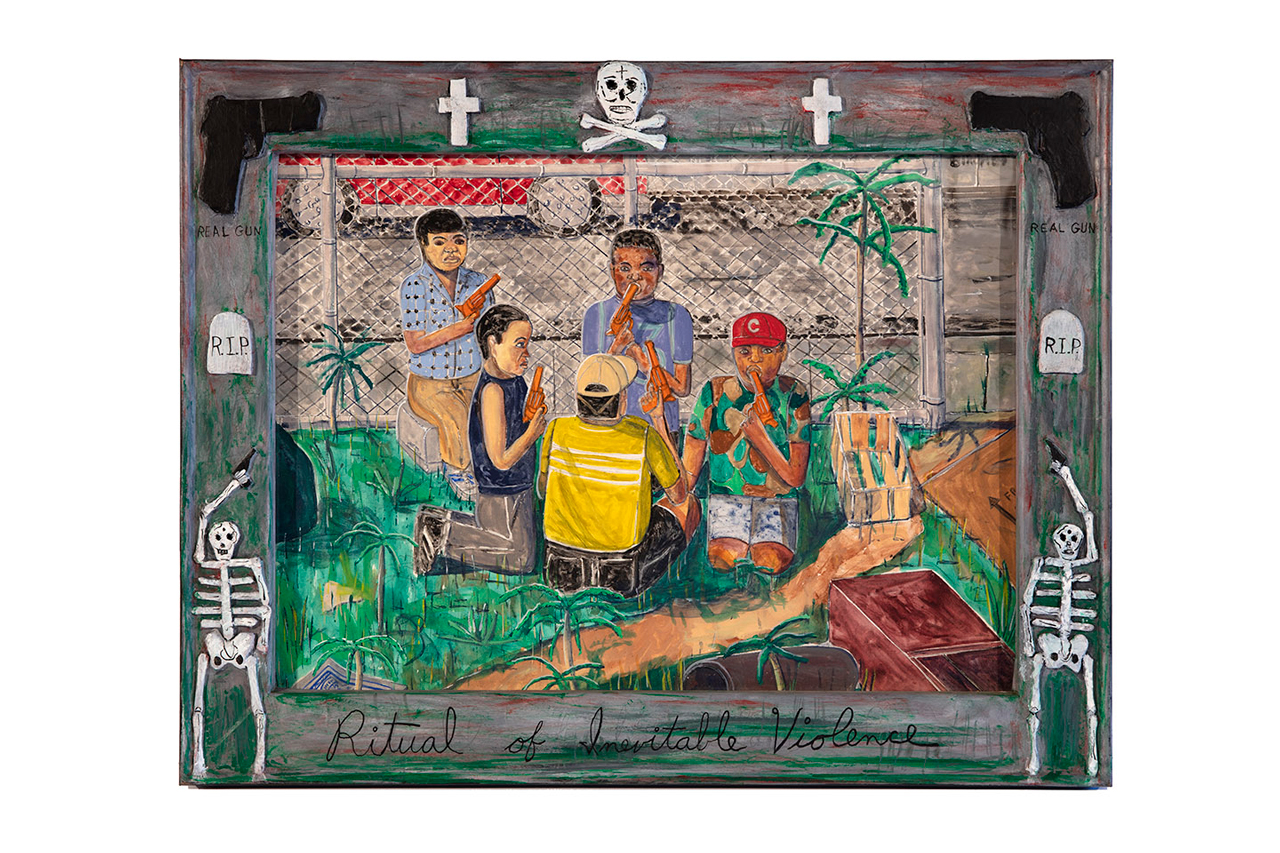
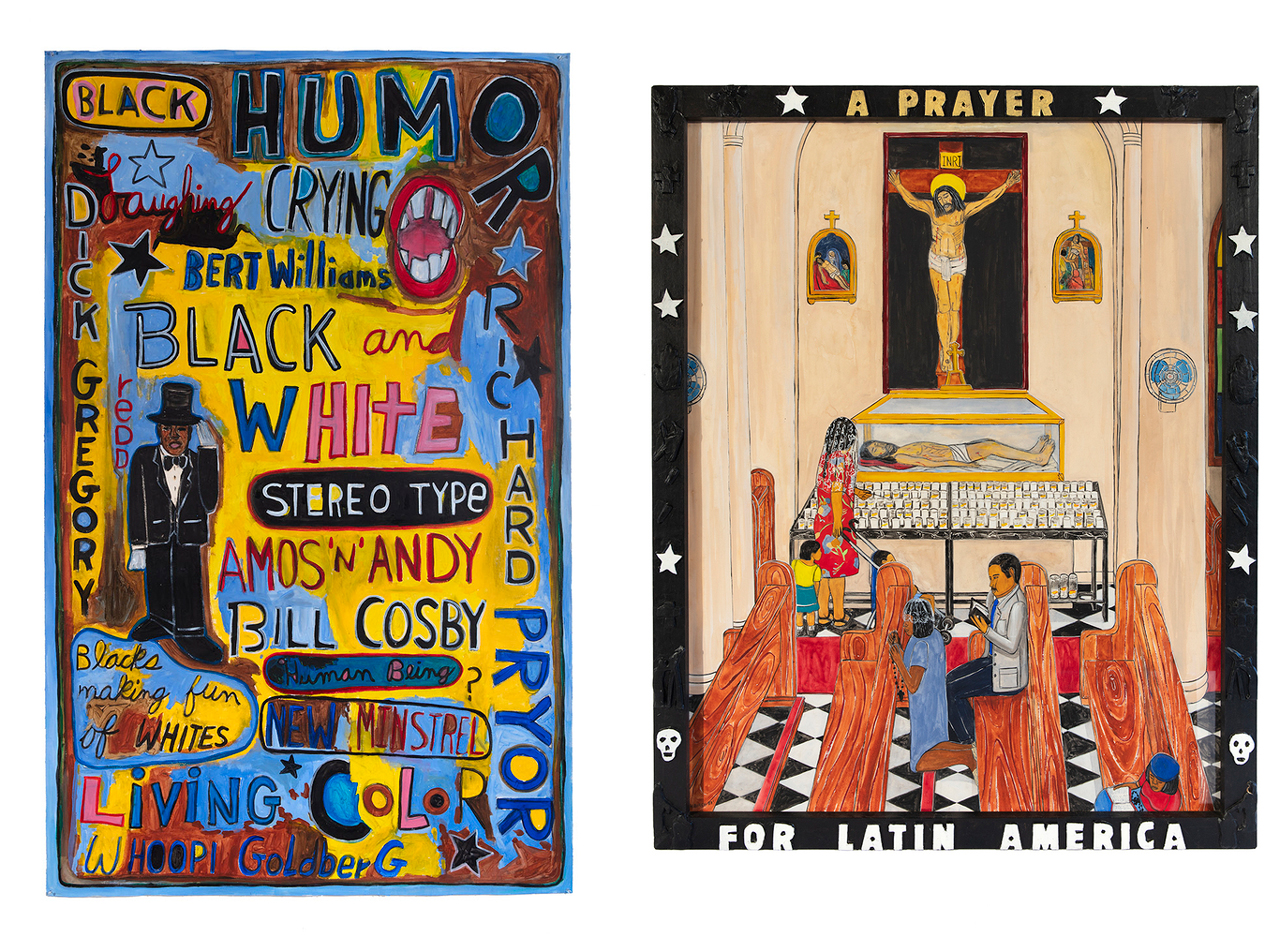
Right: Willie Birch, A Prayer for Latin America, 1987, Pencil graphite and gouache on paper with acrylic painted papier-mâché frame, 54.25 x 42 x 1.5 inches, Courtesy Willie Birch Studio
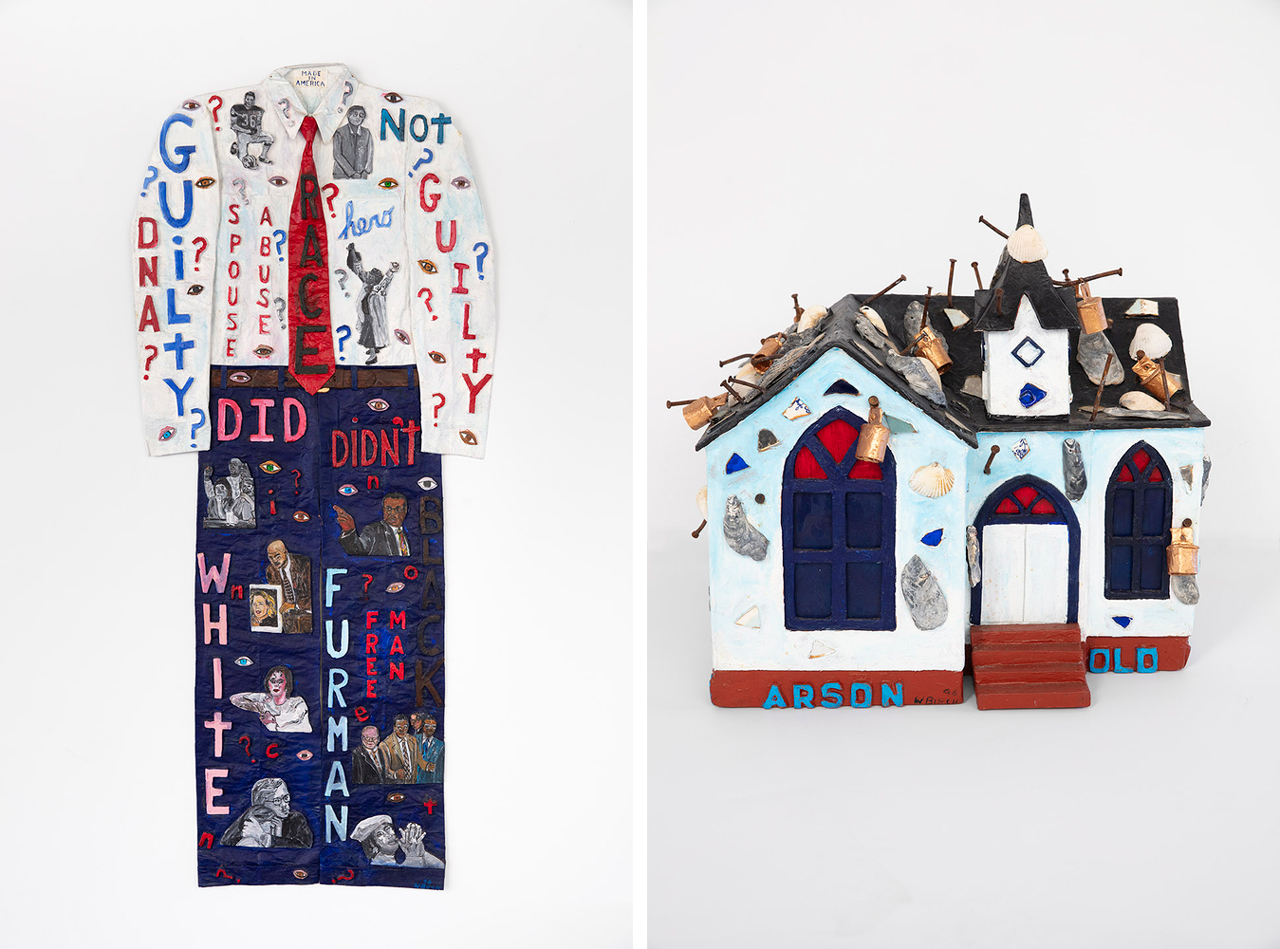
Right: Willie Birch, Old Matthews Murkland Presbyterian Church, 1996, Painted papier-mâché and mixed media, 18.5 x 18.25 x 17 inches, Courtesy Willie Birch Studio